


















Elliptic geometry, a non-Euclidean geometry where Euclid's parallel postulate fails, is modeled through two primary approaches: the spherical model (double elliptic geometry) where great circles represent lines and any two lines intersect at two antipodal points, and the hemispherical model (single elliptic geometry) where antipodal points on the boundary are identified, causing any two lines to intersect at exactly one point; both models demonstrate that straight lines are finite closed curves, the sum of angles in a triangle exceeds 180°, and the triangle inequality holds, though angle-angle-side congruence does not apply in either system.
Elliptic Geometry: Spherical and Hemispherical Models Explained
Added:Euclidean Geometry Fundamentals: A strong understanding of Euclid's postulates, particularly the parallel postulate, to recognize how elliptic geometry departs from classical flat geometry.
Basic Trigonometry: Familiarity with standard trigonometric functions (sine, cosine, tangent) and planar triangle properties (like the sum of angles equal to 180 degrees).
Three-Dimensional Coordinate Geometry: An understanding of the geometry of a sphere, including concepts of planes intersecting spheres and basic 3D spatial reasoning.
The Concept of a Geodesic: An intuitive grasp of the idea that the shortest path between two points on a curved surface may not be a straight Euclidean line.
Hyperbolic Geometry: The study of spaces with constant negative curvature, exploring models like the Poincaré disk and comparing them to elliptic (positive curvature) spaces.
Riemannian Geometry: The advanced mathematical study of curved spaces and manifolds, which formalizes the ideas of metrics, curvature, and geodesics using calculus.
Geodesy and Navigation: Practical applications of spherical trigonometry in global navigation, cartography (map projections), and calculating great-circle flight paths.
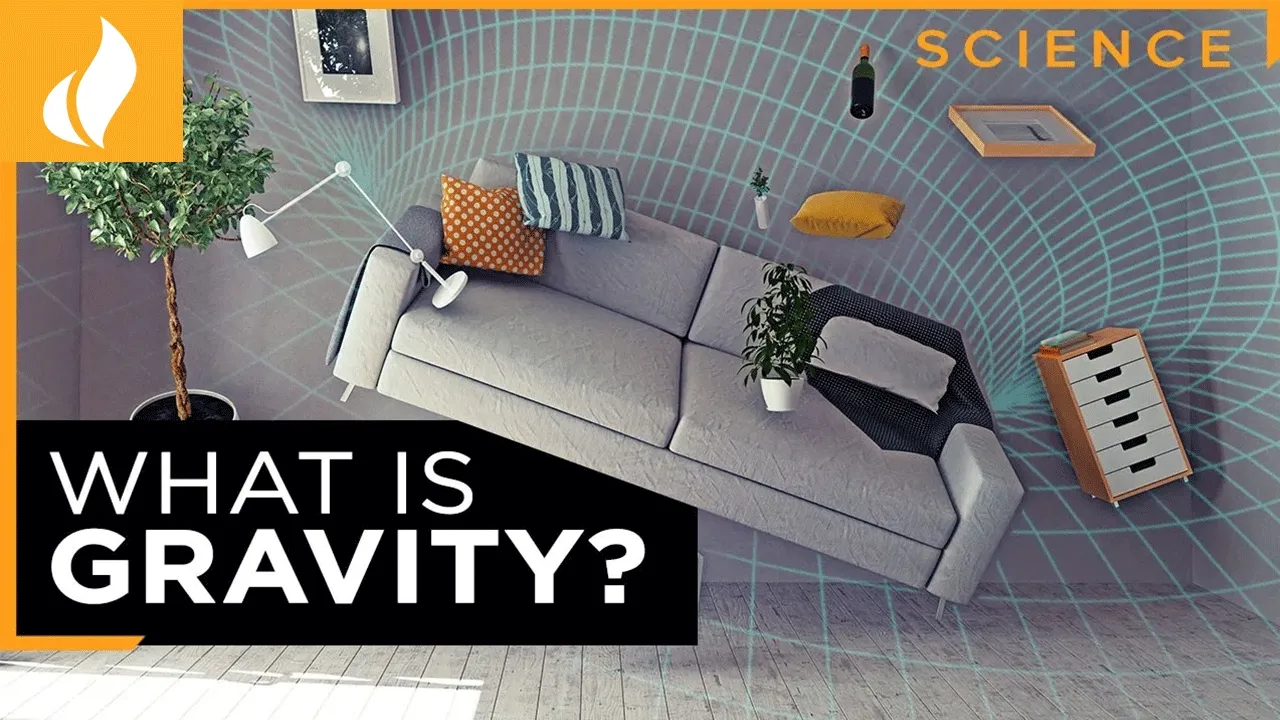
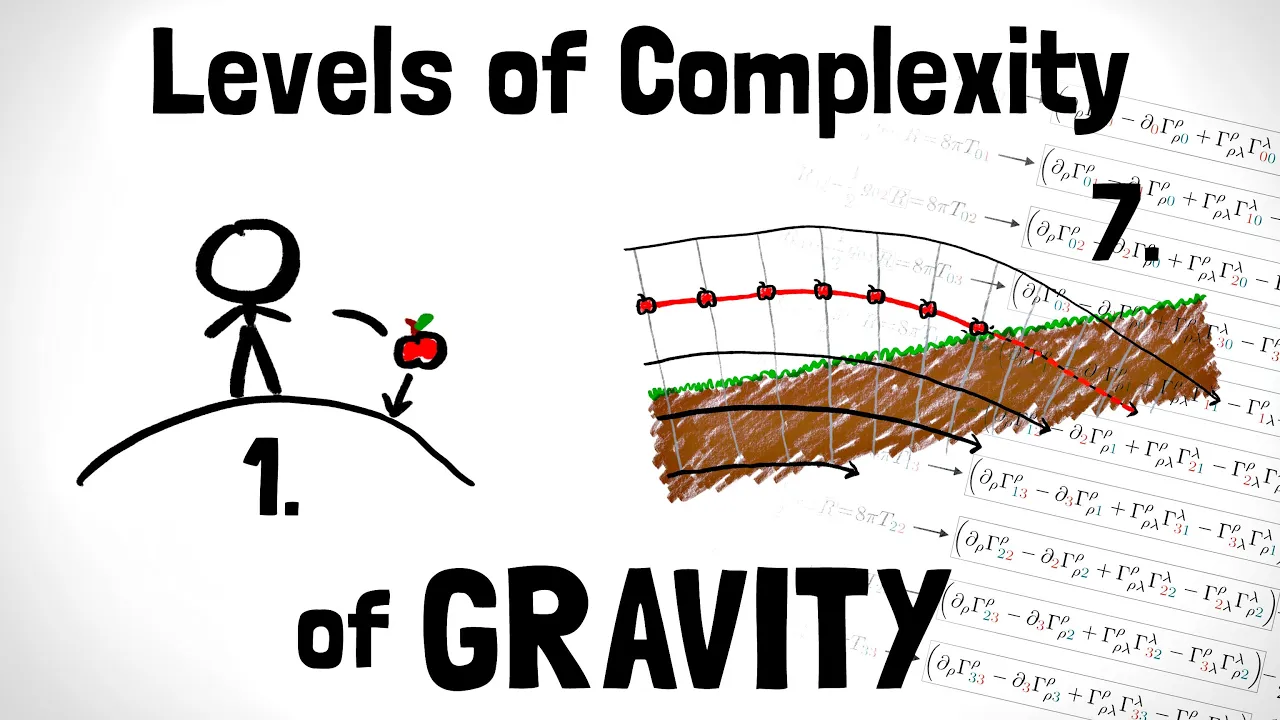
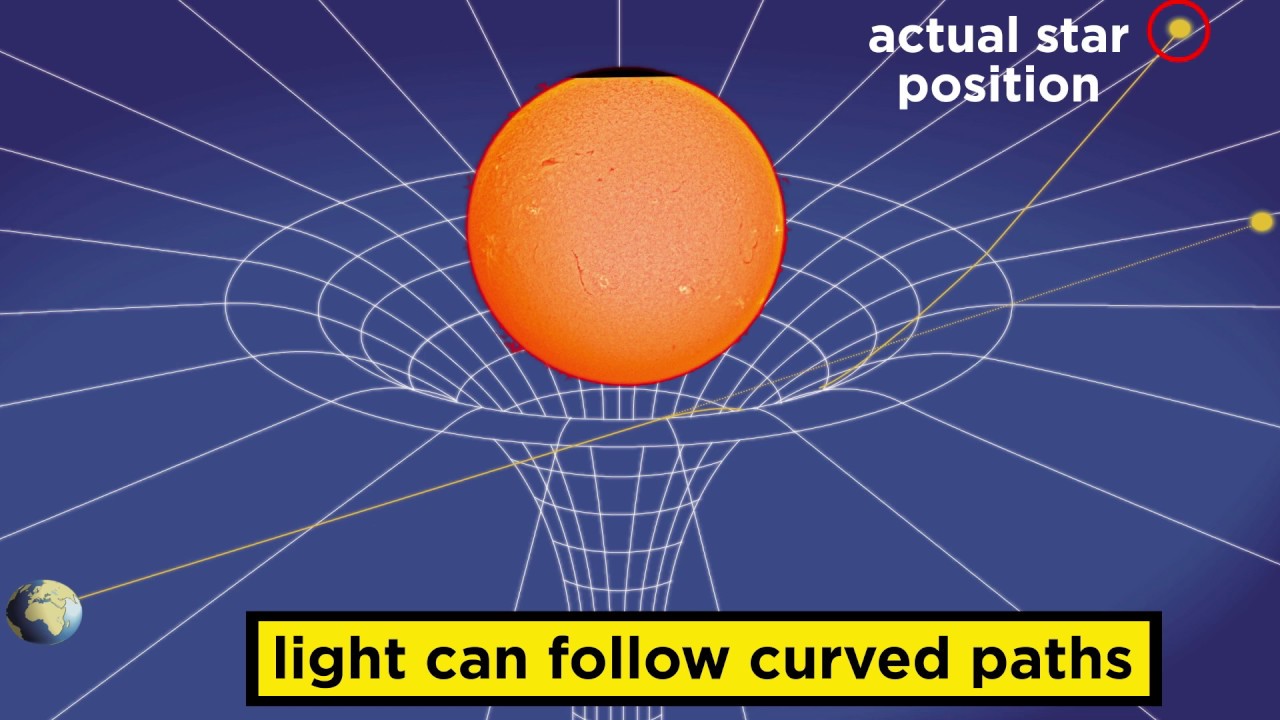
General Relativity: Exploring how Einstein utilized non-Euclidean geometry to describe gravity as the curvature of four-dimensional spacetime.
369 views5likes28:10Original Release: 2025-03-16
welcome to the last lesson on non- ukian Geometry in this lesson I'm going to talk about elliptic geometry as I mentioned previously elliptic geometry is an example of a geometry in which ucl's parallel postulate does not hold there's two different variations and I'll talk briefly about both of them in this uh lecture one is called double elliptic geometry and the other one's called single elliptic geometry in the uh double elliptic geometry each pair of lines intersects in exactly two points and in single elliptic geometry each pair of lines intersects in just one point in both types of uh these geometries straight lines are finite in length we we'll see that when I show you the model uh there's a complication here and it uh beyond what we have in hyperbolic geometry and if you recall in the lecture hyperbolic geometry we negated the parallel postulate and we were able to make use of propositions uh 1 to 28 from book one of UK's elements as well as some other propositions from ukids elements that did not depend on the parallel postulate uh unfortunately there's no such simple approach for elliptic geometry since the the axioms used improving many of the first 28 propositions in ucl's elements involve assumptions that do not hold an elliptic geometry so in the interest of simplifying the introduction here the axima foundations for elliptic geometry are not discussed uh for the interested reader I I have a couple of references here chapter 7 section 7 of guns provides a an an schematic presentation for double elliptic geometry and chapter 8 section 4 of gun provides an aaic presentation for single elliptic geometry there's also a more technical discussion of axum's for elliptic geometry and the article axum's for elliptic geometry so uh I'll give you these references in case you're interested it's a bit more complex than uh hyperbolic geometry which kind of flowed uh fairly easily from uet's elements with the one exception of negating the parallel postulate so uh I decided not to go into these it's a rather um complex set of axioms but again if you're interested I'll give you some references in lie of an axiomatic development we'll discuss specific models for elliptic geometry we'll have a uh spherical model for double elliptic geometry and we'll use a hemispherical model for single elliptic geometry we also wanted to mention that the term elliptic is a bit of a misnomer and I have a quote here from a book by coxer uh let me just read that off the name elliptic is possibly misleading it does not imply any direct connection with the Curve called an ellipse but only a rather farf far-fetched analy analogy a central IC is called an ellipse or a hyperbola according accordingly as it has no ASM toote or two ASM tootes analogously A non ukian plane is said to be elliptic or hyperbolic according to as each of its lines containing no point at infinity or two points at Infinity so um even the explanation is a little bit cryptic in terms of how the uh term elliptic out there so again it's not it doesn't have to De with an ellipse I guess that's the main point uh and what follows we'll have um description of two models as I mentioned for elliptic geometry and and I won't be giving any uh proofs or at least for most of the uh things I believe I did have one proof from what follows in the spherical model of double elliptic geometry we use the surface of a sphere as the uh our model and all the points on the surface of the sphere constitute the points of our double elliptic geometry lines are represented by something called a great circle I've shown two here A and B and they're circles that have the same diameter and same Center as the uh sphere itself the term great circle is used because you could have smaller circles on the surface of the um sphere they're they're still circles but they're not uh repres they're not representing straight lines in this model uh the uh straight lines being great circles are uh closed curves of finite length if the radius of the sphere and thus the radius of the uh of each great circle is R then each great circle and therefore each straight line is uh of length 2 i r uh two great circles meet in two points not as intipal points so we see here our great circles A and B meet at points p and p Prime and that's true for any two great circles they always meet it in typal points so that's the model it's pretty it's fairly simple I have a little bit more on this in the next few slides but the model itself is simple so you have lines being these great circles you can still have smaller cires CES or you can have ellipses on the U on the surface of the sphere points are just points on the surface of the sphere and then we have this New Concept intipal points they're on opposite sides of the uh sphere we have a few more facts about straight lines on this slide here uh I already mentioned two great circles or what are uh straight lines meet at intipal points so we have a and b meeting at p and p Prime if you have non- intipal points like R and Q then there's only one straight line in this case a that goes through both of those points and we have one other fact through each point there pass infin many straight lines the totality of which covers the entire sphere so you may want to try to uh visualize that just pick Point P here and just imagine all the different gr C that could go through that and clearly it'll it'll cover every point in on the uh sphere the shortest path on an on a sphere joining one point to another is called a geodesic Arc so for example R and Q are joined by this Arc here going through P Prime that's known as a geodesic Arc for non [Music] antialergico points through two shortest paths that's clear so if you have p and p Prime you can either have an arc going that way or an arc going that way and they're both the same length and they're both known as geodesic arcs uh a geodesic Arc is always an arc of a a unique great circle a geodesic Arc is the analog of a line segment in ukian geometry the distance between two in non intipal points on a sphere is defined to be the length of the geodesic Arc joining them so in other words the distance between R and Q is the distance of this Arc if two point points are an typal then the distance between them is half the circumference of the great circle so P if this if the circle um and sphere have radius R then the uh distance between anpal points would be pi r we have one theorem here I believe the only theorem in this uh lesson three points on a sphere necessarily lie on the same great circle if two of them are and the proof is uh kind of simple uh there are an infinite number of great circles with the same two an typal points we mentioned that earlier uh it is just a matter of selecting the great circle that contains the third point then from this theorem we have another concept consider three distinct points not on the same great circle by theorem of 54 each two of the uh points must be non anpal and lie on a unique geodesic Arc if a B and C are three points on the sphere then the distance a to B plus the distance B to C is greater than or equal to the distance from a to c and if a B and C are on the same great circle then we would have equality here uh and this is known as the triangle inequality we've seen that before uh the sum of the angles of a spherical triangle is greater than 180 and less than 540 you may want to think about uh triangles on on a globe to uh kind of get a sense of of why this is true uh two spherical triangles are said to be congruent if their corresponding sides and angles are equal however the angle angle side congruence doesn't hold necessarily for spherical geometry R and uh there's an example here I'll give you the link to it see case number five in the oblique triangle section of this Wikipedia article I'll give you a reference in the information to this video the other triangle congruence principles do hold true that would be side side side side angle side angle side angle and angle angle angle but angle angle side doesn't work the area of a spherical triangle is given by this formula here r^ 2 times the sum of the angles minus Pi where R is the radius of the sphere uh for a right triangle and I shown the picture here of it we have some formulas they're known as napers rules for right spherical triangles and we have won't read these off but I'll just uh show them to you here so these are all for Alpha which is opposite the right angle and you can have similar formulas for uh beta uh or further it's possible for a triangle to have 0 1 two or three right angles in spherical geometry that comes from what we mentioned earlier that the sum of the angles could be is is U greater than 180 and less than uh 540 so you can it's possible to have um three right angles in our uh spherical geometry for a triangle we have a few more formulas this these are based on the same um figure I I showed you on the previous slide uh where you don't necessarily have to have the right Tri right angle um we have the spherical law of signs this um formula here pointing to and then there's the spherical law of cosiness this formula here and um there's a whole bunch of these formulas I just shown you a couple of them just to make the point that we can we can do job we can do trigonometry on a sphere and and it's been well developed in the uh literature there's a Wikipedia article I'll give you the link to this called a spherical trigonometry and it has a an EXT ensive list of uh trigonometric formulas for triangles on a sphere all the great circles which are perpendicular to a given great circle meet into two an typal points known as poles I have an example here so we have a great circle a then these other great circles going this way B and C being two example so you have a 90° angle here where they meet um they all Alo all these great circles that are perpendicular to a meeted poles in the figure that's n and S uh in terms of visual visualization it may help to think of a is the equator of a on a globe and the great circles uh perpendicular to a is being longitudinal also known as Meridian lines and n and S being the North and South Poles so of course we could have a different great circle going you know in another Direction and then you would have different uh north and south or whatever you want to call the antipodal poles corresponding to the to that um all the perpendiculars to that um great circle just a note here these lines going this way are not great circles I would have preferred not to have them in the figure but I was reusing some clip art and I so I just left them in here but just focus on the uh lines going uh up and down and then this great circle here at the equator let's talk about the single elliptical geometry it's very similar to the double except that we we cut the sphere in half it's shown in this figure here here and then we make some modifications this is known as the modified hemisphere model each pair of antialbuminuric the closed curves known as modified curves so we have one a two actually A and B so from C to e and then back down to C that's one modified curve and that's a a straight line and another straight line would be B going from C up to the top of the hemisphere down to the same point C so there there're A and B are two straight lines uh we have a few more here um a e a so a e then all the way down to a that would be another one c c we already talked about CC a c a so a c a so that's along the boundary and then CFC we already talked about that one and single elliptic geometry two straight lines intersect at one point we can see that here was A and B the intersect at this point C again this is the same point they're considered to be you can think of them as kind of being joined directly uh if we did not make the modification to the hemisphere model equating in typal points that is some pairs of straight lines would have two points of intersection and others would have only one point so for example A and B which I just mentioned would have two points of intersection if we didn't equate the uh two intipal points whereas A and C C being this one here and a here they would just have uh one point of intersection that would be uh the point e here assume the radius of our hemisphere is of measure R the boundary of the hemisphere is a circle we know that it circumference is p r rather than 2i R since the boundary is completely traversed by going continually from any point on the boundary to its the boundary is also considered a modified curve the other modified curves being semicircles have have circumference are more precisely semic circumference pi r so these have pi r so this little modification we made here with equating intipal points makes it such that all the um uh straight lines have the same um same circumference same length pi r we have a few more properties concerning our model which I'll mention here the shortest path joining two points of on this uh modified model must be an arc of a modified curve so for example the U shortest path between d and e is on an arc between a and a in other words on a straight line between a and a or semicircle and this path between d and e is known as a geodesic Arc same term that we used in the double elliptical model through each point there are an infinite number of modified curves or straight lines the totality of which cover the entire sphere so you can see this here from F if you took all the different curves going through F that would that would cover the entire uh hemisphere you may want to try to visualize that for E it's a little bit harder to see for e or D um through each pair of points their passes a unique modified curve so you pick any two points and you're going to get one modified curve going through them a pair of modified curves always meet at a unique point so we can see that for the ones that are um not meeting on the uh boundary for example we have the curve here C going from a to a and the curve here B they just meet at one point and then the other curves like the uh A and B meet at one point because of this modification where we equated in typal points we have a few more properties here a pair of points are said to be opposite if they divide the associated modified curve I.E straight line the equal parts so in the figure here a and F are opposite points a and F so we have this modified curve C script C and F to a and F to a is the same distance so the A and F would be opposite points whereas A and D are not opposite points since they don't divide their modified curve and half uh conversely if a pair of points divide their Associated modified curve into two equal parts then they're the points are opposite so that's just completing the definition of opposite points opposite points are joined by exactly two geodesic arcs of the same length Pi r/ 2 and not opposite points are joined by exactly uh one geodesic Arc and that's because we Define geodesic Arc to be the shortest distance so for example e and D are not opposite points they have one geodesic Arc between them this one I'm pointing to there's another one D to a a to F but that's a to e excuse me that's longer and and we Define geodesic Arc to be the shortest path so by definition this other one D a a to e is not a geodesic Arc that was the same definition we had in our double elliptic geometry the maximum distance between two points on the modified hemisphere is pi r over two where R is the radius of the hemisphere and then this last one's a little bit hard to see I'll give you a couple of examples all modified curves perpendicular to a given modified curve meet in a unique point so if we take this modified curve uh from A to B to C to a this one here then C of excuse me B script B this modified curve is perpendicular to the boundary and then we could rotate this slightly and go from say B to F down to B and that would that would also be perpendicular and you can go from here to here to here and so forth so all all of those curves perpendicular to the boundary would go through Point F so that's one example that's probably the easier one to see another example would be if we take the modified curve B script B from C to F to C what do what are all the um modified curves perpendicular to script B look like so one would be here c a c right that's perpendicular and i' drawn a few more here would be another one so it's this is a right angle in here this would be yet another one this is a right angle and you can see more of them going this way and then on the other side so they would all uh meet in a unique point and which would be a and in this case you may want to see or try to visualize what all the modified curves perpendicular to say a this one from C to e to see what what they look like that's a little even harder to to uh visualize but it be a good exercise in uh visualizing uh geometric uh shapes triangles can be a bit strange in our hemispherical geometry I have an example of two uh triangles which I'll show you here so the first one I'll call it T1 and it has sides ADF a DF AC which I labeled as X here and CF CF so that is a triangle and that's kind of not too weird but the next one is strange so T2 let that be the triangle uh C EF AC the same as this AC except it's it's on the other side of the boundary and we'll label that as Y and then uh AF this um actually this one here a to F here so this side this side and this side and draw in Red so that's a triangle believe it or not you notice you have you're going from a to c and then C to F and then F back to a so it's it's kind of distributed so that's that's weird but it's a triangle um and it's even more strange is T1 and T2 two these two triangles correspond have corresponding sides of equal length so they're they're actually the same sides right AC and a c here they share this one here and then the other one F to a and a to F assuming a is and F are opposite points in other words they subdivide this modified curve here from a to a then the the uh sides are all the same and normally that would be in ukian and hyperbolic geometry that would uh imply that the um the two triangles are congruent but that's not the case here um and the reason is that the angle here at uh CFA is um not the same it's it's Pi minus Alpha here in this triangle the red triangle and it's just Alpha in the uh triangle T1 that we Define first so the the um the two triangles are not congruent and uh that's strange but that's the way it is in in our hemispherical geometry then one point one last point in this lesson not really related to this but I I have anywhere else to put it the triangle inequality that was mentioned for spherical geometry also holds TR in hemispherical geometry okay so that's the last lesson in the this series for U non idian geometry I have another uh related somewhat related series of lectures on topology which um come back a little bit later on in that that series to the uh the semispherical model it's related to the something called the projective plane and then I have yet one more lecture series on uh complex analysis so uh if you're interested I have quite a few more lessons for you to uh view but not on this particular topic
Up Next
10:54
Non-Euclidean Geometry Explained: Curved Spaces and Hyperbolic Physics
@CodeParade
2.9M views•2020-06-26

4:43
Elliptic Curve Cryptography Explained: ECC, ECDSA, ECDH
@PracticalNetworking
28.5K views•2024-10-21
10:44
Fourier Series Introduction: The Big Idea Explained
@DrTrefor
387K views•2021-05-03

6:00
The Mathematical Impossibility of Accurate World Maps
@Vox
23.3M views•2016-12-02
Related Study Plans & Knowledge Roadmaps
Structured learning paths in Mathematics
mathematics
Tensor Calculus: Vectors to Riemann Curvature
01Mathematical Foundations: Linear Algebra & Calculus
02Covectors, Dual Spaces, and Tensor Basics
03The Metric Tensor and Index Gymnastics
+ 2 more learning modules
40h5 modules
Explore Roadmap
mathematics
Gödel's Incompleteness: Logic, Proofs & Limits
01Introduction to Formal Systems & Hilbert's Dream
02Set Theory, Cardinality, and Cantor's Diagonal Argument
03Arithmetization and Gödel Numbering
+ 2 more learning modules
14h5 modules
Explore Roadmap
mathematics
Galois Theory: Fields, Groups & Solvability
01Foundations of Abstract Algebra: Groups & Fields
02Polynomials & Field Extensions
03Splitting Fields & Symmetries
+ 2 more learning modules
24h5 modules
Explore Roadmap
mathematics
Non-Euclidean Geometry: Models & Geodesics
01Euclid's Fifth Postulate and the Birth of New Geometries
02Hyperbolic Space and the Poincaré Disk Model
03Geodesics: Defining Straight Lines in Curved Spaces
+ 2 more learning modules
15h5 modules
Explore Roadmap