







![Criminal Law: Introduction (Burdens of Production & Persuasion) [LEAP Preview]](https://i.ytimg.com/vi_webp/qpthxkNQmbc/maxresdefault.webp)


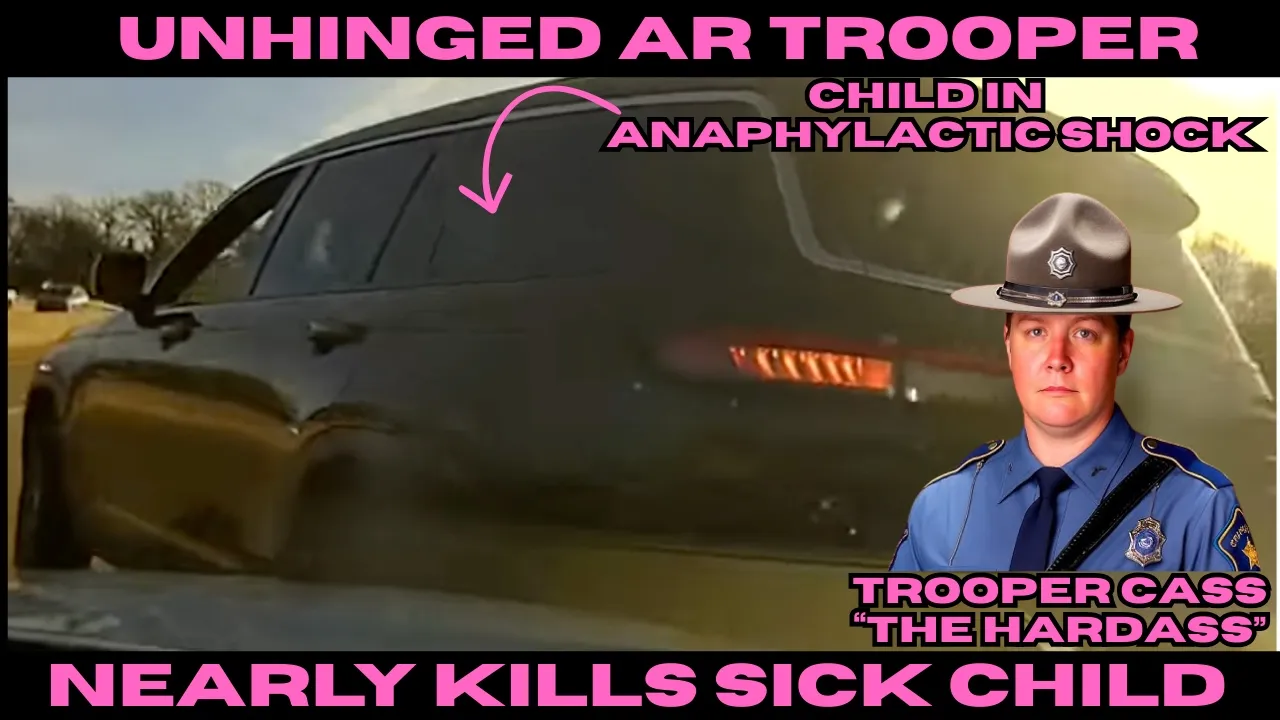


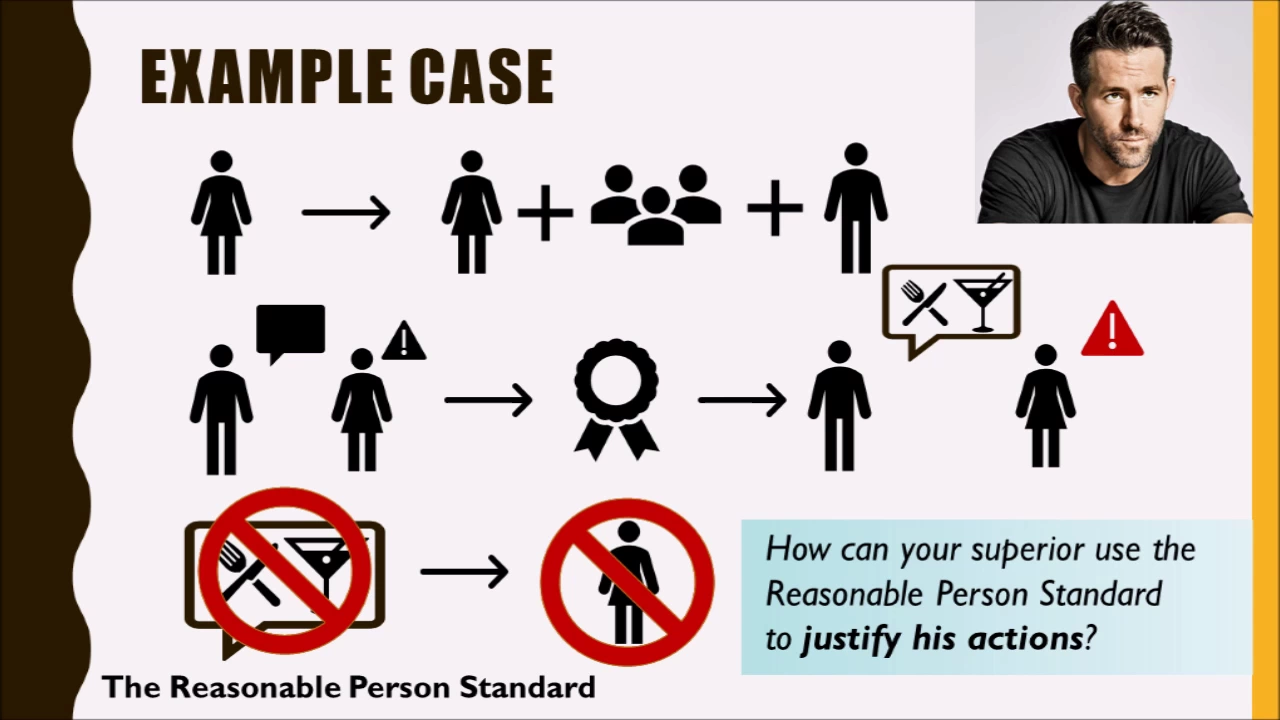

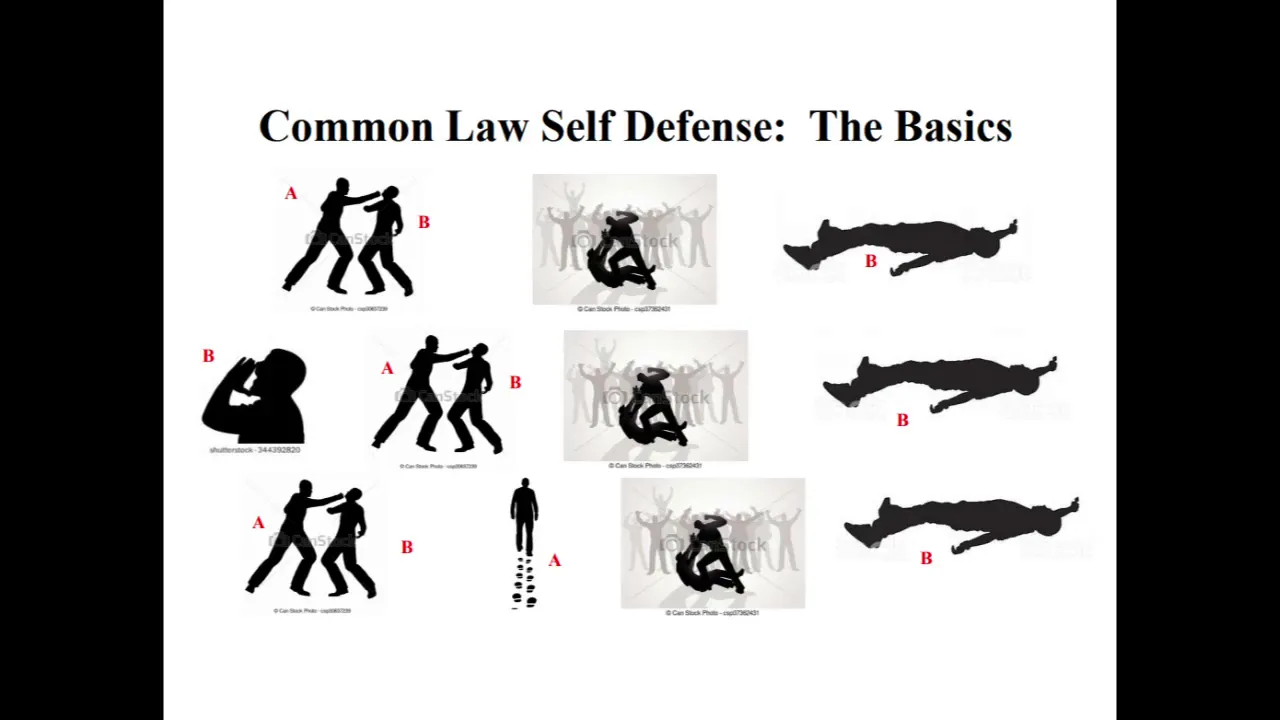












In criminal law, self-defense claims require demonstrating that one's use of force was not only honestly believed but also reasonably believed by a reasonable person in the defendant's situation, with this standard operating at three levels: typical reasonableness (comparing to the general population), individualized reasonableness (accounting for personal history and circumstances), and expertise-based reasonableness (claiming privileged insight from experience); failing to meet this standard results in treating the defendant as if they committed second-degree murder, regardless of their subjective good faith.
Criminal Law: Self-Defense and Reasonableness Explained
Added:Understanding the basic elements of a crime, specifically the concepts of actus reus (guilty act) and mens rea (guilty mind).
The legal distinction between justifications (where the act is deemed right or tolerable) and excuses (where the actor is not held morally blameworthy) in criminal law.
The concept of affirmative defenses, including how the burden of proof operates and shifts between the prosecution and the defense.
A basic familiarity with the objective 'reasonable person' standard commonly used across various areas of law, such as torts.
The distinction between traditional self-defense requirements (such as the duty to retreat) and 'Stand Your Ground' or 'Castle Doctrine' statutes.
The concept of 'imperfect self-defense' and how it can mitigate a charge from murder to voluntary manslaughter.
Specialized applications of the reasonableness standard, such as the introduction of 'Battered Woman Syndrome' and subjective-objective hybrid standards in defense cases.
The legal limits of defending others and defending property, including when the use of deadly force is constitutionally and statutorily permissible.
23.1K views0likes48:59Original Release: 2007-09-05
um you don't have a lot of this background but it takes no time to really catch you up for purposes of zeroing in on the real legal issue here um assume that one of the the victims died just to make this doctrinally simple and so um Bernard guest gets defendant is being tried for criminal homicide the question is what grade of homicide right you can have grades of homicide running from manslaughter to murder under the common law formulation or from negligent homicide to murder under Auto Penal Code statutory more modern scheme and approach to levels of culpability and criminal homicide right so we have to know both approaches we have to know the common law as well as the model Penal Code approach because California for example is rooted in the common law tradition all criminal laws statutory law it's a creature of Statute is enacted by legislatures in the respective States we call it common law though because the distinctions the legislative enactments themselves can have the distinctions and the organization that are part of the common law tradition in criminal law so the common criminal law before there was a lot of statutes there were a lot of statutory enactments recognized the distinction between murder and manslaughter based on whether there was malice criminal killings done with malice would be murder criminal killings done without malice manslaughter right um one way to satisfy the malice requirement is to intentionally kill so you're liable for criminal murder now there's if it's provoked it's down to manslaughter we don't need to get into that an intentional killing with that's unprovoked is um is murder Bernard Getz is looking at a second degree murder conviction for an intentional um killing we're assuming someone has died so just make the stock finally simple remember from earlier um unless he makes out a self-defense claim so his self-defense claim is that the Prima facial case you've made out against me for murder really won't stand up because I have an affirmative defense of self-defense and to make out my self-defense claim that is I can be relieved from any liability for any criminal homicide murder manslaughter anything else if I can establish that over on page 753 here's the law the actual law again a criminal law course is really a statutory interpretation course all you're doing in criminal law it is the most intensive statutory interpretation course you have in the first year curriculum all you do in every criminal law case is interpretive statute that's what's up for grabs that's what people are disputing in a substantive criminal law course what did the legislature mean by this word or that or that omission for this right so um here's the statutory language on 753 here's the law that they're arguing about um when you use deadly physical force and the use of the gun by Guess was deadly physical Force when you use deadly physical Force the the law is a person may not use deadly physical Force upon another person under circumstances specified in subdivision one unless a he reasonably believes that such other person is using or about to use deadly physical Force so that's kind of an embedded proportionality requirement you can use lethal force on another to avert a certain kind of harm not just any kind of harm you know you can't use lethal physical Force um for example to keep someone from spitting on your lawn however irritating you find that however knowing how upsetting it gets to you when they just stand there and keep spitting foreign you cannot use lethal physical Force to stop that it says divert that harm right it says there's certain there's certain justificatory principles that underlie self-defense jurisprudence one of those is there's a proportionality that's embedded in the doctrine what we think it's worth what interest we think is worth spending lives for to protect these interests we're seeing as a matter of legislative will that it's worth spending these other interests so one interest you can protect at the expense of another Health Life Safety interest would be to prevent the use of deadly physical Force against yourself right um or be he reasonably believes that such other person is committing or attempting to commit oh okay so these are going to be the other justificatory grounds right to commit you to prevent to avert a kidnapping a forcible rate forcible sodomy now often in many statues and you would see the model Penal Code they just stopped there to avert those kinds of harms you can use lethal defensive force and that's about it because the catalog stops what's interesting about this case is in New York the catalog continues there's another circumstance that you can use lethal defensive force in there's another interest you can protect against and that is robbery now robbery has to be for that to have any teeth robbery without any fear of deadly physical Force against yourself or kidnapping or forcible rape right for it to have any meaning it's saying even if you don't have those but you have robbery you're Justified if you're using lethal Force to avert robbery right so it's saying even if you don't have fear of serious Bodil injury because I would be death of serious bottle injury that's already covered or kidnapping but you just you just are sick and tired of being robbed and you think you should be able to kill somebody who tries to invade that interest and in New York at the time this opinion is coming through the legislature felt that way the legislature threw that in right that reflects the popular will it doesn't say anything about the armed Park could only go to you feared for your life but you already got a privilege for that what does the the arm part then becomes irrelevant it's now you're trying to rob me with and I'm not worried about my my life but I worked hard for these Converse and I'm going to shoot right that's what's inscribed in the doctrine that that that had to be a legislative decision made if there was a bill that was added right there were platforms you know as part of the political process and we're seeing it all in the statutes in the substance criminal law it doesn't say does it then we're going to need some decisions we're going to need some some case law for clarification right um kind of going off but he was saying like how how flexible is that as being uh like a defense attorney because just throwing an extreme case out there now you're trying to be funny what if I'm what if I work and somebody like takes my donut you know that's Robin and of course like the law doesn't mention anything about it but you know that's the great think of the great deterrent effect yeah I mean let's go there you know there was a time you know in England this is the anglo-american tradition we're talking about the common law common criminal law is the Anglo tradition right we have to start with the 13th and 14th just after William the Conqueror we start with some of these manslaughter murder distinctions right there not long after so in England you know you could get decapitated for for thievery you know for for for for pickpocketing and I remember reading this one text um you could get capital punishment for and you know it was public in those days you know in the Square and the prop they stopped doing they stopped um killing just pickpockets uh in the Public Square as much as they once had they started cutting back on the practice when they discovered that one of the like greatest spikes in pickpocketing activity happened during the hangings for pickpocketing people would come into the crowds and while they were all watching and pickpocket uh so you know how however much you think the deterrence affect it works or not um it it seems that it in May if you think that it does it does have a deterrent effect you know I I give you that anecdote on the one hand with kind of depreciates the the weight of the deterrence argument but on the other I there are a lot of places there's a lot of parking Behavior I don't engage in you know because I'm deterred by tickets I don't I hate LA tickets and I you know I forget them and they multiply and their pain and so I think it has I engage in behavior modification you know in response to signals that being sent by rules that I know exist out there so one question of course you have to ask going in is if you think the deterred fraction now is one that supports criminal liability what empirical basis do you have for it and even if you have some empirical basis for it does that in the debate or do you have to consider whether um irrespective of deterrence values it's just or fear or you know someone is being punished because they deserve punishment as against being punished to promote the social welfare the some kind of common goal or common good um those are the kinds of questions that you're going to have to Grapple with in in thinking about the the standard of liability in a case like this are we going to say and notice that this is what we are seeing in a case like Bernard Getz even if you honestly believe that you are about to be attacked and you need to use lethal defensive Force to avert the attack even if you honestly believe that we may still hold you criminally liable if your belief wasn't reasonable how can how is that fear to Mr Getz right because he he honestly believed he was doing the right thing so he had no subjective awareness of wrongdoing if he's not subjectively aware of wrongdoing which by hypothesis he is not right we're saying even though you honestly believed it if you don't reasonably believe it you're liable that's what we're saying right so we're by hypothesis we believe that you honestly believed it but now we're saying if you didn't reasonably believe it you're going to be held criminally liable but how can you justify that from from Bernard Getz perspective if an honest mistake negates the possibility of subjective awareness of wrongdoing if you don't have subjective awareness of wrongdoing you don't have choice you don't have you're not choosing to do wrong you don't have subjective culpability you don't have fault you have strict liability you're holding him strictly liable um for something that he says he couldn't He was unaware of he couldn't choose he had no control over how can that be fair to Mr Getz you hear people say give me this all the time right well great let's say that we analyze this case the way most folks analyze back in the days when this uh taste was in the headlines um they approached it even though we see there's this robbery issue that wasn't much discussed they approached it as a case of Bernard Getz making a self-defense claim that he feared for his own life and used lethal defensive Force to protect his body his own bodily Integrity interest his own health and safety in life right um and he says that was a reasonable belief right because you have to um to find him oh they moved all of the all of the tools of the trade um to be liable um to make out a self-defense claim you have to establish one that there's imminence two that there's necessity and proportionality of being dead inscribed in the doctrine that one imminence the threat has to be imminent the attack has to be now the time to act has to be now that's the imminence requirement an imminence of threat to necessity necessity means there's no less drastic alternative there's no less drastic Way by which you could have protected this interest say your health and safety interest um there's no less drastic way that you could have protected that interest that was available to you you had to use lethal defensive Force nothing short of that would have protected the interest yes in this case didn't say that Mr gets had previously averted several attempted robberies by pulling the gun but not yeah he branded it a couple times and that worked then but sometimes um different circumstances call for different responses and in this particular scenario that he found himself in in this particular scene let's make sure we have the facts before so let me just get a few of these get these out we'll we'll take them as those given up at the bottom of 751 appears from the evidence the county very bottom of 751 that's full paragraph the candy approach gets possibly with Alan beside him and stated give me five dollars neither canning or any of the other use displayed a weapon gets responded by standing up pulling out his handgun and firing four shots in Rapid succession first shot hit Kenny in the chest second struck Allen in the back third win through ramser's arm and into his left side and fourth was fired by a cabbie apparently was then standing in the corner of the car but missed deflecting instead off a wall of the conductor's cab after gets briefly surveyed the scene around him he fired another shot of cavi who then was sitting on the end bench of the car the bullet into the rear of cabbie's side instead of the spinal cord a couple um paragraphs down one two three down from there um he says that he um admitted that he'd been illegally carrying a handgun in New York City for three years he stated that he had first purchased a gun in 81 after he'd been injured in a mugging is that relevant to the reasonableness of his response on one formulation of the reasonable person standard maybe it is right the um bottom of the next paragraph the last sentence can he then said give me five dollars get stated that he knew from the smile on Kenny's face that they wanted to play with me although he was certain that none of the youths had a gun he had a fear based on prior experiences of being maimed right um and then you you remember pretty much the rest of the facts on 752 the one volley the one that was a prostate um now in 753 assuming that those are the facts um we get to the law on 753 which says a person may not use deadly force upon another under circumstance specifying unless he reasonably believes as we've already said he's about to use deadly force that's the imminence requirement it's about to use deadly physical Force the other or he reasonably believes Etc so um the real issue here becomes did he reasonably believe he says I should only if I honestly believe that should be enough and the court ultimately as you know from the from the opinion we don't have time to to tease it out as we would in class and will in class um but at the end of the day the court holds that the belief has to not only be honestly held but reasonably held that is you have to establish that a reasonable person in your situation would have form the same beliefs and responded as you did that's that's becomes the key issue that becomes the key issue um if you can individualize the reasonable person standard to accommodate your history your special circumstances then you can at least give that story to the jury if you don't if the judge says I won't let you individualize the reasonable person's standard to be the reasonable person who's been mugged in the past versus just the reasonable person if the judge says I'm not going to give you the reasonable person who's been mugged in the past formulation of the reasonable person standard that judge can simply keep you from ever mentioning that in court that's the that's the operational significance of these substantive rules they play out in the Rules of Evidence yet as soon as you start talking about it I stand up and say what's that relevant to what what what material element of this case is that relevant to the mugging only to an individualized standard of reasonableness which judge you said we're not using here that that that falls out so that's the uh you know there there's there's real Stakes in these in the substantive you know here here's it may seem that we're splitting appearances that is that you you would say you were cited and you would say judge and asking that that be considered I'm not asking that the reasonable person standard be individualized at all I'm not saying make take make allowances for any any idiosyncrasies that he may have because of some peculiar history to him I'm not saying anything like that I'm saying it should be a reasonable person in that situation that situation is going to be different if you're plunked down in the middle of New York City than if you're plunked down in the middle of Akron Ohio where I'm from you know there are different social realities at least there were in 1984 um in a lot of ways between Akron and um in New York or Akron for that matter and uh you know some smaller one horse town that Akron could feel big in relation to um you know so how how are you going to let's put it this way if you don't get to individualize the standard at all it's simply going to go to the jury as what what would a reasonable person in the situation that gets found himself have done and um they're not going to even hear about his prior mugging but they're going to bring their Common Sense what they already know aren't they they're New Yorkers themselves you don't have to tell them anything right they know everything that all that other stuff they know coming through the door you know you're not going to some exotic place where people don't know what's going on you got to explain to them you know what what life is like for Bernard gets in 1984 on the Subways in New York right oh yeah oh yeah no problem no problem why don't we do that that's exculpatory that works for me are you you're you're making you're with me making exculpatory argument for them right we're we're going to carry a brief for Bernard gets oh I keep going for my you know and I feel like an amputee I can't um okay yeah he is guess is definitely saying that he's making three different claims of reasonableness the reason was let me let me get down to the doctrinal point then then I'll take your hand he's making three different claims of reasonableness in other words the reasonable person test actually went properly unpacked reveals three different levels of meaning and it can be used in any one or more of these meanings the first meaning is reasonable as typical that's typically what the reasonable person standard means right if you say my reaction was reasonable it's another way of saying it was ordinary average common not aberrant in any way reasonable is a term of Art in our course right as it is in towards it does not mean rational it does not mean right it does not mean correct or it just means typical you know you see in all kinds of verbal formulations uh that people use to try to you know Express the the the Criterion in more homey terms I've heard phrases like you know the reasonable person the reasonable man historically it's the reasonable man you know now people use reasonable person more often um you can wonder about whether the reasonable person should have a gender should the reasonable person have an age an education what kind of background does the reasonable person have you can you can ask all of those questions but what they all come down to is the claim that as long as I don't differentiate myself from others in my reactions then I'm not blameworthy even if they're not right reactions even if I'm wrong in some sense right you know um you know I make a mistake but if it's the kind of mistake that Ordinary People would make then it's a reasonable mistake and if if I'm making a reasonable mistake you can't blame me for committing this at this race causing this death for example and so um one of the ways I may make my that excuse claim that it was a reasonable mistake might be first that it was typical in the sense that if I draw a person from the Baseline being the general population an ordinary person drawn from that general population would have responded the same way yes could make that argument he could say you know any New Yorker in my shoes would have responded like idea could have responded like I did that would be the first level claim of reasonableness or he could say a second level claim of reasonableness you know maybe I overreacted maybe I overestimated the risk posed maybe I reacted um in a way that was excessive that's for the sake of argument go that route for a moment he could say still I should be exculpated I should my conduct should be found reasonable if you conclude as a jury that an ordinary person who had a history of mugging might have gone off like that as long as you individualize one moment as long as you individualize the reasonable person's standard to that extent then I may be able to make a kind of excuse claim that's saying my reaction was typical but not typical as compared to the Baseline of the general population typical as compared to the Baseline of the subgroup of people who've been mugged I'm saying my my my behavior Myers beliefs were reasonable when measured against the Baseline of other people who've been mugged make that the Baseline individualize the reasonable person's standard to that extent and I think I can get to the sympathies of the jury that's the second level claim of reasonableness that's an excuse based claim or there's finally a third level claim of reasonableness and all of this is embedded in the standard and may not become explicit unless you unpack it you know kind of reflectively as we are and see where different arguments are going to he could say that as he uh did that I knew from the smile on Canty's face that they wanted to play with me that because of my mugging my prior mugging experience my prior mugging experience didn't just give me an excuse it didn't just enter a distortion in my psychological and perceptual processes and make me overestimate and irrational all that that's not the argument I'm making the argument I'm making is that when you've been mugged before like I have you develop certain certain expertise you know you developed a certain privileged kind of understanding and knowledge of things that you don't have if you haven't been there if you haven't gone through it I've been mugged before I'd warded off two other muggings you know maybe in your politically correct world you you you can you know you have your beliefs about what you would have done but I'm telling you that as somebody who's been there um I have a kind of privileged epistemic position to view things from you know when we're talking about claims to knowledge and whose claims to knowledge that are being treated as most authoritative in the adjudication process I'm explicitly saying to you jury suspend any disbelief you have I have privileged Insight privileged access to judging accuracy accurately risk that I face before because of the experience I've gone through that you may underestimate because you just haven't been there so my claims to knowledge are more authoritative than yours now as I say that you know I want you to recognize that's why I had you read also um cases on battered women that in self-defense claims made by a number of battered women especially in cases in which the bad woman kills someone I'm in a non-confrontational situation when he's asleep or there's a lull in the violence Etc which isn't the majority of cases it's only about 25 percent of the cases the vast majority are confrontational situations in which you know it's a real just ordinary self-defense um but in that Minority of cases in which there is a killing during a lull or um while the abuser is asleep the arguments that are made on behalf of defendant battered women's women are exactly the same that we're hearing Bernard Getz make they're the same three claims of reasonable same three level claims right first like I said most happen in confrontational situations is if you were there if you were in my shoes and somebody's coming at you who I'd weighs You by a hundred pounds wielding whatever you would have done the same thing it's just ordinary you don't I don't need any you'll need to individualized standard of reasonableness at all second um I want to introduce evidence by someone like Eleanor Walker for example one of the Pioneers in this area who's going to talk about the effects of a cycle of battering how it gives rise to post-traumatic stress disorder that we call battered women's syndrome as a result of that syndrome women can underestimate the ability to leave situations um their possibilities of escape and they can overestimate the risk that's posed by abusers even ones who are asleep so it's a series of psychological distortions post-traumatic stress disorders that are introduced and it's an excuse claim you know I I there wasn't really imminence and there wasn't really necessity I could have gone but just um um you know my responses were distorted by these brutal external forces that were brought down on me over a period of time and have now made now made me oh you know respond in the way that I did and it was typical for someone who's been battered so you're back to the Baseline of Baseline of battered women and where do I fit can I fit my case in there if I don't then you'll say it's unreasonable if it falls outside that range so you know what is the typical experience that's a whole nother can of worms right but that that we don't have to um to unpack right now but there is that whole kind of typicality argument that's rooted in excuse um you know experiments for example some of the um Theory um that Eleanor Walker used in serving as expert witness in battered women cases involved um experiments like some in Russia that you couldn't do today involving dogs that they were shock in cages you know administer a lot of shock um and then they'd get to the point where they'd open the door of the cage so that he could escape and administer shock and the dogs wouldn't leave the open door they called it learned helplessness you know from you know being trapped in the situation and a lot of receiving uh constant negative reinforcement you know that when people were making the second level claim of reasonableness those those uh defense counsel they're saying that something like learned helplessness that Distortion in the defendant psychological processes could have caused her to um not appreciate the Escape possibilities and then finally the third level claim of reasonableness could be no I'm I belong to a subgroup yes but I'm not making any kind of excuse claim or excuse base claim actually what I did was justified I had a I have more accurate Keener perceptions of the realities confronting the risks confronting battered women and this particular battered woman having been through it myself I have authoritative knowledge my claims to knowledge really are are rooted in my my particular experience but that particular experience isn't it hasn't wasn't a distorting one necessarily but a Sense and Sensibility enhancing one in terms of certain kinds of risk assessment at least um so that's a kind of justification claim and you'll hear battered women's syndrome evidence experts talk about that Dimension too that kind of well you know ordinary jurors you know with your ordinary beliefs Etc you may have an impression of things that are really less accurate than people who've gone through this and here's some statistical proofs here it was rational I can give you statistically rational arguments to show you that um often there can be an escalation in violence and separation assaults that cause death to women and they can recognize the signs better than somebody who's not part of that situation I can try to offer you that empirical evidence to combat whatever perceptions you have as jurors coming into the jury box but the main point is this third level claim of reasonableness is one rooted in not excuse but really I'm I'm really more you know kind of tuned in and keyed in now to the extent that we're saying that it's rational the third level claim claims to rationality that's also like Bernard gets right because guess is saying well you know I I have especially something to fear rationally from ambiguous black men you know if they're supposed to salients are black that is relevant to the reasonableness of my reaction because a typical person will react differently to an ambiguous black person than to an ambiguous white person that's the that's the Contin you know that's the contention that's the claim is that is that really wrong first and if it's not wrong if it's true then how can we deny him that claim without sacrificing his innocence on the altar of our you know sense of political correctness is that how we characterize that well you know in 84 he would say look get me on the handgun of fence then that you get me on that you get me on the conceal in a weapon you got me all right that's not the one and they that that's the one that he actually does get you know the one I'm talking I'm worried about is the the murder because notice if they don't believe that doctrinally if the we don't have time to parse this now if the jury does not believe that you acted reasonably in your response even though they believed you acted honestly you're completely denied any self-defense claim at all right which means you're treated just like a second degree murder right that is you are treated just like if this person who honestly but mistakenly healed somebody you're treated just like somebody who walked up to a clerk and said give me what's in the cash register and killed him in Cold Blood you're both treated the same even though I suspect we don't think that their levels of subjective culpability are really the same but they're treated the same under the common law approach relatively gonna have implications on future hey don't you think it's kind of risky since that's the president that like killing like this is excusable because of individualized circumstances um how though why is it dangerous it may be I think it may be you know as the council for gets I think it may be salutary in its effects you know it's going to send out a strong deterrent signals and a lot of these young Hooligans and the language that you know we have lots of language from the time Predators on society um you know monsters um Bad Seed you know we can we can keep them they need to be more timorous and withdrawn and they need to they need to have that strong to turn signal out there you know when you read the materials that follow this case you see that that opinion is in the op-ed pages that is not a you know uh insular minority opinion right so guess is just saying why can't I keep why can't we keep it that real in terms of measuring my subjective culpability as long as I'm not differentiated from anybody else as long as you can't distinguish me if if we're all scared witless you know and especially more and more witness and and more witness of of uh intimidating black men than others if that's how we feel then fine you know don't let me let me make sure that I'm able to um get that part of my story out so that you can judge me in the fullness of of who I am and compare it to who you are and who we all are rather than saying oh we're going to make an example of Bernard and and and you know kind of make the rest of ourselves feel good even though he wasn't doing anything all that different sitting down oh oh you hear that that's that's the that's one of the excuse theories approach to the excuse variant of the reasonable person test when I'm saying excuse me for ordinary human Frailty infallibility this is when it's at its kind of in its Glory right because now um and you saw this in some of the readings after the material now you're saying if an ordinary person could lose control you know when provocation Doctrine we have all kinds of cases of people losing control and there being a mitigation if you can show that a reasonable person would have been provocated provoke you can you can um ratchet down from murder to manslaughter if there's a reasonable provocation well um we have we have the reasonable person working in a lot of those other kinds of contexts so in here if you can demonstrate that an ordinary kind of typical person for a moment can lose control and snap and you have the um op-ed piece from the Washington time where he talks about the limbic system overtaking the neocortex the limbic system hijacks the neocortex tells them to get over in the corner and shut up and just goes off right that's what that article said happens so there's no agency right there can't be criminal responsibility without personal responsibility or agency and I'm just I have no agency when this fear overtakes me or this anger overtakes me and all these provocation cases it's anger people are angry out what did you say and they say I'm taking over and to the extent we recognize the provocation claims which we routinely do we're we're letting them say you know I I'm less than a full agent you know I I'm somehow you know oh um not fully responsible because oh for whatever Reasons I'm not a full agent in the in the rate material when we cover rate in this um in this course in criminal law course which you do have to lock horns with I think to do justice to any understanding of Criminal Justice process um you hear similar kinds of claims come up about agency you know males who are unable to control themselves under certain circumstances you know and they say but it was reasonable I just lost control but you know I'm just an ordinary Joe and that's the reasonable person standard if I'm just typical if I'm typical you know you can't blame me now we won't get behind what typical can mean but all I have to do is show that blame is reserved for the statistically deviant which is the normative claim that I'm making by this typicality approach to the reasonable person test and it's the one that Reigns right does that mean that they can technically preclude you from the second um and the third type absolutely yes that's right yes that that's the T that's the doctrinal teeth of all of this folks is it cashes out a trial with the kind of story you can tell because trials are really about dueling narratives right you want to tell your story they're telling theirs who has the most compelling incredible narrative well these rules tell you that on certain cases the courts won't let you even tell that part of your narrative that gets cut off if it's not relevant and the substantive rule tells you what information is relevant whether we individualize the standard of reasonableness so your history is relevant or if we make it more objective and standardized in your history is irrelevant right so the stakes um the interesting thing about that comparison between the battered women self-defense claims claims and those uh Bernard Getz is that I think politically I found Through The Years students tend to left-leaning students tend to identify with the victims in the gets case and um criticize the defendant um and right-leaning students not as much on the other hand The Battered Women's case the left-leaning students identify much more with the defendant and less with the victims and vice versa you know with more right-leaning students but you see when you get into this that on certain kind of analytical level the law is really on kind of a formal level there there you can't make predictions from where people are politically to where they will come down doctrinally you know you can have the same doctrine that supports um Bernard gets his claims supports the battered woman claims right if you think that they should be treated differently at all you're going to have to come up with some other reasons than Doctrine how about the fact that well I know if I'm scared I'm not going to go into a place where we subject yes yes right you know what and he will and he should be able to show that agency you know because we're going to treat him differently than we do um complaining Witnesses and rape cases we tell complaining Witnesses and rape cases it comes out in a lot of our material that there's certain places and times you shouldn't be right at certain times of the day if you're certain places we will start asking questions about what were you doing there so late right we don't ask that about if I go to an ATM or you know somewhere around here in the middle of the night someplace where I know I shouldn't be taking money out and I do and I am assaulted no one mitigates the crime in any way for the assay or say armor you know we're really not we don't think this was such a grievous harm because you you really uh just assume there is no the person is going to receive the same sentence regardless it's going to be processed they there's no contributory negligence uh in that context um but in this in in the context of you know physical safety um in in in these situations so um he would say I should be able to use ATMs any time of the day or night don't tell me I'm stupid for going to the ATM at three in the morning if I if I strap and go to Washington Mutual at three in the morning right and somebody walks up on me that's just too bad for them and you should all support me in that you should say there's no place I shouldn't go as a guy at three in the morning if I'm strapped foreign and clearly that is is the the jury when they return a finding that he was reasonable you know um was was was moving along those lines so um the the doctrinal stuff is indispensable to understanding this but it only starts you down the road scratching the surface you know uh so this is very truncated kind of sense of how at least uh criminal law goes here at SC I think I'm out of time now so I hope uh to see you next year
Up Next

7:23
Fulton County DA Challenges Trump Co-Defendant's Immunity Claim
@TalkingFeds
64.8K views•2023-09-27

4:27
US Secondary Sanctions Impact on EU Businesses and Blocking Legislation
@Bureauvandijk
1.6K views•2019-03-20

5:27
Forensic Phonetics: Speaker Identification in Legal Cases
@nptel-nociitm9240
539 views•2025-03-19

24:42
Police Interrogation Tactics: False Confessions & Legal Reform
@LastWeekTonight
7M views•2022-04-18
Related Study Plans & Knowledge Roadmaps
Structured learning paths in Law
law
Self-Defense Law: Imminence & Castle Doctrine
01Foundations of Self-Defense Law
02Imminent Threat & Reasonable Belief
03The Principle of Proportionality
+ 3 more learning modules
12h6 modules
Explore Roadmap
law
Defamation Law: First Amendment & Actual Malice
01Introduction to civil torts and the First Amendment
02Elements of Defamation: Libel and Slander
03Public Figures vs. Private Individuals
+ 2 more learning modules
8h5 modules
Explore Roadmap
law
Hearsay Rule: Trial Evidence & Exceptions
01Introduction to Trial Evidence & Courtroom Basics
02Demystifying Hearsay: The Core Definition
03Non-Hearsay: Exclusions Under FRE 801(d)
+ 3 more learning modules
14h6 modules
Explore Roadmap
law
Medical Malpractice: Law, Liability & Care
01Foundations of Tort Law and Civil Liability
02The Four Elements of Medical Malpractice
03Defining and Proving the Standard of Care
+ 2 more learning modules
12h5 modules
Explore Roadmap