














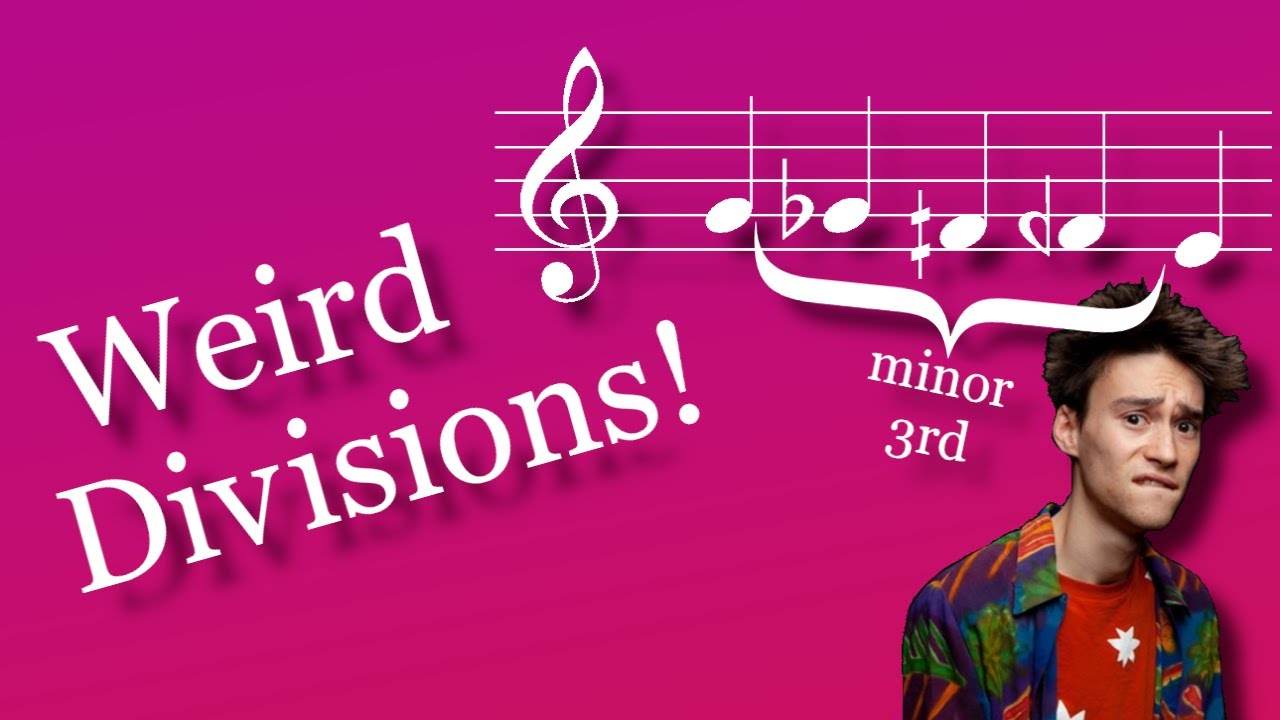
Microtonal music uses alternative tunings that divide the octave into more than 12 equal parts (such as 22 EDO), creating intervals and harmonic possibilities that differ from standard 12-tone equal temperament. Unlike traditional microtonal music that remains within tonal frameworks, 'zen harmonic' music fully explores these alternative tunings to create sounds that feel outside the boundaries of conventional Western music. Musicians can implement these tunings through various methods including custom MIDI controllers (like hexagonal keyboards), specialized synthesizers with tuning files, and even by modifying acoustic instruments (such as filing reeds on melodicas or adding magnets to kalimbas). The approach requires understanding how different tunings affect chord structures, intervals, and harmonic progressions, while maintaining listenability and musical appeal.
Microtonal Music with Sevish: Exploring Alternate Tunings
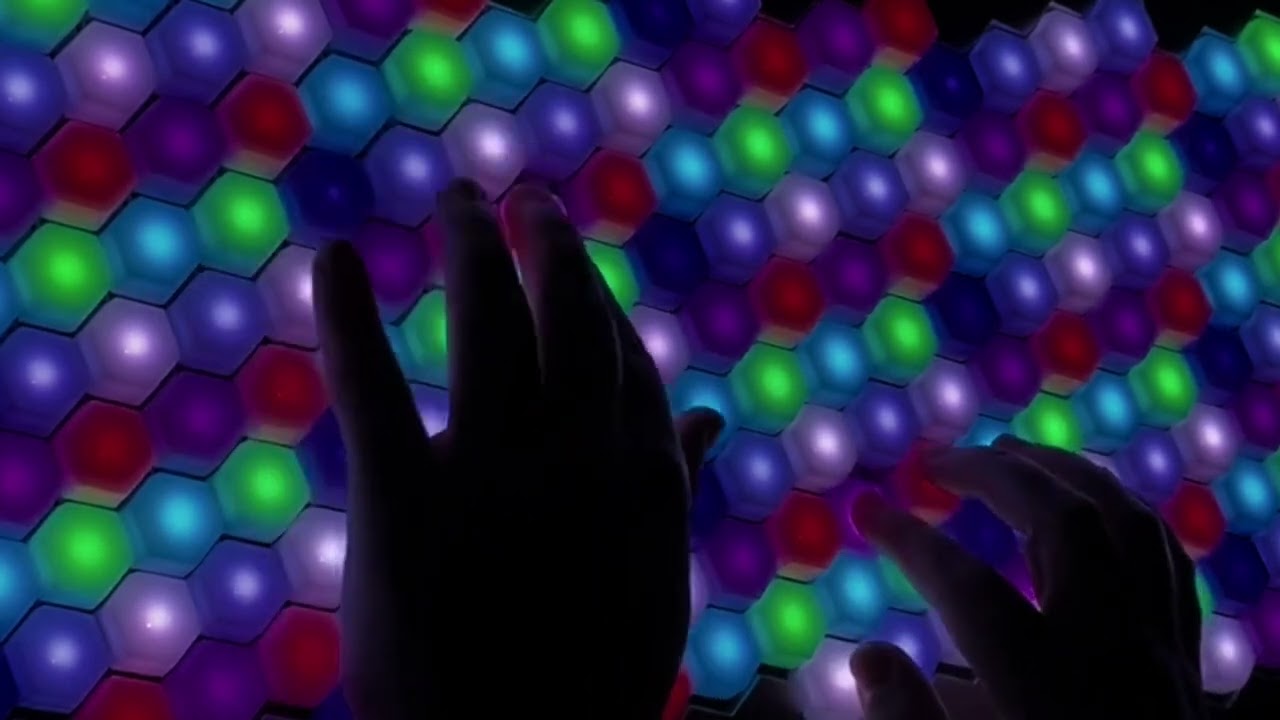
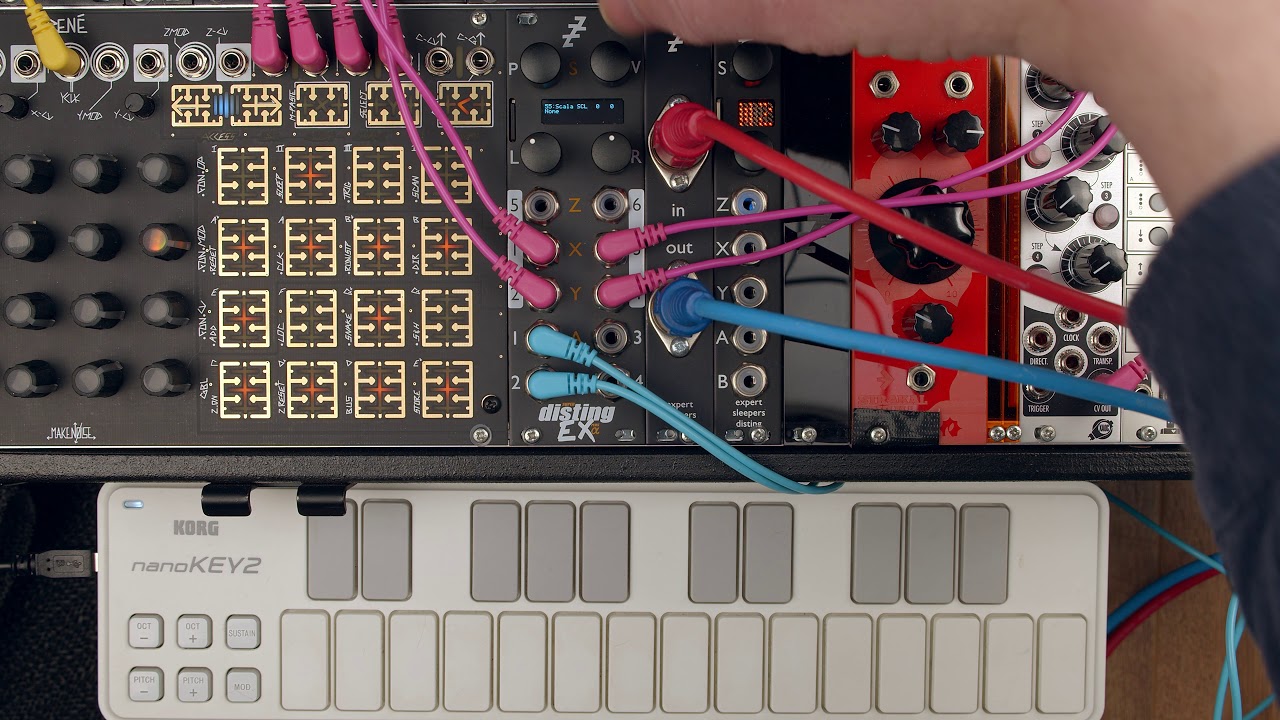
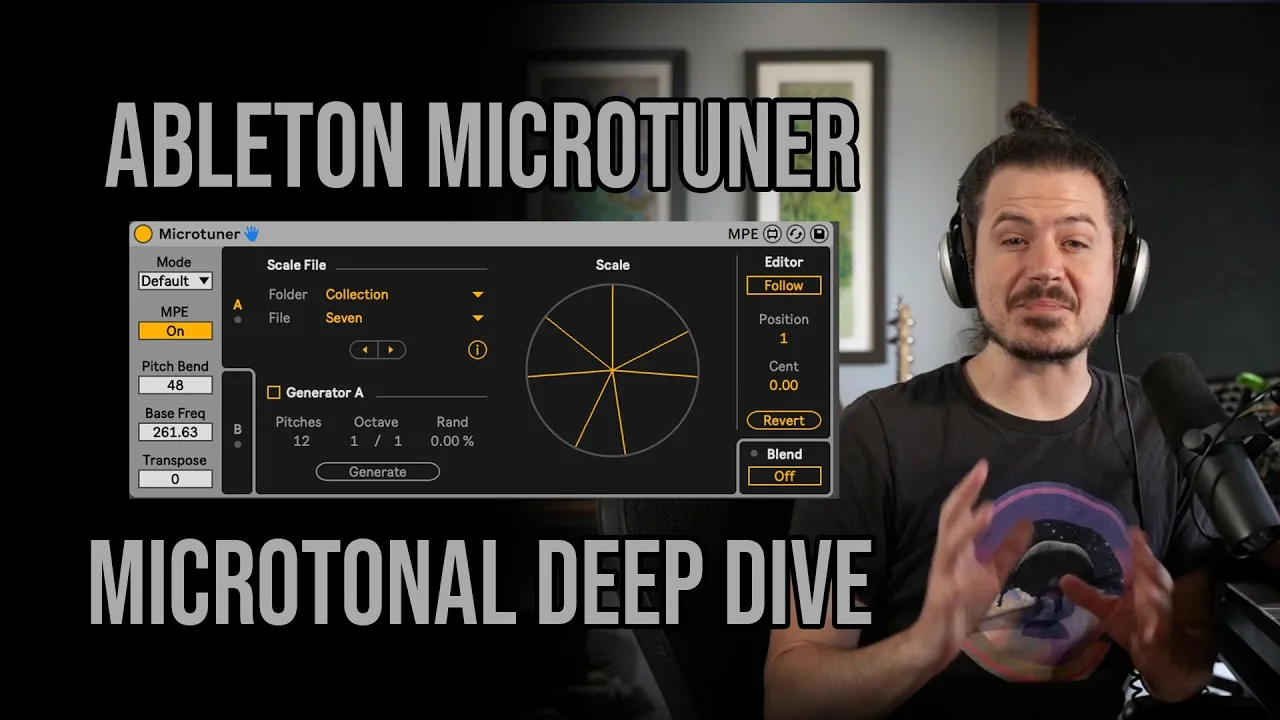
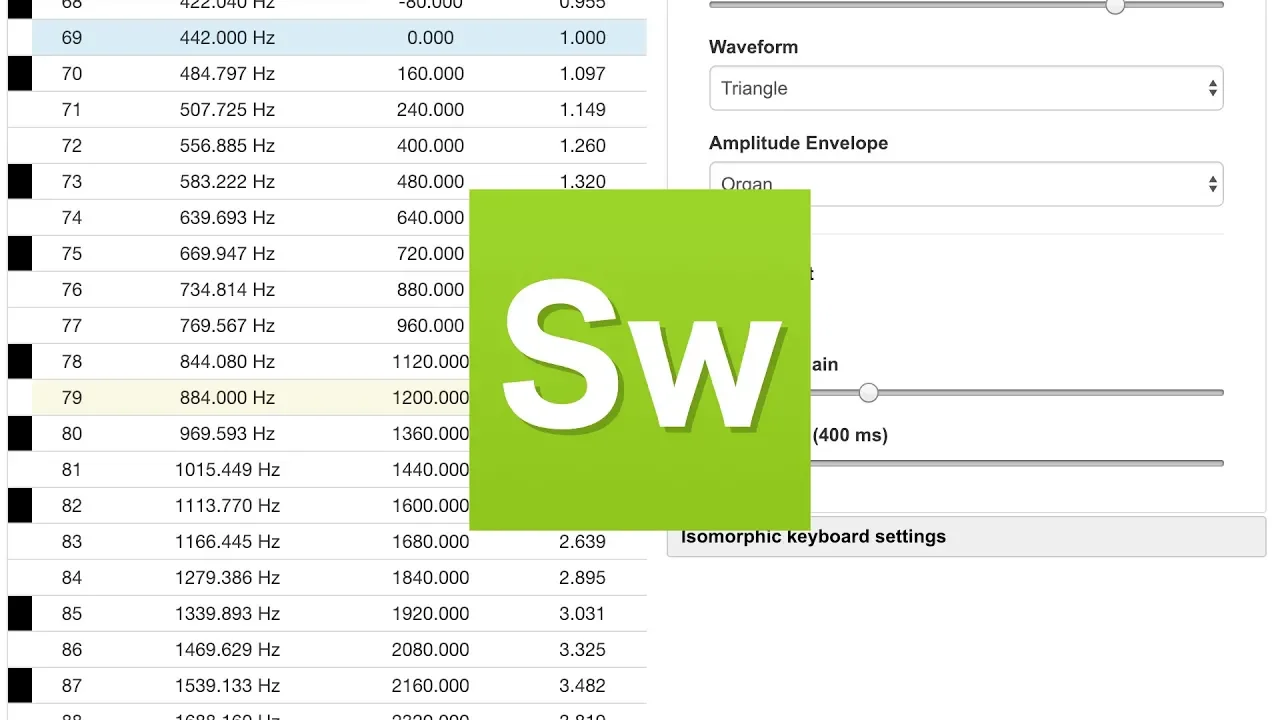
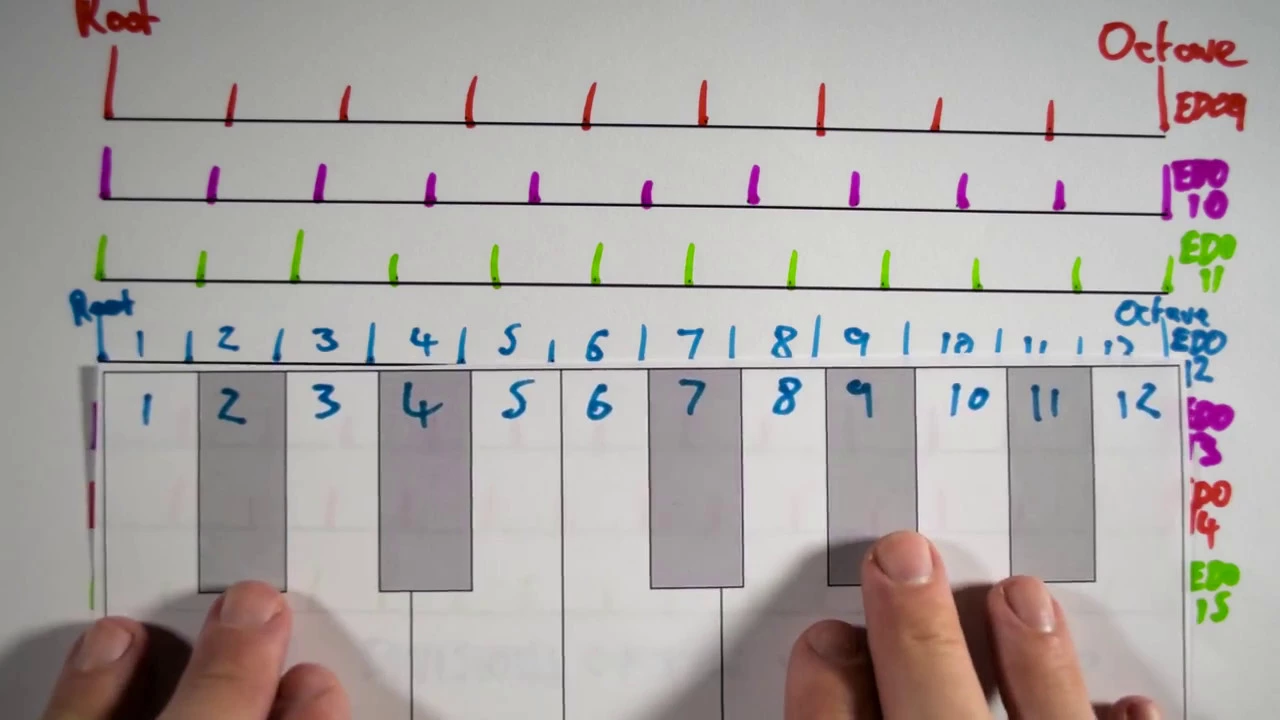
Added:[Music] welcome to the best music podcast with dan spencer my name is dan and this week's featured guest is sevish sevish is a musician and producer from london in the united kingdom where most of the world uses standard tuning also known as 12-tone equal temperament tuning sevis uses alternative tunings creating micro tonal music sevich has built a following on youtube where his tracks gleam droplet desert island rain and ganymede have been widely watched with his channel exceeding 2 million views and counting his new album bubble is available at sevish.bandcamp.com album forward slash bubble and everywhere you get your music you can find sevish at sevish.com that's i s s-e-v-i-s-a dot com youtube dot com forward slash sevish and i highly recommend checking out his website because there's so much cool content on there there is years of learning about micro tonal music or zen harmonic music as savish might prefer to call it um radically awesome sevish thank you so much for taking the time to do this how you doing today yeah thanks dan um i appreciate the opportunity to come on doing quite well thank you savage to get us started uh what's a piece of music or a song that you've heard in the past couple days that really stood out to you oh um the last couple of days i don't know i've been listening to some cheesy music at the moment i've been listening to some old eurobeat records um so more more about catchy hooks and things like that but i i'm not sure i'm not sure what to say about that so these these eurobeat records you're looking at with catchy hooks is this sort of part of research for a new project are you just trying to listen to some hooky music no i've just been watching a tv program that's got this music in the background and i'm finding it kind of catchy but very cheesy what tv program if you're not my master it's called it's called initial d it's um it's like a cartoon from the 90s about racing yeah so this this is not this is not usual for me but um yeah well that sounds it sounds like a lot of fun i've just been watching on netflix the uh the formula one show so that's that's that's about as much overlap as we're gonna get on the racing i think for today so savage can you describe for us if it's not putting you on the spot uh a little bit what you mean by zen harmonic or just in general what zen harmonic means and we're spelling zen harmonic x e n h a r o u m o n i c zen harmonic can you explain a little bit what this means yeah zen harmonic was a word coined by a microtonalist from the last few decades called evil darag and what this what this describes is music that sounds different from the standard 12 tonical temperament so there's kind of a value judgment in there in like what kind of mood is the music giving off and if it gives off a mood that is very similar to um standard western tuning then that's not zen harmonic and then everything else would be zen harmonic um there's all kinds of little phrases and words that that you you hear about microtonality i'm kind of fine with all of them none of them seem to be perfect um but yeah i'm happy with microtonal zen harmonic so the implication of using the word zen harmonic is in addition to being micro tonal that it's really feeling like it's outside of the normal boundaries of 12-tone music so it needs to impart a feeling or give a different vibe essentially that's right and that that sets it apart from micro tonal music such as um let's say traditional western music that may use alternative tunings um historical tunings but the music still being diatonic and very reasonably understood in terms of um scales modes major minor that kind of thing that we'd be used to so and everything else is harmonic an example might be uh the microtones involved in blues while we do play around with the concepts of major and minor we sort of have a major minor fluidity within the blues we are using micro tones but within a context that is distinctly tonal and distinctly part of that sort of family of the 12 tone that's right yeah specifically that blues kind of uses a tonal framework of 12 equal notes even if melodically it bends around that and does other really cool stuff around that a couple of uh questions i have for you uh just for our listeners as we move forward and we sort of do a little bit more of a deep dive into your zen harmonic world could you please clarify what t-e-t stands for in relation to micro tonal scales and music okay so this is the idea of equal temperament so the et comes from equal temperament so a familiar reference for um everyday musicians who've grown up in the west and maybe learned a couple of things from uh the way we do things is that we have 12 equal notes in an octave so the octave is the kind of the kind of tonal fr well it's a kind of frame yeah and we divide that into different steps so you could see the traditional tuning system as 12 tet or 12 tone equal temperament however you could change that number why not why not have 13 tones and we divide that octave into 13 equal tones and see what kind of music can be produced with that and so basically if we think of an octave as being a hundred percent uh or a hundred divisions where we're dividing that into 12 equal parts for 12 tet or as you just alluded to we could divide into 13 14 8 4 256 53 different equal divisions of that octave and by virtue of those divisions create micro tonal music if we're going let's say to 13 or i guess it even depends on how you're dividing it oh we're going down the rabbit hole people here we go yeah there's so much detail in this kind of music and there's so many different directions and right now we're only talking about equal scales um there's there's non-equal scales and then you don't even have to divide the octave there's music that doesn't even have octaves so let's say if you have the note c there will be no other c in that tuning because there are no octaves therefore that pitch class only appears once there's like so many different little rabbit holes within this and so once you get into it you can just keep going down this path for years and years and never you never run out of things to explore and i think the fascinating thing too is that even though this stuff has been explored for the past couple of decades we're at a place where and we'll talk about this a little bit later we have people inventing names for scales like we get things like i mean my goodness centaur tuning in scales and things like this that are just getting created and sort of pulled out of nothing but we're creating this whole new system when i was talking to dave fujinski one of the things he was so excited about with his work with his students was that every semester someone invents a new scale someone discovers something new and so there's all this new ground to be broken could you maybe talk a little bit about what edo means okay for most purposes edo means the same thing as t-e-t e-d-o stands for equal divisions of the octave so it's a slightly more descriptive term there is a very slight difference between the meaning or let's say there's a difference in context because when we think of a temperament we tempering is to make something slightly impure that's where that word comes from so when we talk about for example 12 tone equal temperament and 12 edo 12 equal divisions of the octave the tuning is the same however 12 tone equal temperament means we have some idea that um these intervals are approximations of pure let's say maybe just intonation intervals and that this tuning is a temperament whereas edo doesn't make any judgment about whether this is a temperament whether this is supposed to approximate other things it's literally just a description but the actual tunings will be exactly the same so the distinction is so slight that it almost doesn't exist well the distinction is slight but the ramifications in terms of outlook and artistic intention are substantial because if we're thinking just in terms of creating a culture around how this music is approached you're either coming to it from a sort of neutral positive perspective or from like you're saying sort of a negative way of saying well there's something better than this and we're muddying the waters by creating the system yeah right so i have a question for you about your music everything up to 2015 is now in zen we can hear that you are making micro tonal movements micro tunnel gestures um but it is and i i'm not going to try and pigeonhole you here i'll just speak from my sort of perception of your music and that is that it's it was almost like you were tethered to tonality up until 2015 and then starting with now and zen there's this there's this complete rupture of that connection and you really move sort of head down charging bull straight into micro tonality can you talk about what changed there because i think you had three years in between albums there what happened in those three years and what shifted for you okay so this is new to me because i i wasn't aware that that was when there was a change and before that i was kind of being tethered and after that so that's an interesting perspective i've not really thought of it like that the way i think of it is i am interested in different flavors of um of music and i think that tunings kind of get us to these different places and in the beginning i was exploring lots of different tunings kind of in this in this rush to to sample little bits here and there of all these different things all these different ideas and um it might be what you're describing is that as i've listened to more and more music i and more micro toner music i've internalized more of these unusual structures that weren't present in the tonal system that i grew up with so it may be that when i started out i'm still everything i'm hearing in my head is still a reference back to the music i've heard all of my life the stuff i hear on the radio the pop music the nursery rhymes all of that stuff that comes from existing inside a culture and over time i've been able to pick up new little tricks that i can bring out but at the same time i think i've always had some variation i think i've always had those tracks that very much reminded me of diatonic music that very much are that they're microtonal but they're reference to just western music that i'm familiar with and then i have other tracks where the tunings don't relate at all and i just try and make something that sounds good and then i think it's been there what an example of a track of yours that sort of uh is reminiscent of tonal music be something like gleam for example where we have that chord progression that is it's almost like this r b type chord progression going through it uh but with those alternate tunings where it's like you know when you walk in one of those wacky houses and like you've got walls that are just a couple degrees off it's like you realize something's not quite right well and again okay but sorry let me back that up because see even saying not quite right that's me coming to it from a temper a tempered sort of perspective uh something that is maybe let's say um a departure from 12 tone well no you're well within your right to say that something doesn't sound quite right but with the implication that it doesn't quite sound right to you because maybe you haven't experienced that before and right and but as you continue listening to these things they start to sound right um which is very odd and i think you're spot on about the kind of r b thing i was definitely trying to go for a kind of r b ish kind of progression so you've got that whole kind of two five one kind of chord progression but with like the trisome tritone substitution but i'm filling in um chords in the gaps um this is where it gets hazy for me because i don't approach music like an analyst i've i just like to do stuff and make stuff that sounds cool so i started from the idea of i want to do something that has this kind of r b ish progression but in experimenting with that and messing around i found that i could slot extra chords in because i've got i would this this tuning in this song the song's called gleam and the tuning is 22 edo so that's 22 equal division to the octave it has a very interesting characteristics this tuning because it has conventional triads available i can play a major chord i can play a minor chord the difference is because of the tuning being slightly different you don't end up in the same place that you expect to be for example if i think of a circle of fifths i know that off i could start on a c and i could go up a few steps and i'm on an e but in 22 you don't end up there you end up somewhere between an e and an f because the fifths are sharper so when you start stacking these sharp fifths you end up you went you after a few steps this error accumulates and you end up on different notes in in a sense functional harmony exists but the rules are different okay so on this and there's quite a lot to unpack there yeah so i and please excuse me if i'm like totally noobing you out right now but the even the concept of fifths is a little bit of a mind bend how are you what what is the qualification for a fifth because if we were to do a one to one ratio of 12 edo versus 22 edo it's it's not the same we're going up seven steps in 12 uh seven half steps in uh 12 12 edo to achieve a fifth how are you getting to a fifth and 22 edo um i think it's 13 steps 13 or 14. i think it's 13 steps um i might be wrong on that but yeah so and the the tuning of the fifth is slightly different in 12 tone um the the fifth is a little bit narrow it's a little bit flat compared to a just perfect fifth the just perfect fifth is okay again there's there's just so many little details of this but if you think of if you think of a pitch has uh you can measure a pitch with hearts sure okay and so a fifth is two different pitches it's an interval so it's the difference between two pitches so you can measure the frequency of both of those yes okay so let's imagine i have um 220 hertz that's my a let's say yeah 300 right and uh and 330 would be a pure fifth and that is a ratio of 3 over 2 or you can think of it as 1.5 that's a frequency ratio you can multiply that by 220 and you will find the note that is a fifth above but in the equal tempered system we don't have these pure ratios like three over two they're these very long many many digits after the decimal place slightly complicated looking numbers and in 12 equal to the tuning we're all used to um it's slightly flat it's about two cents flat or just under two cents flat which by my estimation is pretty damn good it's very pure sounding almost pure sounding but in 22 edo the fifths are oh i can't remember exactly but i think they might be about seven cents sharp but the quality of that interval for me still sounds like a fifth still sounds quite pure still sounds quite nice usable musical but it's a slightly different characteristic could you maybe talk a little bit about your approach to making micro tonal music and i'll i'll clarify the question uh with an example um i was speaking with uh dave fuse fujinski he was talking about he has maybe five different ways of approaching microtonal music so tonal on the bottom micro tonal on the top tonal on the top micro tone along the bottom uh a singer singing micro tonally which is sort of what we might think of the melody and then everyone else is tonal everyone else is microtunnel singer is telling all sorts of different permutations and combinations do you have any sort of go-to um combinations that you really like to experiment with um no not really i can for me it's all micro tonal because i will tune up all of the synths because i'm electronic musicians i'm working with synths and i like to get all of my synths in the same system within one piece of music i'll put them all in the same system but i can appreciate dave's approach because you know he's actually got shots you know he like plays and he's really good at his instrument and because of that you know he plays live and he plays with all of these different people and when you're working between different instruments there's limitations for each instrument okay a violin can play all those microtones if the performer has the ear if they have the training to attain those notes um consistently and accurately or say dave with his guitar with the fretless guitar but a piano doesn't have that possibility so if you're working within a specific context and you have piano guitar drums for example then implicitly i think the piano will be tuned to center tuning so you're then you've got this kind of bedrock of standard tonality and then the micro tones happening over the top so i can appreciate why um dave has all of these combinations because he could be working with many different musicians and then sometimes he finds ways that the whole band can tune up to a specific mode or a specific scale whereas for me you know i'm working with synthesizers so the benefit of the synthesizer is it's working with data so if i can specify my tuning in terms of data which with the aid of software is very easy to do then i'm just a couple of button clicks from retuning the entire thing you know a piano will take you several hours to tune but a keyboard that supports micro tones it's just a click of a button so i can afford to explore music where everything's in very specific tunings and i highly recommend anyone listening to this podcast after you're done go to sevish.com because you lay down in incredible detail all these processes and the way you do all this stuff it's really really an incredible website how has your approach for making micro tunnel music evolved over time with what you've learned and what you've listened to so we we discussed a little bit about a shift in the music that you're making uh sort of um pre uh 2015 and post 2015 or at 2015 which um but might be sort of in the eye of the beholder in my case but you clearly have this artistic progression you clearly have this artistic growth how did you first start trying to get into this and then what are you doing now to continue and further this incredible exploration okay uh yeah i think all composers benefit from listening and being omnivorous in your listening and trying to get as much in as possible because the things that you listen to you internalize and the things that you internalize come out in your music and that might be part of what's happening with my progression as a musician which i think i still feel like a total beginner um quite a lot of the time so um hopefully that progression's got a long way to go and um i think in the beginning is yeah this this rush to explore different things and not quite not quite discovering the depth of certain tunings where in my most recent work i'm only using three different kinds of tuning i'm using 22 equal divisions of the octave i'm using seven equal divisions of the octave and i'm using just intonation so for the whole album there's only really three approaches to tuning and you can just pick a tuning and go deep and find all of the things that we'll do because some of them will will take a lifetime to explore just as people take a lifetime to explore the standard tuning that we've all inherited um the same is true for other alternative tunings and not really um a part of any traditional culture um i'm really sorry i might have gone a bit off the topic so if you can remind me i like the question and i'll try and bring this back in no it's all good so the question was uh we were talking about looking at the progression what you're trying to understand now which i think you answered you're really doing a deep dive you mentioned 22 um edo or edo is sort of your favorite place to live in right now um but then also experimenting with seven edo and i'm i don't recall the last one the last one was just international yeah just intonation so what's your process like to deepen your relationship with these tunings if there's any of available stuff to listen to definitely listening and then just find an instrument and tune it up and just spend the time and just explore it if you can find a way to get an instrument you can tune and you can accurately get that tuning just use your ears and just try and find things that work well and every tuning has different things that it can do and can't do it's my belief that there's no perfect tuning um you can never have everything perfectly in tune you can never have all tonal resources available to you i work with some chillings that don't have available tonal resources that i want sometimes i want to do something kind of nostalgic and something that you know sounds like the music i grew up with and there are tunings that can't do that it's just not possible but then those tunings can do some wild other stuff that um that that kind of excite me in other ways so yeah i've got to have a few of those in my in my toolbox so let's let's draw a direct comparison here so let's say a jazz study of modes that in and of itself could sort of take a lifetime so are you doing any sort of breaking down permutation and i know it's going to be different because when you're working with 22 notes in an octave it's it's just the permutation of triads and again not triads in the way we think of triads but triads is in three note chords that the permutations there are it's insane and then you go into inversions it's it's wild so do you ever sort of run yourself through boot camps or do sort of mathematical permutations to make sure you explore all the options oh no i i'm sure a lot of people do that a lot of people are inclined to do that but i'm just in it for the kind of aesthetic value of these tunings and the experience of just um exploring them and yeah you're right about things like um the resources like the triads you know in a tuning like 22 i really like it because i have major and minor triads the flavor of them is slightly different you know the minor third is slightly sharp compared to standard tuning the major third is slightly flat compared to major tuning um but you but that sounds recognizable and if i was just playing a single chord you'd think oh that just sounds like normal music it's where you have chord progressions you end up in these unexpected places and then on top of that there's additional resources 22 equal divisions you can have sub-minor thirds so you can have sub-minor triads these sound like minor but they're just a bit more grave they're just a little bit more serious sounding and you have super major triads as well which sound extremely bright um kind of jarring a little slightly out of chain sounding very restless sounding the super major triads but they have their context as well um and i i love exploring that stuff i don't ever feel a pressure that i need to fully explore something or that there might be little avenues that are untapped because i can always find them at some point in the future and even if i don't someone else will which i hope because ultimately i want to hear more tonal music so i hope that people that maybe discover me or discover all kinds of other stuff that discover traditional music that's been using microtones since the beginning of music i want all these people to get inspired and make my patona music because i want to listen to it that doesn't sound very selfish but like i really want to hear it it's always always fascinating well you set a very interesting precedent by keeping things listenable and as you say funky so the music even though it is within this micro tunnel uh cadre it's still we're still it's listenable like i played it for my girlfriend who doesn't know like the first thing about micro tones but she's like you know bopping along with it and like it makes sense that for the you slightly educated or even uneducated music listener you can still get something out of the music which is a really interesting line to walk yeah i i try really hard to do that you know i don't always succeed and there's you know there's a ton of people that won't like my music that's always going to be the case no matter who you are and um but yeah i do try i think that um you know i had this experience when i was first getting into microtones and um this was something i discovered when i was online i was reading wikipedia and reading about different kinds of music um and when i started to communicate with other people who were interested in microtones i found that there's very much an academic angle to all of this and a lot of people were interested in it because they're part of maybe they're contemporary classical musicians they write very out their music and microtones are a means towards that end and i was into it because it sounded cool to me and was wondering um you know how i could use this for myself but i would play some of the micro tony music that i was listening to that i found online play it to my friends this is terrible i don't i don't get it because it's the style of music is very important and people relate more to genre than they do what tuning system are you using and it's you know what this is very technical stuff what tuning system are you using most listeners are not really interested in that in the same way they're not interested in what compressor you're using or what kind of eq curve is on certain instrument okay these are details that may be more interesting to other musicians and people that are in the know but my kind of interest is in making it approachable by being within a genre so i've been interested in electronic music ever since i was very young you know i grew up in the 90s um the uk in the 90s there was lots of electronic music going on it was kind of an explosion of creativity um and in many other places in the world throughout the 80s and 90s so listening to all of that really inspired me when i finally realized i could make my own music i wanted to make electronic music so i try and use my micro tones in styles of music that would appeal to other listeners of microtonal music but you mean you could have microtones are not a genre they're just another technique you can use so you could make blue grass you know any any genre you could think of you could apply microtones to it somehow changing gears here a little bit uh what are your thoughts on atlantis atlantis the um the country under the sea yeah yeah we hear some references in the music uh looking through your biography we have some references to ancient knowledge and numerology so just wanted to pick your brains on your thoughts on atlantis uh atlantis i don't have any thoughts on that i know the track you're talking about this says um i was recording a conversation between me and some friends and one of my friends was talking about atlantis and i sampled that and i put it in a track um the the answer is it's ironic i don't care about numerology i think it's really silly but i try and bring that into my music because i know that some people are interested in it and it's just a little just a little thing in there it's just a little reference for those people that are interested in numerology but no it's totally ironic so i think it's done to be honest so it's really you're just sort of leaving these easter eggs that don't go anywhere just to sort of peak the interest of it's all it's almost like you're trolling people who think of who like are believing in atlantis and stuff like that is that is that sort of the idea it's this sort of little little nugget of irony that you're just sort of dropping in songs from time to time uh well i didn't really believe that anyone would listen to that and be trolled by it so that wasn't really my my intention but it was just um when i listened to that little clip i had an impression of like oh what about this you know my friends talking about oh there's atlantis there's ancient maps or whatever he's saying and um i don't know that left me with an impression and i think as i think artists are in the business of creating impressions in the mind of other people so yeah i like to leave little nuggets all kinds of little nuggets there and details and you know when i'm working on music it takes me a long time to finish things because i'm always iterating over it i'm always listening and thinking is there another little thing there or there's a little blank spot over there for just a little a little thing that event could happen in this part of this part of the song i'm always trying to drop those little nuggets in wherever i can can you maybe give an example of where you dropped in a nugget about numerology because i was not able to discern where a nugget might have been in your discography um i think i might have done a track with where the reference tuning was 432 hertz i think i did that as a a joke on something there was also um for anyone who doesn't know about 432 hertz there's like a conspiracy that became popular on the internet that certain frequencies are bad for you which um as far as i understand um there's no basis of evidence for that whatsoever um but there are people who are proponents of certain frequencies and that they are there are natural frequencies um uh to me it sounds absolutely ridiculous um so you know sometimes i've used some of those to be like hey i've used i've used the magical frequency myself knowing it doesn't mean anything so to be clear you've not experienced better sleep by listening to a32 played through a speaker for seven hours while you're sleeping because i hear it does wonders no no nothing it hasn't healed my dna no no yo for real people talking about head didn't come back so yeah the the the people talking about like vibrating on a higher spiritual level with different frequencies like okay maybe but can we measure it with something my favorite one is that certain frequencies were used by um by monks back in the day of gregorian chant and that somehow they could actually create those frequencies exactly with whatever it was 11th century technology it just sounds ridiculous to me they had this one little tuning bowl that they passed around the monasteries that was like exactly right and then they needed to make sure the temperature was right on that day and they needed to check the humidity level on their 11th century technology to make sure that their hertz was going to translate just right and the other thing is hertz is a measurement of how many cycles per second and the definition of a second has changed in history you know i think it was during the 20th century we redefined the second so they're thinking oh 432 has all of these numerological properties so 432 hertz must be this magical frequency but is that hurt before the change or after and does it mat whatever yeah all right well i'm gonna pull us out of the rabbit hole with the with this next one um can you talk a little bit about uh centaur tuning or is that the 22 edo you were talking about before no that's not um centaur tuning i've only been working with this recently it's not my own tuning this is a tuning by a musician called craig grady um really interesting musician builds a lot of instruments of his own design um creates a lot of tunings of his own design um has um learned a lot from a famous tuning theorist called of wilson and this was his tuning so he called it centaur i guess if you make a tuning you need some way of communicating to others when you're talking about specific tunings so people that explore things and find a new scale there's loads of scales and tunings that are you know still left undiscovered tend to give them a name so there's all kinds of random names um yeah it's something i've been experimenting with just a little bit but um i haven't really gone too far down that um that path yet but i've got a couple of instruments that are tuned to centaur at the moment i have a kalimba that's tuned to a subset of centaur so it's kind of like a c minor with a slightly different flavor and i have a melodica as well which has the entire tuning on it okay where do you get this melodica or do you custom how oh i don't know if you i've got it here i don't know if you recognize these very you could buy these very easily i think this one just cost me 30 pounds a few years ago um but if you take the case off of the melodica underneath you will find the reeds the reeds are like a long thin sheet of metal like a long flat finger of metal and what i did was i used an engraving tool again very cheap to get hold of i use an electric engraver tool to file away at the reads and if you file at one side of the reed the pitch goes up and if you file at the other side the pitch goes down so i spent the time and i uh i got the tuning uh in terms of hertz so i understood what frequency each pitch should be and i had a little app on my phone that tells you how many hurts you're at and i would blow on the reed and listen to it and then be okay it's a bit sharp i need to flatten that one and then i did that for all of them and then i had within a day i had an instrument that was that was tuned i've bought a second melodica because i want to do this again they're quite cheap these melodicas um so lots of fans have you had there so you're customizing your melodicas to fit within these microtonal universes it's fascinating yeah pretty much now uh you mentioned the marimba that you are adjusting the tuning of to create a subset uh excuse me this one yeah there we go now yeah that's right you mentioned to me when we were speaking before this podcast you were actually able to adjust the tuning using magnets can you describe that process that is correct for for those uh viewers on youtube will see on the video there's a magnet just there for anyone who's not watching it i have um very tiny stat well a stack of very tiny neo neodymium magnets on one of my kalimba tines so putting aside the magnets for a moment the standard way of tuning a kalimba kalimba is an instrument with these long metal uh long kind of pieces of metal and if i get a pair of pliers i can push that up or down this is quite difficult to do but you can you can tune the instrument that way because it's held very tightly um from the top it will hold its turning for quite a long time so that would be the standard way of tuning a kalimba however in addition to that you can also use magnets now if you um because it's metal it will track a magnet you know magnetism and all that stuff uh that makes the mass of the tine increase and something with a with more mass will vibrate more slowly so the more magnets i put on here the lower the pitch becomes and it's not just the additional mass but also the the position of the magnets affects the pitch if i have it closer to the top the the effect on the pitch will be less and if i have it closer to the bottom then the effect will be more so i can use that to very quickly get a different um to lower the pitch on any of these tines and the reason i'm doing that is because my as i said my kalimba is in a kind of c minor you can think of it as a kind of c minor with a slightly different flavor to it and this low note here would be a b uh b flat but if i put these magnets on it i can get it down to a g and g is a more important note in c minor as far as i'm concerned and i quite like the sound of that and that's how i tune my kalimba now that is super fascinating and i think i actually have the same kalimba as you because mine came from the uk fascinating oh cool so you talked about some strategies for using alternative tunings using synthesizers can you talk a little bit uh just a little bit in depth and again i recommend anyone listening to this afterwards go listen to ceviche's discography and go to savage.com and read your blog because you really go into incredible depth there even sight well i mean i got lost like page five of this white paper from this guy from 1998 talking about dividing it's insane amounts of information so cool uh but could you give us maybe just like a brief primer here um well first i've got to say uh thanks i'm glad you appreciated the site um i i didn't have access to these kind of resources so anytime i learned something cool i put it on the site just to try and help others get into this crazy world that i'm i'm exploring the uh the question was about synthesizers and tuning those what i'm about to say will quickly become obsolete because with midi polyphonic expression there are on the horizon new ways of tuning synthesizers but what i'm going to tell you is the way i've been doing it for the last 12 or 13 years so not all synthesizers and we can talk about hardware and software synthesizers but i'm mainly working with software generally this applies to hardware as well so to be clear as we're heading into this you're using a midi controller to input pitches and then on the software end that's where the magic's happening well yeah almost i'm using a midi controller to input midi notes yes and it's within the synthesizer the specific pictures are retained correct so not all synthesizers can do that is the key thing if i already have a bunch of let's say i'm new to this and i already have purchased a bunch of synths not all of them will be able to be microtuned some of them assume that you only want the chromatic scale 12 equal but some of them do allow you to retune them and the method of retuning is slightly different for each one but there are a couple of main ways that this happens and it's usually tuning files so a tuning file will contain the scale data or the tuning data and you can generate these tuning files using software there's various different software that can create these files the main formats are scl that is a scala scale file and the other one is a tun tune file and various synthesizers can read these files so you're looking at your synth then there'll be an option somewhere load a tuning file and you load it up and then suddenly all of the the notes that you play will come out in this new tuning in terms of midi controllers midi didn't know that anything changed then nothing had changed i'm still pressing notes on my keyboard and midi data is still going in it's just that what would have been a standard pitch is now going to be a slightly different pitch so let's get a little bit more clarity about this and then i'd also love to talk with you about what you see coming on the horizon so for example if we're working in 22 edo and you have a 12 edo midi control your midi controllers set up for semitones or half steps as we would say in the us i think we also semitones semitones is more correct for europe anyway um the whole the whole concept here is are you now using from c up to the b flat as over the span of one almost two octaves you've got it you've got it and you can see from that that's very odd that not if you press a c and then the b flat that was like almost two octaves higher that you would hear an octave that's quite weird um and this is one of the big difficulties with working with microtonal music is that midi controllers are often with a keyboard like a piano interface and a piano interface assumes that your scale is going to have 12 notes if i have 22 notes then as i go up by octaves the the fingering gets all weird because um the fingering doesn't repeat in a um you know what's the word like a standard in a the registers don't repeat the registers don't repeat in line with the keys exactly yeah exactly um so that can be tricky so for some people that leads to them thinking well it's really important to me that um whatever tuning i use makes sense on the piano interface and keyboard interface so some people limit themselves to 12-tone tunings and other people just suck it up and think okay i'm just gonna have to get my head around this and i'll just have all of the keys linearly assigned to the you know successive uh keys of my keyboard i'm just going to have to figure it out i'm just going to have to memorize it now one one point of clarification sevis if if we're doing 22 edo in our first our tonic the our scale degree number one is going to be c wouldn't the next c be the b so let's say we're starting on c4 the octave would actually be b5 not b flat 5 correct because the 22 notes gets you 2b flat and then the 23rd would be the octave at the b the b key correct um no that's not right because it's not 22 individual tones it's 22 intervals so essentially the first one doesn't count oh yeah that kind of thing so for 22 either uh yeah let's say you're starting on the c4 you would hear an octave up if you were to press the key b flat five gotcha yeah yeah yeah so we're thinking from from c to d that's one so it's not c's one d's two we're thinking of it the same way when we say a whole whole half whole whole half for remembering a major scale we're starting one we're going to two and we're not measuring one we're measuring the distance between one and two it's that kind of thing yeah thank you for the clarification there sevish can we talk a little bit about your hexagonal keyboard controller well yeah that's quite a good segue from talking about how standard midi controllers can be very tricky with this kind of thing because the the layout is not designed for uh tuning systems that have more or less than 12 tones so again i'm going to show this anyone watching on the video is going to be able to see this anyone else i'm holding up a midi controller where it's a 2d layout the it's an array of hexagons i'm sure there was some game show that i watched on tv as a kid that had this kind of layout what imagine imagine a honeycomb it's like you're taking a slice of honeycomb and you've laid it out on your controller right so the benefit of a interface like this is that fingering of different chords becomes the same in every single key that applies to 12 equal as well as it applies to any other tuning system um so let's assume i'm using 12v cooler the you know standard chromatic scale if i were to go up the keys like vertically these are all perfect fifths so i know that every time i go directly up i'm always going to hit the interval of a perfect fifth so that's quite a handy thing to have if i go if i go diagonally in one direction i'm always going to get minor thirds unfortunately i haven't plugged this in so you're not going to hear anything it's literally just a midi controller it doesn't make any sound by itself if i go diagonally the other way that's always going to be major thirds so that's quite handy because i know that one certain shape if if i learn the shape of a major triad that it will be the same shape in every single key and that wouldn't be the case um on a standard piano because you have to learn um for the individual keys and the same applies for scales so if i learn the scale like a major scale in c i already know the major scale in f sharp and for anyone who's audio right now we're going to put a link in the show notes to sevish's website where you can check out his setup and you can actually look at what we're talking about right now excellent savage those are all my immediate questions for you do you have anything you feel like we missed or you'd like to oh we're going to talk about what's on uh on the horizons the future of michael's future yes midi 2.0 and um well before that midi polyphonic expression um midi polyphonic expression comes from a need to kind of bring more expression into electronic instruments one thing that this allows is a per note pitch bend i remember when i was in high school and doing music lessons and we would mess around on the on the keyboards we'd always mess around with the pitch bend and you can play a chord and if you move the pitch bend wheel up it will go the whole chord moves up and you move it down the whole chord moves down okay so we know that pitch band already exists so this is kind of a way to get those microtones if you want to do that but it applies to every single note that you're playing what if i wanted to have what if i wanted to play a chord where only one of those notes the tuning changes well i couldn't do that with the standard with with the old midi with midi polyphonic expression it's possible to do a pitch note sorry a pitch bend for every single note so um that gives you quite a lot of options because you can take individual notes and and tune them however you want you know in standard tuning if you play if you play a major chord for example that that major third is actually a little bit sharp of what sounds what you would hear from the harmonic series so for it to be totally in tune you might want to make that one note a little bit flat or you could do that with mpe where is this going well if you want to think not about individual tweaking of little individual notes but you're thinking of whole new tonal systems microtonal scales micro tonal tunings there's quite a lot of notes and there's quite a lot of data for someone to manually input that but there are and they're coming out now this year new tools that new software tools that allow you to do this in a very systematic way where for you as the musician you would specify your tuning within this software and it would intercept the midi midi would go into it and it would do some funky midi polyphonic expression so that each note would automatically be tuned the way you want it to be and that data gets sent to literally any synth that supports mpe any synth that supports it could then be microtuned that's kind of where we're going some of the tools that i'm seeing that are being developed and that are being released recently as recently as this week and stuff new stuff coming out in the next few months and a few months ago it's happening right now where we're moving to is that um you could potentially load your tuning up once and all of your synthesizers would all be in the correct tuning and it's all because mpe midi polyphonic expression is becoming more widely supported and because now that it's widely supported people are building software tools that allow you to do this really systematic stuff so that's exciting for me and i recommend anyone who's on twitter to follow sevish on twitter because you actually retweet this stuff and you talk about it and anytime there's a new sort of development you actually tweet it out and so it's you're almost like you could start a news organization like micro tonal news and like everything is just micro tonal literally the only thing i post about on twitter is micro tonal stuff so if you're only interested in that you can always follow my twitter yeah and that's at sevis correct it's at sevis music music folks go check it out we'll put a link in the show notes as well excellent so the implications here is that we can take standard midi controllers we can take anything and through some number crunching intermediate intermediary step between the midi and then the synth we can then have a set tuning and then on top of that you can save a whole lot of time because instead of having to program every single synth it's sort of like adjusting the key in a daw where you just go to the top you select the key and then if there's any algorithms or any sort of machine learning software that's going to be based around that key it's all going to groove with you right super fascinating and instruments that use not just the micro tonal bending i'm thinking of like the rolly keyboard have you ever tried playing with that oh i haven't i'd love to try some of these things um yeah the rollie there's um quite a few there's an instrument called the the tonal plexus i believe by h pi that's the one that looks like um a bunch of legos it looks like the little the little round tops of the legos um but i haven't tried any of these yeah literally the only weird in quote unquote weird uh controllers and instruments i've used are just the hexagonal keyboard controller i showed you earlier oh wow cool well we'll have to uh give a shout out to those companies and get them to send you send you over some products so we can we can hear the beautiful result on your records excellent so let's talk a little bit about what goes on behind the scenes that enables you to stay creative enables you to uh output music at i mean a pretty decent clip you're doing about an album right now uh almost every year every two years of complete sort of uh souped nuts uh you're doing everything um you are releasing them on a label though is that correct uh no i'm just releasing them independently at the moment for a while i did start my own net label as it were where we were just putting up free downloads of different micro tonal music but i've kind of that's dormant at the moment and i'm just literally just releasing independently so are you mixing and mastering your own stuff are you are you outsourcing that no i'm mixing and mastering my own stuff as well i know i know they say you're not supposed to mix and master your own stuff but i've found that um it sounds good enough to me so no no it sounds you're doing an amazing job the reason why i i made that face was i was thinking about the amount of work because it's not like your music is like seven tracks in the truth it's like it's fairly complex and you have these meter changes and instrument changes synth changes and that all makes for a lot more work when it comes to balancing a mix yeah it really does um yeah i've picked up a few tricks on over the years mastering itself i don't find particularly challenging [Music] because i try and get those things right in the mix in the first place and when i find issues during mastering and you do when you're mastering you'll be like okay this needs a little bit of compression but the compressor's working in a way that i don't like it's usually there is some some element in the mix that either is too dynamic or tonally does not balance with the rest of the mix that triggers the compressor in a way that doesn't quite gel with doesn't quite make things gel so yeah going back to the mix and getting things right in the mix i think is the way to go so talking about performance and create creativity questions um when it comes to lifestyle how many hours of sleep do you like to get and how do you find sleep impacts your ability to be creative and perform musically and when we say perform i don't mean like go out and play a gig i mean just be able to do whatever it is you need to do that day yeah i think sleep is really important um i don't get exactly what i want i would like to get about seven or eight hours and i usually get about seven per night um but on days where i don't have enough sleep then you just don't quite feel with it the other thing you need to understand is i have a day job that's actually not music related um so i i have that to worry about and it's you know it's quite a stressful job as well and um so music is a little hobby that happens on the side of that it's something that i will do generally on the weekend if i have time for it if i'm in the mood for it and i'm more likely to be in the mood for it if i have good energy so yeah sleep's really important for them we can totally edit this out but do you mind telling me what your job is oh i do um uh let's say kind of hosting web hosting services for um uh a large corporate client though i t stuff i t stuff you know super cool yeah typical electronic musician does iot stuff yeah well if you're good with computers you're good with computers right yeah well i don't know if i'm good with computers but i like to make a couple of sounds [Laughter] have you ever used mindfulness or meditation to increase creativity or focus around music making no at least not in a way that is at least not in a way that is me consciously doing it but i believe that making music is my meditation because and this is all about flow right when i'm making music i so easily slip into that kind of flow state and maintain that for long periods of time and that's just i just love that i just feel really great when i'm doing that kind of stuff and i think that having music as a hobby the way i've had it for all of these years you know since i was a teenager has just been this kind of blessing in disguise because it has it's almost been a kind of meditation um to me and times when i needed that quiet time um just make some tunes just make some beats and i and i feel great afterwards so you find that making music is sort of your way of dropping out of everything else that's going on and finding that really cool like you mentioned the flow and finding that meditative state where it's just creation and then you're just moving and grooving and whatever happens happens and i think it's also very interesting too that you don't have this state and this music tied directly to paying the rent you're able to sort of create a walled garden a protected space around music where it stays this uh i hesitate to use the word sacred but it this special this special moment for you where you're not obliged to make music for your living or you haven't chosen to make music for your living you the bills are getting paid through something else and that when you're doing this it's all about the creation and it's all about that state and the flow not to say it's not for someone who has to pay the bills with it but there's certain psychological implications that come into play whenever your survival is tied up with an activity right yeah i think so but i mean i haven't had the experience of needing to do this music stuff in order to pay the bills so um because of that i don't really know how i would react or how i would feel having to do that and uh maybe one day i'll get to find out i'm not sure but um it's quite interesting well yeah it's it's it's my my little space you know i can have my own time and do and do that it's a nice get away from the everyday boring reality kind of stuff so how do people in your life support your ability to stay creative and make music yeah you know i live with my wife and she perfectly understands when i want to make music i just go and make music for a few hours and and and we we hang out plenty aside from that i think um there's not really anything anybody needs to do because i'm fairly balanced with it i'm not always obsessed about making music there might be days where it's like oh man i've just come up with this new thing and i've got to see where it goes and i'm working for like seven or eight hours like all day long that doesn't happen that often so there's not much that anybody needs to do to support me except just give me that little time every now and then and yeah it's working out and with having that time every now and again is that a conversation you needed to have or was that just part of the culture of how you were living and so when your wife came into your life she just sort of understood that that was the vibe yeah yeah it's never been a problem it's just we quickly fell into that what you're doing oh you know what i'm going to make some music for a bit okay that's fine so i think you've actually already answered this next question with both your response and sort of demonstrated culture of how you approach music but do you define yourself as a musician a human who makes and plays music or something else i think the label musician is fine i didn't see my i didn't call myself musician for a while because i thought that there was maybe some qualification for that but i don't think there is you can even i'm not going to say this is the context that i perceive but you could even define music in such a way that everybody is a musician um if you were inclined to do so but yeah i see myself as a musician sure but around this i think and maybe i need to work on this question workshop a little bit but i think of someone who defines himself as a musician like that is their soul defining that's like their one word goal like i am a musician like every waking moment eating sleeping breathing i am a musician versus when i think of a human who plays music i think of someone who it sounds like you might be more in this book where you have a really incredible balance between and this is not to diminish anything you've accomplished to say oh no you are not a musician or impose some sort of qualification over it it's just around the mindset right so it seems that you have this work-life balance where you're not living with a metronome on opening and closing cabinets and like cooking you know doing metronome games like cracking eggs on the third division of a triplet you know with a metronome clicking once every four measures do you see where i'm going with this well yeah kind of but um i'm constantly thinking about music you know ah um yeah so it's always on my mind it's on my mind far more often than i'm actually able to do music and um i'm you know if i'm in the kitchen i am you know beatboxing singing doing whatever in there not that i would necessarily do that stuff on my own music but yeah certainly especially with the beatboxing practicing those time signatures and weird grooves just trying to nail certain grooves certain poly rhythms and things uh yeah constantly doing that humming along to the microwave i think that's um not too much of a unusual experience okay so do you find that having all this time to think about music but then only really actually putting pen to paper as it were on the weekends helps you refine ideas or get you more clear in your head about certain goals around music yeah i think so um one thing i like to do is um one thing i like to do is when i'm working on some music i will render a demo version and then when i'm not in the studio you know i might be taking a break i might be walking the dog i might listen to that and just being away from the studio and having a different mindset but then hearing the thing that you've been working on um sometimes gives me ideas like do you know what i feel in this section it needs some melodic interest here um or the the kick drums 2db too loud is a specific one and all of this kind of stuff very often i will write that down if this if i if my head is getting crowded out with too many of those thoughts i just write them down so i can release that and then when i am when i do have the time and the energy to work on music i'll be like oh yeah i had all those ideas and i look at my bullet points on my notes and i can go it i'd load up my session and be like right the first thing i usually pick the easiest thing to do if it's you know that something needs to go up or down by a db that's the easiest thing to do i usually get those listen to it does it sound right yeah cool and then i try and move on to some of the more tricky ones oh i need to write a new melody that's when i need to like proper be um in the zone to do that kind of stuff but yeah i think that helps and this goes back to you alluded to your iterative process that you're going back and iterating a whole lot on tracks and i suppose taking this time during the week to listen or even if it's on the weekend let's forget about days going through this process that you just described of the story so far what needs to change making notes changing the story so far what needs to change making notes changing it's a very interesting way of working yeah well that's that's what comes naturally to me and i um if that sounds very interesting i would like to know what other musicians are doing to be honest because i i i didn't think that would be too unusual the way i work i don't know that it's unusual i think i think what renders it interesting for me is that it's happening during the week and you're having this mental it's like this distillation that's happening where the things like percolating in your head and you're really walking through every facet of it mentally and then going and making the change whereas i think the tendency especially within myself is like if i i don't have like a day job per se i mean i teach music and i'm writing books and all this sort of stuff but like if i get an idea for a mix and i have a minute it's like well i'm on the computer just fire up logic and i can make that change but i'm not forced to go through the same period of sort of abstinence from the computer that you are by virtue of the fact you're working a day job and then the really interesting product of that is you get really clear about your ideas yeah i guess so yeah i i do really feel like that time away allows an image to form in my mind and um and allows me to make judgments in a slightly more objective way um where i'm i'm always coming at it fresh every time i fire up that song and listen to it on a different day i might get a different idea and then sometimes when i do get back to the studio i disregard what i what i thought previously sometimes i do take it in a different way so i'm never always purposeful and you know with a with um with an objective in mind i do sometimes allow myself just the opportunity to mess around and figure things out as i go but yeah very often and it's it tends to be towards that refining process in the track i kind of feel like when i start a new track it's about i've got kind of idea and then things just naturally happen and then suddenly i've got some really exciting music or at least music that's exciting to me and once there's a kind of song structure and things are getting nailed down there then comes this process of refining and it's during that refining phase that i'm more keeping notes and coming back to it on different days and that's why some pieces of music just take me months to work on and it's not necessarily that i'm spending many many hours working on the music it's just that i'll have several projects on the go and i just come back to them every now and then as my mood dictates two questions as a follow-up to your answer number one you said that you get an image forming in your mind are you talking about a literal image or are you talking about just the clarity around the direction of the song yeah not not a literal image just um the direction of the song yeah a kind of a wholeness yeah of what the song is or um yeah like you said earlier on like a distillation yeah uh second second follow-up question on your answer um how many projects do you like to have going at the same time for your iterative process like do you write the whole album and then you're iterating or is it sort of one song at a time it's coming in off the production line then it's never one song at a time i do like to have more than a couple going at the same time sometimes i have too many projects going on at the same time and i feel that burden with my most recent album i um i can't remember how many tracks are on it maybe eight seven maybe seven or eight tracks and there was a point at which all of those tracks had been started and good progress made on all of them but none of them were finished so there is actually a point where and i i don't normally do that usually i'll have a few finished and then i'm still working on five or six and it's typical for me to have five or six so many going at the same time but with the most recent album having kind of like the whole thing bubbling it's kind of simmering at the same time on one hand stressful but at the other time i i hope it kind of brought some cohesion as i'm in i'm maintaining this head space while all of these different tracks are being worked on at the same time that kind of maybe brings them together or maybe not i don't know the new album is bubble available anywhere you get your music um question on that why did you was there an intention to get to the place where you had eight tracks simmering or did it just sort of happen um yeah let's start with that and then let's see if i have a follow-up just it just sort of happened just happened that way and that's the first time it's happened like that before you've been a little bit more i don't even know the word to use methodical maybe well it's it's all the same thing really typically i would have a bunch of tracks on the go at the same time but i would reach a point with one or two of them where i actually finish those and then i'm still working on other tracks um and you know it's it always feels like um a lot of joy when i finish a track and i know that okay that's that one's definitely going in the album and i'm still working on other stuff at the same time so the one difference i'm seeing is on previous tracks on previous albums excuse me you had more tracks so was it because you had more tracks that you would then be finishing them while you still still had other tracks open because you only did eight on this one and again only eight i'm not making a judgment call as to more or less being good or bad but it's fewer uh than what you normally have on an uh album up until now let's say uh was the fact that it was less songs the reason why maybe there was more open at the same time maybe the other thing is a few of these songs were quite long so in terms of album length it wasn't my shortest album no it wasn't um yeah yeah it wasn't my shortest album but um i just don't know how it worked out that way there at the same time was working on all of those album tracks there were other tracks as well i think there was more going on so there could have been you know 12 different tracks that were going at the same time and some of those i decided you know what they're not going to make it um i don't feel inclined to finish all of them some of them are like okay it's a good idea but it's not it's not the thing you know it's not the one it doesn't have that stuff that makes it that makes the cut so so talking about creativity um do you take any steps to stay or protect your creative space no i feel like it's kind of protected anyway i have my music set up in the same place that i do my my day job because i work from home so i kind of have this large desk this has kind of got stuff set up and i don't have as much room as i'd like but um it's pretty much guaranteed it's going to be here whenever i uh whenever i'm in the mood to work on music when i talk about creative space i also mean like headspace so if you're having a day where uh let's say it's saturday morning you wake up you've got a tune in your head you want to go write it down are you going to take any steps to protect that creative headspace before you get into the studio or is it like you're just running for the room to get things down do you know what i really don't know how to answer that i don't think i have any specific pardon me i don't think i have any specific thing that i do to maintain that headspace and sometimes the ideas slip away before you get a chance to to work on them but you know that's always going to happen from time to time the thing is right ideas as much as they feel precious they're not really that precious um there's so many ideas and if some of them slip by me it's like that's just the way it goes um actually actually nailing it actually achieving your vision is a much more difficult thing to do but that's the important thing to do so i i try not to fret about it too much and sometimes things get away from me so whatever to be clear what you're talking about is the amount of work it takes to get down an idea versus bring a song to distribution to bring an idea or a song to distribution is a heck of a lot more work than just notating an idea down well it's a heck of a lot of a lot more work than just having the idea in the first place ah yes indeed that's what i mean okay got it but what you're saying is also true i would agree with that is there a time or times of day where you feel more creative or you're more inclined to make music night time night time it gets quite it gets quiet and i get in the mood to do stuff like that have you ever experienced burnout from too much time spent specifically on music um i think in a sense yes um yeah there are times that i get and particularly near the end of a creative cycle where i've got i i consider a creative cycle to be from the beginning of having an idea i'm going to do an another album to actually finishing that i call that my creative cycle and they tend to last one to two years but towards the end of that when there's a lot of stuff that's already been nailed down and i've got a clear image of what it's turned out to be which almost always different from how i envisioned it in the beginning but when i've got that clear idea it's then all i see is the negatives i'm looking at i'm looking at the what i've got so far like this needs to change that sucks this is too loud this is too quiet there's too much going on here there's not enough going on there and knowing all of this stuff is there i feel this pressure to go and keep working at it and keep going at him because the the end goal is in sight like you can smell that finish like the day you release an album is so exciting because it's like um it's like you can finally let all that go all of the agony of making music and all of the the excitement you had and then you pass that on to someone else and the audience listens to it and then you're thinking about the next thing right so getting to that point is really exciting but when you're working on it and you know there's a lot more you need to do to get it up to release standard at least what i consider to be really standard for me it's like not perfect but good enough that is uh that can make me feel a bit overwhelmed and just naturally i'll take a few a few weeks off it happens i don't have to think about it i just stop feeling that drive at some point that i don't want to work on music but you know what it always comes back for me a few weeks later and i'll be like you know what i'm going to listen to one of these tracks like i was saying earlier i'll listen to a demo version and i'd be like do you know what i really want to try out this idea for this track having had that time to just get interested in something else you know um coming back to music and then i i'm right back in i'm stuck in music again so to be clear this is like you've got what you feel initially are completed tracks that are ready to go and then you take some time away and then you come back and listen and now you're listening with the headspace of i'm going to play this for other people i'm going to release this to the worldwide audience that i have and this is going to be it and then all of a sudden you have this list pop into your head of like okay that needs to change that needs to change i wish that was better i wish that no no no okay i don't you're almost there i don't consider them to be completed tracks at that point i consider them to be tracks that need to go through that refinement stage i see okay now this refinement stage this is the prime stage we were talking about earlier yeah okay got it and so after track has gone through that refinement distillation space however long that takes however many weeks it takes however many iterations it takes then it's done then it's release ready yeah pretty much um i mean i'd never feel like any work is really done there's always stuff that i want to change i i think this is a pretty universal sentiment not all artists visual musical anything is that um you never were able to achieve that perfect thing but at some point i make the judgment of you know what that's good enough and then i give it my rubber stamp yep that one's done and i start looking at the next and we can do these next ones rapid fire because we're almost out of time for the time i asked you to spend here today what's the maximum length of time for an effective working session for music for you maximum length of time in a single session yes okay depends on the focus of the session it could be four or five hours if i'm in the early stages it's very creative i'm trying to get down as many ideas as possible and while the you know while the tap is open and it's all flowing through just keep it flowing um if i were mixing or mastering it would be a totally different issue i wouldn't be spending five hours doing it especially mastering i would spend maximum of 45 minutes before i went and did something else yeah when you had the um longest duration of time that you spent on a session do you have an approximation what that would be like have you ever spent like 10 hours just working working working work and working i've got no idea i might have done it wouldn't surprise me if that's happened before but i can't quite remember probably a testament to your state of flow at the time uh maybe so when when you're in composition mode uh or even just generally working is there a way that you like to segment or divide your time like if you have multiple tracks open are you going to get the creative stuff done first and then do a little mixing a little mastering call it a day are you just going to do creative stuff on a day just do mixing stuff on day how do you segment that uh no i don't structure it whatever idea i get i chase the next thing that popped into my head that includes mixing i think that mixing especially for electronic music should happen during the creative process in fact makes things to happen throughout because getting that mix right is um part of the it's just kind of the standard for the genre i think some people get an idea in their head that they have to compose everything and produce everything before they go into mixing i suspect this this view comes from maybe the old days where you and your band would rehearse you would go into the studio for recording day and you would track the song you'd record the song and that all that was that kind of the production as it were and then it goes on to mixing um it doesn't make doesn't make sense with electronic music where everything's totally editable i can decide very late on in the process to change instrument to change a tuning system um that's happened before uh various things so mixing can happen at any point and i don't structure my time i just if i get an idea that this needs to change i make that change and then i move on to the next idea how do you experience ideas do you experience them as a download as an upwelling of creativity what is your experience when you have a new idea um i kind of hear it in my mind's ear so audio talk about yeah kind of and it's not always very clear but um yeah i usually have that kind of idea it's um it's something i experience it doesn't really come from a technical or theoretical level but more of um actually hearing something and do you ever hear music in your sleep or in your dreams and then are you able to retain it when you wake up yeah i've heard music in my dreams and sometimes i've had dreams where i feel like the musical idea is very good i've never been able to get any of these ideas down uh most of the time i it's inconvenient or i can't be bothered to try but i do suspect it's probably just some melody for from some pop song that i've been playing or something like that and i could i could afford to let that one slide well everyone savish's new album bubble is available at sevish.bandcamp.com forward slash album forward slash bubble and everywhere you get your music you can find sevish at sevish.com again everyone go check it out it's an incredible website with so much information it's so cool you can also check him out at youtube.com forward slash sevish service thanks so much for coming on the podcast thanks for having me it's been great fun you
Up Next

Exploring 22-Tone Equal Temperament in Electronic Music Production
@Sevish
113.4K views•2019-07-26

Mozart's Musical Dice Game Explained: History, Rules, & Fun
@webpianoacademy
5K views•2023-03-13

Understanding Diatonic 7th Chords in Major Keys | Music Theory Tutorial
@GracieTerzian
54.7K views•2022-03-02
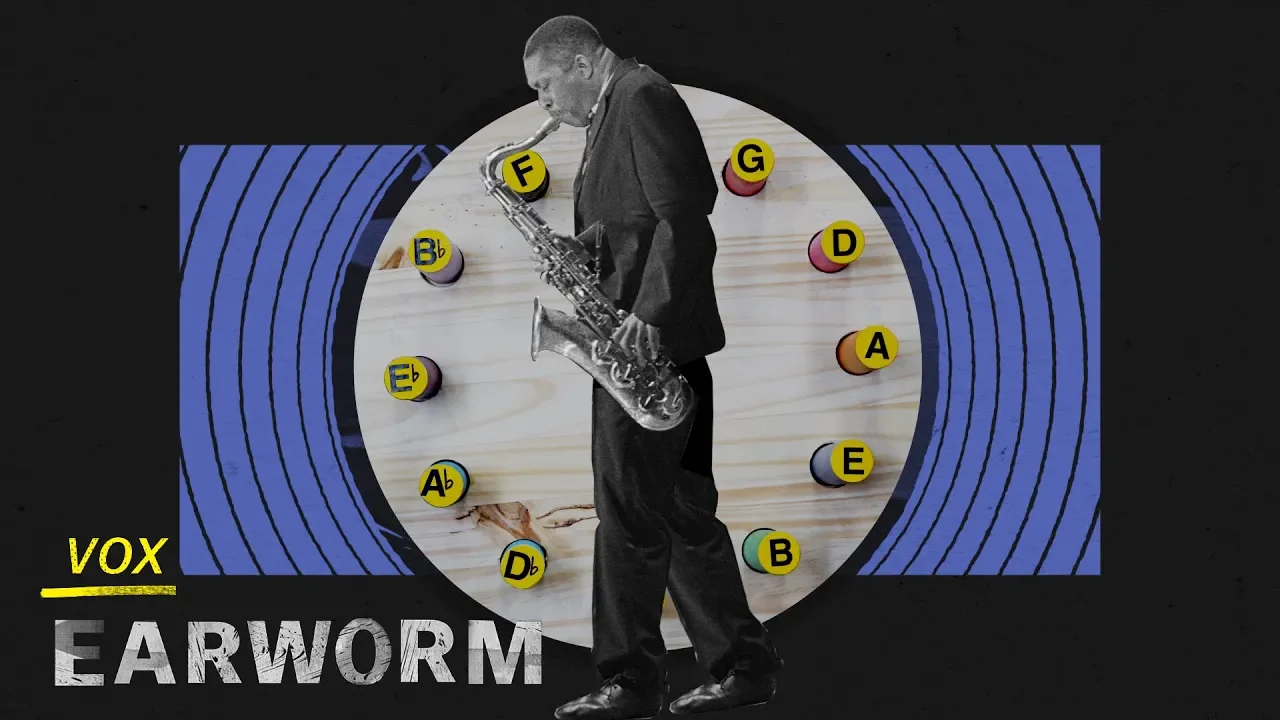
Understanding John Coltrane's Giant Steps: A Music Theory Analysis
@Vox
10.4M views•2018-11-12
Related Study Plans & Knowledge Roadmaps
Structured learning paths in Music Theory