


![Звуковые иллюзии, которые работают на всех (почти) [Veritasium]](https://i.ytimg.com/vi/8pCuUfbdheE/hqdefault.jpg)














The overtone series is the natural scale of musical frequencies produced by vibrating objects, where each overtone is an integer multiple of the fundamental frequency (fundamental = 1st harmonic, 1st overtone = 2nd harmonic = 2:1 ratio, 2nd overtone = 3rd harmonic = 3:2 ratio, etc.), creating the natural tone series with intervals like octaves, fifths, and fourths; this series forms the basis of all tonal music and gives instruments their unique timbre, though modern Western music uses equal temperament instead of this natural scale.
Understanding the Overtone Series in Music Theory
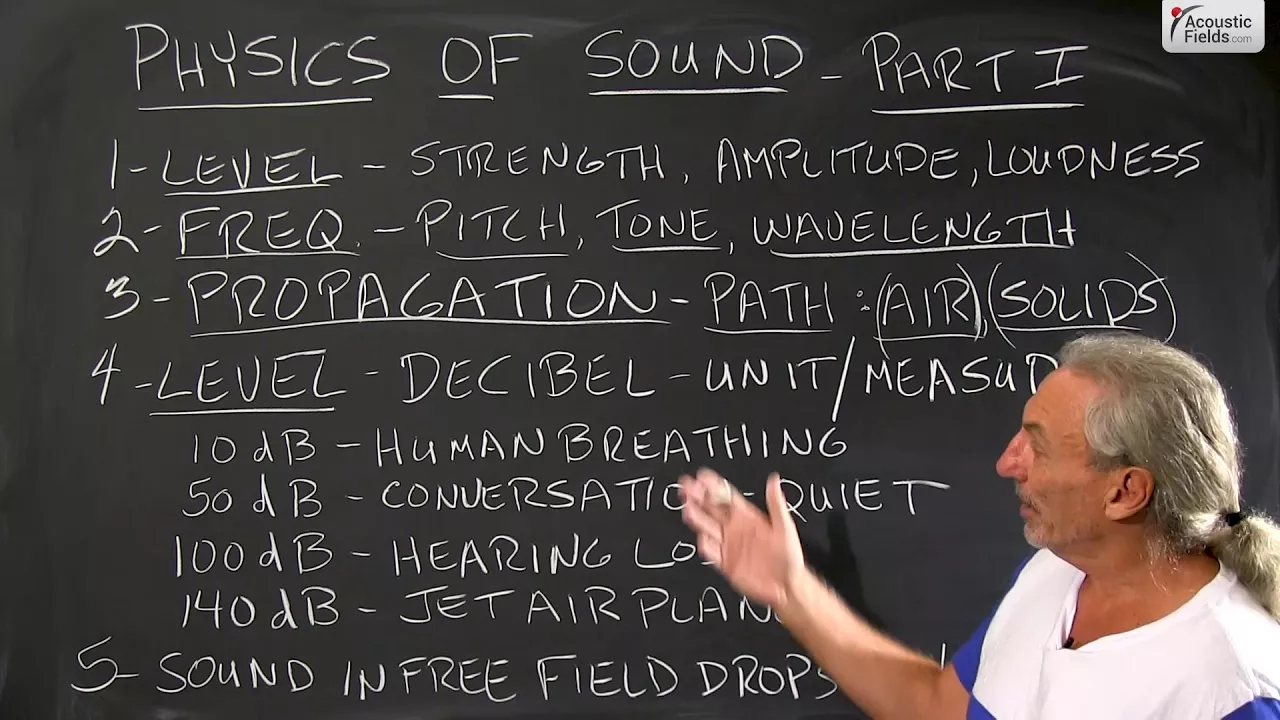
Added:Basic physics of sound, including frequency, amplitude, and how sound waves propagate.
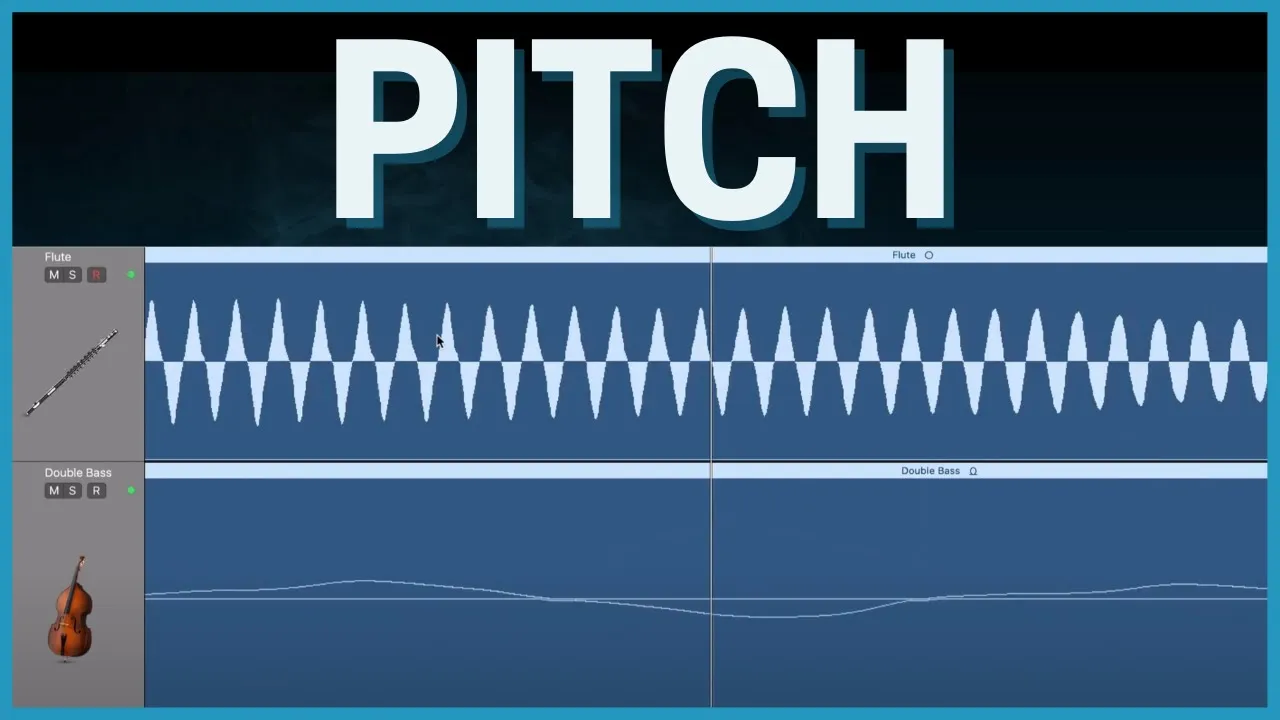
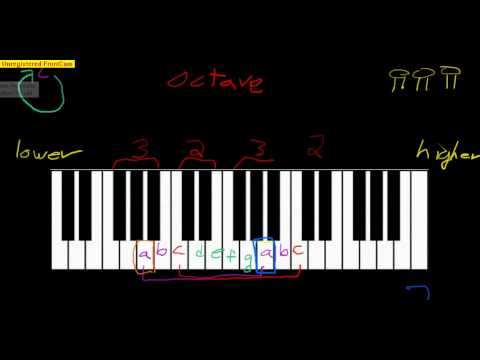
The concept of pitch and the standard Western octave.
An introductory understanding of timbre (tone color) and why different instruments sound distinct playing the same note.
Familiarity with basic musical intervals (such as octaves, perfect fifths, and major thirds) and standard scale construction.
The historical development of tuning systems, specifically comparing Just Intonation to Equal Temperament.
Practical applications of the overtone series in orchestration, instrument voicing, and choral arranging.
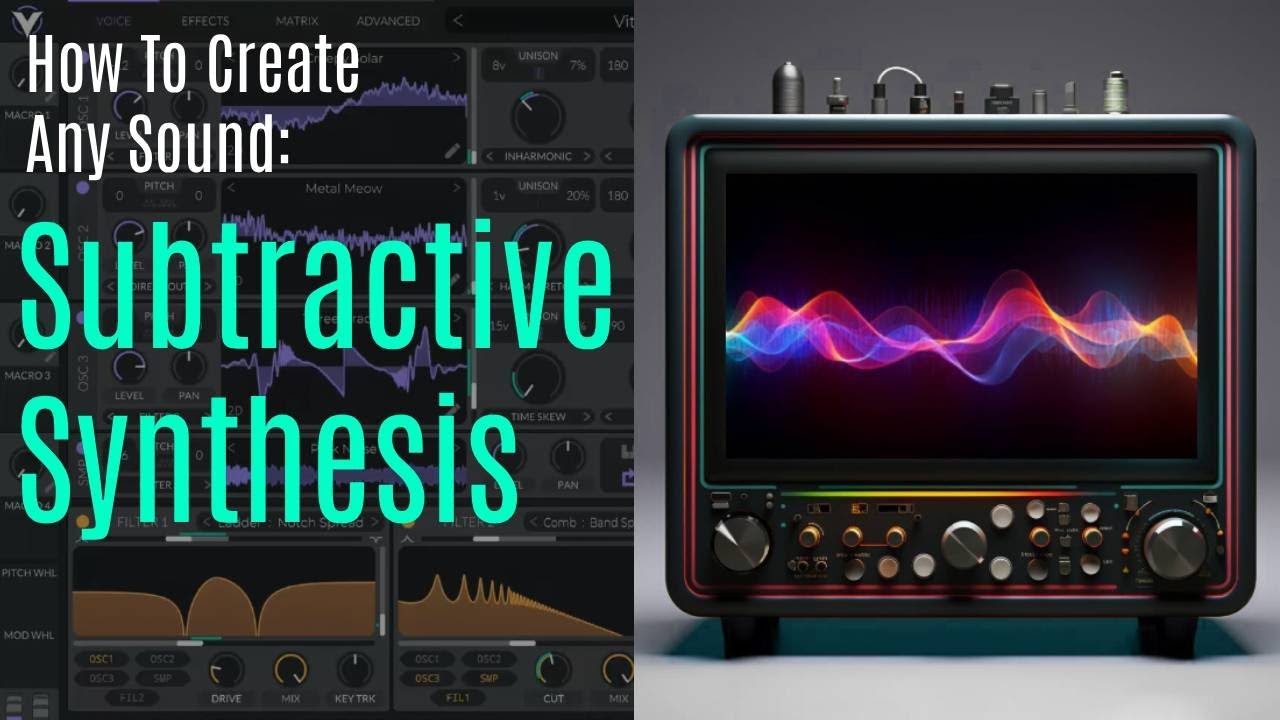
Sound synthesis techniques in electronic music, such as additive and subtractive synthesis.
The study of Spectralism, a 20th-century classical music movement that uses the acoustic properties of overtones as a basis for composition.
4.7K views132likes5:18Original Release: 2019-09-22
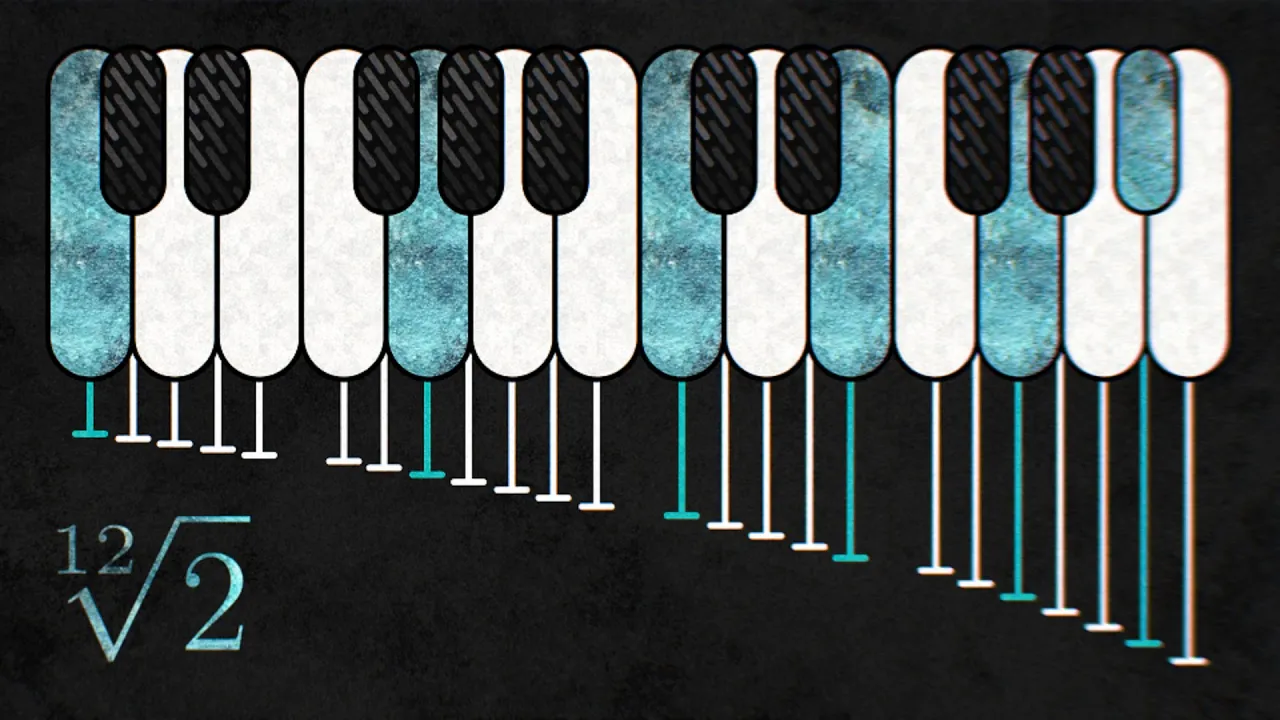
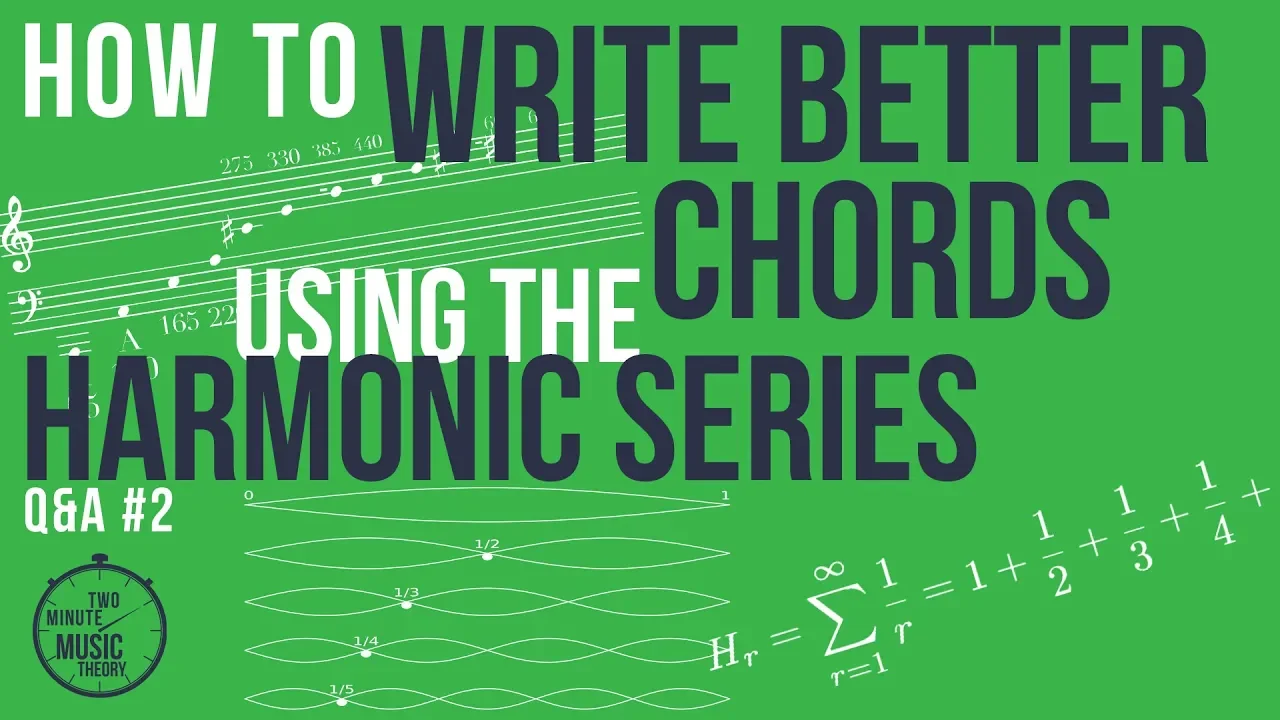
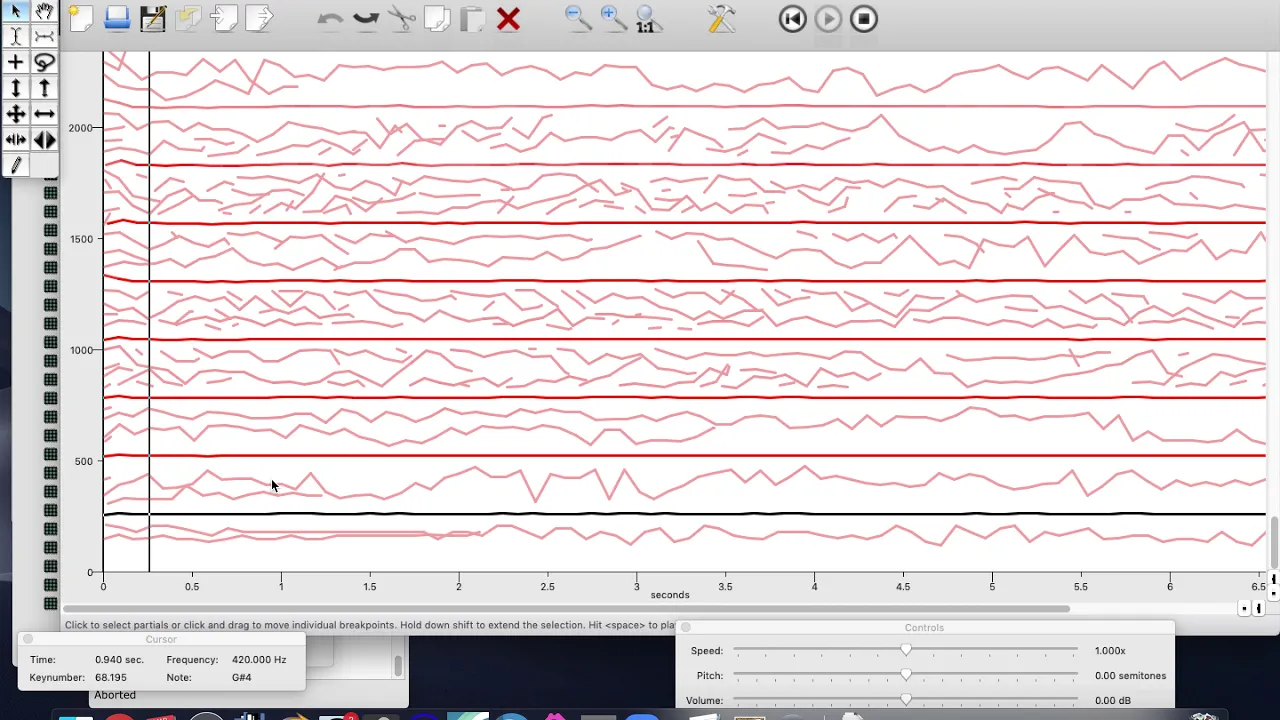
if you pluck a string on a guitar or play a key on a piano you'll hear a note it might be middle C or the F that's two octaves below middle C but whatever note it is you won't just hear that one note you'll hear lots of others at the same time these other notes are called overtones and the complete set of overtones is called the overtone series and it's this that gives a particular instrument its special sound or Tambor and that's going to be the subject of the talk today [Music] you what happens when you pluck a guitar string well of course it vibrates and it vibrates between two fixed points the bridge and the nut at the top of the fretboard the sound comes not just from the string itself in fact the string makes hardly any sound on its own because it moves very little air but its vibrations are transmitted to the wooden body of the guitar causing it to vibrate in turn and be the main source of sound the lowest frequency of vibration is the fundamental also known as the first harmonic the first integer multiple of the fundamental is the first overtone or the second harmonic so if for instance the fundamental vibrates fifty times a second the first overtone vibrates double this or 100 times a second a second overtone vibrates at three times the fundamental or 150 times a second and so on here's another view of a fundamental in its first few overtones notice that the number of the overtone is always one more than the number of the harmonic both overtones and harmonics are known as resonant frequencies musicians tend to prefer the term overtones physicists tend to prefer to talk about harmonics if we take our fundamental note to be c2 that's the C two octaves below middle C then the first overtone has double this frequency and therefore is the note that's an octave higher or c3 the 2nd overtone is a fifth a musical v that is up from c3 or g3 the third overtone is another fourth higher or a full octave above c3 bringing us to c4 or middle C the fourth overtone is a major third higher than c4 which is e4 and so it goes on this process of stepping up from the fundamental in the frequency ratios 2 to 1 3 2 to 4 to 3 5 to 4 and so on gives rise to what's known as the natural tone series it's a series built by moving up from the fundamental in successive overtones if we're talking about an individual string on a guitar the combination of overtones that we hear when the string is played will depend where it's played near the bridge you're further away how hard it's played and whether it's played with a pick or the flesh of a finger the combination of overtones determines the quality of the sound or Tambor the Tambor will vary from one guitar to another depending on its construction it will vary even more from one type of instrument to another clarinets for instance tend to have strong even-numbered overtones 2nd 4th 6th and so on and weak odd-numbered ones especially in their lower registers the combination of overtones produced by organ pipes depends on whether the pipes are open or closed pipes that are closed at the top sound predominantly even-numbered overtones which is the same as saying odd-numbered multiples of the fundamental open pipes on the other hand produce a combine of both even and odd overtones in modern Western music we don't use the natural tone scale based on overtones or harmonics instead we use something called twelve-tone equal temperament in which the frequency ratio of successive notes is a constant the table here compares the first 31 harmonics just subtract one to get the corresponding overtone and the intervals of the equal temperament to do this the notes of the natural scale have been octave displaced and compressed into the span of one octave in the column on the right you can see the difference between natural tones and their equal temperament equivalents incense on scent is a hundredth of a semitone in equal temperament you can see that while some of the intervals such as the fifth the minor third and the minus second a very similar in frequency others such as the tritone minor 6th and major seventh are significantly different to the point where it will be obvious to the ear check out my other videos in the music and math series including those on equal temperament and Pythagorean tuning thanks for watching and I'll see you again very soon [Music] you
Up Next

6:36
Equal Temperament vs Just Intonation: What We Lost in Music
@10thdim
2.7K views•2022-01-29

10:20
Mozart's Musical Dice Game Explained: History, Rules, & Fun
@webpianoacademy
5K views•2023-03-13

47:36
Understanding Diatonic 7th Chords in Major Keys | Music Theory Tutorial
@GracieTerzian
54.7K views•2022-03-02
10:49
Understanding John Coltrane's Giant Steps: A Music Theory Analysis
@Vox
10.4M views•2018-11-12
Related Study Plans & Knowledge Roadmaps
Structured learning paths in Music Theory
music-theory
Composing Galant Music: Partimento & Schemata
01Foundations of Figured Bass and Keyboard Harmony
02The Rule of the Octave (Regola dell'Ottava)
03Galant Schemata: The Building Blocks of Form
+ 2 more learning modules
30h5 modules
Explore Roadmap
music-theory
Decoding Overtone Series: Tuning & Drone Music
01Acoustic Foundations: The Physics of the Overtone Series
02Tuning Systems: Equal Temperament vs. Just Intonation
03Microtonality and Spectralism: Beyond Standard Pitches
+ 2 more learning modules
24h5 modules
Explore Roadmap
music-theory
Impressionist Harmony: Scales, Planing & RPGs
01Foundational Music Theory: Keys, Intervals, and Seventh Chords
02Impressionist Color: Chord Planing and Parallel Harmony
03Whimsical Textures: Pentatonic Cascades and Whole-Tone Scales
+ 1 more learning modules
14h4 modules
Explore Roadmap
music-theory
Negative Harmony: Axis Reflection in Indie Pop
01Music Theory Foundations: Scales, Intervals, and Triads
02Functional Harmony and the Circle of Fifths
03Demystifying the Negative Harmony Axis Reflection
+ 2 more learning modules
16h5 modules
Explore Roadmap