









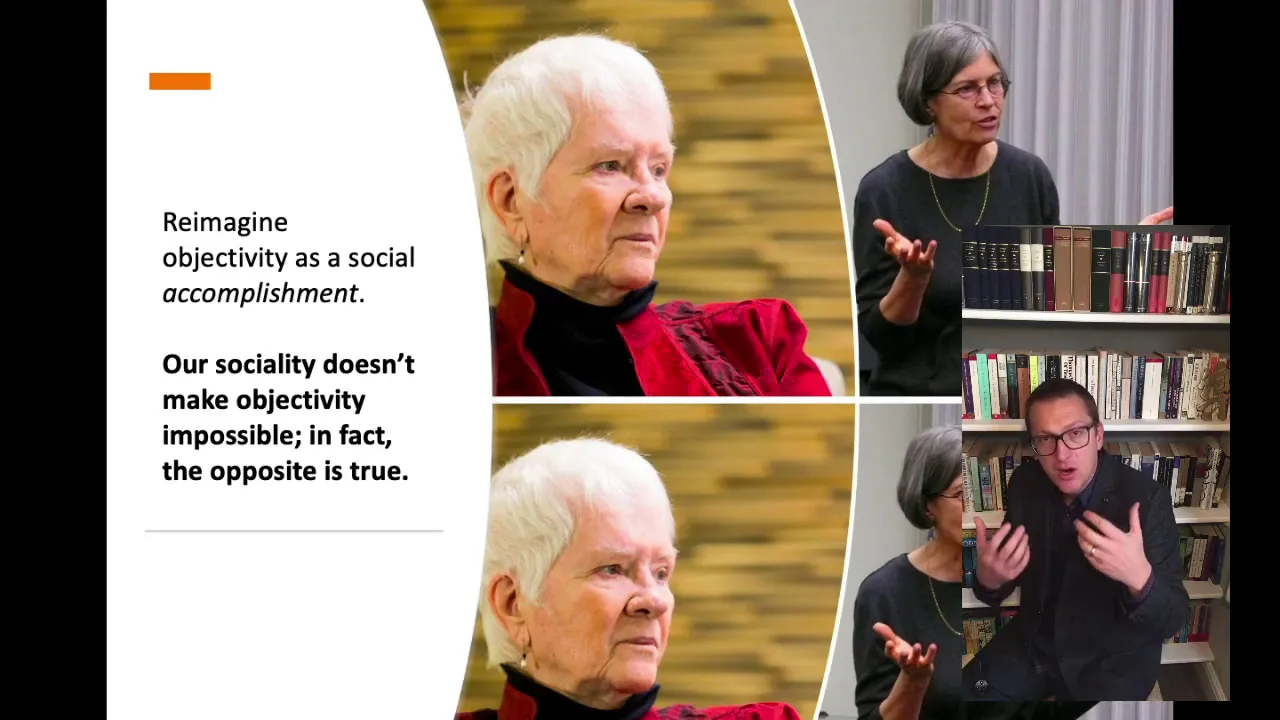






Standpoint Theory, developed by feminist scholars in response to the women's movement, challenges the traditional notion of scientific objectivity by arguing that knowledge production is fundamentally shaped by social positions and power dynamics; it examines how different social groups—particularly women, racial minorities, and economically disadvantaged communities—develop unique perspectives that reveal different aspects of reality, thereby questioning whose knowledge gets produced, for whom research provides benefits, and who bears the costs of scientific inquiry.
Sandra Harding on Standpoint Theory: History & Controversies
Added:Feminist Epistemology: Understanding how gender and social positioning influence the production of knowledge and definitions of truth.
Traditional Scientific Objectivity: Familiarity with classical positivist assumptions about value-free, neutral, and universal scientific inquiry.
Social Construction of Knowledge: The basic sociological concept that scientific facts and knowledge systems are shaped by social, historical, and cultural contexts.
Power-Knowledge Dynamics: An awareness of how social hierarchies and power relations dictate whose perspectives are prioritized and deemed authoritative.
Strong Objectivity: Exploring Sandra Harding's specific methodological concept that aims to produce more robust scientific knowledge by starting inquiry from marginalized lives.
Intersectionality in Epistemology: Examining how Patricia Hill Collins and other theorists expanded standpoint theory to integrate intersecting vectors of race, class, and sexuality.
Postcolonial and Decolonial Epistemologies: Investigating how standpoint theory critiques Western-centric science and values Southern or indigenous knowledge systems.
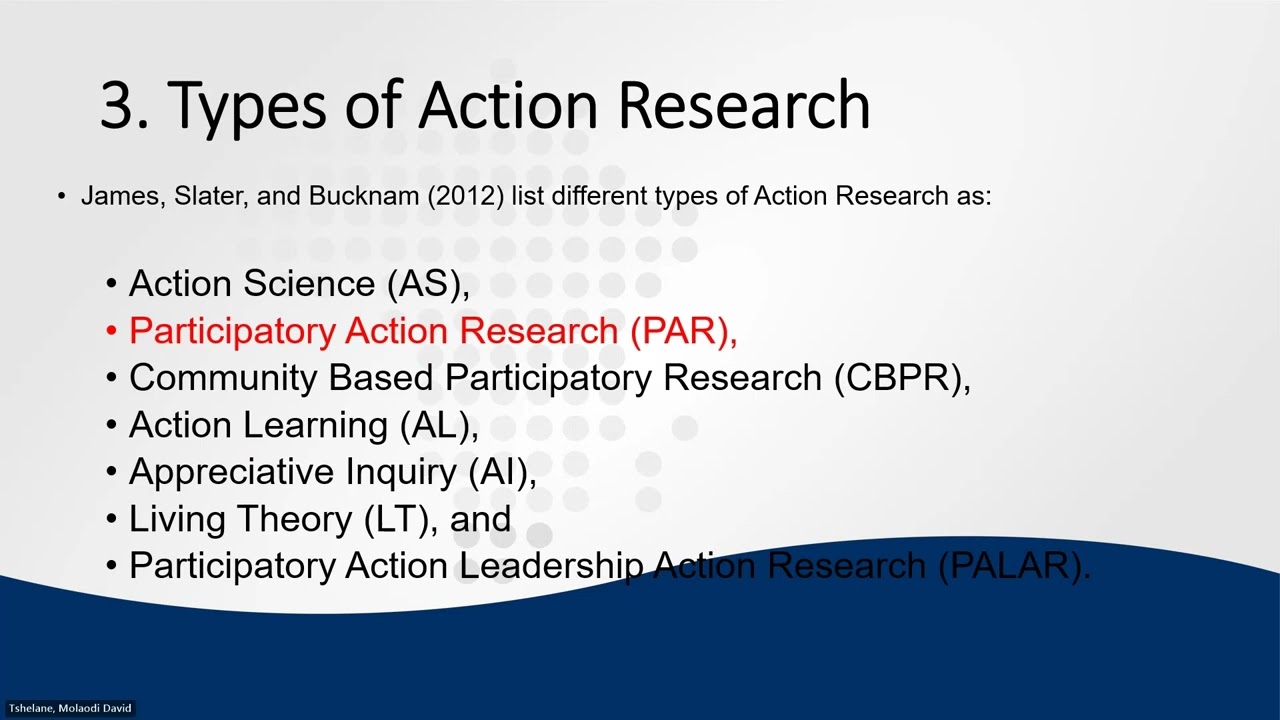
Participatory Action Research (PAR): Applying standpoint principles to practical, community-led research methodologies that empower marginalized groups to co-create knowledge.
74.4K views975likes18:36Original Release: 2016-05-04
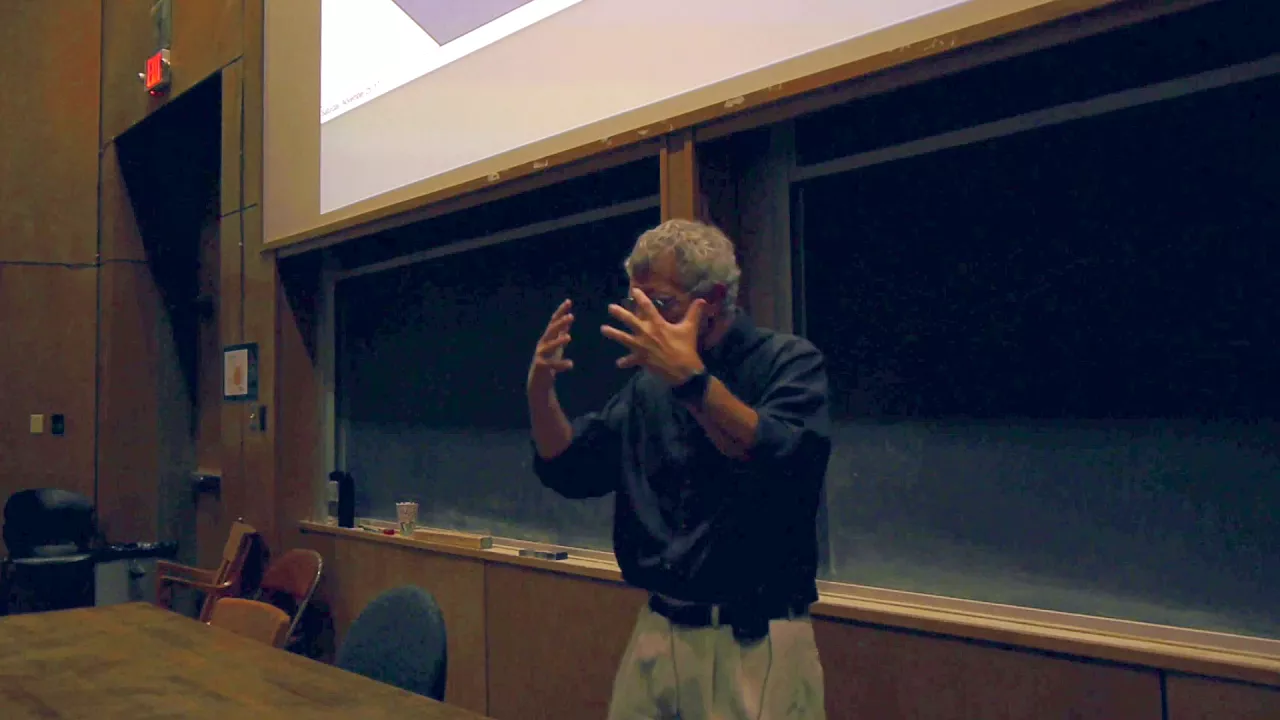
my name is Sandra Harding I recently retired in a year ago from UCLA where I have for 20 years been in the Graduate Department of Education and with a joint appointment in women's studies I got my doctorate in philosophy at UCLA in 1973 and before I came to UCLA I taught for 20 years at the University of Delaware so what drew me to feminist theory in the first place well I when I started back to graduate school in 1968 I went to graduate school late I had been out for 12 years working in New York City when I returned to graduate school though very shortly after that the women's movement started up and my friends graduate student friends who were working in ethics and in political philosophy were busy writing away about women's rights and abortion rights and did a different understanding of democracy and women's need to be in important positions and the government what was this somebody thinking epistemology and philosophy of science supposed to do we those of us who worked in science and knowledge of histology areas were really quite puzzled how to use the terrific energy and resources the women's movement was providing to think philosophy in a different way what happened it was that in the social sciences in some areas of Natural Sciences especially in biology with women's health issues and environmental issues questions about the objectivity about the this standard notion of objectivity as requiring value neutrality came under fire right how could it be that these supposedly value neutral sociologies medical theories and so forth that clearly were directed by the needs and interests of pharmaceutical companies of physicians as opposed to their patients the welfare department instead of the people who receiving welfare of the world bank instead of the people who needed the resources for development how could it be that this was value neutral it clearly wasn't and so we started putting together talking to people in the other disciplines that had these epistemological and philosophy of science concerns so in my case we would put together panels at triple-a s or American Philosophical Association of the American Political Science Association and we've had on the panel would be me from philosophy and Nancy Hartsock from political theory and Ruth Hubbard from biology and somebody else from sociology and we do parallel play if any of you have had a two-year-old of beer been near a two-year-old you know what I mean by parallel play the two little kids sit in the sandbox and they look at each other and they play completely separately one builds a sandcastle the other builds a sandcastle they look at each other it's parallel play and that's what we did on the platform at these conferences we each talked about the lack of objectivity of the presence of all kinds of white elite male class and race values that were shaping what counted as research what counted as good research and we slowly began to develop a series of questions about the Natural Sciences and the social sciences that took on the conceptual apparatus of those fields as the sociologists of knowledge Dorothy Smith put the point in modern bureaucratic societies like ours ruling is largely is often and largely a matter of manipulating concepts right what counts as a citizen right what how should we conceptualize a citizen right how should we conceptualize a legitimate resident of the this country right how should we conceptualize women's rights to control our own bodies and so forth how do i define feminism well I think of it I think of feminism in the plural feminism's they're different feminism's for different groups of women and men in different places in history and around the world what they're very different from each other but what they share is a concern to provide resources so that women - for women to be able to take greater control of our lives so what is this article about well first of all I have to note an odd thing about a standpoint theory and that is that it has remained extremely controversial people object to it all the time on all kinds of grounds and this is a nevertheless it's now 40 years old it's been on this supposedly inadequate Theory has persisted for four decades that tells you that there's something going on here that needs a little more thought let me point out first that standpoint theory is is thought of in a number of different ways it's thought of as an epistemology that is a theory of who can produce reliable knowledge and how knowledge should be justified it's thought of as a philosophy of science of how to what best practices and goals for scientific research should be it's thought of as a sociology of science that looks at the particular social conditions that create different kinds of knowledge and so forth so it happiness it sort of as a methodology of course of how to go about doing research but standpoint theory is usually thought of as having a very particular historical lineage and it does Marx asked the question what can we learn about how the class system works by starting off from workers lives rather than starting off from the lives of the elites of the day and a hundred and something years later feminists picked this up and turned transformed it it it does have a source in 19th century and earlier European philosophy but the feminist standpoint was specifically developed as I indicated earlier as a result of the research being done out of the politics of the women's movement right by sociologists political scientists and so forth however so that's the official intellectual lineage of standpoint theory but the standpoint approaches appear to be organic in this sense you can every time a new group steps on the stage of history it tends to say something like gee whiz from the perspective of our lives things look different so you can see the civil rights movement saying that you can see the poor people's movements you can see post-colonial and decolonial movement saying that lesbian gay bi trans so standpoint methodology and and theory is a kind of organic logic of research I would say in the article I talked about three places three sites of controversy in standpoint theory the first one is that it extends the logic of scientific research the control of the scientific research process back one could say to the beginning of the research process that is the context of discovery and for philosophers and indeed many scientists most scientists perhaps the context of discovery was supposed to be left free of all kinds of regulatory controls there's lots of talk in philosophy of science and in science of the these the serendipitous accidental discoveries that were made who knew they were going to ask this question the great insights completely inexplicable of brilliant scientists as Hillary rose and Stephen Rose put the point this way of doing philosophy of science makes science a humanity it turns science into the kind of enterprise that is conducted by great artists and great poets and great musicians they get insights from who knows where and go on it's the their individual creativity their connection with the universe in some mystical inexplicable way that permits the production of important new knowledge now there certainly is something right about that but in fact the the origins of scientific questions has another very clear dimension namely whatever the funders and sponsors want funded and sponsored gets turned into scientific questions and the kinds of questions that women or racial minorities or poor people might want to ask do not get asked for example how there's a whole field of neglected tropical diseases right which are ones that don't interest they don't strike rich people they strike for people living in jungles and so forth so why bother to figure out how to how to resolve them and there's many other questions of course that all of these new social justice movements of the 1960s raised that had not gotten to the beginning of the official research process so standpoint theory says that who gets to decide what counts is a scientific question is a very important part of the research process and we social justice movement people what different questions asked than those that have been asked only by pharmaceutical companies by militaries by national governments you trying to control their population their prisons and so forth so that's one site of controversy and it should be I'm arguing controversial it we need to talk about how come science is directed and managed only or primarily by corporations states and militaries that that's a important question what did what should be is that what the relationship between science and society should be is everything we want to know going to be produced by sciences that respond only to the concerns of those groups so that's the first side of controversy ality that I think is important now a second source of controversy for standpoint theory is that it seems to be making the knowers not individuals primarily but social groups and that goes against our whole enlightenment 500 year or however you want to date at 4 and 300 year a tradition of modernity it's individuals who are agents of knowledge and of political action and yet standpoint theory seems to be saying it's groups of people it's women it's poor people its Latinas it's disabled people these groups of people are the subjects or agents of knowledge and so that should be controversial and there should be you know good defenses of both sides of that question but certainly I'm interested to defend the counter counter a dominant view that in fact what people do both enables and limits what they can know we all have maps of our cities but if you travel the city on a motorcycle or a car or go through it on a train or fly over it or walk it or bike it or push a baby carriage or a walker around it you'll have a very different map of the city in each case you'll know different things about how to get from here to there according to how you are able to interact with your environment as you travel so these different the fact that different groups gain different kinds of knowledge of course each person's knowledge is individual is individual each of us individually knows things that other nobody else knows yet we share certain kinds of experiences because of the kinds of obligations and duties and opportunities created in our lives not everybody takes care of small children the elderly and the sick people who do that will have certain kinds of knowledge not only of small children the elderly and the sick but of the dominant social institutions that are supposed to be providing resources or not for those groups so the second point of controversy allottee here is to understand that knowledge is always a social product as well as an ending produced by particular individuals they're all they're always located at in certain historical moments certain geographical places certain cultures and certain ways in which those cultures and geographies and histories interact so knowledge is both intra individually produced and produced through group experiences so the third source of controversy ality I want to talk about there are others but the third one I wanted that the article talks about is the fact that it's it the stand point theory seems to be doing social constructivism that is it's arguing that knowledge is socially constructed but standpoint theory has has a different kind of constructivism as I indicated it argues that what how we interact with natural and social environments both enables and limits what we can know it doesn't determine what we can know and nevertheless it's relevant to what we can know it provides certain opportunities for us to think in kinds of ways we might not have otherwise thought so what do I want readers to take away from this article the most important point I think it's that we should always ask who whose knowledge is being produced for whom is a particular piece of research are going to provide benefits and who's going to bear the costs of that being the question pursued rather than others that might be important do I want to give advice to young people today no way I have no idea what the world you're living in now let alone the one you're going to be living in is about and you will find your own ways to ask the kinds of questions that are important for you to ask go for it
Up Next
24:34
Feminist Approaches to Epistemology: A Comprehensive Guide
@Vidyamitra
4.2K views•2019-02-12

164:01
John of Damascus on Holy Images: A Theological Defense
@BannedBooks
139 views•2026-04-25

68:32
Should We Destroy the Machines? Big Tech Surveillance Critique
@TheStoriesWeTell303
167.9K views•2025-11-30
4:57
The Myth of Sisyphus: A Greek Legend of Eternal Punishment
@TEDEd
8.6M views•2018-11-13
Related Study Plans & Knowledge Roadmaps
Structured learning paths in Philosophy
philosophy
Frankfurt School: Critical Theory & Culture
01Foundations of the Frankfurt School and Critical Theory
02Horkheimer & Adorno: The Critique of Instrumental Reason
03The Culture Industry and Mass Deception
+ 2 more learning modules
12h5 modules
Explore Roadmap
philosophy
Philosophy of Language: From Frege to Austin
01The Linguistic Turn: An Introduction to Language in Philosophy
02Gottlob Frege: Sense and Reference
03Early Wittgenstein: The Picture Theory of Meaning
+ 3 more learning modules
15h6 modules
Explore Roadmap
philosophy
Feminist Epistemology: Standpoint & Injustice
01Introduction to Epistemology and Feminist Critiques
02Sandra Harding and Standpoint Theory
03Donna Haraway and Situated Knowledges
+ 2 more learning modules
12h5 modules
Explore Roadmap
philosophy
Environmental Philosophy: Ethics & Deep Ecology
01Foundations of Environmental Ethics & Anthropocentrism
02Biocentric Individualism and Animal Liberation
03Ecocentric Holism and Deep Ecology
+ 1 more learning modules
10h4 modules
Explore Roadmap