Brand Licensing: IP, Royalties & Global Retail
Learning Goal: Negotiating, structuring, and executing a brand licensing agreement to monetize intellectual property across global retail markets.
- Prerequisites: Basic understanding of business partnerships, marketing, and commercial contracts.
- Estimated Total Study Time: 18 Hours
Module 1: Introduction to IP & Brand Licensing
This module establishes the foundational principles of Intellectual Property (IP) and details how brand licensing functions as a high-margin monetization strategy. You will explore the operational differences between brand owners (licensors) and manufacturers (licensees), and learn how to leverage existing brand equity to enter new product categories without the capital expenditure of building manufacturing pipelines from scratch.
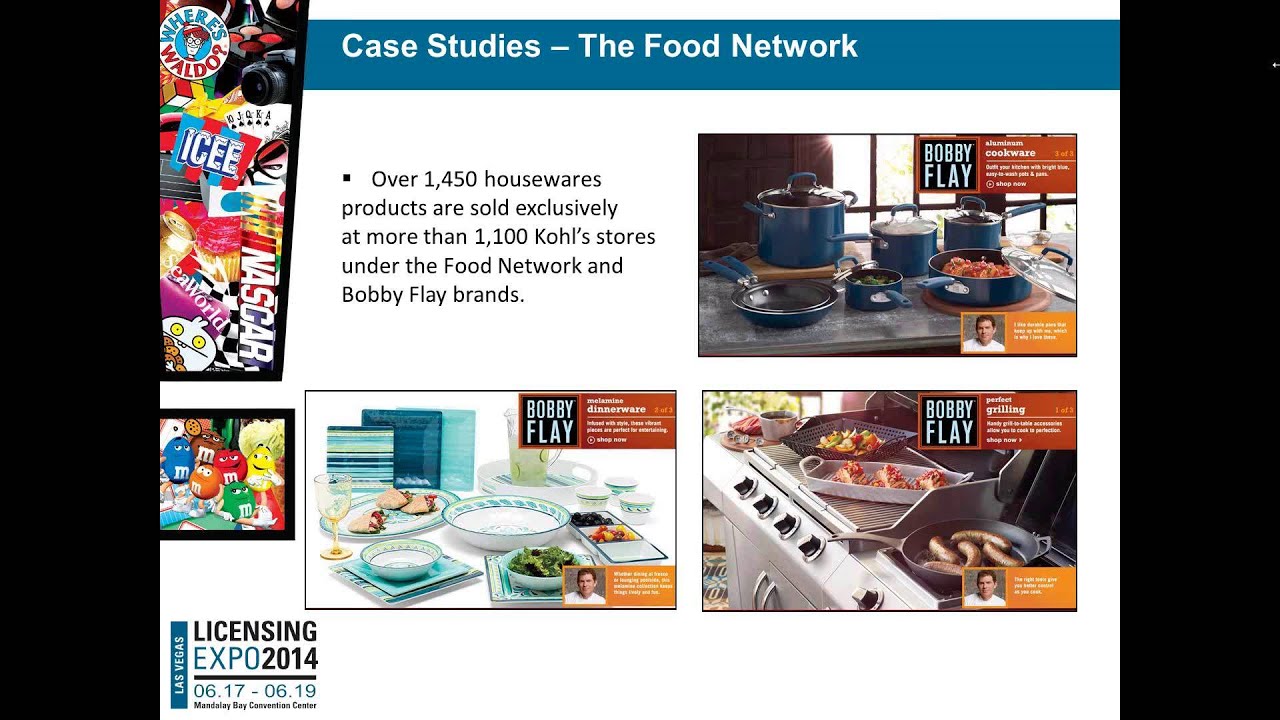
Why this video
This comprehensive industry webinar serves as the perfect cornerstone for your brand licensing education. It provides an in-depth breakdown of how brand owners expand their market presence and drive incremental revenue by granting contractually defined usage rights of their trademarks to partner manufacturers. It serves as an essential strategic primer on the mechanics of building value through third-party product extensions.
Knowledge Checkpoint
- Define the fundamental mechanism of trademark licensing.
- Distinguish between the core motivations of a brand licensor and a manufacturing licensee.
- Map out the primary business sectors where brand licensing is most frequently utilized to scale product footprints.
Why this video
Featuring industry expert Stu Seltzer, this deep-dive interview unpacks the real-world operational landscape of brand licensing. It details how licensors lease brand equity to let licensees manufacture, distribute, and sell products in exchange for royalty payments, illustrating the economic advantages of utilizing established brands over building new ones.
Knowledge Checkpoint
- Explain how a licensor generates high-margin revenue through brand equity leasing.
- Assess why a licensee would choose to pay royalties for an established brand rather than launching a proprietary label.
- Identify key success indicators for evaluating whether a brand is ready for extension into external categories.
Why this video
This video explains the crucial operational differences between brand licensing and product/invention licensing. Using iconic examples like Disney, it shows how manufacturers secure brand rights to elevate their existing commodities, providing a clear comparison of creative execution versus technological protection.
Knowledge Checkpoint
- Articulate the core differences between a brand licensing deal and an invention/patent licensing deal.
- Explain how a standard product (such as a generic toy or apparel item) is transformed into a premium asset via brand application.
- Identify the operational role of the manufacturer once the brand assets are secured.
Why this video
To license intellectual property, you must understand what it is. This introduction sets the baseline legal boundaries of intellectual property, helping you understand how trademarks, copyrights, and design rights serve as the physical and digital boundaries of a brand's commercial rights.
Knowledge Checkpoint
- Explain how intellectual property operates as a legal shield and commercial asset class.
- Recognize the types of IP (trademarks, designs, copyrights) that are packaged into a typical brand licensing contract.
- Define the concept of "control" over an original work and why it is crucial for monetization.
Module 2: Structuring the Deal: Key Financial & Legal Terms
A licensing deal’s success rests on its commercial and legal structures. This module covers the core financial modeling of licensing agreements—including royalty calculation mechanics, minimum guarantees, advance payments, and territory or product category scope definitions.
Why this video
This video covers the three main financial pillars of any licensing agreement: Royalty Rates, Guaranteed Minimum Royalty Payments, and Advance Payments. It explains the typical ranges for royalty rates (5% to 15%) and teaches you how to structure payments to protect the brand's downside risk.
Knowledge Checkpoint
- Calculate a royalty payment based on gross vs. net sales definitions.
- Explain the relationship between an advance payment and the overall minimum guarantee structure.
- Identify the standard royalty rate percentages across common product categories.
Why this video
This resource details the factors that influence royalty rates, showing how sales volume, wholesale product pricing, and market margins interact. It helps you understand that a lower percentage rate paired with high sales volumes can yield a far higher return than a high royalty rate on slow-moving inventory.
Knowledge Checkpoint
- Describe how sales volume impacts the target royalty percentage during contract negotiations.
- Contrast the financial outcomes of high-margin low-volume licensing versus low-margin high-volume models.
- Explain why the wholesale price (rather than retail shelf price) is the industry standard baseline for royalty calculations.
Why this video
This video demystifies the "Minimum Guarantee" (MG). It explains how an MG serves as a safety net for the licensor, ensuring the licensee performs and makes regular payments (often structured quarterly or annually) regardless of actual retail performance.
Knowledge Checkpoint
- Define the structural purpose of a Minimum Guarantee in aligning a licensee’s commercial focus.
- Explain how quarterly and annual minimum guarantee payments are scheduled and recouped against earned royalties.
- Assess the risks a licensee takes on when agreeing to aggressive minimum guarantee milestones.
![Licensing Basics: Key Legal Terms In Brand Licensing [Part 10/10]](https://i.ytimg.com/vi/7LHR9Jso37I/sddefault.jpg)
Why this video
This final summary video explains five essential legal clauses of a licensing contract. It clarifies critical definitions like "net sales" (and the specific deductions allowed), product distribution channels, territory limits, and indemnification policies.
Knowledge Checkpoint
- Define what deductions (such as returns, trade discounts) can be subtracted from gross sales to calculate "Net Sales."
- Explain how a contract defines and limits "permitted distribution channels" (e.g., selling to discount stores vs. high-end retail).
- Describe the purpose of product liability insurance and indemnification clauses in protecting the brand owner.
Module 3: Negotiation & Pitching Strategies
Securing a licensing deal requires structured partner selection, compelling pitching decks, and professional contract negotiations. This module details how to identify prospective licensees, draft initial term sheets, and negotiate major deal points before involving legal counsel.

Why this video
This video explains the importance of taking a phased approach to contract negotiations. It outlines how to focus first on locking down major commercial points (royalty rates, exclusivity, territory scope, and duration) on a non-binding term sheet, before spending time and money on formal legal drafting.
Knowledge Checkpoint
- Outline the chronological steps of negotiating a licensing agreement from term sheet to executed contract.
- List the core deal points that must be resolved on a term sheet before drafting a full contract.
- Explain why negotiating with a business decision-maker should precede working with legal departments.
Why this video
This step-by-step pitching guide provides a systematic, 7-step process for identifying decision-makers, optimizing professional outbound profiles, and presenting your brand ideas to prospective manufacturers. It emphasizes packaging your concept clearly so licensees immediately see its retail viability.
Knowledge Checkpoint
- Optimize corporate outreach channels to identify and connect with licensing and brand managers.
- Build a product or brand pitch deck that clearly communicates market viability and IP status.
- Handle initial manufacturer feedback and objections during a pitch presentation.

Why this video
This practical pitching checklist shows how to thoroughly research target partners before reaching out. It outlines how to look at their press releases, review current retail partnerships, and identify brand gaps, helping you build a highly tailored pitch that addresses the prospect's actual market needs.
Knowledge Checkpoint
- Research a target company's current catalog and identify product lines that are missing your brand's style.
- Craft custom outreach pitches that highlight mutual brand alignment.
- Determine the right business-development contacts at a target company, avoiding generic info inbox addresses.

Why this video
This masterclass teaches you how to prepare a comprehensive negotiation playbook. It walks through how to run financial health checks on your prospects, evaluate their operational capabilities, define your walk-away points, and structure mutual incentives to secure a long-term partnership.
Knowledge Checkpoint
- Draft a negotiation playbook outlining minimum acceptable royalty rates and minimum guarantees.
- Assess a prospective partner’s financial stability, production capacity, and distribution reach.
- Structure win-win alternatives when primary negotiation terms face resistance.
Module 4: Global Retail Execution & Brand Management
Launching a licensed product line globally requires strict design control and international trademark compliance. This module covers style guides, product approval workflows, and how to protect your brand internationally using the Madrid System and WIPO frameworks.
Curriculum Gap Alert: Real-world visual walkthroughs of manufacturing approval workflows and retail shelf space setup are limited in this video pool. To supplement this module, it is recommended to search independently for "brand licensing style guide and design approvals" and "retail merchandising for licensed products".

Why this video
This video explains how brand style guides protect brand identity during licensed manufacturing. It details how style guides define visual rules—including clear-space requirements, specific color palettes, typographic hierarchies, and unacceptable alterations—to keep brand representations consistent across global factories.
Knowledge Checkpoint
- Explain how a style guide ensures visual consistency across different manufacturing partners.
- Detail the mandatory design components that must be included in a licensee style guide (e.g., color values, logo placement).
- Recognize common brand misuse examples (unauthorized scaling, color shifts) that should trigger a design rejection.

Why this video
This practical design walkthrough demonstrates how to build and organize a comprehensive brand guide. It covers logo variations, typography rules, image requirements, and layout examples, helping you design a clear, enforceable style document for your licensees.
Knowledge Checkpoint
- Construct a brand guide that covers different design layouts, materials, and retail packaging.
- Establish clear hierarchy rules for using primary, secondary, and sub-branded logos.
- Outline a step-by-step creative approval process for licensee design submissions.
Why this video
Because trademark law is territorial, protecting licensed goods across multiple countries requires navigating international registration frameworks. This crash course introduces the Madrid System, explaining how it enables licensors to register and protect their IP across many member countries using a single, unified application.
Knowledge Checkpoint
- Explain the territorial nature of intellectual property and trademark law.
- Describe how the Madrid System simplifies registering trademarks internationally.
- Understand the risks of selling licensed goods in countries where the core brand trademark is not registered.
Why this video
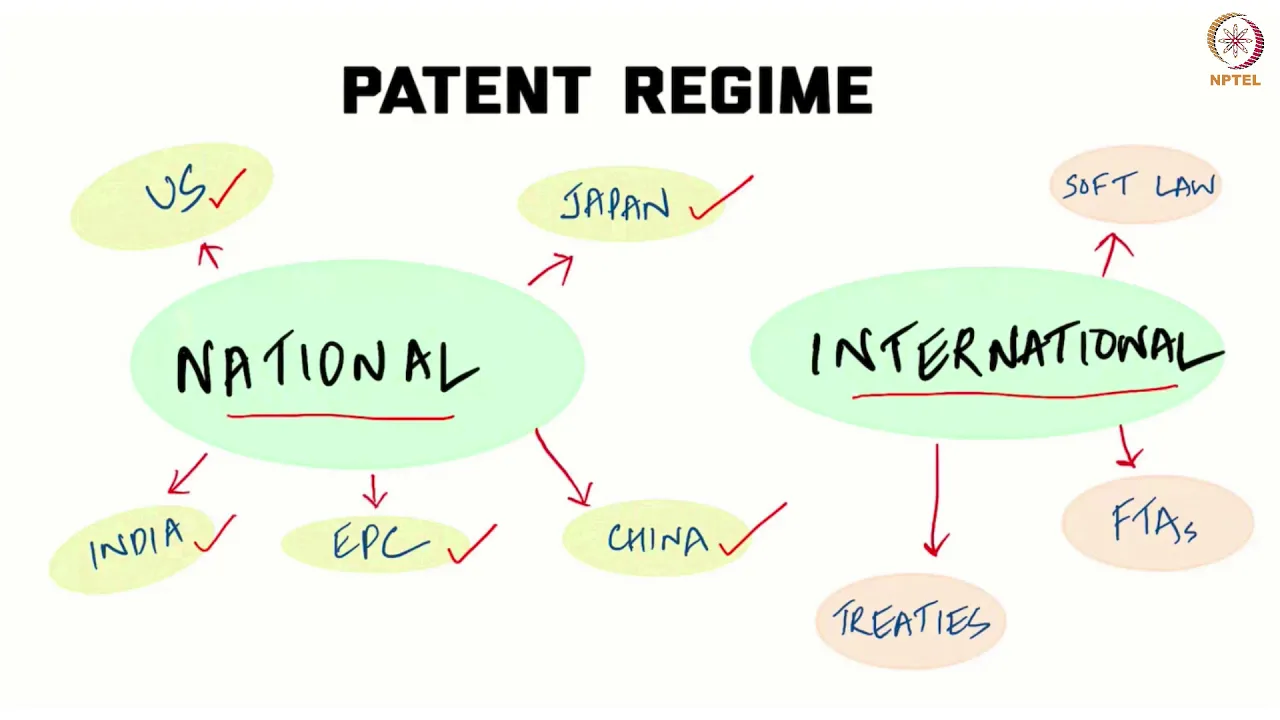
This video explains the international harmonization of intellectual property laws, focusing on treaties like the Madrid Agreement and the Nice Classification system. You will learn how these frameworks group goods and services into specific classes, which is essential for defining the product categories and boundaries of a licensing agreement.
Knowledge Checkpoint
- Explain how the Nice Classification system organizes goods and services for global trademark filing.
- Define the role of international bodies like WIPO in managing and protecting global trademarks.
- Apply international IP classification principles to structure product limits in a licensing contract.
Module 5: Contract Execution, Auditing & Renewals
This final module focuses on the execution phase of a licensing agreement. You will learn about verify chain of title, reviewing commercial royalty statements, spotting auditing anomalies, and managing contract expirations or renewals.
Curriculum Gap Alert: Real-world examples of licensing audits are scarce, as commercial brand audit workflows are usually proprietary and confidential. To supplement this module, it is recommended to search independently for "how to conduct a brand licensing royalty audit" and "licensing contract compliance and royalty reporting".
Why this video
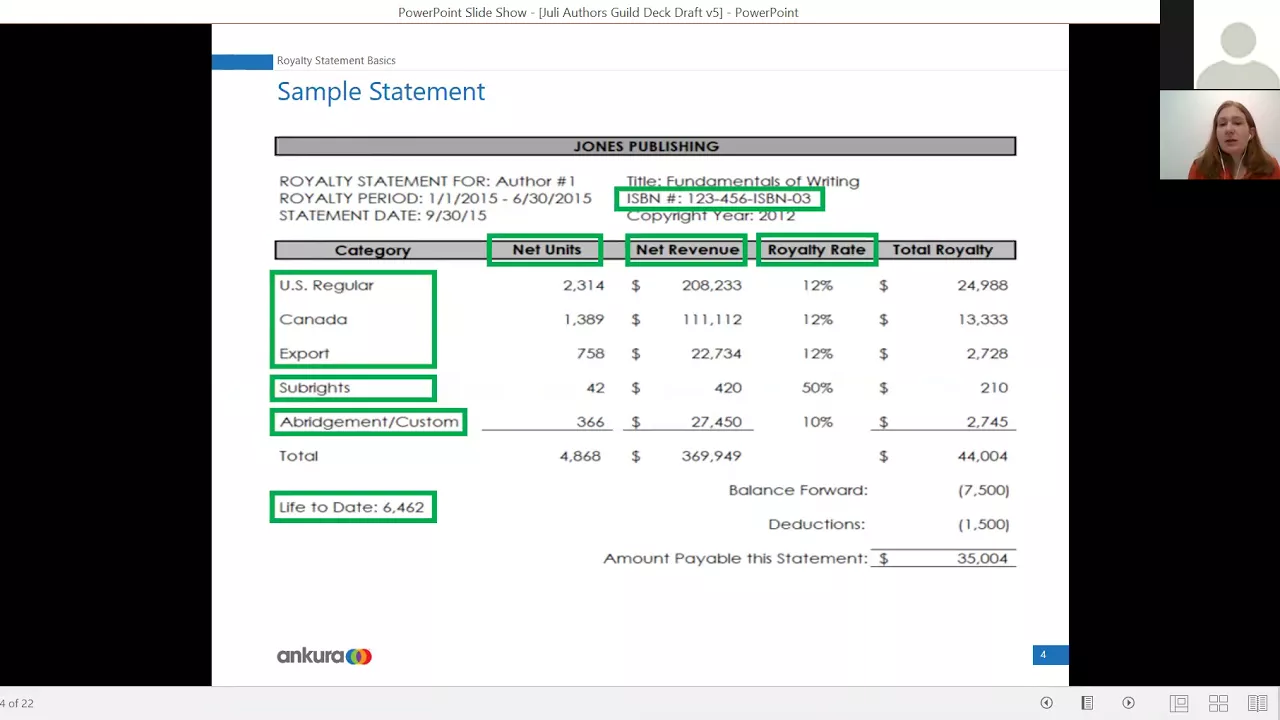
Using real publishing examples, this video teaches you how to read commercial royalty statements and spot common errors. It shows how to audit royalty statements, find calculation errors, address disagreements over contract language, and ensure licensees pay exactly what they owe.
Knowledge Checkpoint
- Read a royalty statement and cross-reference sales volumes, pricing, and royalty percentages.
- Identify three common errors on royalty statements (e.g., incorrect deduction calculations, misapplied royalty tiers).
- Describe the standard process for initiating a formal royalty audit with a licensee.

Why this video
This video explains how to finalize and execute a licensing agreement. It highlights the importance of verifying the "chain of title" to confirm the licensor legally owns the IP, and teaches you how to accurately define the licensed property and signing parties to prevent future ownership disputes.
Knowledge Checkpoint
- Define "chain of title" and explain how to verify it before executing a contract.
- Describe the legal risks of signing a licensing agreement with incorrect corporate entity names.
- Draft precise contract language to define the specific IP assets being licensed.
Why this video
This segment warns against automatic renewal clauses, showing how they can lock brand owners into unfavorable long-term agreements. It highlights why you need written notice periods and clear exit clauses to retain control of your brand's future.
Knowledge Checkpoint
- Explain how automatic renewal clauses operate and their risks for licensors.
- Structure clear notice timelines for terminating a licensing agreement.
- Define the steps a licensor must take to reclaim exclusive rights when a contract ends.
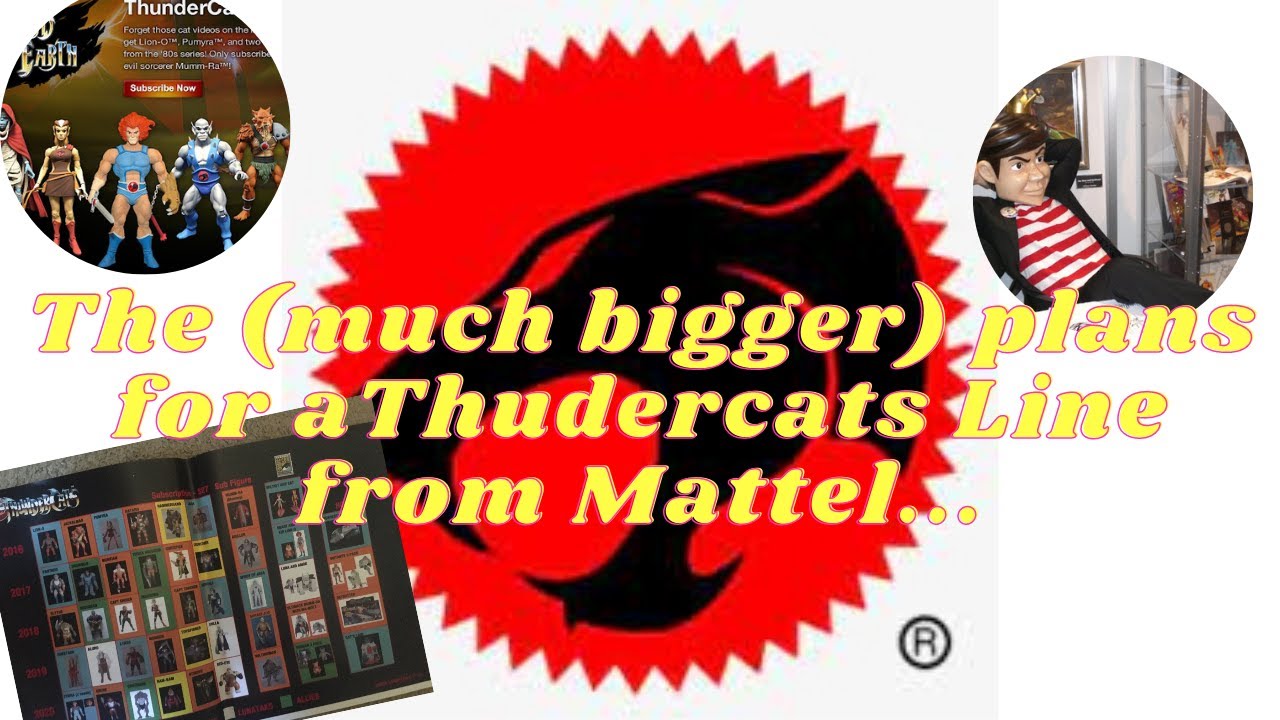
Why this video
Using Mattel’s Thundercats toy line as a case study, this video shows how failing to meet licensing milestones can lead to a contract's expiration or termination. It illustrates how retail performance directly affects contract lifecycles and explains why you must plan ahead for when agreements end.
Knowledge Checkpoint
- Explain how failing to meet retail and sales milestones can lead to contract termination.
- Describe how to manage inventory Sell-Off Periods when a licensing contract expires.
- Assess when to let a non-performing contract run its course versus actively terminating it.
Course Map
Key People Index
- Stu Seltzer (President of Seltzer Licensing Group): A leading expert in brand licensing. He provides practical strategies for structuring royalty rates, defining licensing terms, and negotiating deals between brand owners and manufacturers.
- Maggie Marr (Entertainment & Literary Attorney): A legal expert specializing in IP licensing, domestic rights, and managing contract provisions like renewals and terminations.
- Scott "ToyGuru" Neitlich (Spector Creative): A toy industry professional and brand manager who shares insights on licensing contract performance milestones, product development, and retail execution.
Final Self-Assessment
Complete this comprehensive self-assessment to verify your mastery of brand licensing before executing real-world deals:
- IP Valuation & Strategy: Can you evaluate a brand's market equity and determine if it is ready to license into a new category?
- Role Definition: Can you clearly outline the responsibilities, costs, and risks of both the licensor and the licensee in a standard deal?
- Net Sales Deductions: Can you draft a "Net Sales" clause that clearly limits what deductions a licensee can subtract from gross sales?
- Minimum Guarantees: Can you calculate and structure a quarterly minimum guarantee schedule that protects a brand's financial interests?
- Term Sheet Negotiation: Can you draft a non-binding term sheet covering royalty rates, exclusivity, territory scope, and duration?
- Pitch Strategy: Can you build a professional pitch deck targeting the right decision-makers at a manufacturer?
- Style Guide Control: Can you create a design style guide that defines clear logo use, color palettes, and packaging rules for factories?
- International Filing: Can you explain how the Nice Classification and the Madrid System protect a brand's IP globally?
- Chain of Title: Can you perform a chain-of-title check to prove legal ownership of trademarks and IP before executing a contract?
- Royalty Audits: Can you review a licensee royalty statement, find calculation errors, and identify contract compliance issues?
- Exit and Renewals: Can you draft written notice clauses that prevent automatic renewals and outline clear steps for when a contract expires?