Algorithmic Activism: Curation & Polarization
Learning Goal: Analyze the sociological impact of algorithmic curation on contemporary social movements, examining how digital platforms shape collective identity, polarization, and the mobilization of online activism.
- Prerequisites: Introduction to basic social science concepts or media literacy is recommended, but not strictly required.
- Estimated Study Time: 12 Hours
Module 1: Foundations of Media Sociology
This module establishes the foundational principles of sociology as applied to media ecosystems. You will study how media acts as a primary agent of socialization, shaping human behavior, values, and norms. Furthermore, you will investigate how modern digital platforms have evolved to serve as the contemporary "public square," altering the scale and structures through which civic discourse occurs.
Recommended Videos
Why this video: This video introduces sociology as the scientific study of society and human behavior. It is essential for understanding how individual interactions scale up to form macro-level structures like social media ecosystems.
Knowledge Checkpoint
- Define the sociological perspective and how it applies to modern digital networks.
- Distinguish between micro-level and macro-level sociological analysis in the context of online interactions.
- Understand how societal structures influence individual behaviors within virtual spaces.
Why this video: This segment focuses on socialization—the lifelong process through which we inherit and transmit social norms. It illustrates how media serves as an incredibly powerful agent of socialization in the modern era, deeply influencing attitudes, perceptions, and belief systems.
Knowledge Checkpoint
- Explain how digital media functions as an agent of socialization.
- Describe the relationship between early/frequent media consumption and the internalization of cultural narratives.
- Identify how platform architectures reinforce socialization patterns.

Why this video: This debate frames the crucial debate over whether digital platforms have functionally replaced the physical "town square." It lays the groundwork for analyzing how private algorithmic design impacts the public sphere and democratic civic discourse.
Knowledge Checkpoint
- Conceptualize how major social media platforms function as the modern "town square."
- Analyze the legal and sociological tensions of corporate ownership over public spaces of discourse.
- Reflect on the structural shifts in communication when transitioning from physical communities to digitized networks.
Module 2: The Mechanics of Algorithmic Curation
This module deconstructs the computational back-end of content delivery networks. You will explore how technical systems, such as collaborative filtering algorithms, structurally curate the information we consume. Additionally, we address the review feedback by examining how these recommendation systems exploit human psychology, leveraging cognitive hooks and dopamine feedback loops to optimize for platform engagement and watch time.
Recommended Videos

Why this video: An authoritative, technical lecture by Stanford Professor Andrew Ng that clarifies the mathematics and logic underlying recommendation engines, focusing specifically on collaborative filtering. Understanding this math is critical to analyzing why certain content is structurally pushed to specific cohorts.
Knowledge Checkpoint
- Define collaborative filtering and explain how it maps user preferences.
- Detail how a recommendation engine calculates user-to-item and user-to-user similarity matrices.
- Describe how predictive models estimate a user's potential engagement with unrated content.

Why this video: This video bridges high-level theory and implementation, explaining how platforms utilize behavioral metrics (such as dwell time, pauses, rewinds, and passive interactions) to feed their machine-learning algorithms.
Knowledge Checkpoint
- Identify the specific behavioral data points collected by modern platforms (e.g., hover time, click-through rate).
- Understand the process by which raw user interaction data is converted into personalized content streams.
- Contrast passive data collection (dwell time) with active data collection (likes, shares).

Why this video: This presentation explicitly addresses the integration of cognitive psychology and algorithm mechanics. It explains how machine-learning feedback loops dynamically adapt to human cognitive biases, creating behavioral feedback loops that keep users engaged.
Knowledge Checkpoint
- Explain how algorithms exploit neural dopamine loops to maximize platform retention.
- Analyze the feedback loop established between user behavior and machine learning adjustments.
- Discuss the ethical implications of using predictive psychological profiles to optimize user engagement.
Module 3: Echo Chambers and Digital Collective Identity
In this module, you will analyze how algorithmic segmentation creates filter bubbles and echo chambers, and how these structures foster new forms of digital tribalism. By limiting exposure to diverse perspectives, platforms inadvertently alter collective identity formation. This leads to hyper-specialized online groups that define themselves in opposition to other online tribes.
Recommended Videos

Why this video: Eli Pariser’s foundational talk is the premier explanation of the "filter bubble." This resource details how search engines and platforms invisibly tailor user experiences, creating an personalized epistemic environment that limits serendipitous discovery.
Knowledge Checkpoint
- Define the term "filter bubble" as conceptualized by Eli Pariser.
- Discuss how algorithmic personalization acts as an invisible gatekeeper to information access.
- Evaluate the consequences of personalized feeds on a democratic society's shared baseline of facts.
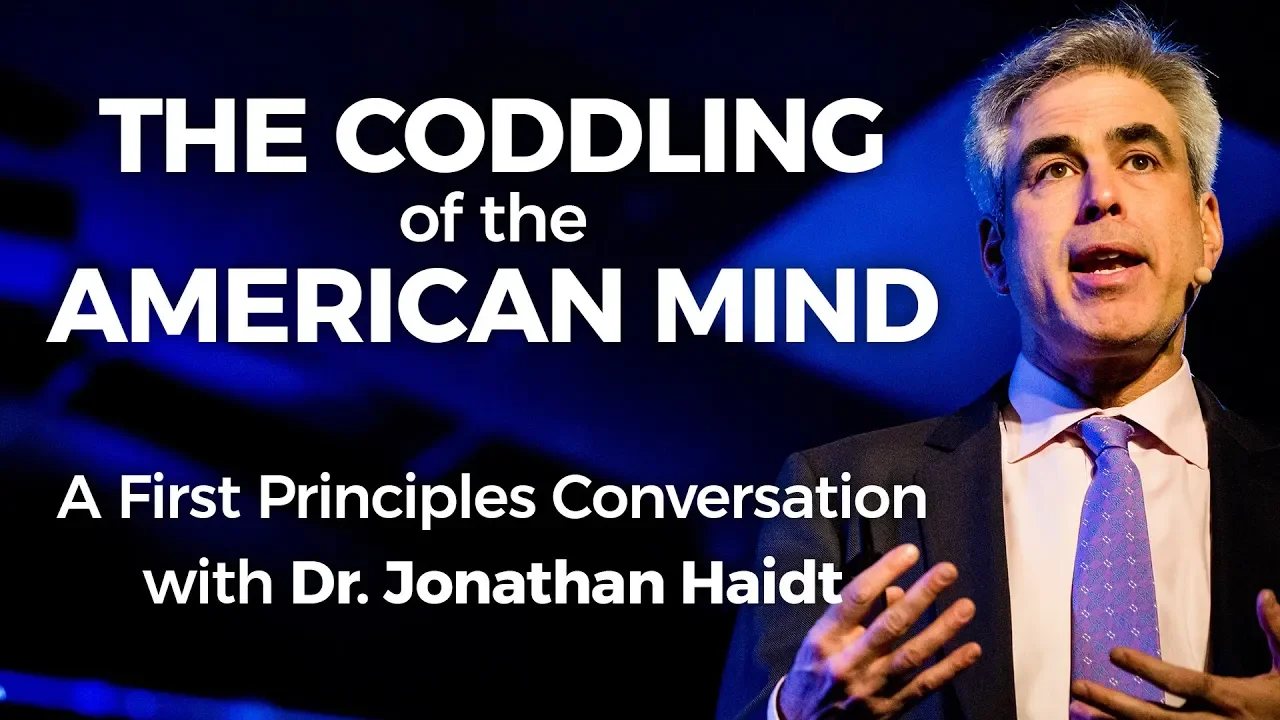
Why this video: Dr. Jonathan Haidt explores the evolutionary psychology behind human tribalism. He highlights how competitive platform dynamics exploit our hardwired "us versus them" mentality, resulting in severe social and academic fragmentation.
Knowledge Checkpoint
- Discuss the evolutionary foundations of human tribalism, using examples like the Robbers Cave experiment.
- Explain how online environments accelerate tribal polarization and group identity consolidation.
- Analyze how modern platforms alter face-to-face conflict resolution and group cohesion.

Why this video: This video offers an evolutionary biology perspective on modern socialization, outlining the mismatch between ancestral human tribal tendencies and modern hyperconnected digital spaces.
Knowledge Checkpoint
- Define "evolutionary mismatch" in the context of social media and human cognitive limits.
- Discuss why humans naturally align with their social groups (tribes) and accept group-endorsed opinions.
- Synthesize how this evolutionary alignment operates when mediated by engagement-maximizing algorithms.
Module 4: Polarization and the Outrage Economy
This module investigates the commercial monetization of negative emotion, commonly termed the "outrage economy." You will examine the academic and empirical definitions of "affective polarization" and study how digital architectures amplify moral outrage, converting social friction and divisive political discourse into corporate revenue.
Recommended Videos

Why this video: This investigative segment profiles the design mechanics of platforms like Facebook, showing how algorithms deliberately prioritize inflammatory, divisive content to maximize engagement and profit.
Knowledge Checkpoint
- Identify the business model that ties emotional outrage directly to ad revenue (attention economy).
- Critique how platform feedback loops reward divisive political behavior with social currency (likes, retweets).
- Analyze the consequences of algorithmic promotion of outrage on political discourse.

Why this video: This segment offers an empirical, academic definition of "affective polarization"—the emotional chasm between groups rather than mere policy disagreements. It connects this polarization directly to cognitive and confirmation biases.
Knowledge Checkpoint
- Define "affective polarization" and contrast it with traditional ideological polarization.
- Detail the psychological link between algorithmic curation and the growth of negative out-group affect.
- Assess the role of confirmation bias in sustaining emotionally charged political beliefs.

Why this video: This video introduces quantitative empirical evidence, citing academic studies (such as NYU and Princeton research) on "ragebait" and emotional contagion, showing how outrage serves as the primary driver of online information flows.
Knowledge Checkpoint
- Understand the concept of "ragebait" as a documented media phenomenon.
- Analyze the quantitative findings from NYU/Princeton studies regarding the virality of negative versus positive sentiment.
- Define emotional contagion and trace its transmission across digital feeds.
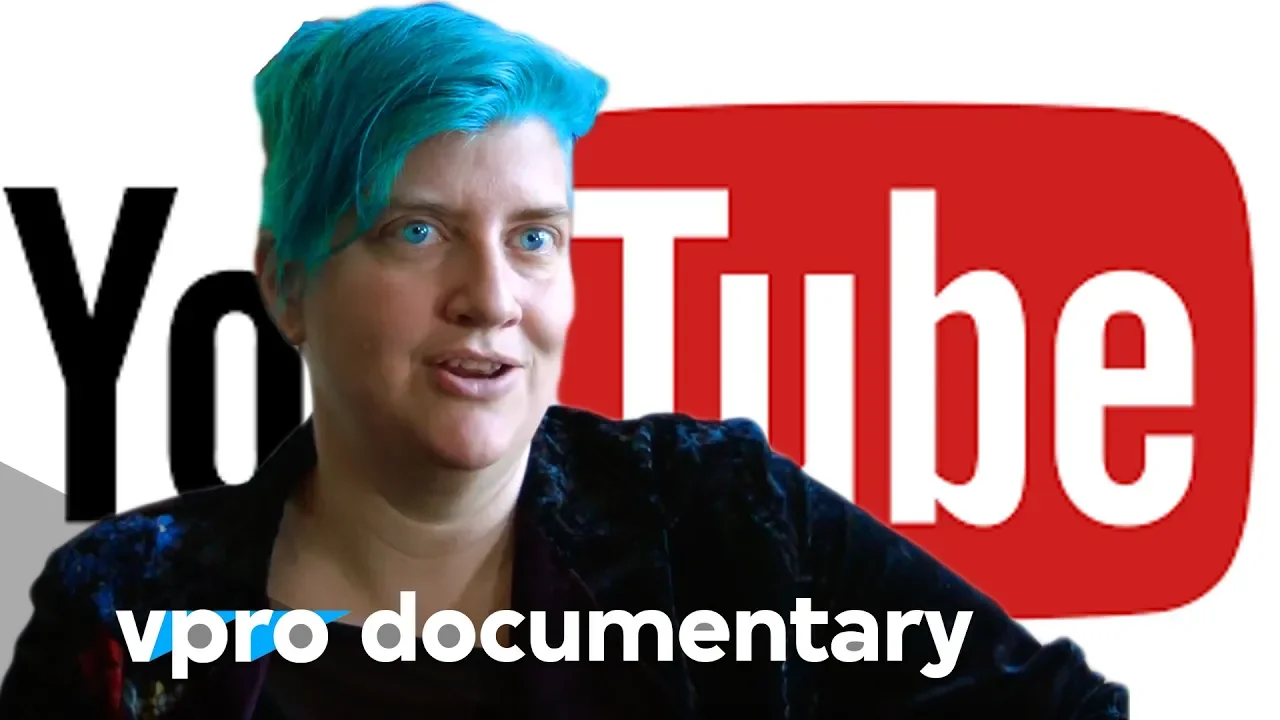
Why this video: A focused segment from a highly regarded documentary exploring how algorithms prioritize engagement over public interest. It highlights how platforms monetize anger and how these dynamics threaten democratic institutions.
Knowledge Checkpoint
- Explain why platforms favor negative emotions to drive profit margins.
- Analyze the macro-level threat that algorithmic design poses to democratic stability.
- Conceptualize structural reforms that could align algorithms with public-square utility rather than profit optimization.
Module 5: Mobilizing Activism in the Algorithmic Age
This module explores how contemporary social movements interact with algorithmic platforms. You will evaluate the power and fragility of "networked protest" (as examined in Zeynep Tufekci's work) and investigate "slacktivism." Additionally, this module covers empirical strategies used by activists to navigate and game platform policies, as well as the challenges posed by shadowbanning and suppression.
Recommended Videos

Why this video: This academic interview explores sociologist Zeynep Tufekci’s seminal analysis of networked protests. It highlights the "tactical capabilities" digital platforms provide for rapid mobilization, balanced against the "strategic fragility" that limits long-term institutional change.
Knowledge Checkpoint
- Differentiate between the tactical capacity to scale a protest rapidly and the strategic capacity to sustain a movement.
- Describe the "fragility" of social movements that rely primarily on digital networks rather than slow, institutional organizing.
- Discuss the historical comparison of civil rights movements (e.g., Montgomery Bus Boycott) to contemporary hashtag-driven protests.
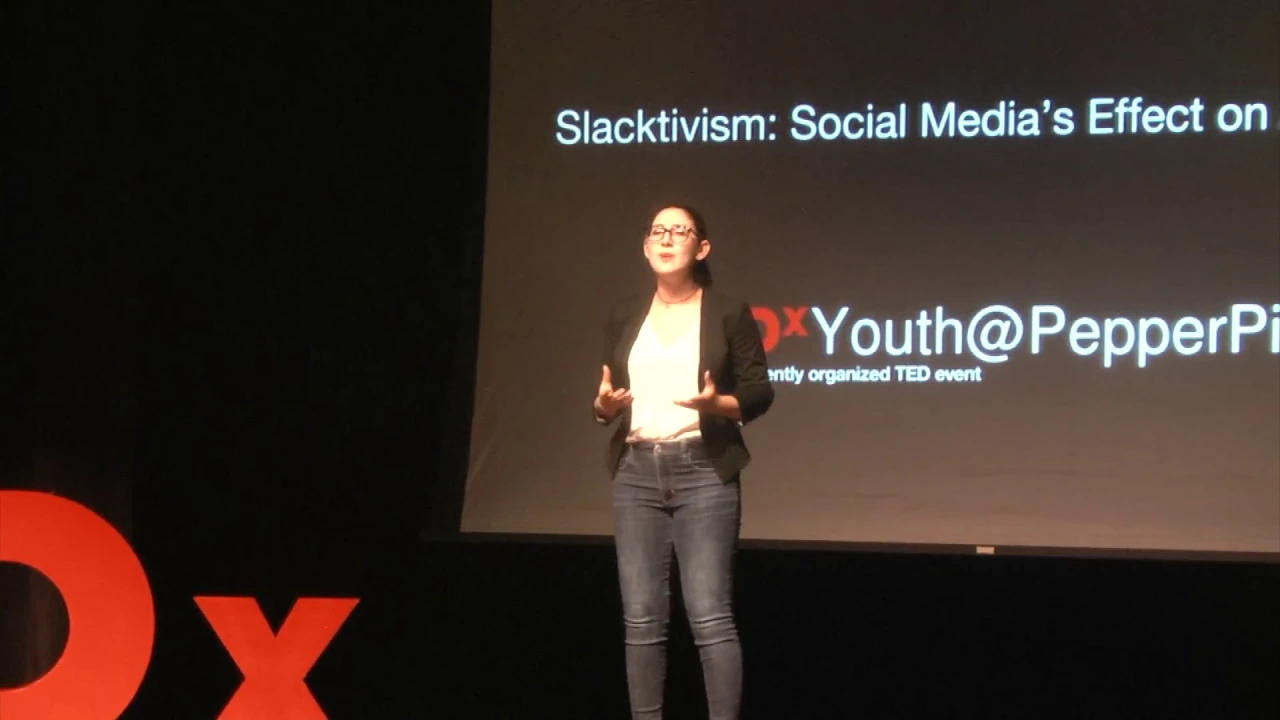
Why this video: An exploration of "slacktivism" (or armchair activism). It evaluates whether low-barrier online actions, such as sharing hashtags or changing profile pictures, translate into meaningful offline policy changes or serve primarily as performative gestures.
Knowledge Checkpoint
- Define "slacktivism" and explain its psychological appeal to digital users.
- Evaluate the correlation between online awareness campaigns and actual systemic change (e.g., legislative action, donations, voting).
- Contrast low-effort performative online behaviors with high-risk, physical activist organizing.
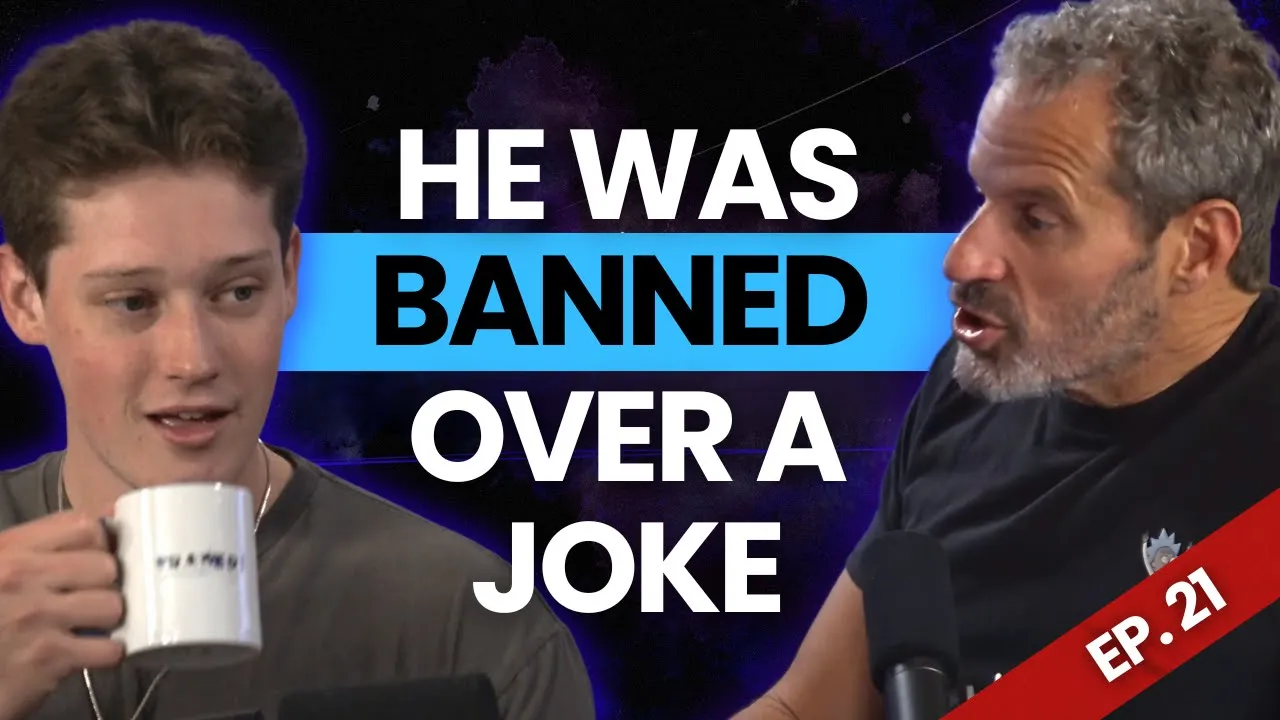
Why this video: This long-form case study demonstrates how platforms employ "shadowbanning" (algorithmic suppression of content reach without notice) to control controversial political discourse.
Knowledge Checkpoint
- Define "shadowbanning" and contrast it with explicit deplatforming.
- Analyze how corporate and state-level geopolitical interests can influence platform moderation systems.
- Describe the challenges activists face when their accounts are algorithmically suppressed.

Why this video: This practical guide outlines how content creators—and by extension, modern activists—must optimize their videos for search engine optimization (SEO), watch time, and engagement trends to ensure content distribution within algorithmic systems.
Knowledge Checkpoint
- Detail the optimization techniques used to game video distribution algorithms (e.g., captions, targeted hashtags, sound pairing).
- Understand the role of "Video SEO" in circumventing normal algorithmic suppressions.
- Evaluate how optimizing content for algorithmic survival shapes and potentially dilutes complex political messaging.
Course Map
This flowchart maps the recommended progression through the modules and highlights the conceptual progression from structural theory to computational mechanics, and ultimately to contemporary political applications.
Key People Index
The following scholars, researchers, and public intellectuals are central to the sociological and technical frameworks covered in this curriculum:
- Dr. Zeynep Tufekci
- Context: Sociologist and academic expert on the intersection of digital technology and social movements. Her work Twitter and Tear Gas investigates the unique capabilities and operational fragilities of decentralized, digitally-native activist campaigns.
- Eli Pariser
- Context: Author and activist who popularized the term "filter bubble" in 2011. His work warning against the unintended consequences of search engine personalization laid the groundwork for modern critiques of algorithmic curation.
- Dr. Jonathan Haidt
- Context: Social psychologist and co-author of The Coddling of the American Mind. He studies evolutionary moral psychology and investigates how social media algorithms exploit tribal human instincts, accelerating institutional distrust and affective polarization.
- Dr. Andrew Ng
- Context: Renowned computer scientist, co-founder of Coursera, and Adjunct Professor at Stanford University. His lectures provide the core mathematical and programming frameworks for recommender systems, particularly collaborative filtering models.
Final Self-Assessment
Test your understanding of the materials by completing the following final diagnostic checklist. To master this curriculum, you must be able to confidently check every item below:
- Explain how platforms act as primary agents of socialization and the sociological implications of a privately-owned "public square."
- Mathematically and conceptually differentiate between user-based and item-based collaborative filtering mechanisms.
- Outline how passive behavioral data points (like dwell time) are leveraged to feed predictive machine learning models.
- Describe the cognitive and biological feedback loops (such as dopamine loops) that algorithmic engagement optimization exploits.
- Define Eli Pariser's "filter bubble" and discuss its impact on a society's shared information landscape.
- Explain the evolutionary psychological advantages of human tribalism, and how digital spaces exploit those traits.
- Define "affective polarization" and contrast its sociological indicators with traditional ideological polarization.
- Explain how the "outrage economy" monetizes negative emotional reactions like moral indignation.
- Contrast the concepts of tactical scaling and strategic sustainability in modern, decentralized social movements.
- Define "slacktivism" and assess its efficacy in generating offline structural changes.
- Explain the mechanics and political implications of "shadowbanning" and other algorithmic suppression techniques.
- Identify and evaluate at least three distinct methods used by activists and content creators to optimize content and bypass algorithmic suppression.