



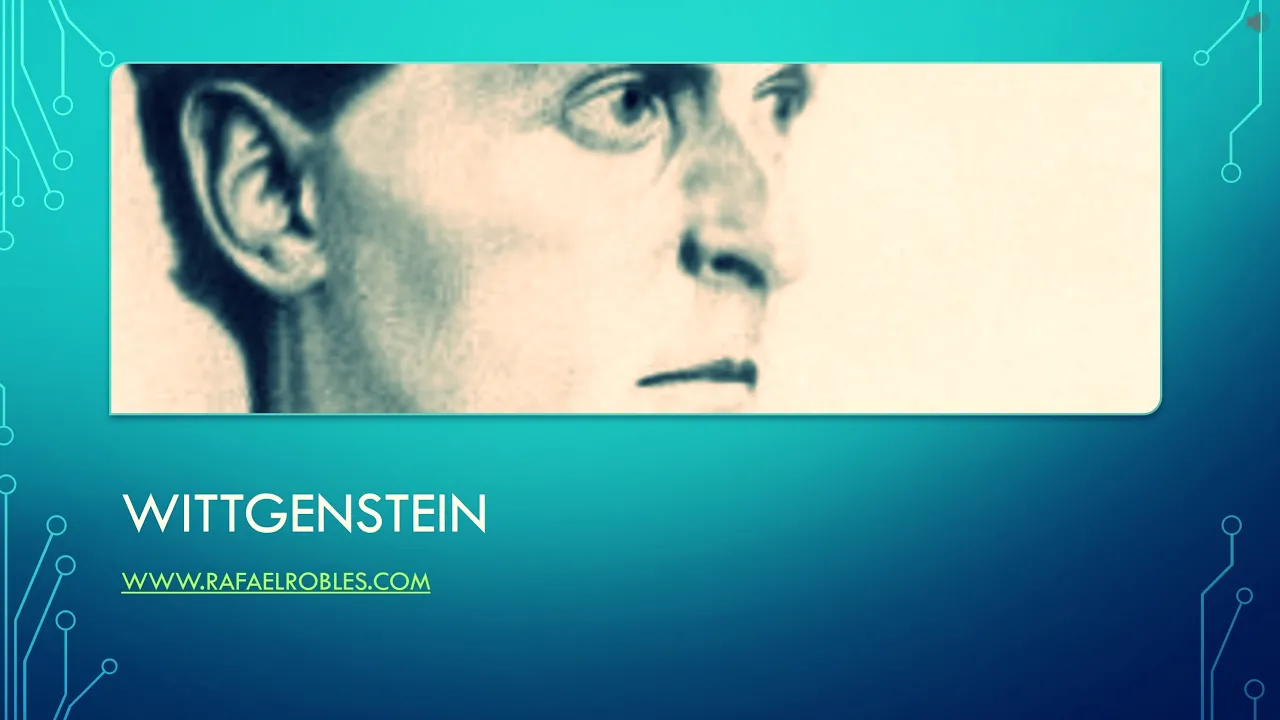




In Wittgenstein's Tractatus Logico-Philosophicus, the world consists of facts (states of affairs) rather than objects, and language functions as a picture of reality by representing possible states of affairs; meaningful propositions picture actual or possible states of affairs, while tautologies, contradictions, and philosophical statements about ethics, religion, and value lie beyond the limits of meaningful language and are thus nonsensical, though philosophy's purpose is to clarify thoughts by showing what cannot be meaningfully said.
Wittgenstein's Tractatus: A Beginner's Guide | Key Ideas Explained
Added:Basic concepts of formal symbolic logic, particularly propositional logic, truth-tables, and the work of Gottlob Frege.
Bertrand Russell's theory of descriptions and his early formulation of logical atomism, which directly influenced Wittgenstein.
The historical distinction between analytic and synthetic propositions, and the general purpose of epistemology.
Wittgenstein's later philosophy in 'Philosophical Investigations', focusing on the transition from the picture theory to 'language-games'.
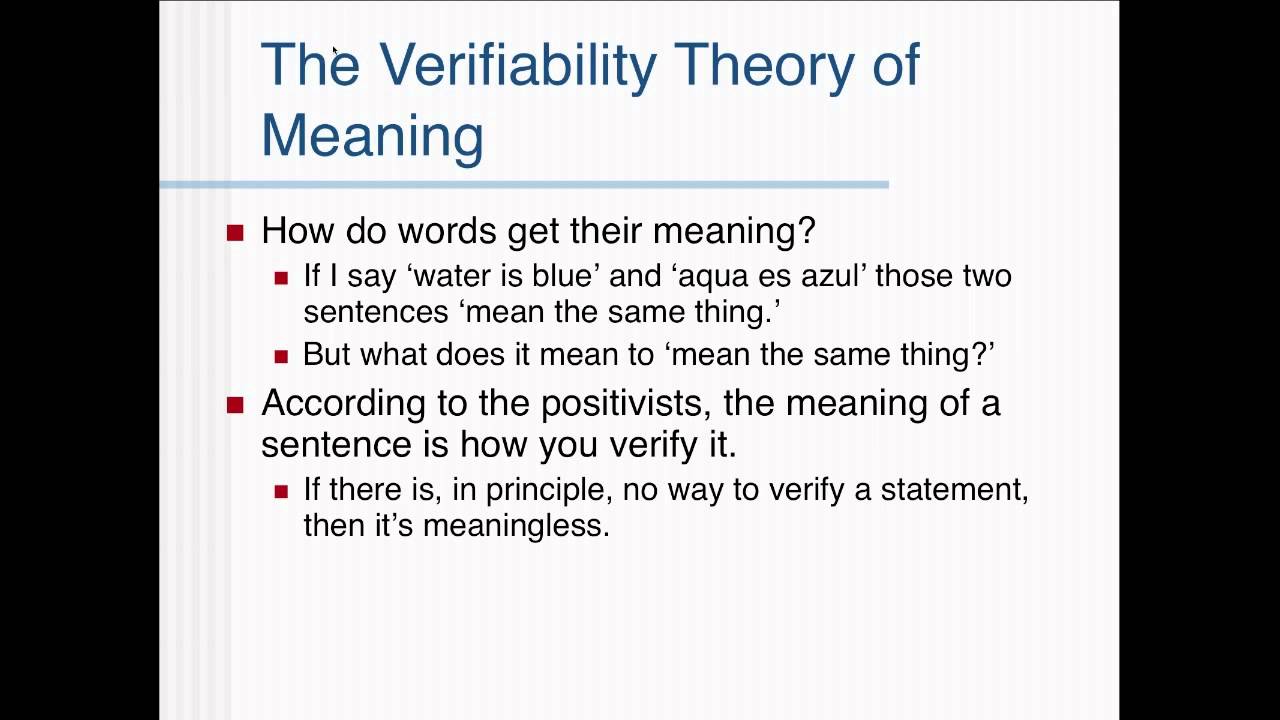
The rise of Logical Positivism and the Vienna Circle, including how they adapted Wittgenstein's verificationist ideas.
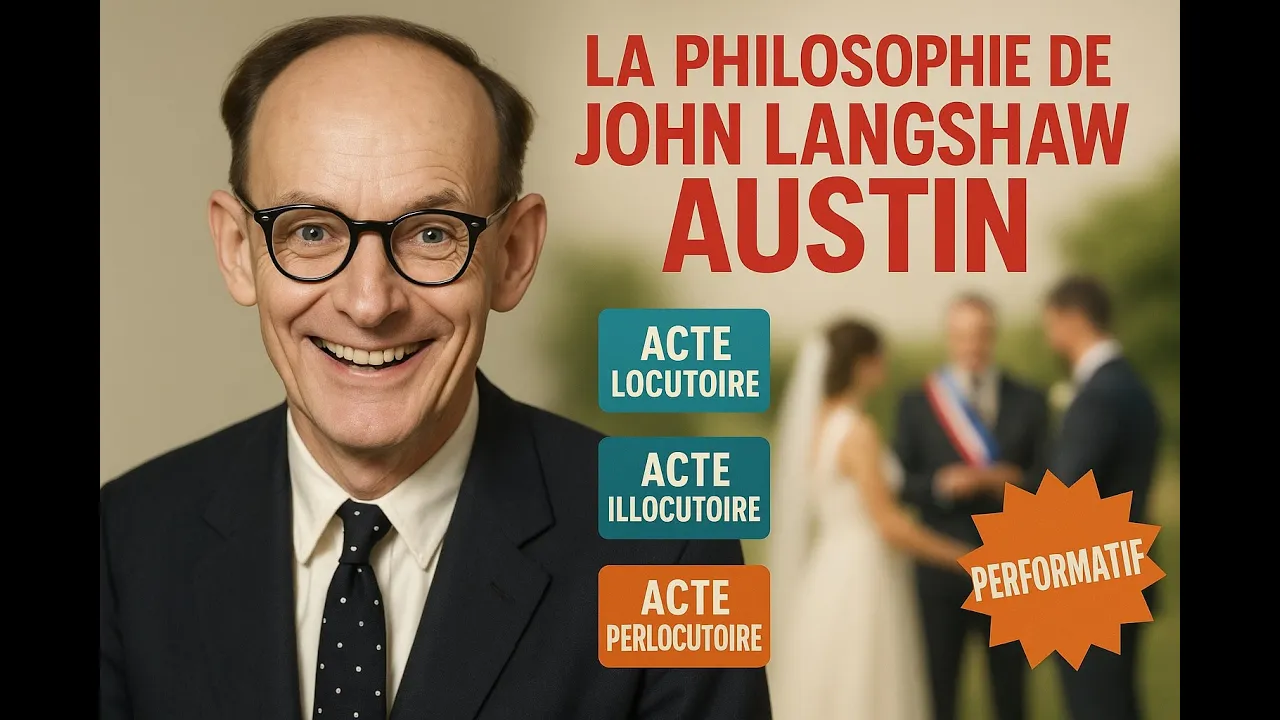
Ordinary Language Philosophy, particularly J.L. Austin's Speech Act Theory, which emerged as a response to early 20th-century ideal language philosophy.
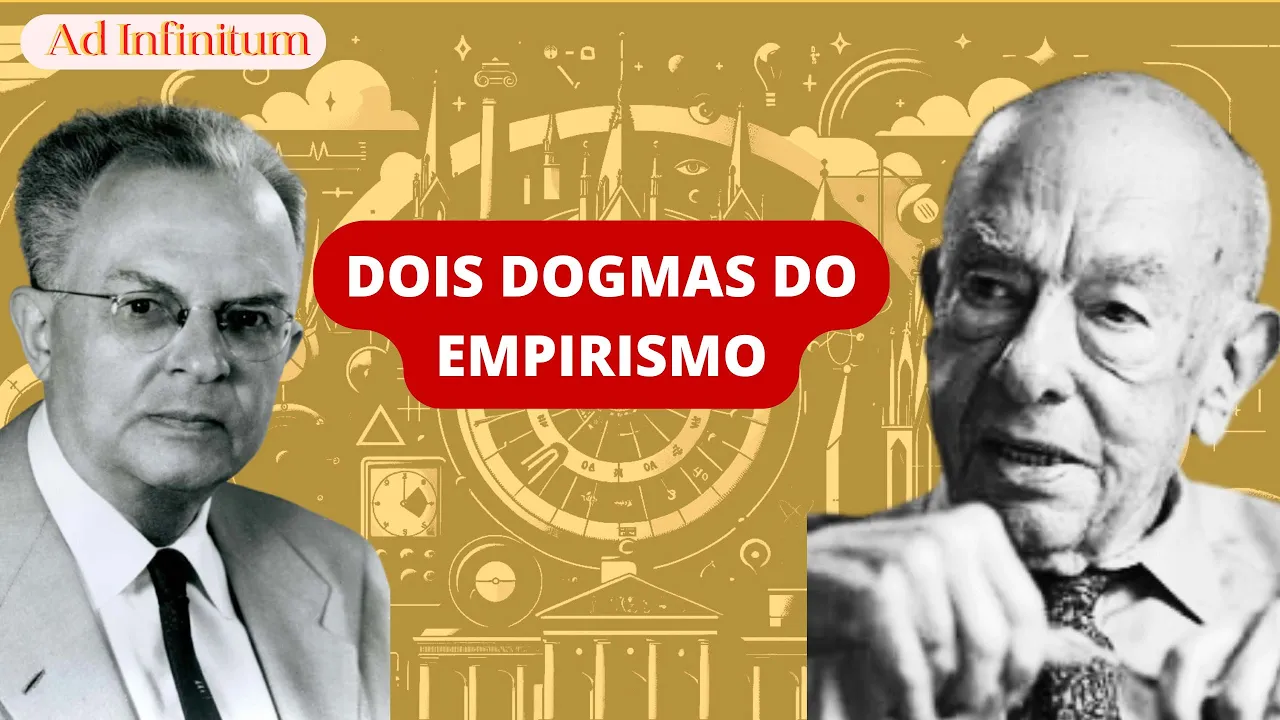
The critique of logical empiricism, such as W.V.O. Quine's 'Two Dogmas of Empiricism' and its impact on the philosophy of language.
44.5K views1.4Klikes21:56Original Release: 2023-06-17
wickenstein's track Tartus is one of the most baffling and mysterious and mystical and Brilliant and difficult works of philosophy ever written it baffles pretty much everyone who's ever picked it up but the main ideas the main lines of thought are actually relatively simple to explain so that's what I'm going to try and do in this video today and we're gonna get going with that right now Ludwig Wittgenstein produced two great works of philosophy the track Tartus logico philosophicus published in 1921-22 and the philosophical investigations published posthumously in 1953. the tracked is a very very unusual work of philosophy it's a remarkably short work for a great work of philosophy and that's in part due to wittgenstein's condensed writing style which has put off many readers and Confused a good number of philosophers so Wittgenstein wanted to express himself elf in as concise and as logical away as possible he was influenced in that by the work of the great logicians particularly Fraga whether he was successful in this well you've got to read it and judge for yourself the tracked hardest is also unusual in its layout so its paragraphs use a system of decimal notation which aims to make explicit whether a new paragraph expands on the previous one or whether it's making a brand new point the track Tartus contains a range of different philosophical topics but we can divide it up into four main areas there's the metaphysics of objects wittgenstein's idea that the world is made up of facts not of things then there's his picture theory of language and related to that there's his philosophical account of meaning and meaninglessness and then there's his Reflections on the purpose of philosophy before we go any further I'd just like to jump in here and say I hope you're enjoying this content if you'd like to help me out to make more educational academic content like this go and take a look at my Kofi page and see how you can help me out so let's start where the track Tata starts with the metaphysics The Logical structure of reality the track Tartus begins with these words the world is all that is the case the world is the totality of facts not of things the world is determined by facts and by there being all the facts for the totality of facts determines what is the case and also whatever is not the case you see what I mean about this being really complicated to read what on Earth does Wittgenstein mean by that well really what he's talking about here is the way the world is okay by fact wittenstein doesn't mean something in language a true sentence like we would often say that's a fact he means something like a state of affairs something in the world the world being a certain way like I am sitting down right now that is one fact it's sunny outside in Nottingham right now that is another fact these are all different facts and together Wittgenstein says these facts make up the world what we mean by reality and the contrast here that he brings out is it's not just things or objects that make up reality you know me you the camera and stuff like that because if we just had things we would just have a collection of stuff right what's important when we think about reality is not just the things but the way those things are the properties they have like me sitting down like the camera being on and the relationships between them I'm talking into the camera your watching me talk into the camera and so on all of these facts together make up the totality of reality so this way of thinking of the world breaking it down into its constituent facts is basically related to The Logical atomism that Wittgenstein developed alongside his teacher Bertram Russell Russell taught Wittgenstein when Wittgenstein was an undergraduate at Cambridge in the early Decades of the 20th century uh 1912 he started there and they became friends and they worked closely together on philosophy developing this idea of logical atomism so atomism in general is the view that the world is made up of distinct units of existence and logical atomism adds to the view that this view has arrived at through logical means rather than through empirical investigation through logical means we can break down facts into their basic constituents and really this is one of the peculiar traits of wittgenstein's approach in the tractatus he he simply insists that if thought and language are to represent the world then thought language in the world must be structured in the same way this would only be possible according to Wittgenstein if there were basic units of existence the states of Affairs that could be picked out by the basic elements of our language the Primitive propositions the picture Theory so Wittgenstein puts forward what he calls the picture theory of meaning the idea very roughly speaking is the function of language is to form pictures or models of reality that's how language gets its meaning so Wittgenstein develops an account of how language works of how it gets its meaning based on an analogy with the way he thinks about pictures so although pictures can have many purposes it really helps to focus in on a very basic type of picture or diagram like you know if I'm trying to show you the way to drive to my house I might get you a quick diagram and to do that I don't have to include every detail along the way like you know what the view is going to look like or anything like that I might just draw a very basic diagram showing you like here's where you live here's the road in between here's where I live and like there's the traffic lights you're going to turn left at the lights and I might draw this by putting little arrows on the road or whatever so a diagram like this presents a situation to us according to Wittgenstein it tells us that certain things are the case and certain other things are not the case so suppose my diagram indicates that to get to my house you've got to take the second right after the lights the diagram is presenting a situation in which my house is on that very Road it tells us that it's not the case that my house is the second left after the lights so this is basically what Wittgenstein means when he says a picture is a model of reality so in constructing a picture like this we're not constrained by what is actually the case okay by the fact by the actual facts although my house is on the second road on the right let's say I'm perfectly able to draw a diagram in which the house is on the second left after the lights so the situation that a picture presents thus exists in logical space according to Wittgenstein it's existing in the space of all possibilities not necessarily just corresponding to the actual situation of how things really are a picture represents a possible situation when the structure of the picture mirrors the structure of that situation okay so in our example that would mean that when I draw parallel lines quite close together in the diagram they're representing the road and when I draw a little symbol with a little kind of hat on it that's going to represent the house and a little rectangle that I draw with some circles in it that's going to represent the traffic lights and you know if I put some arrows on it they're not really representing any feature of reality other than that's the way you should go to get to my house so here we have various symbols corresponding to objects in reality and moreover the way in which the symbols are related in the picture mirrors the way in which the corresponding objects are related in the given situation real or merely possible so in this way Wittgenstein says the meaning and the truth or the falsity are two different aspects of the picture so the meaning or as Wittgenstein sometimes calls it the sense of the picture is the situation that it represents whereas on the other hand the agreement or disagreement of its sense with reality constitutes its truth or falsity so we can usually tell what a picture means just by looking at it if we're familiar with the notation that's being used but in order to tell whether a picture is true or false we must compare it with reality we must actually look and see what the picture represents and whether that's actually the case or not so according to Wittgenstein language Works in pretty much exactly the same way so we're setting up this analogy between language the way language works and the way pictures represent reality so according to Wittgenstein in the tractatus language gets its meaning pretty much Holy by representing possible states of Affairs in logical space meaning and nonsense so according to the picture Theory it's the job of meaningful language to picture actual possible states of Affairs so for Wittgenstein logic sets the limits to meaning the tautologies and contradictions of logic are not themselves meaningful they are limiting cases without sense thickenstein treats mathematics the same way but other cases have an even deeper grade of meaninglessness being utterly nonsensical to understand them Wittgenstein says we should have to be able to station ourselves with propositions somewhere outside like logic that is to say outside the world and Wittgenstein thinks that a consequence of this is that language which doesn't picture any concrete State of Affairs is going to be meaningless so one of the main aims of the tractatus it becomes apparent is to show what is Meaningful and what is not so in the preface to the tractite as fickenstein writes this book will draw a limit to thinking or rather not to thinking but to the expression of thoughts the limit can only be drawn in language and what lies on the other side of the limit will simply be nonsense so here Wittgenstein includes any talk about value including ethics religion and philosophy itself language can't meaningfully address these issues Wittgenstein thinks that value somehow lies outside the world and famously he says the limits of language mean the limits of my world and in particular as wittenstein was very well aware the track Tartus itself is meaningless the very theory that wickenstein seems to be putting forward here about how language gets meaning is itself meaningless by its own lights wickenstein is very aware of this but that doesn't mean that he thinks that philosophy itself is pointless according to Wittgenstein the tract artist is an elucidatory activity by this he means that anyone who comes to understand the tractatus thereby understands that it's senseless but since understanding has been achieved one no longer needs the propositions of attract artists he must so to speak throw away the ladder after he has climbed up on it so in this way it doesn't matter that the tracked artist is meaningless its value is in the activity of reading through it thinking through it and coming to understand it not in its content so a key idea here for Wittgenstein is the distinction that he draws between saying and showing so according to Wittgenstein often we can't say such and such but we can show it so according to Wittgenstein there are important things that we can't meaningfully say in language but nevertheless we can show them Wittgenstein says what Finds Its Reflection In language language cannot represent what expresses itself in language we cannot express by means of language propositions show The Logical form of reality they display it by showing that a number of propositions that we might otherwise take to be meaningful are actually nonsense Wittgenstein hoped that philosophy could lead to the clarification of our thoughts so what wittgenstein's trying to do here really is to show that there are a number of propositions that we might otherwise take to be meaningful but to be philosophically problematic and what he's really trying to show us here is that really these propositions are just meaningless right and then if they're meaningless us well they can't really be problems because if they were problems we would be able to meaningfully express those problems in language but we can't so they're not the purpose of philosophy this according to wittenstein is the object of philosophy okay so wittgenstein's conception of philosophy really differs from many traditional views of what philosophy is which go right back to ancient times so on many conceptions of philosophy what we're trying to do is we're trying to use rational thought to clarify problems and to solve problems to come to an understanding of the way reality is perhaps in its most fundamental aspects by using our rational thought to solve those problems but that's not how it is on wittgenstein's conception of what philosophy is rather for Wittgenstein philosophy is not a body of Doctrine but an activity a philosophical work consists essentially of elucidations philosophy does not result in philosophical propositions but rather in the clarification of propositions so Wittgenstein then concludes with his seventh thesis to which he offers no further explanation whereof one cannot speak thereof one must be silent the empiricist interpretation okay so let's break off for a moment from what Wittgenstein says in attract artists to one way in which it can be interpreted and whether that interpretation is right or wrong so there's an influential interpretation of the tracked artist that tries to place it along empiricist lines so empiricism in philosophy it's a Viewpoint in epistemology and the theory of knowledge that says ultimately all our knowledge and understanding of the world comes from our experience we don't have any a priori knowledge that we get you know independently of our experience to understand the world to gain knowledge we have to go out there and really experience the world from scratch without any experience our mind is just a blank slate to be filled up and then systematized with experience so one person who attempts this empiricist interpretation of attractatus was Carl popper who was an influential flosser of science okay so he attempts to interpret the tractatus as an empiricist Doctrine popper sums up the tractatus as follows all genuine or meaningful propositions were true functions of the elementary or Atomic propositions which described Atomic facts which could be in principle established or rejected by observation okay so that's a pretty accurate summary of the tractatus up to the point where we get to which could in principle be established or rejected by observation so this last bit is added by popper and it's not in the tractatus the phrase observation statement which is a key idea in empiricism doesn't occur anywhere in the tractatus Wittgenstein just isn't really concerned with epistemology he's not concerned really with the theory of knowledge he hardly talks about it at all it seems to me that Wittgenstein made a purposeful decision to exclude any discussion of any epistemic any matters relating to the theory of Knowledge from the tracked artists okay and because of that we can't really attribute this epistemic interpretation of the tractatus to Wittgenstein I just don't think it's an accurate understanding of what Wittgenstein was trying to do at all nevertheless the empiricist interpretation of the picture theory of meaning was it's self-influential as an understanding of attract artists so the the empiricist interpretation it was picked up by The Logical positivist philosophers of the Vienna Circle so that's including philosophers like Maury schlick Frederick weissmann and Rudolf khanap so these philosophers they assumed that wickenstein was supporting the verification principle the principle that only those propositions that are empirically verifiable are meaningful so according to verificationists according to the very application is principle there's a large class of propositions including ones about ethics and Theology and philosophy that aren't verifiable and hence aren't meaningful now Wittgenstein does agree with this he does agree that there's a large class of propositions you know including ethics and Theology and lots of philosophy and that stuff just isn't meaningful but Wittgenstein gets to this conclusion for rather different reasons than the verificationists he's not really an adherent of the verificationist principle he's got quite a different theory of meaning he doesn't say that for something to be meaningful it has to be verifiable rather he's saying I've got this picture theory of meaning that sets out the limits of meaning and whatever lies on the other side of those limits is meaningless so Wittgenstein is not really a verificationist the tracked heartus is one of the masterpieces of analytic philosophy in terms of its influence on later philosophy the picture is kind of difficult to assess not least because it wasn't that long from the publication of the tractatus to the publication of wittgenstein's philosophical investigations where he basically takes back a lot of the viewpoints that he expresses in the tractata so he was basically disavowing his own philosophy and I think it's fair to say that wittgenstein's philosophical investigations and the picture of philosophy that he presents in the philosophical investigations really set the tone for analytic philosophy philosophy of language in the second half of the 20th century so in some sense the philosophical investigations overshadowed the influence of attract artists nevertheless there are lots of individual bits of the tract artist that went on to influence important bits of analytic philosophy on the metaphysics side there is the metaphysics of states of Affairs which influence people like David Armstrong there's the account of meaning which went on to influence lots of philosophers and linguists perhaps not the picture theory of meaning itself but wittgenstein's broader idea that we understand the meaning of a sentence in terms of its possible truth values it's truth conditions that's a really really influential idea in analytic philosophy of language and Linguistics the way we relate the meaning or content of a sentence to the possible situations or the possible Worlds at which that sentence is true that's a really influential idea in mode logic and the kind of areas of philosophy that tie in nicely with mode logic so analytic philosophy of language wittgenstein's conception of philosophy is something that is ultimately meaningless but that somehow it's okay to say that it's meaningless or rather to show that it's meaningless I think has had a much more mixed reaction Frank Ramsey in his critical notice of the track Tartus I think expresses this idea this criticism the best when he says what we can't say we can't say or we can't whistle it either so Wittgenstein was known at the time for being a very proficient Whistler he could whistle his way accurately through an entire Symphony and what Ramsay is really saying here is you know you can't have your cake and eat it you can't say that this stuff this philosophy is somehow important but also say that it's meaningless right if it's going to be important it has to mean something and you know I guess he's saying philosophy is important and thus it is Meaningful so vicenstein's theory that says philosophy isn't meaningful well there's something wrong with that but you know I think this point brings out something very very interesting about wittgenstein's character and I guess in his self-belief as a person and as a philosopher so if you or or me I guess came up with a theory and then we realized that this Theory had this really crazy consequence we might say to ourselves um yeah that's probably a problem for my theory I better go back to the drawing board and revise the theory vickenstein realized that his picture theory has this crazy consequence that all the stuff he was saying is actually meaningless but he really believed in what he was saying and he trusted his own ability as a philosopher to such a degree that he could say well my theory tells us that everything we're saying is meaningless and thus it is so all of this stuff is ultimately meaningless and he extracted from that a whole way of looking at philosophy so ultimately I don't think that tells us that much about philosophy itself but it does tell us something very interesting about Wittgenstein as a thinker so there is so much more to say about Wittgenstein about his thought and about his philosophy if you want to see some more videos about that go and have a look at this one over here thank you so much to all my Kofi supporters for making this content possible and thank you to you for watching this far I really appreciate it and I will see you guys back here soon
Up Next

34:00
Wittgenstein's Tractatus: Facts, Language, and the Limits of Thought
@PhiloofAlexandria
149.4K views•2013-10-02

164:01
John of Damascus on Holy Images: A Theological Defense
@BannedBooks
139 views•2026-04-25

68:32
Should We Destroy the Machines? Big Tech Surveillance Critique
@TheStoriesWeTell303
167.9K views•2025-11-30
4:57
The Myth of Sisyphus: A Greek Legend of Eternal Punishment
@TEDEd
8.6M views•2018-11-13
Related Study Plans & Knowledge Roadmaps
Structured learning paths in Philosophy
philosophy
Frankfurt School: Critical Theory & Culture
01Foundations of the Frankfurt School and Critical Theory
02Horkheimer & Adorno: The Critique of Instrumental Reason
03The Culture Industry and Mass Deception
+ 2 more learning modules
12h5 modules
Explore Roadmap
philosophy
Philosophy of Language: From Frege to Austin
01The Linguistic Turn: An Introduction to Language in Philosophy
02Gottlob Frege: Sense and Reference
03Early Wittgenstein: The Picture Theory of Meaning
+ 3 more learning modules
15h6 modules
Explore Roadmap
philosophy
Feminist Epistemology: Standpoint & Injustice
01Introduction to Epistemology and Feminist Critiques
02Sandra Harding and Standpoint Theory
03Donna Haraway and Situated Knowledges
+ 2 more learning modules
12h5 modules
Explore Roadmap
philosophy
Environmental Philosophy: Ethics & Deep Ecology
01Foundations of Environmental Ethics & Anthropocentrism
02Biocentric Individualism and Animal Liberation
03Ecocentric Holism and Deep Ecology
+ 1 more learning modules
10h4 modules
Explore Roadmap