






![[2021後期火5]哲学(演習) 論理学 後期第09回授業(京都大学文学部・矢田部俊介)「古典論理とそのモデル」](https://i.ytimg.com/vi/LJuOrwIExds/maxresdefault.jpg)



















Ludwig Wittgenstein's concept of 'language-games' proposes that the meaning of words is not determined by correspondence to objects, but by their use within specific social practices and contexts; different activities (like playing basketball, cooking, or doing physics) constitute different 'language-games' with their own implicit rules governing what utterances mean and what outcomes they produce, and Wittgenstein argued that we should not mix these language-games or assume any one language-game (such as scientific language) has supreme authority over others, as this leads to philosophical confusion rather than clarity.
Wittgenstein's Language-Games Explained Simply
Added:The distinction between 'Early Wittgenstein' (Tractatus Logico-Philosophicus) and 'Late Wittgenstein' (Philosophical Investigations).
The Picture Theory of Language, which asserts that language functions by depicting or mirroring reality, and which Wittgenstein later rejected.
The basic concept of referentialism, the philosophical view that the meaning of a word is the physical object or abstract concept it represents.
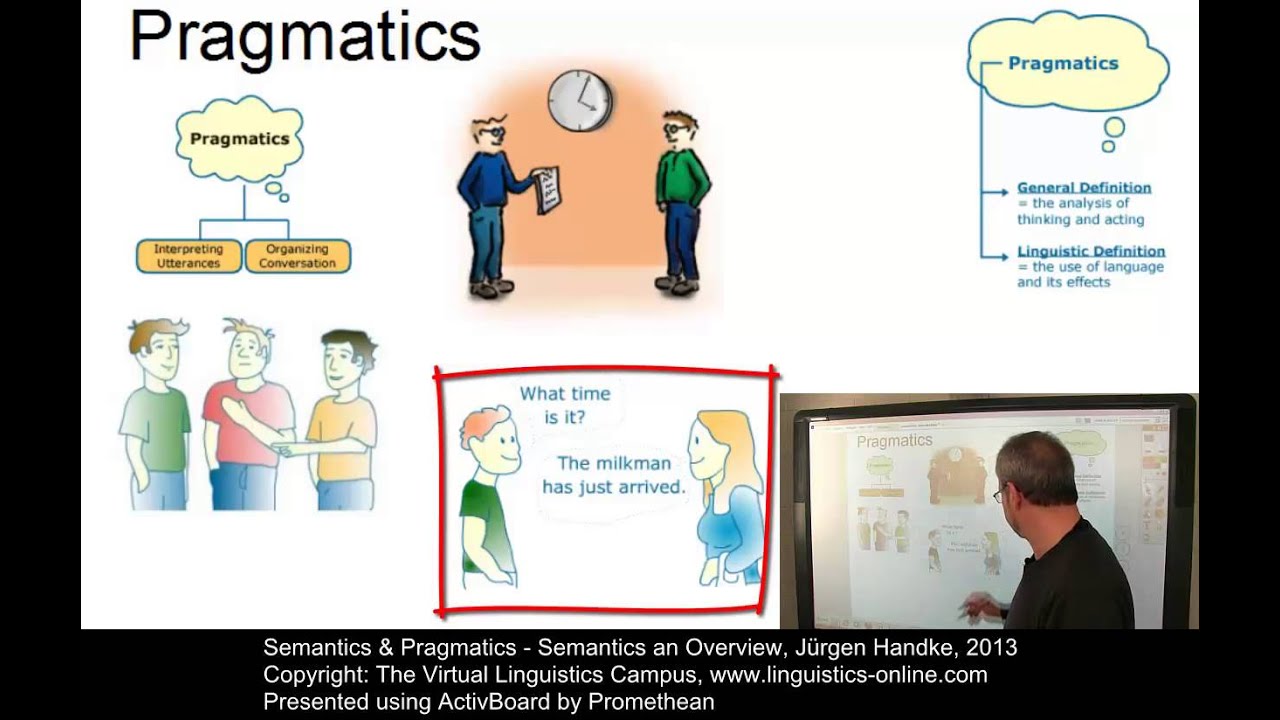
The general philosophical division between semantics (the study of meaning) and pragmatics (the study of language in use).
Wittgenstein's concept of 'Family Resemblance', which explains how things can be connected by overlapping similarities without sharing one common feature.
The Private Language Argument, which utilizes the framework of language-games to prove that a completely private language is logically impossible.
Jean-François Lyotard's post-modern application of language-games to explain the fragmentation of knowledge and the decline of 'metanarratives'.
J.L. Austin's Speech Act Theory, which further develops how we perform actions through utterances ('doing things with words').
The application of context-dependent language theory in modern Artificial Intelligence, particularly the challenges of teaching machine learning models pragmatics.
34.6K views1.2Klikes41:19Original Release: 2021-06-13
hello everyone welcome back to philosophy battle this is gonna be just a simple video trying to explain just one idea wickenstein's idea of language games and not even like completely but just sufficiently for our purposes this video is meant to simply supplement a video where paul o'grady named wickenshine as one of five philosophers that contributed to the rise of this tendency that he called framework ideas of which framework ideas from these five different philosophers in the 20th century from different places and times coming to a common enough idea is itself just one of three tendencies that brought forth this weapon of relativism to the modern philosophic battlefield but i was so dissatisfied with his presentation of wickenshine's framework idea of language games so much so that i felt like i had to make this video you see wittgenstein tends to be seen as sometimes a spooky character deep or complicated and mystical when none of that's really true but there is an actual reason why wittgenstein can be hard to explain for philosophers that are trying to stay true to his philosophy the goal for this video then is to explain the idea of language games by actually looking at a few examples not different languages like french and swahili but comparing different language games so you can actually kind of see the idea itself now keep in mind that these are my examples wittgenstein does use his own famous ones in the philosophical investigations but this video is just on the top of my head not a properly cited video down to the line like i most always do see i most always cite everything to a proper academic source down to the line and if you are a fan of my work you know how devoted i am to ensure that i have proper citation but since this is just going to be a sort of quick simple video just trying to get the idea of language games out there for us to see how it connects to o'grady's points and for our future potential use you may have to kind of bear with me until we do get to doing a series devoted to wittenstein himself and i promise then i will definitely surely cite everything down to the line from where i get my ideas from which i normally do even in cases where i came up with ideas myself but i find other philosophers have after the fact i still end up choosing to cite those philosophers in any case so what we're really going to do here is to explain language games insofar as pointing out how they connect to o'grady's points about language games and some of my own so some of the goals of this video are to help explain first and foremost what is a language game slash life form and connecting to the two points o'grady rightfully points out why we shouldn't mix language games and why there is no super language game that governs all others also for me then i will explain why the ending line of o'grady's writings where he tries to explain what a language game is why i find it potentially harmful namely it's going to be this line which we'll see what that quote is at closer length at the end of this video finally it will become clear why talking about wittenstein philosophically can be kinda hard in any case in terms of the battle against an extreme relativist that we will encounter later one that wields this weapon in a sophisticated manner these goals will show us ultimately why thinking oh this is literal description of objective reality will not be an effective attack on this enemy empowered by wickenshine as well as the other four philosophers there are ways to battle this enemy and we will show them later but simply trying to dismiss a sophisticated relativist offhand with a comment about literal scientific fact or objective language is woefully inconsiderate of the literature and philosophic powers behind a more sophisticated relativist and you can come to know or detect if one really is more likely a sophisticated relativist if they are using words from these philosophers you know words that describe their framework idea whether it's conceptual scheme paradigm or as it is in this case for this video language games so what we're gonna do first is go over some examples and it may seem repetitive at times especially near the end but please stick to it all the way through it will really make clear this idea first here's an excerpt from a previous video that i did a bonus video to the robert kirk series and please feel free again to check out that series if you'd like but this will kind of give you the idea that the deployment the use of certain terms propositions their meanings depend not on an object but how we are acting or would act in our environment on the language game within which those words are used such as a knife is sharp and a knife is not sharp about the same knife sure it is the same object but it is true in one language game the knife is sharp because we're in primary school so it means you know don't give that knife to the fifth graders but in another game we might say no the knife is not sharp because we're in the kitchen cooking fish and saying it's not sharp might mean go get another one or sharpen it so we can see from this example even for a seemingly direct physical description like something being sharp it depends on the practice of what we are doing but somebody may say hey that's too obviously subjective what counts as sharp for one may not be a sharp for another so no one would claim that sharp is an objective description of something well okay that's fair to say how about then let's consider whether or not something is solid full or not check it out or for example a glass with some water in it it is completely filled and it is not completely filled in one language game the chemist is simply pointing out that it's filled with h2o and nitrogen and oxygen and you know air and everything it's completely filled and in another language game it might not be filled at all it might be almost nearly completely empty because the physics professor is trying to make a point to his students about mostly empty atoms and the important role of electrons in feeling resistance so we will go over this one again later in depth and when it does you'll have known that it was kind of repeated but in any case in comparing our same vocal utterances we see that they have meaning depending on the language games within which they have use certainly saying water just the word means something different when yelled by a firefighter in the midst of battle vs whimpered out while coughing at a dinner table we know that each is calling for and communicating to others for a response that has very different outcomes they aren't simply stating the name of an object their use and meaning therefore don't depend on corresponding to a particular object the outcomes of using these words given their language game at a particular time are what they mean blast them water cannons or hey this guy is choking in fact in the latter scenario the person may not even really need water what they need is the heim the heim wait i can't use that word anymore it's actually been copy written we can talk more about how words don't actually necessitate correspondence to a particular physical object even proper names and actually they really depend on the kind of activities we have in our environment when the word is used instead but since challenging correspondence isn't really the purpose of this video right now i guess i'll just leave that kind of discussion at the end of the video if anybody wants to watch it anyway having a meaning for any of our audiences requires an understanding and a commitment to a larger structure of behaving in what our environment is and what we are doing you know the purpose of having to say anything at all or practicing certain specific things things depending on what we need to do both in our society and as the kind of creatures we are language is useful to do many things in a community of people communicating to each other the kind of creatures we are the kind of things we are doing constitutes a life form but don't let that sound too magical life form isn't like us talking about extraterrestrial aliens here although it could include that it's just that different games have different sort of implicit rules that govern what utterances have meaning when and what their outcomes are that's what their meanings are now o'grady importantly points out three things and two of them are that bickenshine emphasized that it was important not to conflate one language game with another or to think that there are super language games that govern all others so in the spirit of don't think but look l dubs i'm just gonna give us some examples to actually look at that will help explain both of these things firstly when it comes to don't mix language games for wickensine this is what causes a lot of philosophical problems and confusion especially in metaphysics as well as in epistemology as discussed in his uncertainty my favorite book of his which is his last work that he was working on before dying you know both of these were actually never properly finished by the way but anyway let's look at my basketball player life form or basketball language game example so imagining now that we speak basketball language while we play basketball now imagine as we play i yell to my teammate hey best of all because i want them to throw the ball to me and they reply back the copenhagen interpretation as false okay i'd be like what are you even talking about that doesn't doesn't make sense it might startle me and even stop me right in my tracks for a moment so okay that was weird right well let's say i just ignore it and later i tell that same teammate yo listen i'm gonna try to do something just grab boards and telling someone to grab boards while we are in the basketball playing life form speaking basketball language means to try and get the ball if it rebounds from missing a shot where the ball just hit the rim or the backboard but in response to that request they say back expansion can happen faster than light uh okay was was that a yes or a no i don't know it didn't even mean anything to me and then as they do grab boards since undoubtedly i will miss my shot but while they do that they yell out the constant ain't einsteins that teammate keeps saying things that while are perhaps meaningful to say doing other stuff even discussing physics at a bar afterwards but during the game while speaking basketball language to just drop in phrases from a different language game would be meaningless other players may ask yo what's up with that guy we might even suspect he's not you know all well in the head but hey if he plays normally even participating in the life form otherwise eventually we will just completely ignore what he says as a meaningless ritual of his some kind of psychological tic that we don't have to pay much attention to those phrases said while playing basketball mean nothing it doesn't communicate anything of value and this might be obviously so even for some of the players that are for their careers say astrophysicists or in other areas of physics where those phrases he is using would at work or at some lab even be very meaningful so that's the mixing of different languages in this case it seems some kind of theoretical physics language being mixed with a basketball language see we're not talking about mixing french and english if people start thinking language games refers to different languages like french and english and spanish that can be really confusing and isn't helpful that's not what anyone really means when we're talking about language games although it can include it that's really not helpful to talk about it like that in any case this example shows how it's so out of place to mix one language game with another that we wouldn't take it seriously at all it would be so clearly meaningless that we end up ignoring it but sometimes we may mix things from different language games that result in someone taking it seriously because it appears as if it is meaningful it can appear that way because some of the sounds are the same or are structurally similar for example i guess if in basketball somebody says offside but they mean offside from a different game like a hockey language that could cause confusion but i want to talk about this giving a different example and one that's much closer to what's spoken about in uncertainty you know because if i'm going to talk about wikishine at length i may as well begin to take a lesson from one of my favorite books of his anyway this is going to be called the paper mache language example saying is this real and one language game can make perfect sense it could be meaningful it has use imagine you say it visiting your friend who's a world renowned paper mache artist but you haven't seen her in a while and you're in her home where a lot of her work appears everywhere because i guess she's really messy so you see what appears to you as an apple and are about to take a bite but then think oh wait wait a minute uh is this real what you mean by that is did she put so much masterful work into this object to make it so similar to an actual organic apple that you can't even tell that it's actually paper mache and also that if she says yes it means that you can go ahead and take a bite in fact she might even reply yeah you can eat that because actually she knows what language game you're coming from given your behavior your doubts were justified because they were grounded in what you were asking and that you were asking as if you could eat it there are many different scenarios different language games where asking is this real might be perfectly grounded and reasonable to ask given what we are doing the life form we have and keep in mind that this means that there is a world and a practice already set up of things that i already do believe and is already a part of undoubted understanding in order for those doubtful questions to make sense to have some reason in my practice of doing something for those doubts to show up if you think about it if you picked up this object in a grocery store and asked is this apple really real there would have been no established practice from which the clerk would even understand where that doubt came from of course they might say yeah but really they wouldn't understand what you're actually asking cause like why wouldn't it be real what do you even mean is there something grounded in the practice of actually being at a grocery store and using grocery store language that i don't know here but no all you did was take that phrase from that language game and brought it here but now let's imagine that someone might rip that phrase is it real is it really real out of that paper mache language game where it made sense where they may have been a legitimate reasoned to doubt grounded in the practice of what those people were doing and just mix it in terms with another language game that is completely different like for example asking about numbers say they mix it with a math language game and now someone asks are numbers really real and they certainly do not mean the way that the math language game has an idea of real numbers versus imaginary numbers so this can create a lot of confusion but also it might possibly create a situation where people attempt to answer this question seriously and i think this would be an example of a mixture of language games where now philosophers of the old style will come in and start to create a structure with world views and new ways of speaking to try and answer this question as if it were legitimate interpreting it in different ways like do numbers actually have an object that is in existence is it perhaps in a different plane of existence perhaps there is a conceptual reality versus a material reality perhaps there are forms perhaps the material reality is only a temporal presentation of a universal conceptual reality and so on philosophic structures like that begin to be created so instead of making these structures that take these utterances that appear to make sense because they are structured like the questions that we do ask that do make sense for we can shine philosophers should instead just point them back to the language game from which those words were grounded and questioned from there where the confusion came from exposing that there really was no mystery in each of the language games anyway philosophers should just point out when this is happening and ground that language back to the language game that is the actual practice of doing things that had the implications within the environments that gave making such sounds its purpose and therefore also clearing away all these philosophical languages that were previously made not to contribute to making more of these structures as a response to mixing language games that ask seemingly profound questions about existence and reality for example now there's more modern examples of people mixing language games happening often by edgy people on the internet trying to blow your minds just by mixing language games but i will deal with that in the future but anyway this is why we shouldn't mix language games and it kind of shows to some extent the way in which vickenshine is trying to be anti-philosophy or rather anti-old style structure building metaphysics doing type of philosophy again this has nothing to do with mixing russian and spanish i mean actually russian people and spanish people may have different ways of communicating tied into their different life forms as well so that's included but it's not really helpful to think of language games in terms of actually different languages it's more helpful to think of language games tied into different kinds of practices humans do like cooking or fishing or doing math or doing physics or snowboarding or trying to breathe oxygen i don't know like does don't take a breath mean don't take a break right now or does it mean uh if you inhale anything you're gonna take in toxic fumes into your lungs so hold your breath for a moment well it depends on your language game and it depends on what's going on around you it depends on a whole understanding of what's going on around you okay so it might be clear to you but let's look at now why there are no super language games i'm going to use another and my final but also personal favorite language game creation or example for this but i'm making it long and descriptive so that you can hopefully really remember it it's going to be called the artist block language here's darshmander we'll call him darsh darsh is a good strong man a simple man though that wants to do his part to save the planet in order to help prevent mass forest fires he uses his strength or equipment to remove the dead trees or those that have fallen within the forest as a means to control the spread of a fire you know to ensure that there is no kind of flammable kindle in between the trees the removed dead trees however aren't good enough to sell to the furniture makers because they only like to mass murder healthy full-grown trees that are on protected grounds of indigenous people so selling those trees to the furniture makers isn't gonna work instead darsh has to cut up the blocks of wood himself in order to try and sell these trees to artists or custom carpenters who want to use them to carve sometimes the pieces of wood or blocks are porous and you know full of holes or they can come in certain different shapes or from certain kind of trees with knots and are accompanied by gaps but also darsh manages to sometimes cut out perfect solid blocks of wood so darsh has this good artist friend named anastasia she comes in to get another block of wood from darsh for her carvings but today her edgy know-it-all super smarty pants friend hufza comes now darsh tells anastasia that he has a solid block of wood that he is saved for her because he knew she was working on something special but hufsa laughs that's not solid that's mostly empty what no this is this is completely solid 100 i'm not conning anastasia i'm not trying to scam her and lie to her about it hofsa then explains with her glorious youtube research of click-bait titles freshly on her mind says no it's not solid cause actually the tiny bits of matter of the atoms that contain mass are spread so far apart it's not really completely solid at all in fact it's mostly empty listen i don't know what you're saying this is a solid block of wood anastasia can you just please never bring your friend back here okay so maybe that's a kind of funny situation but let's just say for the sake of argument here that physics totally backs up what hafsa is saying she's in a physics language game and could be 100 percent completely accurate and is telling the truth and is being literal darsh in his language game within his life form what he is doing is also 100 percent completely accurate and is telling the truth and is being literal he isn't metaphorically saying it's a solid piece of wood so it is solid and it is not solid or both true both literal both accurate so depending on our language game the type of life form we are a proposition is true or not but hafsa is actually kind of wrong then in her behavior to come in and try to act like her language game can show that darsh is somehow being wrong or incorrect or inaccurate you see we often assume that physics science language game has some special authority to correct other language games but clearly here darsh is not wrong and that it is solid actually isn't less true so this example should show us that when it comes to this powerful weapon some more novice philosophers may at first think hey it's a good idea to just come in and say ha relativism what do you mean physics says what's true and if you don't agree then you must be speaking not literally or you're wrong as if only physics can tell you what is literal truth here that's not the case in fact i think uncontroversially it's actually strong man darsh you know logan trees working hard with his manly bursty hands cutting wood that the majority of the general society would agree with that piece of wood is solid that is the general society may be using a number of language games that speak in a similar way about blocks of wood as in darsh's language game and for many of them i think it would be fair to say that it's actually hafsah that seems like an out of touch person here that we shouldn't be taking her as being realistic despite the fact that she's the one attempting to state literal scientific fact or for a callback to my earlier example i wasn't being metaphorical or symbolic when i said my teammate grabbed the boards i literally meant it and no one in ball would say i wasn't 100 truthful and accurate now imagine while playing basketball someone doubted me and said no they didn't grab boards i'd be like what because if they actually like grab boards they would have held the actual backboard but they didn't even touch it uh we're playing basketball what are you talking about he grabbed boards was accurate and he literally did it that's what it means in a language game now someone may want to point out well actually it means get the rebound i would say the term actual here though is just clarifying another way to say this to someone less familiar to our basketball language perhaps it marks just an earlier way of saying something that now grab boards is completely synonymous with i wasn't actually less accurate or less truthful i was not trying to be more symbolic by saying he grabbed boards in basketball language than i would have if i said he was trying to get the rebound i was equally trying to be as literal and accurate and convey the exact same amount of information to everyone i'm speaking to so while in the middle of this basketball language game imagine someone came in interrupting with no no literally though it's just a waste of time like get out of here with that nonsense again so don't think you can battle against this level of relativist empowered by philosophers like this by simply saying oh science language is supreme as being the most literal and accurate and it can be used to correct others i mean if you thought that that was good enough we're gonna have to go to a whole different level of battle now and that type of rudimentary attack is perfectly in line with the type of attack that this empowered relativist has predicted from day one and is ready to destroy for wittgenstein though we don't need to make these supreme perfect languages as if to govern others in fact the idea of making a supreme language to govern others is an attempt to make another philosophic structure that we should instead be clearing away in fact for wickenshine a language gets its meaning from being grounded in use and a super language game being presented as if it isn't grounded in any particular practice but it is pure and above all and so is meant to govern everyone well that would actually make it meaningless ordinary language is just fine sometimes we slip up and mix language games so a philosopher can come in and provide some therapy by pointing out how certain seeming problems actually don't exist if the language game remains grounded in the games from which they had use we don't have to make super languages that everyone in every practice everywhere must adhere to or something like that does that kinda make sense now there are many different language games from many different life forms there is no supreme language game or super language not physics nor some kind of perfectly crafted logical philosophic language that wikishine's predecessors may have been pursuing to solve philosophic problems that's kind of what wickenshine is all about but this implies that language games are in some way autonomous from each other since we aren't supposed to mix them and the act of judging itself seems to happen then from within a language game one cannot therefore be judging a language game from another language game that would be mixing so this is a problem of incommensurability there is no mutual standpoint of shared measurement for both of them no shared standard to judge from but we can kind of talk more about that from kuhn if you would like check out this video it discusses and incommensurability and how that kind of contributed to where we are now in any case it's kind of clear here with this example that hafsa seems to be unreasonable for most of us like hey don't be coming into darce's world telling him that he doesn't know what he's talking about and that he doesn't know what a solid block of wood is as if the usage and phrase of that is only accurately used by physics so because of this kind of thing as paulo grady points out a quite popular use of wickenstein's idea was to try to defend religious belief against our rationalistic critique by claiming that religion is its own language game and that it is illicit to use criteria from another language game usually science to challenge it but also it is important to and rightfully pointed out by paul o'grady that this is not to say that wickenshine himself especially such views but his views lent themselves to such use in any case why we shouldn't be really using wickenshine as a hardcore kind of relativist philosophy in order to defend all sorts of things well in any case i'll get back to that point but this video is quite long so let's just get to those final goals first let's talk about why the ending line of o'grady's writing where he tries to explain what wickenshine's language game is why i found it potentially harmful let me read that section for you again and then we'll look at that last line o'grady said a language game is a complex whole of verbal usage and associated activities words don't simply label or stand for objects but relate to each other and the world in highly complex ways words are like tools there are many different kinds performing many different kinds of activities therefore there are many different language games and many different associated forms of life the kinds of activities associated with the language game the language games are governed by grammatical rules rules of grammar prescribe the modes of representation by which the world is represented to us so again it's that last line that bothers me the most rules of grammar prescribe the modes of representation by which the world is represented to us prescribe you see this makes it seem like there is an asymmetrical relationship of language to reality that somehow the grammar of our language is doing work the work that affects or even effects how our world is represented to us that's not really it if you actually understand what's happening here with language games the grammar of language is actually inherently tied into the type of creatures we are and the environment within which we have certain practices like cooking fishing and playing basketball language doesn't change reality it's not language that then affects the kind of world that we are perceiving language is as it is because of what we are already what we are doing in reality it's not a one-way power it's a whole and grammar what words we use when we can assert them when we can't assert them how to structure our language all of it is a part of a whole of our world it isn't prescribing it is an outcome of our activities if anything grammar is kind of portraying or representing maybe it's conveying the type of creatures we are the life form we have but it isn't doing the work of who we are and what we perceive so that's why i think this statement can be very misleading and why i think it was important to make this video now let's move on to that final point about why it will become clear that talking about wickenstein philosophically can be kind of hard including what i just did prior to this it may actually have done violence to the spirit of wickenshine if i were trying to actually be true to his philosophy you see philosophic language attempts to be kind of pure not tied into any kind of particular practice of doing anything and trying to describe or deny wickenstein's metaphysical stance that too ends up being a kind of metaphysical position of what reality really is in some objective way that is to say that even to deny that wikenshine is saying something extreme like that hey changing your language is a way of actually changing reality as it is perceived by you as if your farm won't be destroyed by the tornado if you just speak differently doing that saying that that is so or even denying that is an attempt to speak from a philosophic language game a language that attempts to be from the highest point a kind of top objective pure stance about what is actually going on metaphysically it is a philosophic language game and wickenshine opposes doing that so he himself can't actually outright be like hey reality isn't actually going to change because i speak differently because if he were to try to say that he would pretty much contradict what he himself is trying to oppose because saying that attempts to speak from a philosophic objective language a language which he himself denies the meaningfulness a language that he himself denies the meaningfulness of and even denies the necessity for so we could say as patrick j.j phillips does that it would do violence to the spirit of wickenshine to try to talk about even his stance like this from a metaphysical point of view so to take his work to portray an extreme relativist picture but also to try and deny it and promote an objective picture about a metaphysical nature of reality based on wikishine's philosophy would be to oppose the messages that wickenstein is trying to teach us so i hope you see what i'm getting at here and why it is so damn difficult for wickenshine he can't outright come out and talk philosophically the way that we've been trained to talk about the world nature and reality because he opposes the ground reasons that got us to begin talking like that in the first place so he can't even explain himself then philosophically and really when it comes to these kind of philosophical questions then to try and be true to his philosophy we would have to be quiet we might end up being quietists that these questions about is it really real they're not questions we're going to engage with so even to explain whether wickenshine is saying there really is an objective reality or not is not something that i could technically say if i wanted to be true to his philosophy but hey i say it anyway because i got a cheat code i know what he really feels like anyway anyway i hope i explained this concept and idea well enough i hope you get why it's difficult to talk about him philosophically and also what language games are it's not something mystical or magical and it's not about like french and english being mixed accidentally or anything like that and it's also not well enough to try and come in with all physics language or any other kind of language as if it is objective and rightful to go and correct somebody like darsh like no you can't do that leave the guy alone hafsah so anyway if you did like this video and found its examples helpful please do actually like this video and share it to your colleagues or students or others in philosophy groups who may have misunderstood wickenshine tell them that this is how to understand it better language games isn't about french and english and no trying to oppose a relativist using language games with literal scientific fact wouldn't be powerful enough anyway there are ways to defeat this enemy but this is not one of them anyway if you could do that that would really help me because i really am struggling here to grow this channel you know i would like a lot more subscribers i don't have many and i do all of this by myself if you've seen some of my other videos it's a lot of work i have no team and i have almost no funding in any case i would really much appreciate some help so let's get back to the battle now with paul o'grady taking on this extreme relativist wielding this weapon empowered by these five philosophers now for the bonus part of the video like i said earlier a word's meaning is connected to all the activities that are involved when a word is used and the word isn't actually somehow metaphysically connected to a particular object wittgenstein starts out his philosophical investigations challenging this old idea and maybe a more natural disposition of thinking words stand for objects but really words are various like saying ow when you're hurt or an adjective like amazing but even when it comes to nouns or proper names it isn't an object that gives it its meaning but the activities involved in saying those names otherwise if there isn't an object for a name we would think it's just meaningless talk however talking about mr nnn for example could still be meaningful even if mr nn has died talking about excalibur can still be meaningful even if excalibur is broken into a billion pieces and one can meaningfully talk about pegasus even though pegasus doesn't exist now to that one may counter oh no when you are speaking about pegasus you mean pegasus idea and the idea of pegasus does exist but that doesn't really actually work because we're not trying to talk about pegasus idea we're trying to talk about pegasus what we mean by pegasus isn't pegasus idea we actually mean actual pegasus even though we know there is no corresponding object for it so those are examples that actually wickenstein uses but he speaks even more carefully and does in even more systemic jobs with even other examples to help break away from this mentality of the old-fashioned belief that a word's meaning is an object for me though personally i just want to tell you one of the most powerful examples that i was given that really helped me out it's one that involves chess and maybe because i'm a chess gold medalist when i was younger or had a family in the history of chess but anyway the example goes like this we at first think that in chess the knight corresponds to this object but let's think about what the knight actually is the knight in chess is a special kind of piece it's the only one that can actually jump over other pieces and the way it moves is unique and it can be explained in different ways but the way i say it is like that it moves in one straight step away and then one diagonal step away from that straight step and that's where it lands after it jumps so one straight one diagonal and so it can move to all of these spaces from where it stands so it moves like that and that's what it can do and when people play chess like in a language you could imagine a word is like a piece in a game a move you can make and it isn't the actual object because while there can be an actual object involved when playing chess an object that looks like this horsey perhaps we don't really need it to be there for the knight to make its move the knight is all that it can do even if this object is actually broken the word knight in knight to b3 doesn't actually correspond to a physical object at all in fact we can replace it completely with a penny let's say as i did when i was a kid when a piece was missing while playing chess this game of hours like a language game the meaning of night did not actually change at all in knight to b3 even if i was using a penny instead of this object in chess the meaning of knight is what we can do with it how it can move not the actual object saying a word and the meaning from having said that word or making that utterance is the move that you made in the language game and the activities of how others will respond to it the meaning is there for those activities involved in that environment that connect to the use of that move that word not a corresponding object now philosophically this is supposed to benefit us in metaphysics because then at least then we won't wonder about what corresponding objects all of our words need to have like when we say i am or i exist it kind of feels like a need to want to say well where is the i in the world is it the heart is it the brain where in the brain is the eye well that seems to be a need coming from a kind of metaphysical position sometimes about the nature of language maybe i doesn't need to have a corresponding object in the way that knight didn't need to correspond to this object this can be kind of how one might want to use wittenstein's philosophy to benefit us in metaphysics to move away from these kind of needs to do metaphysical philosophy when it actually comes from a confusion about the way language actually works so anyway i won't go into greater depth about all of that in this section i think that's good enough because this video wasn't actually meant to challenge correspondence or talk about the metaphysics of all of it it was just actually meant to kind of explain very shortly very quickly what a language game is and do a much better job than paulo grady did in his section and why you can't or shouldn't mix language games because you will say something meaningless and those type of things can cause confusion and maybe old school philosophers might come in and start making big structures based on that but also that there is no super language game remember leave darce alone unless you're anastasia then please talk to him he really likes you
Up Next

16:08
Speech Acts Theory: Austin on Performatives and Constatives
@davidboylanphilosophy
3.7K views•2021-04-11

164:01
John of Damascus on Holy Images: A Theological Defense
@BannedBooks
139 views•2026-04-25

68:32
Should We Destroy the Machines? Big Tech Surveillance Critique
@TheStoriesWeTell303
167.9K views•2025-11-30
4:57
The Myth of Sisyphus: A Greek Legend of Eternal Punishment
@TEDEd
8.6M views•2018-11-13
Related Study Plans & Knowledge Roadmaps
Structured learning paths in Philosophy
philosophy
Frankfurt School: Critical Theory & Culture
01Foundations of the Frankfurt School and Critical Theory
02Horkheimer & Adorno: The Critique of Instrumental Reason
03The Culture Industry and Mass Deception
+ 2 more learning modules
12h5 modules
Explore Roadmap
philosophy
Philosophy of Language: From Frege to Austin
01The Linguistic Turn: An Introduction to Language in Philosophy
02Gottlob Frege: Sense and Reference
03Early Wittgenstein: The Picture Theory of Meaning
+ 3 more learning modules
15h6 modules
Explore Roadmap
philosophy
Feminist Epistemology: Standpoint & Injustice
01Introduction to Epistemology and Feminist Critiques
02Sandra Harding and Standpoint Theory
03Donna Haraway and Situated Knowledges
+ 2 more learning modules
12h5 modules
Explore Roadmap
philosophy
Environmental Philosophy: Ethics & Deep Ecology
01Foundations of Environmental Ethics & Anthropocentrism
02Biocentric Individualism and Animal Liberation
03Ecocentric Holism and Deep Ecology
+ 1 more learning modules
10h4 modules
Explore Roadmap