






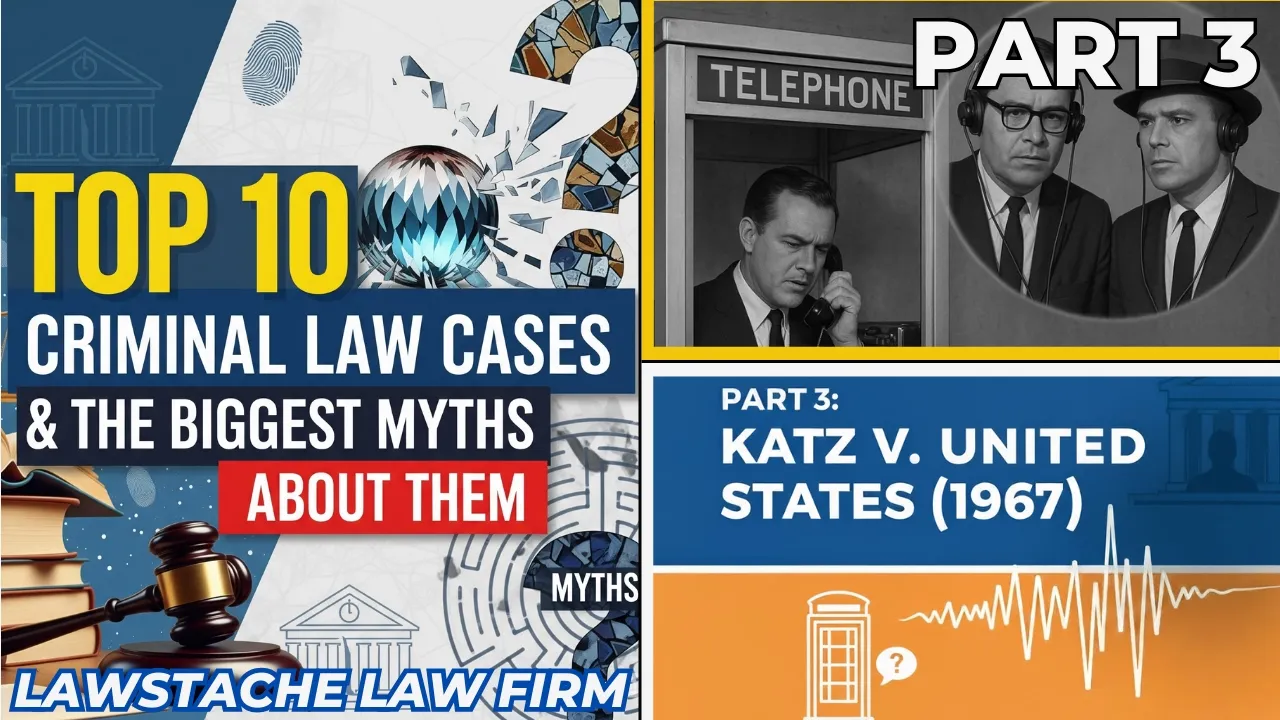




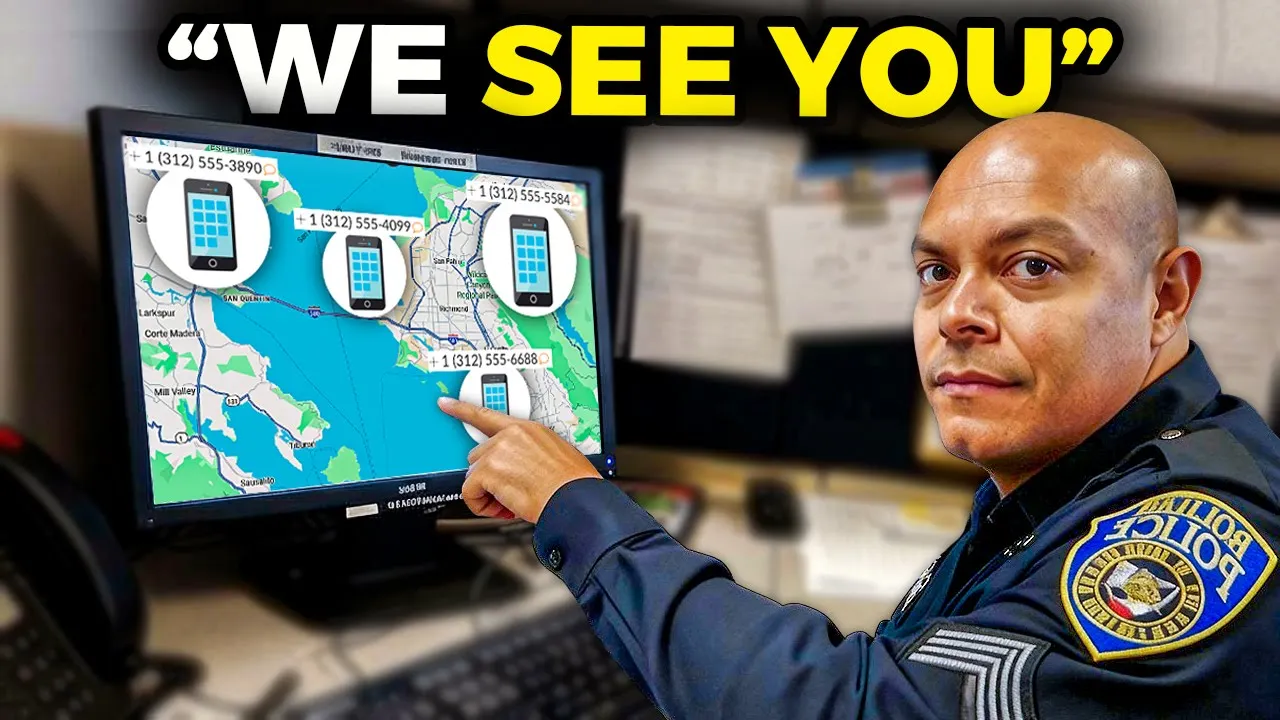


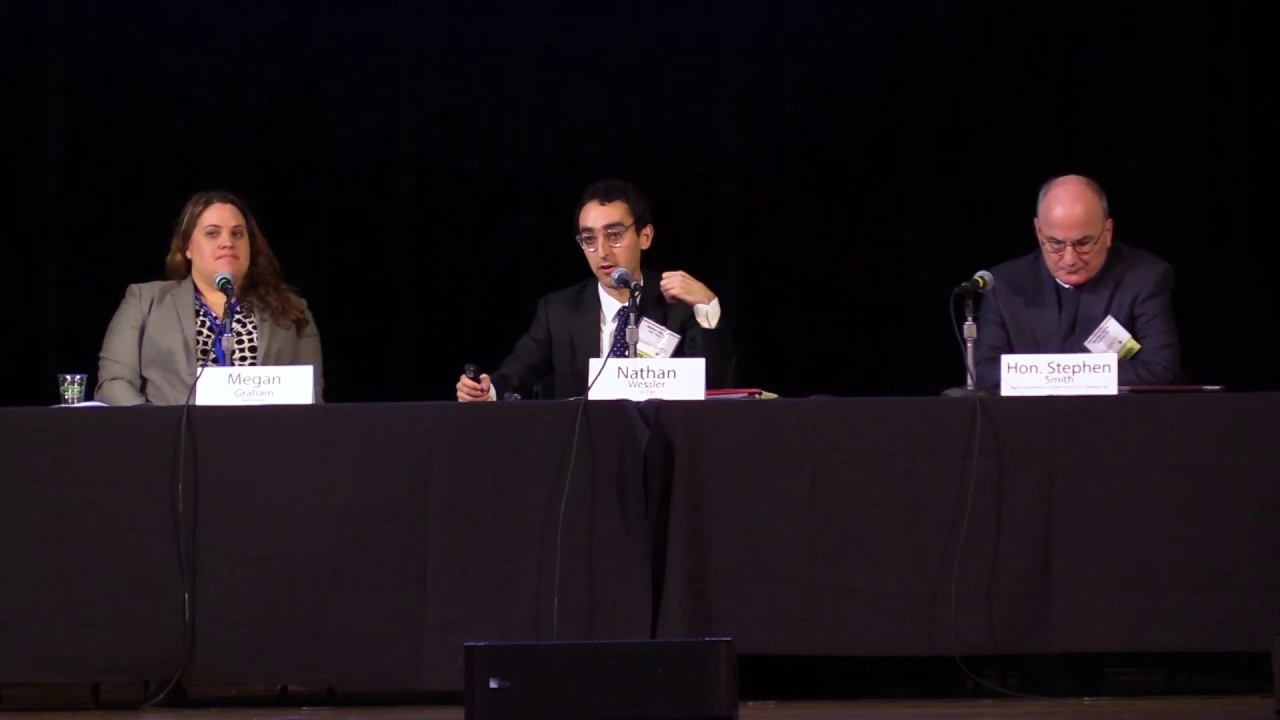

In Katz v. United States (1967), the Supreme Court established that the Fourth Amendment protects people, not places, and that individuals have a reasonable expectation of privacy even in public spaces like telephone booths when they take steps to shield their communications from public view; this landmark decision overruled the Olmstead v. United States trespass doctrine and created a framework for evaluating privacy rights in the electronic age, with Justice Potter Stewart writing that 'what a person knowingly exposes to the public, even in his own home or office, is not a subject of Fourth Amendment protection. But what he seeks to preserve as private, even in an area accessible to the public, may be constitutionally protected.'
Katz v. United States: The Right to Privacy in a Phone Booth
Added:The fundamental text and historical context of the Fourth Amendment to the U.S. Constitution, specifically concerning 'unreasonable searches and seizures'.
The 'physical trespass' doctrine established in Olmstead v. United States (1928), which historically restricted Fourth Amendment protection to physical property.
Basic knowledge of how the U.S. Supreme Court functions, including how it reviews cases and sets binding legal precedents.
The technological landscape of mid-20th-century communications, specifically the ubiquity of public telephone booths and early wiretapping methods.
Justice John Marshall Harlan II's influential two-pronged test for determining a 'reasonable expectation of privacy' (subjective and objective expectations).
The origin and evolution of the 'Third-Party Doctrine' through key cases like United States v. Miller and Smith v. Maryland.
How modern digital surveillance challenges the Katz standard, specifically analyzed through Carpenter v. United States (2018) regarding cell phone location data.
The court's ongoing efforts to balance property-based and privacy-based Fourth Amendment tests in cases like United States v. Jones (GPS tracking) and Kyllo v. United States (thermal imaging).
102.9K views3Klikes6:56Original Release: 2020-06-12
Mr. Beat presents Supreme Court Briefs Los Angeles, California February 25, 1965 Charles Katz makes a phone call at a public telephone booth near his apartment on Sunset Boulevard. Wait Mr. Beat, what the heck is a public telephone booth?
Geez, do I feel old. Ok, so...public telephone booths. A long time ago, before cell phones, public telephone booths were little structures where you entered and you made a phone call after inserting some money and it was connected to a landline, a telephone line connected to other telephones all over the place. Oh, and public telephone booths also could double as time machines.
Anyway, Katz made these calls to various states regularly for years. He was a professional gambler, mostly placing bets on college basketball games, and he would conduct his gambling business on these pay phones. Well, wouldn’t you know it...interstate sports gambling was illegal, and the Federal Bureau of Investigation, aka the FBI, was spying on him. Yep, they were recording his conversations after installing hidden listening devices attached to the outside of the phone booth. Shortly after recording these conversations the FBI arrested him at his apartment. They charged him with eight counts of knowingly transmitting wagering information by phone between U.S. states. But there was one big problem with the FBI’s plan- the agents had not secured a search warrant before spying on Katz. And the Fourth Amendment to the U.S. Constitution states that, unless law enforcement officers have probable cause, they need a warrant to spy on a suspect. Wait, do they?
Well, perhaps the agents were not that worried since in the case Olmstead v. United States, the Supreme Court said that the Fourth Amendment did not apply to wiretapping phones to listen in on conversations. In fact, the Court determined that private phone conversations were basically no different from conversations overheard in a public area. Unless there was physical intrusion by law enforcement, it was ok, and this became known as the “trespass doctrine.” So sorry Katz. But wait just a second, the Olmstead case was 37 years prior. Times had changed. Katz was like, “I’m fightin’ this.” In the U.S. District Court for the Southern District of California, he tried to prevent the FBI’s phone booth recordings from being used as evidence since, ya know, they didn’t have a warrant. The judge denied the request, and Katz was convicted based on them.
With the help of a young lawyer named Harvey Schneider, Katz appealed his conviction to the U.S. Court of Appeals for the Ninth Circuit, but it agreed with the lower court, so Katz appealed again to the Supreme Court, and they agreed to hear oral arguments on October 17, 1967. The biggest issue was, did Katz deserve privacy by stepping into the phone booth to make those calls?
Before we find out how the Court decided, I want to thank this video’s sponsor, Babbel, the world's #1 learning language app.
No entiendo.
One of my recent goals is to become fluent in Spanish Aprendo español. So I can travel to Latin America someday and be confident, and Babbel helps me achieve that goal.
I actually set reminders so I can learn spanish every weekday at breakfast.
Babble is better than other language learning apps because it prepares you for situations you will actually encounter in real life. Es excelente.
Así que pruébalo. Sign up today to get 50% off for a limited time only. Check out the link in the description or pinned comment. Puedas repetir. Sign up today to get 50% off.
And thanks again to Babbel for sponsoring this video.
Ok, so did Katz deserve privacy in that phone booth? The Court said “yes.” On December 18, 1967, it announced it had sided with Katz. It was 7-1. So yep, the Court overruled the Olmstead case and therefore overruled the trespass doctrine.
Justice Potter Stewart wrote the opinion. “[Katz] has strenuously argued that the booth was a "constitutionally protected area." The Government has maintained with equal vigor that it was not. But this effort to decide whether or not a given "area," viewed in the abstract, is "constitutionally protected" deflects attention from the problem presented by this case. For the Fourth Amendment protects people, not places. What a person knowingly exposes to the public, even in his own home or office, is not a subject of Fourth Amendment protection. But what he seeks to preserve as private, even in an area accessible to the public, may be constitutionally protected.” In other words, the Court ruled that privacy for American citizens had now extended beyond the home, and it expanded privacy into the electronic age. Justice John Marshall Harlan II even described a test to attempt to identify a “reasonable expectation of privacy.” Katz v. United States might just be the most important Supreme Court case to ever look at privacy and really attempt to answer that question: what IS privacy?
Today, despite the Katz decision, Americans don’t have as much privacy. The federal government regularly conducts mass surveillance without warrants over citizens. This is what led to Edward Snowden speaking out back in 2013. But while most Americans don’t seem that bothered by the fact that their own government or corporations spy on them, it’s hard to deny the troublesome implications of mass surveillance. This is, after all, what George Orwell’s 1984 was supposed to warn us all about. Big Brother is always watching. And it’s why the Katz decision remains so gosh darn important, and it probably ought to be revisited.
I’ll see you for the next Supreme Court case, jury!
So what do you think? Is Big Brother watching? Did you just commit a thoughtcrime? But seriously, do you think the Katz decision be expanded since the technology has dramatically changed since 1967? I’d love to hear from you in the comments. Let me know. Also, any other Supreme Court case suggestions, I'll take 'em. And, if you didn't know about this I now have a PO Box. You can actually mail me...snail mail me...physical stuff. So mail me stuff and I’ll share it with the world. The address is in the description and pinned comment. And thanks for watching, Big Brother!
Up Next
1:45
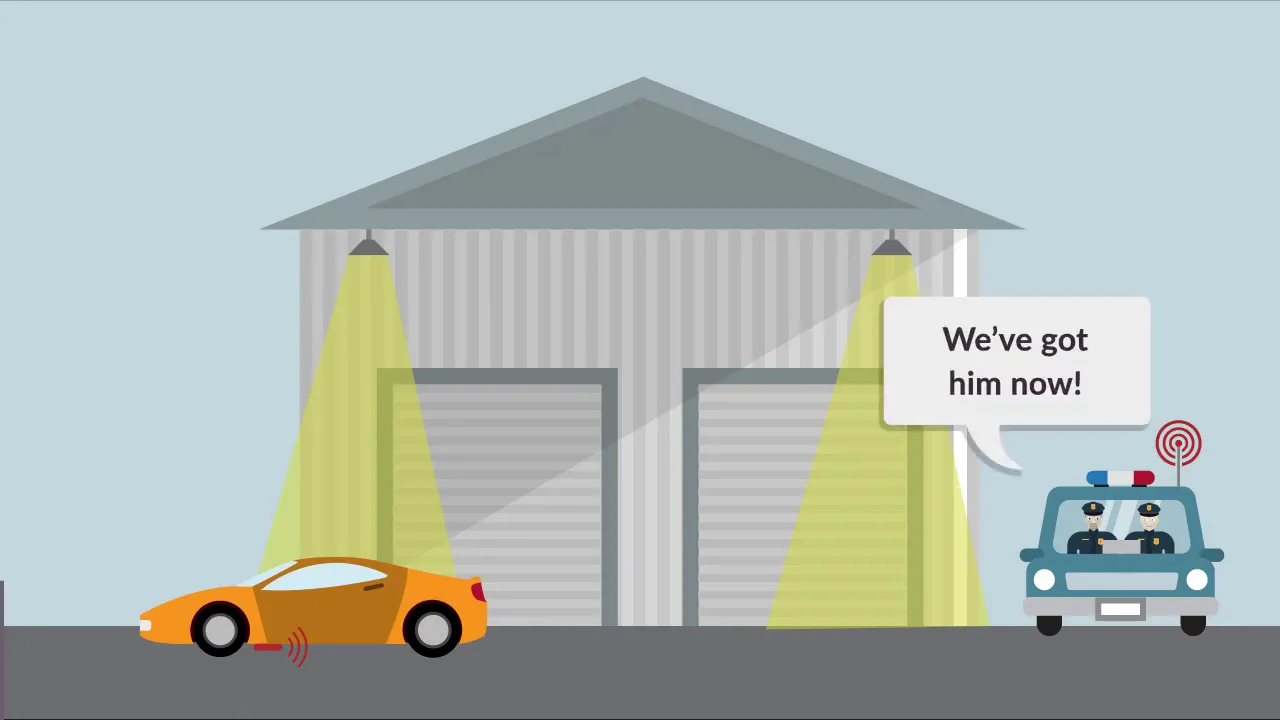
United States v. Jones | Fourth Amendment & GPS Tracking
@QuimbeeDotCom
15K views•2020-10-06
4:27
US Secondary Sanctions Impact on EU Businesses and Blocking Legislation
@Bureauvandijk
1.6K views•2019-03-20
5:03
Recorded Testimony in Court: Crawford v. Washington Explained
@iammrbeat
68.6K views•2018-01-26

24:42
Police Interrogation Tactics: False Confessions & Legal Reform
@LastWeekTonight
7M views•2022-04-18
Related Study Plans & Knowledge Roadmaps
Structured learning paths in Law
law
Self-Defense Law: Imminence & Castle Doctrine
01Foundations of Self-Defense Law
02Imminent Threat & Reasonable Belief
03The Principle of Proportionality
+ 3 more learning modules
12h6 modules
Explore Roadmap
law
Defamation Law: First Amendment & Actual Malice
01Introduction to civil torts and the First Amendment
02Elements of Defamation: Libel and Slander
03Public Figures vs. Private Individuals
+ 2 more learning modules
8h5 modules
Explore Roadmap
law
Hearsay Rule: Trial Evidence & Exceptions
01Introduction to Trial Evidence & Courtroom Basics
02Demystifying Hearsay: The Core Definition
03Non-Hearsay: Exclusions Under FRE 801(d)
+ 3 more learning modules
14h6 modules
Explore Roadmap
law
Medical Malpractice: Law, Liability & Care
01Foundations of Tort Law and Civil Liability
02The Four Elements of Medical Malpractice
03Defining and Proving the Standard of Care
+ 2 more learning modules
12h5 modules
Explore Roadmap