Gentrification: Capital, Class & Displacement
Learning Goal: Analyze the sociological drivers and consequences of urban gentrification, examining how capital reinvestment, cultural shifts, and displacement reshape community structures and social inequality.
- Estimated Total Study Time: 8 hours
- Prerequisites: None (Introductory sociological concepts are recommended but not required)
Module 1: Foundations of Gentrification and Urban Sociology
This module introduces the fundamental definition of gentrification, its historical emergence in post-WWII cities, and foundational concepts of urban sociology. Learners will explore how working-class urban spaces transition into middle- and upper-class developments and examine these transitions through an academic, sociological lens.
Recommended Videos
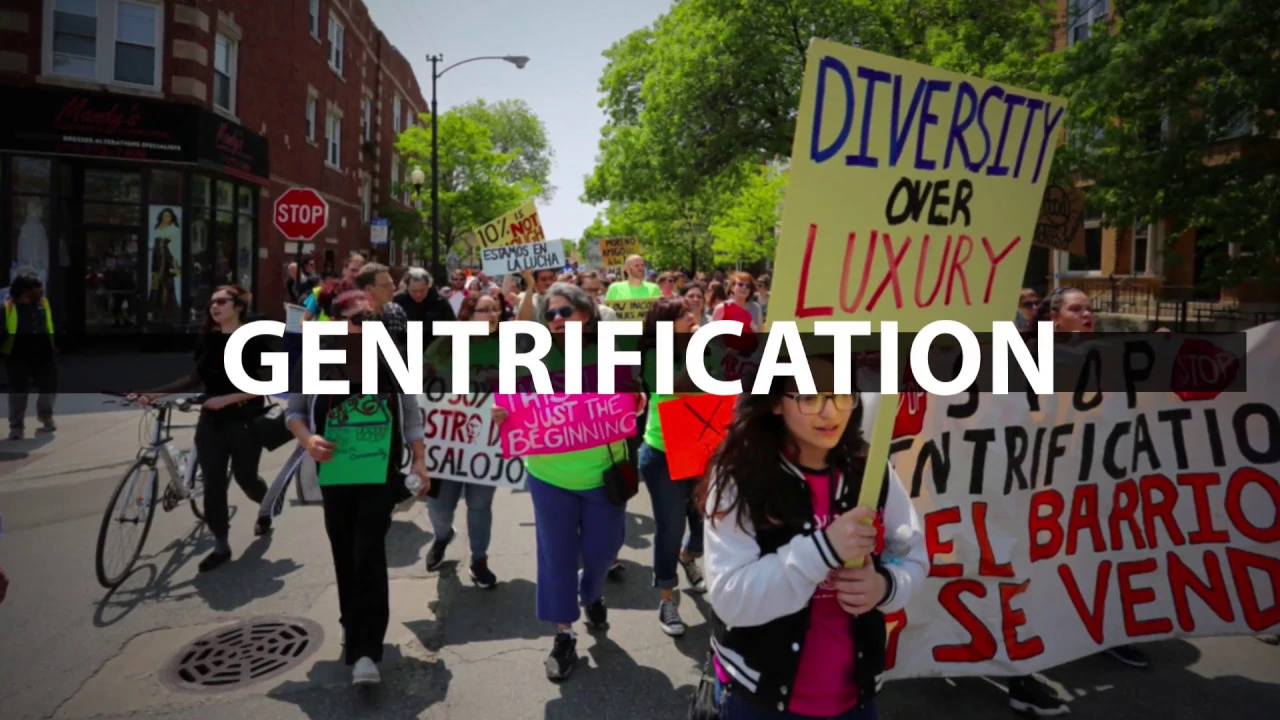
- Why this video: This video offers a clear, highly visual foundation prepared by the Urban Displacement Project. It traces the complex processes of real estate investment and demographic changes that transform historically disinvested neighborhoods, explaining both the structural causes and real-world impacts of gentrification.
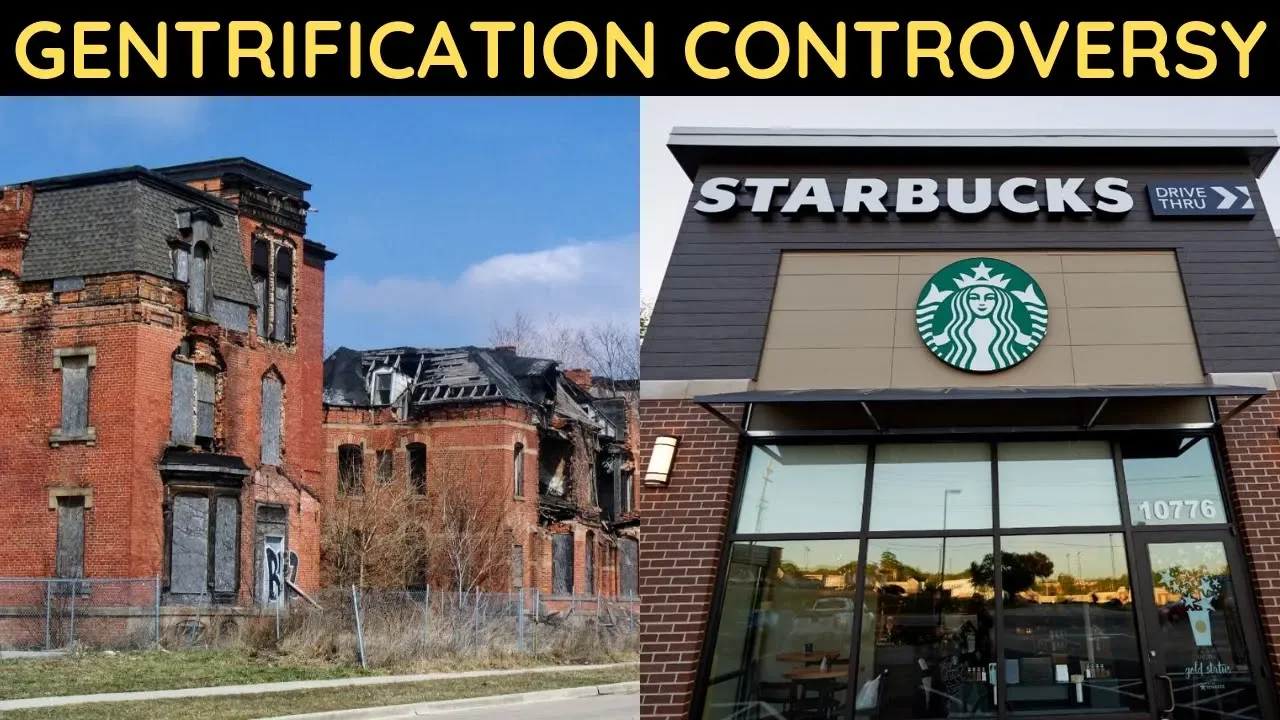
- Why this video: It transitions from abstract terms to historical concrete case studies across six distinct US cities. It explores the transition of low-value urban properties into higher-value ones, grounding the concept of "urban renewal" in historical policy and geographic context.

- Why this video: To analyze gentrification sociologically, one must first grasp the discipline's underlying framework. This university lecture distinguishes sociology from psychology by showing how social context, collective behaviors, and spatial environments shape individual lives.
Knowledge Checkpoint
- Define gentrification and list the primary parties involved (residents, developers, municipal actors).
- Differentiate between historic "urban renewal" programs of the mid-20th century and modern, developer-driven gentrification.
- Explain how urban sociology differs from psychology when analyzing neighborhood-level changes.
Module 2: The Political Economy of Capital Reinvestment
This module unpacks the economic structures driving gentrification. We focus on the history of systemic housing discrimination (redlining) and how it created a "Rent Gap"—Neil Smith's seminal theoretical model that explains how capital flows back into historically disinvested areas.
⚠️ Curriculum Note on Gaps: While the video pool contains introductory content on Redlining, peer-reviewed econometric videos detailing Neil Smith's complete economic calculations are mathematically light in this selection. To supplement your learning, independently search for: "Neil Smith's Rent Gap model diagrams" and read his 1979 paper, “Toward a Theory of Gentrification.”
Recommended Videos

- Why this video: This academic excerpt addresses Neil Smith’s Rent Gap theory directly. It explains gentrification as a cold economic calculation: developers reinvest in a neighborhood only when the difference between the potential ground rent (post-redevelopment) and the actual ground rent (under current use) is wide enough to yield a substantial profit.

- Why this video: This video connects modern economic gaps to historical policies. It traces the roots of urban inequality directly back to the Home Owners' Loan Corporation (HOLC) and Federal Housing Administration redlining maps of the 1930s, showing how capital was systematically denied to neighborhoods of color.
- Why this video: Provides a powerful, boots-on-the-ground look at how redlining physically shaped the spatial landscape of Chicago's South Side. It shows how the denial of government-backed loans from the New Deal era through 1987 created physical vacancies and blocked capital accumulation, paving the way for eventual speculative reinvestment.

- Why this video: Synthesizes the Rent Gap theory within the broader macro-economic framework of the "Neoliberal City," illustrating how real estate speculation is incentivized when public municipal policies prioritize private capital development over social housing.
Knowledge Checkpoint
- State Neil Smith’s Rent Gap Theory and explain the difference between capitalized ground rent and potential ground rent.
- Explain how 1930s HOLC redlining maps systematically depressed property values in communities of color.
- Describe how historically engineered disinvestment serves as a prerequisite for high-yield real estate reinvestment.
Module 3: Cultural Dynamics and the Creative Class
This module examines how cultural taste, consumer aesthetic shifts, and demographic migrations drive urban change. We focus on Sharon Zukin’s work regarding "cultural capital" and Richard Florida's theory of the "Creative Class" to explain how artists, hipsters, and city branding prepare neighborhoods for corporate capital.
⚠️ Curriculum Note on Gaps: While we feature Sharon Zukin herself on a guided tour below, detailed slides of Richard Florida's quantitative indices of the "Creative Class" are limited in video format. To supplement, search for: "Richard Florida Creative Class 3T's (Talent, Technology, Tolerance)" in your independent study.
Recommended Videos

- Why this video: An indispensable academic resource. Renowned urban sociologist Sharon Zukin conducts a real-time walking tour of NYC, detailing the stages of gentrification. She demonstrates how middle-class "cultural pioneers" use aesthetic preferences to unintentionally act as scouts for corporate real estate investment.
- Why this video: Deconstructs Richard Florida’s 2002 "Creative Class" theory. This segment critically reviews how cities spent millions on target amenities (bike lanes, artisanal spaces, art districts) to lure highly mobile, tech-adjacent white-collar millennials, inadvertently accelerating gentrification and housing crises.

- Why this video: Provides critical academic self-reflection. Richard Florida himself reviews his original "Creative Class" thesis, acknowledging that clustering high-value talent in "superstar" cities has generated a "New Urban Crisis" marked by staggering segregation, inequality, and housing displacement.
Knowledge Checkpoint
- Explain Sharon Zukin’s concept of how "cultural capital" is utilized to transform working-class environments into consumable commodities.
- Define Richard Florida’s "Creative Class" and list the types of infrastructure municipalities build to attract them.
- Explain why the spatial clustering of the "Creative Class" frequently leads to what Florida terms the "New Urban Crisis."
Module 4: Displacement, Social Inequality, and Resistance
This final module focuses on the social and human costs of gentrification. We analyze the mechanisms of physical and cultural displacement, and we examine democratic counter-strategies, such as Community Land Trusts (CLTs), designed to protect marginalized residents.
Recommended Videos

- Why this video: A sobering, direct study of low-income displacement. It explores how the conversion and destruction of Single Room Occupancy (SRO) hotels—traditionally a crucial safety net for the urban poor—forces vulnerable populations out of revitalizing neighborhoods into homelessness or extreme precarity.
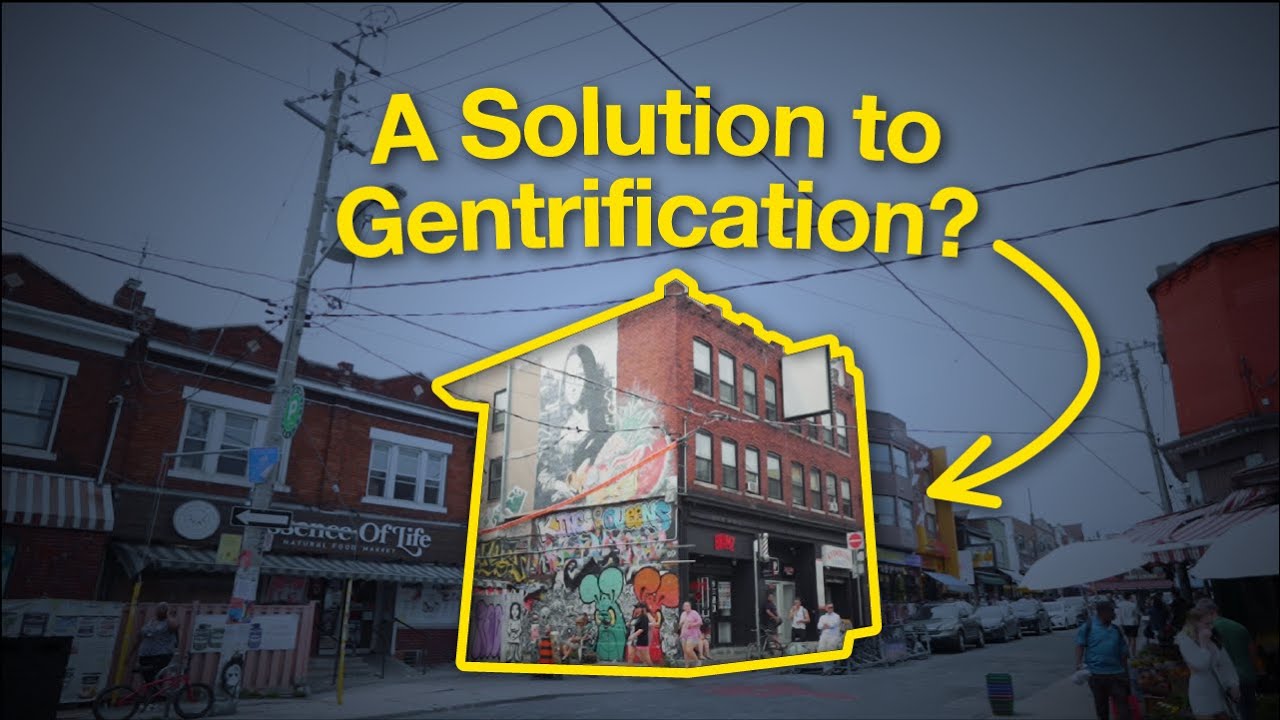
- Why this video: Explores policy and grassroots options for resistance. This video provides a detailed breakdown of Community Land Trusts (CLTs) as a democratic, tripartite model designed to permanently de-commodify land and preserve affordable housing within gentrifying communities.

- Why this video: A historically significant pop-culture reference on urban sociology. In this short, iconic clip, the character Furious Styles breaks down how systemic developer devaluation acts as a precursor to displacement, introducing these structural concepts directly to the public consciousness.
Knowledge Checkpoint
- Define physical displacement versus cultural/neighborhood erasure.
- Explain how a Community Land Trust (CLT) successfully isolates housing prices from speculative real estate market fluctuations.
- Discuss the societal and economic role of SROs as low-income safety nets, and describe the consequences of their elimination.
Course Map
This flowchart maps the logical progression of the curriculum. The foundational sociological frameworks of Module 1 split into structural economic analyses (Module 2) and cultural/demographic analyses (Module 3), both of which culminate in the study of displacement and systemic resistance models (Module 4).
Key People Index
- Ruth Glass (1912–1990): British sociologist who coined the term "gentrification" in 1964 to describe the displacement of working-class Londoners by the incoming gentry.
- Neil Smith (1954–2012): Geographer and urban theorist who formulated the Rent Gap Theory, shifting the academic focus of gentrification from consumer demand to structural capitalist reinvestment.
- Sharon Zukin: Professor of Sociology at Brooklyn College and the CUNY Graduate Center. Her work analyzes how cities use culture, consumption, and real estate development to reshape urban space and "authenticity."
- Richard Florida: Urban theorist known for his work on the "Creative Class" and "superstar cities." He later pioneered self-reflective critiques of creative urban planning in his book, The New Urban Crisis.
- Jane Jacobs (1916–2006): Influential urbanist and activist who advocated for community-centered planning, density, and organic social structures (such as the "street ballet").
Final Self-Assessment
Complete the following assessment to evaluate your mastery of the curriculum's learning goals:
- Can you define gentrification using structural, economic, and demographic criteria?
- Can you identify the primary differences between mid-century state-led "urban renewal" and neoliberal private-market gentrification?
- Can you explain Neil Smith's Rent Gap Theory, detailing the relationship between capitalized ground rent and potential ground rent?
- Do you understand how historical Redlining policies directly created the economic rent gaps exploited by modern developers?
- Can you define Sharon Zukin's concept of "cultural capital" and explain the role of artists as unintentional "gentrification pioneers"?
- Can you define Richard Florida's "Creative Class" and explain why local policies designed to attract them can exacerbate urban inequality?
- Can you distinguish between physical displacement and cultural displacement?
- Do you understand the housing safety net function of Single Room Occupancy (SRO) hotels and why their elimination drives homelessness?
- Can you outline the exact tripartite ownership structure of a Community Land Trust (CLT) and explain how it prevents housing speculation?
- Can you synthesize how capital reinvestment, cultural shifts, and displacement collectively reshape urban class inequality?