Managing Crisis PR: Playbooks & Brand Recovery
Learning Goal: Learn how to design, draft, and deploy an actionable corporate crisis communication and brand reputation recovery playbook customized for mid-sized consumer product companies.
- Prerequisites: Basic understanding of marketing management, brand equity, and general corporate communications.
- Estimated Total Study Time: 12 Hours
Module 1: Foundations of PR and Brand Reputation
Understand the principles of public relations, core brand equity metrics, and why corporate reputation is a critical commercial asset for consumer packaged goods (CPG) companies.
![[JOUR 111] What is Public Relations? Part 1](https://i.ytimg.com/vi/8uRh4XYa__M/maxresdefault.jpg)
Why this video
This academic lecture establishes the foundation of corporate PR. It details the strategic management of communication between an organization and its publics, defining the RPIE process (Research, Programming, Implementation, Evaluation) to influence public perception.
Knowledge Checkpoint
- Define the RPIE framework and explain how it applies to managing stakeholder relations.
- Explain the difference between paid advertising and earned public relations.
- List at least three internal and external public groups that a mid-sized consumer product brand must track.

Why this video
This video explains the pillars of brand equity—including awareness, brand association, perceived quality, and brand loyalty. Understanding these components shows how brand value is constructed and why it serves as a critical buffer during a public relations crisis.
Knowledge Checkpoint
- Identify the four primary components of brand equity.
- Explain how positive brand associations can minimize reputational damage during an operational failure.
- Define the financial relationship between high brand loyalty and consumer resilience to bad news.
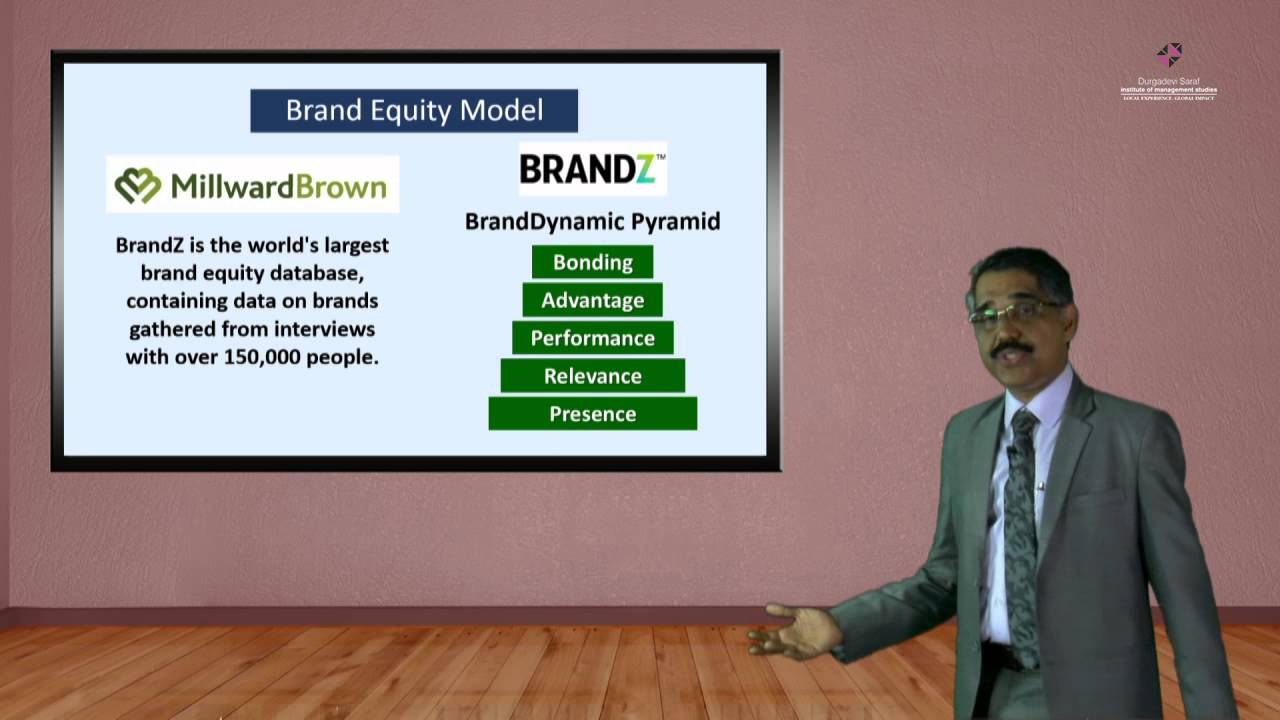
Why this video
This video defines how consumer perceptions, emotions, and behaviors interact to build brand equity. It illustrates how the "added value" of a brand name translates directly into premium pricing and market share.
Knowledge Checkpoint
- Explain how consumer cognitive, emotional, and behavioral reactions to a brand construct its market premium.
- Describe the commercial risks that emerge when consumer trust in a consumer packaged good (CPG) name is damaged.
Module 2: Anatomy of a Corporate Brand Crisis
Learn to categorize corporate crises—ranging from safety-related product recalls to executive scandals—and study historical cases to analyze effective and ineffective organizational responses.

Why this video
This video highlights the famous 1982 Johnson & Johnson Tylenol case study. It details how CEO James Burke prioritised public safety over immediate profits, establishing the gold standard of transparent, safety-focused crisis management.
Knowledge Checkpoint
- Analyze the immediate decisions J&J’s leadership made in response to the Chicago Tylenol packaging tampering incident.
- Contrast short-term mitigation losses (e.g., $100M recall) with long-term brand equity preservation.
- Identify the ethical obligations of a CPG executive when human safety is compromised.

Why this video
This video offers a deeper operational analysis of the 1982 Tylenol murders. It outlines how product packaging vulnerabilities caused a massive recall of 31 million bottles and forced an industry-wide pivot to tamper-resistant packaging.
Knowledge Checkpoint
- Describe the logistics of executing a nationwide physical product recall in the retail ecosystem.
- Discuss how implementing physical safety innovations (e.g., triple-seal packaging) can rebuild consumer trust.

Why this video
This short segment outlines how leadership actions, external behavior, and executive public statements can directly damage corporate brand perception.
Knowledge Checkpoint
- Define how executive behavior and personal branding can trigger a corporate brand crisis.
- Explain how leadership controversy affects sales and investor sentiment for mid-sized and enterprise companies.
Module 3: Structuring and Drafting the Crisis Playbook
Learn how to build a structured, actionable crisis communications playbook, design a localized escalation matrix, and coordinate team roles.
Coverage Gap Note: While the videos below cover the conceptual foundations of risk matrices, crisis planning checklists, and escalation, there is limited step-by-step instruction on drafting visual corporate communication playbook templates. For hands-on document drafting guides, independently search for:
- "crisis communication plan template walkthrough"
- "how to create a crisis escalation matrix"

Why this video
This webinar excerpt summarizes the key components of a crisis communication plan. It outlines how to define what constitutes a crisis, set trigger events, and assign internal communications responsibilities.
Knowledge Checkpoint
- List three essential sections that must be included in a physical crisis playbook.
- Define the trigger events that determine when to activate a crisis communication plan.
- Outline who should hold default responsibility for activating a plan in a mid-sized consumer brand.

Why this video
This practical guide shows how to map operational risk severity and impact levels. It helps organizations build a functional matrix to classify crises and assign appropriate escalation procedures.
Knowledge Checkpoint
- Draft a simple 3x3 risk matrix classifying incidents by likelihood and impact.
- Explain how mapping impact categories determines corporate escalation levels.

Why this video
This video explains the mechanics of an Issue Escalation Matrix. It shows how to classify corporate problems into tiers (from minor to critical) based on complexity and severity, and details what actions must be triggered at each tier.
Knowledge Checkpoint
- Explain how a multi-level escalation matrix guides a corporate communications team.
- Detail the workflow differences between a Tier 1 (minor issue managed locally) and a Tier 4 (critical executive response) crisis.
Module 4: Active Crisis Response and Media Relations
Master the mechanics of writing crisis press releases, drafting immediate holding statements, managing press outreach, and handling active digital media escalation.
Coverage Gap Note: The selected videos cover the structural design of media press releases and early small-business crisis messaging. However, they lack detailed, step-by-step guides for drafting holding statements under tight deadlines. To supplement this, independently search for:
- "writing crisis holding statements step by step"

Why this video
This video outlines the structural elements of an effective holding statement: Acknowledgement, Empathy, Core Values, Actions, and Commitment. It shows how to communicate quickly and transparently before all the details of an incident are known.
Knowledge Checkpoint
- Draft a 5-element holding statement responding to a hypothetical product defect.
- Explain how to communicate empathy and action without making premature admissions of legal liability.

Why this video
This segment argues for preparing pre-written news release templates before a crisis occurs. This proactive step helps communication teams respond quickly during the critical early stages of a brand incident.
Knowledge Checkpoint
- Explain why pre-written, modular templates are more effective than writing press releases from scratch during a crisis.
- Identify the placeholders and standard information that should be prepared in advance for a CPG brand.
![How to write a press release? [Examples, Tips, Format and Templates]](https://i.ytimg.com/vi_webp/OYcWVdiwhZU/maxresdefault.webp)
Why this video
This video details the structure of a standard corporate press release. It explains how to lead with a strong angle and use the inverted pyramid format (Who, What, Where, When, Why, How) to deliver clear, professional updates.
Knowledge Checkpoint
- Structure a crisis announcement using the inverted pyramid model to prioritize key public safety details.
- Write a clear, factual headline and lead paragraph for a product recall announcement.
Why this video
This guide details how to manage social media during a crisis. It covers key immediate steps, such as pausing automated marketing posts, tracking mentions, and assigning team roles for community management.
Knowledge Checkpoint
- Explain why a brand must pause scheduled posts and paid ads when a crisis hits.
- Detail the process of social media triage and describe how to identify which comments require a response.
Module 5: Post-Crisis Brand Reputation Recovery
Learn how to monitor brand sentiment, apply long-term trust recovery frameworks, use third-party reviews, and manage the operational steps to rebuild consumer trust.
Coverage Gap Note: While these materials cover digital sentiment tracking and general brand rehabilitation, they do not focus on rebuilding partner trust or negotiating with major retail distributors (e.g., Walmart, Target, Costco) after a product recall. To address this, independently search for:
- "recovering retail relationships after product recall"

Why this video
This tutorial provides a comprehensive guide to social listening and online reputation management. It shows how to monitor brand mentions across digital channels and analyze sentiment trends to protect a company's reputation.
Knowledge Checkpoint
- Explain how to track changes in brand sentiment after a crisis using social listening platforms.
- Define the differences between favorable, neutral, and unfavorable online mentions and explain how they guide brand recovery.

Why this video
Marketing expert Philip Kotler discusses how brands can recover from scandals. He emphasizes that apologies alone are not enough; brands must implement operational reforms, update processes, and bring in independent audits to verify product quality.
Knowledge Checkpoint
- Contrast a simple public relations apology with Kotler's multi-stage recovery strategy.
- Explain how bringing in independent, third-party experts helps rebuild credibility with consumers and retail partners.
![[REPLAY] Leveraging data to deliver a digital personalised customer experience](https://i.ytimg.com/vi/npHGdqubNfc/maxresdefault.jpg)
Why this video
This presentation uses the Co-op corporate crisis to show how brands can rebuild trust. It outlines a clear recovery model: acknowledging errors immediately, explaining corrective actions, and keeping future messaging aligned with company values.
Knowledge Checkpoint
- Outline the core components of the trust recovery model highlighted in this case study.
- Describe how to align post-crisis messaging with brand values to repair customer relationships.
Course Map
This flowchart maps the recommended learning progression through the modules of this curriculum.
Key People Index
- James Burke (CEO of Johnson & Johnson during the 1982 Tylenol Crisis): Pioneered the modern, transparent approach to crisis management by prioritizing public safety and open communication over short-term financial performance.
- Philip Kotler (Professor of International Marketing): Highlights that long-term brand rehabilitation requires combining public relations with operational changes, process updates, and independent third-party audits.
- Gerard Braud (Crisis Communications Consultant & Author): Emphasizes the importance of preparing pre-written news release templates before a crisis occurs to save valuable time during an actual emergency.
Final Self-Assessment
Complete this comprehensive self-assessment to verify your understanding of crisis communications and brand reputation recovery:
- PR Foundations: Can you explain the difference between paid marketing and earned public relations, and detail how brand equity protects a company's reputation?
- Crisis Categorization: Are you able to identify and classify different corporate crises, distinguishing between product-related issues, executive controversies, and external challenges?
- The Tylenol Model: Can you outline the key steps of Johnson & Johnson’s 1982 crisis response and explain why a voluntary nationwide recall preserved long-term brand equity?
- Escalation Frameworks: Can you design a functional 4-tier Issue Escalation Matrix that assigns clear corporate responsibilities for different levels of severity?
- Playbook Structuring: Do you know how to structure a crisis communications playbook, including critical sections like escalation matrices, stakeholder directories, and activation guidelines?
- Holding Statement Creation: Can you draft a balanced holding statement that acknowledges an incident and shows empathy without making premature admissions of legal liability?
- Press Release Writing: Do you know how to write a factual crisis press release using the inverted pyramid structure?
- Digital Containment: Can you outline the immediate steps needed to manage social media during a crisis, including pausing automated posts, setting up social listening, and establishing triage workflows?
- Rebuilding Trust: Can you design a post-crisis brand recovery plan that includes operational changes, independent quality audits, and transparent communication?
- Sentiment Monitoring: Can you explain how to use digital social listening metrics to track reputation recovery and measure shifts in sentiment over time?