Aesthetics: Objectivism, Kant & Art Theories
Learning Goal: Evaluate the philosophy of art and beauty, contrasting aesthetic objectivism with Kant’s theory of disinterested aesthetic judgment, and examining the institutional theory of art.
- Prerequisites: None (a basic familiarity with the history of philosophy is helpful but not required).
- Estimated Total Study Time: 12 Hours
Module 1: Foundations of Aesthetics: What is Art and Beauty?
This module introduces the foundational questions of aesthetics—the branch of philosophy concerned with the nature of beauty, art, and taste. You will learn about the historical evolution of the field, starting from the coining of the word "aesthetics" by Alexander Baumgarten in the 18th century, and explore how philosophers transitioned from treating beauty as a sensory sensation to a systematic study of judgment.
Recommended Videos
Why this video: This video provides a clear, high-level structural map of aesthetics as a philosophical branch. It introduces key distinctions between the study of "art" versus the study of "beauty" and highlights the core ontological and epistemological questions that aesthetic theorists try to answer.
Why this video: This Crash Course episode introduces the concept of aesthetic appreciation, examining how we assign value to sensory experiences. It frames the central tension that will guide this entire curriculum: Is aesthetic value an objective feature of things in the world, or is it completely subjective, living only "in the eye of the beholder"?

Why this video: This video focuses on the historical origin of the discipline, explaining how Alexander Gottlieb Baumgarten formally coined the term "aesthetics" in 1735. It outlines how the 18th century marked a transition point where philosophers began to systematically evaluate taste, setting the stage for Kant and modern art theories.
Knowledge Checkpoint
- Define the term "aesthetics" and trace its historical evolution from meaning simple "sensation" to the study of taste and beauty.
- Contrast the philosophical study of the "nature of beauty" with the "philosophy of art".
- Identify the core questions that define aesthetic epistemology (how we judge art) and aesthetic ontology (what makes something art).
Module 2: Aesthetic Objectivism vs. Subjectivism
This module explores the classical debate regarding the existence of beauty. You will study aesthetic realism (the classical view held by Plato and Aristotle that beauty is an objective, mind-independent property characterized by order, symmetry, and proportion) and contrast it with aesthetic subjectivism (the modern view that beauty is a projection of human sentiment and cultural taste).
Important Pedagogical Clarification: In academic philosophy, "aesthetic objectivism" is often termed aesthetic realism. Do not confuse this with Ayn Rand's political and ethical system called "Objectivism" (which has its own highly specific "Romantic Realist" take on aesthetics, as seen briefly in some video searches, but is distinct from classical metaphysical realism about beauty).
Recommended Videos
Why this video: This is a crucial, high-level academic lecture that addresses the specific gap in general philosophy media. It defines aesthetic realism (the view that objects possess aesthetic properties independent of our minds) and contrasts it with anti-realism (subjectivism), avoiding any confusion with Ayn Rand's Objectivism. It is a rigorous, analytical dive into the metaphysics of beauty.
Why this video: This video reconstructs classical arguments for the objectivity of beauty. Drawing on Plato and Aristotle, it challenges the cultural consensus of subjectivism ("beauty is in the eye of the beholder") and demonstrates how classical philosophy viewed beauty as a transcendent property linked with truth and goodness.
Why this video: Objective beauty in classical philosophy was deeply intertwined with the concept of mimesis (imitation or representation). This video explores how Plato and Aristotle differed on mimesis: Plato viewed mimesis negatively (art as a deceptive copy of a copy, twice removed from the Forms), whereas Aristotle viewed it as a natural, healthy human instinct that helps us reveal universal truths.

Why this video: Although very brief, this primary-source historical clip captures an essential truth of art history: the monumental paradigm shift from the ancient/medieval belief in objective beauty ("out there" in the cosmos or created by God) to the modern focus on subjective experience.
Knowledge Checkpoint
- Define aesthetic realism (aesthetic objectivism) and list three properties (e.g., symmetry, proportion) that classical philosophers associated with it.
- Explain the difference between aesthetic realism and Ayn Rand’s philosophical system of "Objectivism."
- Define the term mimesis and explain why Plato advocated for the censorship of artists, while Aristotle defended imitation as a cognitive good.
- Summarize the primary argument for aesthetic subjectivism.
Module 3: Immanuel Kant and Disinterested Judgment
Immanuel Kant’s Critique of Judgment (1790) revolutionized aesthetics by bridging the gap between objectivism and subjectivism. Kant argued that while judgments of beauty are subjective (based on feeling), they have "universal validity" because they are grounded in the common structure of human cognition.
This module focuses on Kant's concept of disinterestedness—the idea that a true aesthetic judgment must be free from desire, moral concern, or practical interest. You will also learn to distinguish between the agreeable, the beautiful, the good, and the sublime.
Recommended Videos

Why this video: This video addresses a major gap in introductory material by offering an in-depth, focused explanation of Kant's disinterestedness. It carefully unpacks how a pure aesthetic judgment must be detached from any interest in the actual existence of the object, showing how this separates aesthetic experience from moral interest, cognitive utility, or sensual appetite.

Why this video: This lecture details Kant’s "Four Moments" of the judgment of taste. It explains how taste is a disinterested faculty, how it commands universal agreement without relying on strict conceptual rules, and how it reveals "purposiveness without a purpose."

Why this video: This video clearly contrasts Kant’s concepts of the beautiful and the sublime. While the beautiful relates to bounded, harmonious objects that cause a "free play" of our imagination and understanding, the sublime relates to vast, boundless phenomena (like raging storms or deep canyons) that overwhelm our senses, forcing us to realize our transcendent rational nature.
Knowledge Checkpoint
- Define Kantian disinterestedness and explain how it separates aesthetic judgments of the "beautiful" from judgments of the "agreeable" (pleasure of the senses) and the "good" (moral or functional utility).
- Identify Kant's "Four Moments" of the judgment of taste.
- Explain the difference between the beautiful (bounded, harmonious, inducing calm pleasure) and the sublime (limitless, overwhelming, inducing awe or terror).
- Explain how Kant can claim that a judgment of taste is subjective, yet still lay claim to universal validity.
Module 4: The Institutional Theory of Art
In the 20th century, the rise of avant-garde art—specifically Marcel Duchamp’s "readymades"—shattered traditional, craft-based definitions of art. This forced philosophers to look past the physical properties of objects to define art.
This module examines how Arthur Danto proposed the concept of "The Artworld" and how George Dickie formalized the Institutional Theory of Art, arguing that something becomes art not because of its intrinsic beauty, but because of status conferred upon it by social institutions.
Recommended Videos

Why this video: Dr. Gregory Sadler delivers a precise academic lecture on George Dickie's landmark paper. He breaks down Dickie’s institutional definition of art: (1) an artifact, (2) upon which a candidate for appreciation has been conferred status by some person or persons acting on behalf of the social institution known as the "artworld."
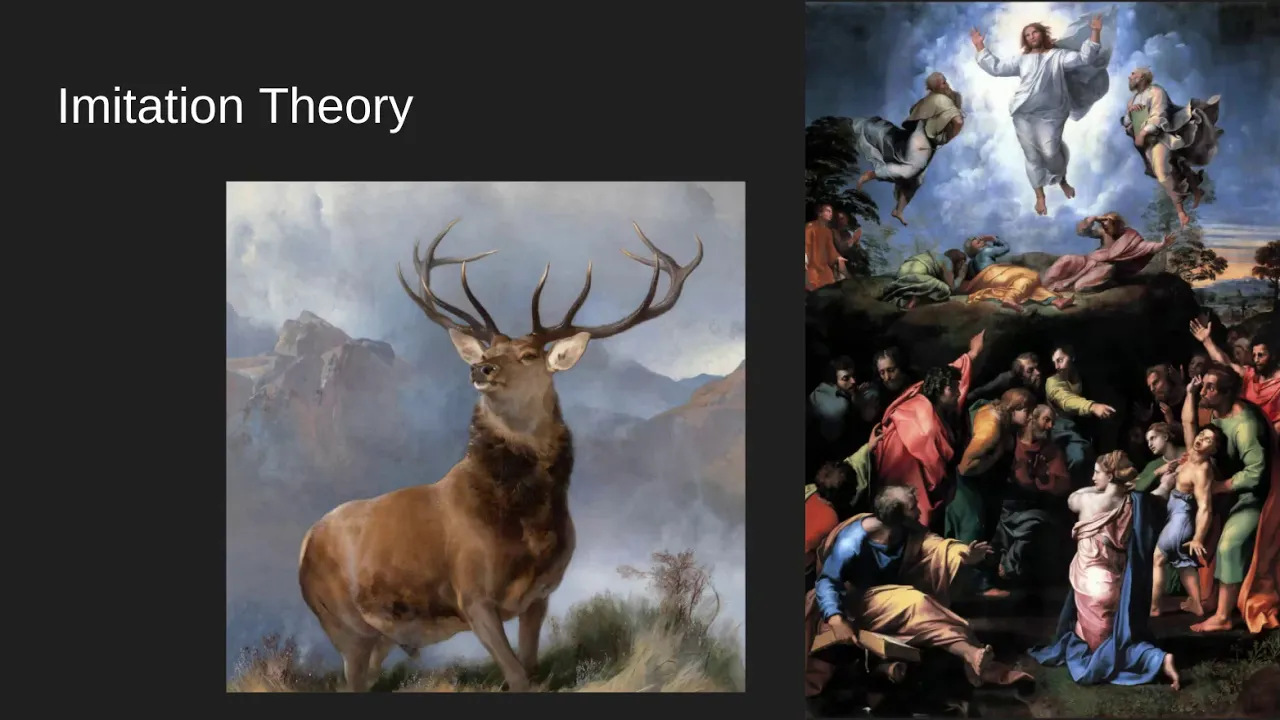
Why this video: This video covers Arthur Danto's foundational essay, "The Artworld." Danto argues that what makes an object art is not something visible to the eye; rather, it is a rich atmosphere of philosophical theory and historical context that places it within the realm of art.
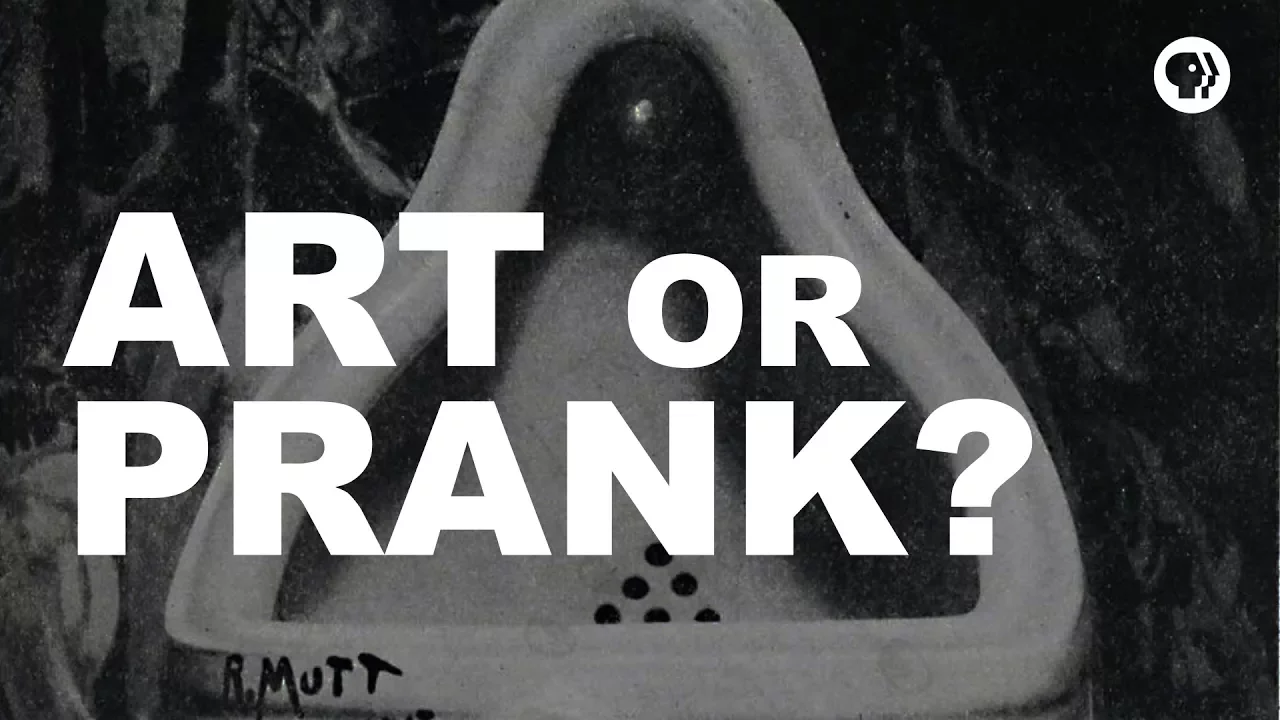
Why this video: This PBS video serves as an engaging historical case study. It looks at Marcel Duchamp’s 1917 Fountain (a urinal placed on a pedestal) and subsequent artistic "pranks," exploring how they test, validate, and sometimes ridicule institutional boundaries.
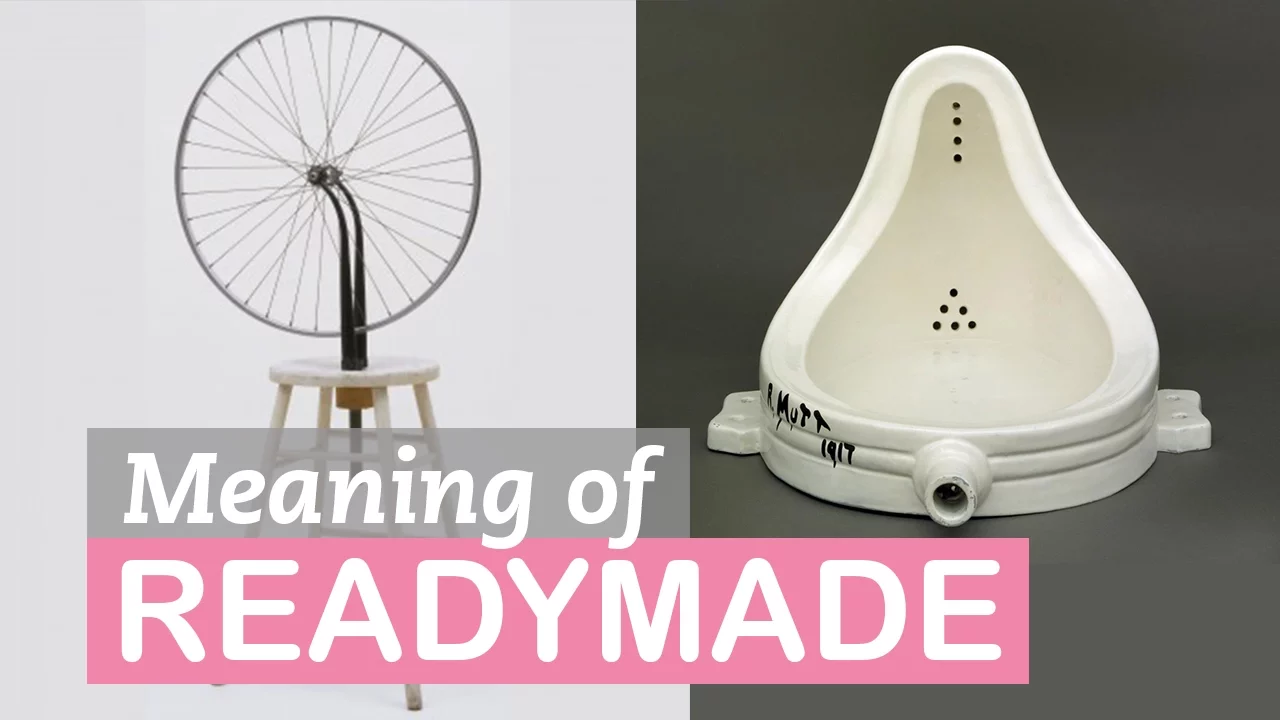
Why this video: This short video provides the necessary art-historical vocabulary to understand the readymade revolution. It explains how Duchamp redefined the artist's role from "maker of beautiful objects" to "selector of concept-driven ideas."
Knowledge Checkpoint
- What is an "artifact" according to George Dickie's Institutional Theory, and how does something acquire "candidate status" for appreciation?
- Explain Arthur Danto's concept of "The Artworld" and how it differs from a physical museum space.
- Describe Marcel Duchamp's concept of a "readymade" and explain how it challenges classical theories of objective beauty and craftsmanship.
- Contrast functional definitions of art (what art does for human emotion or experience) with institutional definitions of art (what social status art holds).
Module 5: Synthesizing and Applying Aesthetic Theories
This final module synthesizes classical Objectivism/Realism, Kantian Subjectivism, and the Institutional Theory. You will apply these competing frameworks to evaluate highly controversial, modern, and post-modern artworks. By confronting the ultimate question—"Can anything be art?"—you will build a structured critical framework to analyze future aesthetic encounters.
Recommended Videos
Why this video: This lecture functions as an excellent comparative synthesis tool. It places Formalism, Expressionism, and Institutionalism side-by-side, helping you compare how different theories locate the source of artistic value (in the object's form, the artist's emotion, or the social context).
Why this video: This video represents a common, populistic criticism of modern art, focusing on its apparent lack of skill, craft, or traditional beauty. By watching this, you can practice applying your philosophical vocabulary—using Kant's disinterestedness or Dickie's institutionalism—to critique or defend the works of artists like Duchamp and modern abstract creators.
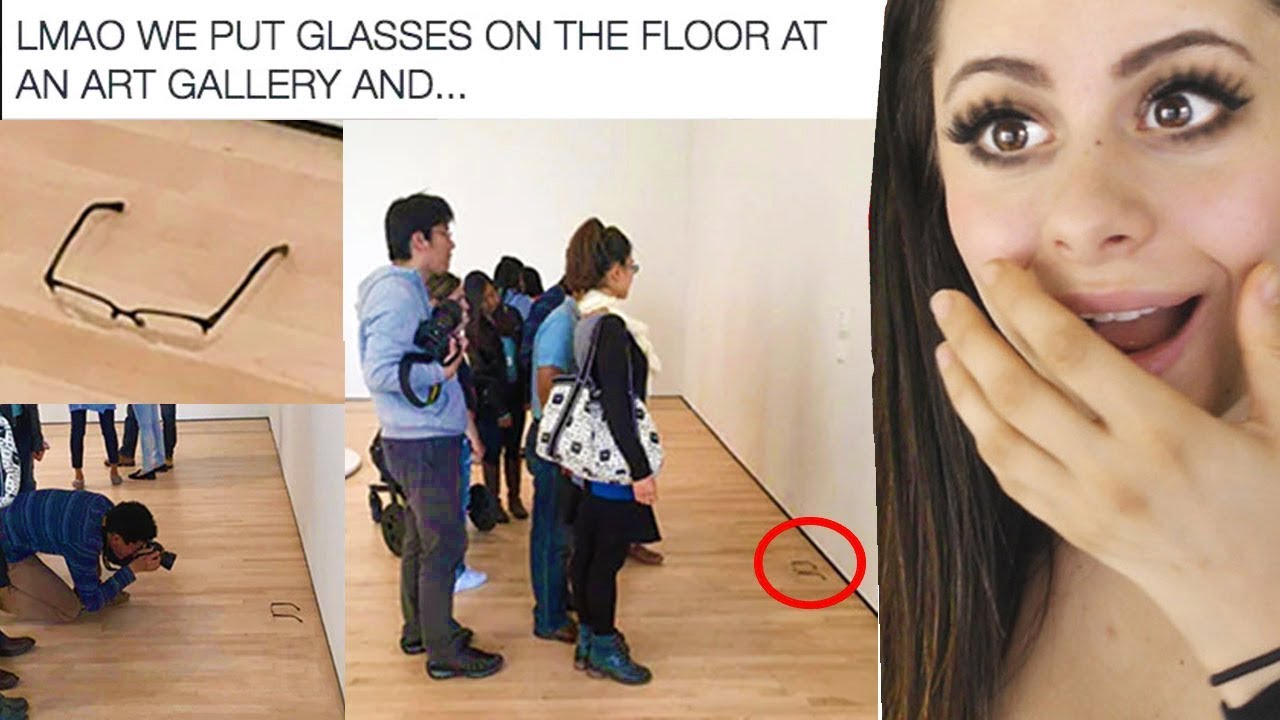
Why this video: This extremely brief viral clip features a famous museum prank where a teenager placed standard eyeglasses on a gallery floor, causing patrons to photograph it as an exhibition. This serves as a perfect final case study: analyze this event through the lens of Dickie's Institutional Theory and Kant's Critique of Judgment.
Knowledge Checkpoint
- Critique the "glasses on the gallery floor" prank from three perspectives: (1) an Aesthetic Objectivist/Realist, (2) a Kantian, and (3) an Institutionalist.
- Synthesize how the "End of Art" (as argued by Danto) shifts the focus of aesthetics from sensory perception to philosophy itself.
- Formulate your own reasoned answer to the question: "Can anything be art?" referencing at least two philosophers studied in this course.
Course Map
Key People Index
- Alexander Gottlieb Baumgarten (1714–1762): German philosopher who coined the term "aesthetics" in 1735, establishing it as a distinct branch of philosophical inquiry into sensory cognition and taste.
- Plato (428–348 BC): Greek philosopher who viewed beauty as an objective transcendental Form. He distrusted physical art, viewing it as mimesis (mere imitation) that stirs irrational passions and distracts us from truth.
- Aristotle (384–322 BC): Plato's student who defended mimesis in his Poetics, arguing that imitation is natural to humans, provides cognitive pleasure, and helps represent universal truths through drama and form.
- Immanuel Kant (1724–1804): German Enlightenment philosopher whose Critique of Judgment argued that aesthetic judgments of beauty are subjective yet universally valid, introducing the concepts of "disinterestedness" and the "sublime."
- Marcel Duchamp (1887–1968): French avant-garde artist who pioneered "readymades," using ordinary manufactured objects to shift art's definition from visual craftsmanship to conceptual choice.
- Arthur Danto (1924–2013): American philosopher who coined the term "The Artworld" to explain how historical and philosophical context (rather than physical properties) designates an object as art.
- George Dickie (1926–2020): American aesthetician who formalized the Institutional Theory of Art, defining art as an artifact that has been conferred with status by the social systems of the artworld.
Final Self-Assessment
Complete this self-assessment to verify your mastery of the curriculum's learning goals:
- Can you explain how the historical definition of "aesthetics" evolved from meaning basic "sensory feeling" in 1735 to its current meaning?
- Can you define aesthetic realism (aesthetic objectivism) and list the physical properties (e.g., proportion, order) classical thinkers associated with it?
- Can you articulate how classical aesthetic realism differs from Ayn Rand's philosophical school of "Objectivism"?
- Can you explain Plato's critique of art as a deceptive "copy of a copy" (mimesis), and contrast it with Aristotle's defense of imitation?
- Can you explain Immanuel Kant's concept of disinterestedness and explain how it separates an aesthetic judgment of beauty from a moral or sensory interest?
- Can you explain the difference between Kant's four aesthetic categories: the agreeable, the beautiful, the good, and the sublime?
- Can you explain how Marcel Duchamp's "readymades" (like Fountain) challenged classical aesthetics and forced a shift toward conceptual definitions of art?
- Can you define Arthur Danto's concept of "The Artworld" and explain why he believed that Andy Warhol's Brillo Boxes signaled the "End of Art"?
- Can you state the two parts of George Dickie’s Institutional definition of art, particularly how "candidate status" is conferred on an object?
- Can you construct a well-reasoned defense of whether a prank (like putting eyeglasses on a gallery floor) should or should not be classified as a work of art, utilizing Kantian and Institutionalist frameworks?