Consumer Culture: Fetishism, Status & Fashion
Learning Goal: Analyze the sociological dynamics of consumer culture, examining how commodity fetishism, status signaling, and global fast fashion shape modern identity and class distinction.
- Prerequisites: None (Introductory-level familiarity with basic sociological terms is helpful but not required).
- Estimated Total Study Time: 14 Hours (Includes video viewing, readings, note-taking, and conceptual reflection).
Module 1: Introduction to the Sociology of Consumption
This module explores the historical transition from pre-industrial survival-based acquisition to contemporary consumer society. You will learn how modern consumption patterns emerged, how desires are artificially manufactured, and how buying habits became central to modern identity and economic systems.
Recommended Videos

Why this video: This video offers an essential theoretical framework for understanding the mechanisms of a consumer society. It outlines how modern capitalism relies on the constant production of new desires and social mimicry to sustain endless economic cycles, moving human motivation far beyond basic biological needs.
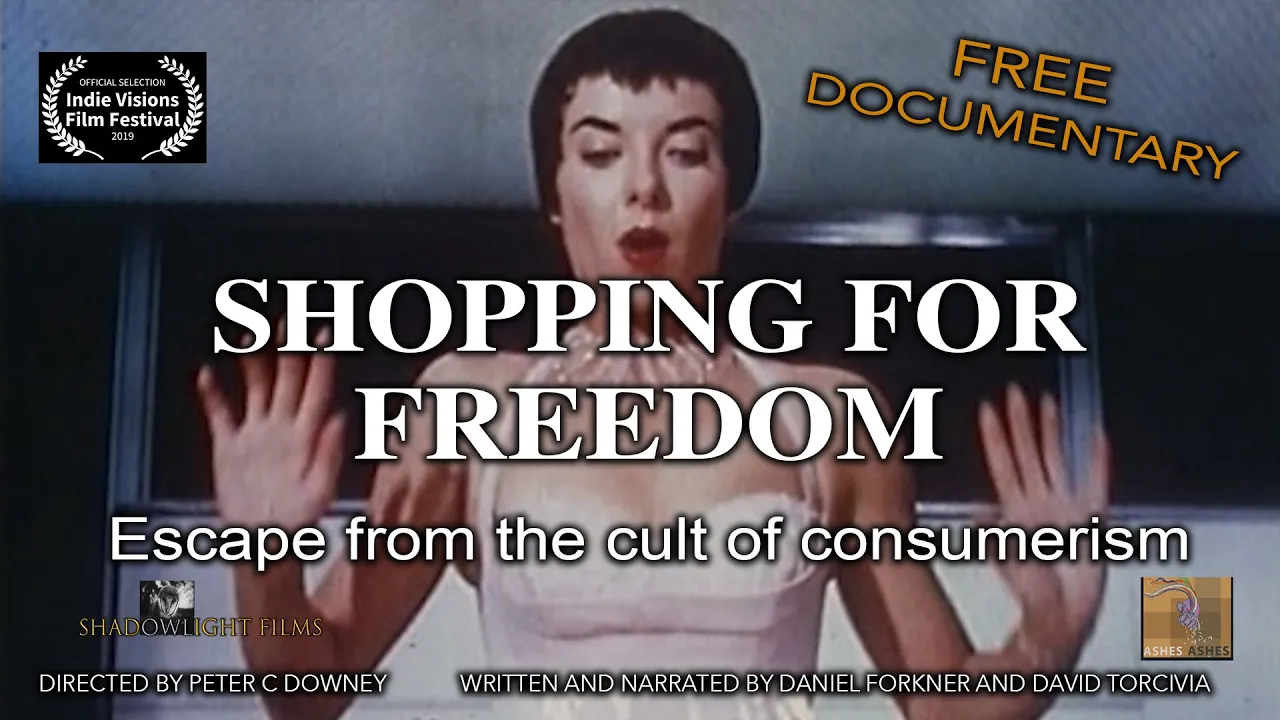
Why this video: This extensive documentary tracks the structural history of modern public relations and advertisement. It spotlights figures like Edward Bernays (nephew of Sigmund Freud) who revolutionized advertising by linking deep psychological desires and identity creation directly to mass-produced consumer goods.

Why this video: This lecture serves as a solid academic primer, defining "consumer culture" within standard sociological frameworks. It outlines how contemporary individuals construct personal and group narratives out of commercial brands, foods, apparel, and lifestyle displays.
Knowledge Checkpoint
- Contrast how pre-industrial societies satisfied basic needs versus how modern societies prioritize artificially manufactured desires.
- Explain Edward Bernays' role in leveraging psychological associations to redefine advertising from information-sharing to desire-creation.
- Define how personal identity is constructed through brand selection in a modern consumer culture.
Module 2: Commodity Fetishism: Marx's Theory of Value
In this module, you will deconstruct the core capitalist illusion of commodity fetishism. Drawing on Karl Marx's critique of political economy, you will examine how physical objects are mystified in the market, making social relationships between workers appear as mere economic relations between things.
Recommended Videos

Why this video: A clear and concise explainer establishing the foundations of Marxist value theory. It highlights the distinction between Use Value (the qualitative, concrete utility of an object) and Exchange Value (the quantitative, monetary value assigned to a product on the market).

Why this video: This highly visual segment explains how global commodity networks obscure actual human laborers. It highlights the contrast between historical feudal systems—where consumers directly knew their local producers—and modern cash-mediated capitalism, which completely detaches the end buyer from the worker's lived reality.
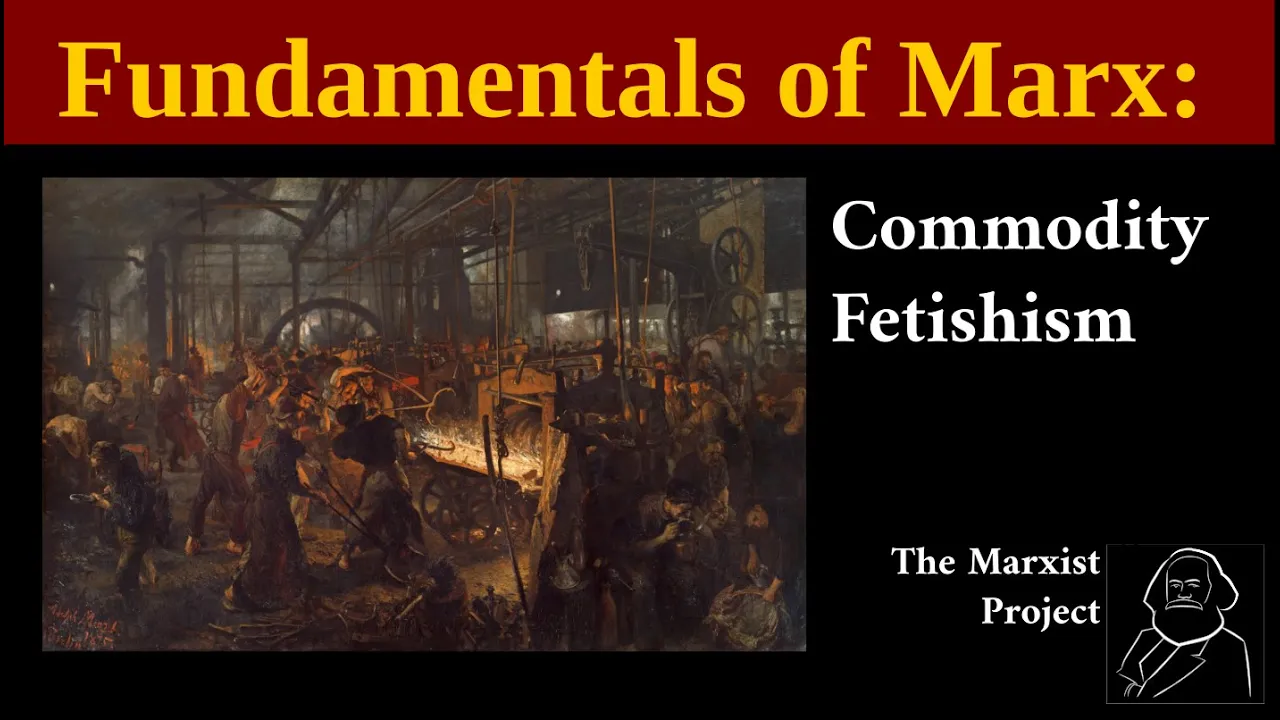
Why this video: An animated conceptual guide that explains the specific definition of "fetishism"—derived from colonial-era observations of people treating inanimate objects as if they possessed mystical agency. This video applies that concept directly to market goods under capitalism.

Why this video: This video acts as a direct link between abstract nineteenth-century theory and modern, real-world examples. It analyzes fast-fashion retail platforms like TEMU to illustrate how consumers engage in a mystical relationship with incredibly cheap commodities, ignoring the exploitation behind their production.
Pedagogical Note on Visual Explainers
While the curated videos cover Marx's value theories well, the pool lacks a long, hyper-detailed visual animation focused entirely on the dialectic between Use Value and Exchange Value. For independent study, search YouTube for:
"Marx use value vs exchange value animation"
Knowledge Checkpoint
- Explain the qualitative difference between a commodity's Use Value and its Exchange Value.
- Define Commodity Fetishism and explain how it obscures the social labor of the working class.
- Explain how platforms like TEMU exploit commodity fetishism to alienate consumers from the global labor force.
Module 3: Status Signaling, Distinction, and Class Division
This module explores how people use consumer goods to project social status, map class differences, and preserve hierarchies. You will analyze Thorstein Veblen's concept of Conspicuous Consumption alongside Pierre Bourdieu's foundational work on Cultural Capital and Distinction.
Recommended Videos
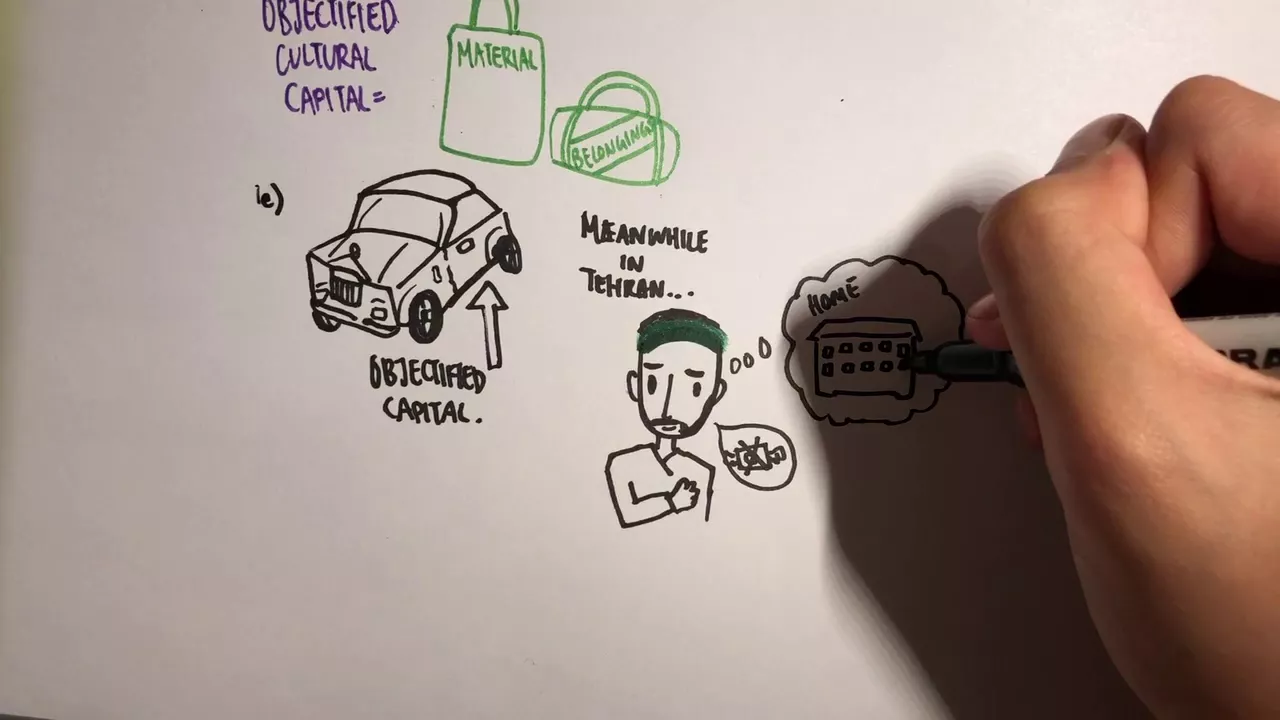
Why this video: This academic video breaks down Bourdieu's theory of capital, sorting it into economic, social, and cultural capital. It details cultural capital across its three forms: embodied (tastes, posture), objectified (physical luxuries), and institutionalized (formal academic credentials).

Why this video: A modern cultural study that applies Bourdieu's concepts of habitus, taste, and distinction to the luxury fashion market. It explores why wealthy consumers buy and wear workwear brands like Carhartt to signal subcultural capital and trend-awareness.

Why this video: This short video introduces economist Thorstein Veblen's 1899 work, The Theory of the Leisure Class, and explains Veblen Goods—luxury products for which consumer demand increases alongside their price because the high cost itself acts as a status signal.
Pedagogical Note on Veblen's Conspicuous Consumption
To supplement these short video clips with a more academic, long-form discussion of Veblen's concepts, search YouTube for:
"conspicuous consumption Thorstein Veblen sociology explained"
Knowledge Checkpoint
- Define Conspicuous Consumption and give a modern, real-world example of its use.
- Break down Pierre Bourdieu's three categories of Cultural Capital: Embodied, Objectified, and Institutionalized.
- Explain how a Veblen Good challenges standard economic laws of supply and demand.
- Use the concepts of habitus and distinction to explain why luxury consumers wear workwear styles.
Module 4: Global Fast Fashion and Identity Construction
This module tracks the transition of clothing from a slow, regional symbol of craft and status to a rapid, globalized commodity. You will analyze the fast-fashion supply chain, check its environmental and social impacts, and explore how hyper-accelerated trend cycles shape modern identity construction.
Recommended Videos

Why this video: This documentary shows how global supply chains shifted production from localized manufacturing to developing nations. It highlights how fast fashion relies on outsourcing, low labor costs, and loose regulations to keep prices artificially cheap.

Why this video: Using trade policy and history, this video looks at the end of the Multifiber Agreement in 2005, which halved global clothing prices and doubled retail consumption, setting the stage for modern disposable fashion culture.
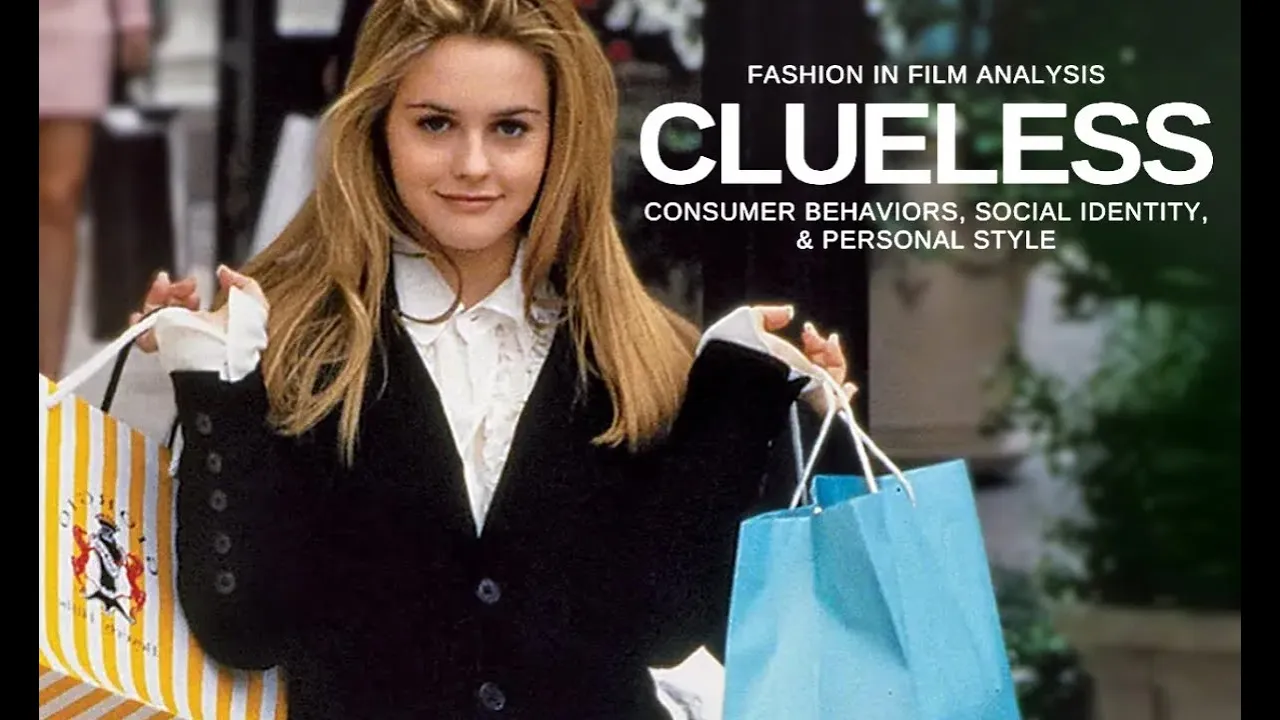
Why this video: This style analysis uses the movie Clueless to show how teenage characters use fashion as a visual language to build their social identities, signal class privilege, and navigate social hierarchies.

Why this video: This video essay explores how corporate fast fashion brands package prefabricated lifestyles and ready-to-wear identities, contrasting industrial copycat brands with high-fashion designers who use garments to propose new ways of self-expression.
Knowledge Checkpoint
- Explain how ending the Multifiber Agreement in 2005 helped accelerate fast fashion production.
- Contrast the percentage of clothing produced in the US during the 1960s with the percentage produced domestically today.
- Analyze how fast fashion brands sell prefabricated identities, and explain how this impacts personal self-expression.
Module 5: Postmodernism, Hyperreality, and Brand Culture
This final module examines postmodern consumption through the lens of Jean Baudrillard's theories of Simulacra and Simulation. You will explore how contemporary branding sells signs, symbols, and lifestyles rather than physical objects, turning reality into a hyperreal corporate spectacle.
Recommended Videos
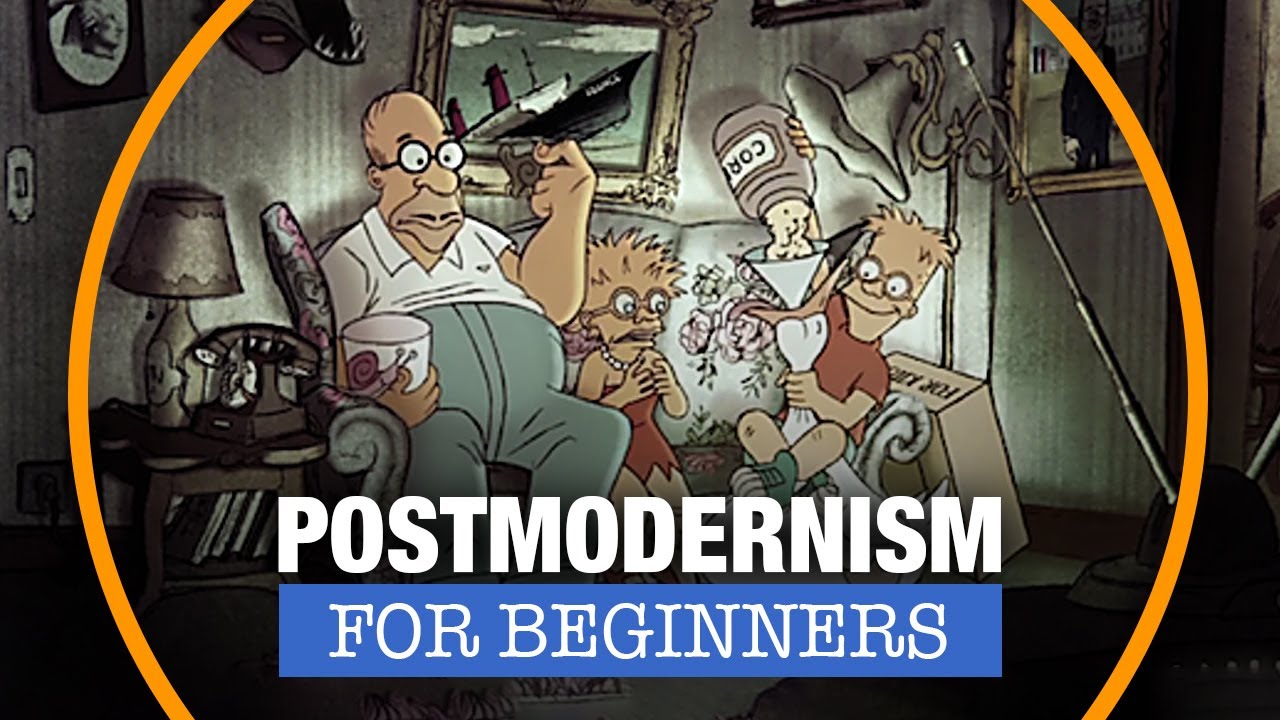
Why this video: This video provides a clear, accessible guide to Jean Baudrillard's postmodern theories. It breaks down his four stages of the sign, tracing how media representation evolved from reflecting reality to creating a simulation that entirely replaces it.

Why this video: A fast-paced, satirical critique of modern media, showing how simulated advertisements and social environments replace physical reality with "hyperreality."

Why this video: This documentary adaptation of Naomi Klein's classic book No Logo details how corporate branding shifted in the late twentieth century. It shows how major brands stopped focusing on physical manufacturing to focus instead on selling pure symbols, community, and lifestyle.
Pedagogical Note on Brand Hyperreality
For additional analysis of how Baudrillard's concepts apply to modern social media influencers and brand campaigns, search YouTube for:
"how brands sell a lifestyle Baudrillard sociology"
Knowledge Checkpoint
- List and define Jean Baudrillard's Four Stages of the Sign.
- Define Hyperreality and explain how a brand-created lifestyle can feel more real than physical daily life.
- Explain Naomi Klein's concept of Lifestyle Branding, detailing how companies shift focus from material products to symbolic identities.
Course Map
Key People Index
- Karl Marx (1818–1883): German philosopher and economist who established the foundations of critical capitalism studies. His concept of commodity fetishism is central to analyzing how modern markets hide structural labor and exploitation.
- Edward Bernays (1891–1995): Austrian-American pioneer of public relations. He combined Freudian psychoanalysis with mass advertising, shifting consumer behavior from purchasing out of necessity to buying for emotional and symbolic satisfaction.
- Thorstein Veblen (1857–1929): American institutional economist who analyzed the consumption habits of the late-nineteenth-century elite. He coined the terms conspicuous consumption, conspicuous leisure, and Veblen goods.
- Pierre Bourdieu (1930–2002): French sociologist who analyzed how class hierarchies are reproduced through cultural assets. He introduced the concepts of cultural capital, habitus, and distinction.
- Jean Baudrillard (1929–2007): French postmodern philosopher who argued that contemporary life has replaced authentic physical reality with a world of symbols and representations (simulacra and hyperreality).
- Naomi Klein (1870-Present): Canadian author and social activist. Her work No Logo analyzed the rise of modern brand culture and global corporate globalization.
Final Self-Assessment
- I can explain how modern consumer culture transitioned from fulfilling biological needs to manufacturing emotional desires.
- I can define Use Value, Exchange Value, and the social labor theories of Karl Marx.
- I can explain commodity fetishism and identify how it operates on modern shopping platforms like TEMU.
- I can explain Thorstein Veblen's concept of conspicuous consumption and how Veblen goods operate.
- I can explain Pierre Bourdieu's concept of Cultural Capital, including its embodied, objectified, and institutionalized forms.
- I can apply the concept of habitus to show how class differences shape subcultural fashion preferences.
- I can explain how globalization and the end of the Multifiber Agreement in 2005 paved the way for fast-fashion supply chains.
- I can analyze how fast fashion shapes personal identity by selling prefabricated, mass-produced lifestyles.
- I can outline Jean Baudrillard's four stages of the sign and explain the concept of hyperreality.
- I can explain how lifestyle branding shifted corporate focus from physical manufacturing to the production of pure symbolic meaning.