Environmental Justice: Racism & Climate Crisis
Learning Goal: Examine the relationship between environmental degradation and social inequality, analyzing the structural drivers of environmental racism, resource depletion, and the global climate justice movement.
- Prerequisites: None (An introductory background in sociology, environmental science, or human geography is helpful but not required).
- Estimated Total Study Time: 8 hours
Module 1: Foundations of Environmental Justice
This module introduces the foundational concepts linking environmental degradation with social inequality. Learners will trace the historical emergence of the environmental justice (EJ) movement, shifting the paradigm from traditional conservation (which historically focused on wilderness preservation) to a framework that treats the human environment as "where we live, work, play, learn, and worship."
Curriculum Gap Note: While the video pool contains high-quality historical and conceptual lectures, there is a lack of high-view count, highly engaging animated primers linking degradation and inequality. Learners are encouraged to independently search for "Environmental justice explained animation" to supplement this conceptual introduction.
Recommended Videos
- Why this video: This comprehensive university-level video class offers a deep dive into the legal and academic definitions of Environmental Justice. It highlights how EJ demands the "fair treatment and meaningful involvement of all people regardless of race, color, national origin, or income" in environmental policy implementation.
- Knowledge Checkpoint:
- Define "meaningful involvement" in the context of environmental policy and decision-making.
- Explain how the concept of environmental justice differs from traditional environmental conservation.
- Identify the primary socio-economic demographics historically excluded from municipal environmental planning.
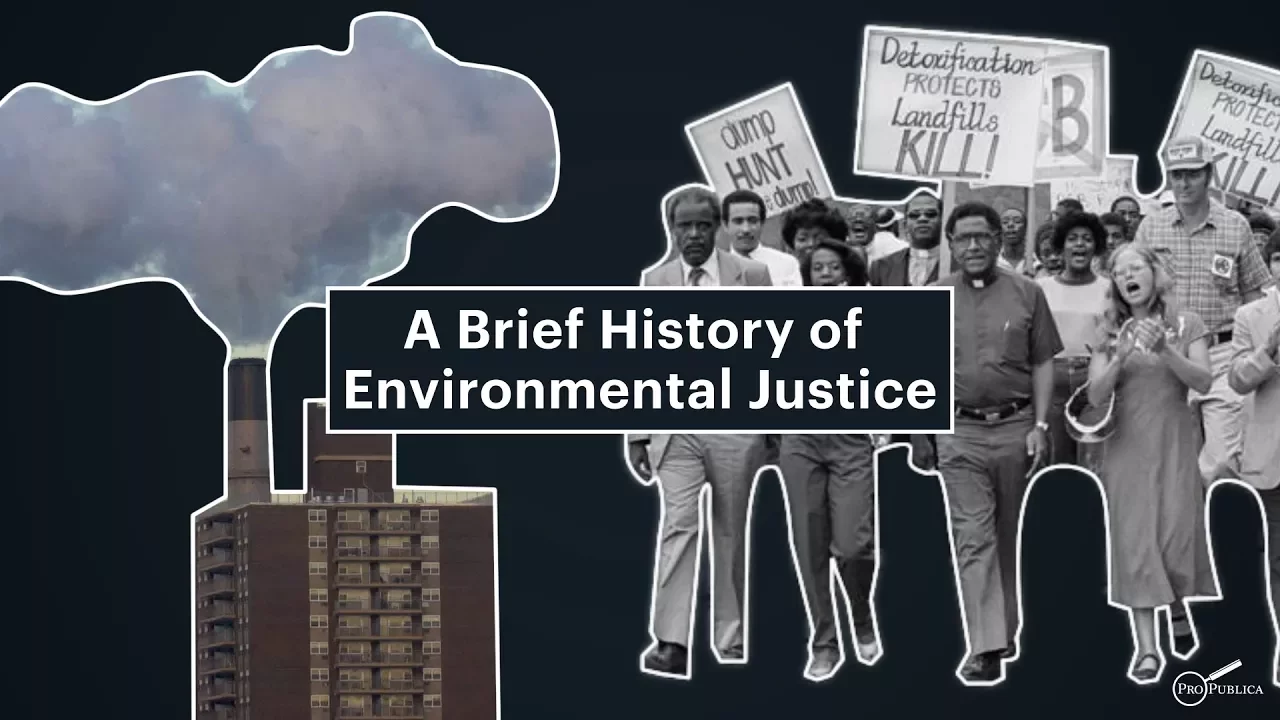
- Why this video: A concise primer documenting the historical origin of the modern environmental justice movement, specifically focusing on the landmark 1982 protests in Warren County, North Carolina, where a marginalized Black community organized mass civil disobedience against a toxic PCB landfill.
- Knowledge Checkpoint:
- Identify the geographical location and year of the protest widely considered the birth of the modern environmental justice movement.
- Explain why Warren County, North Carolina, was selected by state authorities for the dumping of soil contaminated with PCBs (polychlorinated biphenyls).
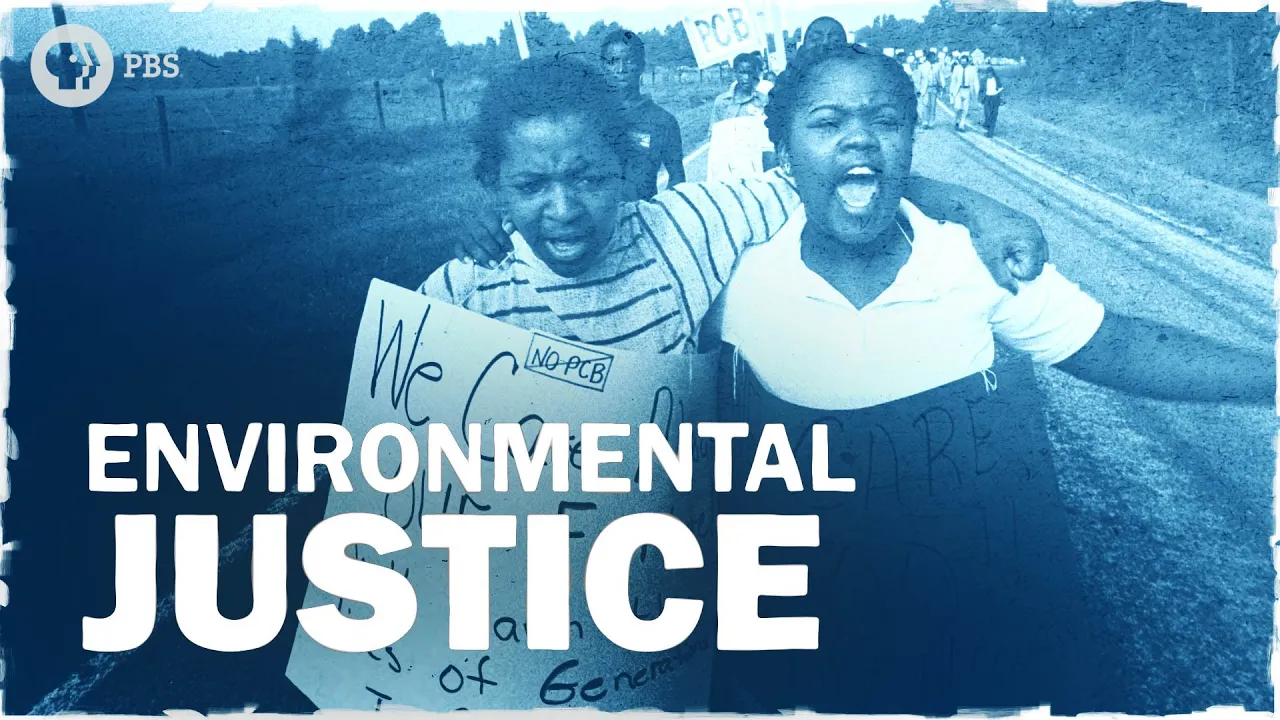
- Why this video: This segment connects the historical domestic struggles of civil rights-era environmentalism directly to the contemporary climate crisis, illustrating how structural climate change disproportionately impacts marginalized populations first and worst.
- Knowledge Checkpoint:
- Trace the line of development from the 1982 Warren County protests to modern global climate justice frameworks.
- Explain why climate change is fundamentally characterized as an "anti-justice" or regressive phenomenon.
Module 2: Structural Drivers of Environmental Racism
This module analyzes how systemic racism and discriminatory policies—such as historical redlining, zoning ordinances, and unequal enforcement of environmental regulations—systematically place hazardous waste facilities, landfills, and chemical plants near communities of color, creating high-risk "sacrifice zones."
Recommended Videos
- Why this video: This highly visible educational explainer introduces the concept of "sacrifice zones"—geographic areas where government policy and industrial practices concentrate heavy polluters, explicitly accepting ongoing biological and environmental harm to local residents in exchange for broader economic development.
- Knowledge Checkpoint:
- Define the term "sacrifice zone" and provide a prominent U.S. geographic example.
- Describe how municipal and state policy instruments allow industrial facilities to cluster in specific residential communities.

- Why this video: This video provides a devastating, real-world look at the human cost of environmental racism in Reserve, Louisiana—a town situated in the heart of "Cancer Alley." This predominantly Black community faces cancer risks 50 times the national average due to toxic chloroprene emissions from local chemical plants.
- Knowledge Checkpoint:
- Describe the geographical bounds of "Cancer Alley" in Louisiana and explain why it became concentrated with chemical plants.
- Explain the specific public health impacts of chloroprene emissions on the residents of Reserve, Louisiana.
- Analyze why local environmental regulatory agencies failed to protect residents from toxic industrial emissions.
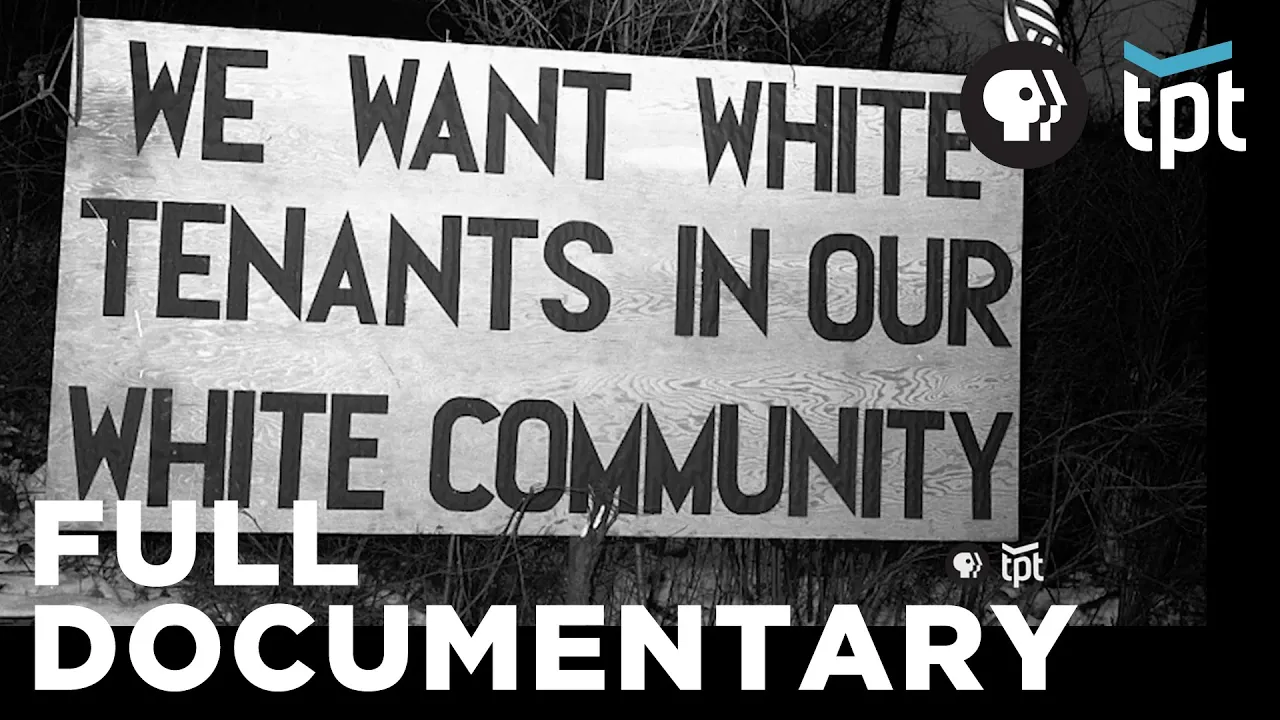
- Why this video: An exploration of how systemic housing policy laid the geographic blueprint for modern environmental racism. It explains how the Federal Housing Administration (FHA) created color-coded maps that systematically denied mortgage insurance and investments to Black neighborhoods.
- Knowledge Checkpoint:
- Explain how the Federal Housing Administration’s color-coded grading system worked, specifically the significance of "red" zoning.
- Discuss how historical redlining prevented intergenerational wealth accumulation among Black families.
- Detail the spatial connection between historical redlining maps and modern industrial zoning.
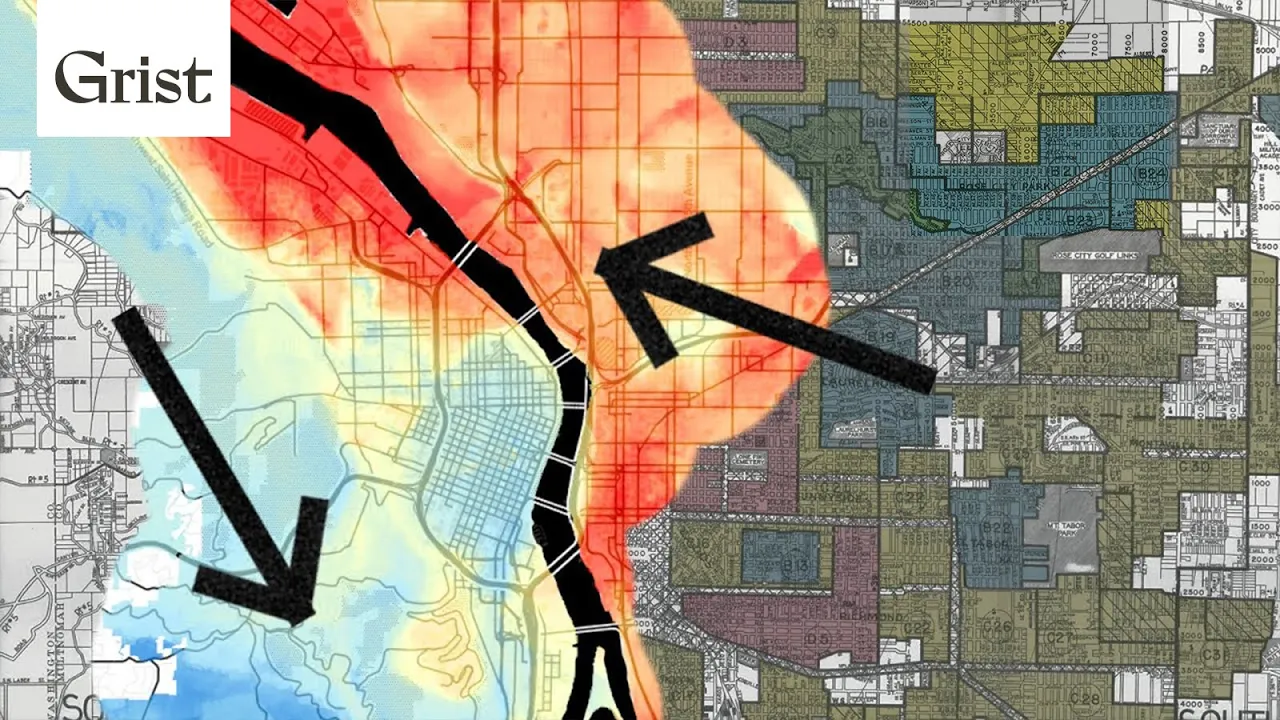
- Why this video: This video directly bridges historical housing discrimination and contemporary climate hazards. It demonstrates how redlined neighborhoods, due to a lack of green infrastructure and tree cover combined with concrete-heavy development, suffer from extreme urban heat island effects.
- Knowledge Checkpoint:
- Explain the physical mechanism of the "urban heat island effect" and how it manifests in urban spaces.
- Describe how 1930s federal housing policies directly correlate with modern temperature differentials between neighborhoods in the same city.
- Identify the structural factors (e.g., pavement, lack of tree canopy) that cause redlined neighborhoods to be significantly hotter during heatwaves.
Module 3: Global Waste Flows and Ecological Imperialism
This module examines how wealthy industrial nations externalize their environmental footprints by exploiting the ecosystems of the Global South. Through neocolonial trade arrangements, resource extraction, and the export of toxic electronic waste (e-waste), the Global North maintains high consumption rates while shifting the toxic burdens to developing countries.
Recommended Videos

- Why this video: This investigative documentary provides an in-depth look at how Malaysia and Thailand have become primary dumping grounds for the Global North's toxic electronic waste, exposing the illicit waste trade networks and the severe environmental health crises suffered by local communities.
- Knowledge Checkpoint:
- Explain why Southeast Asian nations became major destinations for Western e-waste, especially in the wake of China's waste import bans.
- Identify the toxic chemicals and heavy metals released during crude, informal e-waste processing and recycling operations.
- Analyze how international treaties (such as the Basel Convention) are bypassed by illegal e-waste exporters.
- Why this video: This investigative piece focuses on Agbogbloshie, Ghana, once one of the world's largest informal e-waste dumps, highlighting the stark political imbalance where local waste pickers process the discarded consumer technology of developed nations under extremely hazardous conditions.
- Knowledge Checkpoint:
- Describe the daily socio-economic and health realities of the waste workers at informal dumping grounds like Agbogbloshie.
- Discuss the ethical and geopolitical responsibilities of developed countries that export obsolete consumer electronics under the guise of "donations" or "second-hand goods."
- Why this video: This documentary outlines the sheer scale of the global e-waste challenge (reaching 57 million tons annually) and contrasts toxic, informal dumping practices with safe, circular-economy recycling systems.
- Knowledge Checkpoint:
- Contrast the environmental impact of informal open-air burning of electronics with closed-loop industrial e-waste recycling.
- Explain how the concept of a circular economy could reduce the exploitation of natural resources in the Global South.

- Why this video: This essay provides a solid theoretical analysis of ecological imperialism, dividing the globe into an "imperial core" (capital-rich nations) and an "imperial periphery" (resource-rich but exploited nations), demonstrating how global capitalism depends on this unequal ecological exchange.
- Knowledge Checkpoint:
- Define "ecological imperialism" and "unequal ecological exchange" within a global capitalist framework.
- Explain how the imperial core externalizes its resource extraction and environmental degradation onto the imperial periphery.
Module 4: The Global Climate Justice Movement
This module explores the global grassroots movements, indigenous resistances, and international policy frameworks aiming to achieve climate reparations, climate funds, and sustainable futures. Special focus is given to the uneven global responsibilities for greenhouse gas emissions and the fight for formal "Loss and Damage" mechanisms.
Recommended Videos
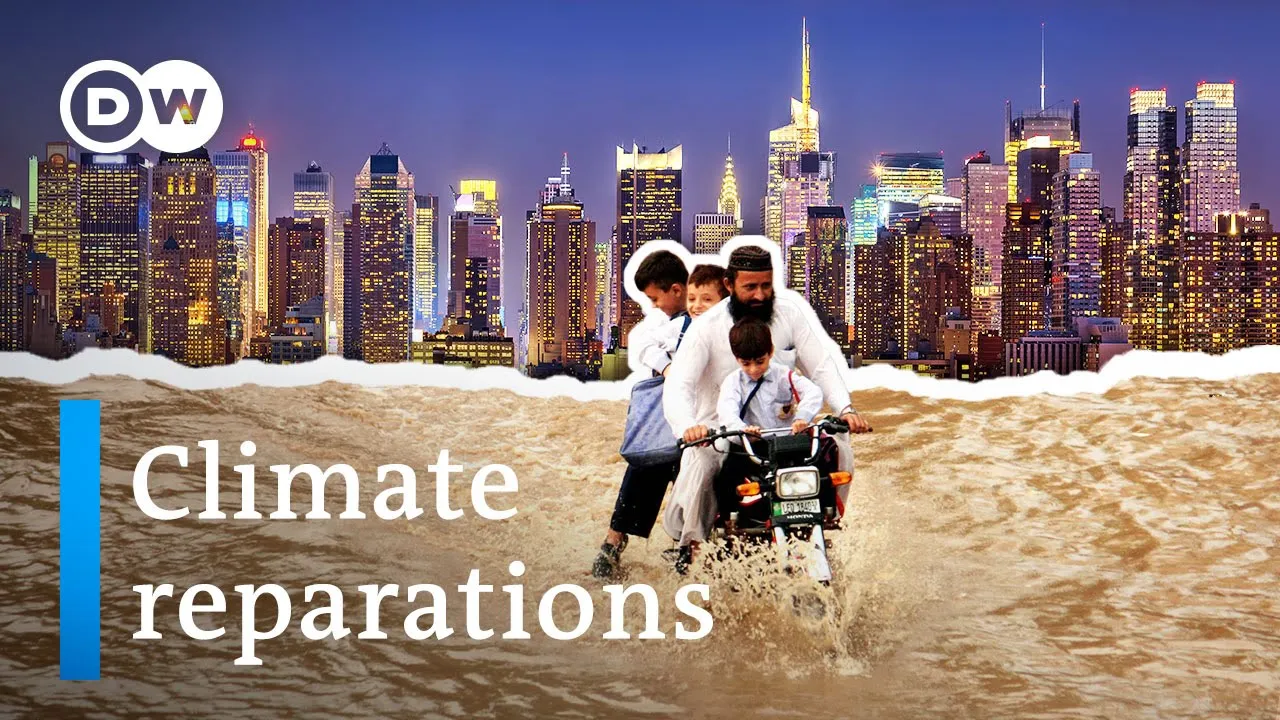
- Why this video: This highly visual, educational video explicitly defines and analyzes "climate reparations" and international climate finance. It reviews how historical emissions from wealthy nations have caused severe damage to developing countries, leading to the landmark establishment of the "Loss and Damage" fund at COP27.
- Knowledge Checkpoint:
- Explain the ethical and structural justification for climate reparations.
- Define the "Loss and Damage" fund established at COP27 and explain how it differs from traditional adaptation or mitigation funding.
- Analyze why wealthy nations (like the U.S. and EU) historically resisted legally binding climate reparation frameworks.

- Why this video: This talk explores the stark real-world impacts of climate injustice using Pakistan's devastating 2022 floods as a primary case study. Yusuf argues for a complete overhaul of the global financial architecture and a new "social contract" where historic emitters pay their fair share to highly vulnerable nations.
- Knowledge Checkpoint:
- Describe the physical and economic scale of the 2022 Pakistan floods and connect them to global greenhouse gas dynamics.
- Explain how climate vulnerability is compounded by high sovereign debt in the Global South.
- Detail the structural components of Yusuf's proposed "New Social Contract" for global climate finance.
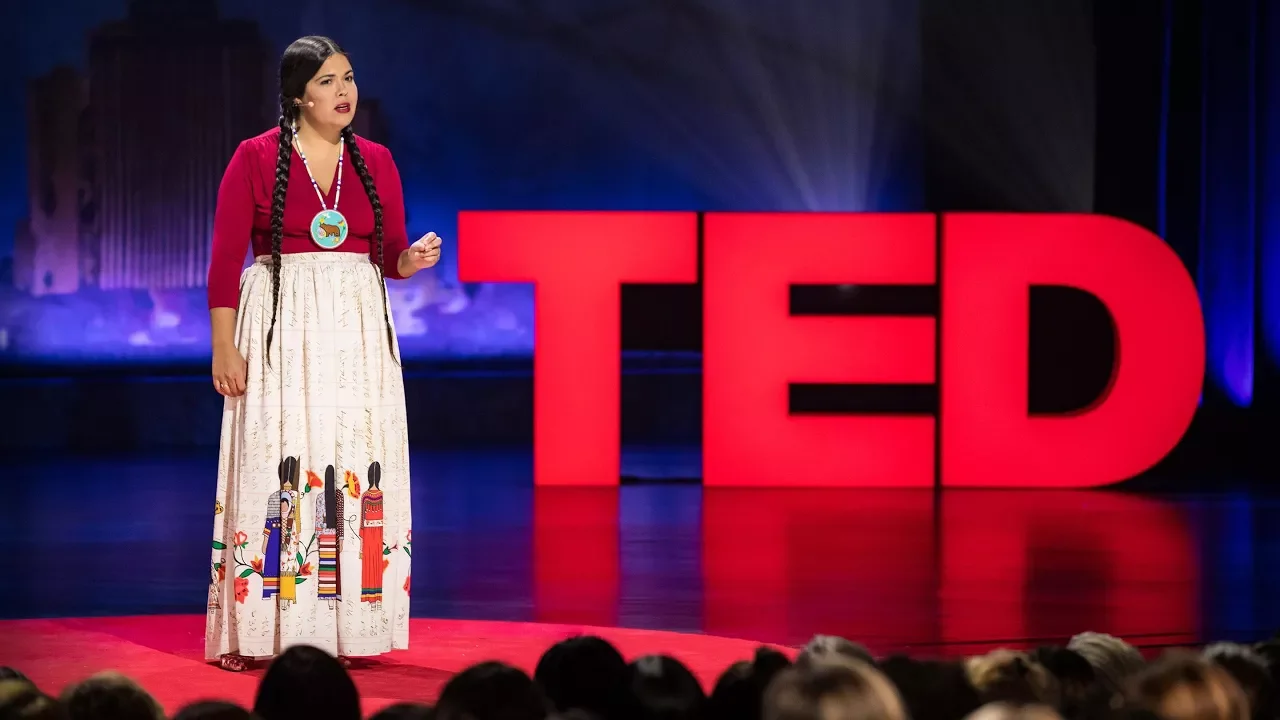
- Why this video: An essential look at indigenous environmental resistance. Attorney and activist Tara Houska recounts the Standing Rock Sioux Tribe's struggle against the Dakota Access Pipeline, demonstrating how indigenous communities serve as frontline defenders of ancestral lands and water resources.
- Knowledge Checkpoint:
- Explain the primary environmental and cultural arguments of the Standing Rock Sioux Tribe against the Dakota Access Pipeline.
- Discuss how treaty violations and lack of "free, prior, and informed consent" are key drivers of environmental injustice against indigenous peoples.
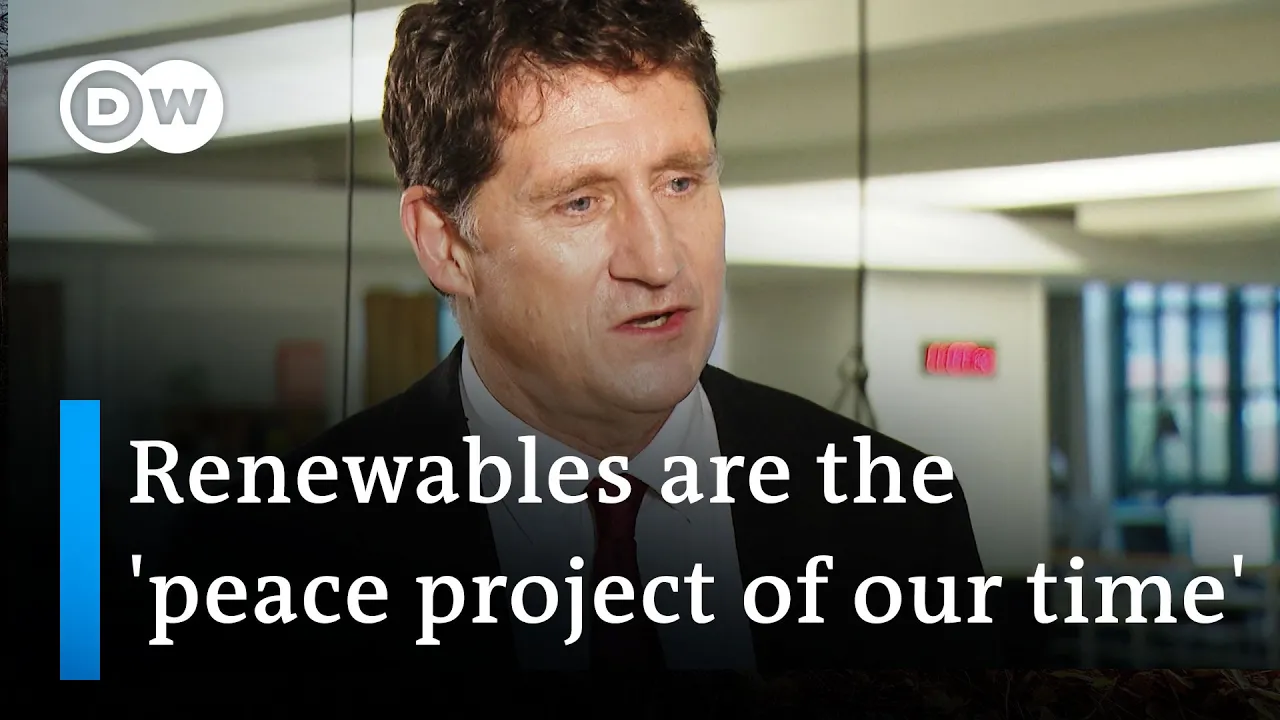
- Why this video: This diplomatic and political interview provides a perspective on how European states negotiate the practical, financial, and administrative operations of global climate funds, detailing the tension between moral debt and geopolitical pushback.
- Knowledge Checkpoint:
- Describe the institutional hurdles in deploying money from the Loss and Damage fund to directly aid affected communities.
- Explain the perspective of reformist policy-makers inside European institutions regarding the scale of funding required for climate adaptation in the Global South.
Course Map
Key People Index
- Tara Houska (Module 4): Couchiching First Nation tribal attorney, land defender, and founder of the Giniw Collective. She was an active organizer of the Standing Rock encampments against the Dakota Access Pipeline and continues to advocate for indigenous rights and climate action.
- Huma Yusuf (Module 4): Renowned political analyst, columnist, and global policy expert. Her work analyzes environmental vulnerability, economic debt crises, and public infrastructure, particularly focusing on climate-driven disasters in South Asia.
- Dr. Ruth Etzel (Module 2): Renowned pediatrician and preventive medicine specialist. She is a pioneer in environmental epidemiology, focusing on children's environmental health and exposing the structural policy decisions that place toxic hazards near marginalized neighborhoods.
Final Self-Assessment
Complete this comprehensive self-assessment to verify your mastery of the curriculum material.
- Environmental Justice Definition: I can distinguish between the traditional focus of conservationism (protecting untouched nature) and the human-centric focus of environmental justice (protecting the spaces where humans live, work, and play).
- Historical Milestones: I can explain the historical significance of the 1982 Warren County protests and how they catalyzed the institutionalization of EJ in the United States.
- Redlining & Urban Heat: I can detail the precise policy mechanisms of historical redlining (FHA mapping from the 1930s) and describe how they physically manifest as modern urban heat island disparities.
- Sacrifice Zones & Cancer Alley: I can define a "sacrifice zone" and explain the structural, political, and environmental factors that created the public health crisis in Louisiana’s "Cancer Alley."
- Ecological Imperialism: I can explain how the global waste trade allows capital-rich countries of the "imperial core" to externalize toxic waste disposal onto countries of the "imperial periphery."
- E-Waste Flow Dynamics: I can map the physical path of discarded electronics from consumers in the Global North to processing sites in Southeast Asia or West Africa, identifying the toxic impacts of informal processing.
- Climate Reparations: I can articulate the ethical and physical justifications for why wealthy, historically industrial nations owe climate reparations to developing countries.
- Loss & Damage Fund: I can explain the administrative and diplomatic purpose of the "Loss and Damage" fund established at COP27 and identify the key geopolitical challenges to its funding and deployment.
- Indigenous Sovereignty: I can identify how violations of native land rights, historic treaties, and the principle of "free, prior, and informed consent" lead to disproportionate environmental and health burdens on indigenous populations.