Costume Semiotics: Moral Arc & Social Mobility
Learning Goal: Analyze the semiotic shifts in costume design and fabric textures in character-driven dramas to trace a protagonist's moral degradation or social mobility.
- Prerequisites: Introduction to basic narrative structure (recommended but not required).
- Estimated Study Time: 18 Hours
Module 1: Foundations of Film Semiotics and Costume Design
This module establishes the foundational vocabulary of film semiotics. You will explore how film operates as a system of signs, utilizing the classic theories of Ferdinand de Saussure, Charles Sanders Peirce, Christian Metz, and Peter Wollen. By looking at costume design as a non-verbal narrative code, you will learn how garments function as signifiers of class, power, psychological state, and narrative transition.
Recommended Videos

This academic overview introduces Christian Metz’s film semiotics and Peter Wollen’s structuralist theories. It outlines how the screen serves as a text where visual signs are decoded, establishing the theoretical framework necessary for treating costumes not just as clothing, but as semiotic systems.

This video breaks down Charles Sanders Peirce's three-part taxonomy of signs: Icons (which physically resemble what they represent), Indexes (which show evidence of what they represent), and Symbols (which rely on cultural conventions). Learning this distinction is crucial to evaluating how a costume can index a character's physical state or symbolize their moral standing.

Grounding theoretical semiotics into the practice of costuming, this analysis references fashion psychology to demonstrate how costumes act as a silent language. It illustrates how poor costume choices break immersion, while successful designs convey character identity, emotional state, and core values without a single line of dialogue.
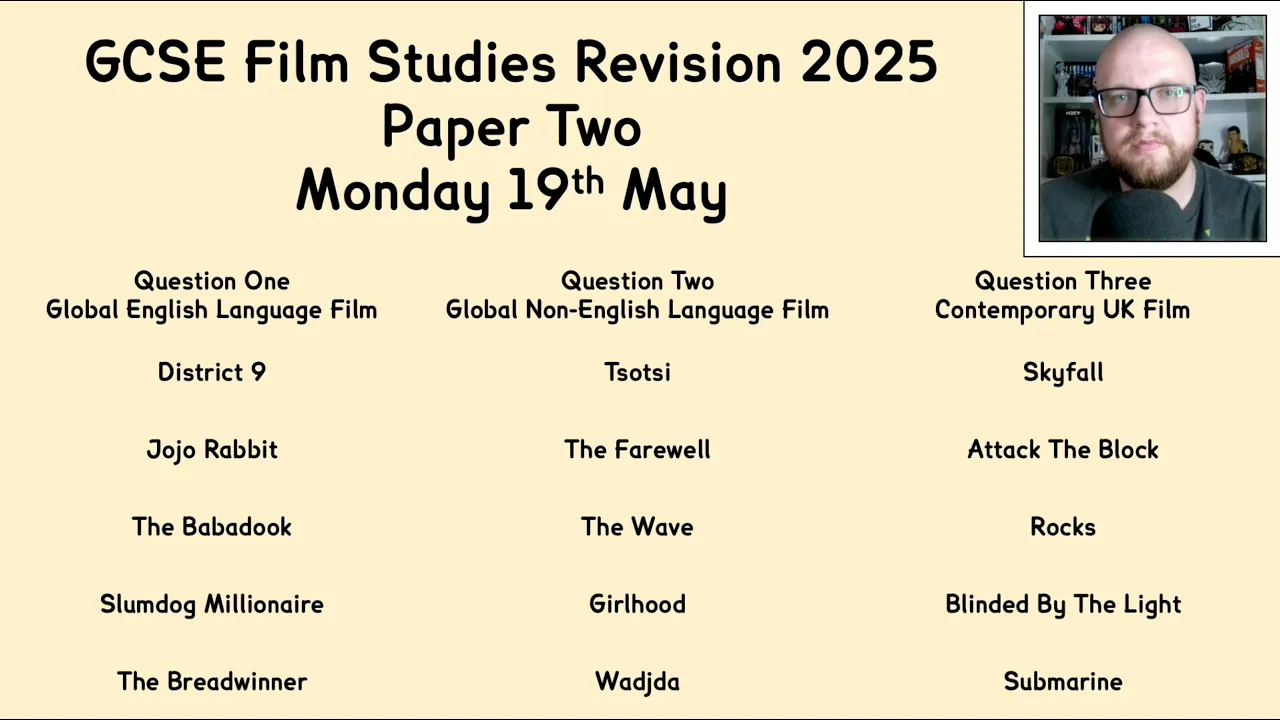
This revision guide provides an analytical framework for reading film costumes. It introduces key prompt questions regarding color, style, context, social status, and professional identifiers, offering a direct, step-by-step methodology for breaking down on-screen apparel.
Module 1 Knowledge Checkpoint
- Explain the difference between an iconic, indexical, and symbolic sign using costume examples.
- Detail how Christian Metz's film semiotics framework applies to visual mise-en-scène codes like costuming.
- Identify at least three distinct non-verbal messages a character's clothing choices can transmit to an audience about their psychological or financial background.
Module 2: Color Theory and Visual Evolution in Character Arcs
In this module, you will analyze how color palettes in costume design signal psychological transitions, corruption, or environmental adaptation. Color serves as a highly visible semiotic shorthand; tracking changes in a protagonist’s color profile throughout a narrative allows us to chart their gradual moral descent or rise in status.
Recommended Videos

An essential video essay for color-arc analysis. It breaks down the rigorous, deliberate color matrix established by Vince Gilligan for Breaking Bad, demonstrating how Walter White’s shift from soft, impotent beiges and greens to deep greens, dark reds, and finally Heisenburg black reflects his psychological corruption and embrace of power.

Go behind the scenes with showrunner Vince Gilligan to understand the production process behind color semiotics. Gilligan explains the significance of "palette meetings," where costume designers, production designers, and directors coordinate costume colors to map out character arcs ahead of shooting.

This bite-sized breakdown of Poor Things shows how color serves as a direct psychological metaphor. It highlights how Victoria Blessington’s rigid, monochromatic blue ensemble visually communicates her deep depression, feeling of confinement, and social paralysis under patriarchal expectations.
Module 2 Knowledge Checkpoint
- Define the term "palette meeting" and explain its role in unifying production design and costume design.
- Detail the trajectory of Walter White's color shift in Breaking Bad, identifying the emotional/moral turning point represented by each color phase.
- Analyze how a single-hued costume (such as Victoria's blue ensemble in Poor Things) can project internal psychological entrapment.
Module 3: Fabric Textures, Weight, and Materiality
Often overlooked, the tactile qualities of a costume—its fabric texture, weight, stiffness, and drape—are powerful drivers of class coding and psychological projection. This module examines how costume designers select materials (from soft chiffons and lace to heavy, structured synthetics or wools) to build visual depth and signal internal changes.
Review Note: Because video essays rarely analyze fabric textures in total isolation, the lessons here link textile selection to character psychology, historical realism, and physical performance constraints.
Recommended Videos
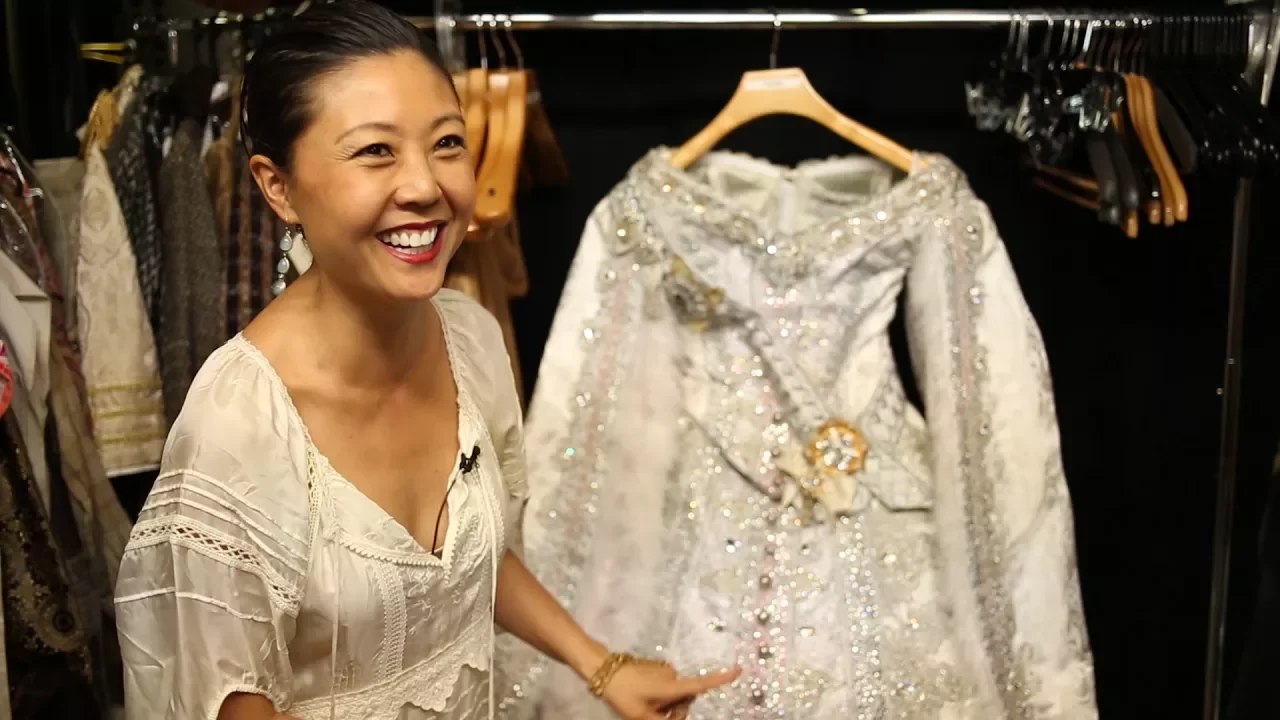
Costume designer Linda Cho explains how layering different fabrics (e.g., placing sheer chiffon over highly reflective, sparkling base layers) creates visual depth and richness under lighting. This technique teaches us how light interacts with textile surfaces to project a character's inner complexity.
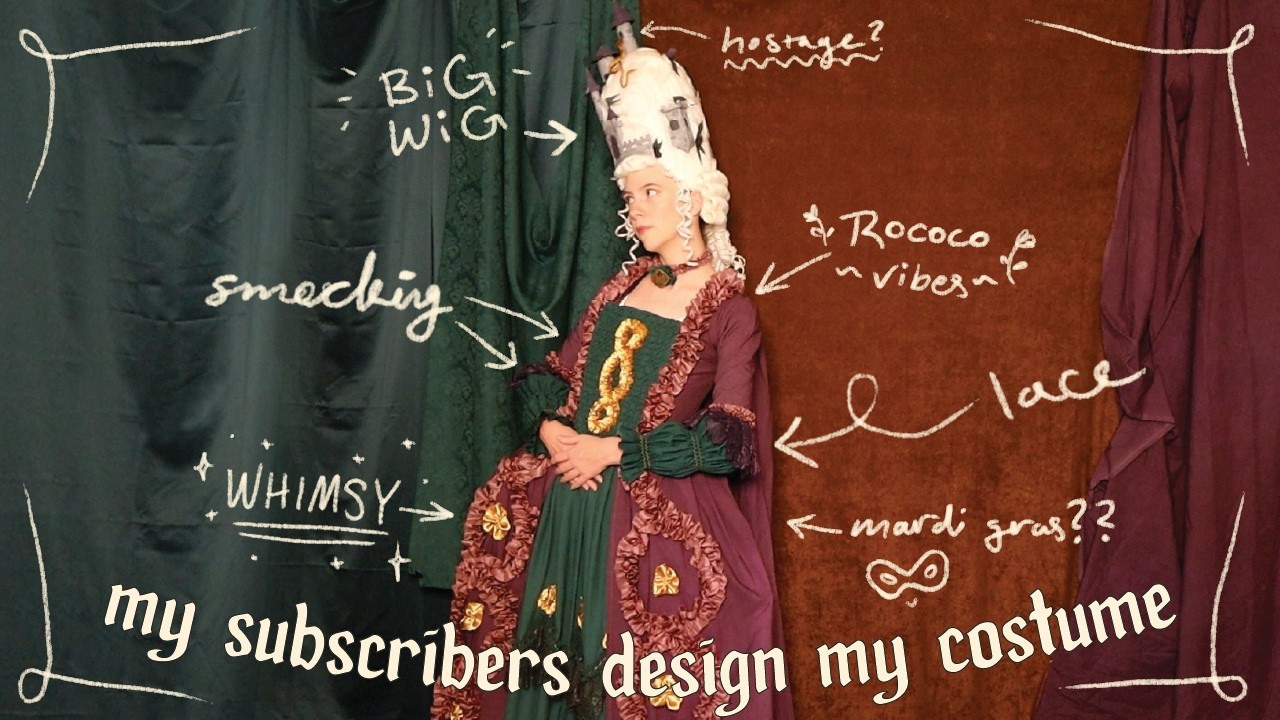
This video explores how texture choices—specifically lace—fundamentally dictate the weight, shadow, and silhouette of a costume. You will see how selecting specific open-work or dense fabrics shapes the viewer’s perception of a character's vulnerability or refinement.
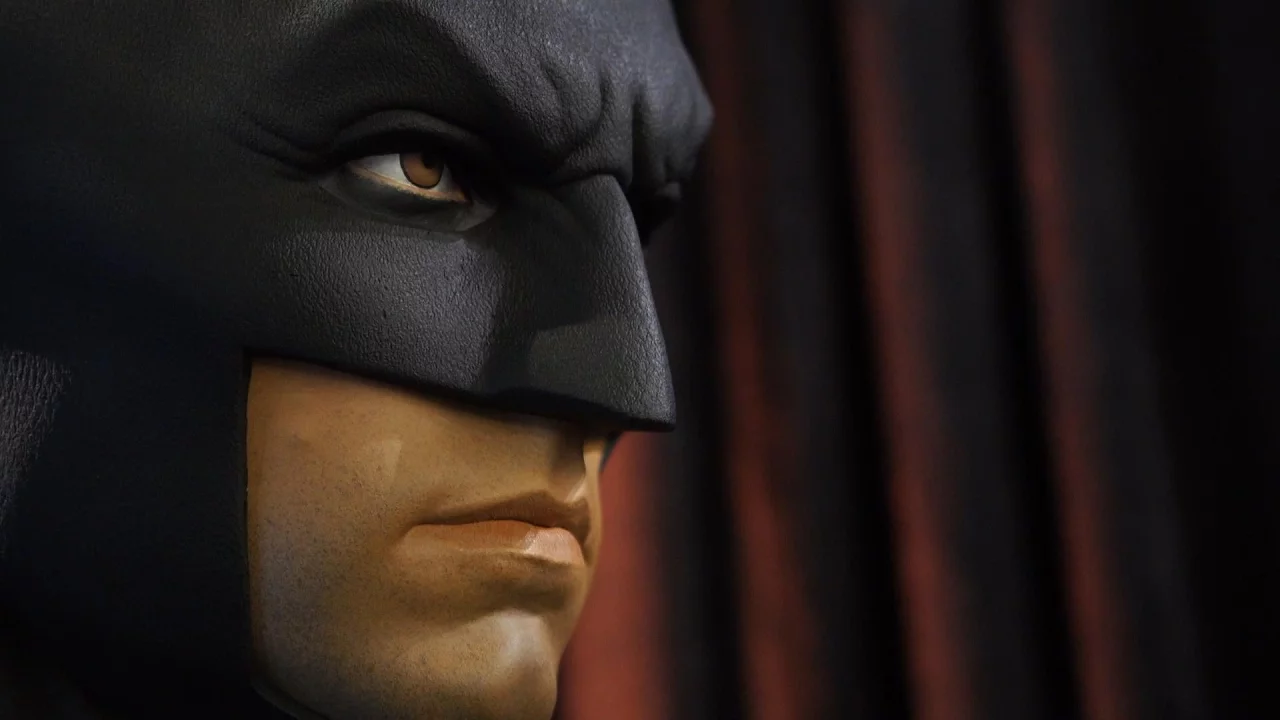
This industry look highlights how advancements in fabric technology—shifting from non-stretch woven fabrics to proprietary, synthetic silk-screens—have altered what a costume can express. It explores how fabric weight and stretch dictate both character movement and the physical silhouette on camera.
This breakdown explains the balance of textures. It demonstrates how designers use flat, matte fabrics to build a stable visual base while reserving shiny, reflective, or plasticized materials for areas they want to emphasize, teaching you how to analyze high-contrast textile choices on screen.
Module 3 Knowledge Checkpoint
- Explain how layering sheer and reflective fabrics creates "visual depth" under cinematic lighting.
- Contrast how a stiff, non-stretch woven fabric and a fluid, synthetic knit communicate different levels of constraint or freedom for a character.
- Detail the visual storytelling benefits of balancing matte and shiny textures within a single outfit.
Module 4: Dressing for Class: Costumes and Social Mobility
This module deconstructs how characters use clothing to signal wealth, hide their origins, or assimilate into elite environments. You will study how "quiet luxury" uses plain, unbranded, high-quality garments to gatekeep status, and how poorly fitted clothes index a character's status as a struggling social climber.
Recommended Videos
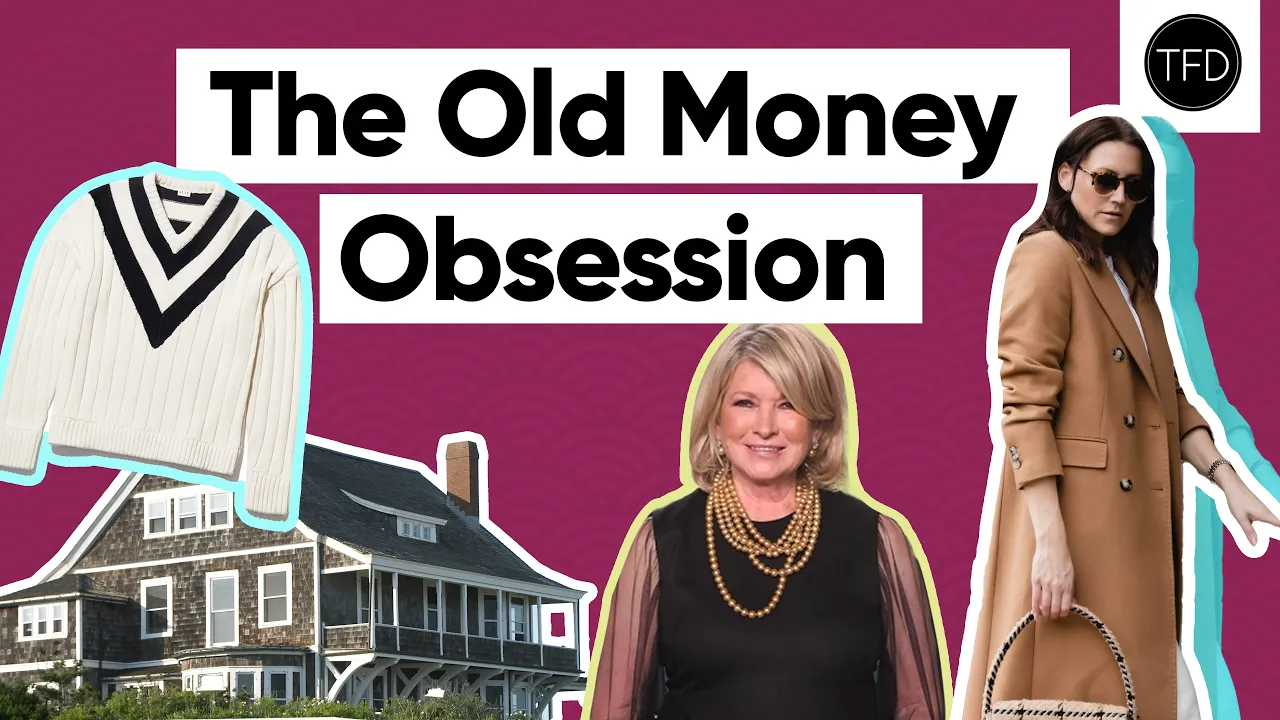
This analysis of the Pierce family from Succession explains how "old money" style communicates wealth through subtle, unbranded, and slightly weathered textures (worn sofas, chintz, plain alpaca knits). It teaches us how upper-class status often avoids overt luxury brands in favor of understated, lived-in privilege.

This trend review details how Succession's Roy family wardrobe (designed using high-end pieces from Tom Ford, Zegna, and Ralph Lauren) popularized the "quiet luxury" aesthetic. It breaks down how tailored lines and neutral tones denote corporate power and exclusion.
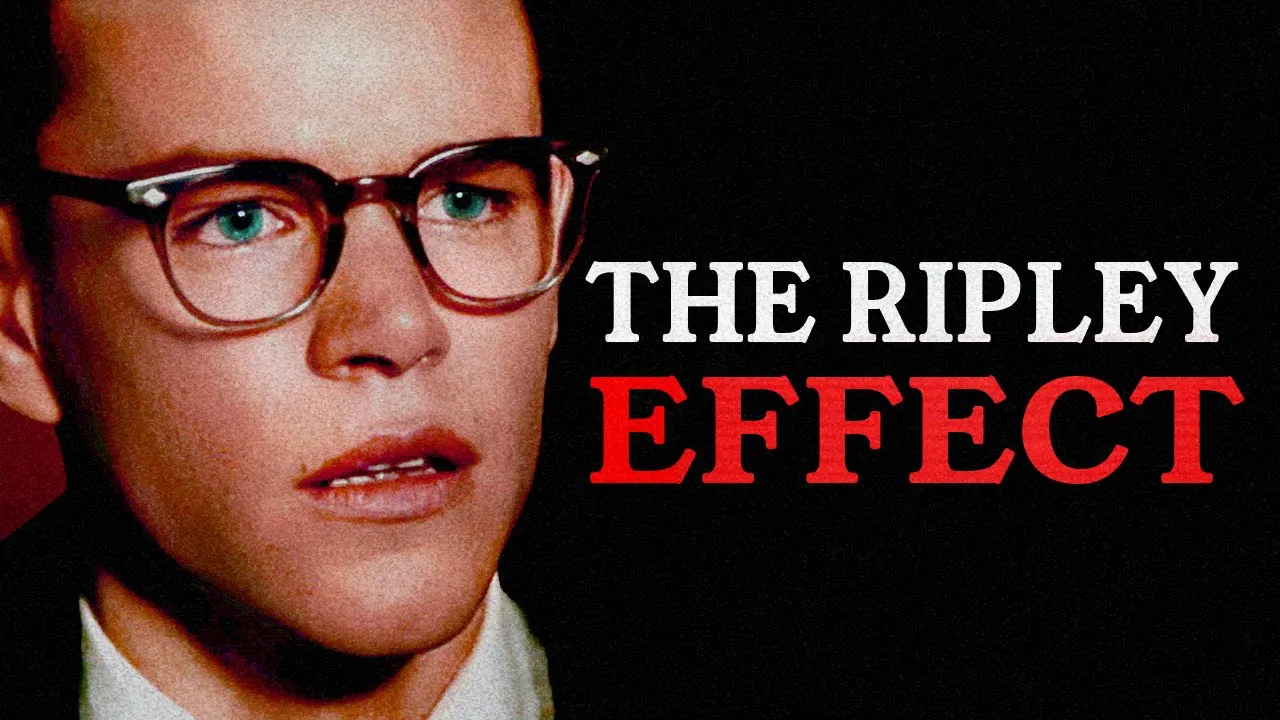
A crucial study in fit as a class signifier. Costume designer Sandy Powell deliberately designed Tom Ripley's clothes in The Talented Mr. Ripley to fit poorly, creating a jarring visual contrast. This choice exposes his lower-class background and emphasizes his status as an awkward social climber.
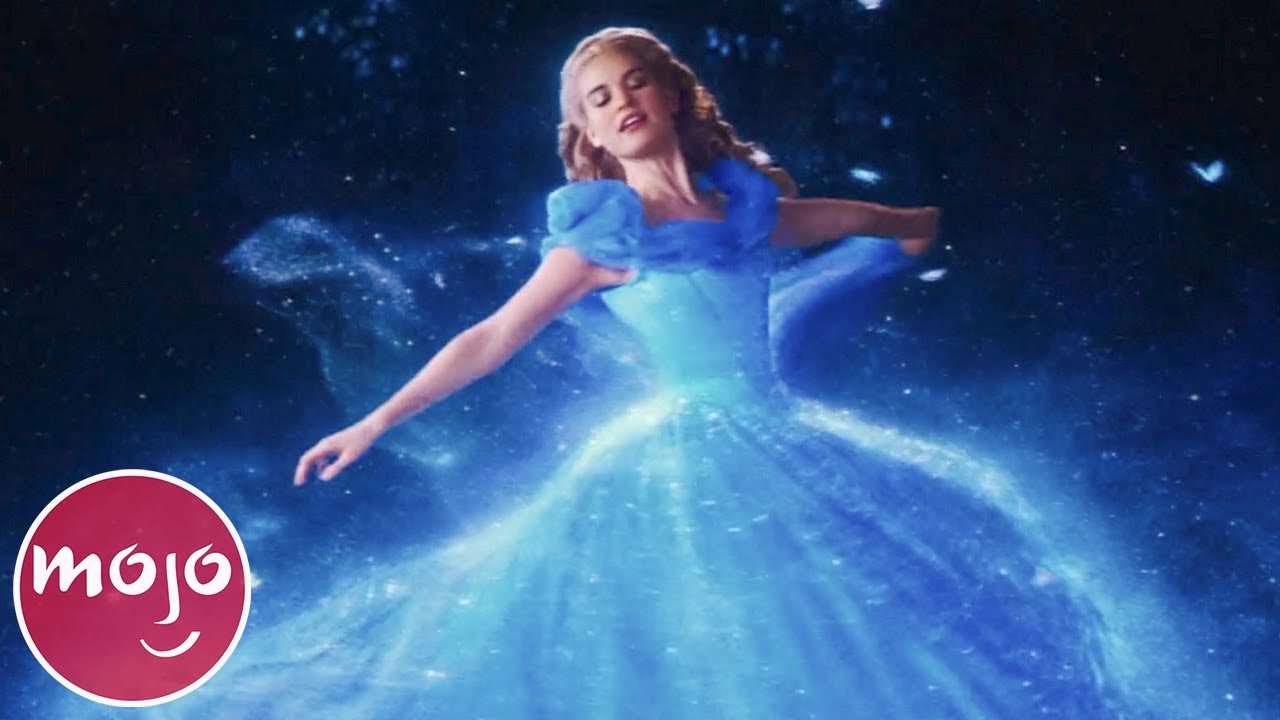
Focusing on the cinematic "reveal," this compilation explores how dramatic changes in wardrobe serve as visual markers of upward social mobility. It breaks down Eliza Doolittle's transition in My Fair Lady from a flower girl to an aristocrat, showing how a single costume shift can symbolize a complete change in social class.
Module 4 Knowledge Checkpoint
- Define "quiet luxury" and identify the visual codes used to distinguish it from "new money" fashion.
- Explain how intentional tailoring mistakes (like those used for Tom Ripley) communicate social class.
- Analyze the narrative function of a "dress reveal" sequence in illustrating a protagonist's upward social mobility.
Module 5: Threads of Corruption: Costuming Moral Degradation
This module explores how a character's ethical decline, descent into criminality, or loss of innocence is charted through their clothes. By examining structural distortions, synthetic substitutes, and a progressive darkening of garments, you will learn to trace a protagonist's moral decay.
Recommended Videos

This quick fact compilation highlights a key costuming detail: Walter White’s wardrobe gets progressively darker as his morality degrades across five seasons, shifting from light beige and white underwear to deep charcoal and black.

This video explores how Anakin Skywalker's choice of dark robes and structured, synthetic leather tunics diverged from traditional light Jedi textiles. It explains how these synthetic, dark choices visually foreshadowed his loss of humanity and transition into Darth Vader.

This animated breakdown traces Anakin's complete visual transformation. It contrasts his soft, natural slave rags on Tatooine with his structured Jedi attire, dark synthetic leather, and the rigid armor of Darth Vader, showing how physical and moral decay are directly mapped onto a character's silhouette.
Module 5 Knowledge Checkpoint
- How does a gradual darkening of a character's color scheme (such as Walter White's wardrobe) visually map their internal moral decline?
- Explain the semiotic significance of swapping natural textiles (like linen/wool) for rigid, artificial synthetics (such as synthetic leather) during a character's descent into corruption.
- Describe how Anakin Skywalker's changing silhouette across the prequels and original trilogy reflects his loss of physical and moral humanity.
Module 6: Advanced Semiotic Analysis of Character Dramas
In this final module, you will synthesize texture, color, and fit analysis to conduct complete semiotic readings of character-driven films. Moving beyond basic analysis, you will compare how different films use costumes to trace social climbing and psychological shifts.
Recommended Videos

This comparison of The Talented Mr. Ripley and Saltburn serves as a masterclass in reading class dynamics. It breaks down how camera choices, lighting, and costume fit work together to tell stories of wealth, social aspiration, and identity theft.
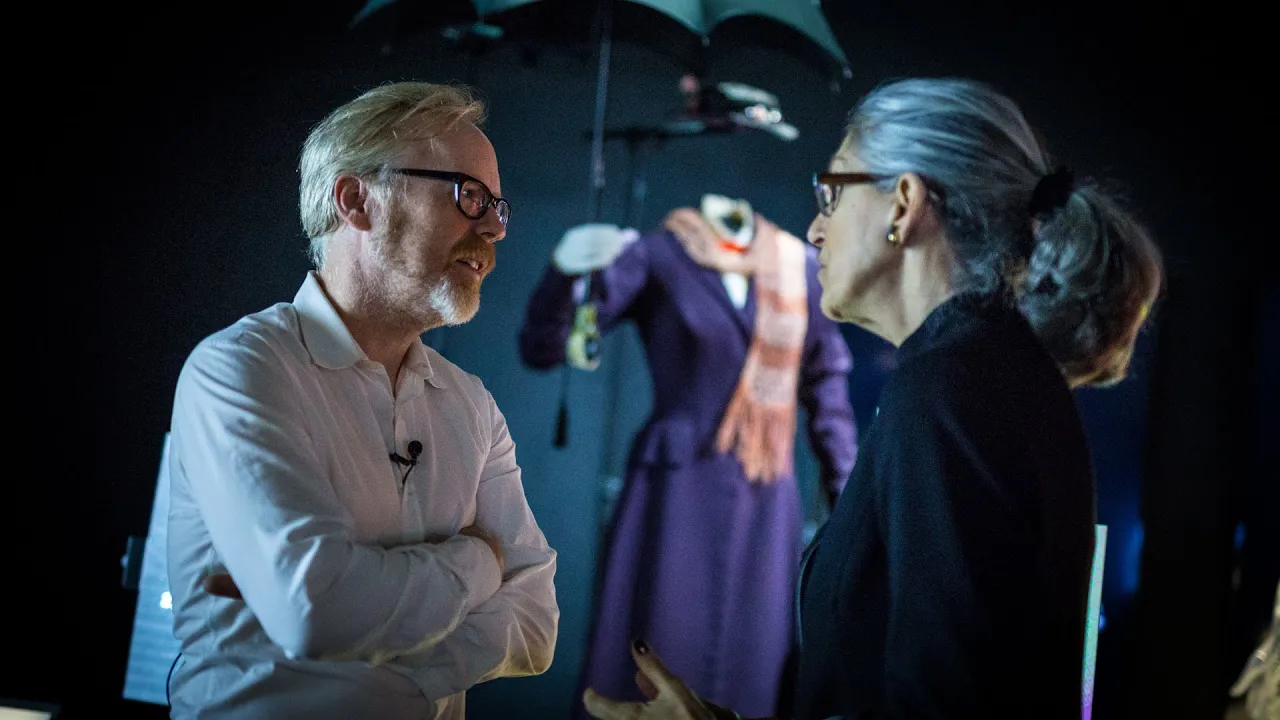
This deep dive into a world-class costume exhibition shows how designers translate a screenplay's psychological beats into real-world textiles, fit choices, and visual details. Use this video as a guide for conducting your own scene-by-scene costume analyses.
Module 6 Knowledge Checkpoint
- Compare the costuming of social climbers in The Talented Mr. Ripley and Saltburn, paying attention to how fit and styling choices reveal their outsider status.
- Explain how a costume designer translates abstract screenplay themes into physical textiles, tailoring, and color choices.
- Write a 500-word analysis of a scene from a movie of your choice, explaining how the protagonist's costume choices show their social status or moral standing.
Course Map
Key People Index
- Ferdinand de Saussure (1857–1913): Swiss linguist and key founder of semiotics. He introduced the concept of the "sign," which is split into the signifier (the form, like a red jacket) and the signified (the mental concept, like danger or rebellion).
- Charles Sanders Peirce (1839–1914): American philosopher who created the three-part system of signs: Icons (physical resemblance), Indexes (evidence-based connection, like wear or stains), and Symbols (learned cultural associations).
- Christian Metz (1931–1993): French film theorist who applied Saussurean semiotics to cinema, showing how film works as a visual language with its own structured rules.
- Peter Wollen (1930–2019): British film theorist who introduced Peirce's sign system to cinema, laying the groundwork for analyzing costumes as symbolic, indexical, and iconic systems.
- Vince Gilligan (1967–Present): Creator of Breaking Bad. Known for using strict color-coded costumes to track character morality and transformation.
- Sandy Powell (1960–Present): Three-time Oscar-winning costume designer. She designed the costumes for The Talented Mr. Ripley, famously using poorly fitting clothes to visually signal Ripley’s awkward social climbing.
Final Self-Assessment
Complete this comprehensive self-assessment to verify your mastery of costume semiotics:
- Define the Signifier and Signified: I can take any costume element (e.g., a leather jacket) and isolate its physical form (signifier) from its psychological or cultural meaning (signified).
- Apply the Pierce Taxonomy: I can identify and contrast iconic elements (e.g., a crown representing royalty), indexical elements (e.g., frayed cuffs indicating poverty or exhaustion), and symbolic elements (e.g., green clothing signifying greed) in film costume.
- Track a Color Arc: I can analyze a character's psychological transition by tracing their shifts in color palettes across a film or series.
- Deconstruct "Quiet Luxury": I can identify the specific, unbranded visual cues (fabrics, colors, fit) that communicate old-money status and distinguish them from new-money looks.
- Assess Class Suitability through Fit: I can analyze how a garment's tailoring and fit (or intentional lack thereof) communicate a character's social standing.
- Explain Texture Layering: I can explain how combining different fabric textures (matte vs. shiny, sheer vs. heavy) creates visual depth and reflects a character's inner state.
- Identify the Materiality of Evil: I can explain how replacing natural materials (cotton, wool) with dark, synthetic materials (synthetic leather, heavy plastics) represents a character's moral descent.
- Conduct a Comparative Semiotic Analysis: I can compare the costume designs of two different films to analyze how they depict social mobility and moral degradation.