Deciphering Ancient Scripts: Methods & History
Learning Goal: Analyze the methods and historical breakthroughs in deciphering ancient writing systems—such as Egyptian hieroglyphs, Cuneiform, and Mayan glyphs—and their role in reconstructing lost civilizations.
- Prerequisites: None (An introductory curiosity about history, linguistics, or archaeology is helpful).
- Estimated Total Study Time: 15 Hours
Module 1: Foundations of Writing Systems & Epigraphy
This module introduces the structural mechanics of human communication. Before exploring historical breakthroughs, you will study how writing systems evolved globally from simple accounting tallies into highly structured linguistic systems. You will learn to distinguish between logograms, phonograms, syllabaries, and alphabets, while gaining a fundamental understanding of epigraphy (the study of inscriptions) and paleography (the study of ancient handwriting).
Recommended Videos
Why this video: This animated feature serves as the perfect foundational backbone for the entire curriculum. It traces the developmental taxonomy of scripts worldwide, explaining how communication progressed from physical clay tokens to pictographs, abstract logographs, rebus writing (using visual puns to represent sounds), and eventually phonetic syllabaries and alphabets.
Why this video: This video focuses specifically on the economic impetus behind early writing in ancient Sumer around 3100 BCE. It details how temple scribes tracking commodities (like grain and livestock) transitioned from physical tokens to pressing visual representations into wet clay, laying the bedrock for cuneiform.
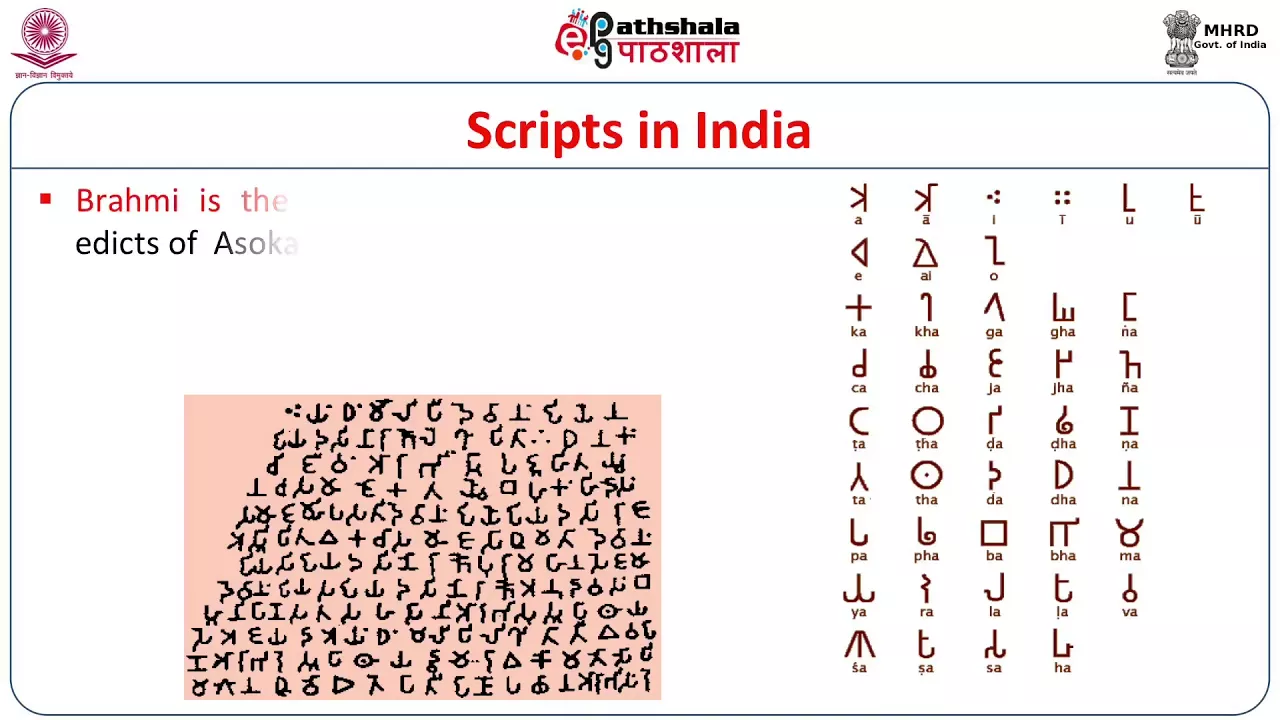
Why this video: This academic lecture provides a rigorous introduction to epigraphy as a formal scientific discipline. Using the rich landscape of Indian inscriptions on stone and copper plates, it teaches you the methodological steps of preserving, reading, and analyzing physically carved ancient media.
Knowledge Checkpoint
- Can you define the "rebus principle" and explain how it allows pictographic symbols to represent abstract grammatical sounds?
- What is the structural difference between a logographic writing system and a syllabary?
- How did physical agricultural tokens used for accounting transition into the earliest written signs in Mesopotamia?
- What are the primary responsibilities of an epigrapher when discovering a new inscription on stone?
Module 2: Egyptian Hieroglyphs and the Rosetta Stone
For over 1,500 years, the meaning of Egyptian hieroglyphs was completely lost. This module dives into the intellectual race of the 19th century. You will explore how French scholar Jean-François Champollion and English polymath Thomas Young used the trilingual Rosetta Stone to crack the code, and master the basic mechanics of how to read hieroglyphic directions, phonograms, and determinatives.
Recommended Videos
Why this video: This deep-dive documentary follows Jean-François Champollion’s lifelong obsession with decipherment, culminating in his 1822 breakthrough and subsequent 1828 expedition to Egypt. It highlights his crucial realization that hieroglyphs were simultaneously figurative, symbolic, and phonetic in the same text, a concept he proved by reading the cartouche of Ramses II at Abu Simbel.
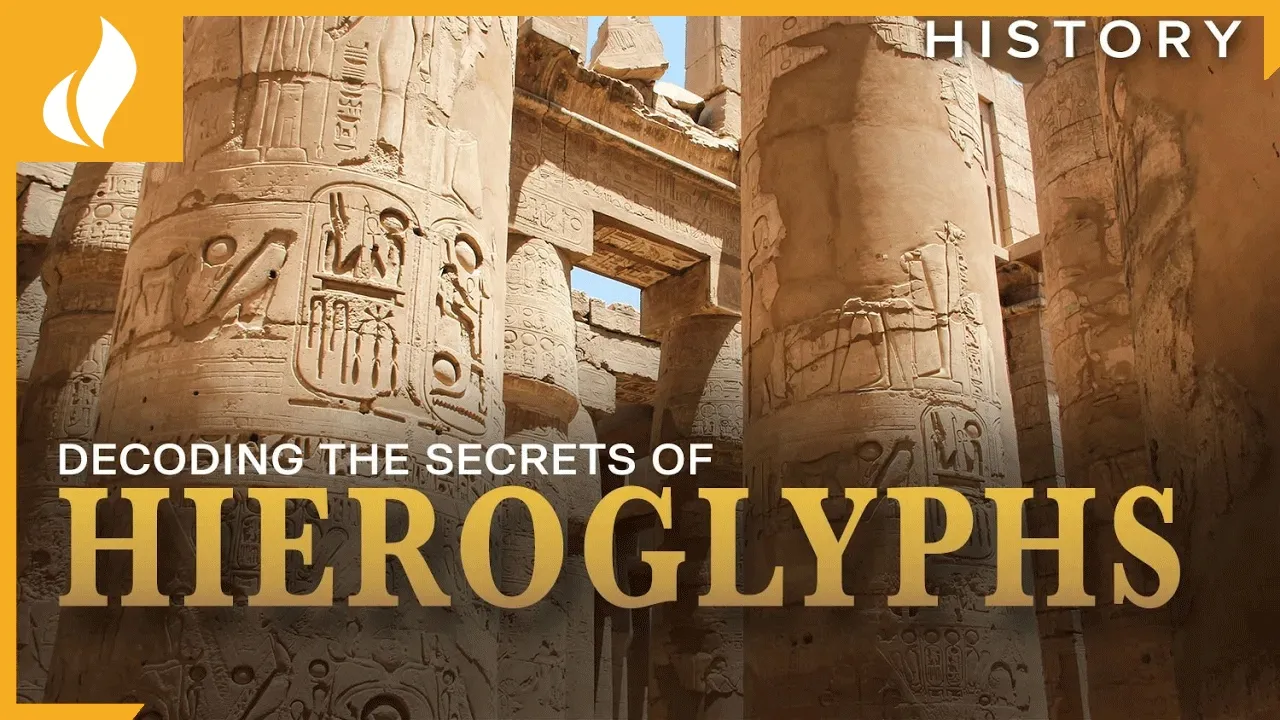
Why this video: An excellent practical classroom tutorial that breaks down the structural mechanics of the ancient Egyptian writing system. It explains how signs function in three distinct categories: phonograms (representing sounds), determinatives (unspoken markers at the end of words that clarify meaning), and ideograms (concept representations).
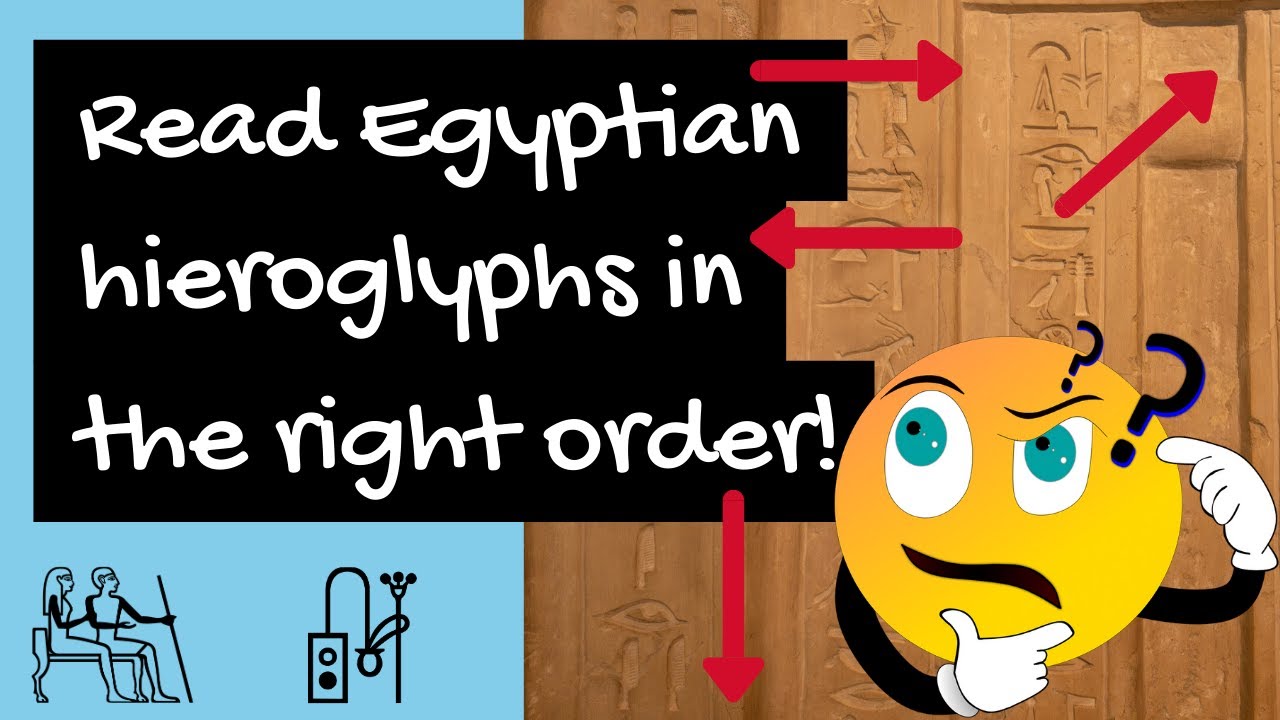
Why this video: Because hieroglyphs can be written from left-to-right, right-to-left, or vertically, this tutorial offers clear, actionable instructions on reading directionality. Scribes always oriented human and animal glyphs to face toward the beginning of the line—meaning readers must read "into the faces" of the figures.
Knowledge Checkpoint
- What three writing systems were present on the Rosetta Stone, and why was this trilingual setup critical for translation?
- How does a "determinative" glyph function in a hieroglyphic sentence, and why is it left unpronounced?
- How do you determine the correct direction to read a line of Egyptian hieroglyphs?
- Why did Champollion’s knowledge of Coptic prove to be the final master key in reading the deciphered language?
Module 3: Cuneiform and the Behistun Inscription
Cuneiform is the oldest known writing system on Earth. This module covers how scholars deciphered this complex wedge-shaped script. You will learn about Sir Henry Rawlinson's death-defying, dangerous climb up a 200-foot cliff face to transcribe the trilingual Behistun Inscription, and examine the material mechanics of Sumerian and Akkadian scribes writing on wet clay tablets.
Recommended Videos

Why this video: This clip provides the vital historical backstory of Henry Rawlinson's perilous climb up the Behistun rock face in western Iran. Cut 200 feet above the ground, this trilingual cliff relief of Persian King Darius I was the "Rosetta Stone of cuneiform," holding identical decrees in Old Persian, Elamite, and Babylonian.
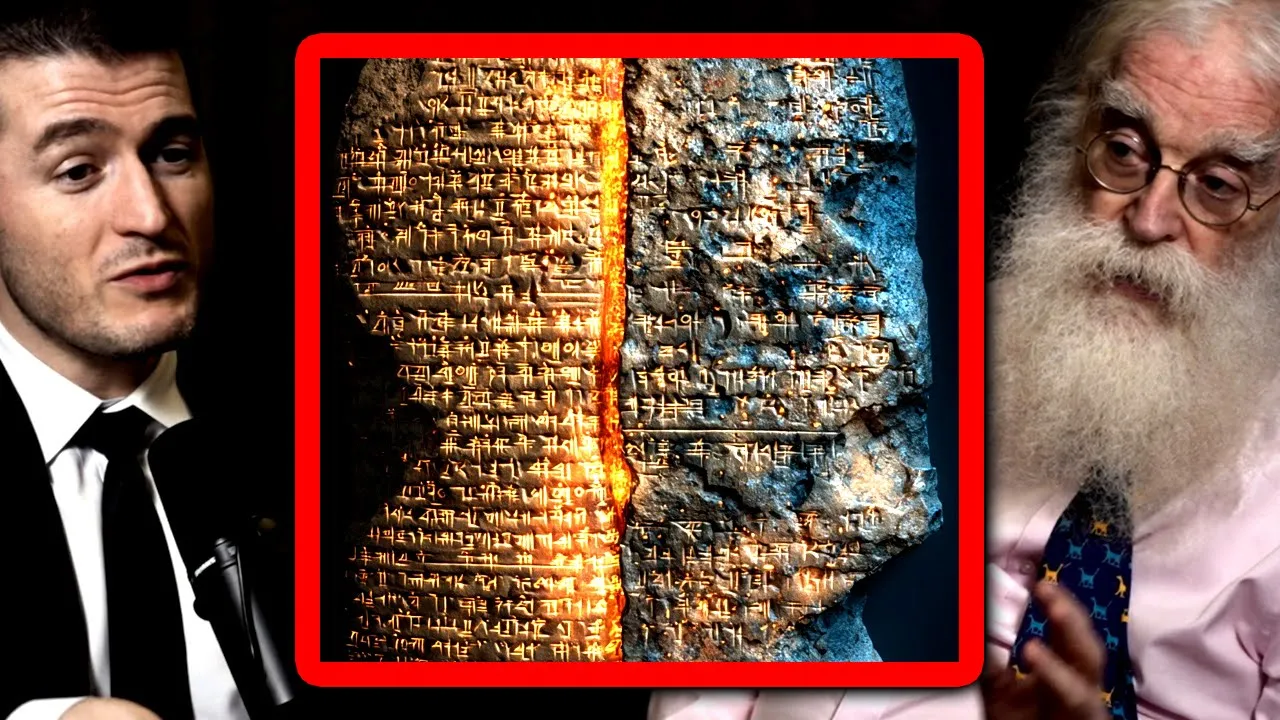
Why this video: Featuring British Museum curator Dr. Irving Finkel, this segment outlines how the Behistun inscription served as the ultimate break for translating cuneiform. Finkel explains how matching royal names across the three distinct language systems allowed Rawlinson, Edward Hincks, and others to unlock the grammar of Assyrian and Babylonian.
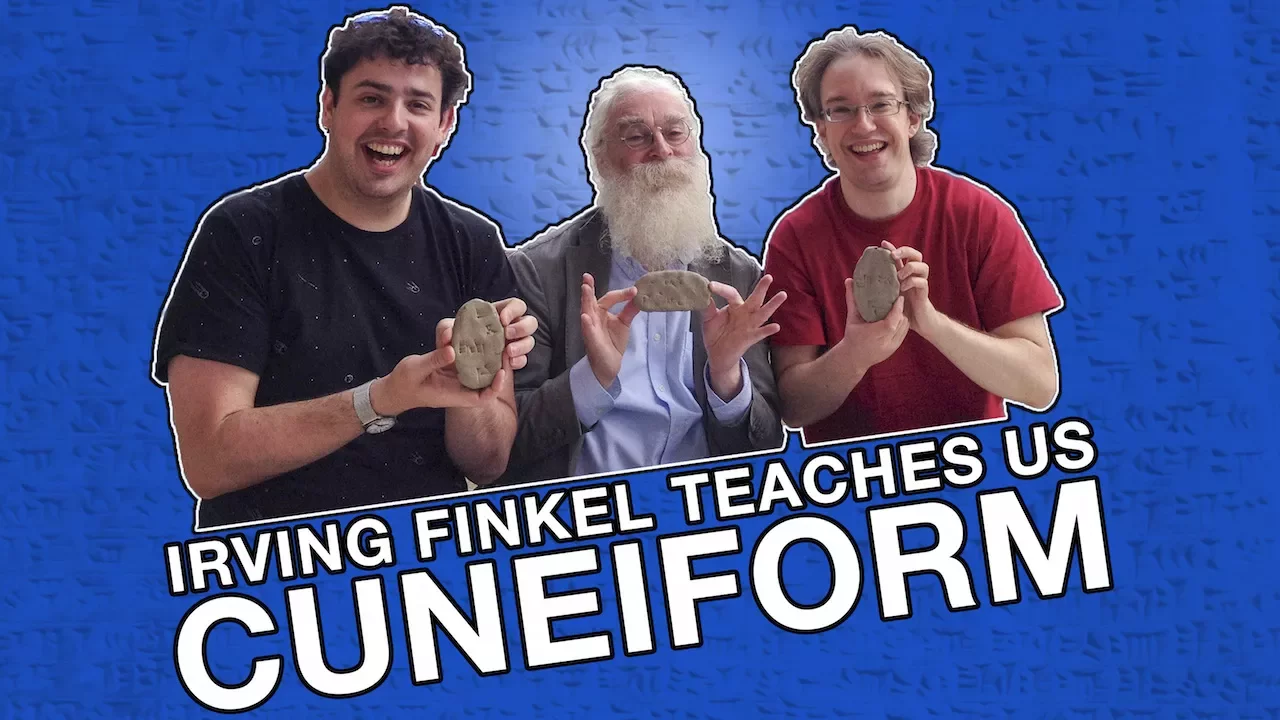
Why this video: This entertaining and highly educational demonstration shows you the tactile, physical reality of the script. Dr. Finkel explains how ancient writers used a reed stylus to make vertical, horizontal, and diagonal wedge-shaped impressions on wet clay, showcasing how different combinations formed phonetic symbols.
Knowledge Checkpoint
- What three languages were carved into the Behistun Inscription, and who commissioned the monument?
- What physical dangers did Henry Rawlinson face while transcribing the Behistun Inscription?
- How is a cuneiform character mechanically constructed on clay using a reed stylus?
- Why is cuneiform classified as a writing system style rather than a single language? (Hint: Think of Akkadian, Hittite, and Sumerian).
Module 4: Mayan Glyphs and the Code of the Maya
The Maya writing system, with its incredibly complex, organic, "spirals-within-spirals" style, was long thought by European scholars to be completely non-phonetic. This module traces the century-long intellectual battle to decode the Americas' most sophisticated script. You will study how Russian linguist Yuri Knorozov and art historian Tatiana Proskouriakoff proved the phonetic and historical nature of Mayan glyphs.
Recommended Videos
Why this video: This PBS NOVA documentary is the definitive visual history of Mayan decipherment. It outlines the massive clash of ideas between J.E.S. Thompson (who insisted Mayan glyphs were merely mystical symbols) and Soviet scholar Yuri Knorozov (who recognized the phonetic syllables based on Diego de Landa's early records), alongside Proskouriakoff’s discovery of historical kingly biographies.

Why this video: This video provides a beautifully clear structural overview of the logosyllabic system. It explains how Maya scribes could write a single word in multiple ways—either as a single logogram or by piecing together multiple consonant-vowel phonetic syllables.
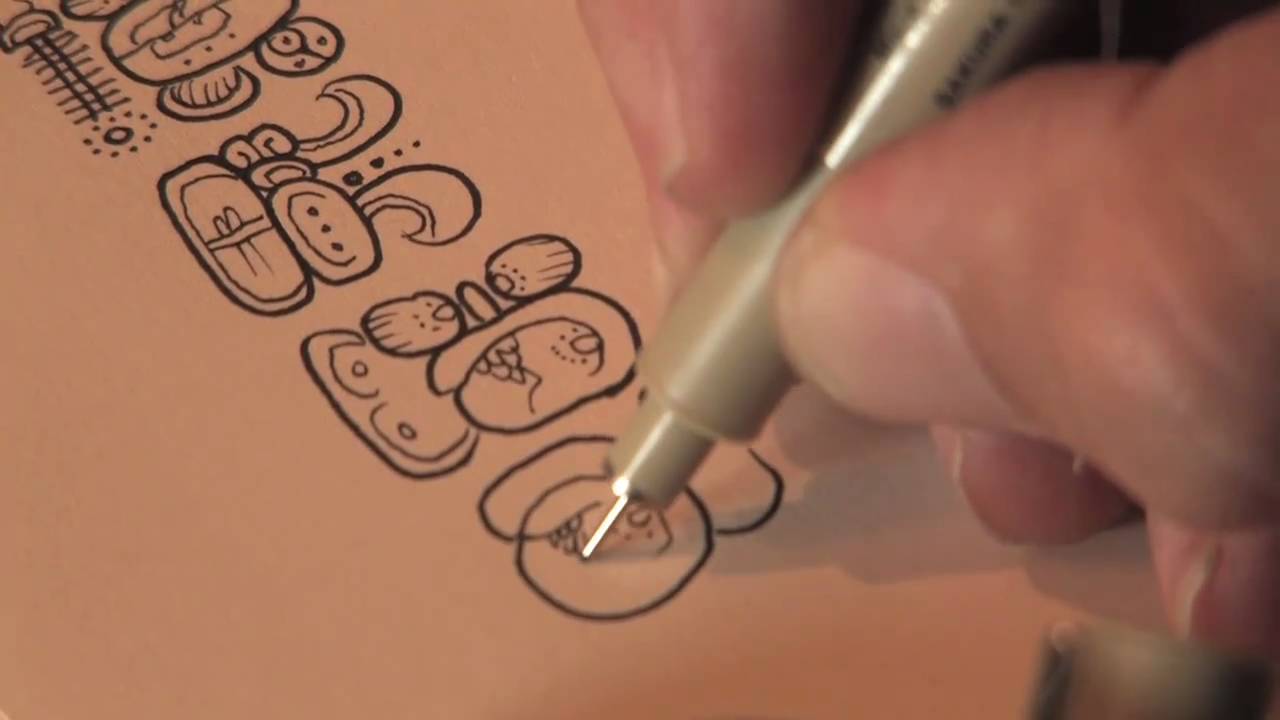
Why this video: In this physical writing demonstration, Dr. Van Stone breaks down the calligraphic visual complexity of Mayan glyphs, illustrating how main signs are surrounded by smaller phonetic prefixes, suffixes, and superfixes to construct complete grammatical blocks.
Knowledge Checkpoint
- What is a logosyllabic writing system, and how does it explain why a single Mayan word could be written in dozens of different artistic ways?
- How did Yuri Knorozov use Diego de Landa's problematic 16th-century alphabet to discover the true syllabic nature of Mayan writing?
- What was Tatiana Proskouriakoff’s major breakthrough regarding the inscriptions on Mayan monumental stelae?
- Why did Sir J.E.S. Thompson’s academic theories delay the progress of Mayan decipherment for nearly half a century?
Module 5: Unsolved Scripts & Modern Decipherment Methods
Many ancient scripts have resisted all human translation attempts. This module explores undeciphered writing systems like Linear A and the Indus Valley Script. You will analyze why these scripts remain uncracked (such as lack of bilingual texts or unknown underlying languages) and look at how researchers use modern computer science, statistical patterns, and artificial intelligence to find hidden structures.
Recommended Videos
Why this video: This video tells the dramatic story of Linear B's decipherment by architect Michael Ventris and classicist Alice Kober, while showing why its sister script, Linear A, remains completely undeciphered. It lays out the classic method of grid-building to solve unknown languages.

Why this video: Computer scientist Rajesh Rao demonstrates how statistical patterns and mathematical modeling can analyze the undeciphered Indus Script. He explains how calculation of "conditional entropy" can show whether ancient symbols carry linguistic structure, similar to computer code or human speech.
Why this video: This video explores how modern machine learning models analyze patterns, symbols, and spatial context in lost scripts. It details how AI can quickly compare thousands of fragments, matching layout frequencies to help humans translate ancient texts.
Knowledge Checkpoint
- What is the difference between Linear A and Linear B, and why was Linear B decipherable while Linear A is not?
- What key factors make an ancient script incredibly difficult or impossible to decipher? (List at least three).
- How does computing the "conditional entropy" of symbols help prove whether an unknown set of signs is actually a real language?
- Why can't artificial intelligence easily decipher an ancient script without human assistance?
Module 6: Reconstructing Civilizations Through Texts
This final module focuses on the ultimate goal of decipherment: bringing lost societies back to life. Through real case studies, you will see how reading ancient texts completely reshaped what we know about the past—from proving that the Mycenaeans ruled over Crete, to revealing the deep literary links between Mesopotamian myths and modern religions, to rebuilding the dynastic histories of Mayan kingdoms.
Recommended Videos

Why this video: This clip explains how Michael Ventris’s translation of Linear B as an early form of Greek completely rewrote Mediterranean history. It proved that the Mycenaeans from mainland Greece had conquered the Minoan palace of Knossos on Crete around 1450 BCE—a political shift that was completely invisible in the archaeological record before translation.

Why this video: This segment shows how deciphering the clay tablets from the Library of Ashurbanipal allowed historians to reconstruct the political, social, and spiritual lives of the Akkadians and Assyrians. It details how translating these texts revealed why early Mesopotamian empires collapsed.

Why this video: This video outlines George Smith's historic 1872 translation of the Epic of Gilgamesh (Flood tablet). It is an excellent example of how translating cuneiform brought lost literature to light, showing how ancient Mesopotamian stories directly influenced biblical narratives and the shared culture of the ancient Near East.
Knowledge Checkpoint
- How did translating Linear B as an early form of Greek change our understanding of political relations between mainland Greece and Crete?
- How did George Smith's 1872 translation of the Mesopotamian "Flood Tablet" alter historical views of ancient Near Eastern literature?
- What kinds of information did ancient Mesopotamian scribes leave behind in Ashurbanipal's library that helped historians reconstruct their daily lives and political history?
- How does reading ancient texts help historians correct incorrect or biased assumptions made by external observers (like Spanish conquistadors in Mayan lands)?
Course Map
Below is the recommended learning progression. You must complete Module 1 (Foundations) before tackling the three major script modules (Modules 2, 3, and 4), which then feed into unsolved scripts and historical reconstructions.
Key People Index
| Scholar | Century | Key Contribution | Context / Method |
|---|---|---|---|
| Jean-François Champollion | 19th Century | Deciphered Egyptian Hieroglyphs | Used the Rosetta Stone, comparative cartouches, and his deep knowledge of the Coptic language to prove the phonetic structure of Egyptian writing. |
| Thomas Young | 19th Century | Early Rosetta Stone Decipherments | Identified that foreign royal names in Egyptian hieroglyphs (like Ptolemy) were spelled phonetically inside oval cartouches. |
| Henry Rawlinson | 19th Century | Transcribed the Behistun Inscription | Scaled a dangerous 200-foot cliff face to make paper squeezes of the trilingual inscription of Darius I, enabling cuneiform translation. |
| Yuri Knorozov | 20th Century | Unlocked the Mayan Syllabary | Realized Diego de Landa's 16th-century alphabet was a list of phonetic syllables rather than letters, proving Mayan was logosyllabic. |
| Tatiana Proskouriakoff | 20th Century | Identified Mayan Historical Records | Discovered that Mayan monument dates matched human lifespans, proving that the stelae recorded historical biographies of kings rather than mystical calendar cycles. |
| Michael Ventris | 20th Century | Deciphered Linear B | Used grid analysis to show that Linear B was an early form of Greek, proving mainland Greek conquest of Crete. |
| George Smith | 19th Century | Translated the Epic of Gilgamesh | Discovered and translated Mesopotamian cuneiform tablets containing the Great Flood story, linking Mesopotamian myth directly to biblical history. |
Final Self-Assessment
Use this checklist to test your mastery of ancient scripts, decipherment methods, and historical translation.
- I can explain how logograms, phonograms, and determinatives interact to construct a single sentence.
- I can describe the roles of bilingual and trilingual inscriptions (such as the Rosetta Stone and Behistun Inscription) in unlocking lost languages.
- I can outline the historical debate between Thomas Young and Jean-François Champollion regarding phonetic signs in Egyptian hieroglyphs.
- I can demonstrate how to look at human or animal figures in Egyptian hieroglyphs to determine the correct direction to read.
- I can explain the physical process of writing cuneiform on wet clay and how its name ("wedge-shaped") relates to the tools used.
- I can recount Sir Henry Rawlinson’s expedition to Mount Behistun and explain why that inscription was critical to translating cuneiform.
- I can explain how Yuri Knorozov disproved the theory that Mayan glyphs were merely mystical symbols, revealing their phonetic-syllabic nature instead.
- I can explain how Tatiana Proskouriakoff transformed our view of the Maya by proving their stelae recorded actual histories and battles of kings.
- I can list at least two famous undeciphered scripts and explain why they remain uncracked.
- I can describe how conditional entropy and computer algorithms help identify linguistic structure in ancient systems like the Indus Script.
- I can show how Michael Ventris’s translation of Linear B as Greek fundamentally changed our understanding of the Bronze Age Aegean.
- I can explain how translating the Library of Ashurbanipal helped historians reconstruct the life, literature, and eventual collapse of Mesopotamian empires.