Tenochtitlan 1521: Fall, Alliances & Strategy
Learning Goal: Deconstruct the fall of Tenochtitlan in 1521, analyzing the complex alliances between Spanish conquistadors and indigenous allies, the impact of smallpox, and the military strategies employed by both sides.
Course Overview
This curriculum provides a deep academic dive into one of the most transformative geopolitical events in world history: the siege and fall of the Aztec capital, Tenochtitlan. Through carefully curated video lectures, primary source analysis, and focused explorations of military engineering, biological shocks, and complex indigenous diplomacy, you will deconstruct the myth of a "handful of conquistadors" overcoming an empire. Instead, you will analyze the fall of the Mexica hegemony as a complex Mesoamerican civil conflict accelerated by European military technology, political manipulation, and catastrophic epidemic disease.
- Prerequisites: None. A basic understanding of world history and pre-Columbian geography is helpful but not required.
- Estimated Total Study Time: 8 hours
Module 1: The Mexica Empire on the Eve of Contact
Module Overview
To understand the collapse of the Aztec Empire, we must first understand its foundations. This module examines the socio-political structure of the Triple Alliance, the engineering marvels of the lake-bound capital city of Tenochtitlan, and the highly decentralized tribute system that both powered the Mexica civilization and sowed the seeds of its eventual destruction.
Recommended Videos
Video 1: Tenochtitlan: The Lost Aztec Capital
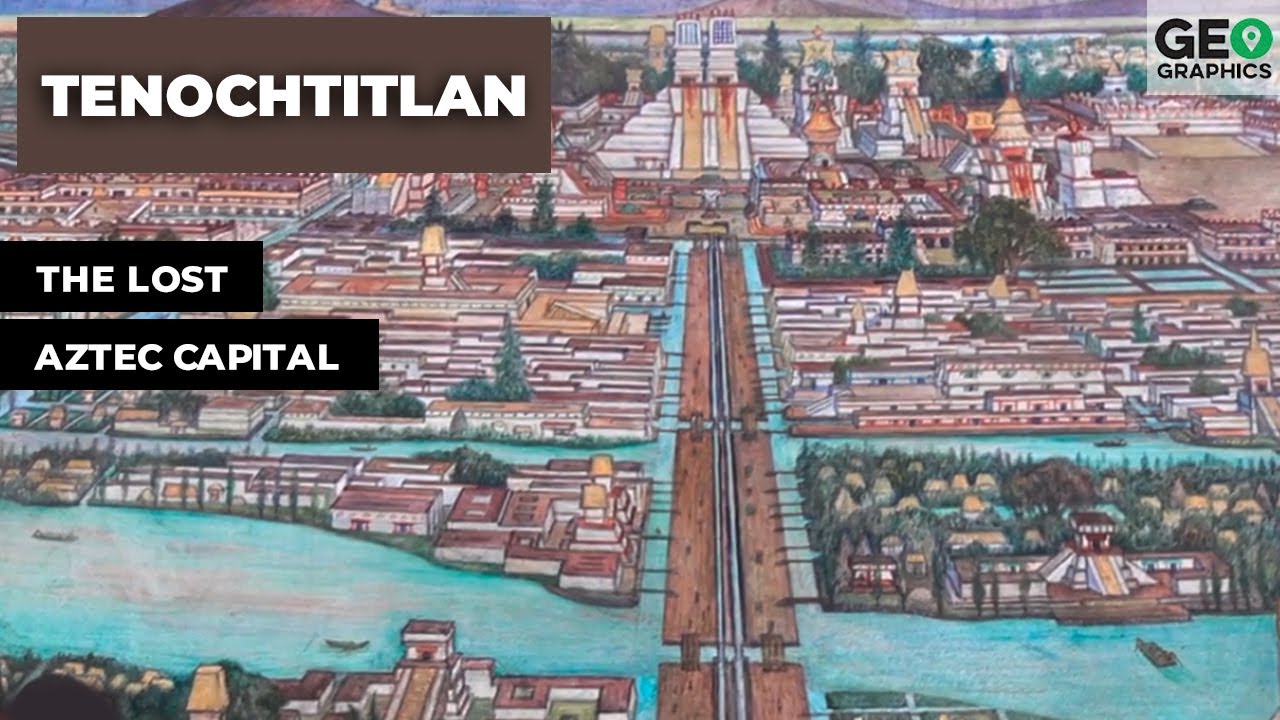
- Why this video: This video offers a detailed geographical and architectural reconstruction of Tenochtitlan. It illustrates how the city was built on reclaimed land in Lake Texcoco starting in 1325 CE, using an innovative system of causeways, canals, aqueducts, and floating gardens (chinampas). Understanding this layout is essential for analyzing the naval and urban siege tactics employed in 1521.
- Knowledge Checkpoint:
- Describe how the geographical placement of Tenochtitlan in the middle of Lake Texcoco acted as both a natural defensive barrier and a logistical challenge.
- Explain the function and construction of chinampas (floating gardens) and how they sustained a massive urban population.
- Identify the three main causeways connecting the island city to the mainland.
Video 2: The rise of the Aztec empire | Ed Barnhart and Lex Fridman
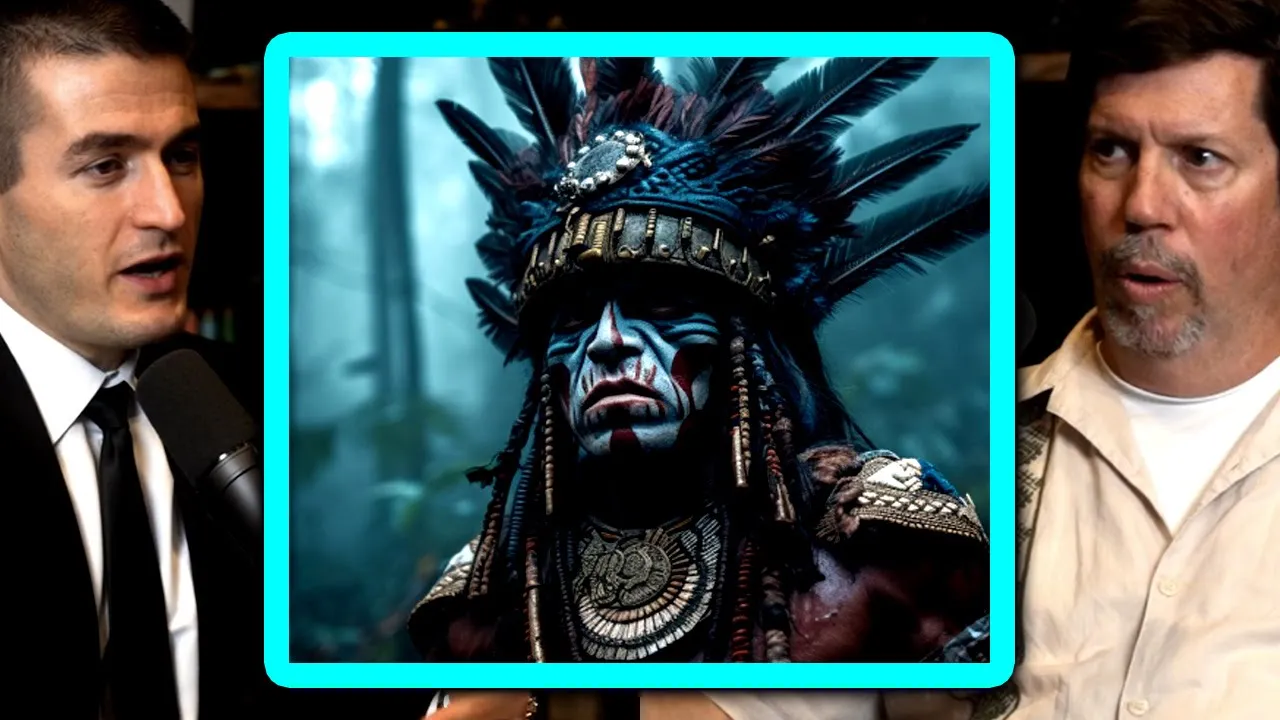
- Why this video: Dr. Ed Barnhart provides a rigorous academic perspective on the rise of the Mexica from nomadic mercenaries to imperial rulers. He breaks down the formation of the Triple Alliance (Tenochtitlan, Texcoco, and Tlacopan) and details how Aztec socio-political hierarchy, military doctrine, and religious demands for sacrifice drove constant territorial expansion.
- Knowledge Checkpoint:
- Explain the origins of the Mexica people and how they leveraged mercenary service to gain political leverage in the Valley of Mexico.
- Describe the political structure of the Triple Alliance and how power and tribute were distributed among the three city-states.
- Contrast Mexica military goals (focused on tribute and capturing prisoners for ritual sacrifice) with European total warfare.
Video 3: Aztec Empire | World History | Khan Academy
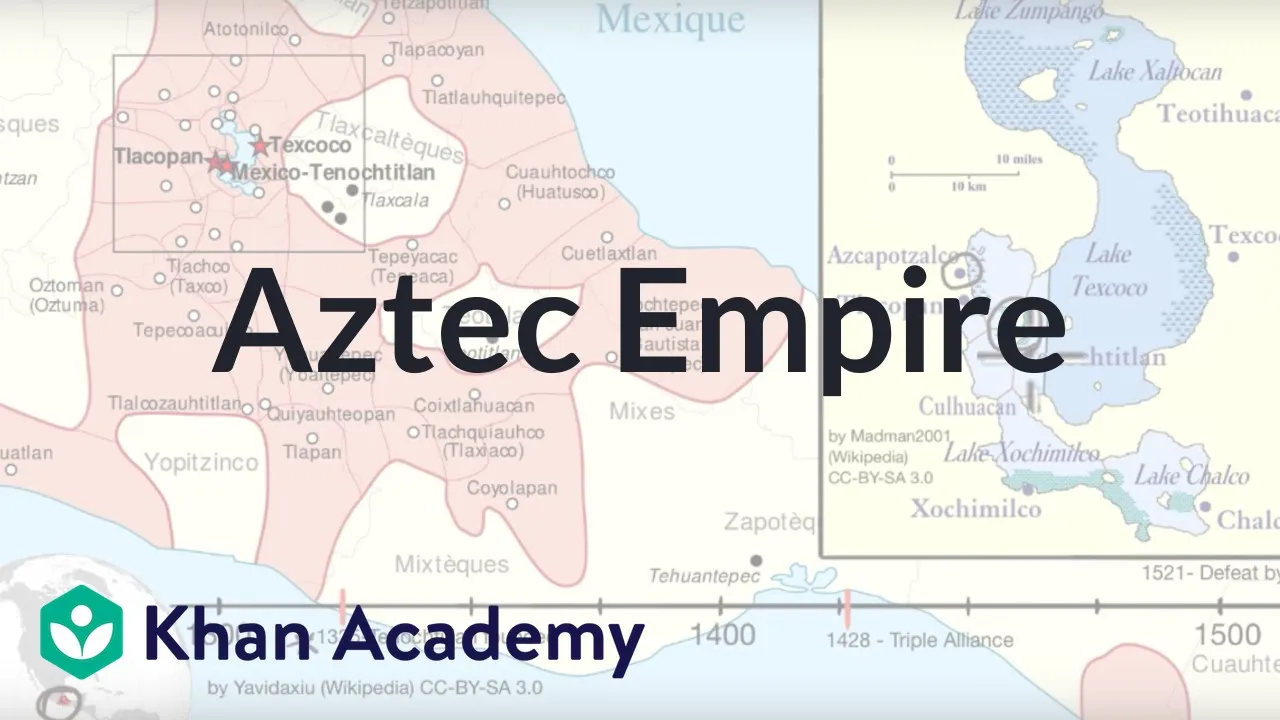
- Why this video: A concise, high-level structural breakdown of how the Aztec Empire functioned as a tributary empire rather than a direct, centralized administrative state. This structural decentralization left local leaders in power, leaving them highly receptive to potential rebellion when an external disruptor arrived.
- Knowledge Checkpoint:
- Define what a "tributary empire" is and how it differed from centralized European imperial structures.
- Identify the primary commodities demanded by the Triple Alliance as tribute from conquered city-states.
- Analyze why the tributary system generated systemic resentment among provincial subjects.
Module 2: Indigenous Alliances & The Spanish Arrival
Module Overview
The narrative of a small band of Spanish conquistadors single-handedly conquering an empire of millions is a historical myth. This module explores how Hernán Cortés exploited the geopolitical cracks in Mesoamerica. We will examine the critical role of La Malinche as a diplomatic translator, the complex political decisions of the Tlaxcalan Senate, and how local city-states strategically leveraged the Spanish presence to overthrow their Mexica oppressors.
Recommended Videos
Video 1: The Cunning Traitor who Destroyed a Civilisation? | La Malinche

- Why this video: This video explores the life and legacy of Malintzin (La Malinche), a bilingual Nahua woman enslaved as a child who became Cortés's translator, advisor, and diplomat. It bypasses simplistic "traitor" narratives to analyze her agency, her linguistic mastery, and how she facilitated the complex alliances that bridged European and Mesoamerican political worlds.
- Knowledge Checkpoint:
- Detail the linguistic chain of translation (Spanish to Maya to Nahuatl and back) used initially by Cortés, and explain how La Malinche eventually became the sole diplomatic conduit.
- Explain how La Malinche's understanding of Mesoamerican political protocols allowed Cortés to navigate local rivalries safely.
- Analyze how modern historiography views her role—evaluating the tension between her status as a victim of slavery and her historical agency.
Video 2: The Tale of the Tlaxcala Spanish Alliance or Spanish Colonialism's Feel Good Story
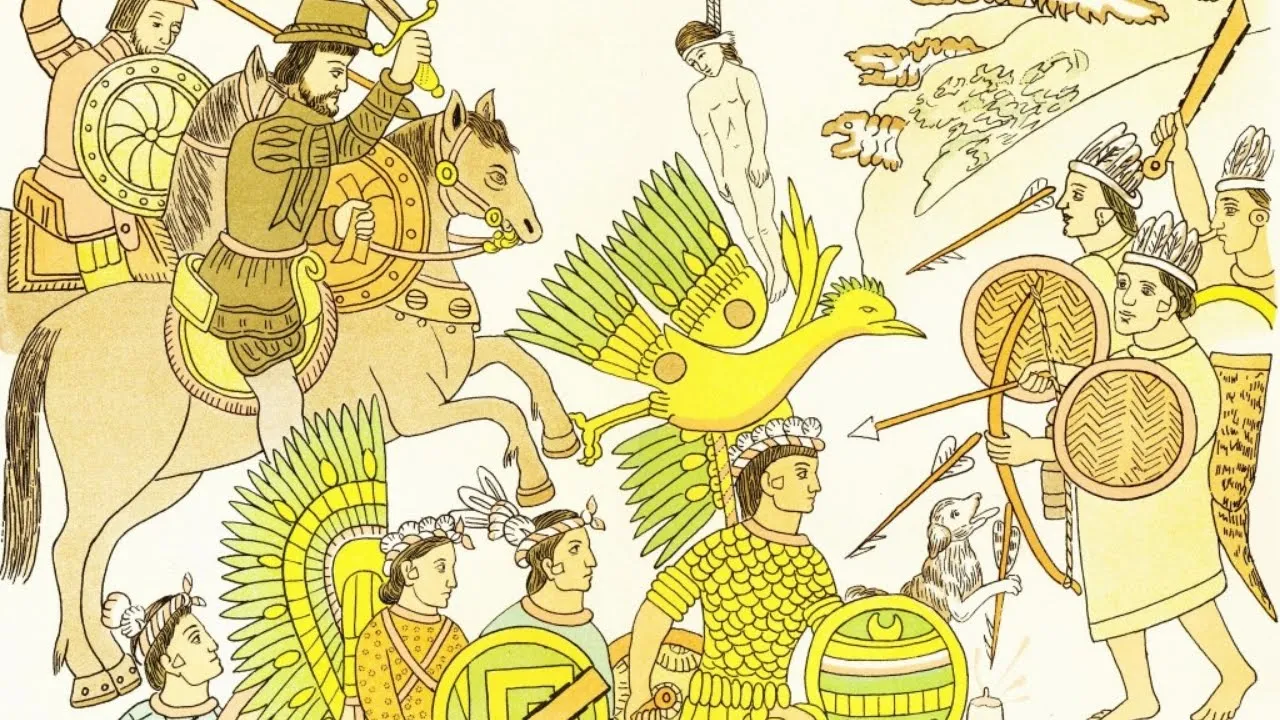
- Why this video: This video directly addresses the military contribution of the Tlaxcalans, who provided over 100,000 warriors to the anti-Mexica coalition. It highlights how this alliance dramatically shifted the military balance of power from a 100:1 disadvantage for the Spanish to near-parity with the forces of Tenochtitlan.
- Knowledge Checkpoint:
- Identify why Tlaxcala, an independent federation surrounded by the Aztec Empire, harbored intense long-term resentment toward the Mexica.
- State the approximate ratio of indigenous allied warriors to Spanish soldiers in the final campaigns against Tenochtitlan.
- Describe the logistical and military support (such as food, scouts, and auxiliary troops) that the Tlaxcalans provided.
Video 3: The Aztecs: Part 2 – The Spanish Arrive
- Why this video: Dr. Roy Casagranda provides a critical, fast-paced analytical breakdown of the initial contact between Cortés and the Tlaxcalans. He emphasizes that the Tlaxcalans initially engaged the Spanish militarily and only allied with them after calculating that the foreign forces could be utilized as a devastating tool to crush their existential rivals in Tenochtitlan.
- Knowledge Checkpoint:
- Explain the initial military response of the Tlaxcalans to Cortés's arrival.
- Discuss the strategic rationale of the Tlaxcalan leadership in pivoting from fighting the Spanish to forming an alliance with them.
Addressing Historical Gaps: The Tlaxcalan Senate and Strategic Debates
Note: While the provided videos cover the overall Tlaxcalan alliance, they omit the intense internal political debates within the Tlaxcalan Senate. When studying this module, research the historical figures Maxixcatzin (who advocated for an alliance with the Spanish, viewing them as powerful prophesied allies or useful military assets) and Xicotencatl the Younger (who strongly opposed the Spanish, arguing they were dangerous invaders who would ultimately subjugate all of Mesoamerica). This internal conflict highlights that the alliance was not a foregone conclusion, but a calculated, highly debated political gamble.
Module 3: Escalation: Toxcatl Massacre & La Noche Triste
Module Overview
Diplomacy rapidly disintegrated into total war. This module covers the critical turning points of the campaign: the arrest and hostage-taking of Emperor Moctezuma II, the brutal Toxcatl Massacre of Aztec nobility by Pedro de Alvarado, the mysterious death of Moctezuma, and the catastrophic Spanish retreat known as La Noche Triste (The Night of Sorrows), where Mexica forces nearly wiped out the conquistadors.
Recommended Videos
Video 1: Moctezuma’s Death & the Massacre at Tóxcatl 1520 [Spanish Conquest of Mexico History] Episode 4-5
- Why this video: A comprehensive, deeply researched reconstruction of the highly volatile atmosphere inside Tenochtitlan in mid-1520. It covers Cortés’s house arrest of Moctezuma, the actions of Pedro de Alvarado during the Festival of Toxcatl (which led to the unprovoked massacre of unarmed Mexica elites), and the subsequent popular uprising that trapped the Spaniards inside their quarters.
- Knowledge Checkpoint:
- Explain why Pedro de Alvarado launched the Toxcatl Massacre and what impact this had on Mexica-Spanish diplomatic relations.
- Describe the hostage situation of Moctezuma II and how this stripped him of his legitimate authority in the eyes of his citizens.
- Analyze the different historical theories surrounding the death of Moctezuma II (Spanish accounts accusing the Mexica mob vs. indigenous accounts accusing the Spanish).
Video 2: Montezuma II: The End of the Aztec Empire
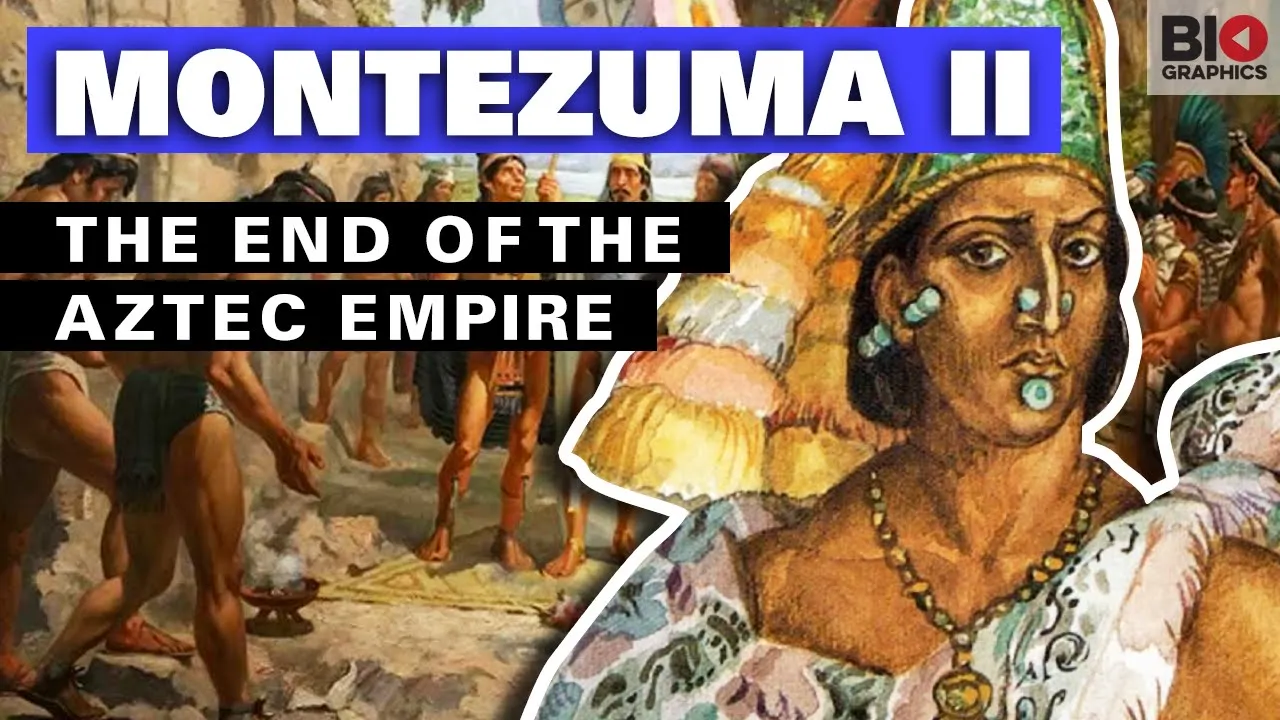
- Why this video: This biographical study of Moctezuma II explores his psychology, political challenges, and administrative decisions. It refutes the outdated "timid emperor who thought Cortés was a god" narrative, showing instead a calculated ruler attempting to use traditional Mesoamerican diplomatic hospitality to contain and assess a highly volatile external threat.
- Knowledge Checkpoint:
- Identify and debunk the myth of Moctezuma II mistaking Cortés for the god Quetzalcoatl.
- Analyze the traditional Mesoamerican customs of guest-host relations and how Moctezuma attempted to apply them to the Spanish.
- Explain how Moctezuma’s centralized authority became a strategic vulnerability once he was taken hostage.
Video 3: How Hernán Cortés Overthrew The Mighty Aztec Empire | Line Of Fire | Chronicle
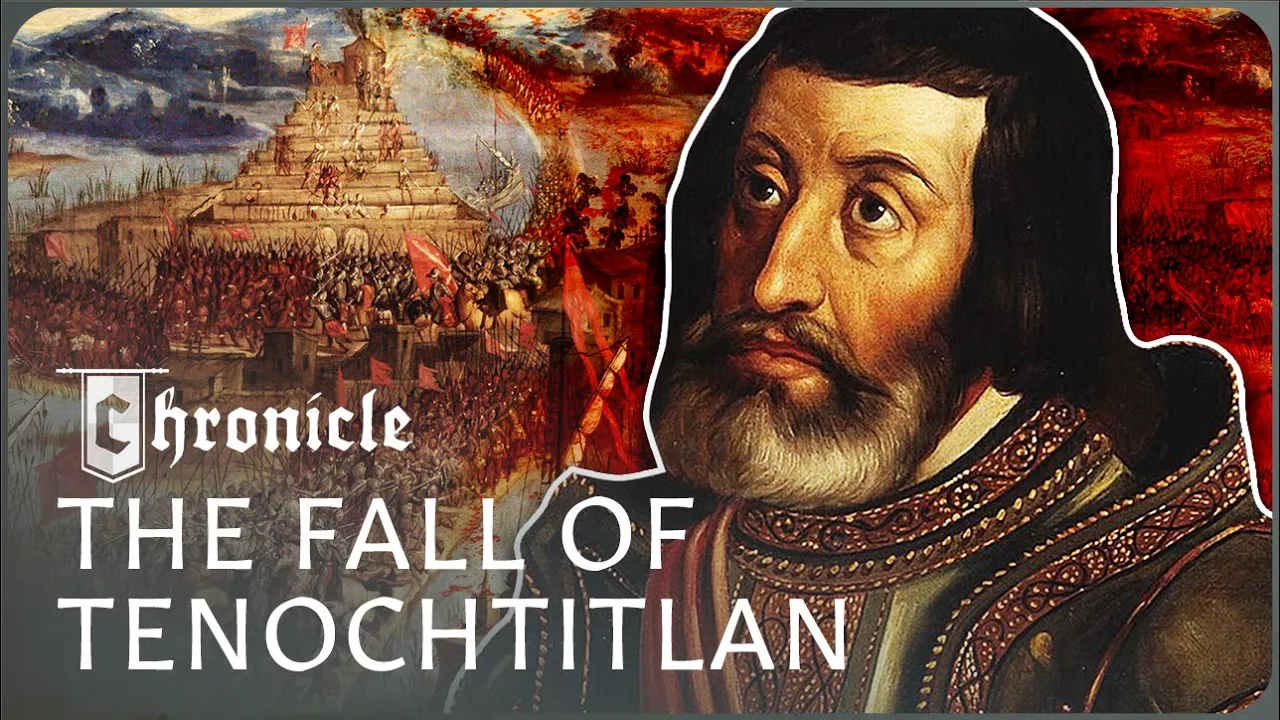
- Why this video: This segment offers a detailed tactical and spatial overview of La Noche Triste (June 30 – July 1, 1520), the rainy night when the cornered Spanish and their allies attempted to slip out of Tenochtitlan over the western causeway (Tlacopan). It describes the tactical ambush by Mexica warriors in canoes and the devastating casualties suffered by the retreating forces.
- Knowledge Checkpoint:
- Explain the tactical vulnerability of the Spanish army trying to retreat across a broken causeway at night.
- Describe the role of Mexica naval mobility (war canoes) in harassing the retreating Spanish and Tlaxcalan forces.
- Identify how the Spanish desire to carry off looted gold directly contributed to their high casualty rate during the retreat.
Module 4: The Invisible Ally: Smallpox and Biological Devastation
Module Overview
During the critical year-long interlude between the Spanish retreat of La Noche Triste and the final siege of Tenochtitlan, an invisible actor radically reshaped the balance of power. This module analyzes the introduction of the smallpox virus to the Valley of Mexico, its devastating demographic toll, and the absolute disruption of the Mexica political leadership and military chain of command.
Recommended Videos
Video 1: The Mysterious Disease That Wiped Out the Aztecs

- Why this video: This video explores the biological shockwave that hit Mesoamerica starting in late 1520. Because indigenous populations had no acquired immunity to Afro-Eurasian pathogens, the virus spread with unprecedented lethality. The video details how the resulting epidemic killed between 30% and 50% of the local population, crippling the labor force, agriculture, and military readiness.
- Knowledge Checkpoint:
- Explain the biological concept of a "virgin soil epidemic" and why smallpox was so uniquely lethal to Mesoamerican populations.
- Quantify the estimated demographic losses in the Valley of Mexico due to the 1520 smallpox outbreak.
- Analyze the psychological impact of the epidemic on the Mexica, who saw their gods seemingly failing to protect them from a disease that largely spared the Spanish (who possessed childhood immunities).
Video 2: Strangest Diseases Suffered By Royalty

- Why this video: A short segment highlighting the historical impact of smallpox on royal lineages and successions. It serves as a starting point to analyze how the disease targeted not just the lower classes, but the absolute peak of the Mesoamerican political hierarchy, causing a devastating collapse of leadership during a time of war.
- Knowledge Checkpoint:
- Identify how the physical incapacitation of leadership during an epidemic disrupts centralized military decision-making.
- Contrast how smallpox affected the Spanish leadership (who were largely immune) versus the Mexica leadership.
Addressing Historical Gaps: The Devastating Leadership Succession Vacuum
Note: The video pool lacks a detailed breakdown of the specific political disruption caused by smallpox. During this module, independently research how the death of Moctezuma's immediate successor, Cuitláhuac, from smallpox after ruling for only 80 days, devastated the Mexica defense. Cuitláhuac was a highly capable military commander who had successfully orchestrated the defeat of the Spanish during La Noche Triste. His sudden death from disease triggered a political vacuum, forcing the young, less-experienced Cuauhtémoc into power at a time when the empire needed highly stable, unified strategic direction.
Module 5: The Siege and Fall of Tenochtitlan (1521)
Module Overview
This module deconstructs the climactic 93-day military siege of Tenochtitlan in 1521. We will analyze the multi-pronged assault coordinated by Cortés, the brilliant engineering and utilization of custom-built brigantines to seize control of Lake Texcoco, the cutting of the Chapultepec aqueduct, and the brutal, house-to-house urban warfare that ultimately brought about the destruction of the city.
Recommended Videos
Video 1: The Fall of Tenochtitlan: How the Aztec Empire Fell in 93 Days | Complete Documentary

- Why this video: This exhaustive documentary details the entire chronologic arc of the final campaign. It covers Cortés's regrouping in Tlaxcala, his systematically conquering or allying with the surrounding lakeside city-states to isolate Tenochtitlan, and the implementation of a total blockade that starved the capital of food and fresh water.
- Knowledge Checkpoint:
- Explain how Cortés systematically isolated Tenochtitlan by subduing or allying with surrounding towns like Texcoco and Chalco.
- Identify the strategic consequence of the Spanish cutting the Chapultepec aqueduct early in the siege.
- Describe the horrific conditions of famine and disease inside the blockaded city during the 93-day siege.
Video 2: Fall of Tenochtitlan (1521) - Spanish-Aztec War DOCUMENTARY
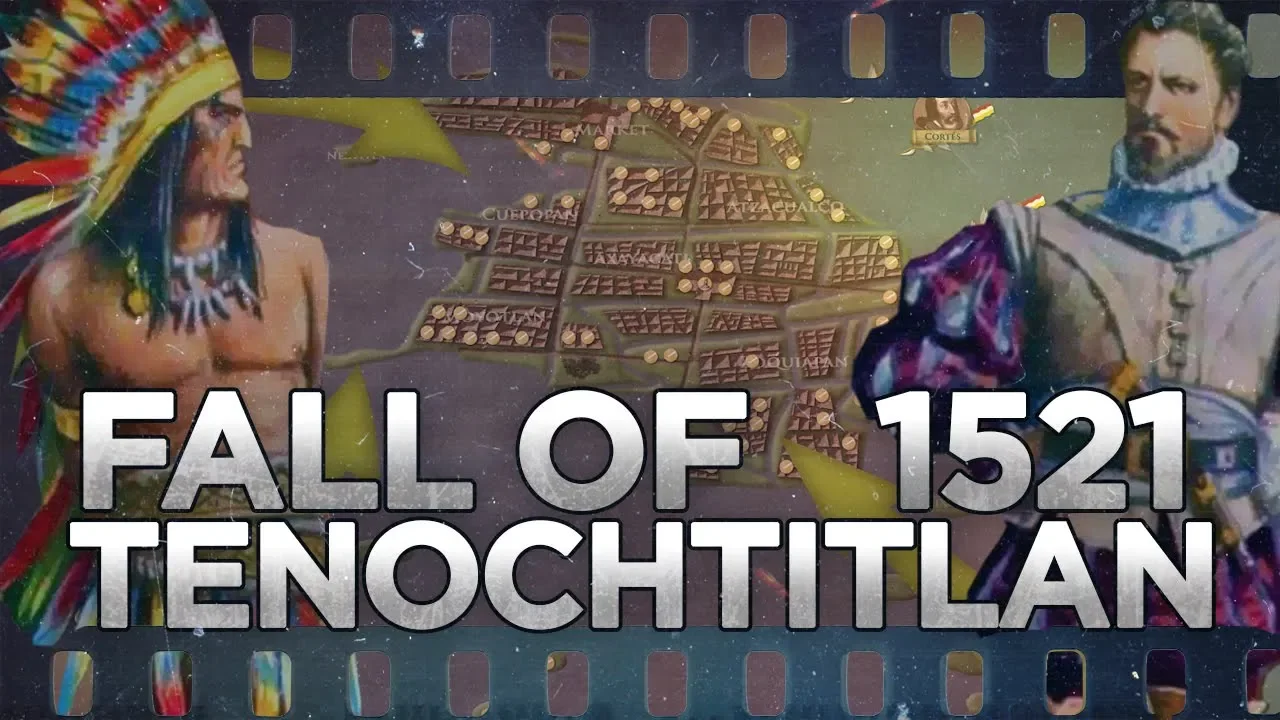
- Why this video: An elite tactical animation showing the movements of the Spanish columns and their indigenous allies along the causeways. It highlights the coordinated naval strategy, the deployment of brigantines, and the fierce house-to-house urban warfare where Mexica defenders contested every street, canal, and temple plaza.
- Knowledge Checkpoint:
- Explain how the Spanish brigantines neutralize the tactical advantage previously held by Mexica war canoes.
- Describe the urban warfare tactics used by the Mexica, such as breaching causeways, trapping horses in narrow streets, and attacking from rooftops.
- Detail the final capture of Emperor Cuauhtémoc on August 13, 1521, and what this meant for the formal surrender of the Mexica.
Video 3: Engineering an Empire: The Aztecs (S1, E3) | Full Episode | History

- Why this video: This professional documentary segment highlights the raw scale of the construction projects required for the final siege. It focuses on the sheer scale of the conflict, the architectural demolition of the city to create open fields of fire for Spanish artillery, and the final desperate defense of the Great Temple (Templo Mayor).
- Knowledge Checkpoint:
- Describe why the Spanish were forced to systematically demolish the houses and structures of Tenochtitlan as they advanced.
- Explain how the physical destruction of Tenochtitlan altered the tactical utility of Spanish cavalry.
Addressing Historical Gaps: The Naval Engineering of the Brigantines
Note: A major gap in standard documentaries is the detailed engineering of the 13 brigantines built to control Lake Texcoco. Research the work of Spanish master shipbuilder Martín López. Under his direction, the hulls of these vessels were designed and pre-fabricated in the inland forests of Tlaxcala. They were then disassembled, and carried in pieces over 50 miles across rugged mountain passes on the backs of thousands of Tlaxcalan carriers to the shores of Lake Texcoco, where they were reassembled in newly dug canals. This represents one of the most astonishing logistical and military engineering feats in early modern warfare.
Course Map
Key People Index
- Hernán Cortés (1485–1547): Spanish conquistador who led the unauthorized expedition to Mexico. A highly astute political manipulator, he successfully identified and exploited the deep divisions within the Mesoamerican landscape to build a massive anti-Mexica coalition.
- Moctezuma II (c. 1467–1520): The Huey Tlatoani (emperor) of the Mexica Empire on the eve of contact. Historians now view him as a calculated ruler who tried to balance diplomatic containing strategies with military assessments, rather than a superstitious victim of religious myths.
- La Malinche / Malintzin (c. 1500–1529): A Nahua woman enslaved in her youth, her mastery of Maya and Nahuatl languages, combined with her understanding of Mesoamerican political protocols, made her the indispensable diplomatic bridge for the Spanish campaign.
- Pedro de Alvarado (c. 1485–1541): Cortés’s highly aggressive second-in-command. Left in charge of Tenochtitlan in 1520, his paranoia and brutality led to the catastrophic Toxcatl Massacre of unarmed Aztec nobility, igniting total war.
- Cuitláhuac (c. 1476–1520): Younger brother of Moctezuma II, who succeeded him briefly. He was a fierce military strategist who orchestrated the routing of Spanish forces during La Noche Triste, but tragically died of smallpox during the critical interlude of late 1520.
- Cuauhtémoc (c. 1495–1525): The final Huey Tlatoani of Tenochtitlan. He assumed leadership amidst a massive political and biological crisis, organizing a dogged, fanatical defense of the blockaded capital during the 93-day siege.
- Dr. Ed Barnhart: Renowned Mesoamerican archaeologist and Director of the Maya Exploration Center, featured in Module 1, who provides the academic grounding on pre-Columbian urbanism, geography, and socio-political history.
Final Self-Assessment
Test your mastery of the curriculum material by evaluating your ability to thoroughly explain each of the following historical dynamics:
- Structural Vulnerabilities: Can you explain how the decentralized, tributary structure of the Mexica Triple Alliance created systemic political resentments that Cortés was able to exploit?
- The Tlaxcalan Strategy: Can you articulate why the Tlaxcalans were not passive "subjects" of the Spanish, but rational political actors who leveraged European military technologies to serve their own regional geopolitical interests?
- The Quetzalcoatl Myth: Can you detail the historiographical evidence that debunks the 16th-century Spanish narrative that Moctezuma surrendered his empire because he believed Cortés was a returning god?
- Toxcatl Catalyst: Can you trace the direct causal chain starting from Pedro de Alvarado's massacre of the Mexica nobility during the Festival of Toxcatl to the absolute breakdown of diplomacy?
- Tactics of La Noche Triste: Can you describe the specific tactical mistakes made by the Spanish and the highly effective military response of the Mexica during "The Night of Sorrows"?
- Demographic Shock: Can you explain the biological mechanisms behind the 1520 smallpox outbreak and its devastating economic and social impacts on Tenochtitlan's population?
- Succession Disruption: Can you explain how the death of Cuitláhuac from smallpox severely degraded the leadership, military experience, and strategic stability of the Mexica defense at a critical juncture?
- Naval Logistics: Can you outline the extraordinary engineering achievement of Martín López and the Tlaxcalans in pre-fabricating, transporting overland, and launching 13 brigantines on Lake Texcoco?
- Hydrological Warfare: Can you detail how the cutting of the Chapultepec aqueduct and the systematic blockade of the causeways transformed Tenochtitlan from an impregnable lake fortress into a deadly logistical trap?
- Urban Demolition Strategy: Can you explain why the Spanish were forced to discard traditional open-field tactics and systematically destroy Tenochtitlan’s architecture house-by-house to defeat the Mexica defense?