Southern Gothic: Grotesque, Decay & Race
Learning Goal: Analyze the thematic deployment of the grotesque, decay, and moral ambiguity in Southern Gothic literature, evaluating how mid-20th-century American writers critique regional history, race, and class.
- Prerequisites: Introduction to Literary Theory (recommended but not required)
- Estimated Study Time: 12 Hours
Module 1: Foundations of Southern Gothic Literature
This module establishes the historical roots and defining characteristics of the Southern Gothic subgenre. You will explore how 20th-century American writers adapted 18th-century European Gothic conventions—such as haunted castles, ancestral curses, and supernatural terror—to the realities of the post-bellum American South, focusing on regional history, trauma, and societal disillusionment.

Why this video
This video provides an excellent comprehensive overview of the Southern Gothic tradition, outlining its historical development during the early 20th century. It details how the genre relies on European Gothic tropes but grounds them in the unique social crises, class struggles, and racial tensions of the American South.
Knowledge Checkpoint
- Contrast the setting and "monsters" of traditional European Gothic literature with those of Southern Gothic.
- Explain how the concept of "the sins of the fathers" translates into Southern Gothic critiques of regional history.
- Identify at least three central themes common to Southern Gothic narratives.

Why this video
Presented by the National Humanities Center, this talk provides critical academic framing. It contrasts British Gothic traditions with American Southern Gothic, demonstrating how the latter replaces supernatural haunts with the very real horrors of historical trauma, slavery, and racial legacy.
Knowledge Checkpoint
- Explain why Southern Gothic literature favors psychological and historical realism over supernatural occurrences.
- Describe how the legacy of slavery serves as the foundational "haunting" in Southern literature.
Why this video
This segment of the Crash Course series highlights the replacement of traditional Gothic archetypes. It illustrates how Southern Gothic writers swap out knights and monsters for deeply flawed, real-world characters navigating systemic regional prejudices.
Knowledge Checkpoint
- Identify the realistic archetypes that replace "innocent victims" and "heroic knights" in the Southern Gothic subgenre.
- Explain how regional realism alters the reader's expectation of suspense and moral resolution.
Module 2: The Grotesque and Moral Ambiguity
This module analyzes the literary concept of the "grotesque" and the deployment of "moral ambiguity." You will study how writers use physical abnormalities, mental instability, and deeply flawed characters to externalize the hidden moral decay of Southern society.
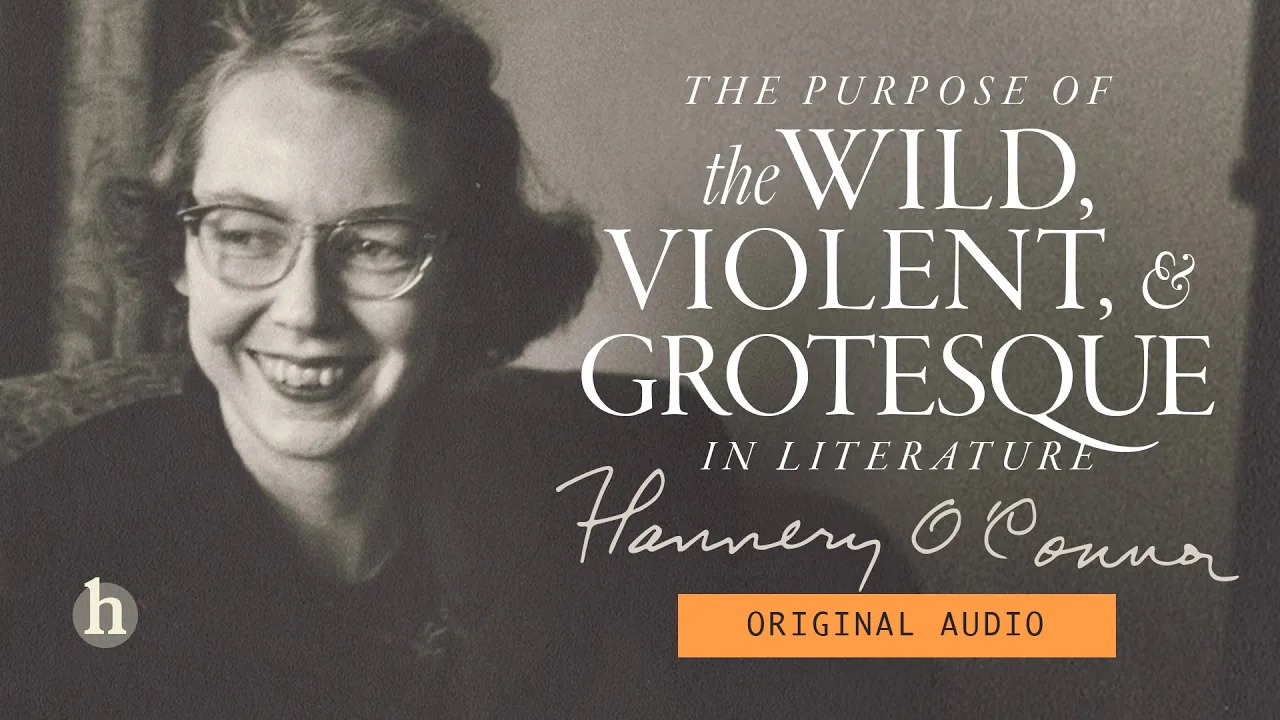
Why this video
Hearing directly from author Flannery O'Connor provides invaluable primary-source insight. O'Connor explains that the "freak" or grotesque character in Southern fiction is not used for cheap shock value, but rather as an essential figure of human displacement and spiritual crisis.
Knowledge Checkpoint
- Define Flannery O'Connor's concept of the "grotesque" and why she believes the "freak" represents "essential displacement."
- Explain why Southern writers use exaggeration and caricature to point toward deeper moral truths.

Why this video
To understand the grotesque, we must understand its relationship to boundaries. This short lecture defines the grotesque through its capacity to transgress, merge, overflow, and destabilize established categories of beauty and horror.
Knowledge Checkpoint
- Describe the relationship between the grotesque and social or physical boundaries.
- Explain how combining the comic with the terrifying creates a sense of moral unease in literature.

Why this video
This animated analysis explores O'Connor's style, demonstrating how her devout Catholic faith, combined with her depiction of violent situations and bizarre characters, serves to shock readers out of complacency and into a realization of moral complexity.
Knowledge Checkpoint
- How does O'Connor use violence as a literary device to reveal characters' moral realities?
- In what ways do O'Connor's "uncomplimentary" portraits of Southern individuals critique religious and social hypocrisy?

Why this video
This discussion analyzes how Southern Gothic characters resist easy classification as simple heroes or villains. By examining character construction, it illustrates how readers are guided to sympathize with deeply flawed, morally compromised figures.
Knowledge Checkpoint
- Explain how Southern Gothic texts generate reader sympathy for characters who commit questionable or taboo acts.
- Define how moral ambiguity serves to critique systemic issues rather than individual failings.
Module 3: Decay and the Haunted Southern Landscape
This module examines how physical ruins, decaying family plantations, and isolated, suffocating settings function as symbols of spiritual, social, and economic decline in the post-Civil War South.
Note on Video Material: Because online video databases tend to cover Southern plantations through historical tourism or ghost-hunting perspectives rather than literary analysis, this module uses structured literary framing to analyze real settings and fictional texts side-by-side. Focus on the symbolic translation of physical spaces into psychological landscapes.

Why this video
This video explains how "place" functions as a living character in Southern Gothic texts. It compares European Gothic architecture to the American Southern landscape, emphasizing how the latter is permanently marked by the historic violence of exploitation and slavery.
Knowledge Checkpoint
- How does the Southern landscape function as an active "character" in a narrative?
- Contrast the symbolic weight of a European Gothic castle with that of a decaying Southern plantation or town.
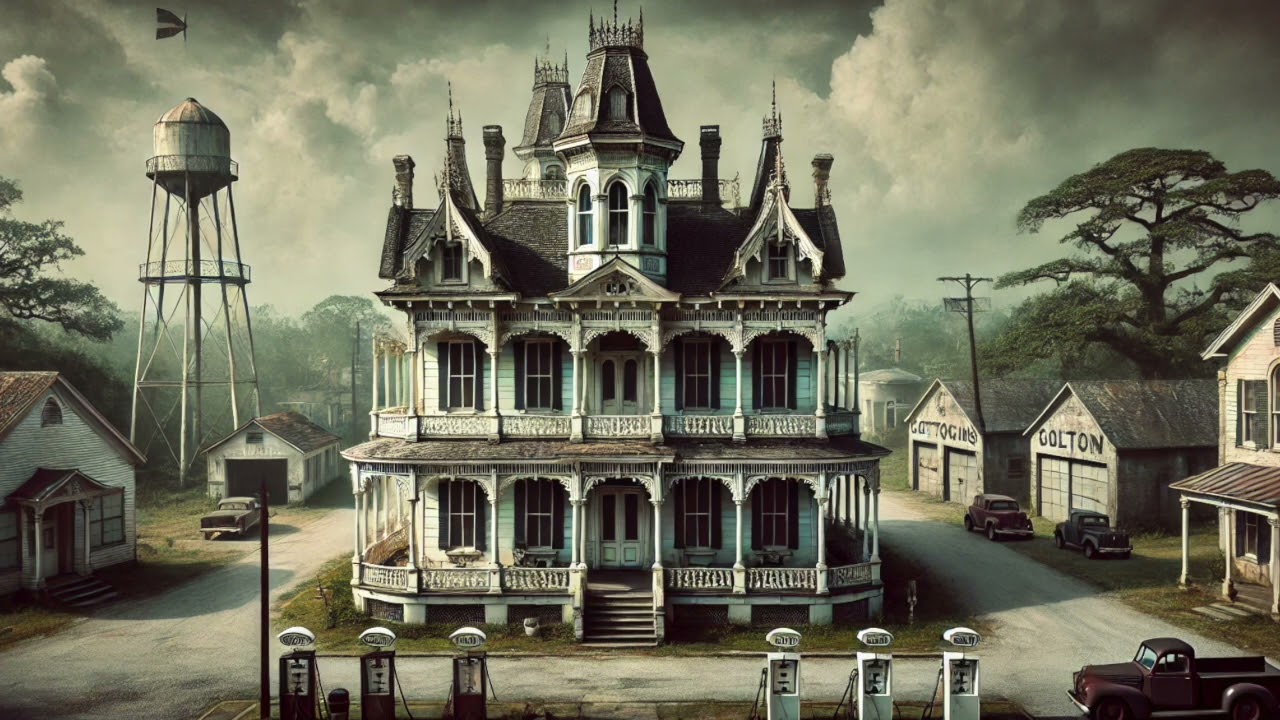
Why this video
This focus on William Faulkner's classic short story highlights how physical architecture represents systemic decline. The decaying Grierson house stands in isolation amidst a modernized neighborhood, symbolizing the stubborn, decaying remnants of the antebellum social order.
Knowledge Checkpoint
- Describe how the physical deterioration of the Grierson home mirrors Miss Emily's psychological state.
- Explain the symbolic conflict between the decaying historic home and the modernizing neighborhood around it.
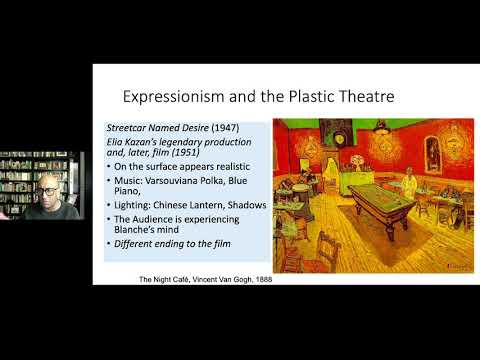
Why this video
This lecture connects the economic decline of the Southern plantation system with cultural decay and nostalgia. Through the lens of Tennessee Williams' work, it examines how the loss of plantation wealth bred a desperate, toxic romanticism of the past.
Knowledge Checkpoint
- Explain how the loss of wealth and the decline of cotton plantations created an era of intense Southern "nostalgia."
- Connect the decay of the plantation setting of Belle Reve to Blanche DuBois’s personal and psychological undoing.
Module 4: Race, Class, and Historical Trauma
This module investigates how Southern Gothic writers used grotesque elements to critique the legacy of slavery, Jim Crow laws, and rigid class hierarchies. You will analyze the friction between fallen plantation aristocrats and poor white citizens, and how the genre systematically dismantles the idealized "plantation myth."
![ASCS 2014: Barbara Ladd (Emory University / Charles University) [excerpt]](https://i.ytimg.com/vi/8-WjhSTYkP8/maxresdefault.jpg)
Why this video
Barbara Ladd’s academic lecture critiques the dominance of the plantation narrative in Southern literary history. She explains how standard planter-versus-enslaved dichotomies historically ignored the socio-economic complexities of "poor whites," offering a crucial class-based perspective of Southern society.
Knowledge Checkpoint
- Define the "plantation myth" and how Southern Gothic writers work to dismantle it.
- Analyze the social and economic position of "poor white" characters within the rigid Southern class hierarchy.

Why this video
William Faulkner's personal and literary relationship with race was complex and troubled. This video examines how his seminal texts, such as Absalom, Absalom! and Light in August, act as battlegrounds for confronting the historic traumas and ongoing injustices of Southern race relations.
Knowledge Checkpoint
- Detail how Faulkner's works depict the psychological trauma inflicted by racial classifications.
- Explain the concept of racial determinism as portrayed in mid-20th-century Southern literature.

Why this video
This concise analysis explores how Southern literature has historically scapegoated poor white citizens for racial violence. This scapegoating served to absolve upper-class, aristocratic families of their structural complicity in maintaining white supremacy.
Knowledge Checkpoint
- How does the Southern Gothic genre highlight tensions between the ruined aristocracy and lower-class whites?
- In what ways can a literary text critique Jim Crow-era racism while simultaneously reinforcing classist biases?
Module 5: Case Studies: Faulkner, O'Connor, and McCullers
This final module applies your accumulated thematic knowledge to major texts. We will focus primarily on the heavily documented masterpieces of William Faulkner and Flannery O'Connor, with additional comparative studies of Tennessee Williams and Carson McCullers as distinct stylistic voices.
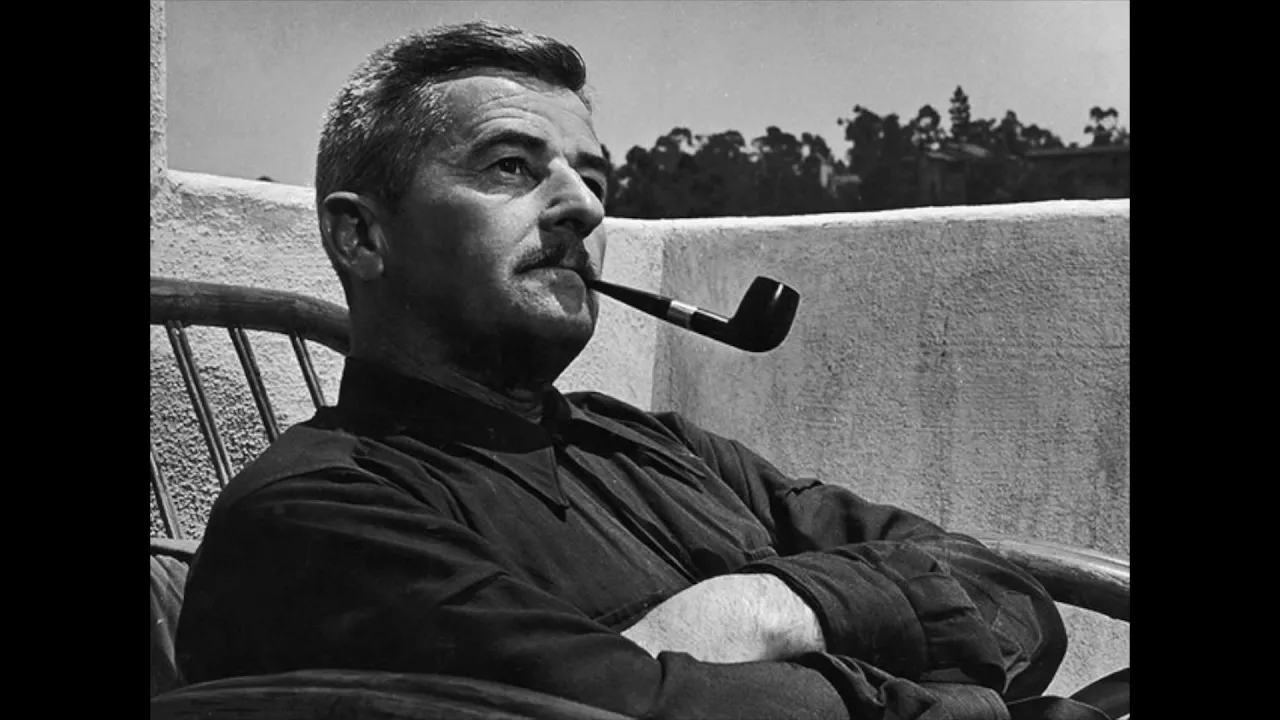
Why this video
An in-depth, text-based exploration of "A Rose for Emily" that synthesizes our previous modules. This analysis walks through how Miss Emily’s decaying house, her psychological isolation, and her horrific crime serve as a grand allegory for the Old South's refusal to adapt to modernization.
Knowledge Checkpoint
- Identify the allegorical links between Emily Grierson's personal life and the political trajectory of the post-bellum South.
- Explain how Faulkner uses non-linear storytelling to match the distorted perception of history held by his characters.
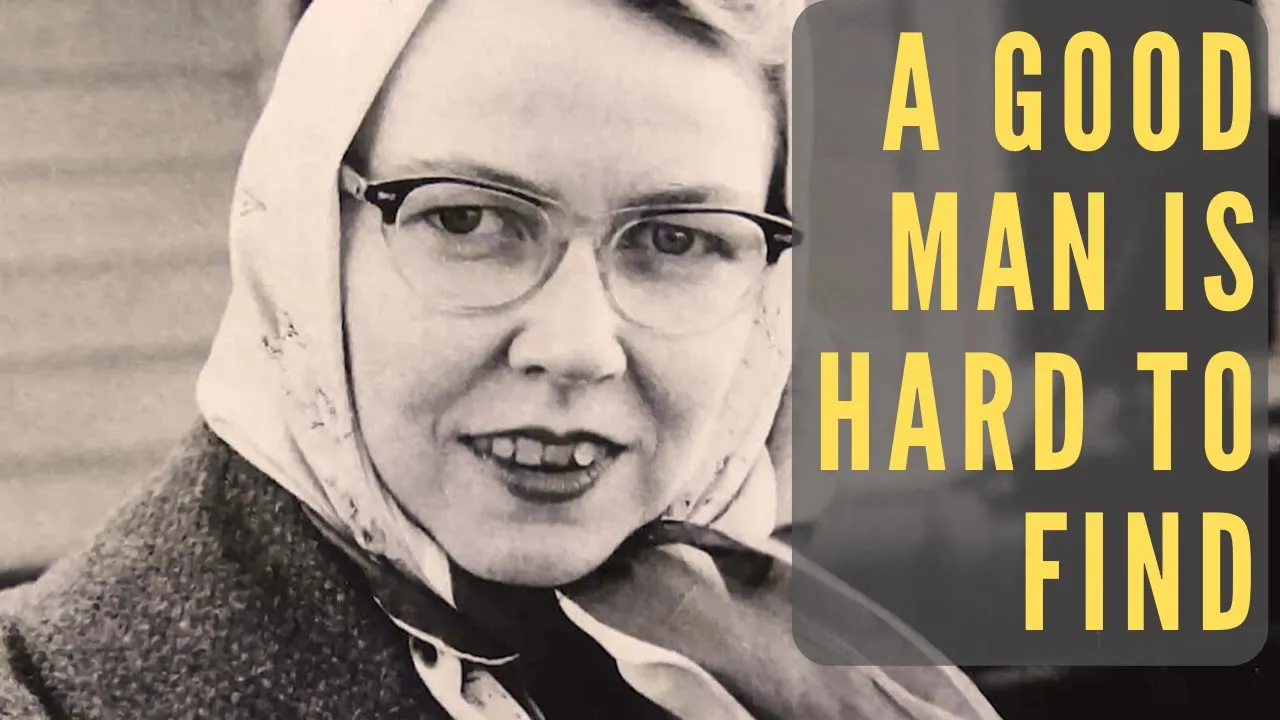
Why this video
This thorough analysis of O'Connor's signature work tracks how the narrative exposes the grandmother’s petty social prejudices and self-interest, contrasting them with the raw, nihilistic clarity of The Misfit. It highlights the convergence of the grotesque with issues of grace and moral redemption.
Knowledge Checkpoint
- Analyze the character of the grandmother as a symbol of superficial Southern moral superiority.
- How does O'Connor use the terrifying character of The Misfit to deliver a moment of "spiritual grace"?
Why this video
This video applies Southern Gothic tropes directly to drama. It tracks Tennessee Williams' use of New Orleans as a decaying, haunted urban setting, and analyzes how Blanche DuBois embodies the tragic collision between fragile Southern aristocracy and raw, unsentimental modern realism.
Knowledge Checkpoint
- Identify the gothic symbols embedded in Tennessee Williams' scenic choices (e.g., Elysian Fields, Cemeteries).
- How does Blanche's psychological fracturing dramatize the death of the "Old South"?

Why this video
This rare archival broadcast features Carson McCullers and Tennessee Williams discussing their craft. While McCullers' critical analysis videos are scarce online, this primary source reveals her focus on spiritual isolation, queer subtexts, and characters who do not fit rigid societal expectations.
Knowledge Checkpoint
- Describe the creative relationship between Carson McCullers and Tennessee Williams.
- Explain how McCullers' depiction of human isolation differed from the theological focus of Flannery O'Connor.
Course Map
Key People Index
- William Faulkner (1897–1962): Nobel Prize-winning novelist from Oxford, Mississippi. Renowned for stream-of-consciousness writing and his fictional Yoknapatawpha County, he spent his career confronting historical trauma, racial guilt, and the complex disintegration of the Old South.
- Flannery O'Connor (1925–1964): Roman Catholic novelist from Georgia. Best known for using shocking violence and grotesque characters (what she termed "Christian realism") to expose the moral complacency of the Protestant South and the raw mechanics of spiritual grace.
- Tennessee Williams (1911–1983): Pivotal Mississippi-born playwright. He captured the tragic, lyrical decay of the aristocratic Southern archetype (Blanche DuBois) colliding with industrialization and unfiltered reality (Stanley Kowalski).
- Carson McCullers (1917–1967): Georgia-born novelist who explored intense spiritual isolation and marginalized experiences in The Heart Is a Lonely Hunter and The Member of the Wedding, introducing a softer, queer-coded dimension to the Southern Gothic lens.
- Dr. Barbara Ladd: Professor of English at Emory University and a prominent literary scholar specializing in Southern literature and historical memory.
Final Self-Assessment
- I can articulate the key differences between 18th-century European Gothic and mid-20th-century Southern Gothic literature.
- I understand how physical abnormalities or "grotesque" characters in Flannery O'Connor's work point to universal human displacement rather than simple sensationalism.
- I can analyze how landscape, architecture (such as the decaying plantation or the isolated house), and geography function as active characters that represent spiritual and economic decline.
- I can evaluate how Southern Gothic writers systematically deconstruct the idealized "plantation myth."
- I can identify how mid-20th-century Southern literature exposes class warfare, especially the tension between impoverished white citizens and the fading aristocracy.
- I can explain the function of non-linear timelines and psychological fracturing in William Faulkner's A Rose for Emily.
- I can identify the theological themes (grace, redemption, original sin) that Flannery O'Connor embeds within horrific, violent endings.
- I can trace the thematic differences and stylistic overlaps between Tennessee Williams' stage plays and Carson McCullers' prose regarding human isolation.
- I can identify the moral ambiguity at play when Southern Gothic literature challenges simple categorizations of "good" versus "evil" characters.