Daoist Philosophy: Wu-Wei, Yin-Yang & Zhuangzi
Learning Goal: Examine the core concepts of classical Daoist philosophy, analyzing Laozi's concept of Wu-Wei (effortless action), Yin-Yang cosmology, and Zhuangzi's skepticism of language.
- Prerequisites: None (A general curiosity about ancient philosophy and Chinese history is recommended).
- Estimated Total Study Time: 12 Hours
Module 1: Foundations of Daoism: Laozi and the Dao
This module introduces the historical context of the Warring States period (c. 475–221 BCE)—a time of intense political chaos that birthed the "Hundred Schools of Thought." You will examine the legendary origins of Laozi (the "Old Master"), and analyze the core concepts of the Daodejing (Tao Te Ching), specifically focusing on the indefinable and process-oriented nature of the "Dao" (The Way).
Why this video
Dr. Andrew Henry provides a highly reliable, academic overview of Daoism, carefully separating early philosophical Daoism (Daojia) from later religious developments (Daojiao). This serves as the perfect foundational video to contextualize the historical environment out of which the Daodejing emerged.
Knowledge Checkpoint
- Explain the distinction between philosophical Daoism (Daojia) and religious Daoism (Daojiao).
- Describe how the historical chaos of the Warring States period inspired the search for the Dao.
- Identify the cosmic role of the Dao as a non-anthropomorphic source of all existence.
Why this video
This highly engaging and visually dynamic animated summary breaks down the historical ambiguities surrounding Laozi's identity and explores the deeply paradoxical literary style of the Daodejing. It illustrates how language is framed as fundamentally inadequate to capture the true essence of the Dao.
Knowledge Checkpoint
- Summarize the myths surrounding Laozi's departure from society and the writing of the Daodejing.
- Articulate why the Daodejing relies so heavily on paradox and negation (e.g., "The Dao that can be spoken of is not the eternal Dao").
- Define the concept of De (virtue/power) as it relates to the Dao (the Way).
Why this video
This concise lecture provides a quick and clear recap of the textual composition and structure of the Daodejing, solidifying your grasp of the historical timeline and establishing how these concepts set the stage for subsequent Chinese thought.
Knowledge Checkpoint
- Distinguish the Daodejing from its contemporary counterpart, Confucius's Analects.
- Explain the literal meaning of the title Daodejing (The Classic of the Way and Its Virtue).
Module 2: Yin-Yang Cosmology and Natural Balance
In this module, you will transition from the abstract concept of the Dao to its dynamic manifestation in the material universe through the cosmology of Yin and Yang. You will study how classical Daoism views the universe as an interconnected, constantly cycling web of dualistic yet complementary forces, driven by the movement of Qi (vital energy).
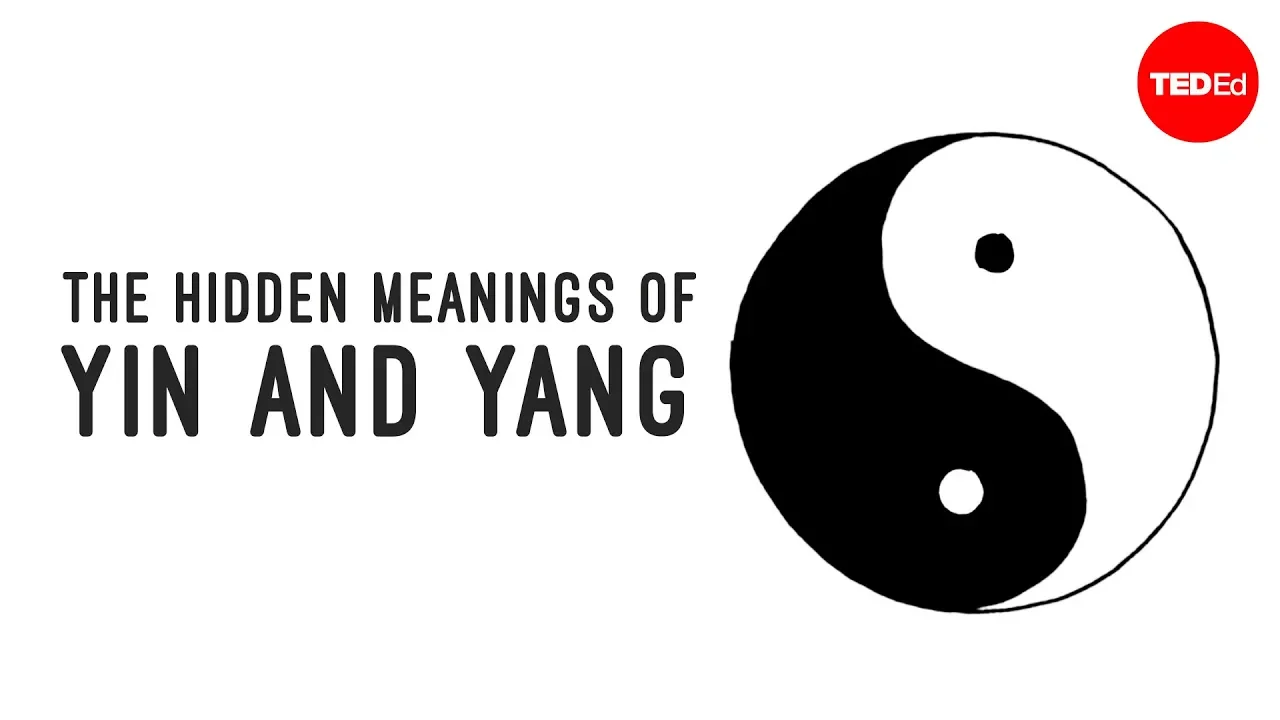
Why this video
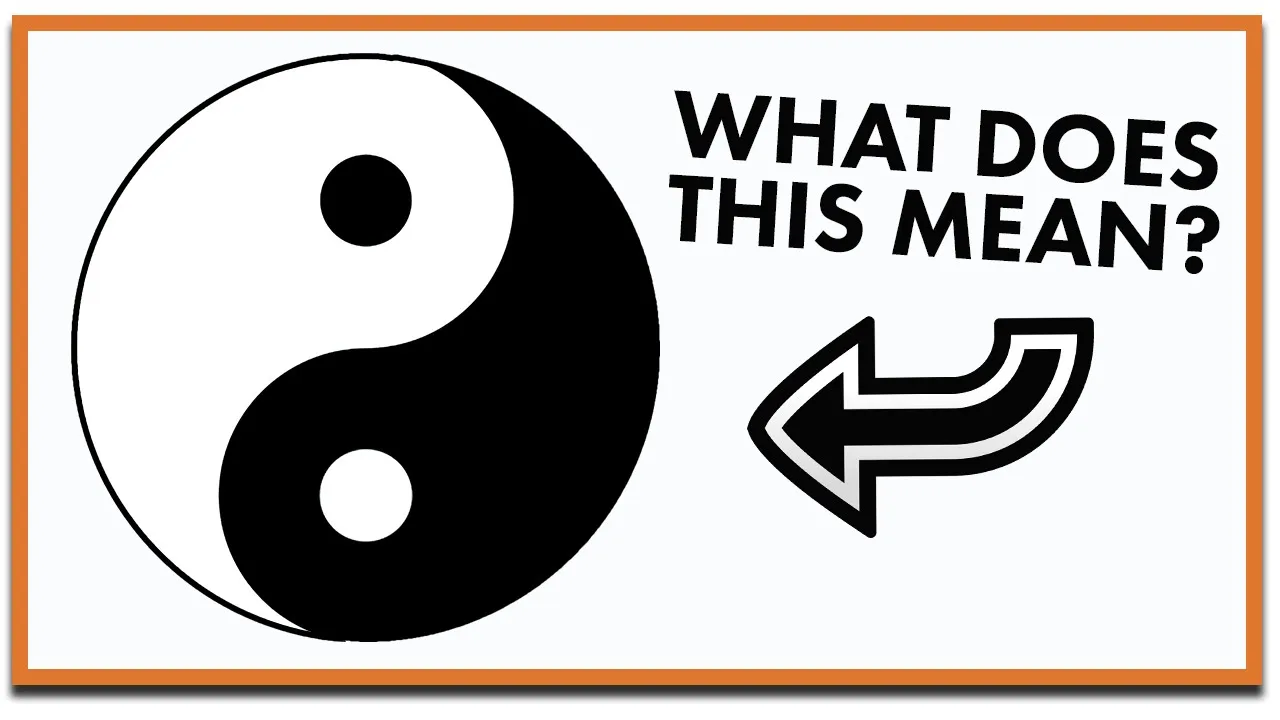
Through masterful animation, this TED-Ed video breaks down the symbolic visual architecture of the Taijitu (the Yin-Yang symbol). It shows how opposing forces—such as light and dark, male and female, active and passive—contain the seeds of one another and exist in cyclical tension rather than moral conflict.
Knowledge Checkpoint
- Explain why Yin and Yang are not moral concepts (i.e., good vs. evil) but natural, relative conditions.
- Describe how the dot of the opposite color inside each half of the Taijitu represents the seed of transformation.
- Give three concrete examples of how Yin and Yang interact in nature (e.g., seasons, day/night, inhalation/exhalation).
Why this video
This video offers a rigorous historical and philosophical exploration of how the concept of Yin-Yang evolved alongside early Chinese science, medicine, and cosmology. It bridges the gap between early agricultural observations of sunny/shadowed hillsides and complex metaphysical frameworks.
Knowledge Checkpoint
- Trace the etymology of "Yin" (shady side of a hill) and "Yang" (sunny side of a hill).
- Describe the relationship between Yin-Yang and the concept of Qi (cosmic breath or energy).
- Understand how the balance of Yin and Yang dictates classical Chinese medicine and food culture.
Why this video
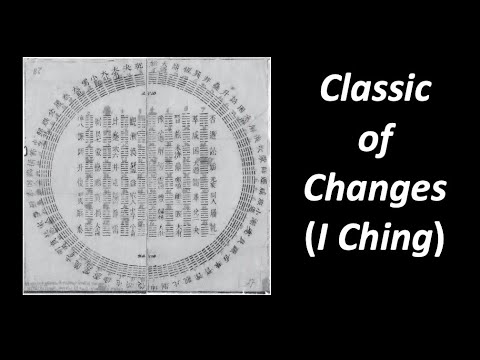
Presented by world-class philosopher Dr. Bryan Van Norden, this video connects the dualism of Yin and Yang to the foundational patterns of the I Ching (Classic of Changes). It explains how early Chinese thinkers mapped cosmic flux using broken (Yin) and unbroken (Yang) lines.
Knowledge Checkpoint
- Define Taiji (The Great Ultimate) and explain how it serves as the source of Yin and Yang.
- Clarify how the hexagrams of the I Ching represent specific states of systemic transition and change.
Module 3: Wu-Wei: The Art of Effortless Action
This module focuses on the heart of Laozi's ethics: Wu-Wei (non-action or effortless action). Often misunderstood as passivity or laziness, Wu-Wei is actually a highly active state of alignment with the natural flow of the universe. You will analyze this concept through the famous Daoist metaphor of water.

Why this video
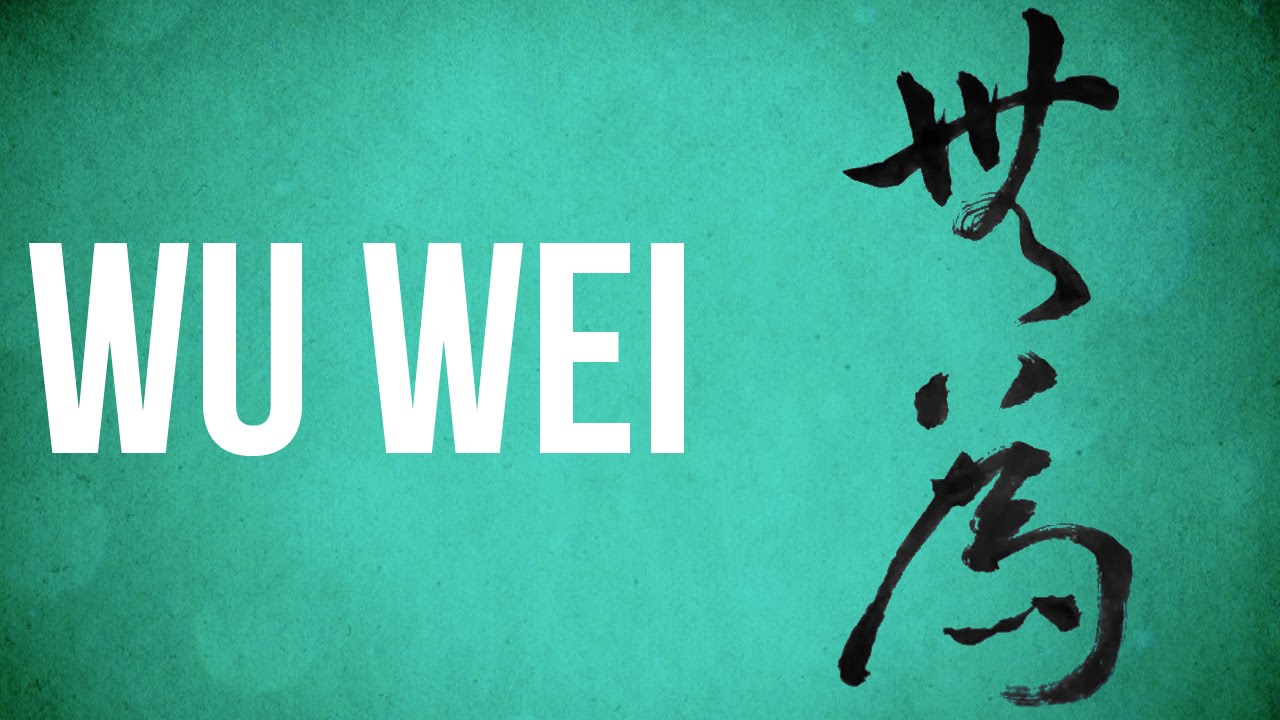
This video deconstructs Wu-Wei historically and linguistically, showing how early Daoists applied it to navigate personal ethics, social relationships, and survival. It explains how acting without ego-driven friction produces optimal outcomes.
Knowledge Checkpoint
- Translate the literal characters of Wu (without/not) and Wei (forcing/acting/striving).
- Explain how Wu-Wei differs significantly from pure passivity or doing nothing (nihilism).
- Detail how a modern psychological "flow state" mirrors the classical concept of Wu-Wei.
Why this video
This video provides a beautifully structured visual essay on how Wu-Wei applies to the challenges of modern life. It emphasizes the wisdom of recognizing when to yield and when to exert gentle force, using nature as a model.
Knowledge Checkpoint
- Explain the metaphor of water in the Daodejing (how the softest substance conquers the hardest stone).
- Identify how excessive planning, worrying, and force often run counter to natural efficiency.

Why this video
This short, contemplative video doubles down on the naturalistic imagery of water as the ultimate teacher of Daoist ethics. Water does not struggle; it flows around obstacles, patiently seeks the lowest ground, and yet nourishes all life.
Knowledge Checkpoint
- State how water’s tendency to settle in low places reflects the Daoist virtue of humility.
- Explain why "non-resistance" is a form of supreme strength in classical Daoist thought.
Module 4: Zhuangzi: Skepticism, Language, and Spontaneity
This module shifts the focus to Zhuangzi (c. 369–286 BCE), the second great figure of classical Daoism. You will explore his radical skepticism of human perception, his sharp critique of language and dualistic categories, and his celebration of spontaneous, unselfconscious living (Ziran).

Why this video
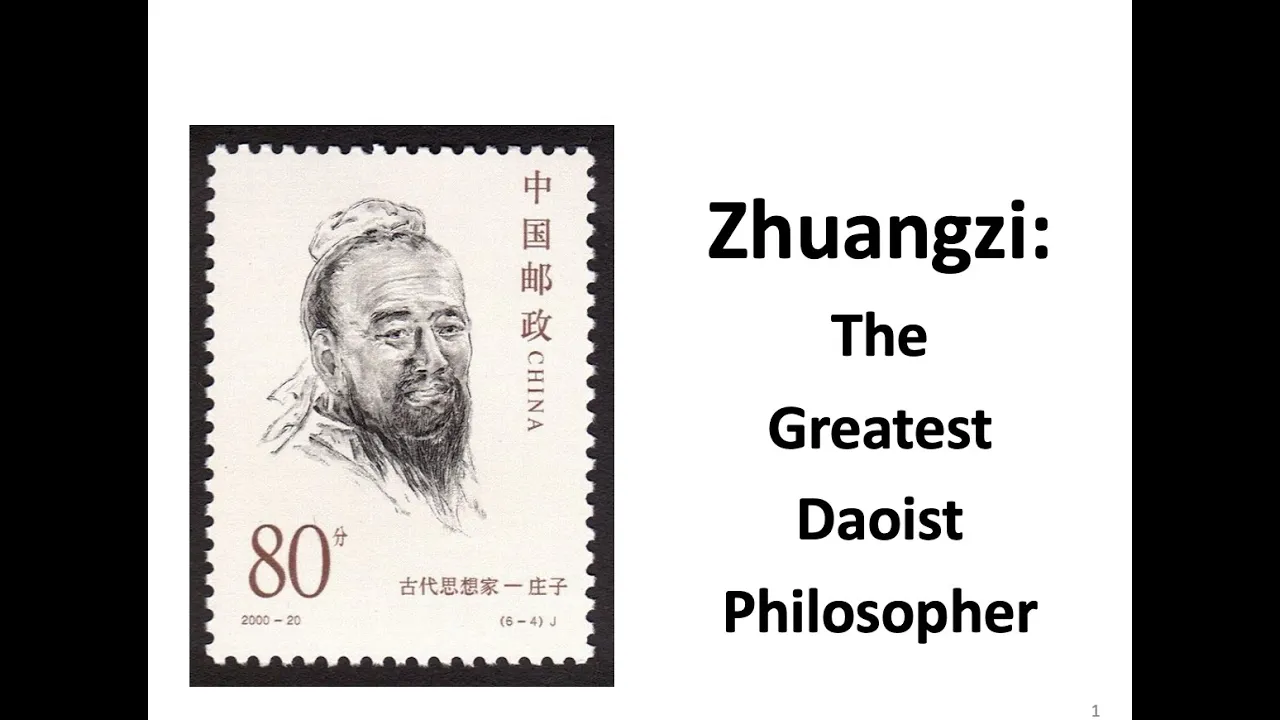
This deep, scholarly, and engaging analysis explores Zhuangzi’s unique literary genius. It highlights his use of humorous fables, absurd stories, and profound skepticism to challenge the rigid moral and linguistic boundaries of the Confucians and Mohists.
Knowledge Checkpoint
- Define Ziran (spontaneity or self-so-ness) and explain how it forms the core of Zhuangzi’s worldview.
- Explain Zhuangzi's critique of language: why words can never fully capture the fluid truth of reality.
- Contrast Zhuangzi's targeted skepticism with absolute Western skepticism (e.g., Descartes).
Why this video
Dr. Bryan Van Norden offers a brilliant breakdown of Zhuangzi's famous "Butterfly Dream" fable. He uses this narrative to illustrate Zhuangzi's epistemology, exploring how the dissolution of the ego leads to peace and freedom from the fear of death.
Knowledge Checkpoint
- Recount the "Butterfly Dream" story and explain its core philosophical implication regarding the shifting nature of identity.
- Explain why Zhuangzi preferred a simple, free life over political office, using his metaphor of the tortoise "dragging its tail in the mud."

Why this video
A quick, punchy visual look at Zhuangzi's legendary status as a teller of philosophical fables, reinforcing the conceptual transition between dreams, waking life, and the unity of all transformations.
Knowledge Checkpoint
- Define the term "The Transformation of Things" (wuhua) in the context of the Butterfly Dream.
💡 Independent Study Suggestion: While the videos above are superb, specific visually driven animations detailing Zhuangzi's deep linguistic critique of "this" vs. "that" (shi-fei) are sparse in the current pool. To deepen your understanding, independently search for scholarly articles on "Zhuangzi useless tree story" and "Zhuangzi perspective of Shi-Fei (right and wrong)."
Module 5: Daoism in Context: Philosophical Debates and Legacy
In this final module, you will place classical Daoism in direct dialogue with its rival school, Confucianism. You will also examine the practical political philosophy embedded within the Daodejing—such as ruling a state through non-interference and minimalism—and evaluate its legacy.

Why this video
Xiran Jay Zhao delivers a highly engaging, structured, and accessible comparative analysis under 15 minutes. By examining the narrative dynamics of Kung Fu Panda, they show how Confucianism (Master Shifu’s obsession with rules, training, and rigid control) clashes with and ultimately complements Daoism (Master Oogway’s trust in destiny, natural flow, and Wu-Wei).
Knowledge Checkpoint
- Contrast the Confucian emphasis on Li (ritual/order) and Ren (benevolence) with the Daoist focus on Ziran (naturalness) and Wu-Wei.
- Explain how a healthy culture balances the structure of Confucianism with the freedom of Daoism.

Why this video
This short segment highlights an essential but often overlooked aspect of the Daodejing: its origin as a direct critique of the war-crazed, authoritarian ruling class of ancient China. It introduces the political dimension of Laozi's thought as an anti-tyrannical manual for leaders.
Knowledge Checkpoint
- Describe the political context Laozi was criticizing when writing about state control and military expansion.
- Explain why the Daodejing warns that aggressively trying to shape a country leads to its ruin.

Why this video
This curated audio-reading focuses on the chapters of the Daodejing that discuss power, governance, and peace. It highlights Laozi’s famous statecraft metaphors, such as governing a large state as gently as one cooks a small fish (to avoid ruining it by over-stirring).
Knowledge Checkpoint
- Explain the metaphor "governing a large country is like cooking a small fish."
- Articulate Laozi's view on weapons of war and why even victories should be observed with mourning.
- Define the concept of the "uncarved block" (pu) as a political ideal of simplicity and potential.
Course Map
Key People Index
- Laozi (c. 6th–4th Century BCE): The legendary founder of Daoism and putative author of the Daodejing. His name translates literally to "Old Master."
- Zhuangzi (Zhuang Zhou, c. 369–286 BCE): The brilliant, witty, and skeptical Daoist sage who wrote the Zhuangzi, featuring fables like the "Butterfly Dream" and the "Useless Tree" to teach spiritual freedom.
- Dr. Bryan Van Norden: Professor of Philosophy at Vassar College and a leading international authority on Classical Chinese Philosophy.
- Dr. Andrew Henry: Scholar of religions and creator of ReligionForBreakfast, specializing in accessible, academic breakdowns of ancient religious history and mythology.
- Xiran Jay Zhao: Author and cultural commentator who uses popular media to explain classical Chinese historical and philosophical paradigms.
Final Self-Assessment
Test your mastery of classical Daoist philosophy by ensuring you can thoroughly answer and explain every item below:
- I can describe the socio-political conditions of the Warring States Period and explain why they birthed schools of thought like Daoism and Confucianism.
- I can articulate why the Dao, by definition, cannot be named, defined, or fully explained in words.
- I can explain the dualistic yet complementary nature of Yin and Yang, showing how they differ from Western "good vs. evil" dualisms.
- I can define Qi and explain how its flow is influenced by the state of balance between Yin and Yang.
- I can define Wu-Wei and contrast it with both active striving (forcing) and complete passivity (doing nothing).
- I can explain the water metaphor in the Daodejing and how it serves as a guide for personal ethics and behavior.
- I can summarize Zhuangzi's "Butterfly Dream" story and explain its epistemological message regarding the stability of the self.
- I can explain Zhuangzi's skepticism of language and why dualistic human categorization (like shi and fei) fails to reflect the unified nature of the Dao.
- I can compare and contrast the societal vision of Confucianism (relying on ritual, hierarchy, and active governance) with that of Daoism (relying on simplicity, non-interference, and the "uncarved block").
- I can explain Laozi's political advice of "governing a large country like cooking a small fish" and explain its anti-authoritarian implications.