Political Polarization: Drivers & Gridlock
Learning Goal: Analyze the structural drivers of political polarization in modern democracies, evaluating how media fragmentation, geographic sorting, and primary election systems entrench partisan gridlock.
- Prerequisites: Basic understanding of democratic systems, electoral mechanics, and contemporary political history.
- Estimated Total Study Time: 10 Hours
Module 1: Foundations of Political Polarization
This module establishes the foundational vocabulary of political science research on polarization. You will learn to distinguish between "ideological polarization" (the divergence of policy positions) and "affective polarization" (emotional dislike and distrust of the political out-group). Furthermore, you will explore the cyclical patterns of polarization throughout modern history and analyze the underlying evolutionary psychology of political tribalism.
Recommended Videos

Why this video
This seminar segment provides a precise, academic introduction to the concept of affective polarization. It delineates how ideological polarization (which is cognitive, policy-based, and focused on specific political issues) differs from affective polarization (which is emotional, relational, and characterized by active out-group hostility). This distinction is critical for understanding why modern citizens often despise opposing voters even when their actual policy differences are minimal.
Knowledge Checkpoint
- Define the core difference between ideological polarization and affective polarization.
- Explain how cognitive alignment on policy positions differs from emotional out-group animus.
- Understand why measuring affective polarization requires assessing social distance (e.g., comfort with a child marrying a member of the opposing party).

Why this video
Acclaimed sociologist Robert Putnam offers essential historical context by framing modern polarization as part of a century-long cyclical pattern. Drawing on deep empirical data, Putnam demonstrates that the Gilded Age of the late 19th century was just as polarized, unequal, and socially fragmented as today. He shows how the mid-20th century "Upswing" toward national unity was an anomaly, helping students avoid the trap of thinking contemporary polarization is entirely unprecedented.
Knowledge Checkpoint
- Identify the historical period in American history that mirrored today's levels of economic inequality and hyper-partisanship.
- Describe the "I-We-I" curve that Robert Putnam uses to track social cohesion and polarization over the 20th century.
- List at least two societal consequences of living at the bottom troughs of the cohesion cycle.
Why this video
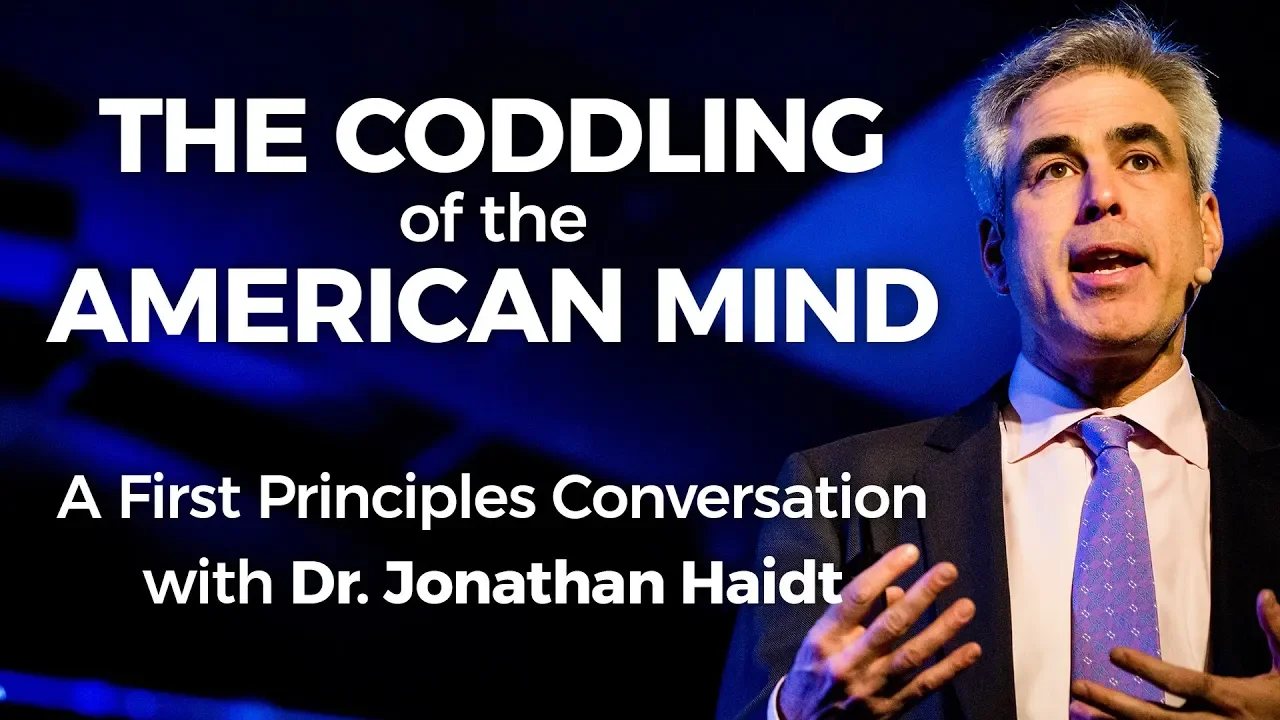
To understand the entrenchment of partisan gridlock, one must study the evolutionary psychology of human categorization. This video details Muzafer Sherif's famous Robbers Cave Experiment, illustrating how easily humans form intense in-group solidarity and out-group hostility over arbitrary divisions. It bridges cognitive psychology with political science to show how modern political parties have become "mega-identities" tapping directly into our evolutionary tribal hardwiring.
Knowledge Checkpoint
- Summarize the methodology and findings of the Robbers Cave Experiment.
- Explain how competitive, zero-sum framing transforms peaceful groups into mutually hostile factions.
- Apply the psychological concept of tribalism to explain why political compromise is frequently perceived as "treason" by highly engaged partisans.
Curriculum Author Note on Historical Gaps: While the historical and psychological frameworks in this module are highly robust, the video pool lacks a singular, high-production, broad-scope documentary detailing the timeline of polarization in the post-WWII era (such as the 1994 Republican Revolution or the realignment of the Southern Democrats). Learners are encouraged to independently search for: "The history of political polarization in America documentary" to supplement this timeline.
Module 2: Geographic Sorting and Social Identity
This module explores "The Big Sort"—the phenomenon of citizens self-segregating into culturally and politically homogeneous neighborhoods. You will analyze how the urban-rural divide has widened, how political identity has merged with other social identities (such as religion, race, and lifestyle preferences), and how physical segregation limits opportunities for cross-partisan dialogue.
Recommended Videos
Why this video
This concise explainer introduces the foundational thesis of Bill Bishop’s seminal work, The Big Sort. It highlights how internal migration patterns since the 1970s shifted from purely economic drivers (like job availability or weather) to cultural and political compatibility. This physical sorting means that citizens increasingly live in neighborhoods where their political opinions are reinforced by their daily surroundings.
Knowledge Checkpoint
- Define the term "The Big Sort" as coined by Bill Bishop.
- Contrast historical migration patterns with modern, culturally motivated sorting.
- Explain how living in a politically homogeneous neighborhood limits a voter's exposure to alternative political viewpoints.
Why this video
This panel clip analyzes how physical, ethnic, and socio-economic sorting has evolved over time. It contrasts older forms of geographic segregation (such as ethnic urban enclaves) with contemporary lifestyle-based sorting. The speakers explain how the decline of local civic associations and the rise of sorted national parties have created a system where our neighbors, churches, and grocery stores all align with our voting patterns.
Knowledge Checkpoint
- Differentiate between historical ethnic neighborhoods and modern lifestyle-based political sorting.
- Explain how the alignment of multiple social identities (lifestyle, location, religion) with partisan identity makes political compromise more difficult.

Why this video
This brief segment specifically defines "geographic sorting" within the context of democratic erosion. It explains how cultural and ideological values have driven people to segregate physically, leading directly to a structural divergence in how rural and urban environments vote, which in turn distorts representation in national institutions.
Knowledge Checkpoint
- Summarize the primary mechanism of geographic sorting according to this segment.
- Connect physical segregation to the widening divide between urban and rural electorates.
Curriculum Author Note on Demographic Gaps: While these selections outline the cultural psychology of geographic sorting, there is a lack of deep, map-based visual explanations showing census data or electoral map transformations. To bridge this gap, students are highly encouraged to independently search: "How geographic sorting polarizes politics Vox explainer" to study interactive county-level shift visualizations.
Module 3: Media Fragmentation and Digital Echo Chambers
This module tracks the transition of the media ecosystem from centralized mass broadcasting to highly fragmented cable news and algorithmic social media networks. You will analyze the financial incentives of the modern "outrage economy" and investigate the structural differences between "epistemic bubbles" and "echo chambers."
Recommended Videos

Why this video
This highly detailed 60 Minutes investigative segment details how major social media platforms utilize engagement-maximizing algorithms to amplify divisive and inflammatory content. It provides empirical evidence of how algorithmic systems create a feedback loop, systematically rewarding political outrage with increased reach, visibility, and platform monetization.
Knowledge Checkpoint
- Explain the core business model of major social media platforms and how it relates to user engagement.
- Describe the algorithmic feedback loop that rewards inflammatory, outrage-inducing political content over moderate, factual content.
- Discuss the societal consequences of platform architectures that prioritize viral reach over accuracy.
Why this video
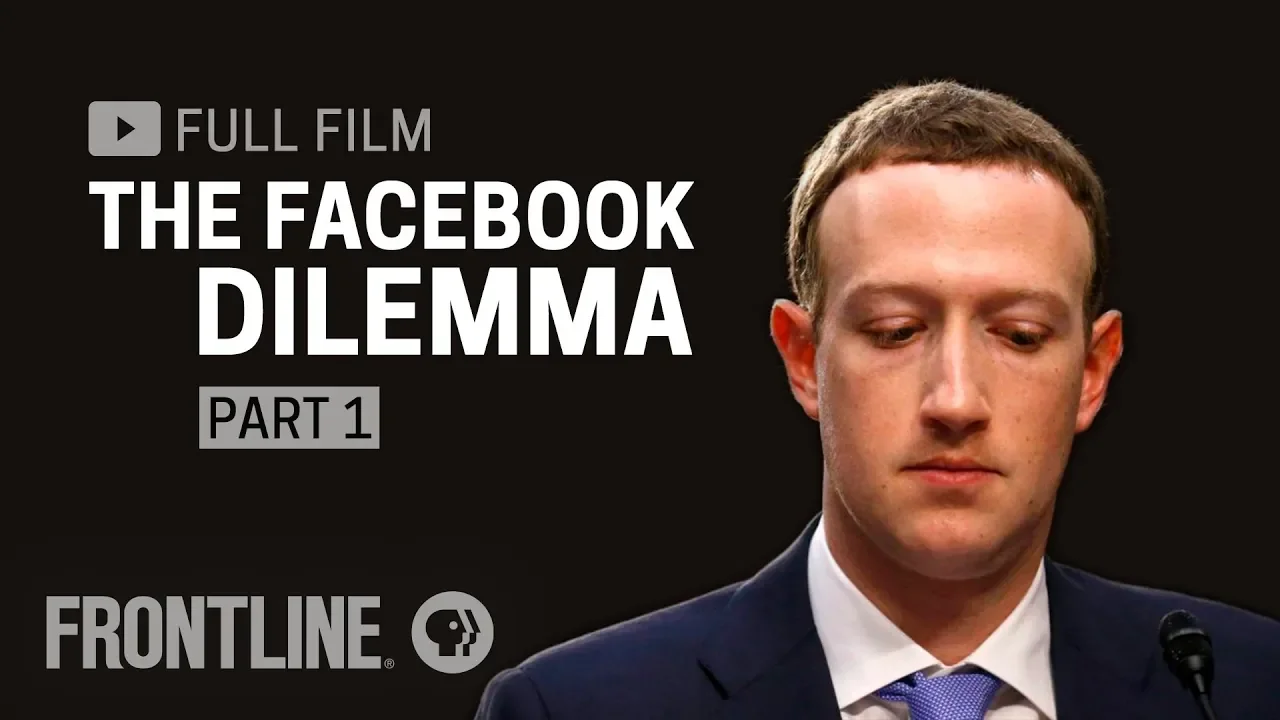
This landmark Frontline documentary provides an exhaustive, behind-the-scenes look at how the design choices of tech giants actively degraded democratic discourse. The documentary details how features like the "News Feed" algorithm and the "Share" button optimized for emotional arousal. When users posted hyper-partisan attacks, their engagement spiked, creating an unintended incentive structure that systematically disincentivized truth and compromise.
Knowledge Checkpoint
- Analyze how specific social media UI/UX designs (e.g., the news feed, share buttons) structurally altered public discourse.
- Contrast the idealized democratic goals of early social media pioneers with the real-world incentives of an ad-driven business model.
- Detail how foreign and domestic political actors weaponized algorithmic vulnerability to inflame cultural grievances.

Why this video
This analytical conversation explores the broader transition from mass-broadcast media to a deeply fragmented landscape. Jon Stewart and Ezra Klein discuss how the destruction of the shared media consensus forced news outlets to compete for highly targeted, passionate niches. In this hyper-competitive market, keeping audiences constantly stimulated with existential political fear is the most profitable strategy.
Knowledge Checkpoint
- Describe the structural shift from the 20th-century "mass media" consensus (three major networks) to 21st-century fragmented niche networks.
- Explain how fragmentation changes the editorial incentives of journalism, shifting from objective informing to audience retention through threat-framing.
- Define the economic pressures that force news organizations to engage in an "outrage arms race."
Module 4: Electoral Systems: Primaries and Gerrymandering
This module evaluates how structural rules in voting systems incentivize polarization. You will analyze how primary election mechanics favor ideologically extreme candidates, examine how partisan gerrymandering creates non-competitive general elections, and study how "First-Past-The-Post" (FPTP) winner-take-all mechanics naturally entrench a zero-sum, two-party duopoly.
Recommended Videos

Why this video
This segment targets the structural mechanics of primary elections. It explains how extremely low primary turnout (typically around 10% of highly motivated, partisan voters) effectively shifts the threat of electoral defeat from the general election to the primary. Consequently, candidates are structurally disincentivized from seeking bipartisan consensus because doing so risks a primary challenge from their party's ideological flank.
Knowledge Checkpoint
- Explain why general election candidates are forced to appeal to extreme factions during the primary phase.
- Calculate how a low-turnout primary election (e.g., 10% turnout) allows a small minority of partisan voters to dictate general election choices.
- Describe the "primary threat" and how it acts as an institutional barrier to political moderation and legislative compromise.

Why this video
This investigative piece provides an on-the-ground look at gerrymandering and redistricting mechanics. Using North Carolina as a case study, it visually demonstrates the dual concepts of "packing" (concentrating opposition voters into a single district) and "cracking" (diluting opposition voters across multiple districts to secure safe seats). It links this geographic manipulation directly to the insulation of politicians from moderate general electorates.
Knowledge Checkpoint
- Define the concepts of "packing" and "cracking" in electoral boundary design.
- Explain how gerrymandering insulates a representative from accountability to the average constituent in their state.
- Analyze how a state can have a closely divided electorate statewide but still produce a highly skewed, supermajority legislative delegation due to boundary manipulation.

Why this video
This academic video introduces structural alternatives to the American electoral system. By contrasting First-Past-The-Post (FPTP) single-member systems with Proportional Representation (PR), it reveals why the mechanics of FPTP mathematically mandate a polarized two-party system (Duverger's Law). It explains how PR systems allow for multi-party coalition building, which structurally reduces the zero-sum, existential framing of elections.
Knowledge Checkpoint
- Define First-Past-The-Post (FPTP) voting and identify its structural tendency toward two-party duopolies.
- Contrast the political incentives of a single-member district system with a multi-member, proportional representation system.
- Explain how coalition-building in proportional systems can serve as a structural pressure valve against affective polarization.
Curriculum Author Note on Gerrymandering Gaps: While the VICE video demonstrates the real-world effects of gerrymandering, students seeking a highly simplified, visual, abstract explanation of district drawing mechanics should independently search: "Gerrymandering explained simply CGP Grey". This classic animation is highly recommended for mastering the pure math of packing and cracking.
Module 5: Partisan Gridlock and Institutional Reform
This module synthesizes the structural forces analyzed in previous modules to evaluate their final consequence: legislative and executive gridlock. Finally, the module pivots toward solutions, analyzing structural and institutional reforms—including Ranked-Choice Voting (RCV), open primary systems, and rules changes—that aim to realign political incentives toward compromise.
Recommended Videos

Why this video
In this interview, Congressman Greg Landsman describes the internal, daily realities of congressional dysfunction. He outlines how partisan gerrymandering and hyper-partisan primary dynamics create an environment where passing basic, common-sense legislation is actively discouraged by party leadership. It serves as a strong case study of how structural incentives manifest as direct institutional gridlock.
Knowledge Checkpoint
- Describe how hyper-partisanship compromises the legislative branch's ability to perform basic governance duties (e.g., passing budgets, infrastructure bills).
- Connect the electoral fears of members of Congress (primary challenges) to their unwillingness to vote across party lines.
Why this video
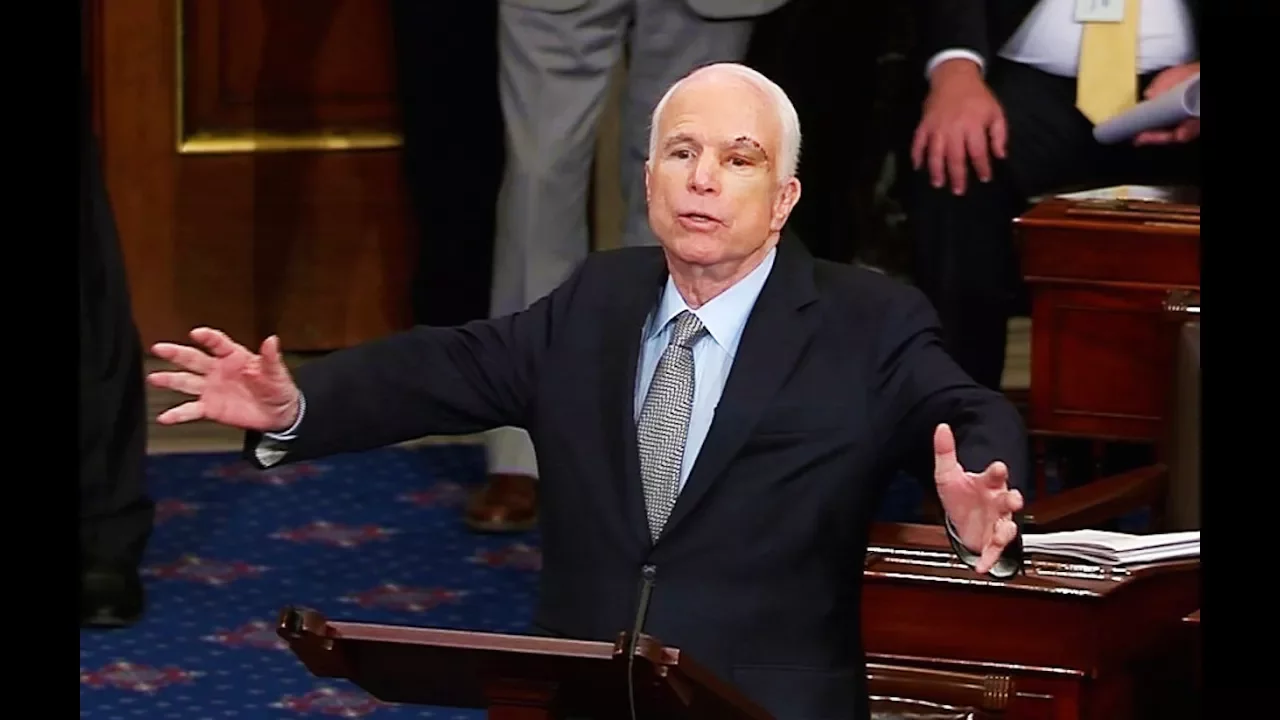
This segment analyzes a key historical moment of gridlock and legislative theater: Senator John McCain's famous address regarding the repeal of the Affordable Care Act. It highlights how hyper-polarized conditions destroy standard legislative processes (such as committee hearings, public amendments, and bipartisan negotiation), replacing them with closed-door drafting and high-stakes floor showdowns.
Knowledge Checkpoint
- Explain how polarization leads to the breakdown of regular legislative order (e.g., bypassing public committee hearings).
- Discuss why high-profile, televised votes often prioritize signaling loyalty to the partisan base over drafting workable policy.

Why this video
This segment discusses Ranked-Choice Voting (RCV) as a structural solution to the polarization feedback loop. It explains the mechanics of RCV (where voters rank candidates by preference rather than selecting a single candidate), showcasing how it eliminates the "spoiler effect" for third parties and incentivizes candidates to appeal to a broader, more moderate coalition of voters.
Knowledge Checkpoint
- Explain the mechanics of a Ranked-Choice Voting (RCV) system.
- Analyze why RCV structurally forces candidates to moderate their rhetoric and avoid alienating supporters of other candidates.
- Explain how RCV can dismantle the binary, zero-sum incentives of a two-party system.
Curriculum Author Note on Reform Gaps: While Ranked-Choice Voting is well-covered, other major systemic reforms—such as open primaries (which allow non-partisan voters to participate in candidate selection) and Senate rules changes (such as reform or abolition of the legislative filibuster)—are not fully represented in the pool. To explore these concrete policy proposals, independently search: "Can ranked choice voting fix political polarization explainer" and study the impact of open primary legislation in states like Alaska.
Course Map
The diagram below maps out the recommended progression through this curriculum. Note that Module 1 serves as the absolute foundation for all subsequent modules, which then converge in the synthesis and solutions of Module 5.
Key People Index
This index highlights the key researchers, sociologists, and journalists whose empirical frameworks form the backbone of this curriculum.
- Robert Putnam, Ph.D.
Context: Renowned Harvard sociologist and political scientist. His books Bowling Alone and The Upswing track the decline and potential resurgence of American social capital, civic engagement, and cross-partisan community integration. - Bill Bishop
Context: Prominent journalist and author. His landmark 2008 book, The Big Sort: Why the Clustering of Like-Minded America is Tearing Us Apart, empirically proved that American communities have sorted themselves geographically by political and cultural identity over the last fifty years. - Muzafer Sherif
Context: Legendary social psychologist. His Robbers Cave Experiment (1954) proved that human groups will quickly form hostile, zero-sum rivalries when placed in competitive environments, demonstrating the deep-seated evolutionary roots of modern political tribalism. - Jonathan Haidt
Context: Social psychologist at NYU Stern School of Business. Known for Moral Foundations Theory, his work analyzes how cognitive bias, evolutionary tribalism, and social media algorithmic design have amplified affective polarization and undermined social trust over the past decade.
Final Self-Assessment
Review this comprehensive assessment after completing all modules. You should be able to confidently check off every item using concrete concepts studied throughout the course.
- I can articulate the difference between ideological polarization and affective polarization, giving a real-world example of each.
- I can explain how the "I-We-I" cyclical trend in Robert Putnam's research relates to historical and modern eras of hyper-partisanship.
- I can trace how geographic migration patterns shifted from purely economic incentives to cultural-ideological self-sorting ("The Big Sort").
- I can define the business model of the "outrage economy" and explain how social media algorithms systematically reward highly emotional political content.
- I can contrast an "epistemic bubble" (where voices are excluded by lack of coverage) with an "echo chamber" (where opposing voices are actively discredited).
- I can calculate how a primary election with a 10% turnout rate creates structural barriers that prevent general election candidates from moving toward the political center.
- I can draw a diagram explaining the geometric mechanics of "packing" and "cracking" in gerrymandered congressional districts.
- I can explain Duverger's Law and describe how a First-Past-The-Post (FPTP) voting system naturally produces a binary, zero-sum two-party landscape.
- I can detail how legislative gridlock systematically degrades normal congressional operations (such as regular budget cycles and public committee debate).
- I can write a step-by-step description of how votes are tallied in a Ranked-Choice Voting (RCV) system.
- I can defend why Ranked-Choice Voting and open primaries are structural solutions that realign electoral incentives toward political moderation.