Resource Curse: Rentier States & Conflict
Learning Goal: Analyze the political economy of the "resource curse," evaluating how state dependence on oil and mineral extraction shapes rentier state behavior, institutional corruption, and the likelihood of civil conflict.
- Prerequisites: Basic understanding of macroeconomic concepts (exchange rates, GDP) and fundamental political science frameworks (state sovereignty, authoritarianism vs. democracy).
- Estimated Study Time: 14 hours
Module 1: Foundations of the Resource Curse & Dutch Disease
This module introduces the foundational paradox of the "resource curse" (also known as the paradox of plenty). It explores how resource abundance, counterintuitively, can stifle economic growth and create structural vulnerabilities. Learners will dissect the macroeconomic mechanics of "Dutch Disease," examining how massive export booms of natural resources trigger currency appreciation, leaving other vital economic sectors (like manufacturing and agriculture) uncompetitive on the global stage.
Recommended Videos

-
Why this video: This video provides an accessible, engaging introduction to the paradox of plenty. It illustrates how resource extraction centralizes wealth within elite networks and isolates economic performance from real productivity, laying the conceptual groundwork for the curse.
-
Knowledge Checkpoint:
- Define the "paradox of plenty" and explain why resource-rich countries often underperform economically.
- Identify how easy resource access reduces the incentive for governments to diversify their domestic economies.

-
Why this video: This video offers a clear, step-by-step macroeconomic breakdown of Dutch Disease. It models how foreign capital inflows during a resource boom lead to a stronger domestic currency, making traditional exports expensive and uncompetitive.
-
Knowledge Checkpoint:
- Outline the structural steps through which a natural resource discovery causes currency appreciation.
- Analyze the long-term impact of Dutch Disease on a nation's manufacturing and agricultural employment.

-
Why this video: Focused on professional economic curricula, this segment details how resource booms divert capital and skilled labor away from non-resource sectors, leading to lopsided development.
-
Knowledge Checkpoint:
- Explain how resource booms crowd out investment in domestic innovation and education.
- Describe the relationship between volatile commodity prices and structural economic instability.

-
Why this video: A comprehensive academic lecture from Stanford University analyzing the institutional arrangements required to manage and mitigate the macroeconomic vulnerabilities of the resource curse.
-
Knowledge Checkpoint:
- Contrast countries that successfully mitigated the resource curse (e.g., Norway) with those that failed to do so.
- Detail the policy mechanisms, such as Sovereign Wealth Funds, used to buffer against commodity price volatility.
Module 2: Rentier State Theory & Government Behavior
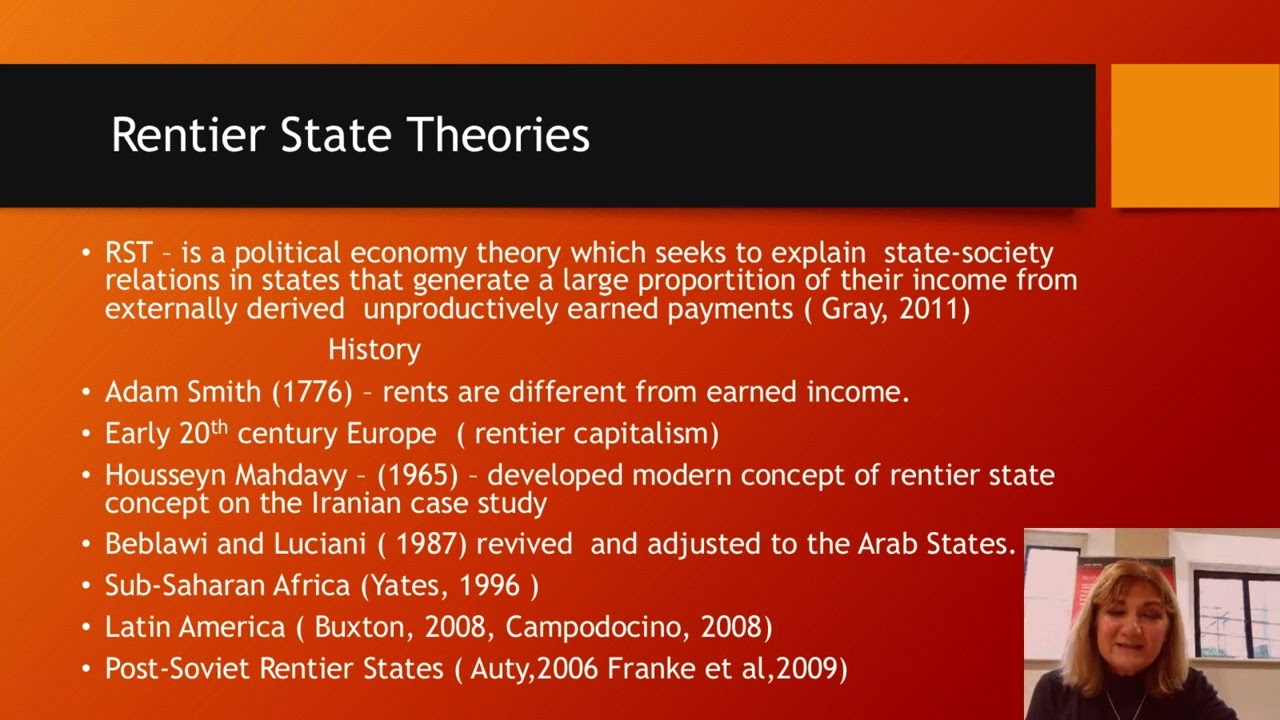
This module shifts the focus from macroeconomics to political economy, examining the core tenets of Rentier State Theory (RST). Learners will analyze how governments relying on external resource "rents" (such as direct oil sales to foreign markets) develop entirely different state-society relations compared to states relying on domestic taxation. The module highlights the breakdown of accountability, illustrating how the absence of domestic taxation severs the classic democratic demand of "no taxation without representation."
Recommended Videos
-
Why this video: A foundational, university-level lecture detailing the political economy of rentierism. It traces how state institutions become "distributors" of wealth rather than "extractors" of taxes, fundamentally altering government behavior.
-
Knowledge Checkpoint:
- Define "external rent" and differentiate a rentier economy from a production-based economy.
- Explain why rent-reliant governments lack the incentive to develop efficient, transparent regulatory structures.
![Extractivism and Economic Development - John Minns [Shifting Sands Conference 2013]](https://i.ytimg.com/vi/NFxQ1f6w2sY/maxresdefault.jpg)
-
Why this video: This lecture summary highlights how extractivism breaks down the political contract between rulers and citizens, showing how the lack of a domestic tax relationship fosters public unaccountability and corruption.
-
Knowledge Checkpoint:
- Analyze how the absence of direct income taxes removes the public's leverage to demand accountability.
- Describe the fiscal dynamics of extractivism and how it isolates political elites from the populations they govern.

-
Why this video: This briefing provides a case study of Saudi Arabia as a classic rentier state. It shows how the state's fiscal independence from its populace shapes domestic policy and social engineering.
-
Knowledge Checkpoint:
- Explain how a state's reliance on oil exports makes its social stability highly vulnerable to global price drops.
- Discuss how a rentier state uses public sector employment to distribute resource wealth and buy political compliance.

-
Why this video: Although framed around a simulation game, this video quickly explains the fundamental feedback loop of a rentier state: citizens pay zero taxes and receive state subsidies, which suppresses political representation and results in severe mismanagement of resources.
-
Knowledge Checkpoint:
- Identify the structural tradeoff between low taxation and political representation in rentier states.
- Map how the degradation of tax collection institutions weakens public policy capacity.
Syllabus Note on Content Gaps: The current video pool lacks a high-level, non-academic animation specifically tracking the step-by-step history of the "No taxation without representation" social contract in the Middle East and Latin America. To supplement this, we highly recommend searching YouTube for independent queries such as: "Why oil states don't tax their citizens rentier effect" and "Rentier State Theory and the social contract."
Module 3: Institutional Corruption & Authoritarian Survival
This module explores how massive natural resource revenues weaken democratic institutions, build resilient patronage networks, and buy autocratic longevity. We will analyze how dictators and oligarchs use state-controlled resources to finance repressive internal security networks, purchase opposition loyalty, and resist demands for democratization.
Recommended Videos

-
Why this video: This video details the concrete domestic mechanisms through which oil resources sustain authoritarian governance, exploring how high revenues enable cartels (such as OPEC) and state actors to cement their grip on power.
-
Knowledge Checkpoint:
- Outline how global resource supply manipulation generates high prices that directly finance domestic autocracies.
- Detail the physical and financial steps autocrats take to isolate resource extraction sites from public oversight.
-
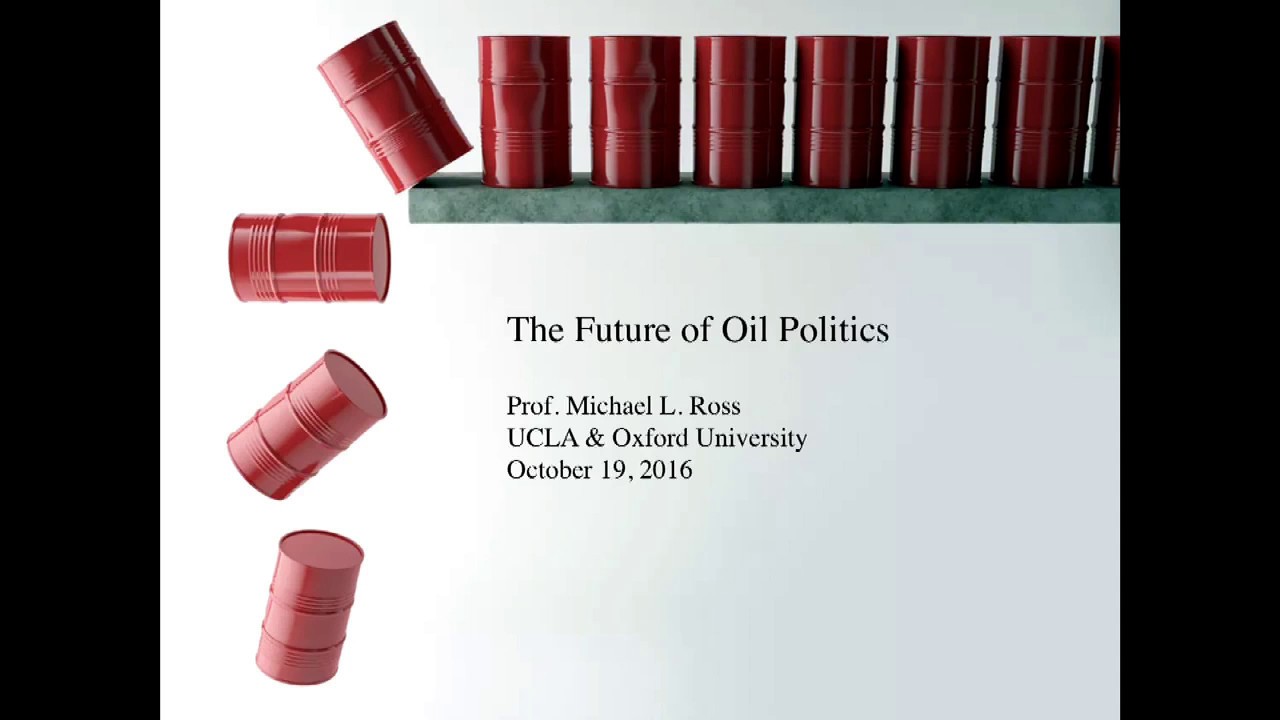
Why this video: This Oxford Blavatnik School video analyzes why approximately two-thirds of the world's major oil exporters are authoritarian regimes, illustrating the powerful statistical link between fossil fuel extraction and democratic deficits.
-
Knowledge Checkpoint:
- Explain the statistical correlation between oil export reliance and authoritarian rule.
- Analyze the historical shift from the mid-20th century to the present regarding petro-state democratization.

-
Why this video: This interview explains how oil-wealthy dictators (using modern Russia as a prime example) leverage resource windfalls to fund security forces, suppress civic opposition, and resist external economic sanctions.
-
Knowledge Checkpoint:
- Explain how state-controlled corporations (such as Rosneft or Gazprom) function as political survival tools for autocrats.
- Analyze how direct resource revenues neutralize international sanctions.

-
Why this video: A case study of Mobutu Sese Seko's Zaire (DRC). It shows how a personalist dictatorship uses massive national mineral wealth to fund internal family networks and build global offshore wealth, preventing institutional checks and balances.
-
Knowledge Checkpoint:
- Define kleptocracy and explain how it manifests in resource-rich but institutionally weak regimes.
- Trace how the diversion of mineral revenues to elite networks hollows out basic public services.
Syllabus Note on Content Gaps: This module would benefit from a dedicated political science lecture explaining Bruce Bueno de Mesquita's Selectorate Theory—specifically how natural resource rents allow autocrats to shrink their "winning coalition" by buying them off with private goods rather than providing public goods. We recommend searching independently for: "Selectorate theory authoritarian survival resource wealth."
Module 4: Resource Wealth, Lootability & Civil Conflict
This module evaluates the direct relationship between natural resource extraction and armed conflict. It introduces the "Greed vs. Grievance" debate, explores how "lootable" resources (such as alluvial diamonds or gold) fund rebel movements, and investigates how dependence on extraction weakens the state’s security apparatus, leaving it vulnerable to civil war and state collapse.
Recommended Videos
-
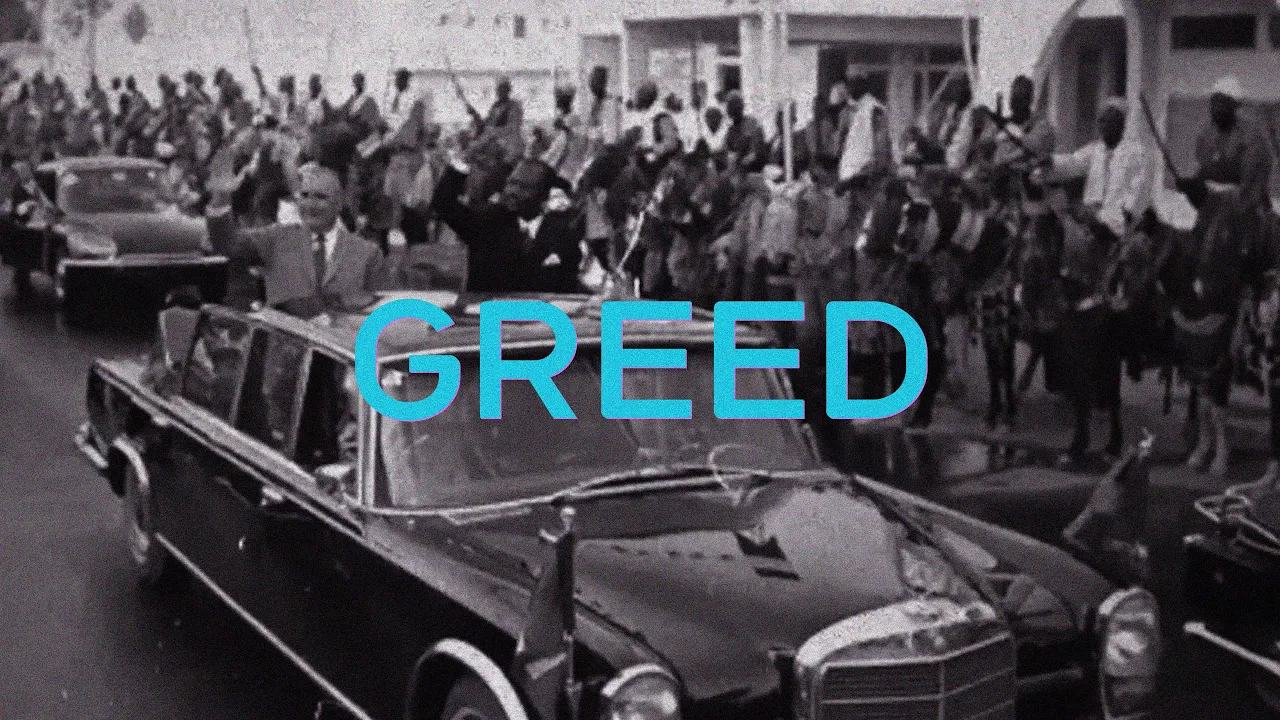
Why this video: This video details the Collier-Hoeffler "Greed vs. Grievance" model of civil wars. It analyzes how resource access acts as a financial opportunity that keeps rebel movements alive (greed), interacting with ethnic or social divisions (grievance) to fuel internal wars.
-
Knowledge Checkpoint:
- Differentiate between "greed" and "grievance" as primary drivers of civil war.
- Explain how natural resources provide the financial viability required for insurgent recruitment and operations.
-
Why this video: In this university lecture, prominent political scientist Terry Lynn Karl outlines how the institutional hollow-out of petro-states alters incentives, creating conditions highly conducive to civil war and state breakdown.
-
Knowledge Checkpoint:
- Identify how the decline of a state's administrative institutions increases the risk of civil conflict.
- Describe how disrupting oil production alters the calculations of competing political and military factions.
-
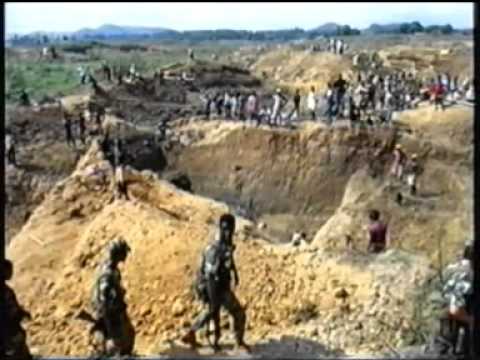
Why this video: This documentary offers an in-depth look at how "lootable" resources—specifically alluvial diamonds—sustained brutal civil wars in Sierra Leone and Angola during the 1990s and 2000s.
-
Knowledge Checkpoint:
- Define a "lootable resource" and distinguish it from "non-lootable resources" (such as deep-water offshore oil).
- Analyze how rebel groups utilize local mineral extraction to buy weapons and maintain their fight against the state.
-
Why this video: This talk explores how state formation, coercive tax collection, and military structures are linked to lootable resources, demonstrating that resource extraction can drive state weakness and eventual collapse.
-
Knowledge Checkpoint:
- Describe the four historical conditions required for coercive states to form around resource extraction.
- Explain how easily captured resources can lead to the fragmentation of state authority.
Course Map
Key People Index
- Terry Lynn Karl (Professor of Political Science at Stanford University): Pioneering political scientist who formalized research on "petro-states" and wrote The Paradox of Plenty: Oil Booms and Petro-States. She explains how reliance on oil structures state institutions and makes them prone to instability and conflict.
- John Minns (Political Economist): Focuses on the structural realities of extractivism, highlighting how resource reliance cuts the democratic link between taxpayers and government accountability.
- Paul Collier & Anke Hoeffler (Economists): Developers of the "Greed vs. Grievance" economic model of civil war. They demonstrated that the presence of lootable resources provides the funding needed to sustain civil conflicts.
- Luke Kemp (Research Associate, Centre for the Study of Existential Risk): Analyzes how historic state formation, resource storage, and military centralization shape state survival and collapse.
Final Self-Assessment
Complete this comprehensive self-assessment to verify your mastery of the political economy of the resource curse:
- Explain the fundamental paradox of the "resource curse" and why it represents an institutional, rather than merely economic, challenge.
- Trace the macroeconomic steps of Dutch Disease from initial resource discovery to currency appreciation and the decline of manufacturing.
- Differentiate between a production state and a rentier state based on their primary tax revenue models.
- Explain how the breakdown of the "no taxation without representation" social contract impacts state accountability and public oversight.
- Describe how rentier states use public sector employment and subsidies as a tool for buying political compliance and preventing democratic transition.
- Identify the institutional mechanisms through which autocrats use oil and mineral resources to finance internal security forces and maintain power.
- Differentiate between "lootable" (e.g., alluvial diamonds, gold) and "non-lootable" (e.g., deep-sea oil) resources, and assess their respective risks for civil war.
- Apply the "Greed vs. Grievance" model to show how natural resources provide the necessary funding for rebel insurgencies.
- Evaluate how Sovereign Wealth Funds and structural institutional checks help mitigate the resource curse in successful cases like Norway.