Gig Economy: Precarity, Emotion & Solidarity
Learning Goal: Investigate the sociological transformation of work in the gig economy, focusing on the rise of precarious labor, the commodification of emotional labor, and the erosion of traditional workplace solidarity.
- Prerequisites: None (Introduction to sociological concepts is helpful but not required)
- Estimated Total Study Time: 12 Hours
Module 1: Sociology of Work: From Fordism to Post-Fordism
This module establishes the historical and sociological foundation of modern labor. By examining the transition from the secure, highly structured, and centralized industrial regimes of Fordism to the highly flexible, decentralized, and volatile patterns of post-Fordist capitalism, you will gain the theoretical tools required to analyze the emergence of platform-based work.
Recommended Videos

Why this video: This short introductory lecture serves as an entry point for understanding why sociologists study work. It frames work as not merely an economic transaction for survival, but as a central structure of human identity, social organization, and temporal rhythm. It establishes the baseline sociological perspective that changes in how we work directly precipitate transformations in how we live and relate to one another.

Why this video: To understand the "new" economy, we must dissect the "old" industrial baseline. This video traces the historic emergence of Fordism in the early-to-mid 20th century. It breaks down the three core pillars of Fordist manufacturing: extreme deskilling of labor through repetitive assembly line tasks, central centralization of production, and the historic "compromise" where workers were paid family-supporting wages to turn them into consumers of the very products they built.

Why this video: This video provides a direct, side-by-side structural comparison of the transition to post-Fordism. It explains how rigid, factory-bound mass production lines gave way to highly flexible, globalized, and specialized production networks. Understanding post-Fordist characteristics—such as just-in-time manufacturing, labor flexibility, and the rise of service-sector domination—is critical to recognizing the gig economy as the hyper-developed, digital continuation of post-Fordist capitalism.
Knowledge Checkpoint
- Define the core characteristics of Fordism, specifically regarding assembly-line specialization and mass consumption.
- Explain how the shift to a post-Fordist service economy changed the spatial and temporal boundaries of traditional work.
- Articulate why sociologists view work as a central element of social solidarity and personal identity rather than just a financial necessity.
Module 2: Platform Capitalism and Algorithmic Management
- Prerequisites: Module 1
This module investigates how digital platforms function as a distinct economic paradigm and explores the mechanisms of "algorithmic management." You will analyze how companies use data, hidden surveillance architectures, and mathematical feedback loops to monitor, motivate, and discipline a decentralized workforce, effectively replacing human supervisors with code.
Recommended Videos

Why this video: Dr. Nick Srnicek, a foundational theorist on the digital economy, explains why "platforms" represent a major structural transformation in capitalism. He critiques misleading euphemisms like the "sharing economy" and demonstrates that platform capitalism relies on ownership of data infrastructure rather than physical assets. This macro-sociological framework is essential for understanding how digital infrastructure dictates the micro-level conditions of gig labor.

Why this video: This academic webinar dives deep into the operational reality of algorithmic management. It unpacks the complex, cybernetic mechanisms through which digital platforms exercise control over fragmented workforces. It details how the traditional, legally protected bilateral relationship between employer and employee is systematically dismantled and replaced by multilateral, software-intermediated contract networks.

Why this video: An extraordinary piece of organic field research, this video shows an actual ride-share driver testing the limits of Uber’s algorithmic pricing and routing systems. By systematically declining rides, the driver exposes how the algorithm alters rates, obfuscates surge metrics, and dynamically shifts compensation. It is a textbook demonstration of the lack of algorithmic transparency and the imbalance of information in platform labor.

Why this video: This concise video breaks down the psychological manipulation built into algorithmic systems. It demonstrates how platforms track precise biometric data (such as acceleration patterns and braking frequencies) and send behavioral nudges to push workers to labor longer, more hazardous hours. It illustrates the concept of the "digital panopticon," where surveillance is continuous, invisibly integrated, and used for direct labor discipline.
Knowledge Checkpoint
- Explain how Nick Srnicek defines a "platform" and why data extraction is central to platform capitalism.
- Identify three distinct ways algorithmic management replaces traditional human managerial roles (e.g., dispatch, performance review, discipline).
- Describe the concept of the "digital panopticon" and explain how real-time tracking of driver behavior creates structural subordination.
Module 3: Precarious Labor and the Rise of the 'Precariat'
- Prerequisites: Module 2
In this module, you will explore "precarity" as a sociological concept and analyze how platform capitalism systematically externalizes financial and physical risk from corporations onto individual gig workers. We will examine the emergence of what Guy Standing calls "the precariat"—a rising global socioeconomic class defined by chronic instability, lack of workplace benefits, and systemic anxiety.
Recommended Videos

Why this video: Sociologist and economist Guy Standing presents his core thesis on "the precariat" as a dangerous and growing new class. Standing articulates how neoliberal policy and modern labor flexibility have stripped millions of workers of their social wage, labor protections, and stable occupational identities. This lecture provides the vital theoretical vocabulary needed to understand the socio-political dimension of gig economy anxiety.

Why this video: Before the rise of smartphones, the "temp agency" was the primary vector for casualizing work. This Vice documentary exposes the systemic structure of precarious temporary manual labor. It shows how companies systematically underbid, avoid paying benefits, and externalize workplace injuries to staffing agencies. This video draws a direct evolutionary line from early industrial temping to modern app-based gig labor.

Why this video: This clip from legendary filmmaker Ken Loach’s film Sorry We Missed You delivers a gut-wrenching look at the psychological and domestic toll of precarious self-employment. It dramatizes the moment a parcel delivery driver is onboarded as an "independent franchisee," illustrating how the language of entrepreneurial autonomy and freedom is used to mask intense financial vulnerability, lack of sick leave, and extreme subordination.
Knowledge Checkpoint
- According to Guy Standing, what are the primary features that distinguish the "precariat" from the traditional working class?
- Define the process of "externalizing risk" and give examples of the operating costs that platform companies shift onto gig workers.
- Explain how classifying gig workers as "independent contractors" (or "W9 status") benefits platform companies legally and financially.
Module 4: Commodification of Feeling: Emotional & Aesthetic Labor
- Prerequisites: Module 1, Module 2
Note on Review Feedback: This module incorporates critical corrections, making Module 2 a key prerequisite. This adjustment allows us to directly connect Arlie Hochschild's classic theory of emotional labor with the algorithmic surveillance of rating systems (e.g., five-star rating anxiety) that platform capitalism deploys.
This module investigates how service and gig economies commodify personal feelings, presentation, and behavior. You will study Arlie Hochschild’s seminal sociological concepts of "surface acting," "deep acting," and "emotional labor," and examine how platform-based customer feedback loops weaponize these concepts to discipline workers.
Recommended Videos

Why this video: This video provides an explicit breakdown of Arlie Hochschild’s classic theory of emotional labor. It unpacks the vital distinction between "surface acting" (altering outward expressions without changing inner feelings) and "deep acting" (actively manipulating one’s internal psychological state to match structural workplace requirements). This provides the essential academic foundation for studying the commercialization of human feeling.

Why this video: This brilliant video essay bridges classic sociological theory with the lived experience of modern service workers. It demonstrates how "emotional performance" is structurally demanded in customer-facing roles to secure tips and maintain employment, and outlines the psychological alienation that occurs when your smile, warmth, and personality are sold as a commercial commodity.
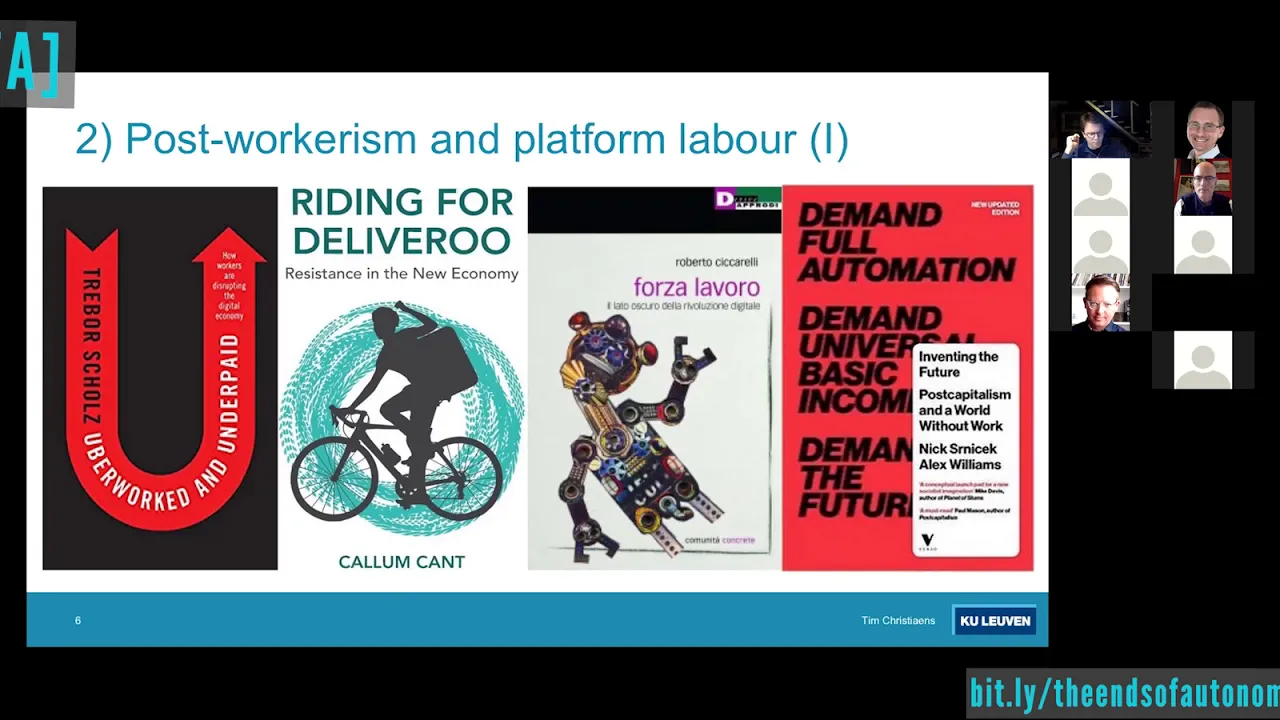
Why this video: This video directly answers a critical gap in the initial curriculum by showing how platform technologies weaponize emotional labor. Scholar Tim Christiaens explains how rating systems function as "personalized panopticons." Because gig workers must maintain a near-perfect rating (e.g., 4.85 stars) to avoid algorithmic deactivation, they are forced to perform continuous, artificial friendliness and defer to unreasonable client demands, transforming personal emotional regulation into a survival metric.

Why this video: This video provides a visceral, real-world case study of "five-star rating anxiety" in action. An independent gig delivery courier documents how a drop in ratings—caused by store inventory policies completely outside his control—directly threatens his standing with the platform. It demonstrates how the asymmetric customer rating loop forces gig workers to bear the psychological stress and performative emotional labor of keeping customers happy under structural constraints.
Knowledge Checkpoint
- Differentiate between Arlie Hochschild's concepts of "surface acting" and "deep acting," and explain why they constitute "labor."
- Analyze how algorithmic customer rating systems (e.g., 5-star feedback loops) act as a disciplinary force that commodifies personal personality.
- Explain how rating-induced anxiety leads to the erosion of worker autonomy in interactions with clients.
Module 5: Atomization and the New Forms of Labor Solidarity
- Prerequisites: Module 3, Module 4
Note on Review Feedback: While traditional labor organizing resources for the gig economy are sparse, this module specifically addresses this gap by utilizing high-quality, comprehensive case studies on grassroots trade unions, platform cooperativism, and decentralized digital resistance.
This module examines how physical isolation, geographic dispersion, and algorithmic competition erode traditional, workplace-based solidarity. You will analyze the sociological phenomenon of worker atomization and explore emerging, innovative methods of resistance—ranging from wildcat digital strikes to the construction of worker-owned cooperative platforms.
Recommended Videos

Why this video: This detailed Guardian documentary profiles United Voices of the World (UVW), a grassroots trade union organizing outsourced, precarious, and historically marginalized workers. It addresses a major curricular gap by showing exactly how precarious workers, who lack traditional centralized offices and face severe structural isolation, can build collective solidarity, organize strikes, and secure labor rights through creative, direct-action organizing.

Why this video: Trebor Scholz, the pioneering theorist of "platform cooperativism," presents a vital structural alternative to extractive corporate platform capitalism. Scholz explains how communities and workers can combine mobile technology with democratic, cooperative ownership. This lecture provides a concrete framework for how platform technology can be used to foster collective solidarity and fair compensation rather than worker extraction.
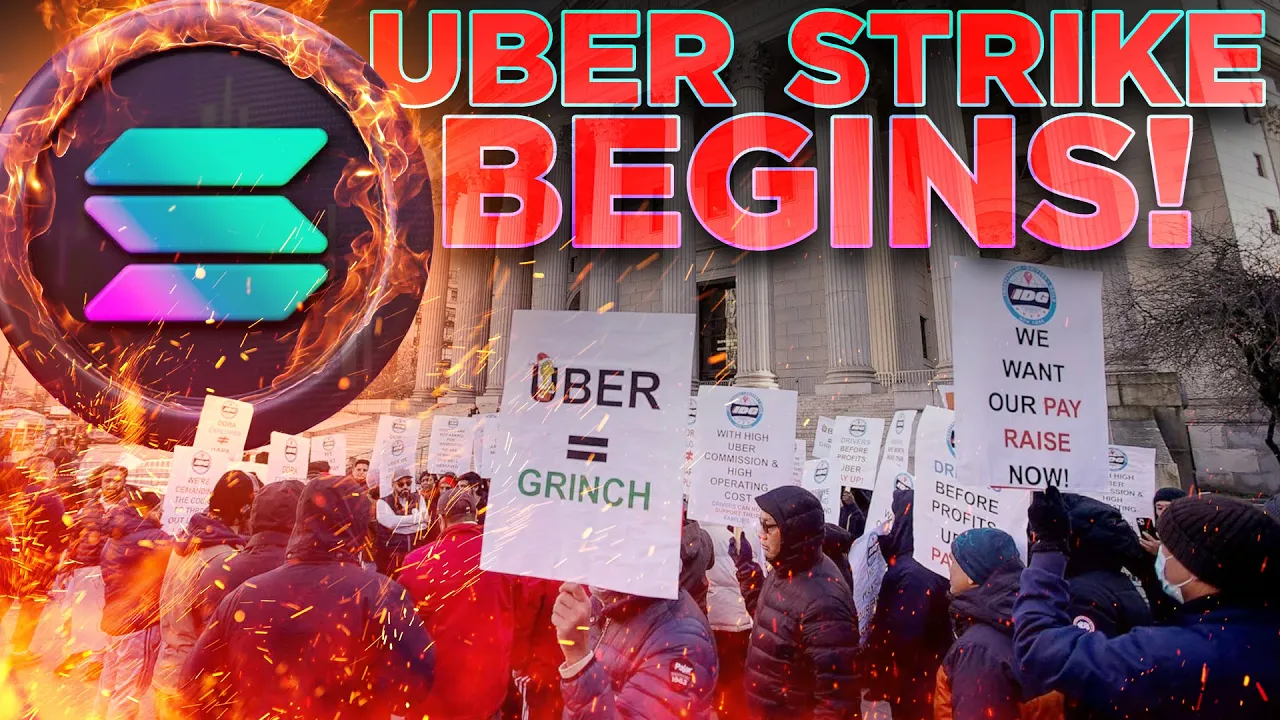
Why this video: This short report outlines real-world, coordinated platform strikes across major metropolitan areas like Chicago, Austin, and Miami. It highlights how app-based workers bypass their physical isolation by using digital channels to organize massive, simultaneous app sign-offs. It illustrates the shifting frontline of labor struggle in the platform age.
Gap Analysis & Independent Research
Because gig workers are legally categorized as independent contractors, they are locked out of traditional, state-sanctioned union certification processes. To deepen your understanding of how workers fight this atomization, research the following topics independently:
- The App-Based Workers Unions: Look up the App-Based Workers Alliance or the Gig Workers Rising movement to study how drivers organize across digital hubs.
- The Sociology of Isolation: Search for papers or video essays detailing how the absence of a shared physical workplace (like a factory floor or break room) affects psychological wellbeing and class consciousness.
Knowledge Checkpoint
- Define "atomization" and explain how the lack of a shared physical workplace undermines traditional union solidarity.
- Explain the concept of "platform cooperativism" and how it differs from corporate platform capitalism (e.g., Uber or Deliveroo).
- Describe how grassroots organizations like United Voices of the World bypass traditional legal frameworks to organize precarious workers.
Course Map
This flowchart illustrates the conceptual progression of the curriculum. Notice how Module 4 now requires the completion of both Module 1 (historical baseline) and Module 2 (algorithmic rating architecture) before proceeding.
Key People Index
- Arlie Russell Hochschild
- Context: Renowned American sociologist who coined the terms "emotional labor," "feeling rules," and "deep acting" in her 1983 book The Managed Heart. Her work is vital for analyzing the commercialization of human feelings in service and platform industries.
- Dr. Nick Srnicek
- Context: Lecturer in Digital Economy at King's College London and author of Platform Capitalism (2016). He mapped how platforms emerged as a new, dominant business model based on data extraction following the 2008 financial crisis.
- Guy Standing
- Context: British economist, co-founder of the Basic Income Earth Network (BIEN), and author of The Precariat: The New Dangerous Class (2011). He conceptualized the precariat as an emerging global class facing chronic labor insecurity.
- Trebor Scholz
- Context: Scholar, activist, and Associate Professor at The New School. He pioneered the theory and practice of "platform cooperativism," advocating for democratic, worker-owned digital platform alternatives.
Final Self-Assessment
Complete this comprehensive self-assessment to verify your mastery of the curriculum's sociological concepts.
- I can trace the transition from Fordist mass production (defined by centralization and assembly line labor) to Post-Fordist service capitalism.
- I can define "platform capitalism" and explain how platform corporations extract profit through data control rather than physical assets.
- I can explain the mechanics of "algorithmic management" and provide examples of how code is used to perform traditional supervisory tasks.
- I can articulate the sociological meaning of the "digital panopticon" and explain how hidden, continuous data collection affects worker behavior.
- I can outline Guy Standing's arguments for why the "precariat" constitutes a new, distinct social class.
- I understand the legal and material differences between an "employee" (W2) and an "independent contractor" (1099), and how platforms leverage this distinction to externalize operating costs.
- I can explain Arlie Hochschild's distinction between "surface acting" and "deep acting."
- I can analyze how five-star customer feedback systems turn emotional regulation and performed friendliness into a metric for job survival.
- I can define "atomization" and explain the spatial-temporal barriers to collective worker organizing in the gig economy.
- I can define "platform cooperativism" and explain how democratically owned platform models offer an alternative to corporate platforms.
- I can identify at least two emerging strategies (such as grassroots direct action or coordinated digital strikes) used by precarious workers to fight platform exploitation.