Medical Anthropology: Culture, Health & Systems
Learning Goal: Evaluate global healthcare systems and cultural definitions of healing by applying medical anthropology frameworks to the study of culture-bound syndromes, traditional medicine, and structural health inequities.
- Estimated Study Time: 14 Hours
- Prerequisites: None (An introductory background in general anthropology or sociology is helpful but not required).
Module 1: Foundations of Medical Anthropology
This module establishes the foundational frameworks of medical anthropology, focusing on the critical distinction between "disease" (the objective, biological pathology) and "illness" (the subjective, culturally-mediated experience of being unwell). Learners will explore how health, suffering, and therapeutic practices are socially constructed and historically situated.
Recommended Videos

Why this video
This concise, academic explainer introduces medical anthropology as a distinct subfield that synthesizes biological and cultural factors. It provides a clear conceptual bridge demonstrating how human suffering cannot be divorced from its social, economic, and historical contexts, making it the perfect starting point for the curriculum.
Knowledge Checkpoint
- Define "medical anthropology" and list its primary subfields of inquiry.
- Explain how cultural factors directly influence the diagnosis, experience, and treatment of biological conditions.
- Understand the difference between an emic (insider) and etic (outsider) perspective in medical settings.

Why this video
This video is essential for grasping the foundational dichotomy of medical anthropology: disease versus illness. By separating clinical pathology from cultural experience, it illustrates how biomedicine often neglects the patient's subjective narrative, which can ultimately lead to clinical friction and poor healing outcomes.
Knowledge Checkpoint
- Articulate the core distinction between "disease" (biomedical pathology) and "illness" (subjective, cultural experience).
- Explain how a patient can experience "illness" without a diagnosable biological "disease" (and vice versa).
- Describe the role of "explanatory models" in how patients and healers conceptualize the cause and course of sickness.

Why this video
This short, contemporary perspective highlights the applied side of medical anthropology. It contrasts the discipline's holistic, systemic lens with a purely clinical perspective, showing how global historical and political forces directly shape modern therapeutic settings.
Knowledge Checkpoint
- Differentiate between a traditional medical perspective and a medical anthropological perspective.
- Identify at least two real-world career paths or applications for medical anthropologists.
Module 2: Culture-Bound Syndromes & Cultural Distress
This module examines how psychological and physiological distress are conceptualized, categorized, and expressed across various cultures. Learners will analyze the Diagnostic and Statistical Manual of Mental Disorders (DSM-5) frameworks for cultural syndromes and investigate the social construction of conditions like Hikikomori, Susto, and Latah.
Gap Disclosure: While the video pool contains high-quality academic overviews of cultural psychiatry and the DSM-5, the available videos on Hikikomori are dominated by pop-culture, gaming, and lifestyle vlogs rather than peer-reviewed anthropological analyses. Furthermore, video coverage of Latin American Susto and Southeast Asian Latah is extremely scarce.
Independent Search Recommendation: To supplement this module, search for peer-reviewed articles on Google Scholar using the terms:
"Susto medical anthropology Arthur Kleinman"or"Latah hyperstartle culture-bound syndrome".
Recommended Videos
Why this video
This lecture provides an excellent academic breakdown of how the DSM-5 addresses cultural psychiatry. It explains the integration of the Cultural Formulation Interview (CFI) and cultural concepts of distress, moving beyond ethnocentric, Western-biased diagnostic frameworks.
Knowledge Checkpoint
- Describe the purpose and structure of the Cultural Formulation Interview (CFI) in the DSM-5.
- Explain how Western psychiatric diagnostic categories can inadvertently pathologize normal cultural variations of distress.
- Identify the three main categories of cultural concepts in the DSM-5: cultural syndromes, idioms of distress, and explanations/causal models.

Why this video
This tutorial provides a solid comparative introduction to classic culture-bound syndromes (including Koro, Dhat, and Ataque de nervios). It demonstrates how somatic symptoms are deeply linked to local moral worlds, values, and anxieties.
Knowledge Checkpoint
- Define "culture-bound syndrome" and provide at least two global examples.
- Explain how a culture-bound syndrome's somatic expression (e.g., Koro) relates directly to localized cultural fears or taboos.
- Contrast how Western psychiatry views these syndromes versus how local practitioners treat them.

Why this video
This BBC Reel provides a nuanced, academic look at Hikikomori (severe social withdrawal) in Japan. It avoids pop-culture sensationalism and instead frames the phenomenon as a psychological defense mechanism and cultural response to intense institutional stress, rigid social hierarchies, and economic pressure.
Knowledge Checkpoint
- Define the clinical and social criteria for Hikikomori as understood in Japanese psychiatry.
- Analyze Hikikomori not as an individual pathology, but as a systemic response to Japanese structural, familial, and educational pressures.
- Discuss the role of stigma in delaying intervention and support for affected individuals.
Module 3: Ethnomedicine and Traditional Healing Systems
This module introduces ethnomedicine, the comparative study of medical systems across different cultures, including Western biomedicine (itself a culturally-specific ethnomedical system). Learners will explore traditional healing practices, shamanism, and how "medical pluralism" operates when multiple systems coexist within a single society.
Recommended Videos

Why this video
This lecture provides an essential foundational text for studying ethnomedicine. It demystifies non-Western practices and critiques the common assumption that Western biomedicine is entirely objective and free of cultural biases, framing both as systems that emerge from specific cultural contexts.
Knowledge Checkpoint
- Define "ethnomedicine" and explain why biomedicine is considered a form of ethnomedicine.
- Contrast personalistic medical systems (illness caused by active agents like spirits or sorcerers) with naturalistic medical systems (illness caused by impersonal systemic imbalances, like yin/yang or humors).
- Identify key differences in how authority, etiology, and efficacy are negotiated across different medical systems.

Why this video
In our globalized world, people rarely rely on just one medical system. This video explores "medical pluralism"—the simultaneous use of biomedicine, complementary therapies, and folk healing practices. It examines how patients navigate these overlapping options to construct their own paths to healing.
Knowledge Checkpoint
- Define "medical pluralism" and explain why patients might choose to combine different healing traditions.
- Analyze how power hierarchies influence which medical systems are legally recognized, funded, or marginalized within a country.
- Explain how "cultural syncretism" manifests when people combine elements from different healing frameworks.
Why this video
This video offers a fascinating, modern case study of medical pluralism in Buddhist Siberia. It shows how traditional Tibetan medicine and Western scientific tools interact, demonstrating that different medical traditions can coexist and enrich one another rather than simply competing.
Knowledge Checkpoint
- Describe the "mixing of medicines" and how Tibetan medicine is practiced alongside biomedicine in Siberia.
- Discuss how traditional diagnostic techniques (like pulse palpation) are sometimes studied or measured using modern scientific technologies.

Why this video
This clip serves as a brief visual entry point into Amazonian shamanism and ethnobotany. It introduces the role of the shaman as a community healer, spiritual mediator, and ecological expert, highlighting how indigenous healing practices integrate plant knowledge with psychological and spiritual care.
Knowledge Checkpoint
- Explain how a shaman's role differs from that of a standard biomedical physician.
- Discuss how indigenous healing practices integrate ecological, social, and spiritual dimensions to address illness.
Module 4: Comparative Global Healthcare Systems
This module evaluates the structural design, funding mechanisms, and delivery models of healthcare systems around the world. Learners will compare the Beveridge Model (publicly funded and delivered), the Bismarck Model (multi-payer insurance with private delivery), and the structural trade-offs of market-driven healthcare systems.
Gap Disclosure: Many general YouTube videos on global healthcare focus on country-specific reactions or political debates rather than rigorous policy comparisons. The selected videos offer the most structured explanations of the Bismarck versus Beveridge systems available in the pool.
Independent Search Recommendation: For deeper policy analysis, search for articles on the Commonwealth Fund website or Google Scholar using:
"Bismarck vs Beveridge models comparative health policy health economics".
Recommended Videos

Why this video
This video clearly and concisely outlines the core differences between the Beveridge and Bismarck healthcare models. Focusing on funding mechanisms, revenue collection, and patient choice, it provides an excellent conceptual framework for policy analysis.
Knowledge Checkpoint
- Identify the primary source of funding for the Beveridge model versus the Bismarck model.
- Explain how "choice mechanisms" and doctor-patient relationships differ between these two models.
- Discuss the pros and cons of funding healthcare through general taxation versus social insurance contributions.
Why this video
By examining the UK's National Health Service (NHS), this video offers a practical look at the Beveridge model in action. It compares this state-owned approach with the Bismarckian social health insurance models used in Germany and the Netherlands, highlighting the real-world operational challenges and structural differences between them.
Knowledge Checkpoint
- Describe the historical context and main goals behind the creation of the UK's NHS in 1948.
- Contrast how healthcare providers (doctors, hospitals) are employed and paid in a Beveridge system versus a Bismarck system.
- Explain how wait times, resource allocation, and overall access to care differ between tax-funded and insurance-funded systems.
Why this video
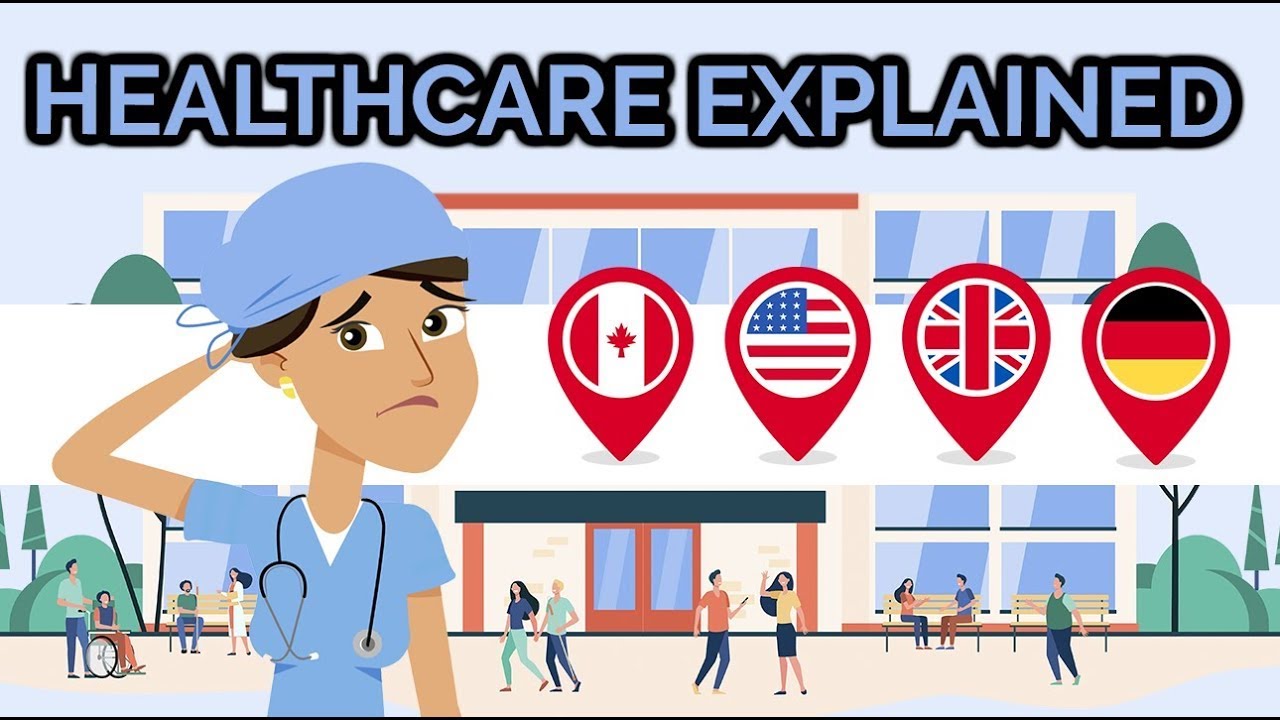
This video explains the four major global healthcare models (Beveridge, Bismarck, National Health Insurance, and Out-of-Pocket) and contrasts them directly with the hybrid, market-driven system of the United States. It provides clear, structured insights into how different countries balance cost, access, and quality.
Knowledge Checkpoint
- List the four major healthcare models and provide an example country for each.
- Explain why the United States is considered a "hybrid" system, pointing out which parts of its population are covered under models resembling Bismarck, Beveridge, and out-of-pocket systems.
- Analyze how administrative overhead and private insurance models impact overall healthcare spending and medical bankruptcy rates.
Module 5: Structural Violence and Health Inequity
This module applies the framework of critical medical anthropology to examine how political, economic, and social structures systematically harm vulnerable populations. Learners will explore the concept of "structural violence" pioneered by Paul Farmer, study the social determinants of health (SDOH), and analyze how systemic racism and economic inequality shape biological vulnerability and health outcomes.
Recommended Videos
Why this video
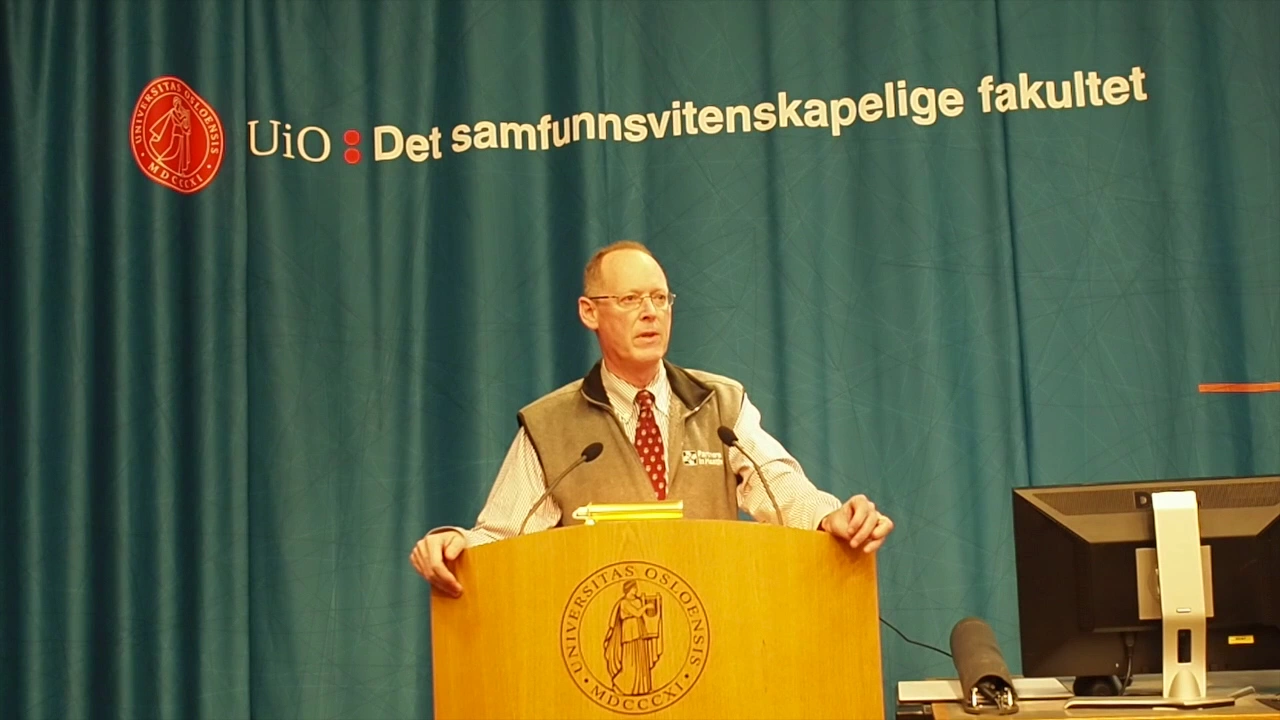
This primary lecture by the late Dr. Paul Farmer, a physician and medical anthropologist, is a cornerstone of this module. Farmer details how structural violence creates and sustains health inequities, arguing passionately against "public health fundamentalism" in favor of holistic, socially-conscious medical interventions.
Knowledge Checkpoint
- Define "structural violence" in your own words, drawing on Paul Farmer's work.
- Explain what Paul Farmer means by "public health fundamentalism" and why focusing only on clinical treatments can fail during epidemic outbreaks.
- Describe how social factors like poverty, racism, and political instability can alter the biological transmission and clinical severity of infectious diseases.
Why this video
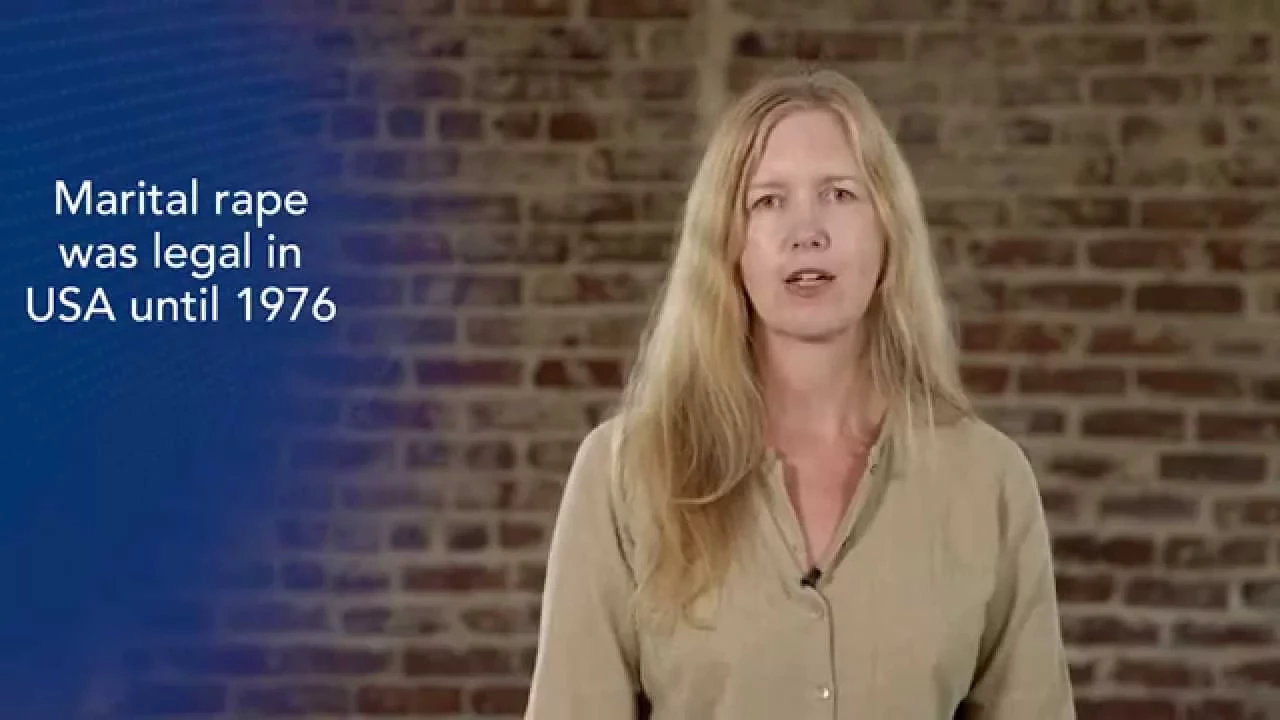
This introductory video traces the academic history of the term "structural violence," starting with Johan Galtung's work in 1969 and showing how it was later expanded by medical anthropologists. It explains how institutional forces like racism and sexism systematically limit people's life opportunities and directly harm their physical health.
Knowledge Checkpoint
- Explain the origins of the term "structural violence" and how Johan Galtung originally defined it.
- Identify how everyday institutional practices, rather than individual actions, can perpetrate structural violence against marginalized groups.
Why this video
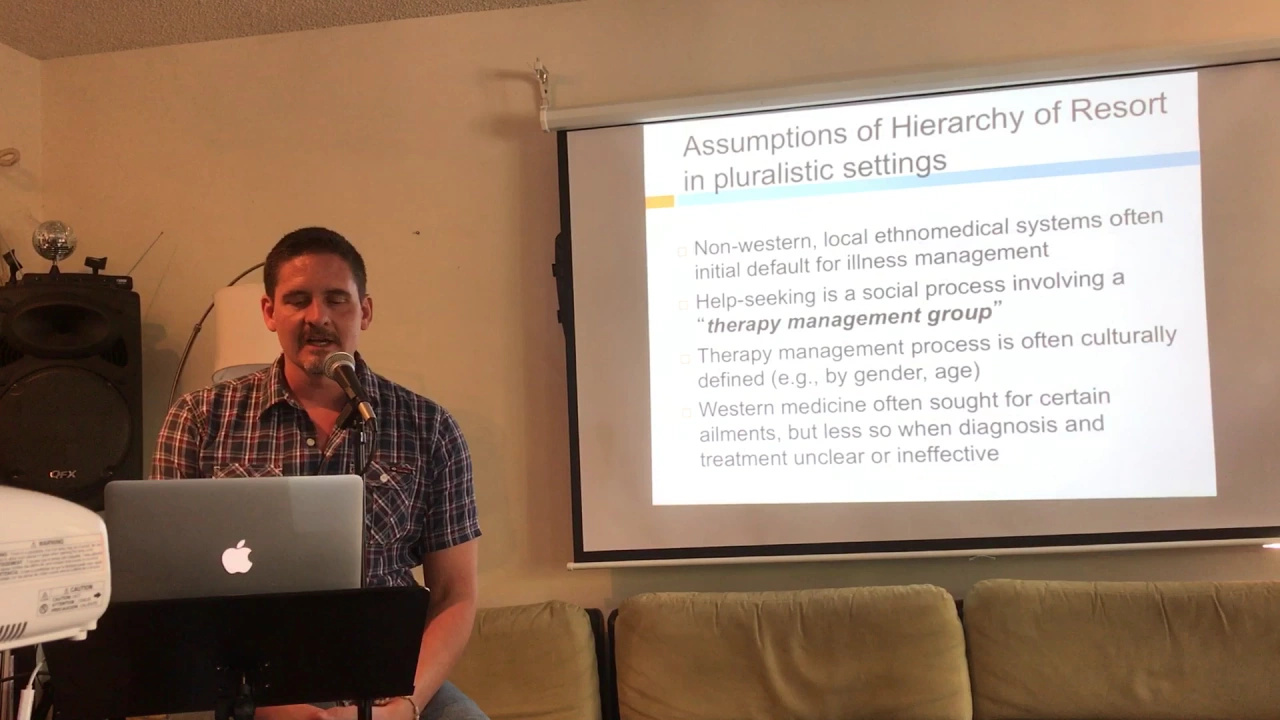
This video introduces the field of Critical Medical Anthropology (CMA). It shows how CMA critiques biomedicine by analyzing the political economy of health, revealing how global capitalism, pharmaceutical industry interests, and state power shape medical knowledge, clinical practices, and access to care.
Knowledge Checkpoint
- Define "Critical Medical Anthropology" (CMA) and explain how it differs from traditional or clinically-applied medical anthropology.
- Analyze how pharmaceutical companies and market forces can shape medical research priorities, treatment options, and disease definitions.
- Describe the political economy of health and how macro-level economic policies impact micro-level health experiences.

Why this video
This lecture connects anthropological theory with clinical practice. It demonstrates how applied medical anthropologists use qualitative research to address health disparities, navigate cultural dynamics in healthcare, and design interventions that acknowledge and address systemic inequalities.
Knowledge Checkpoint
- Explain how applied medical anthropologists work with clinicians to improve patient care and support health equity.
- Give an example of how structural issues (like systemic racism or economic inequality) can show up as physical health vulnerabilities.
- Discuss why qualitative research methods (such as ethnography and interviews) are valuable for understanding and addressing health disparities.
Course Map
This flowchart outline the structural design, progression, and prerequisite relations of the curriculum.
Key People Index
Paul Farmer (1959–2022)
A highly influential medical anthropologist and physician, Paul Farmer co-founded Partners In Health. He pioneered the application of the concept of structural violence to global health, arguing that poverty, inequality, and systemic discrimination are directly responsible for poor health outcomes and must be addressed alongside clinical treatments.
Johan Galtung (1930–2024)
A Norwegian sociologist who founded the field of peace and conflict studies, Galtung coined the term structural violence in 1969 to describe situations where social structures or institutions systematically prevent people from meeting their basic needs.
Arthur Kleinman (1941–Present)
A pioneering figure in medical anthropology and cultural psychiatry, Kleinman's work at Harvard University transformed how clinicians understand the differences between disease and illness. He introduced the concept of "explanatory models," which helps health professionals understand how patients' cultural backgrounds shape their personal experiences of sickness.
Final Self-Assessment
Test your mastery of the material by reflecting on these core questions:
- Can you explain the difference between "disease" and "illness" and use a real-world clinical example to show why this distinction matters?
- Can you define "culture-bound syndrome" and explain how a patient's cultural environment shapes how their distress is physically expressed and diagnosed?
- Can you discuss the concept of "medical pluralism" and explain how patients navigate multiple, coexisting healing systems?
- Can you identify the primary funding and delivery differences between the Beveridge and Bismarck healthcare models?
- Can you explain how the United States healthcare system acts as a "hybrid" model, combining elements of multiple global systems?
- Can you define "structural violence" and explain how political, economic, or social systems can cause physical suffering and premature death?
- Can you contrast Critical Medical Anthropology (CMA) with clinically-applied medical anthropology?
- Can you explain what Paul Farmer meant by "public health fundamentalism" and discuss how structural interventions can help address global health crises?