Political Ecology: TEK & Climate Adaptation
Learning Goal: Analyze human-environment interactions through the lens of political ecology and traditional ecological knowledge to understand how diverse cultures adapt to and mitigate modern environmental crises.
- Prerequisites: None (an open mind and basic sociological or geographic awareness are helpful)
- Estimated Total Study Time: 14 Hours
Module 1: Foundations of Human-Environment Interactions
This module provides the core concepts of environmental geography and cultural ecology. Learners will discover how humans historically interact with, rely on, and dramatically modify their ecosystems, culminating in the scientific conceptualization of the Anthropocene.
Recommended Videos

Why this video
This video is essential for understanding the geographic baseline of human-environment interactions. It breaks down how humans adapt to their surroundings (such as clothing changes and building design) versus how they alter their environments (such as constructing highways or clearing lands), illustrating the reciprocal relationship between societies and the natural world.
Knowledge Checkpoint
- Explain the distinction between human adaptation to an environment and human modification of it.
- Identify at least three ways ancient or modern societies rely on nature for basic survival and movement.

Why this video
This lecture provides an academic introduction to environmental sociology, focusing on how environmental issues are socially constructed, defined, and responded to. It shifts the focus from purely physical sciences to the social structures that drive environmental degradation and dictate ecological relationships.
Knowledge Checkpoint
- Define environmental sociology and its two main analytical focus areas.
- Describe how modern industrial societies create unique social structures that distance humans from their immediate environmental impacts.

Why this video
Presented by the pioneer of "Big History," this keynote address explains the Anthropocene. It details the historical transition where humanity became the dominant driver of biosphere and geosphere changes, contextualizing modern ecological crises within a deep historical timeline.
Knowledge Checkpoint
- Summarize why stratigraphers and historians argue that we have left the Holocene and entered the Anthropocene.
- Identify the historical inflection point (post-1950s) often referred to as the "Great Acceleration."
Module 2: Introduction to Political Ecology
In this module, learners examine how power dynamics, global capitalism, and political institutions shape environmental degradation and resource distribution. The module contrasts apolitical ecological views with political ecology frameworks.
Recommended Videos

Why this video
This video is a comprehensive introduction to political ecology as an interdisciplinary field spanning geography, anthropology, and development studies. It explores how access to and control over resources are determined by power structures, arguing that ecological systems cannot be understood apart from the political-economic forces that govern them.
Knowledge Checkpoint
- Define political ecology and explain how it differs from traditional, apolitical environmental science.
- Explain how environmental degradation is often a product of asymmetric power relationships and capital accumulation.

Why this video
Dr. Maria Kaika explains why environmental management is never a neutral, technical exercise. She shows how environmental decision-making is deeply political, highlighting how solutions that appear purely technical often serve to protect established power structures and socio-economic elites.
Knowledge Checkpoint
- Critique the concept of environmental solutions as "purely technical" optimization problems.
- Identify how socio-economic inequalities influence who bears the burdens of environmental degradation and who benefits from mitigation policies.

Why this video
This short video introduces the concepts of social metabolism and "apolitical ecology." It explains how mainstream, apolitical approaches treat ecological crises as optimization problems within a green growth paradigm, avoiding any deeper analysis of institutional history or power imbalances.
Knowledge Checkpoint
- Contrast "political ecology" with "apolitical ecology" frameworks.
- Define the term "green growth paradigm" and explain why political ecologists view it critically.
Module 3: Traditional Ecological Knowledge (TEK)
This module explores the core principles, historical depth, and cultural frameworks of Traditional Ecological Knowledge (TEK). Learners will analyze how TEK differs from and can complement Western scientific paradigms.
Recommended Videos

Why this video
This lecture provides an in-depth exploration of what TEK is: a cumulative, place-based system of knowledge, practices, and beliefs developed over generations of direct environmental interaction. It frames TEK as a holistic worldview where human life is integrated with, rather than dominant over, the ecosystem.
Knowledge Checkpoint
- Define Traditional Ecological Knowledge (TEK) and describe its relationship to specific geographic regions.
- Explain the concept of intergenerational transmission of environmental wisdom.

Why this video
This video compares the organizing principles of Western science and indigenous science across four dimensions. It highlights how Western science relies on isolated pieces of empirical evidence, whereas indigenous science operates on holistic, relational principles that view ecosystems as interconnected webs.
Knowledge Checkpoint
- Identify the four fundamental differences between Western scientific approaches and Indigenous science.
- Explain what it means to study environmental systems "holistically" versus "reductively."

Why this video
Dr. Robin Wall Kimmerer, an indigenous botanist, introduces the "Honorable Harvest"—a set of indigenous guidelines for consumption. This concept directly challenges capitalist patterns of consumption by framing harvest as an act of reciprocity, respect, and mutual survival rather than mere extraction.
Knowledge Checkpoint
- What are the core ethical guidelines of the "Honorable Harvest" as described by Dr. Kimmerer?
- Contrast the concept of "reciprocity" with extractive, capitalist relationships to natural resources.
Module 4: Cultural Adaptation and Local Resilience
This module reviews real-world case studies of cultural adaptation. In response to the curriculum review, this module includes specific examples from Arctic environments and arid areas to show how local cultures are responding to the impacts of climate change.
Recommended Videos
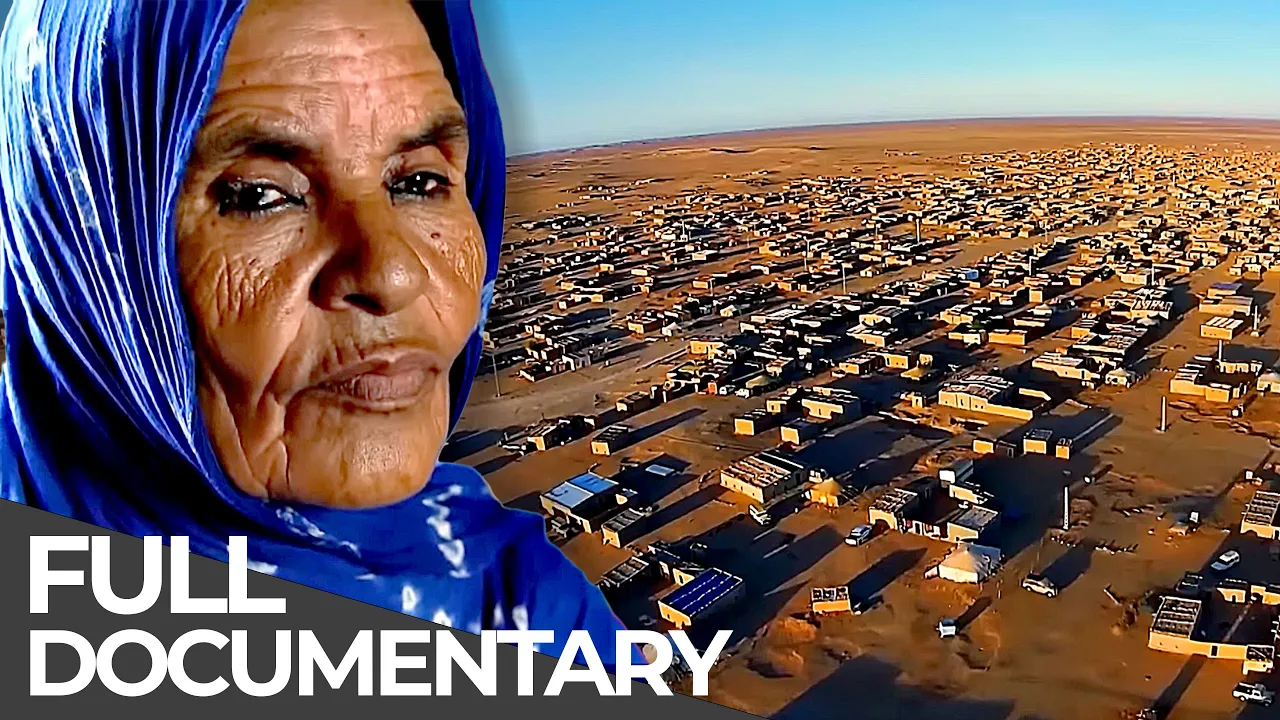
Why this video
This documentary segment provides a detailed look at the Arctic. It shows how the Inuit people of Greenland are struggling to maintain their 4,500-year-old hunting and fishing traditions in the face of melting glaciers and shifting marine patterns.
Knowledge Checkpoint
- Detail how melting ice sheets directly disrupt the traditional hunting, fishing, and survival patterns of Arctic Inuit populations.
- Discuss the sociological and psychological impacts of losing ancestral practices due to global temperature increases.
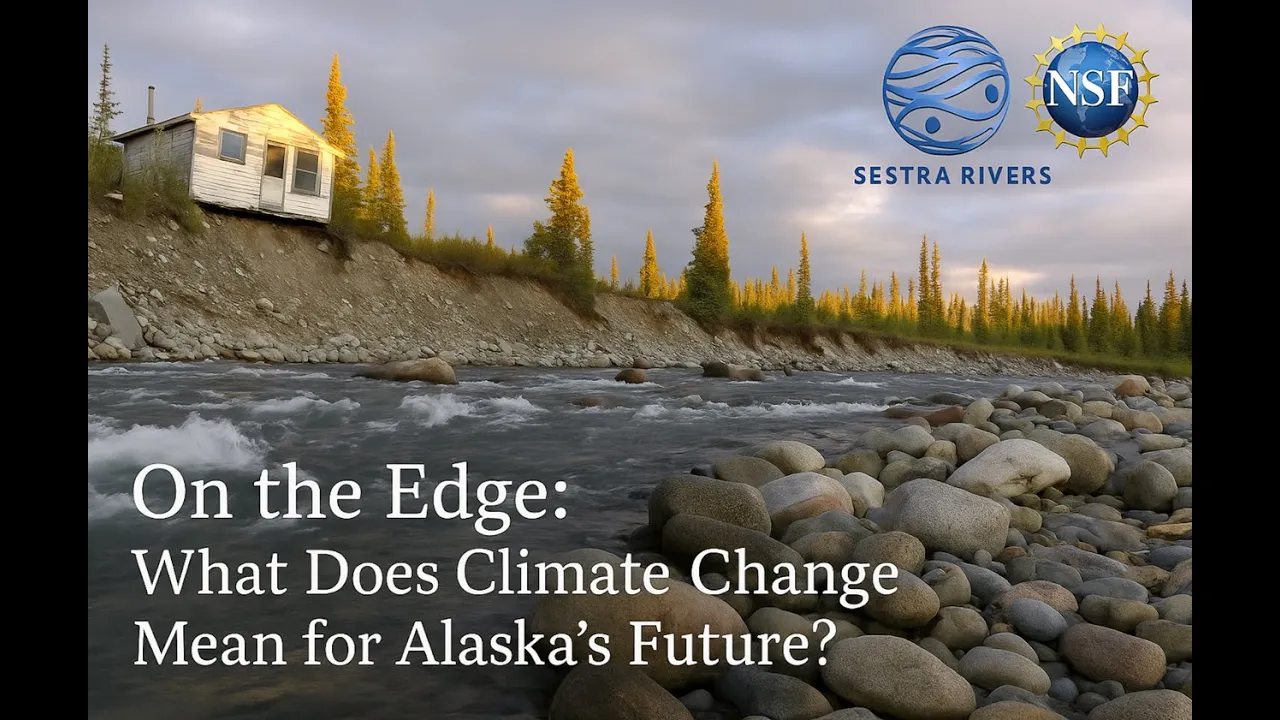
Why this video
This video documents the challenges faced by Alaska’s native communities. It highlights how thawing permafrost, coastal erosion, and rising seas are forcing indigenous communities to plan for relocation, underscoring the immediate impacts of climate change in high-latitude regions.
Knowledge Checkpoint
- List the primary physical threats (e.g., coastal erosion, permafrost thaw) impacting native Alaskan infrastructure.
- Define the political and financial challenges of community-led climate relocation (such as the "managed retreat" process).
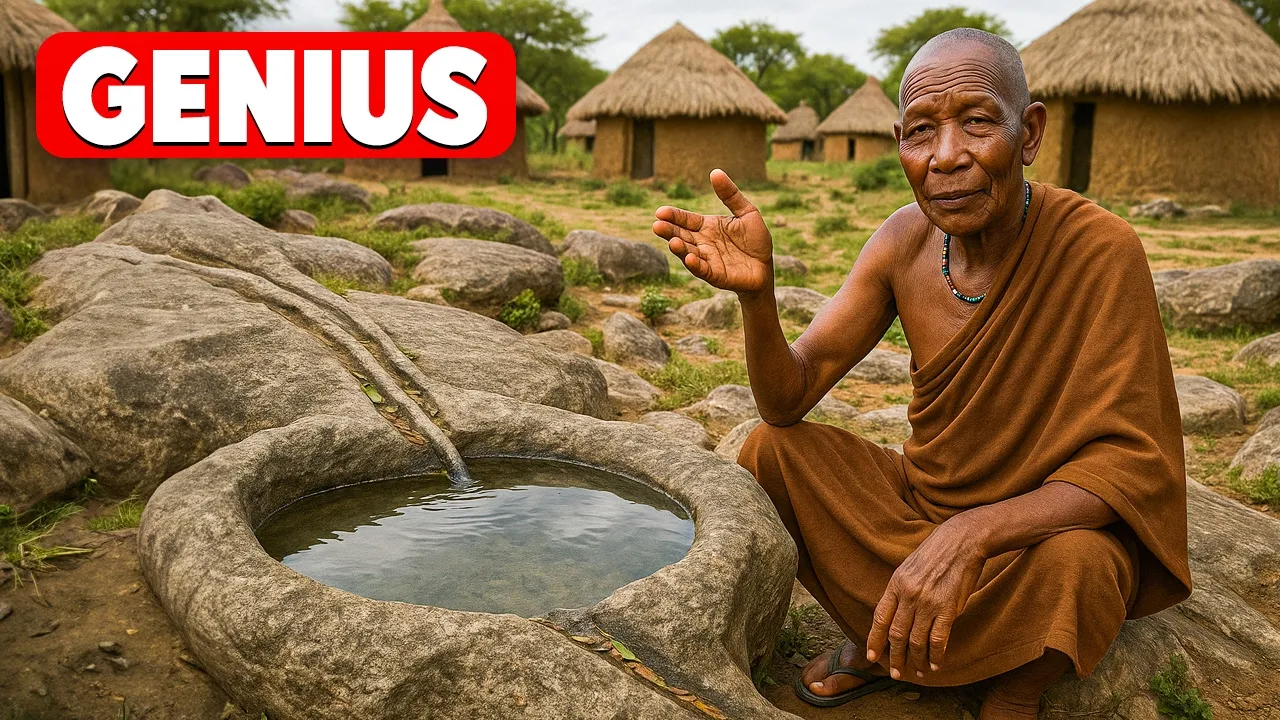
Why this video
This video highlights traditional water-harvesting systems developed by tribes in arid regions. It covers rock pits, sand dams, baobab tree storage, and underground cisterns, demonstrating how local cultures successfully adapt to water scarcity without relying on modern, resource-heavy infrastructure.
Knowledge Checkpoint
- Describe at least three traditional water harvesting methods and explain the physical principles of how they store water without tanks.
- Contrast these decentralized, community-managed water systems with large-scale industrial dams.
Module 5: Integrating TEK and Political Ecology for Mitigation
This final module focuses on policy-level integration. It addresses the review's request for academic and policy-level material by showing how TEK is incorporated into formal co-management agreements, treaty rights, and environmental governance frameworks.
Recommended Videos
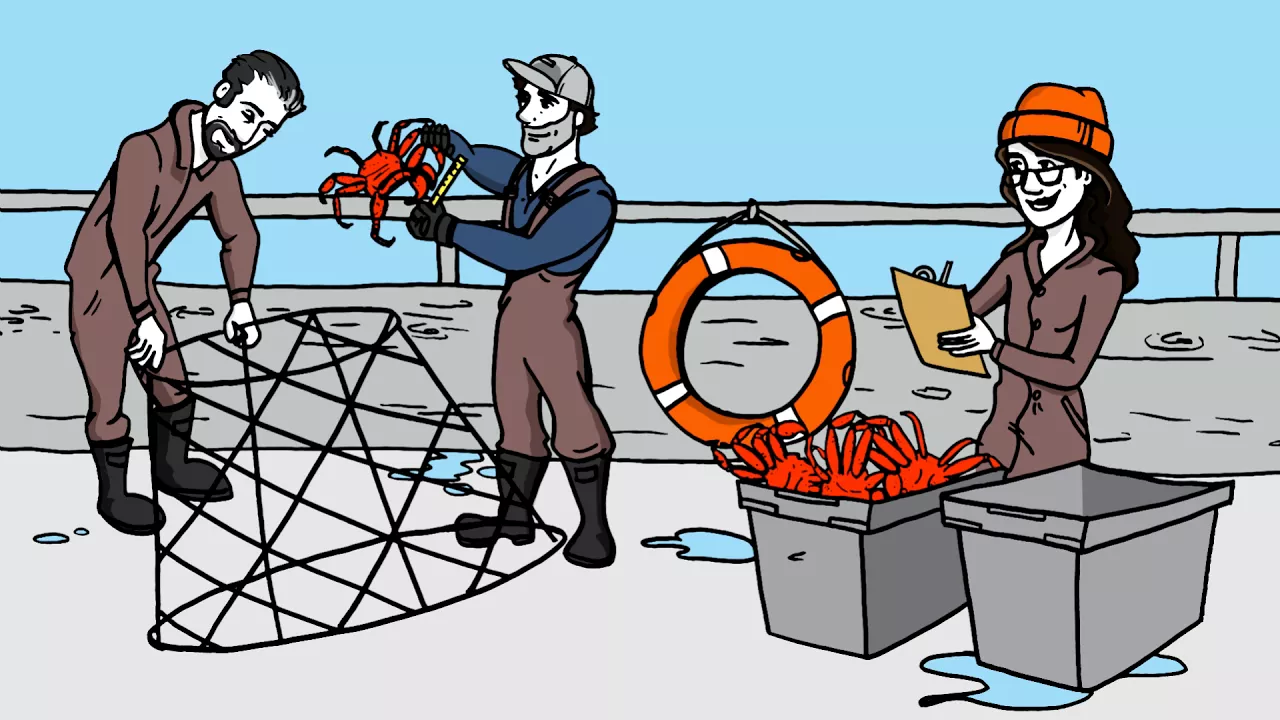
Why this video
This video explains the co-management of natural resources using the example of the Inuit region of Nunatsiavut. It demonstrates how indigenous authorities and state governments share decision-making power, combining traditional knowledge with Western biological science.
Knowledge Checkpoint
- Define "co-management" as a collaborative governance model between Indigenous groups and state governments.
- Analyze how shared decision-making can resolve historical conflicts over resource use.

Why this video
This video explores how four coastal treaty tribes in Washington State (the Quinault, Hoh, Quileute, and Makah) exercise their treaty rights. They work as co-managers alongside federal agencies, showing how indigenous rights can be integrated into ocean conservation frameworks.
Knowledge Checkpoint
- Explain how legal treaties can serve as a political tool for Indigenous communities to maintain management over ancestral marine ecosystems.
- Discuss how tribal co-managers collaborate with federal agencies to monitor marine resources.

Why this video
This panel discussion addresses the challenges of integrating TEK into climate policy. The speakers highlight the institutional barriers that arise when trying to present oral histories and traditional knowledge in spaces dominated by Western science and bureaucracy.
Knowledge Checkpoint
- Identify the institutional barriers that prevent traditional knowledge from being integrated into formal scientific assessments and climate policies.
- Define "environmental justice" within the context of indigenous self-determination and climate action.
Why this video
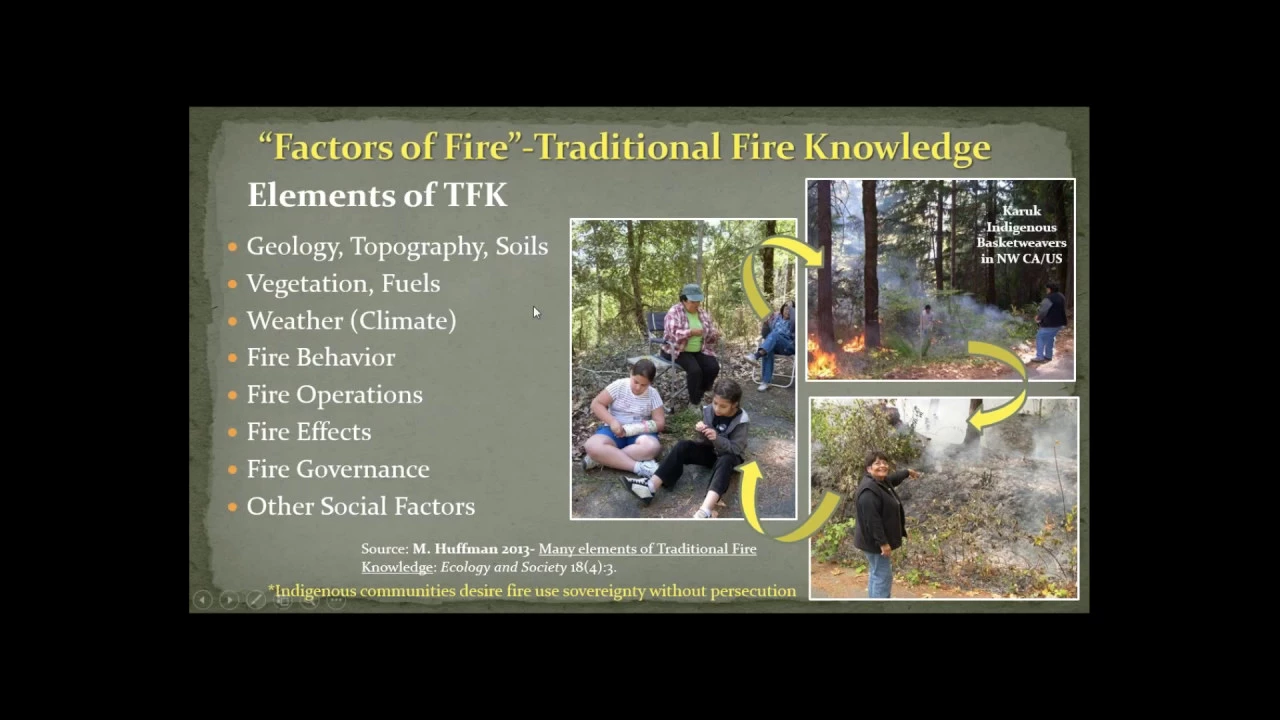
This feature-length webinar addresses integrating TEK with Western scientific approaches to wildland fire management. It covers how historical fire suppression policies disrupted ecosystems and explains how collaborative programs are restoring cultural fire practices to prevent modern wildfires.
Knowledge Checkpoint
- Explain how colonial policies of fire suppression disrupted forest ecosystems and undermined indigenous management practices.
- Describe how modern "cultural burns" are being integrated into Western forestry and fire protection frameworks.
Course Map
Key People Index
- Dr. Robin Wall Kimmerer
Context: An indigenous scientist, author, and botanist (enrolled member of the Citizen Potawatomi Nation). She is known for her work bridging Indigenous ecological philosophies, such as the "Honorable Harvest," with Western scientific traditions. - Dr. David Christian
Context: A historian known for pioneering the field of "Big History." His research frames the Anthropocene within a broad cosmic and historical timeline of human-energy relationships. - Dr. Maria Kaika
Context: An urban political ecologist whose research focuses on how environmental management decisions are shaped by urban development, political negotiations, and social inequalities. - Dr. Paige West
Context: A practicing environmental anthropologist and political ecologist whose work focuses on the relationships between local societies, conservation policy, and resource access.
Final Self-Assessment
- Can you define the "Anthropocene" and list three scientific indicators used to mark the transition from the Holocene to this new epoch?
- Can you explain the difference between "political ecology" and "apolitical ecology"?
- How does a "green growth" approach to climate change differ from a structural "political ecology" critique?
- What are the key differences in how Traditional Ecological Knowledge (TEK) and Western science view the relationship between humans and natural ecosystems?
- How do the ethics of the "Honorable Harvest" apply to modern resource-extraction industries?
- What specific challenges are Arctic communities facing due to climate change, and how are their traditional lifestyles being disrupted?
- How do traditional water harvesting methods (e.g., sand dams or stepwells) offer resilience in arid climates?
- What is "co-management," and how does it balance political authority between state agencies and indigenous nations?
- What legal and institutional barriers make it difficult to integrate oral traditional knowledge into modern climate policy?
- How does restoring cultural burning practices serve as both an adaptation and mitigation strategy in forestry management?