Dada to Surrealism: Trauma, Dreams & Automatism
Learning Goal: Examine the Dada movement's anti-art philosophy and its evolution into Surrealism, focusing on how artists used automatism, collage, and dream theory to respond to post-WWI trauma.
- Prerequisites: None (an open mind and a willingness to question the definition of "art" are highly recommended).
- Estimated Total Study Time: 8 Hours
Module 1: The Birth of Dada & Post-WWI Trauma
This module explores how the unprecedented devastation and industrialized slaughter of World War I shattered traditional European belief systems. Facing the failure of science, technology, and rational logic—which had been used to orchestrate mechanized warfare—refugee intellectuals gathered in neutral Zurich, Switzerland. At the infamous Cabaret Voltaire, they pioneered Dadaism: a chaotic "anti-art" philosophy that rejected academic systems, embraced nonsense, and mirrored the trauma of a broken world.
Recommended Videos

- Why this video: This video sets the historical stage, providing a deep lecture on how WWI produced a profound period of spiritual darkness and disillusionment. It shows how the trauma of industrialized warfare—where soldiers were treated like pawns and reduced to physical/psychological "automata"—prompted artists to completely reject standard Western aesthetics.
- Knowledge Checkpoint:
- Understand how WWI gas warfare and mechanization fundamentally altered the concept of human progress.
- Describe the spiritual disillusionment that catalyzed artists to form anti-bourgeois alliances.
- Explain how Dada emerged directly as a coping mechanism for post-war societal trauma.

- Why this video: This video offers a concise, engaging summary of the establishment of Dadaism at the Cabaret Voltaire in Zurich. It details the international collection of draft-evaders, political refugees, and artists who founded the movement to challenge the absolute definition of what art is.
- Knowledge Checkpoint:
- Identify the founders of Zurich Dada, including Hugo Ball and Tristan Tzara.
- Explain why Zurich, Switzerland was the geographical epicenter for this intellectual resistance.
- Outline the core pillars of the "anti-art" philosophy.

- Why this video: This vintage archival footage provides a sensory encounter with Hugo Ball's famous sound poem, Karawane. It acts as a primary source document, allowing you to hear how Dadaists rejected linguistic structure to escape the rationalist rhetoric they blamed for WWI.
- Knowledge Checkpoint:
- Analyze the concept behind phonetic sound poetry and why linguistic "nonsense" was considered an act of political protest.
- Visualize the bizarre, abstract costumes used in Cabaret Voltaire performances.
- Differentiate traditional theatrical performance from Dadaist chaotic performance art.
Module 2: Dadaist Techniques: Collage, Assemblage, and Chance
As Dada spread across Europe, it mutated. This module explores how Dadaists dismantled academic disciplines through revolutionary, physical methods. We contrast the absurdist, neutral stance of Zurich Dada with the aggressive, deeply political context of Berlin Dada. You will examine Hannah Höch’s pioneering photomontages, Hans Arp’s chance-based collages, and Marcel Duchamp's game-changing Readymades—ordinary manufactured objects that destroyed the division between fine art and industrial production.
Recommended Videos
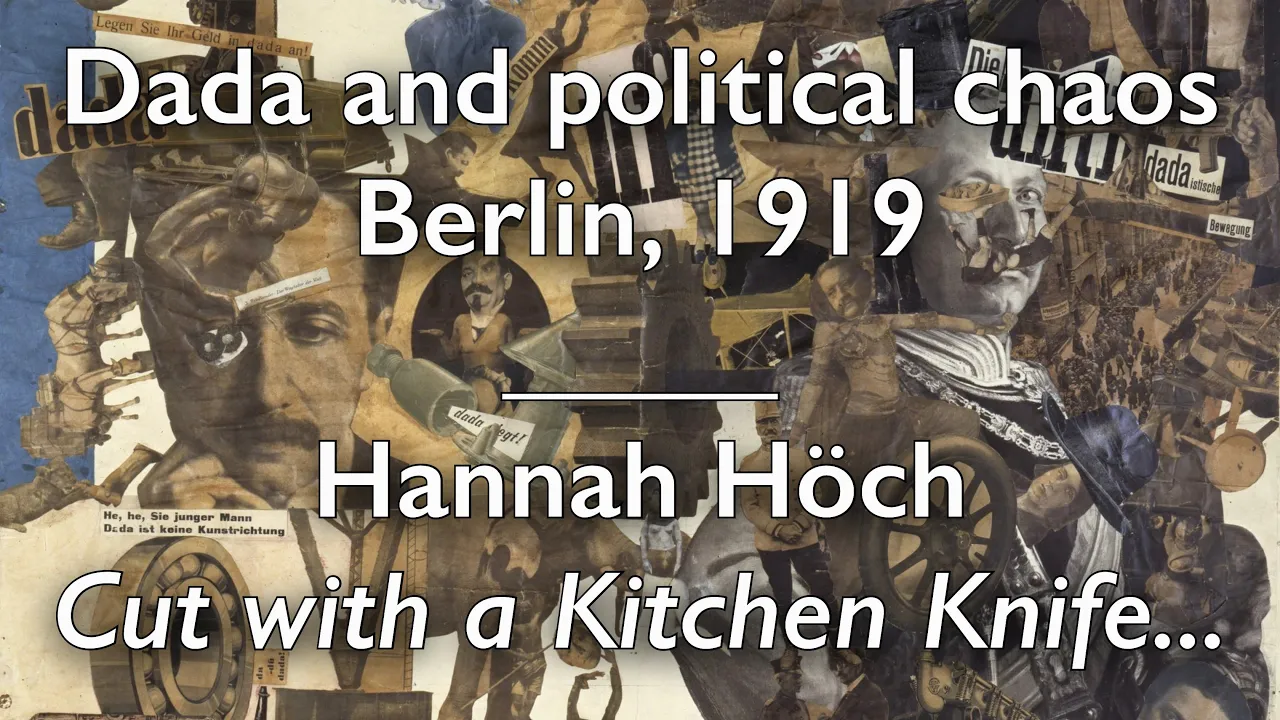
- Why this video: This video directly addresses the political dimensions of Berlin Dada, showcasing Hannah Höch's iconic 1919 photomontage. It analyzes how she repurposed mass-produced media to critique the political instability of the Weimar Republic and modern gender dynamics.
- Knowledge Checkpoint:
- Explain how Berlin Dadaists used photomontage differently than Zurich artists, focusing on direct political and institutional critique.
- Decipher the allegorical layout of Cut with the Kitchen Knife, noting how Höch juxtaposed military figures with modern feminist imagery.
- Define why mass-produced print media became the physical raw material of Dadaist collages.
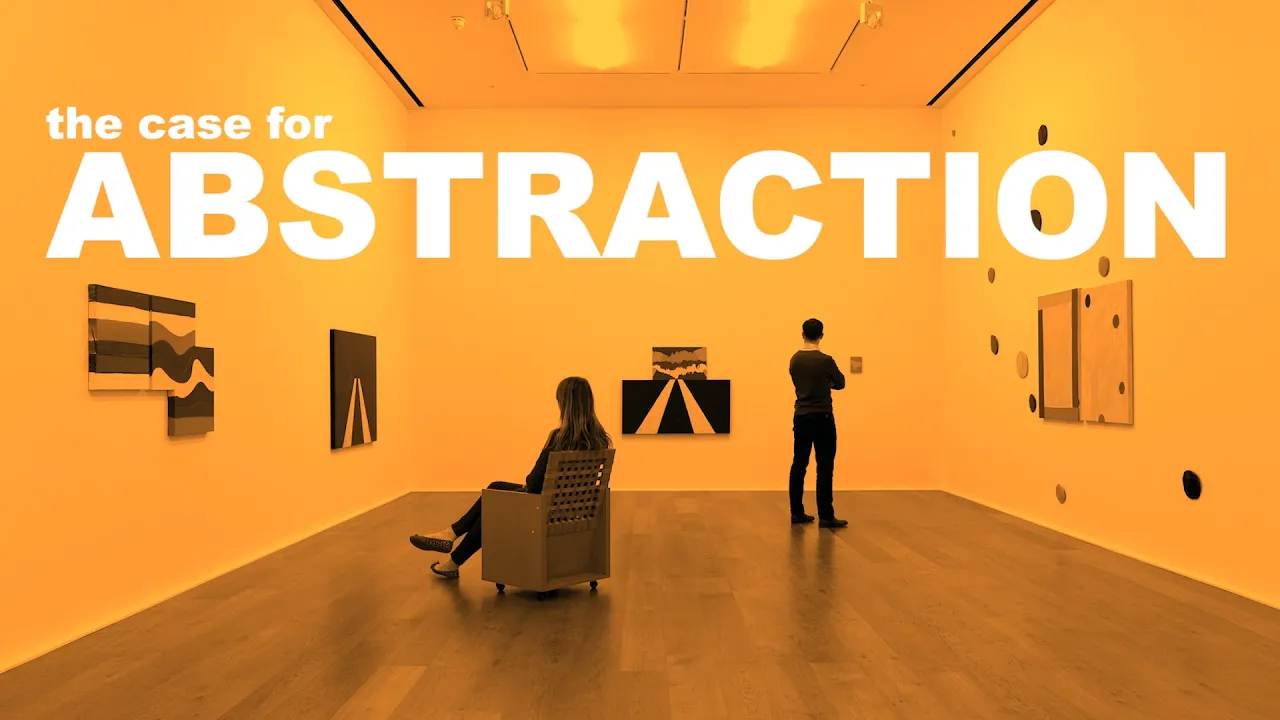
- Why this video: This quick segment introduces Hans Arp's revolutionary reliance on random chance operations. It details how Arp dropped paper squares onto a surface and glued them exactly where they fell, bypassing the artist's conscious choice.
- Knowledge Checkpoint:
- Explain the "laws of chance" and how Arp used them to attack the conceit of artistic mastery.
- Discuss the physical process behind Arp's chance operations.
- Independent Study Recommendation: To explore the physical techniques of Arp's work more thoroughly, search for "Hans Arp according to the laws of chance analysis" on YouTube.
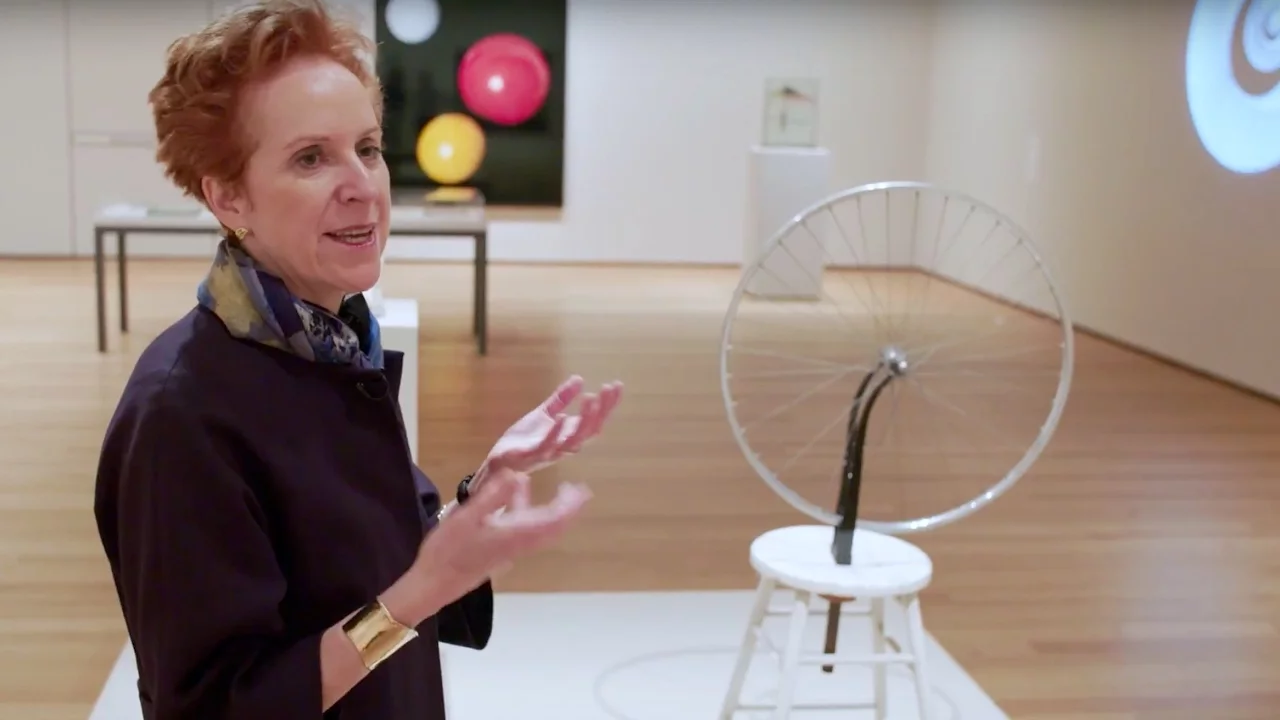
- Why this video: Led by a MoMA curator, this video explains Marcel Duchamp's invention of the "Readymade." It details how choosing a pre-fabricated object and placing it in a gallery context shifts art from a visual (retinal) medium to a purely conceptual one.
- Knowledge Checkpoint:
- Define the concept of a "Readymade" and identify its primary examples (e.g., Bicycle Wheel, Fountain).
- Articulate why Duchamp's approach meant the selection of an object was more important than its creation.
- Differentiate between a pure Readymade and an assisted Readymade.
Module 3: The Transition: From Dada to Surrealism
Dadaism's pure nihilism and anti-art agenda eventually reached a dead end: you cannot sustain a movement on absolute destruction forever. This module maps the intellectual shift from Dada’s demolition of values to Surrealism’s constructive quest to map the human psyche. We analyze the legendary intellectual split between Tristan Tzara (championing absolute chaos) and André Breton (seeking structure in the subconscious), culminating in Breton's groundbreaking 1924 Surrealist Manifesto.
Recommended Videos
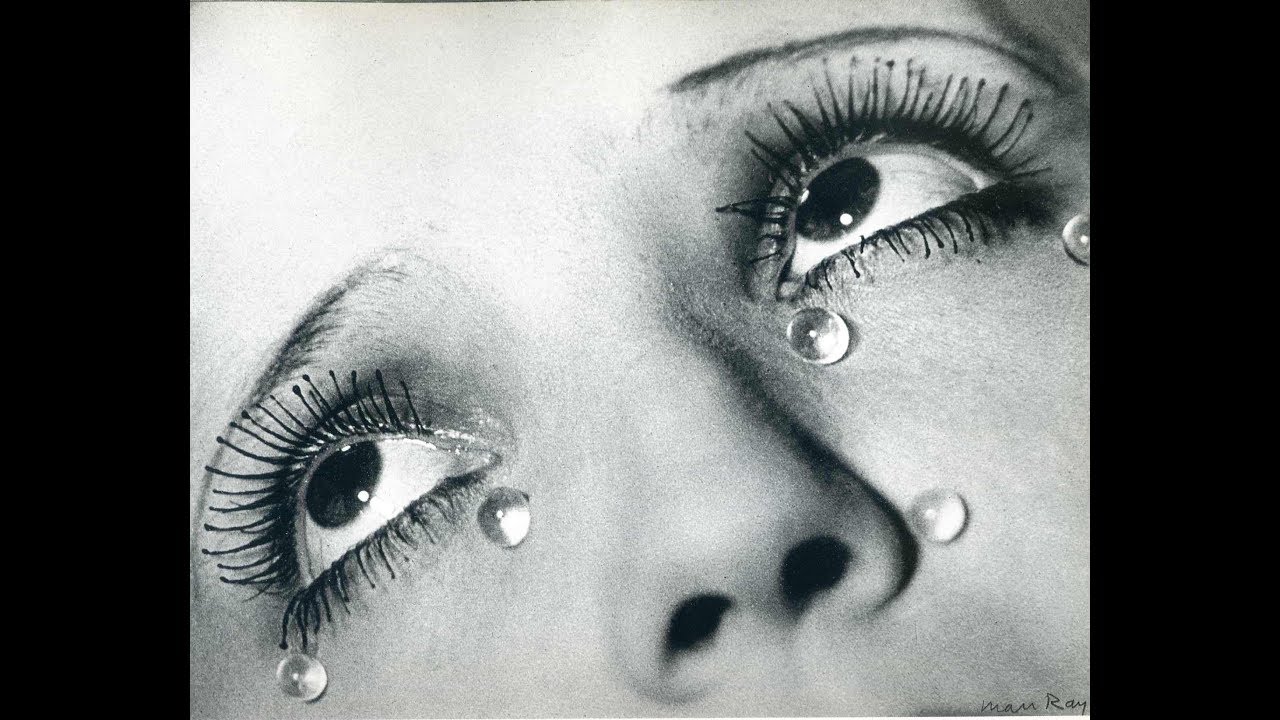
- Why this video: This video traces the historic shift around 1923, detailing how former Dada poets and visual artists reorganized in Paris. It tracks the dissolution of Dada and the emergence of a new aesthetic that utilized Dada's radical freedom to build a constructive exploration of the subconscious.
- Knowledge Checkpoint:
- Discuss the reasons why the Dada movement officially ended in the early 1920s.
- Identify key transition figures, such as Man Ray, who bridged Dada methods with Surrealist objectives.
- Articulate how Surrealists kept Dada's irrationality but dropped its purely destructive intent.

- Why this video: This video explores André Breton's seminal text, the Surrealist Manifesto of 1924. It outlines how Breton transformed the movement into a structured, highly intellectual revolution grounded in Freudian psychology, seeking to liberate the human imagination.
- Knowledge Checkpoint:
- Explain how André Breton defined Surrealism in the 1924 Manifesto.
- Discuss the role of dreams and unconscious thoughts as tools for liberating human creativity from rational constraints.
- Contrast Breton’s vision of structured psychic liberation with Tristan Tzara’s chaotic philosophy of continuous contradiction.

- Why this video: A short primary resource featuring Tristan Tzara himself discussing Dada's core nature. It highlights Dada's permanent opposition to any dogmatic rules, systems, or manifestos—explaining why Tzara was inherently incompatible with Breton's desire to systemize Surrealism.
- Knowledge Checkpoint:
- Recognize Tzara's philosophy of continuous contradiction.
- Explain why Dadaists rejected the idea of writing structured manifestos or institutionalizing their beliefs.
- Independent Study Recommendation: Because the video pool lacks a long-form academic video on the personal falling out between these two giants, search for "Tristan Tzara Andre Breton Paris split 1922" on YouTube to research their legendary clash.
Module 4: Automatism and the Unconscious Mind
To bypass the rational mind—which they believed was corrupted by modern society—Surrealists looked to Sigmund Freud’s psychoanalytic theories. This module explores how artists designed techniques to let the unconscious mind express itself. We break down the mechanics of "pure psychic automatism," focusing on automatic drawing, automatic writing, and the tactile canvas experiments of Max Ernst, such as frottage (rubbing), grattage (scraping), and decalcomania.
Recommended Videos
- Why this video: This educational lecture details the profound intellectual debt Surrealism owed to Sigmund Freud. It analyzes Freud's models of the id, ego, and superego, explaining why Surrealists viewed dreams and unconscious slips as the keys to genuine artistic truth.
- Knowledge Checkpoint:
- Detail Freud's concept of the unconscious mind and how it acts as a reservoir of repressed desires and fears.
- Explain how Freud’s The Interpretation of Dreams served as a blueprint for Surrealist experimentation.
- Define the difference between conscious control (the ego/superego) and unconscious desire (the id) within artistic practice.
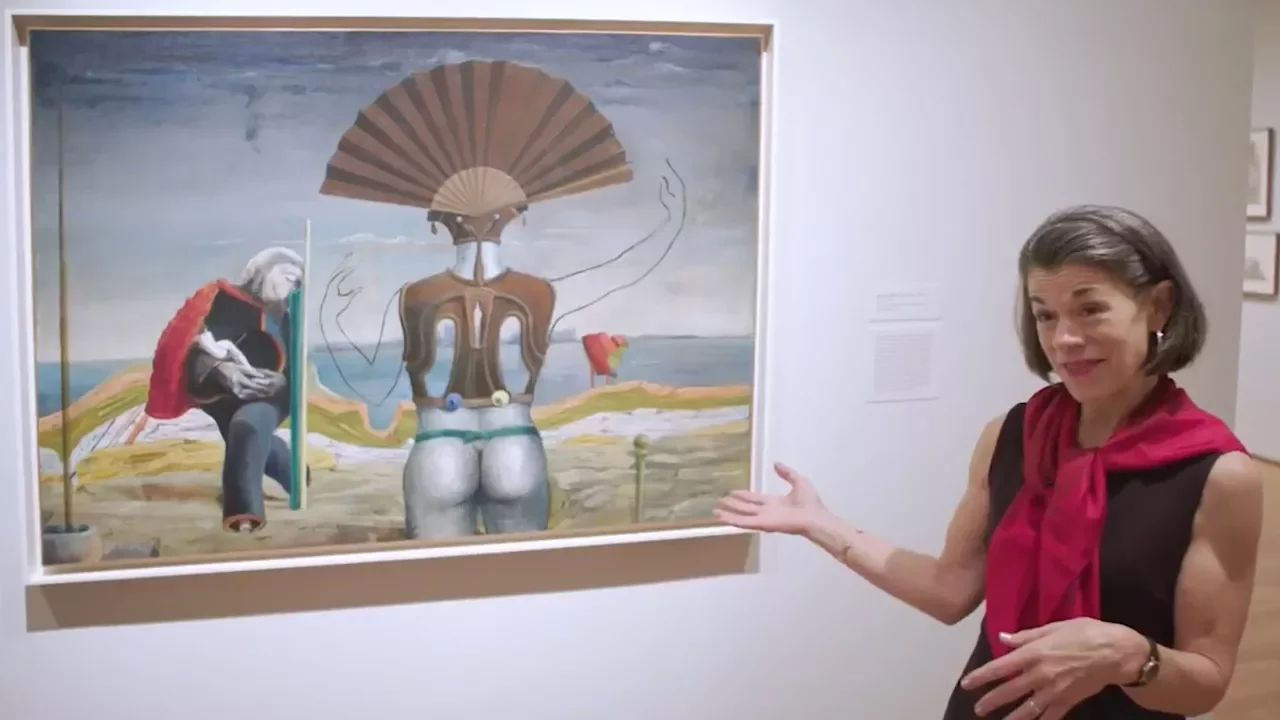
- Why this video: This video explores the innovative techniques Max Ernst developed to bypass conscious planning. MoMA curator Anne Umland details how Ernst utilized frottage (rubbing floorboards/textured items) and decalcomania (pressing paint between canvases) to reveal hidden, dreamlike landscapes.
- Knowledge Checkpoint:
- Explain the physical mechanics of frottage (rubbing) and grattage (scraping), and how they stimulate visual associations.
- Describe the process of decalcomania and how it relies on natural physics rather than conscious mark-making.
- Analyze how Ernst interpreted abstract textures to discover hidden figures and dreamlike forms.

- Why this video: This practical demonstration shows how automatic drawing works. Watching an artist let their hand wander freely across a surface provides a clear, step-by-step blueprint of how Surrealists accessed their subconscious minds.
- Knowledge Checkpoint:
- Identify the core steps of an automatic drawing exercise: unguided mark-making followed by conscious projection/interpretation.
- Observe how a practitioner interprets abstract lines to bring recognizable figures forward from the subconscious.
- Independent Study Recommendation: To explore literary automatism, search YouTube for "Surrealist automatic writing exercise tutorial" to practice bypassing censorship in written form.
Module 5: Surrealist Dreamscapes and Illusionism
While automatism relied on abstract gesture, another branch of Surrealism favored hyper-realistic illusionism. This module analyzes how artists recreated the bizarre imagery of dreams with academic precision. We explore René Magritte's intellectual wordplay that questioned the relationship between words and images, and Salvador Dalí's revolutionary "paranoiac-critical method"—a self-induced state of delirium designed to discover multiple hidden identities within a single visual form.
Recommended Videos

- Why this video: This video uses Salvador Dalí’s masterpiece, The Metamorphosis of Narcissus, to analyze his "paranoiac-critical method." It shows how Dalí constructed double-images (like a hand holding an egg transforming into a kneeling figure) to challenge how we perceive reality.
- Knowledge Checkpoint:
- Explain how Dalí's double-image technique mimics the dual association patterns seen in psychological paranoia.
- Connect the classical myth of Narcissus to Dalí's psychological themes of obsession and self-transformation.
- Identify the differences between abstract automatism and Dalí’s precise, academic illusionism.

- Why this video: This video offers a clear definition of the paranoiac-critical method. It links Dalí's childhood experiences—such as recognizing shapes, faces, and animals in the natural rock formations of Cadaqués—directly to his mature artistic technique.
- Knowledge Checkpoint:
- Explain Dalí's description of his paranoiac-critical method.
- Describe how looking at natural, non-artistic objects can trigger double-meanings in a viewer's subconscious mind.
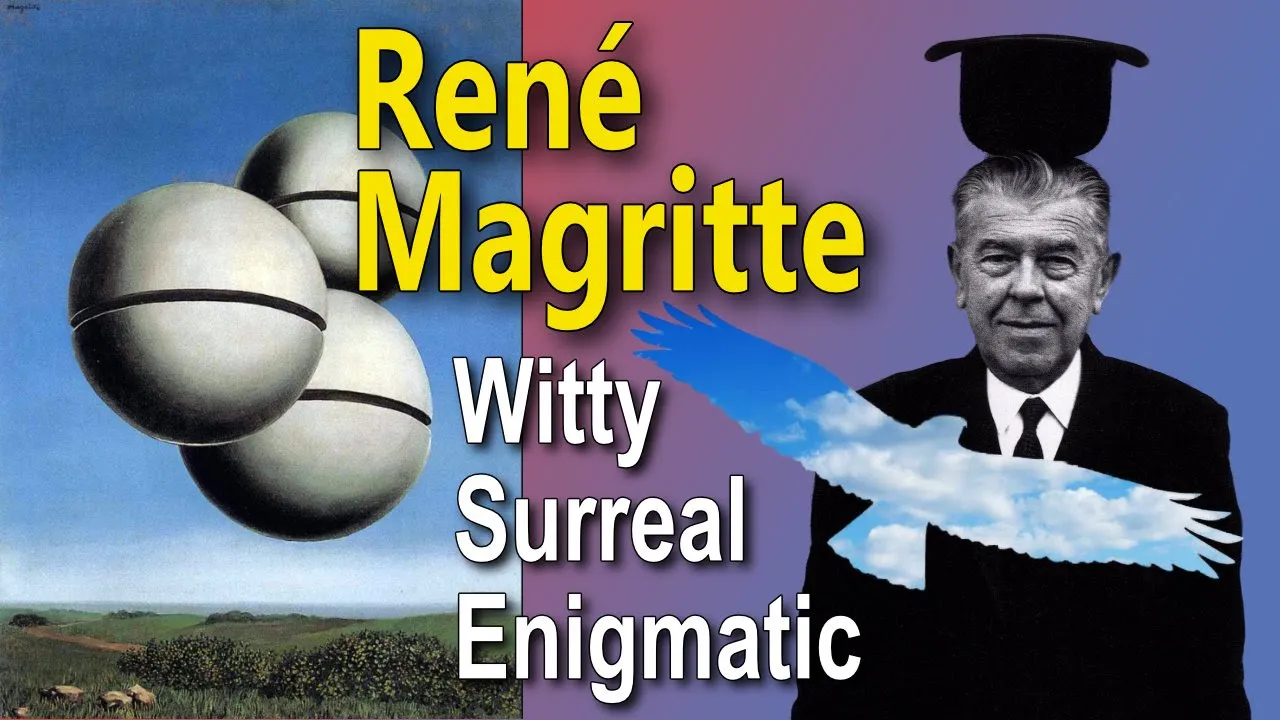
- Why this video: This comprehensive profile tracks Belgian Surrealist René Magritte. It analyzes how Magritte placed normal, everyday items—bowler hats, apples, clouds—into impossible, uncanny arrangements to challenge our trust in reality and language.
- Knowledge Checkpoint:
- Analyze the philosophy behind Magritte's famous painting The Treachery of Images ("This is not a pipe").
- Describe how placing ordinary objects in strange contexts changes how we perceive them.
- Contrast Magritte’s clinical, deadpan style of illusionism with Dalí's expressive, emotionally charged dreamscapes.
Course Map
Key People Index
- Hugo Ball (1886–1927): German author and poet. Co-founder of Zurich Dada and creator of phonetic sound poems like Karawane. His performances at the Cabaret Voltaire established Dada's absurdist tone.
- Tristan Tzara (1896–1963): Romanian/French avant-garde poet and performer. A principal founder of Dadaism, he advocated for chaotic anti-art performance and complete, continuous contradiction.
- Marcel Duchamp (1887–1968): French-American artist who pioneered "Readymades." By selecting industrial products (like a urinal or snow shovel) and presenting them as art, he revolutionized modern art theory.
- Hannah Höch (1889–1978): German artist and pioneer of photomontage. A key member of Berlin Dada, she used fragmented mass media to critique Weimar Germany's political issues and patriarchal social structures.
- Hans (Jean) Arp (1886–1966): German-French sculptor and painter. Co-founder of Zurich Dada, he pioneered chance operations in art by composing collages according to where dropped papers fell.
- André Breton (1896–1966): French writer and poet. The founder of Surrealism, he published the Surrealist Manifesto in 1924, defining the movement as "pure psychic automatism" and systemizing it using Freudian theory.
- Sigmund Freud (1856–1939): Austrian neurologist and founder of psychoanalysis. His theories on the subconscious, repression, and dream interpretation became the intellectual foundation for Surrealist practices.
- Max Ernst (1891–1976): German painter and sculptor. A Dada and Surrealist pioneer who developed experimental techniques like frottage, grattage, and decalcomania to bypass conscious creation.
- Salvador Dalí (1904–1989): Spanish Surrealist painter. Famous for his highly realistic dreamscapes and his paranoiac-critical method, which used double-images to depict self-induced hallucinatory states.
- René Magritte (1898–1967): Belgian Surrealist painter. Known for his uncanny images that questioned representation, reality, and the relationship between words and pictures.
Final Self-Assessment
Complete this checklist to verify your mastery of the evolution from Dada to Surrealism:
- Explain how the trauma of mechanized World War I combat shattered artists' belief in rational logic and gave rise to Dadaist anti-art.
- Differentiate between the nihilistic, absurdist performance of Zurich Dada and the politically engaged, satirical collage work of Berlin Dada.
- Detail the process of photomontage and why Hannah Höch selected mass-media publications to critique Weimar Germany.
- Define Marcel Duchamp’s Readymades and explain why they shifted the value of art from visual craftsmanship to conceptual choice.
- Summarize the intellectual clash between Tristan Tzara and André Breton that caused the split between Dadaism and Surrealism.
- Recite André Breton's 1924 definition of Surrealism as "pure psychic automatism."
- Connect Sigmund Freud's concepts of the Id, Ego, and Superego to the Surrealist goal of bypassing rational control.
- Explain the differences between Max Ernst's tactile automatic techniques: frottage, grattage, and decalcomania.
- Demonstrate a basic automatic drawing exercise, including the initial unguided phase and the subsequent interpretive phase.
- Define Salvador Dalí’s paranoiac-critical method and explain how double-images function in works like The Metamorphosis of Narcissus.
- Analyze how René Magritte’s The Treachery of Images exposes the disconnect between a physical object, its visual image, and its linguistic name.