Northern Renaissance: Symbols, Icons & Meaning
Learning Goal: Analyze the hidden symbolism, iconography, and social narratives in 15th and 16th-century Northern Renaissance painting.
- Prerequisites: None. A basic familiarity with the Italian Renaissance is helpful but not required.
- Estimated Total Study Time: 12 Hours
Module 1: Foundations of the Northern Renaissance
This module explores the foundational cultural, technological, and geographical factors that set Northern European art apart from its Italian counterpart during the 15th and 16th centuries. You will learn about the pivotal invention of oil paint, the development of intense visual realism, and how the economic structures of Flanders and Germany fostered a distinct aesthetic tradition grounded in Gothic heritage rather than classical antiquity.
-
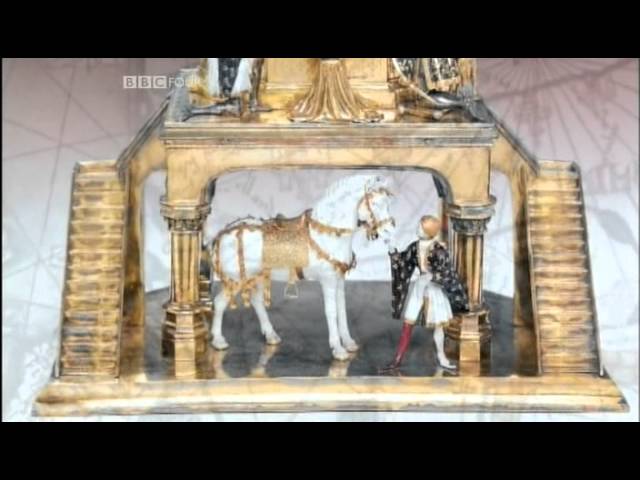
Why this video: Waldemar Januszczak's acclaimed BBC documentary offers a brilliant introductory overview of the Northern Renaissance. It highlights the sharp differences between Italian art (which looked backward to classical antiquity) and Northern art (which pioneered a brand-new, hyper-realistic representation of the physical world). It establishes how Northern masters focused on capturing the distinct textures of human faces and everyday domestic life.
-
Knowledge Checkpoint:
- Explain how Northern Renaissance artists approached the depiction of the human face differently from Italian artists.
- Identify the primary geographical centers where the Northern Renaissance first blossomed.
- Describe the legacy of the Gothic tradition in shaping early Northern Renaissance styles.

-
Why this video: This video provides an in-depth chronological and technical history of the movement. It explains the mechanics of the transition from egg tempera to oil paint (using linseed or walnut oil), detailing how slow drying times allowed artists to apply infinite, translucent glazes that produced unprecedented luminosity and realistic light reflections.
-
Knowledge Checkpoint:
- Explain the chemical and physical differences between egg tempera and oil paint, and why these differences mattered to painters.
- Describe the concept of "layering glazes" and how it creates a sense of internal light and atmospheric depth.
- Detail how the rise of a wealthy merchant class in Flanders changed art patronage away from exclusive church control.

-
Why this video: A clear comparative analysis is vital for understanding Northern art's unique identity. This video contrasts the Italian pursuit of idealized anatomical proportion and mathematical linear perspective with the Northern focus on empirical observation, surface details, and domestic domesticity.
-
Knowledge Checkpoint:
- Contrast Italian "rational space" (linear perspective) with the Northern European approach to spatial rendering.
- Distinguish between the humanism of Southern Europe (rooted in Greek/Roman philosophy) and Northern humanism (focused on early Christian reform and daily morality).
Module 2: Decoding Iconography and Symbolic Language
To truly appreciate Northern Renaissance painting, one must learn how to "read" it. Northern masters did not paint empty decorations; instead, they embedded deep theological, moral, and social messages within ordinary household objects. This module introduces you to the formal methodology of art-historical iconography and dissects one of the most heavily debated, symbol-laden paintings in history: Jan van Eyck's The Arnolfini Portrait.

-
Why this video: While this academic lecture has a modest view count, it addresses a critical curriculum gap by explaining the theoretical foundation of art-historical analysis. It walks through Erwin Panofsky's classic three-tiered methodological framework: pre-iconographical description (formal analysis), iconographical analysis (identifying conventional meanings/symbols), and iconological interpretation (uncovering the intrinsic historical/cultural meaning).
-
Knowledge Checkpoint:
- Define the difference between "iconography" and "iconology" according to Panofsky.
- List Panofsky’s three levels of art-historical analysis and explain what a viewer does at each stage.
- Apply the concept of "disguised symbolism" to a common domestic object (e.g., a candle or a bowl of water).

-
Why this video: Jan van Eyck’s The Arnolfini Portrait (1434) is the ultimate test case for iconographical reading. This beautifully produced, highly engaging video walks viewers through the standard symbolic readings of the painting (such as the dog signifying fidelity and the single burning candle representing the eye of God) before introducing alternative theories, including the compelling "posthumous memorial" argument.
-
Knowledge Checkpoint:
- Identify at least five symbols within the Arnolfini bedchamber and explain their traditional theological or social meanings.
- Describe the symbolic visual program depicted in the roundels of the convex mirror on the back wall.
- Explain the "memorial theory" and how it changes the interpretation of the bride's green dress and the chandelier's candles.
Module 3: Early Netherlandish Masters: Van Eyck & Campin
This module dives deep into the monumental works of the Early Netherlandish school. We focus on the masterpieces of Robert Campin (The Master of Flémalle), Jan van Eyck, and Rogier van der Weyden. You will analyze how these artists integrated donor portraits into holy spaces, infused ordinary environments with cosmic theological significance, and introduced raw, human emotion into Christian visual narratives.
-
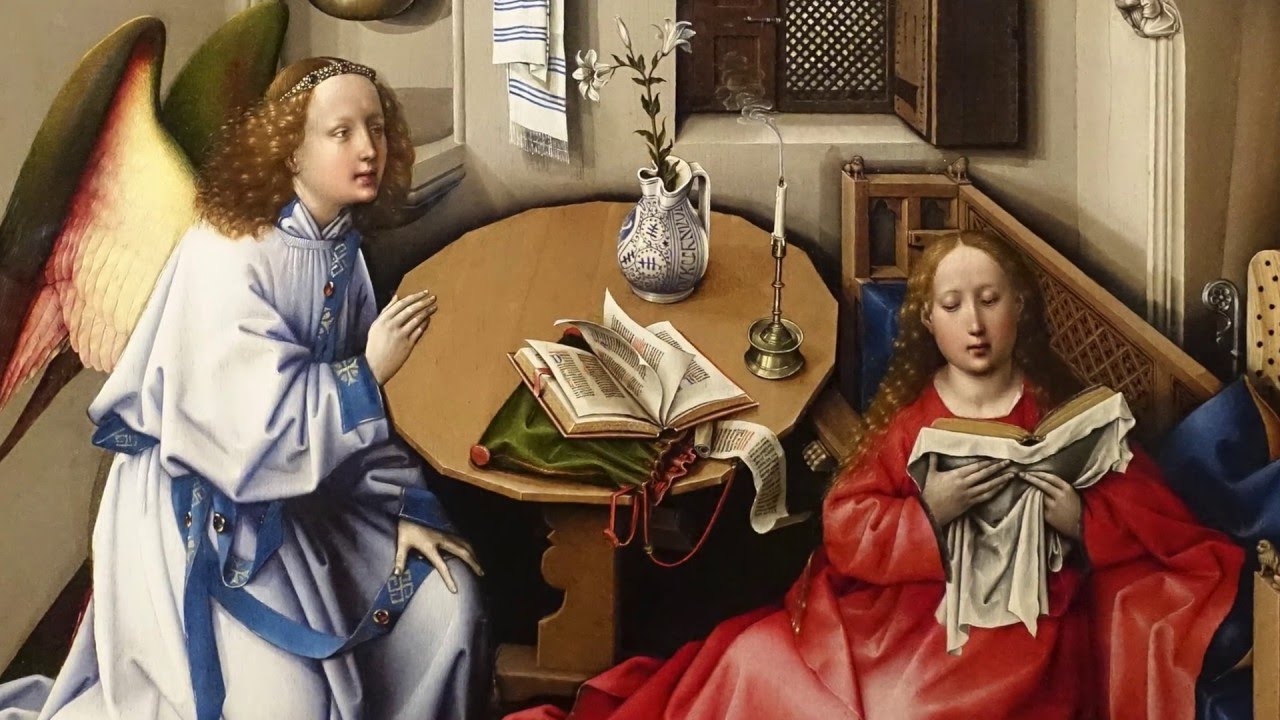
Why this video: Smarthistory provides a concise but highly descriptive analysis of the Mérode Altarpiece. This video illustrates how Robert Campin located the sacred event of the Annunciation in a contemporary, 15th-century middle-class Flemish home, blurring the line between the divine and the everyday.
-
Knowledge Checkpoint:
- Identify the symbolic meanings of the lily, the extinguished candle, and the copper basin in Campin's Annunciation scene.
- Describe the unique theological symbolism of the tiny, winged figure of Christ carrying a cross through the window.
- Explain the symbolic function of Joseph's workshop on the right wing, particularly the presence of the mousetraps.
-
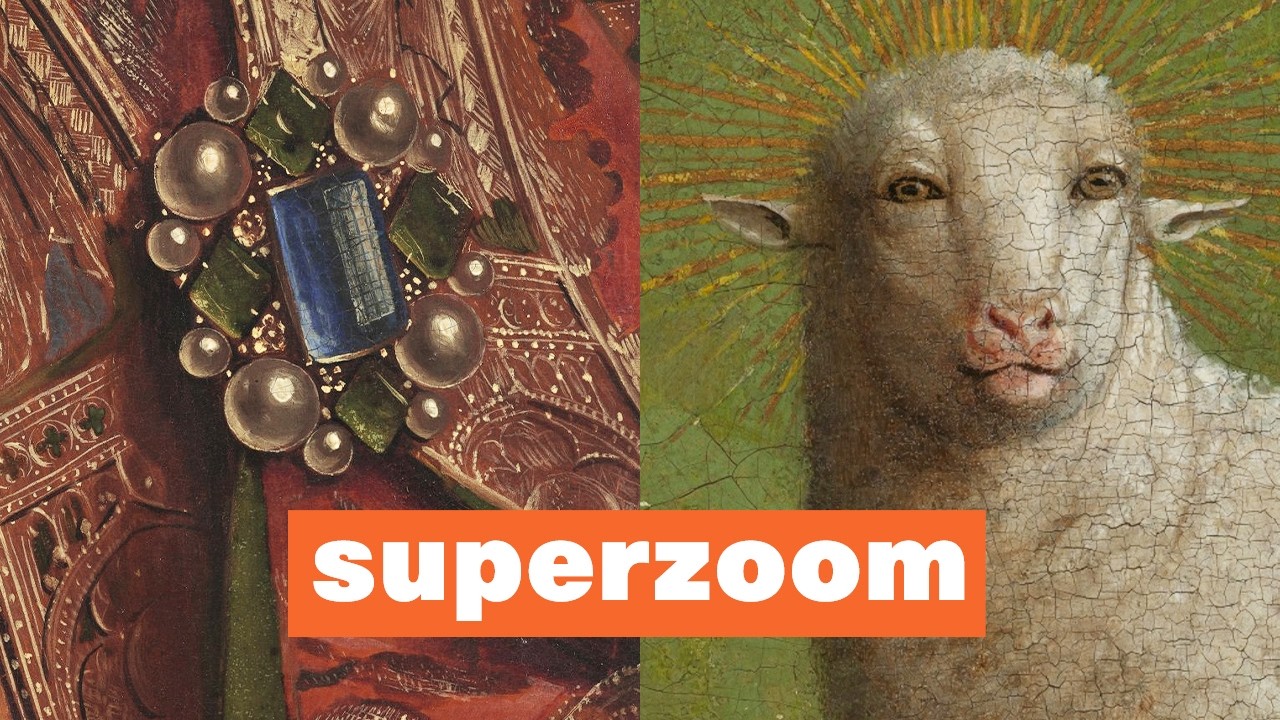
Why this video: The Ghent Altarpiece (1432) is a staggering milestone of early oil painting. This detailed analysis looks at the breathtaking scale and technical precision of Jan van Eyck's masterpiece. It examines how Van Eyck coordinated the painting's internal lighting with the physical window layout of the cathedral chapel, and addresses the famous visual adjustments discovered during modern conservation.
-
Knowledge Checkpoint:
- Explain the central iconographical motif of the "Adoration of the Mystic Lamb" and how its blood flows into a chalice.
- Discuss the visual and anatomical realism of Adam and Eve on the outer panels of the altarpiece, contrasting them with medieval abstractions.
- Describe how the recent physical restoration of the Lamb's face changed our understanding of the painting's symbolic intent.
-
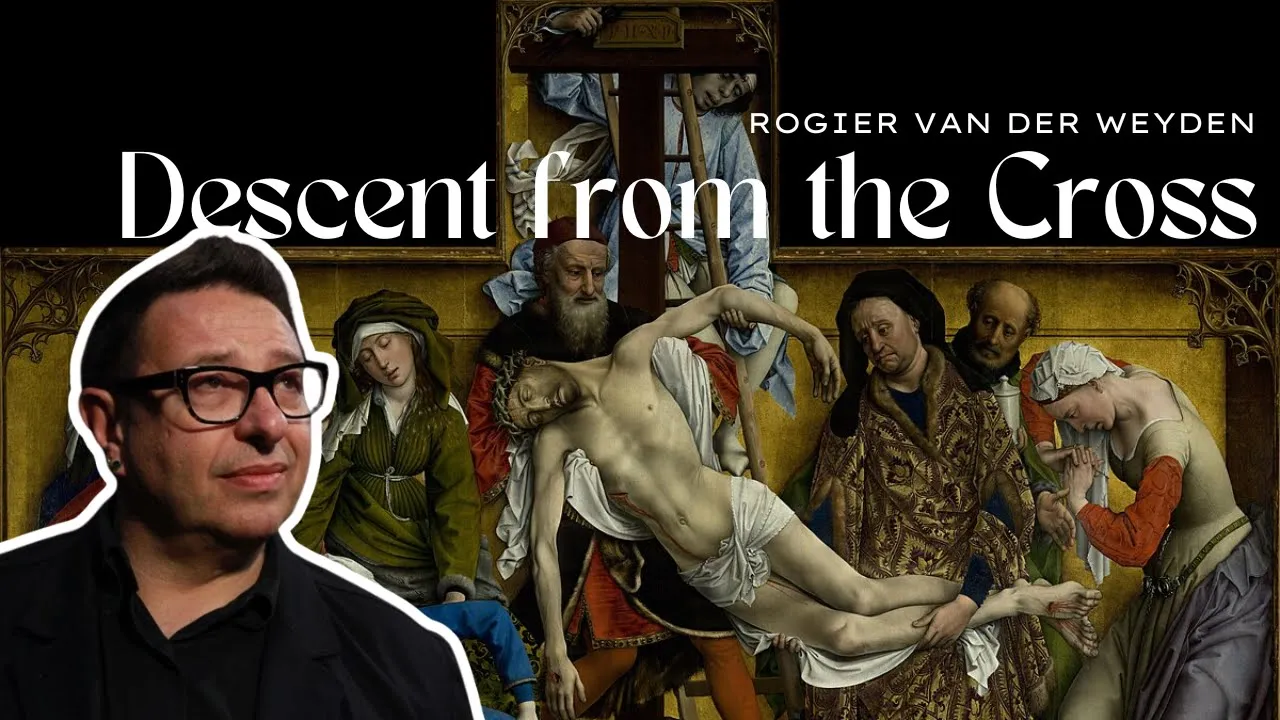
Why this video: Rogier van der Weyden brought a profound, dramatic theatricality to Northern painting. This video analyzes his Descent from the Cross (Deposition), showing how Van der Weyden compressed his figures into a shallow, box-like space to intensify the viewer's psychological connection to their grief.
-
Knowledge Checkpoint:
- Analyze the composition of the Virgin Mary's fainting body and how it mirrors the pose of Christ, explaining the theological concept of compassio.
- Identify how the archer iconography is integrated into the corners of the painting's frame (referencing the patron guild).
- Describe how Van der Weyden used realistic textures—such as tears, blood, and heavy brocade fabrics—to elicit empathy.
Module 4: Bosch and Bruegel: Satire, Morality, and Society
In the late 15th and 16th centuries, Northern art took a turn toward moral satire, social critique, and the chaotic realities of common folk. This module explores the surreal, hellish dreamscapes of Hieronymus Bosch and the earthy, highly detailed peasant settings of Pieter Bruegel the Elder. You will study how these artists warned against human folly, documented local folklore, and elevated the ordinary lower-class citizen to a worthy subject of high art.

-
Why this video: This feature-length documentary explores the complex mind of Hieronymus Bosch. It grounds Bosch not as a modern, surrealist rebel, but as an intensely devout, conservative member of the Brotherhood of Our Lady. The documentary parses The Garden of Earthly Delights to explain how its bizarre monsters and hybrid creations served as severe moral warnings against lust, sin, and spiritual laziness.
-
Knowledge Checkpoint:
- Explain the thematic progression of The Garden of Earthly Delights from the left panel (Eden) to the center panel (Folly/Lust) to the right panel (Hell).
- Identify how Bosch uses symbols of transient pleasure (like giant strawberries and hollowed-out fruit) to warn of spiritual decay.
- Describe the historical role of the Brotherhood of Our Lady and how it influenced Bosch's artistic output.

-
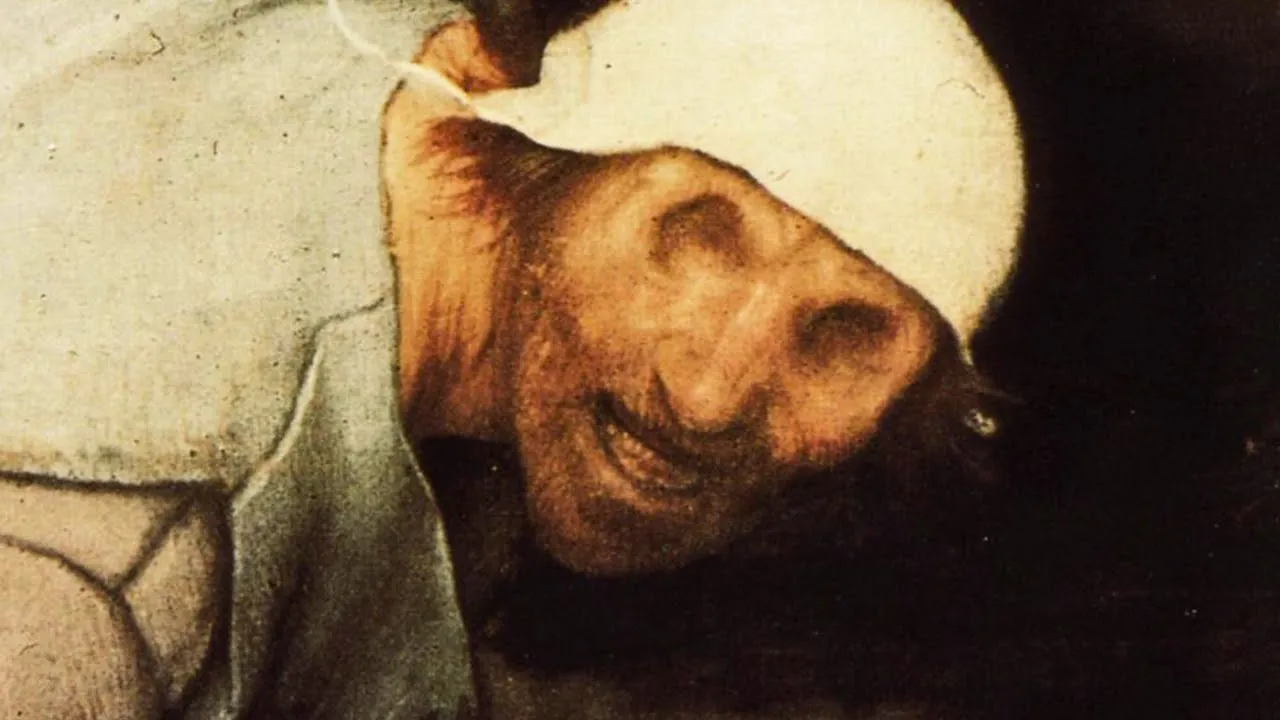
Why this video: Pieter Bruegel the Elder was a master of the "crowded panorama." This video painstakingly details Bruegel's 1559 painting Netherlandish Proverbs, pointing out and explaining how Bruegel literally illustrated over 100 Dutch idioms to paint a chaotic map of human stupidity and moral upside-downness.
-
Knowledge Checkpoint:
- Identify at least five distinct proverbs illustrated in Bruegel’s canvas and explain their underlying moral lessons.
- Discuss the symbolic meaning of the "blue cloak" being placed over a husband by his wife.
- Explain how Bruegel uses the "upside-down globe" to construct a broader social narrative about a world turned on its head.
-
Why this video: This video introduces Pieter Bruegel's broader career and humanistic philosophy. It highlights his transition away from religious allegories toward genre paintings—scenes of peasants dancing, working, and celebrating. It dispels the myth that Bruegel was an uneducated peasant himself, showing instead that he was an elite, urban humanist painting for sophisticated patrons who valued sharp social commentary.
-
Knowledge Checkpoint:
- Define "genre painting" and explain how Bruegel revolutionized it in the 16th century.
- Contrast Bruegel's objective, detailed observation of peasants with traditional moralistic or patronizing views of the working poor.
- Explain how the harsh, frozen landscape in paintings like The Census at Bethlehem served as a subtle commentary on the contemporary Spanish occupation of the Netherlands.
Module 5: The German Renaissance: Dürer, Holbein & The Reformation
The 16th century brought a massive cultural earthquake to Northern Europe: the Protestant Reformation. Initiated by Martin Luther in 1517, this religious split dismantled traditional church art patronage and sparked widespread iconoclasm. This module traces how German masters like Albrecht Dürer adapted by turning to humanist prints, and how Hans Holbein the Younger navigated political and religious minefields to create the era's most complex diplomatic double-portrait: The Ambassadors.
-
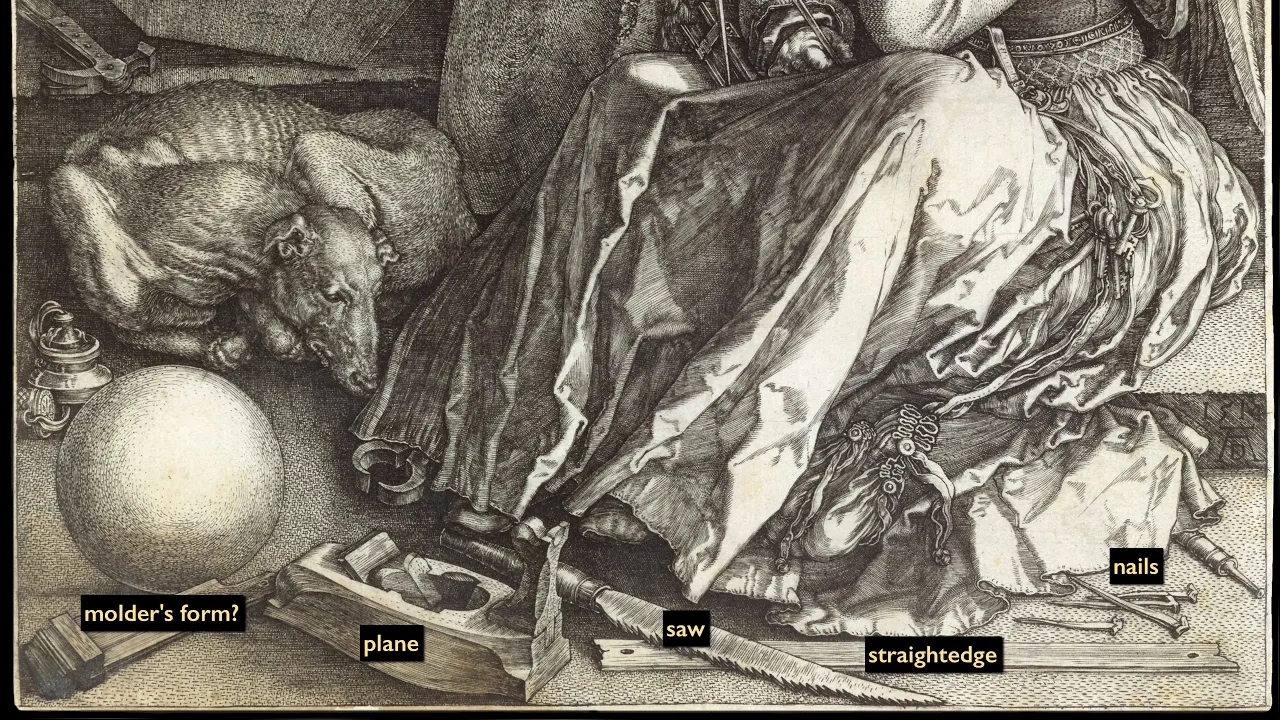
Why this video: Albrecht Dürer was the ultimate bridges-builder, merging Northern detail with Italian humanism. This Smarthistory analysis dissects his legendary 1514 engraving Melencolia I. It unpacks the dense array of mathematical, creative, and astrological symbols that turn this print into a profound, self-reflective psychological portrait of the frustrated creative mind.
-
Knowledge Checkpoint:
- Define the medieval concept of "Melancholy" and explain how humanism reframed it as the temperament of creative genius.
- Identify and explain the presence of the 4x4 "magic square" and the mysterious rhombohedron within the engraving.
- Explain why printmaking (woodcuts and engravings) allowed Dürer to achieve global fame and financial independence outside of church commissions.
-
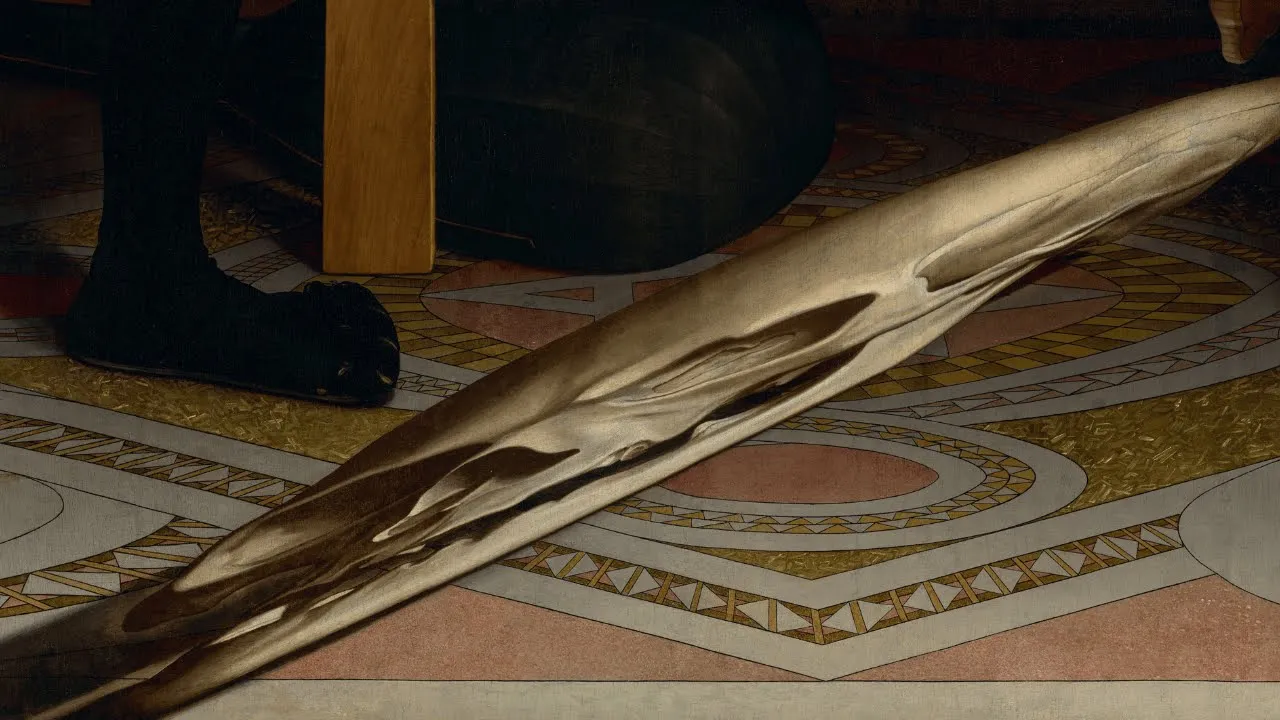
Why this video: Hans Holbein’s The Ambassadors (1533) is a masterclass in political and theological coding. This video analyzes the painting's spectacular realism and breaks down the deep historical crisis it depicts—Henry VIII's break with the Catholic Church. It pays special attention to the famous anamorphic skull at the bottom of the canvas.
-
Knowledge Checkpoint:
- Explain the optical mechanics of the anamorphic skull and its symbolic function as a memento mori (reminder of death).
- Identify the objects on the upper and lower shelves of the central table, explaining how they represent the Quadrivium (mathematical arts) versus the Trivium.
- Analyze the symbol of the broken lute string and the Lutheran hymnbook as markers of contemporary religious discord.
-
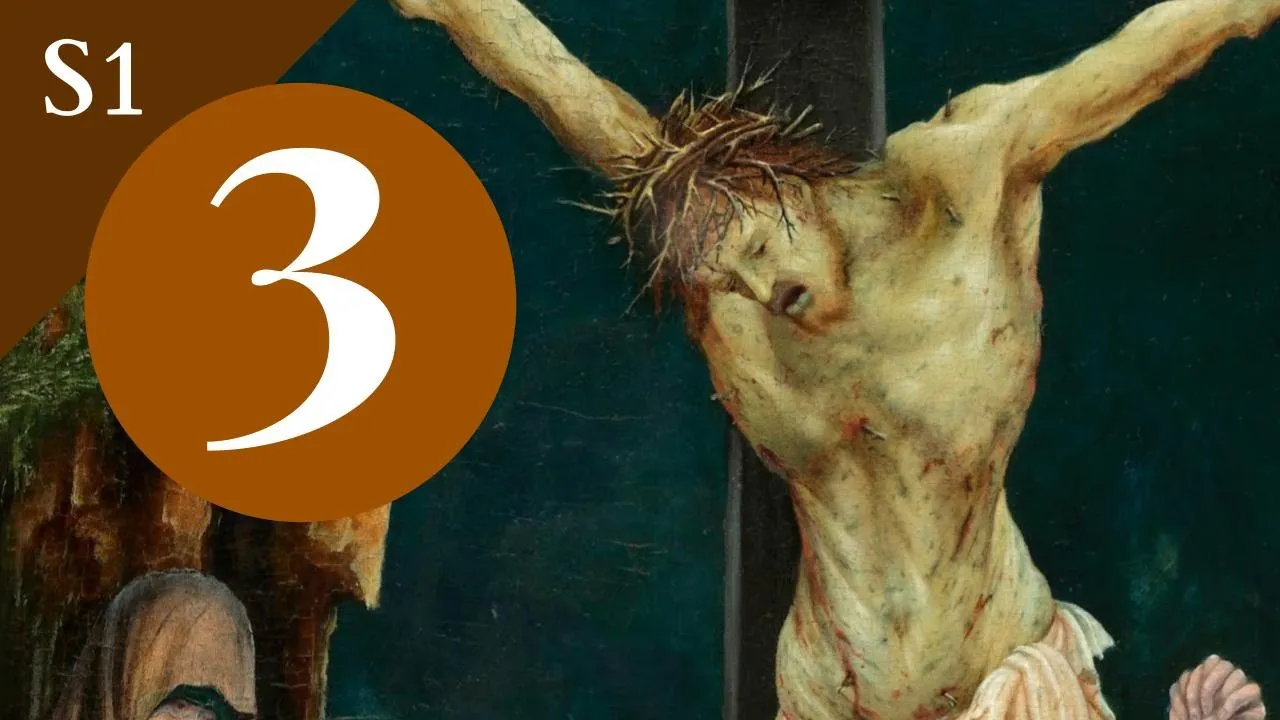
Why this video: This narrative art history video traces the direct structural impact of the Reformation on Northern art. It explains how artists were forced to pivot from painting altarpieces to producing prints, portraits, and domestic landscapes, and addresses the stylistic differences between Lutheran reformist art and Catholic counter-reformist works.
-
Knowledge Checkpoint:
- Describe how Luther's views on religious imagery differed from more radical reformers who demanded complete iconoclasm.
- Identify how the visual focus of Protestant churches shifted away from highly decorated altars toward the pulpit and written scripture.
- Analyze how Dürer's late works (like The Four Apostles) physically and visually reflected his Lutheran beliefs.

-
Why this video: To close the gap on the dark history of the Reformation, this short museum presentation defines "iconoclasm" (image-breaking) and details the Beeldenstorm (the Great Iconoclast Fury) that swept through Antwerp and the Low Countries in 1566, resulting in the tragic destruction of thousands of medieval and early Renaissance paintings and sculptures.
-
Knowledge Checkpoint:
- Define the word "iconoclasm" from its Greek roots and explain the theological justification used by the reformers to destroy art.
- Describe the events and consequences of the Beeldenstorm in the Netherlands in 1566.
Curriculum Gap Tip: To study the specific visual strategies used by Protestant artists to replace Catholic icons, search YouTube for "Lucas Cranach the Elder Law and Gospel symbolism" or "Protestant art vs Catholic art history lecture".
Course Map
This map outlines the recommended learning order and key conceptual relationships across the five modules.
Key People Index
- Erwin Panofsky (1892–1968): A towering German-Jewish art historian who taught at Princeton. He developed the foundational "three-tiered" methodology of iconography and iconology, forever changing how scholars read symbols in Northern art.
- Jan van Eyck (c. 1390–1441): The legendary court painter to Philip the Good, Duke of Burgundy. Widely (though incorrectly) credited with the "invention" of oil painting, he elevated the medium to unparalleled heights of precision and theological depth.
- Robert Campin (c. 1375–1444): Often identified as the "Master of Flémalle." He was one of the first to ground sacred biblical events in realistic, contemporary Flemish domestic settings.
- Rogier van der Weyden (c. 1399–1464): An early Netherlandish master who broke from Van Eyck's cool detachment, prioritizing raw human emotion, dynamic physical postures, and psychological drama.
- Hieronymus Bosch (c. 1450–1516): A highly successful, deeply orthodox Dutch painter whose surreal, monster-filled triptychs warned of the terrifying moral consequences of sin.
- Pieter Bruegel the Elder (c. 1525–1569): A brilliantly educated Flemish humanist painter who elevated common peasant life, seasonal landscapes, and folklore into profound social commentaries on human folly.
- Albrecht Dürer (1471–1528): The superstar of the German Renaissance. A painter, theorist, and genius printmaker who successfully blended the detailed observation of the North with the humanistic, geometric ideals of the Italian Renaissance.
- Hans Holbein the Younger (c. 1497–1543): A premier German portraitist who fled religious turmoil to become the court painter to King Henry VIII of England, leaving behind some of the most politically charged portraits of the Tudor era.
Final Self-Assessment
Test your mastery of Northern Renaissance iconography, historical context, and formal visual analysis. You should be able to confidently check off each of the following tasks:
- Explain how the slow drying time of oil paint allowed Northern masters to depict complex textures (brocade, fur, glass, tears) in ways egg tempera could not.
- List Erwin Panofsky's three levels of art-historical analysis and apply them to a single visual object (e.g., a hand-held candle).
- Identify and explain three alternative historical interpretations of Jan van Eyck's The Arnolfini Portrait.
- Detail the theological symbolism of at least four household items inside Robert Campin's Mérode Altarpiece.
- Describe how Jan van Eyck visually synchronized the painted lighting in the Ghent Altarpiece with its original architectural surroundings.
- Analyze the theological concept of compassio as shown through the body language of Christ and the Virgin Mary in Rogier van der Weyden’s Descent from the Cross.
- Demystify Hieronymus Bosch's The Garden of Earthly Delights by explaining how its bizarre monsters and imagery acted as moral warnings rather than modern surrealist dreams.
- Identify three distinct proverbs from Pieter Bruegel’s Netherlandish Proverbs and explain how they construct a broader social narrative about 16th-century society.
- Contrast the traditional view of Pieter Bruegel as an uneducated peasant with his true historical status as an elite, urban humanist.
- Explain how Albrecht Dürer’s Melencolia I reflects the shifting social role of the artist from a mere craftsman to a learned intellectual.
- Describe the optical phenomenon of "anamorphosis" and trace its symbolic function in Hans Holbein's The Ambassadors.
- Outline how the Protestant Reformation and the physical outbreaks of iconoclasm (like the Beeldenstorm) permanently shifted artistic output away from ecclesiastical commissions in Northern Europe.