E-Waste: Global Flow, Toxicity & Circularity
Learning Goal: Analyze the global life cycle of electronic waste (e-waste), its toxicological impacts on groundwater systems, and implement circular economy principles for sustainable consumer tech recovery.
- Estimated Total Study Time: 20 Hours
- Prerequisites: Basic chemistry (atomic structures, heavy metal attributes) and introductory environmental science principles.
Module 1: Foundations of E-Waste & Tech Obsolescence
This module introduces the conceptual foundations of electronic waste (e-waste), tracing how modern industrial consumer practices prioritize linear economic pathways over material lifecycle longevity. Students will analyze the mechanics of planned obsolescence and evaluate the physical material complexity of modern electronics—specifically smartphones—to understand why their end-of-life reclamation presents such high technological barriers.
Core Video Materials

Why This Video?
This video provides a rigorous historical and structural exploration of planned obsolescence. By looking at the 1924 Phoebus Cartel's intentional shortening of incandescent light bulb lifespans, it explains how corporate strategies shifted from product longevity to artificial scarcity. This baseline economic model is essential for understanding why consumer electronics are systematically engineered to break down, require proprietary repairs, or face early software-driven abandonment.
Knowledge Checkpoint
- Explain how the Phoebus Cartel legally and technically enforced a reduction in lightbulb lifespans from 2,500 hours to 1,000 hours.
- Contrast functional obsolescence (the physical wear out of a component) with psychological/systemic obsolescence (software-driven deceleration or aesthetic redesign).
- Identify how proprietary hardware integrations act as a physical manifestation of planned obsolescence.
Why This Video?
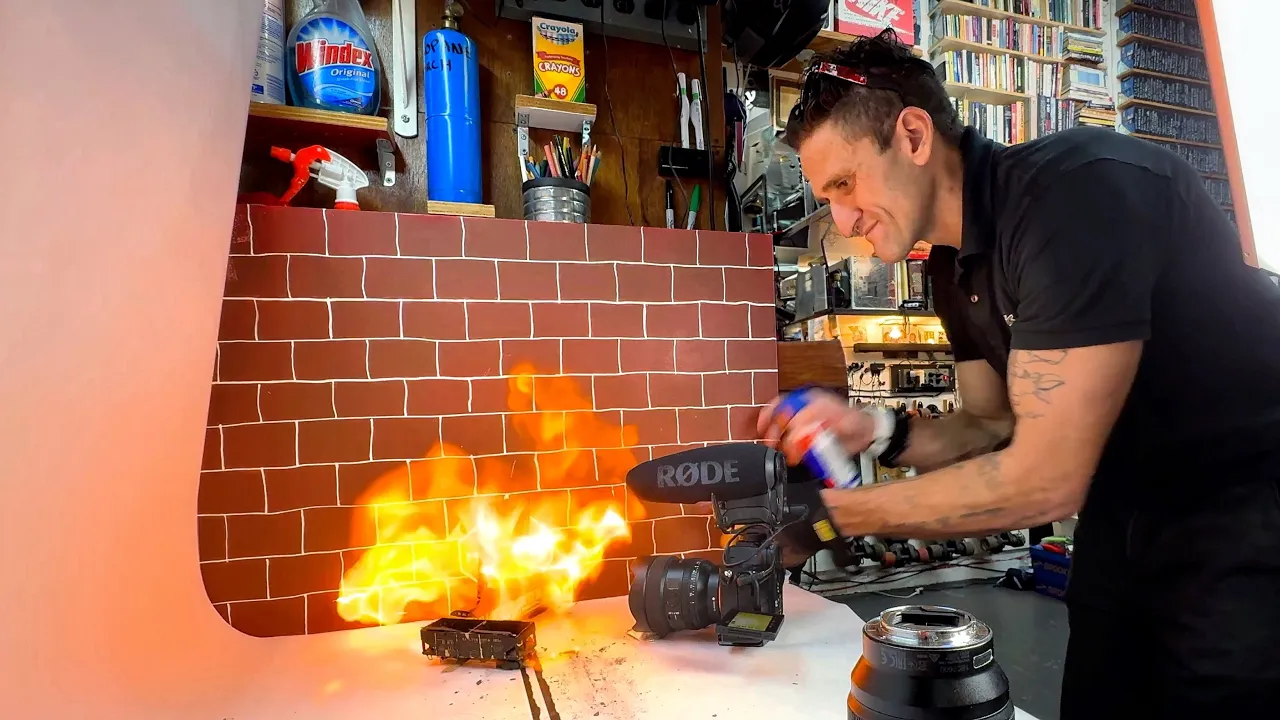
This brief case study focuses on modern corporate engineering strategies that actively accelerate electronic replacement cycles. It details how the deliberate decision to make consumer devices non-upgradeable and non-repairable drives a continuous loop of consumption. This is a core economic driver behind the global e-waste volume growing five times faster than formal recycling capacities.
Knowledge Checkpoint
- Define the term "planned obsolescence" within the context of 21st-century consumer electronics.
- Explain how corporate incentives align with short physical lifespans rather than long-term modular upgradability.

Why This Video?
To understand the toxicity and physical recycling challenges of consumer tech, one must understand its material complexity. This video introduces the high density of element types used in modern smartphones, detailing that a single unit requires over 50 different raw materials (such as cobalt, lithium, indium, gallium, and rare-earth oxides). This sets up the chemical challenges explored in Modules 3 and 5.
Knowledge Checkpoint
- List at least five critical raw materials required for smartphone production and identify their primary component use (e.g., indium in touchscreens, lithium/cobalt in batteries).
- Explain why the integration of more than 50 distinct elements into a single miniature device creates unprecedented challenges for downstream mechanical sorting and chemical separation.
Why This Video?
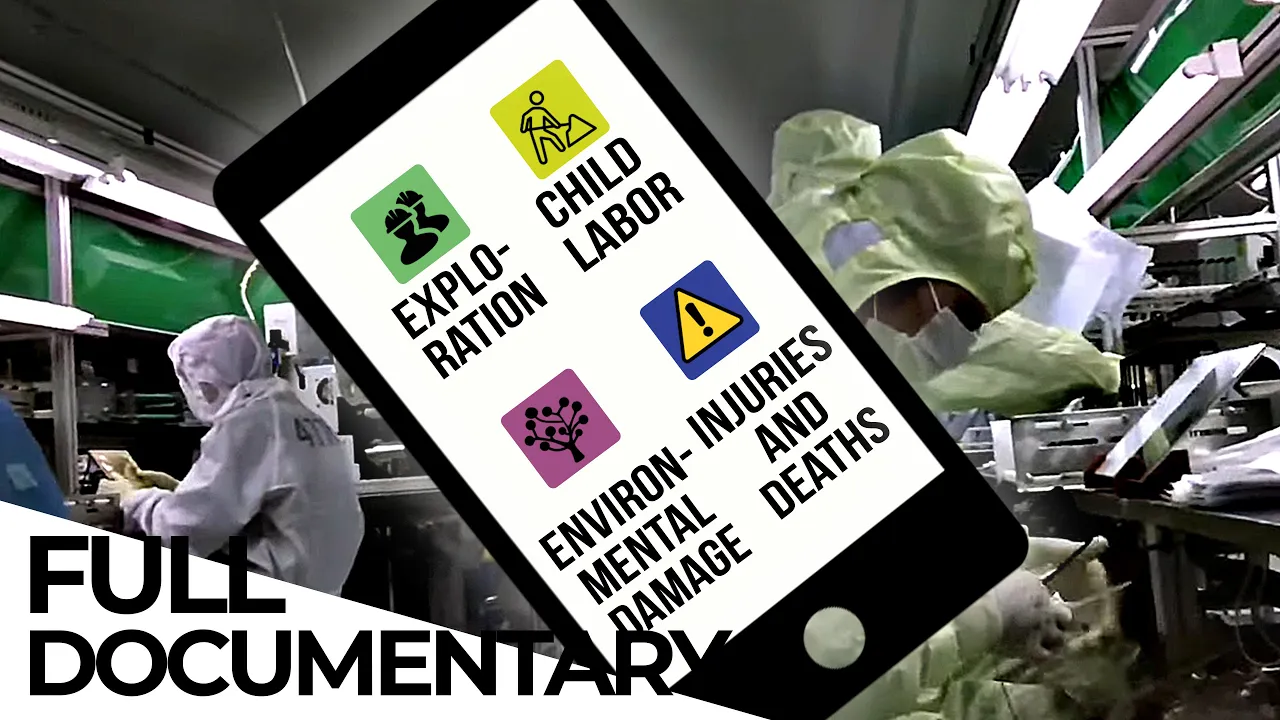
This documentary provides a deep dive into the globalized supply chains and mining processes behind cell phone manufacturing. It traces the complex assembly of over 300 mineral-based components, mapping how raw extraction in mining nations turns into high-tech hardware, and highlighting the severe geopolitical and environmental footprints generated before a device is ever sold.
Knowledge Checkpoint
- Trace at least three components of a modern mobile phone back to their geographic and geologic extraction points (e.g., Australian bauxite, Malaysian zinc).
- Analyze how upstream resource extraction intensity creates an environmental debt that makes throwing away functional electronics highly unsustainable.
Module 2: Global Trade Flows & the E-Waste Lifecycle
This module traces how electronic waste travels globally. Students will analyze the regulatory loopholes that allow developed nations in the Global North to export hazardous waste to the Global South. By examining both formal and informal recycling hubs, we look at the balance between survival economics, localized innovation, and extreme pollution.
Core Video Materials
Why This Video?
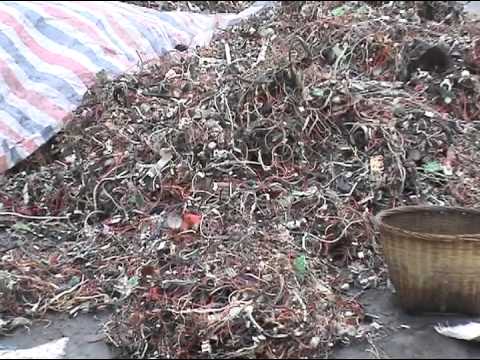
This investigative classic by the Basel Action Network reveals how e-waste from the Global North travels to developing Asian countries. It highlights how municipal collections often bypass domestic regulations, exporting toxic waste to open-air processing sites like Guiyu, China.
Knowledge Checkpoint
- Define the primary objectives of the Basel Convention and identify the regulatory loopholes used to export e-waste under the guise of "repairable electronics" or "second-hand donations."
- Describe the primary processing methods used in Guiyu (such as open-air acid bath leaching and manual circuit board desoldering) and their immediate occupational hazards.
Why This Video?
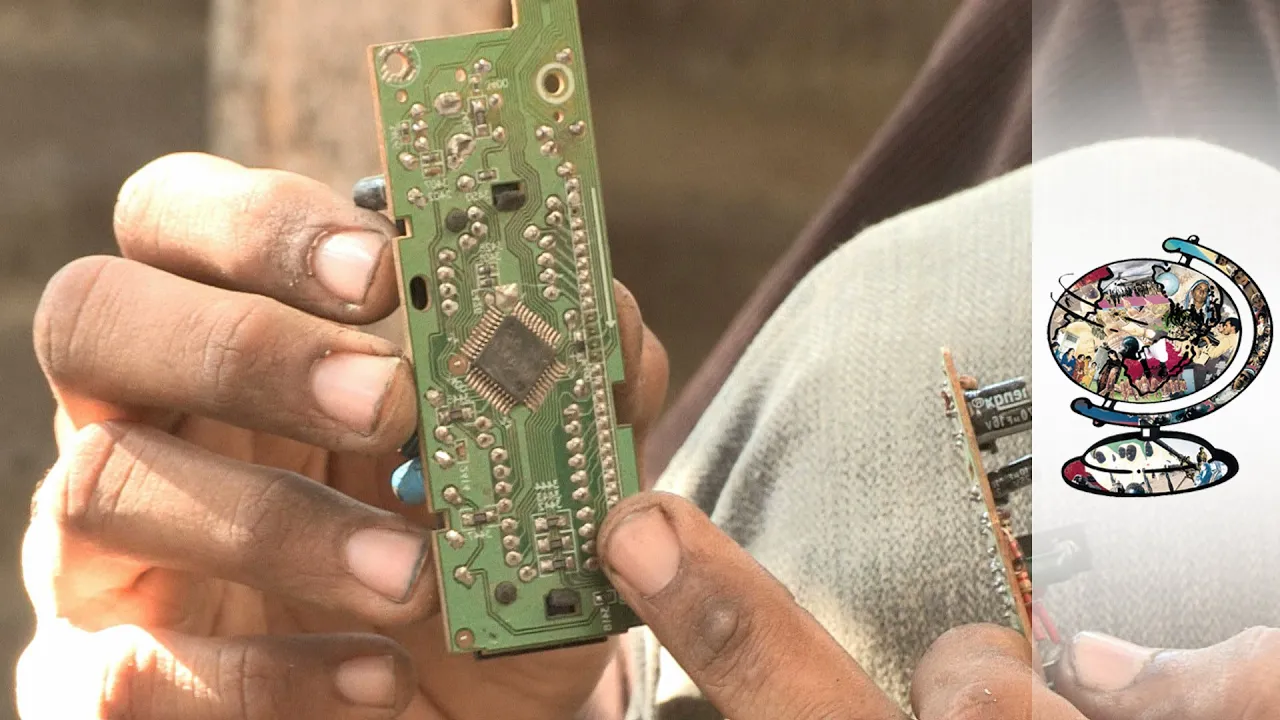
This video provides an in-depth look at how the global e-waste trade exploits economic vulnerabilities in Pakistan's informal recycling yards. It shows how low-income populations are driven by economic necessity to manually strip down imported, highly toxic electronics without any protective gear, putting their long-term health at risk.
Knowledge Checkpoint
- Quantify the scale of informal e-waste imports in Pakistan and explain how local scrap markets operate as an informal economy.
- Assess the physiological hazards workers face when manually burning plastic casings to isolate copper coils.
Why This Video?
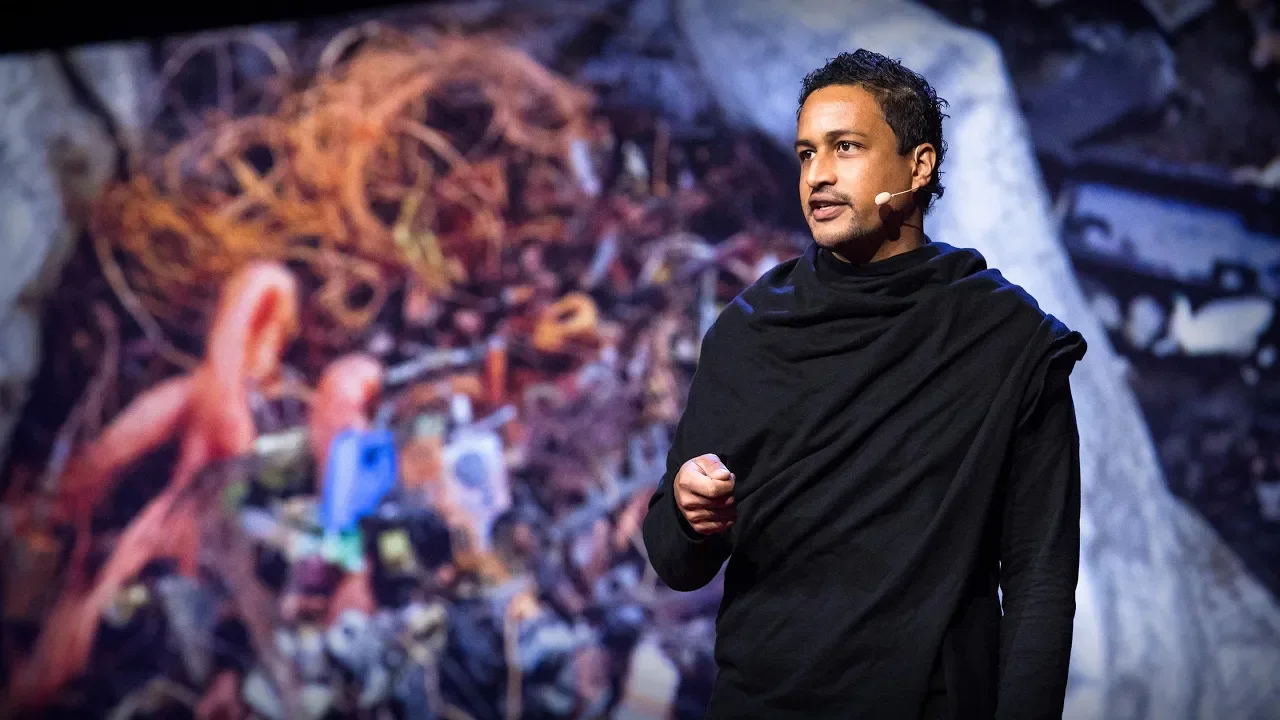
While sites like Agbogbloshie, Ghana, are heavily polluted, they are also active hubs of grassroots engineering and recycling. TED Fellow DK Osseo-Asare presents a nuanced perspective, showing how local technicians use informal peer-to-peer engineering to build new equipment from discarded tech. This balances the narrative by highlighting local innovation alongside the ecological damage.
Knowledge Checkpoint
- Explain how informal operators in Agbogbloshie salvage and remanufacture discarded electronics into functional local technology.
- Discuss the limits of informal recycling when dealing with complex, chemically integrated materials that require industrial-scale metallurgy for clean reclamation.
Module 3: E-Waste Toxicology & Groundwater Contamination
This module analyzes how toxic elements move from unlined dumps and landfills into local soils and groundwater networks. It bridges chemical leaching mechanisms with biological exposure pathways, showing how heavy metals and synthetic organic compounds bioaccumulate in local ecosystems and human populations.
Core Video Materials

Why This Video?
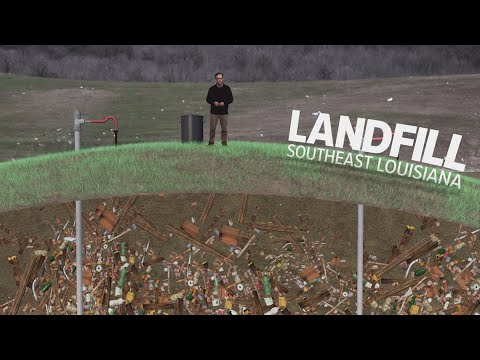
To understand how heavy metals leach from unlined dumps, students must study landfill decomposition and soil hydrology. This video explains how landfills progress through aerobic, fermentation, and anaerobic phases. These changes alter pH, accelerate chemical reactions, and create highly mobile leachate that carries toxic metals into local soils.
Knowledge Checkpoint
- Detail the three phases of landfill decomposition (aerobic, fermentation, anaerobic) and explain how each phase affects pH and organic acid concentrations.
- Explain how dropping pH levels during fermentation mobilize heavy metals (like lead and cadmium) from discarded circuit boards, allowing them to dissolve into liquid leachate.
Why This Video?
This video contrasts open dumping with modern waste engineering. It shows how sanitary landfills are built with multi-layered containment systems (using geomembranes, clay barriers, and active pumping systems) to intercept liquid leachate before it can seep into underlying aquifers.
Knowledge Checkpoint
- Describe the structural layers of a modern engineered landfill designed to contain hazardous liquid runoff.
- Explain why unlined dumps and informal processing yards lack these protections, leading to direct aquifer contamination.

Why This Video?
This BBC report connects environmental pollution directly to human toxicology. It documents how toxic chemicals from burning electronics and contaminated local water enter the human body, bioaccumulate in breast milk, and impact prenatal development.
Knowledge Checkpoint
- Identify key heavy metals (such as lead, mercury, and cadmium) found in e-waste and describe their biological impacts on human health.
- Explain how these toxins travel from burning yards and unlined dumps into local food chains and water supplies.
🧪 Engineering Hydrology Note (Self-Directed Study)
Video resources explaining the mathematical equations of contaminant transport in porous media are highly specialized. To supplement Module 3, please independently study:
- Darcy's Law (): Understand how hydraulic conductivity () and hydraulic gradient determine the flow velocity () of a heavy metal contaminant plume moving through an aquifer.
- Advection-Dispersion Equation: Learn how advection (bulk fluid flow) and hydrodynamic dispersion cause toxic metal concentrations to spread and dilute as they travel through groundwater.
Module 4: Circular Economy & Sustainable Tech Design
This module shifts focus from documenting damage to designing systemic solutions. Students will study the principles of the circular economy, focusing on industrial Design for Disassembly (DfD) and the political-economic Right to Repair movement as key paths toward reducing waste.
Core Video Materials
Why This Video?
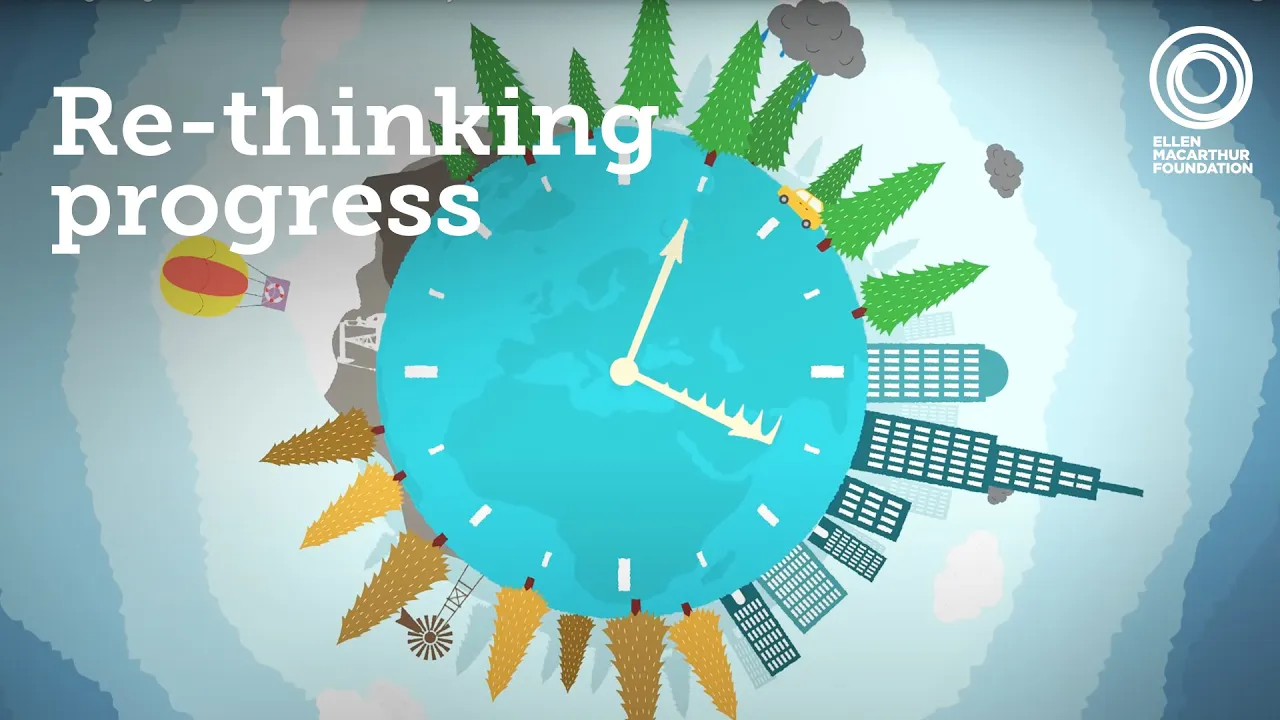
This video provides a clear overview of the circular economy model. It explains how shifting from a linear "take-make-waste" dynamic to restorative closed-loop systems helps eliminate waste and pollution by keeping materials in use at their highest value.
Knowledge Checkpoint
- Differentiate between biological loops (nutrients designed to safely return to the biosphere) and technical loops (materials designed to be recovered and kept in the technosphere) in a circular economy.
- Explain how a circular economy design reduces the need to mine new, virgin raw materials.
Why This Video?
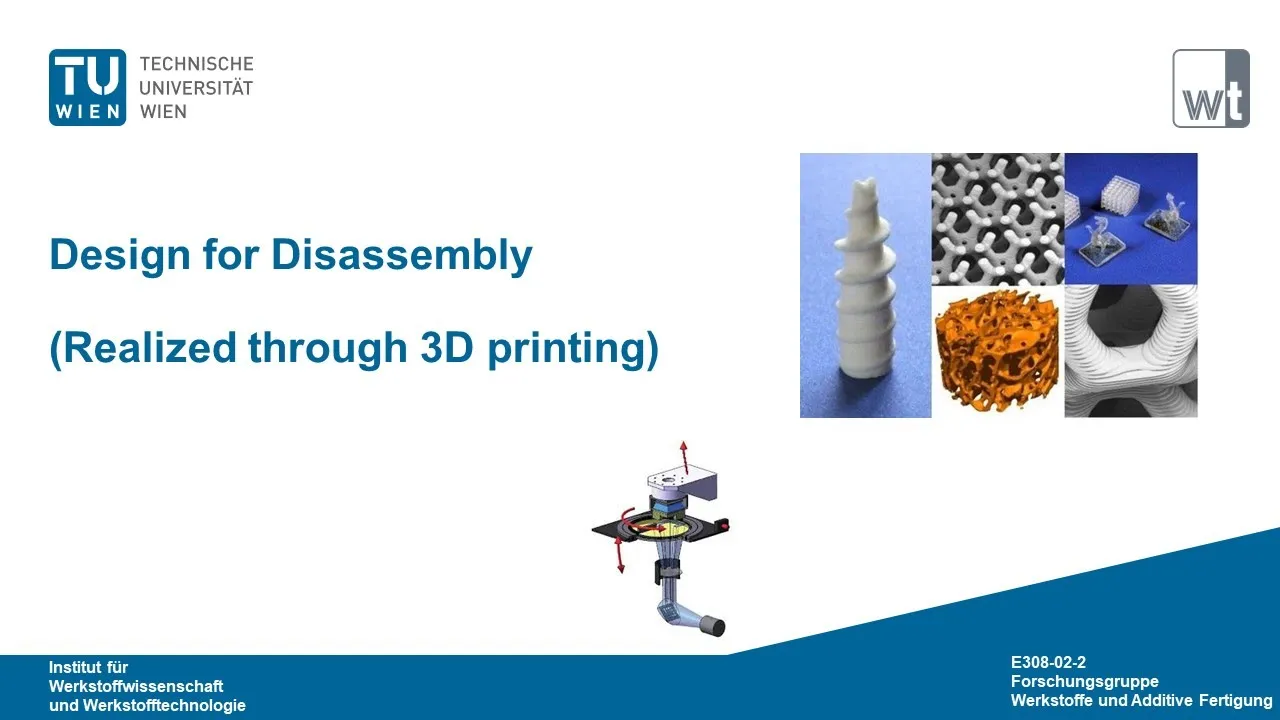
Design for Disassembly (DfD) is a key engineering practice for building circular systems. This video explains how consumer hardware must be designed with mechanical connections rather than permanent adhesives, allowing products to be easily taken apart and sorted for recycling at the end of their lives.
Knowledge Checkpoint
- State the core design principles of Design for Disassembly (DfD) for electronics.
- Analyze why modern manufacturing choices, like using heavy adhesives and integrated batteries, prevent efficient high-yield material recycling.
Why This Video?
Presented by repair advocate Louis Rossmann, this video details how physical and digital barriers prevent consumers from fixing their own devices. It connects these restrictions directly to shorter product lifespans and growing e-waste volumes.
Knowledge Checkpoint
- Identify the main physical, legal, and software-based obstacles manufacturers use to restrict independent repair.
- Explain how access to public repair diagnostics, spare parts, and schematic diagrams helps extend product lifespans and reduce waste.
Module 5: Urban Mining, Safe Recovery & Policy Solutions
This module covers technical recovery strategies and policy tools. Students will compare high-yield urban mining methods (specifically pyrometallurgy vs. hydrometallurgy) and study legislative frameworks like Extended Producer Responsibility (EPR) that hold manufacturers legally and financially accountable for their waste.
Core Video Materials
Why This Video?
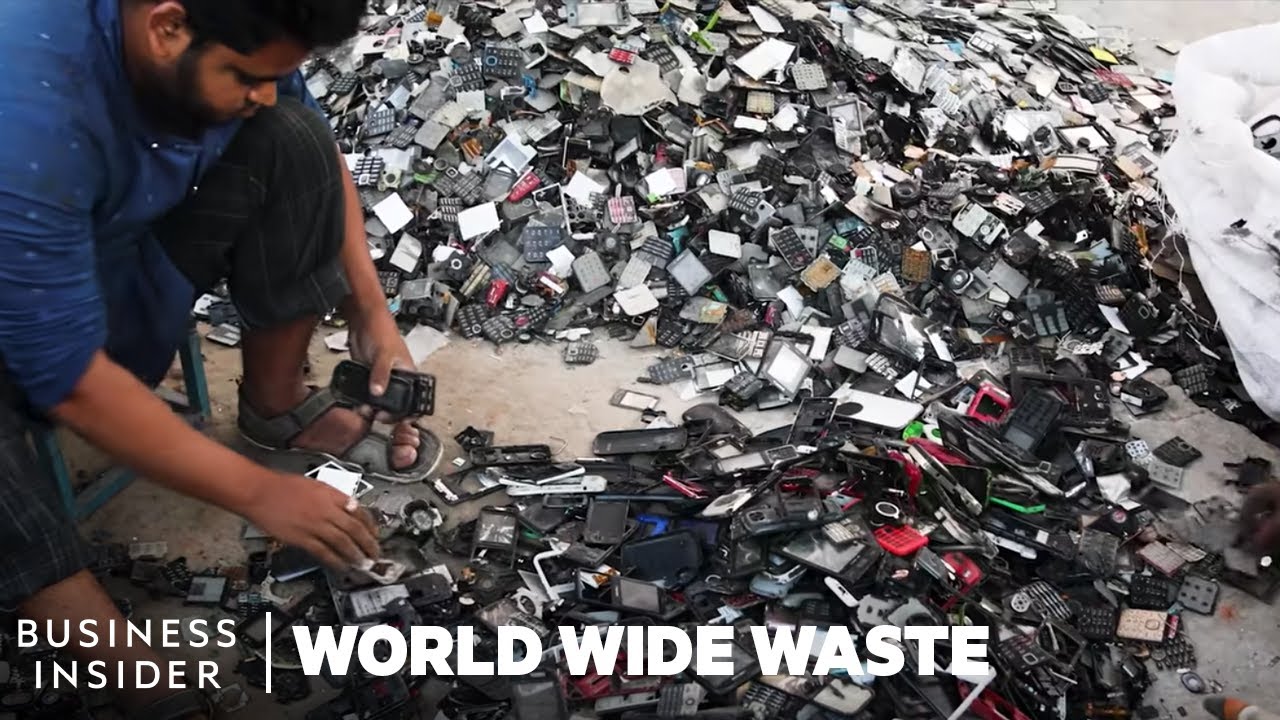
This video demonstrates the immense potential of "urban mining." It contrasts the high concentration of gold found in a ton of discarded electronics (motherboards, chips) with the much lower concentration found in a ton of raw gold ore, proving that recycling is highly resource-efficient.
Knowledge Checkpoint
- Contrast the yield of gold recovered from one ton of consumer electronic waste with the yield from one ton of traditional mined ore.
- Describe the mechanical crushing and sorting processes used to isolate precious-metal-bearing components from plastic housing.

Why This Video?
A comparison of the two main industrial recycling routes for batteries and complex electronics: Pyrometallurgy (high-temperature smelting) and Hydrometallurgy (acidic liquid extraction). It highlights the environmental trade-offs, carbon footprints, and material recovery rates of both methods.
Knowledge Checkpoint
- Contrast the physical and chemical processes of pyrometallurgy (smelting above 1,000°C) with hydrometallurgy (liquid chemical extraction).
- Evaluate both methods based on their energy use, toxic emissions, and ability to recover light metals like lithium.
Why This Video?
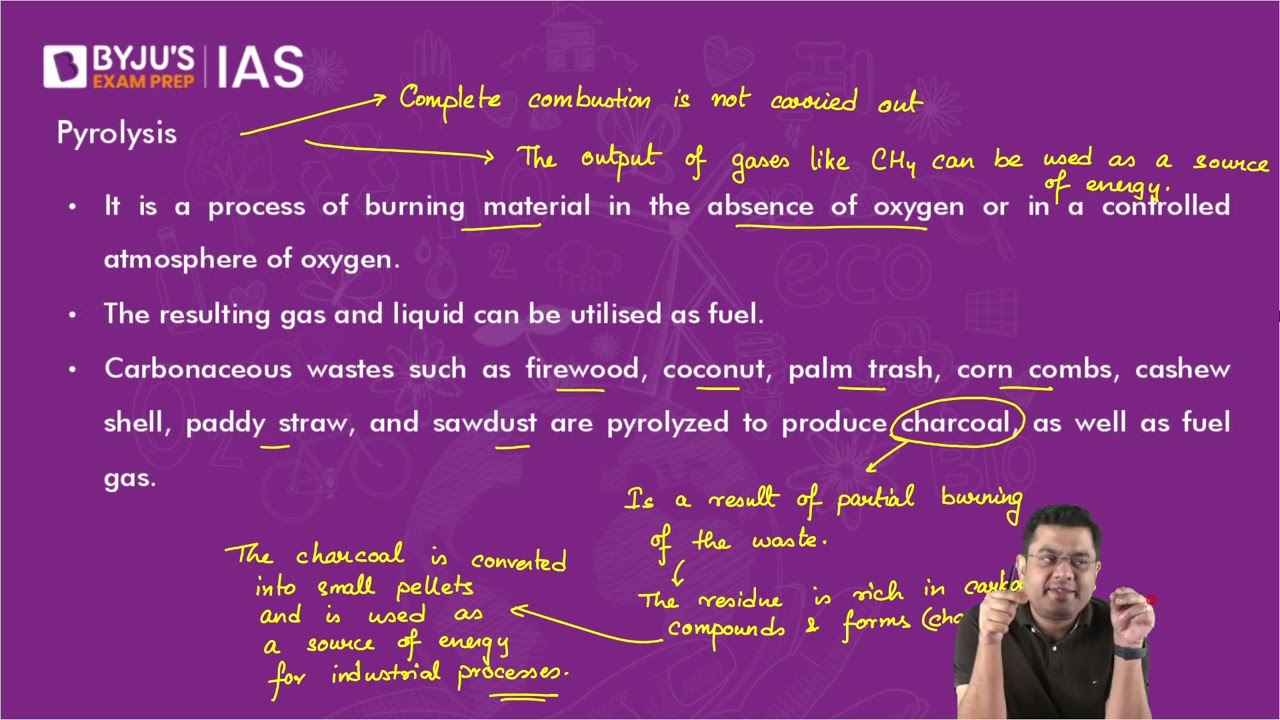
This lecture covers Extended Producer Responsibility (EPR) policy structures. It explains how EPR changes manufacturers' incentives by holding them legally and financially responsible for their products' entire lifecycle, encouraging them to design more recyclable products.
Knowledge Checkpoint
- Define Extended Producer Responsibility (EPR) and explain how it shifts waste management costs from taxpayers back to electronic brands.
- Explain how EPR policies (like mandatory take-back systems or deposit-refund programs) encourage companies to design products that are easier to disassemble and recycle.
Course Map
Key People Index
- Louis Rossmann (Independent Repair Advocate & Founder of Rossmann Repair Group): Prominent voice in the Right to Repair movement who advocates for legislative action to grant consumers and independent shops access to repair schematics, OEM parts, and diagnostic software.
- DK Osseo-Asare (Co-Founder of Low Design Office, TED Fellow): Architect and designer focusing on Agbogbloshie, Ghana. He researches how informal scrap sectors operate as cooperative, self-directed maker spaces that recycle and build hardware through community innovation.
- Phil Mulvey (Hydrogeologist & Environmental Soil Scientist): Expert in soil geochemistry and groundwater management. He studies landfill biochemistry, leachate migration, and how changing pH and chemical environments alter heavy metal mobility in soil.
Final Self-Assessment
Review this checklist once you have finished all modules, taken notes, and completed the recommended readings.
- E-Waste Definition: Explain the chemical and mechanical differences between electronic waste and standard municipal solid waste.
- Planned Obsolescence: Map the economic and engineering structures that drive manufacturers to design products with limited lifespans.
- Material Complexity: Explain why using over 50 distinct elements in modern smartphones makes mechanical recycling and manual sorting highly difficult.
- Basel Convention: Describe how legal and illegal international trade routes allow developed nations to ship hazardous e-waste to developing nations.
- Landfill Biochemistry: Detail how aerobic, fermentation, and anaerobic decomposition phases lower pH and mobilize heavy metals into liquid leachate.
- Hydrology & Transport: Explain how dissolved heavy metals migrate through soil pore spaces into aquifers, referencing Darcy's Law and contaminant transport models.
- Toxicity & Exposure Pathways: Detail how heavy metals like lead and cadmium enter human bodies, focusing on bioaccumulation, contaminated groundwater, and local food chains.
- Design for Disassembly (DfD): List three industrial design principles that make modern hardware easier to disassemble and recycle.
- Right to Repair: Analyze how expanding access to repair tools, diagnostic software, and spare parts helps extend product lifespans and reduce e-waste.
- Pyrometallurgy vs. Hydrometallurgy: Contrast these two industrial recycling methods, analyzing their energy demands, environmental impacts, and metal recovery rates.
- Extended Producer Responsibility (EPR): Explain how EPR laws hold manufacturers financially responsible for their products' end-of-life phases, encouraging more sustainable product designs.