Film Lighting: Mood, Nostalgia & Realism
Learning Goal: Analyze the implementation of naturalistic lighting, golden hour cinematography, and motivated light sources in coming-of-age films to interpret how ambient light visualizes nostalgia and emotional vulnerability.
- Prerequisites: None (Designed to scale from basic lighting physics to advanced cinematic analysis).
- Estimated Total Study Time: 12 Hours
Module 1: Fundamentals of Cinematography and Light
This module establishes the foundational physics and technical controls of cinematic lighting. You will master the Kelvin scale for color temperature, explore white balance calibration, and differentiate between stylized, highly constructed key setups and naturalistic, observation-driven illumination.
Recommended Videos
- Why this video is valuable: This video introduces the twin core responsibilities of film lighting: artistic consistency and narrative tone. It serves as an excellent primer on why exposure levels must remain consistent across cuts and how intentional light levels guide the viewer’s emotional response before a single line of dialogue is spoken.
- Knowledge Checkpoint:
- Understand the primary functional difference between lighting for exposure and lighting for narrative mood.
- Define how cinematographers maintain lighting continuity across multiple camera angles.
- Explain why sudden shifts in unmotivated exposure break audience immersion.

- Why this video is valuable: A definitive technical deep-dive into the Kelvin scale. Understanding color temperature is crucial for analyzing nostalgia, as coming-of-age films routinely shift color temperatures to represent the warmth of memory versus the starkness of present reality.
- Knowledge Checkpoint:
- Define the Kelvin rating for standard daylight (5600K) vs. warm tungsten light (3200K).
- Explain how a camera's white balance setting interacts with ambient light temperatures to yield cool (blue) or warm (orange) tones.
- Identify how contrasting color temperatures within a single frame can be used to divide characters or highlight emotional isolation.

- Why this video is valuable: This tutorial contrasts traditional three-point lighting (key, fill, backlight) with alternative styles like high-key and low-key lighting. Mastering these structural definitions allows you to identify when coming-of-age films intentionally break away from rigid, artificial commercial standards to favor softer, low-contrast natural lighting profiles.
- Knowledge Checkpoint:
- Differentiate between high-key (low contrast, even illumination) and low-key (high contrast, shadow-heavy) setups.
- Explain the utility of backlight in separating subjects from their background.
- Describe how diffusion materials shape hard light sources into soft, flattering, and natural-looking ambient glows.
Module 2: Naturalistic and Motivated Lighting Techniques
This module covers how modern master cinematographers construct setups that feel entirely organic to the setting. You will learn the concept of "motivated light"—the cinematic illusion that all light in a scene originates from real-world, logical sources like windows, lamps, or firelight.
Recommended Videos
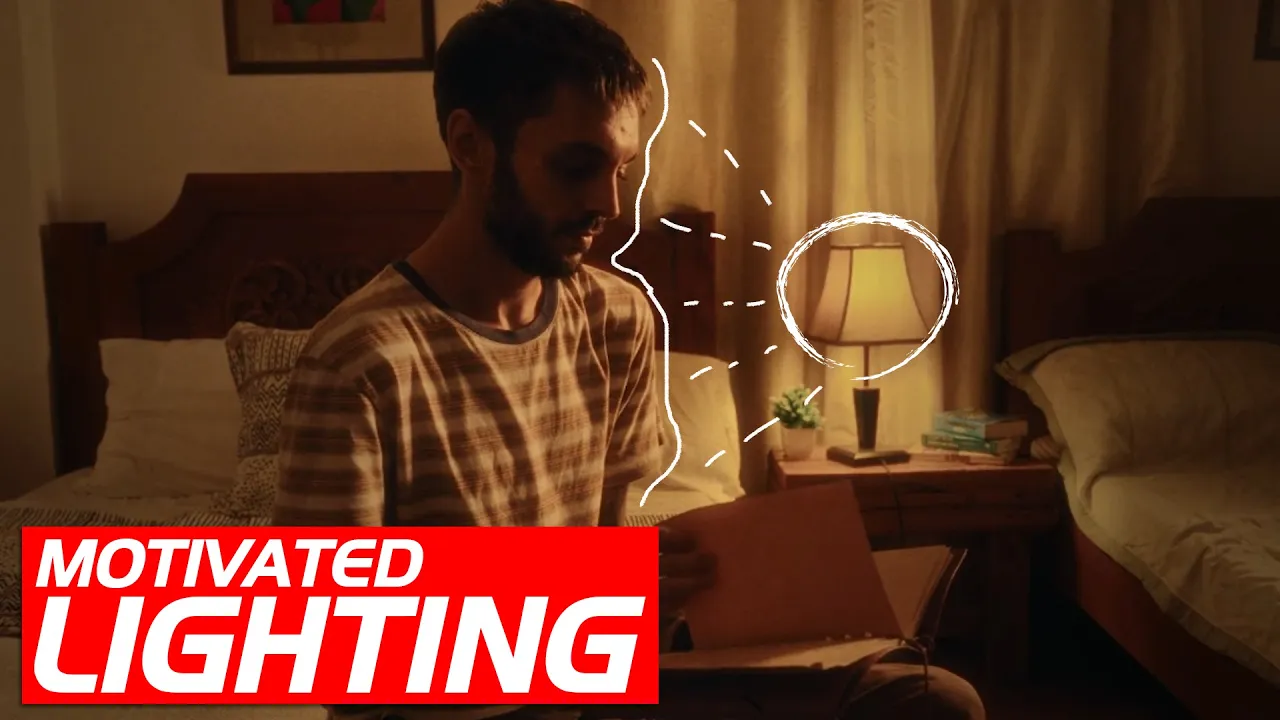
- Why this video is valuable: It explains the narrative function of motivated lighting. By anchoring light sources to logical physical objects within the scene, cinematographers eliminate the artificial "studio" look, creating an authentic stage where intimate coming-of-age moments can unfold naturally.
- Knowledge Checkpoint:
- Explain what makes a light source "motivated" vs. "unmotivated."
- Describe how to place an off-screen key light to match the direction of an on-screen physical source (such as a desk lamp or window).
- List two common errors when trying to emulate motivated light profiles on set.

- Why this video is valuable: This practical guide outlines how to trace visual origins for every fixture on set. It demonstrates the direct correlation between physical sources and camera exposure, helping you identify how filmmakers hide high-powered lighting gear behind the "disguise" of daily household illumination.
- Knowledge Checkpoint:
- Identify visible indicators of unmotivated light (e.g., shadows cast in directions where no light sources exist).
- Detail how to use practical lights (lamps, candles) to establish the primary exposure value of an interior scene.
- Explain the relationship between subject movement and keeping motivated light sources structurally consistent.
- Why this video is valuable: This video demonstrates how to craft gorgeous, dimension-rich frames using only ambient daylight. It teaches the invaluable technique of using "negative fill" (black materials) to shape three-dimensional shadows on the face, creating visual depth without artificial lamps.
- Knowledge Checkpoint:
- Explain the term "negative fill" and how it introduces dimension and contrast using only natural lighting.
- Describe how subject placement relative to an open window dictates the softness and wrap of light across their features.
- Detail how to use bounce boards to gently redirect harsh, direct daylight into a flattering ambient fill.

- Why this video is valuable: A concise study of Hoyte van Hoytema’s naturalistic approach. He specializes in soft, side-lit portrait setups where half the face remains in shadow. This creates a grounded reality that mimics real life while retaining a painterly, emotionally evocative depth.
- Knowledge Checkpoint:
- Explain how side-lit key profiles create a "heightened reality" without breaking naturalistic rules.
- Describe how soft lighting on the shadow side of a subject’s face preserves realism while accentuating emotional performance.
- Identify Van Hoytema's methods for maintaining a soft, low-contrast roll-off from light to shadow.
Module 3: The Golden Hour and Emotional Atmosphere
This module transitions from basic lighting mechanics to the psychological impacts of natural golden light. Golden hour and magic hour present extreme technical challenges alongside profound visual opportunities, serving as cinematic shorthand for bittersweet transitions, romanticism, and the fleeting nature of youth.
Recommended Videos
- Why this video is valuable: A highly detailed breakdown explaining the physical and atmospheric phenomena that create golden hour. It explains how low-angle sunlight filters through atmospheric particles, scattering blue light waves to create a warm, orange glow around 3500K that naturally invokes feelings of comfort, safety, and sweet nostalgia.
- Knowledge Checkpoint:
- Explain the physical process of atmospheric scattering and why it shifts daylight color temperature down to ~3500 Kelvin.
- Contrast the directional qualities of mid-day direct sunlight with the low-angle rays of golden hour.
- Describe how shooting on physical film emulsion captures the warm tones of golden hour differently than a digital sensor.

- Why this video is valuable: This video provides critical technical parameters for shooting during the extremely short window of magic hour. It details practical setups, color-balancing for rapid light decay, and managing exposure levels with negative fill and polarizers so that the final image retains its signature dreamy, soft-contrast texture.
- Knowledge Checkpoint:
- Define the exact window of "magic hour" and identify the primary technical challenge of shooting during this rapid transition.
- Explain how a circular polarizer and negative fill can preserve natural highlight and shadow structures in low-angle sun environments.
- Describe how to adjust camera white balance settings in real-time as natural daylight rapidly cools toward blue hour.

- Why this video is valuable: This clip outlines the psychological and physical comfort of warm light (specifically around 2700K). It describes how warm, soft illumination relaxes muscles, softens facial lines, hides skin imperfections, and replicates the historic warmth of the hearth or candlelight—elements that filmmakers leverage to design spaces of profound intimacy and vulnerability.
- Knowledge Checkpoint:
- Identify how low-temperature lighting (2700K–3000K) biologically and psychologically impacts a viewer’s emotional comfort.
- Describe the aesthetic impact of warm ambient glow on rendering human skin tones and facial structures on screen.
- Explain how the absence of harsh overhead lighting fosters a sense of safety and vulnerability during character interactions.

- Why this video is valuable: A real-world showcase of how sunset and golden hour imagery instantly establish a "summery, nostalgic, and warm vibe." It illustrates how contemporary media uses these specific lighting schemes to immediately trigger shared cultural memories of youth, freedom, and the transition of seasons.
- Knowledge Checkpoint:
- Analyze how golden hour lighting signals the themes of seasonal transition and passing time.
- Detail the visual differences between a standard sunny daytime setup and a sunset-tinted nostalgia sequence.
- Explain why warm, golden color-grading schemes are so frequently deployed in retro and period-piece coming-of-age media.
Curriculum Gap Notice: Detailed video essays specifically analyzing the direct psychological link between magic hour light and the sorrow of transitioning to adulthood are scarce in this pool. To deepen your analysis, independently study film critical essays using search queries like: "Magic hour cinematography emotional vulnerability" or "The psychological effect of warm twilight light in cinema."
Module 4: The Cinematography of Youth: Analyzing Nostalgia & Vulnerability
This module merges film theory, lighting execution, and character performance. By focusing on seminal modern coming-of-age films like Lady Bird and Call Me By Your Name, you will decode how low-contrast lighting, desaturated or heightened warm colors, and ambient glow act as visual metaphors for the delicate, bittersweet, and vulnerable path to adulthood.
Recommended Videos

- Why this video is valuable: An exceptional case study on how director Greta Gerwig and DP Sam Levy constructed the visual vocabulary of Lady Bird. It analyzes how the warm, naturalistic, low-contrast color grade of the Sacramento scenes represents a deeply personal, nostalgic love letter to youth, contrasting sharply with the cold, high-contrast, blue-toned reality of New York City.
- Knowledge Checkpoint:
- Explain how Sam Levy used naturalistic, low-contrast lighting to evoke a feeling of "memories coming to life" in Lady Bird.
- Identify the thematic shifts represented by contrasting the warm, low-contrast Sacramento scenes with the cooler, higher-contrast New York sequences.
- Describe how the lighting setup in Lady Bird balances realism with an idealized, nostalgic aesthetic.

- Why this video is valuable: A masterful narrative analysis of the famous final shot of Call Me By Your Name. It explores the concept of "uncomfortable presence"—refusing to cut away from Elio’s raw, tearful face as he sits in front of a warm fireplace. The flickering amber glow acts as an active motivated light source that illuminates his transition into mature, heartbreaking adulthood.
- Knowledge Checkpoint:
- Analyze the narrative significance of holding the camera on a single character's face for an extended duration during an emotional transition.
- Explain how the motivated firelight in the final scene of Call Me By Your Name symbolizes internal passion, memory, and emotional pain.
- Describe how refusing to cut away forces the audience to experience active, unfiltered emotional vulnerability alongside the protagonist.
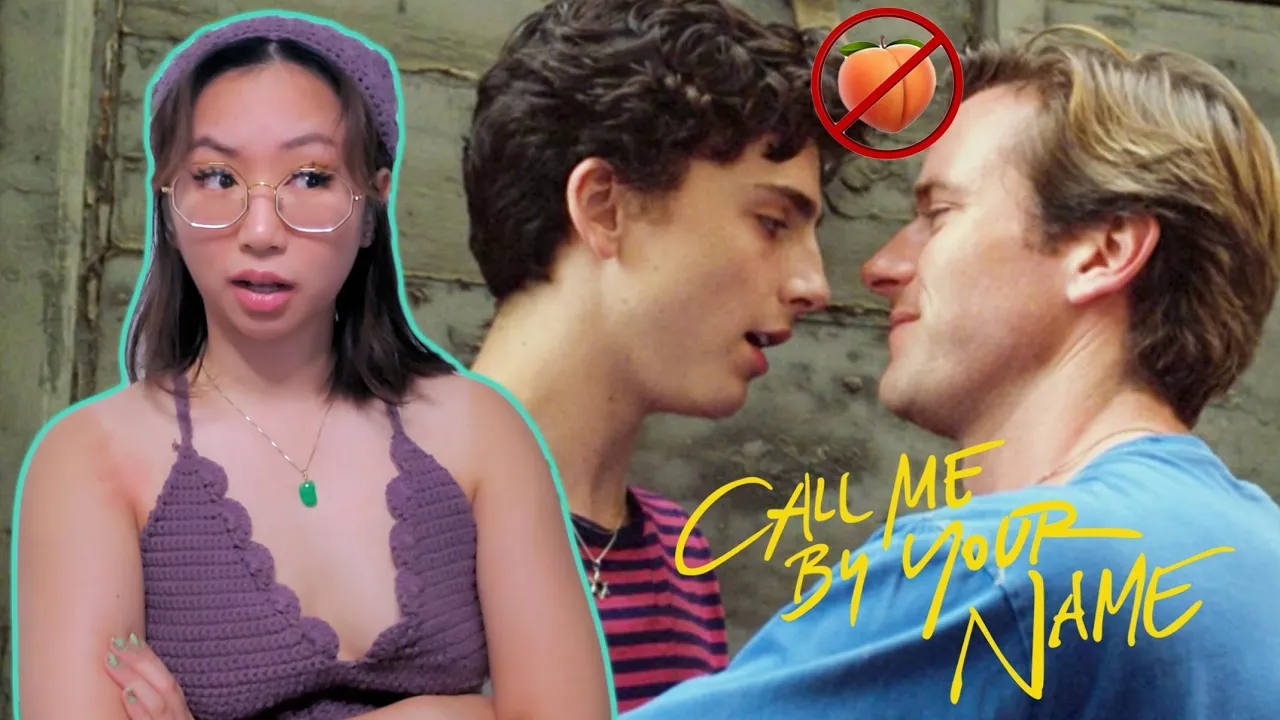
- Why this video is valuable: This brief review highlights the film's distinct "dreamy, filtered, and desaturated aesthetic." Understanding this specific look is essential for evaluating how low-contrast lighting setups reduce harsh lines, creating a visual softness that simulates the natural hazy blur of long-term memories.
- Knowledge Checkpoint:
- Define the term "desaturated visual style" and describe its emotional resonance in historical romance films.
- Explain how a soft, dreamy filter effect replicates the subjective distortion of looking back at past memories.
- Detail how low-contrast lighting profiles reinforce a sense of safety, comfort, and timelessness within a cinematic space.

- Why this video is valuable: A brilliant look behind the scenes of a movie that intentionally tackles "the gilding of memories." The filmmakers discuss wrapping a surreal, hazy layer of soft ambient light over a grounded, realistic environment to physically represent the psychological comfort (and traps) of running back to childhood environments.
- Knowledge Checkpoint:
- Define what filmmakers mean by "the gilding of memory" and identify the lighting techniques used to construct this effect.
- Explain how surreal light overlays interact with realistic set designs to mirror psychological trauma or nostalgia.
- Contrast the lighting style of childhood memory sequences in All of Us Strangers with scenes representing cold, isolated present-day reality.

- Why this video is valuable: This music segment explores how soft orange ambient light operates as a safe emotional container. It discusses how dim, low-contrast orange environments gently hold emotional ambiguity, lowering characters' psychological guards and allowing them to voice thoughts, vulnerabilities, and secrets they would suppress under the harsh glare of direct daylight.
- Knowledge Checkpoint:
- Explain the concept of lighting as an "emotional container" that encourages character confession and intimacy.
- Analyze why harsh, high-contrast overhead daylight forces characters to withhold vulnerability, while low-contrast orange light invites self-disclosure.
- Apply this concept to coming-of-age screenplays where pivotal confessions occur in bedrooms under soft lamps or during evening bonfires.
Curriculum Gap Notice: This video pool lacks technical lighting diagrams explicitly showcasing how to rig soft ambient fills using modern LED mats or bounce techniques specifically to achieve low-contrast coming-of-age looks. To supplement your learning, seek out masterclasses using the terms: "Soft light and low contrast cinematography techniques" and "Lighting for intimacy and emotional vulnerability in film."
Course Map
Key People Index
- Sam Levy (Cinematographer): Frequent collaborator of Greta Gerwig (DP on Lady Bird). He is known for crafting soft, naturalistic digital cinematography that replicates the warm, low-contrast, grain-rich look of historical film stock.
- Luca Guadagnino (Director): Renowned director of Call Me By Your Name. His cinematic philosophy emphasizes raw emotional presence, refusal to cut away from character vulnerability, and deep integration of warm Italian landscapes into character journeys.
- Hoyte van Hoytema, ASC, FSF, NSC (Cinematographer): Master cinematographer known for Interstellar, Her, and Oppenheimer. He champions side-lit, soft-contrast naturalism where heavy shadows coexist with incredibly delicate exposures.
- Emmanuel Lubezki, ASC, AMC (Cinematographer): Multiple Oscar-winner celebrated for his work with Terrence Malick and Alejandro Iñárritu. He is a pioneer of using exclusively natural, ambient, and motivated light sources to elevate realism into active poetry.
- Lord Kelvin (Physicist): William Thomson, 1st Baron Kelvin, who established the absolute temperature scale used in modern film and photography to scientifically measure the color temperature of light sources.
Final Self-Assessment
Complete this comprehensive self-assessment to verify your mastery of the curriculum material.
- Explain how the Kelvin temperature scale dictates whether a scene's lighting profile feels cozy and intimate versus cold and clinical.
- Diagram a basic motivated lighting setup, detailing where a key light must be placed relative to an on-screen window to maintain physical logic.
- Define the process of "negative fill" and explain how to create facial dimension using only natural daylight.
- Detail the physical and atmospheric reasons why golden hour produces soft, warm light at approximately 3500 Kelvin.
- Explain how to balance camera white settings under shifting daylight conditions to capture the warm, dreamy textures of magic hour.
- Outline the psychological and biological impacts of warm 2700K light on the human face and how this shapes intimate dialogue scenes.
- Analyze how Sam Levy used low-contrast naturalism in Lady Bird to visually transition the film between feelings of nostalgic warmth and present-day reality.
- Deconstruct the final shot of Call Me By Your Name, explaining how motivated firelight and an extended holding shot visualize the pain of youth transitioning to adulthood.
- Explain how a desaturated, filtered color palette can create a "dreamy" look that mimics the natural subjective distortion of memory.
- Define "gilded memory" in cinematography and explain how surreal lighting layers can be combined with realistic settings to represent nostalgia.
- Explain why soft, low-contrast orange environments serve as emotional containers that help characters express deep emotional vulnerability.