Film Sound: Thriller Psychology & Leitmotifs
Learning Goal: Deconstruct the integration of diegetic soundscapes, subjective silence, and leitmotifs in psychological thriller films to interpret and analyze a character's internal psychological collapse.
- Prerequisites: None (an interest in film theory, musicology, or audio post-production is recommended).
- Estimated Total Study Time: 12 Hours
Module 1: Foundations of Film Sound (Diegetic vs. Non-Diegetic)
This foundational module establishes the fundamental vocabulary of cinematic audio. You will learn to draw the critical line between the internal world of the narrative (what characters can physically hear) and the external, stylized elements of the film score and soundtrack (which exist solely for the audience's emotional guidance).
- Why this video: StudioBinder provides the definitive conceptual blueprint for this course. By breaking down the strict rules of diegetic (story-world) and non-diegetic (extra-narrative) sound, this video illustrates how filmmakers play with these definitions to disorient the audience—a primary weapon in psychological thriller design.

- Why this video: Understanding the technical assembly of film sound is essential. This tutorial guides you through the step-by-step post-production workflow (planning, ambient tracks, hard effects, foley, and mixing) so you can appreciate how a complex sonic environment is constructed from scratch before it is psychologically distorted.
- Why this video: This video introduces a vital bridge concept: how purely non-diegetic music can break the standard rules of film to communicate deep internal trauma. Using Kieślowski's Blue, it demonstrates how a character’s grief makes external score feel like an intrusive, semi-diegetic presence.
Knowledge Checkpoint
- Can you define the difference between diegetic sound and non-diegetic sound using original film examples?
- What is "trans-diegetic" audio, and how does transitioning a sound from non-diegetic to diegetic disorient a viewer?
- How do filmmakers layer ambient soundscapes and foley to establish a baseline of "reality" before distorting a scene?
Module 2: Sound Design in Psychological Thrillers
With the foundational mechanics established, we explore the genre-specific application of audio to induce anxiety, suspense, and dread. You will analyze how thrillers use subtle auditory cues and biological triggers to evoke deep physical and mental tension.
- Why this video: This breakdown explains the physiological mechanics of thriller sound. It explores how sound designers employ two key tactics: low-frequency sounds that force viewers to strain to hear (mirroring a prey animal's alert state) and sudden, harsh acoustic spikes that jumpstart the sympathetic nervous system.
- Why this video: This review highlights how thrillers use sound surgically. Instead of plastering a scene with a wall-to-wall orchestral score, filmmakers use surgical audio design to build subconscious pressure, slowly cranking up ambient tension until the audience experiences physical vertigo and panic.
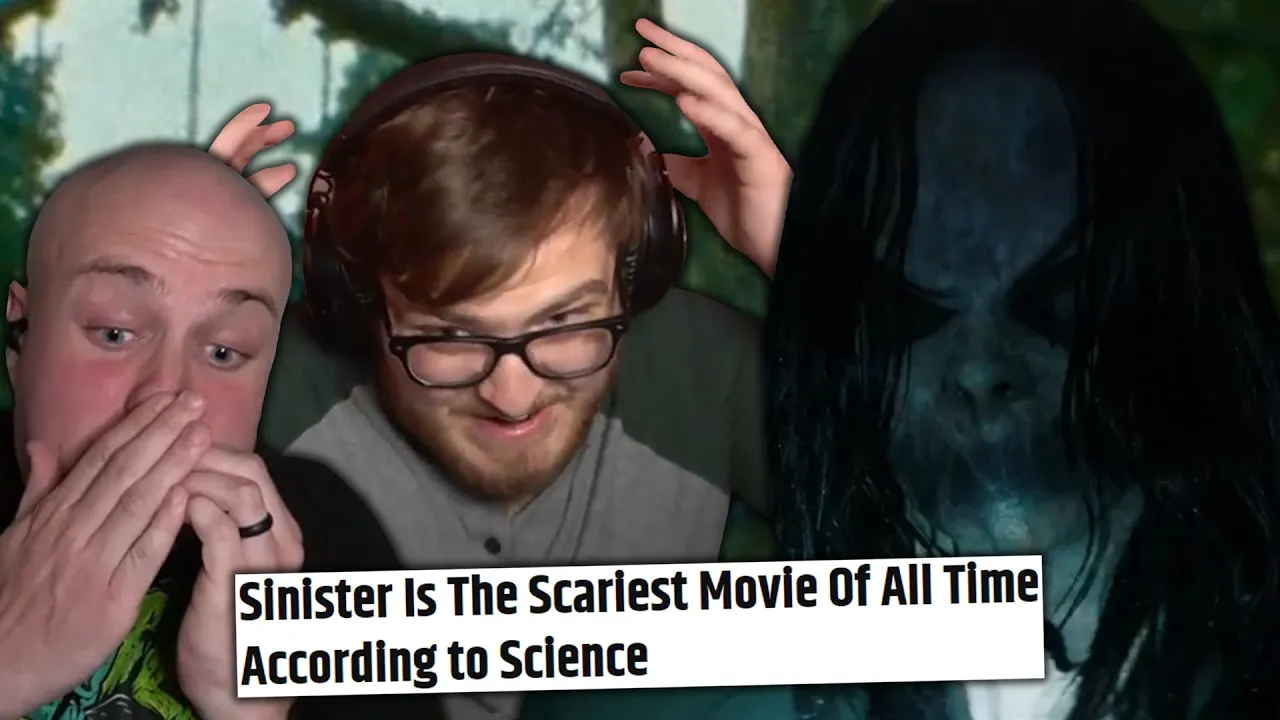
- Why this video: Despite its casual format, this clip delivers a crucial insight into evolutionary biology and sound: humans are hardwired to treat unfamiliar, discordant, or unexpected sounds as immediate threats. Thriller sound designers systematically exploit this biological survival mechanism.
Knowledge Checkpoint
- What are "alert sounds" and "ambient tension," and how do they work together to trigger a fight-or-flight response?
- How does surgical minimalism in thriller sound design differ from heavy, wall-to-wall orchestral scoring in terms of audience psychology?
- What is the biological reason behind our instinctual fear of discordant and unfamiliar sound frequencies?
Module 3: Subjective Silence and Auditory Exclusion
Silence is rarely the absence of sound; in cinema, it is an intentional creative choice. This module explores how directors manipulate silence, high-frequency ringing, and low-pass filtering to signal extreme trauma, shock, or a character's sudden dissociation from reality.
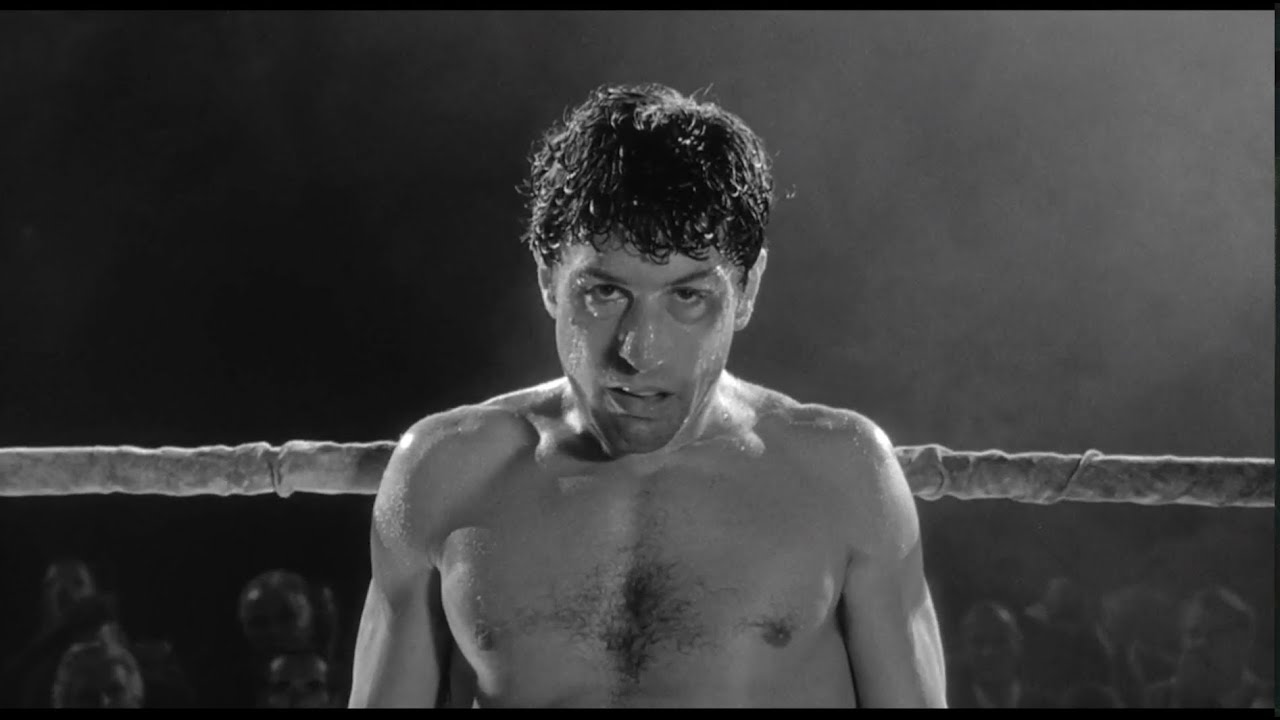
- Why this video: In this classic video essay, Every Frame a Painting deconstructs how Martin Scorsese deploys silence as a narrative and psychological punctuation mark. You will learn how true cinematic silence must be planned from pre-production, acting as a gateway to a character’s inner life and trauma.
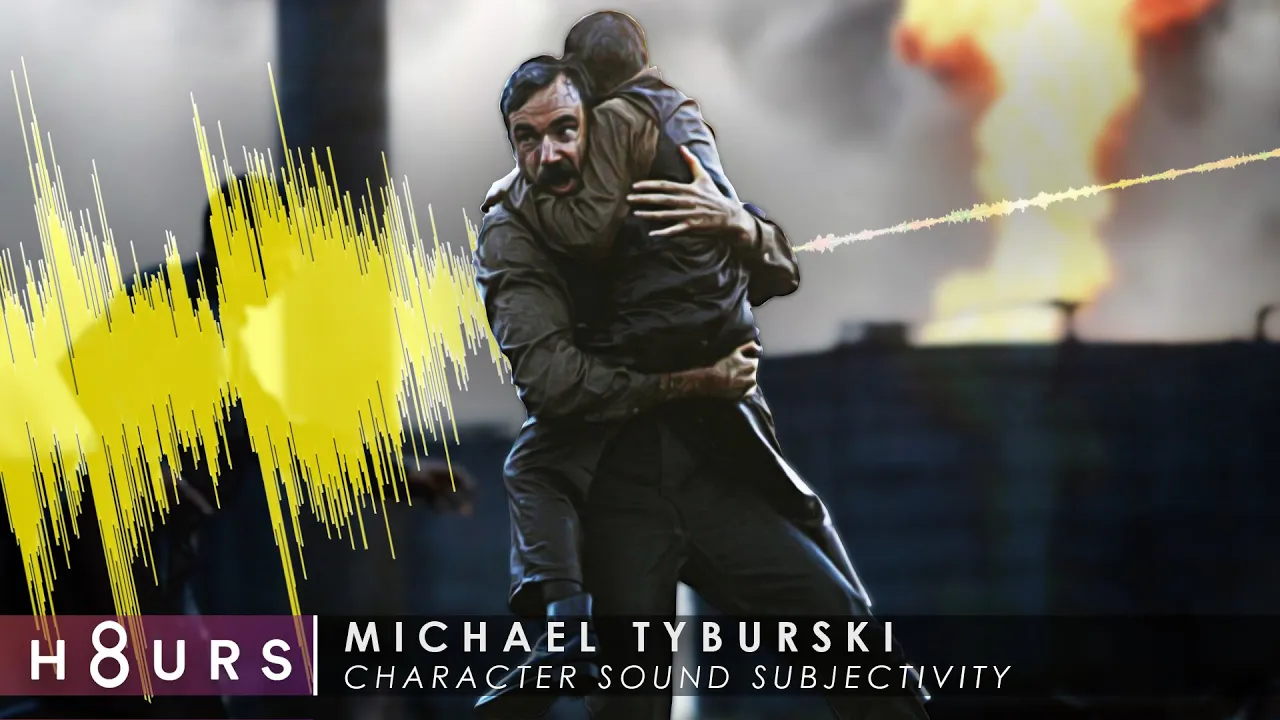
- Why this video: Director Michael Tyburski provides a masterclass on subjective audio engineering. Instead of layering all environmental sounds equally, he demonstrates how to isolate and violently amplify single, mundane noises while crushing everything else, directly mirroring a panic attack or obsessive state.

- Why this video: This talk examines the cross-cultural psychology of silence. It explains how silence heightens focus, builds acute narrative tension, and serves as an auditory vacuum that forces the audience to project their own psychological anxieties onto the screen.
Knowledge Checkpoint
- How does "subjective sound design" differ from objective sound reproduction in a scene representing trauma?
- What is "auditory exclusion," and how do filmmakers use low-pass filters to replicate a character experiencing a panic attack?
- Why must silence in film be actively "designed" rather than just being a blank spot on the timeline?
Module 4: Distorted Soundscapes and Mental Collapse
As a character’s mind unravels, the world around them becomes aurally distorted. This module dissects the technical and creative methods used to warp environmental noises, simulate hallucinations, and evoke sensory overload.

- Why this video: This video offers a brilliant look at how sound design can represent fractured consciousness. In Gaspar Noé's Enter the Void, the audio design dissolves into abstract electronic drones, heavily filtered voices, and extreme reverb, effectively dragging the audience into a state of cognitive collapse.
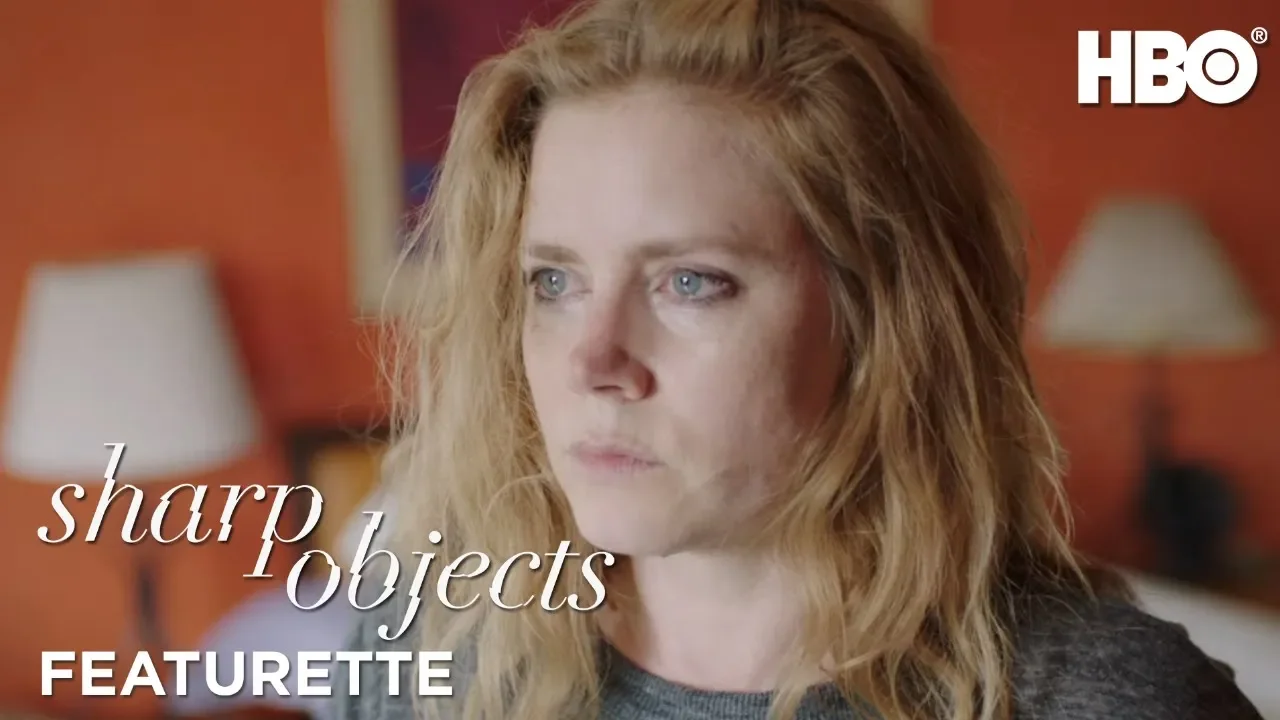
- Why this video: This brief featurette explores how HBO's Sharp Objects builds a sonic landscape of trauma. It analyzes the nauseating rise-and-fall sound patterns and environmental filtering used to mimic memory flash-backs, panic, and sensory hyper-reactivity.

- Why this video: Renowned sound designer Johnnie Burn explains how paranoia and delusions can be translated into subtle tonal manipulations. By introducing discordant frequencies and evolving hums, sound designers can track a character's descent into madness.
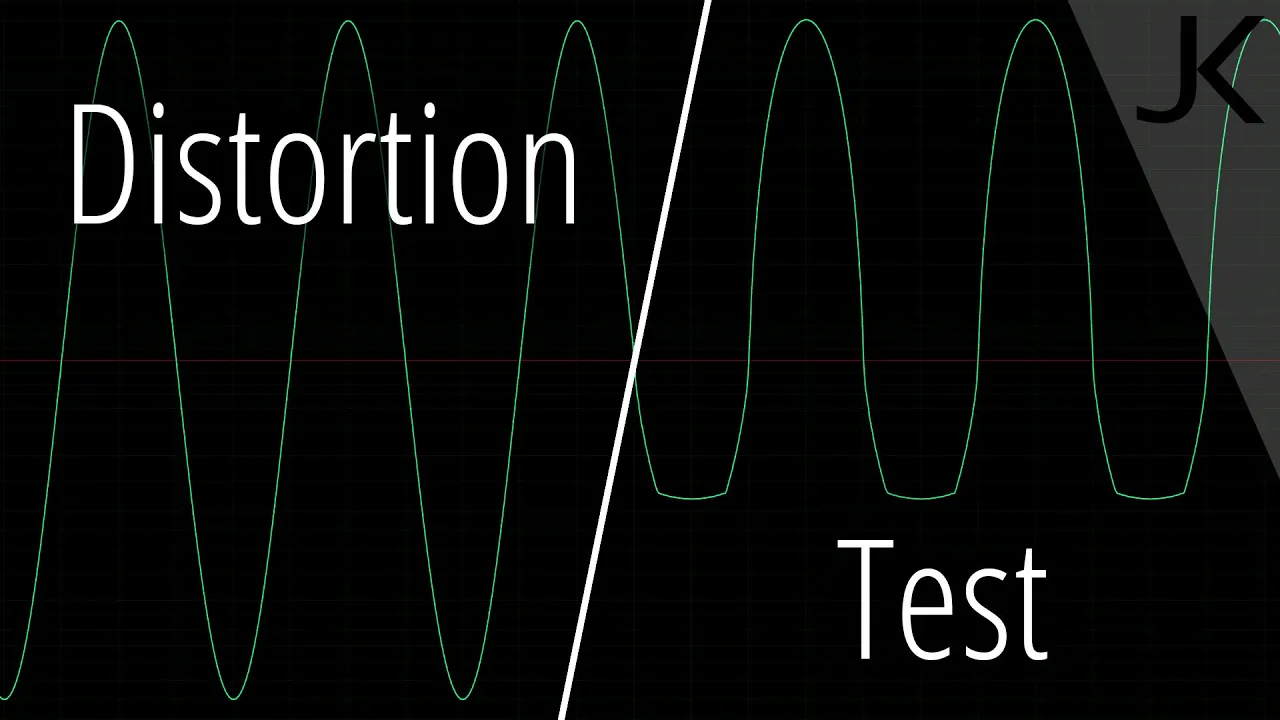
- Why this video: To understand how filmmakers manipulate audio, you need a firm grasp of the physics of distortion. This video provides a technical breakdown of audio clipping and harmonic distortion, highlighting how high frequencies and pure tones make sonic imperfections highly perceptible.
Independent Post-Production Practice: To fully synthesize these concepts, open any digital audio workstation (DAW) or video editor (such as Premiere Pro, Audacity, or Pro Tools). Import a clean dialogue track. Apply a low-pass filter at 250Hz to simulate auditory exclusion. Gradually automate a gain increase and a high-frequency distortion plugin (such as a clipper or saturator) to aurally replicate a character's escalating panic attack.
Knowledge Checkpoint
- How do abstract electronic drones and overblown reverb help convey a character's loss of conscious reality on screen?
- Explain how a sound designer can use discordant frequencies to represent a character's building paranoia.
- What is the perceptual difference between clean sound and distorted sound, and how do filmmakers use this to signal psychological distress?
Module 5: Leitmotifs: Scoring Mental Obsession
A leitmotif is a recurring musical fragment that anchors ideas, characters, or psychological states. In psychological thrillers, composers don't just repeat these motifs—they bend, fragment, and decay them to trace a protagonist's mental deterioration.
- Why this video: Soundfly provides a clear definition and history of the leitmotif. It explains how a musical theme acts as a narrative shortcut, associating itself with a specific person, place, or abstract concept, and how it can be evolved to mirror psychological shifts.
- Why this video: This deep dive into Bernard Herrmann’s score for Hitchcock's Psycho is a masterclass in psychological musicology. It examines the use of the dissonant "Hitchcock chord" (which lacks a tonal home) and falling semitone motifs to represent madness and fracturing identities.

- Why this video: This video draws a sharp, necessary distinction between a simple musical theme and a true leitmotif. You will learn how a leitmotif is dynamic—it shifts, adapts, and morphs depending on the emotional state of the character it represents.
Knowledge Checkpoint
- What is the structural difference between a standard film theme and a narrative-driven leitmotif?
- How does Bernard Herrmann's "Hitchcock chord" evoke psychological instability through pure music theory?
- How can a composer dynamically alter a character's leitmotif (e.g., pitch, tempo, instrumentation) to show their descent into obsession?
Module 6: Case Studies: Deconstructing the Sonic Collapse
This final module synthesizes everything you have learned. By examining acclaimed film analyses, you will see how world-class directors and sound designers merge diegetic distortions, subjective silence, and evolving leitmotifs to map a character's complete mental breakdown.
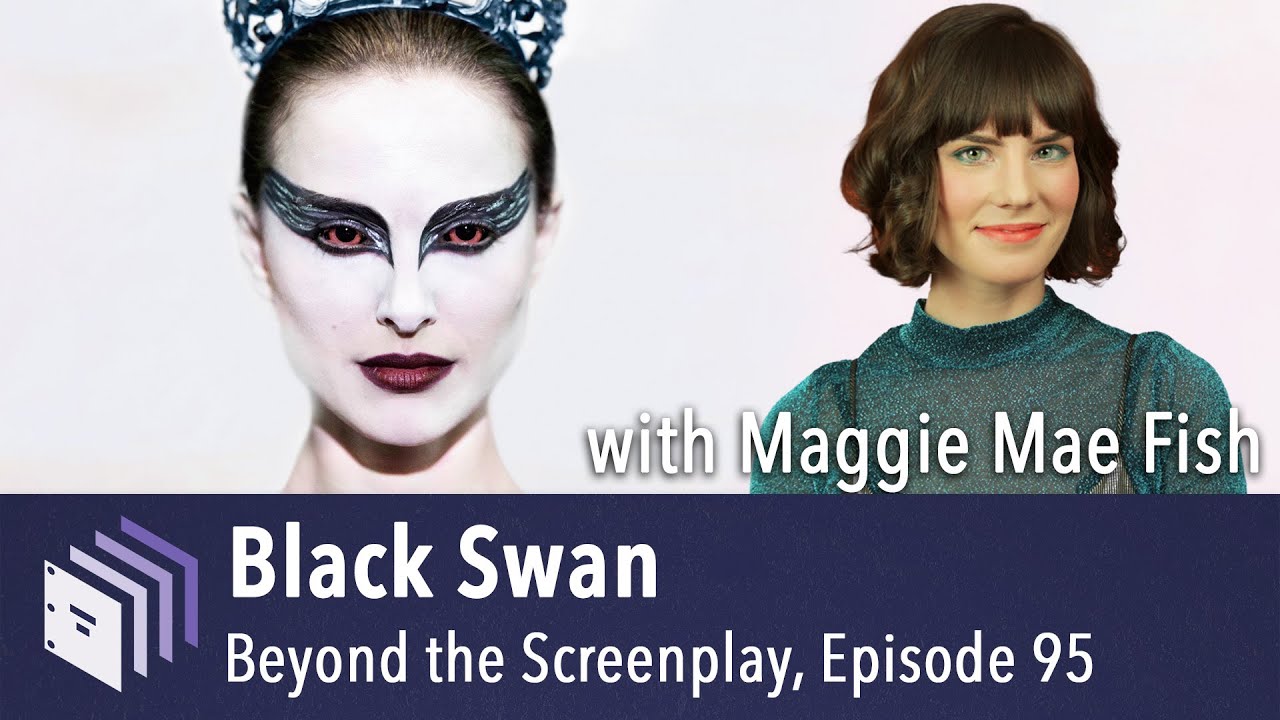
- Why this video: This analysis of Darren Aronofsky's Black Swan is a textbook study in auditory madness. It details how the sound design merges with Clint Mansell's adaptation of Tchaikovsky’s Swan Lake score. The hosts explore how diegetic mirror movements and passing shadows are highlighted with scraping sound effects to aurally chart Nina's descent into schizophrenia.
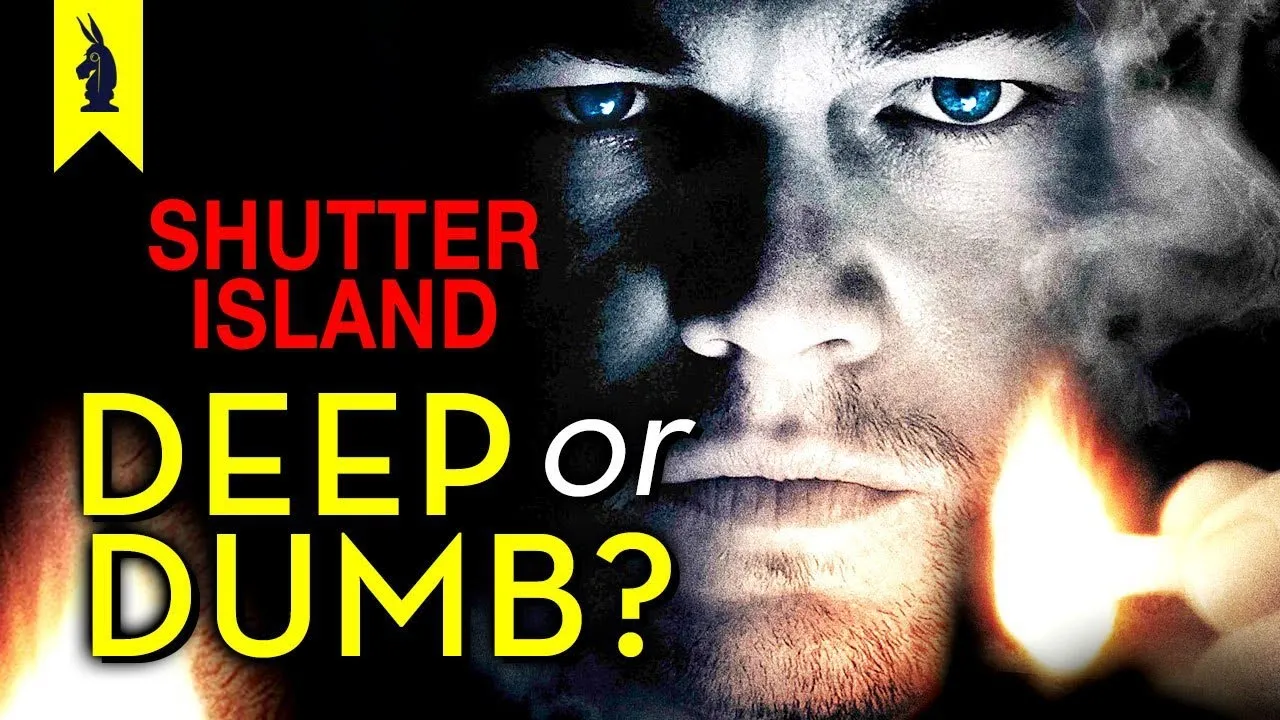
- Why this video: This deep analytical breakdown of Martin Scorsese’s Shutter Island unmasks the mechanics of the "unreliable narrator." You will discover how Scorsese utilizes disorienting, asynchronous sound edits and repeating environmental motifs to drop clues about Teddy Daniels’ true, fractured identity long before the final twist.
- Why this video: This segment details Francis Ford Coppola's masterpiece of psychological surveillance, The Conversation. Edited and designed by sound pioneer Walter Murch, the video breaks down how modern technology, auditory paranoia, and loop distortions are layered to illustrate a surveillance expert unravelling from guilt.
Knowledge Checkpoint
- In Black Swan, how do the sound designers distort the diegetic theater environment to show Nina's growing hallucinations?
- How does Martin Scorsese use asynchronous and disorienting audio edits in Shutter Island to hint at the protagonist's delusions?
- In The Conversation, how does sound designer Walter Murch use looping audio distortions to physically represent Harry Caul's paranoia?
Course Map
Key People Index
- Walter Murch (Sound Designer/Editor - The Conversation): Pioneer of modern film sound design who coined the term "Sound Designer." He revolutionized the use of sound montages and auditory distortion to portray internal paranoia.
- Bernard Herrmann (Composer - Psycho): Renowned composer who redefined horror and psychological scoring by using dissonant string arrangements and unstable harmonic motifs to illustrate fractured minds.
- Martin Scorsese (Director - Shutter Island): Acclaimed filmmaker known for his precise and innovative use of silence and asynchronous soundscapes to probe his characters' underlying trauma.
- Johnnie Burn (Sound Designer - Bugonia, Under the Skin): Master sound designer famous for utilizing microtonal shifts, discordant hums, and low frequencies to convey deep psychological dread on screen.
Final Self-Assessment
- I can accurately identify whether a sound in a scene is diegetic, non-diegetic, or trans-diegetic.
- I can explain the biological effects of low-frequency hums and sudden acoustic peaks on a movie viewer.
- I understand how a sound mixer uses low-pass filtering and high-frequency ringing to signal auditory exclusion during a panic scene.
- I can define "subjective sound design" and describe how it contrasts with standard, objective sound mixing.
- I can outline the creative steps needed to turn a normal environmental sound (such as a dripping faucet) into an ominous, hallucinatory trigger.
- I can define what a "leitmotif" is and explain how it differs from a general film score theme.
- I understand how composers use unstable chords (like the "Hitchcock chord") to prevent an audience from feeling safe.
- I can explain how Black Swan merges classical ballet score with scraping sound effects to illustrate Nina's mental deterioration.
- I can explain how Scorsese uses disorienting sound edits in Shutter Island to reflect Teddy's unravelling mental state.
- I can explain how Walter Murch used tape-loop distortions in The Conversation as a metaphor for guilty obsession.