Sci-Fi Retro-Futurism: Design & Socio-Politics
Learning Goal: Examine the visual iconography and retro-futurism in science fiction worldbuilding to interpret how speculative production design reflects real-world socio-political anxieties.
- Prerequisites: None (An introductory interest in film analysis, architecture, or political theory is helpful).
- Estimated Total Study Time: 12 Hours
Module 1: Foundations of Sci-Fi Production Design
This module introduces the foundational rules of production design and worldbuilding in science fiction cinema. Before analyzing political anxieties, you must understand how visual designers construct immersive, internally consistent speculative realities. You will explore how physical spaces, props, and design constraints act as silent narrative tools that establish atmospheric stakes and emotional truth.
Recommended Videos

Why this video
This video explains how effective worldbuilding integrates complex background information directly into the character's active struggles instead of relying on heavy exposition. Using District 9 as a primary example, it shows how "cheating" worldbuilding through gritty, pseudo-documentary textures and intuitive, lived-in environmental designs can quickly establish a believable, highly stratified society.
- Knowledge Checkpoint:
- Understand how to convey complex socio-political hierarchies through environmental textures and background framing rather than exposition.
- Identify the "lived-in" design choices that separate realistic science fiction from glossy, abstract futurism.
- Analyze how documentary-style framing influences an audience's perception of narrative authenticity.
![How To Build a World: THE EXPANSE | Why You Should Watch [No Spoilers]](https://i.ytimg.com/vi_webp/cGIovBe7pL8/maxresdefault.webp)
Why this video
A masterclass on structural worldbuilding, this analysis of The Expanse breaks down how physical realities—like gravity, resources, and biology—shape social hierarchies, language, and design styles. It demonstrates that the most convincing sci-fi worlds are built from the ground up, starting with core scientific realities and trickling down to the political tensions of the working class.
- Knowledge Checkpoint:
- Trace the chain of design from physical limitations (e.g., zero gravity) to cultural and architectural adaptations.
- Explain the distinction between top-down and bottom-up speculative design.
- Describe how resource scarcity is communicated visually in the living spaces of marginalized sci-fi classes.

Why this video
By focusing on the physical construction of hand-held items, this video shows how prop designers use modular parts, found objects, and simple materials to build props that look and feel authentic. It proves that the believability of a speculative future relies heavily on the tactile, functional quality of its everyday objects.
- Knowledge Checkpoint:
- Define how "greeblie" detailing and modular design establish industrial credibility.
- Explain how practical considerations, such as weight and physical interfaces, make speculative tools feel authentic.
- Identify how prop designers repurpose real-world components to make a fictional world feel familiar.
Module 2: Architecture of Power: Brutalism and Megacities
This module explores how physical structures reflect state power, class divides, and social control. By analyzing architectural styles like Brutalism and high-density megacities, you will discover how concrete mass, repetitive structures, and panoptic designs serve as physical tools of class containment and total state surveillance.
Recommended Videos

Why this video
Host Dami Lee provides an architectural critique of famous science fiction films. She explains how directors use spatial geometry, ceiling heights, and physical building layouts to create psychological tension, establish status differences, and isolate characters within dystopian societies.
- Knowledge Checkpoint:
- Define how spatial compression and low ceiling heights create feelings of claustrophobia and state-imposed anxiety.
- Analyze the ideological differences between raw concrete Brutalism and sterile, sleek minimalist sci-fi interiors.
- Detail how open-concept layouts in corporate sci-fi spaces represent a loss of personal privacy.

Why this video
This video analyzes the Imperial Prison Complex in Narkina 5 (Andor). It shows how clean, sterile minimalism and automated architecture can be used as tools of absolute psychological torture. It demonstrates that bright, modern spaces can feel just as oppressive as dark, gritty dungeons when they are designed to eliminate human individuality.
- Knowledge Checkpoint:
- Analyze how physical design can eliminate the need for armed guards through built-in environmental barriers.
- Describe how sterile white spaces and constant illumination disrupt psychological autonomy.
- Connect the layout of the Narkina 5 prison to real-world theories of surveillance, such as Bentham’s Panopticon.

Why this video
This short guide introduces Brutalist Futurism in architecture. It details how the style uses raw, unfinished concrete (béton brut) to project power, absolute stability, and cold indifference to the individual.
- Knowledge Checkpoint:
- Define the origins of "Brutalism" and distinguish its visual elements from other modernist movements.
- Explain why science fiction films use heavy concrete forms to represent authoritarian regimes.
- Contrast the raw, unyielding nature of Brutalism with organic, ecological architectural styles.
![MEGACITIES: Reality or Fiction? [Architecture in Sci-Fi]](https://i.ytimg.com/vi/G5GL836kpls/maxresdefault.jpg)
Why this video
This breakdown of speculative megacities (using Mega-City One as a prime example) examines how high-density, vertical urban centers double as physical containment systems. It explores the transition of real-world architecture from democratic public spaces to controlled, secure zones designed for mass surveillance and policing.
- Knowledge Checkpoint:
- Explain how vertical urban design separates the wealthy elite from the lower classes at the street level.
- Analyze the relationship between real-world high-density urbanization and dystopian megacity designs.
- Identify how multi-layered elevated transit and massive housing blocks are used to isolate and monitor urban populations.
Module 3: Retro-Futurism and Nostalgic Futures
This module examines "future pasts"—alternative timelines where technological growth diverged from our own. You will study retro-futuristic subgenres, with a focus on Cassette Futurism and Atomic Age design. You will explore why societies project their future using obsolete technology and how these choices reflect a longing for the social and political certainty of the past.
                 ┌────────────────────────┐
                 │   M1: Sci-Fi Production│
                 │         Design         │
                 └───────────┬────────────┘
                             │
                             ▼
                 ┌────────────────────────┐
                 │   M2: Architecture of  │
                 │          Power         │
                 └───────────┬────────────┘
                             │
                             ▼
                 ┌────────────────────────┐
                 │  M3: Retro-Futurism &  │
                 │    Nostalgic Futures   │
                 └────────────────────────┘
Recommended Videos

Why this video
An analytical deep dive into Cassette Futurism, a style that restricts its technology to design trends from the mid-1970s to the early 1990s. The video examines why high-tech worlds filled with floppy disks, glowing CRT screens, and heavy plastic casing feel more grounded, permanent, and human than modern touchscreen designs.
- Knowledge Checkpoint:
- Identify the key elements of Cassette Futurism, including magnetic media, dot-matrix interfaces, and analog switches.
- Contrast the physical weight and sound of analog sci-fi tech with modern digital devices.
- Explain the historical reasons why the late Cold War period inspires this specific tech aesthetic.

Why this video
This practical video shows the conversion of modern computer components into a retro-futuristic terminal reminiscent of the Fallout universe. It demonstrates how Atomic Age retro-futurism depends on specific designs, such as heavy metal curves, analog dials, vacuum-tube indicators, and CRT monitors.
- Knowledge Checkpoint:
- Understand how 1950s ideas of nuclear power shape Atomic Age retro-futurism.
- Identify the design choices that give modern electronics a retro-futuristic look.
- Explain how housing advanced computing inside industrial-era cases creates a sense of an alternative history.

Why this video
Using Pixar's The Incredibles, this short video illustrates how mid-century modern design can construct a parallel timeline. It demonstrates how Googie architecture, clean lines, and early Space Age optimism create a bright future that is ultimately threatened by underlying fears of automation and government control.
- Knowledge Checkpoint:
- Define how "Googie" and Space Age aesthetics represent mid-century optimism.
- Analyze how retro-futuristic designs can hide deeper social critiques behind a polished, nostalgic look.
- Explain how alternative history timelines can highlight real-world social anxieties.
Curriculum Gap Notice: While our video pool provides strong coverage of Cassette Futurism and Atomic Age aesthetics, video-based explanations of Steampunk (Victorian steam power) and Raypunk (pre-WWII pulpy sci-fi) are limited.
To round out your understanding of these subgenres, we recommend researching the following concepts independently:
- Steampunk: Study how Victorian industrial designs represent anxieties over rapid mechanization during the Industrial Revolution.
- Raypunk: Explore how early 20th-century pulp sci-fi reflected a naive faith in technological progress before the horrors of modern warfare.
Module 4: Cyberpunk, Low-Life High-Tech, and Late Capitalism
This module examines how cyberpunk design critiques unrestrained capitalism, economic inequality, and environmental decay. By analyzing the tension between advanced technology and low-income lifestyles, you will explore how corporate monopolies, glowing advertisements, and outdated analog tech reflect anxieties over loss of individuality and the corporate ownership of human life.
Recommended Videos

Why this video
This video essay explores cyberpunk's origins as a cultural response to the rise of late capitalism and the decline of 1960s counterculture optimism. It explains how cyberpunk design critiques systems of power rather than just offering a cool aesthetic, highlighting how corporate power replaces state governance in these worlds.
- Knowledge Checkpoint:
- Explain the historical link between late 20th-century corporate globalization and the rise of the cyberpunk genre.
- Describe how "postmodern despair" is visually represented through dark, chaotic cityscapes dominated by corporate logos.
- Discuss how cyberpunk design represents the human body becoming a commercial product.

Why this video
This video focuses on retro sci-fi computers, demonstrating how filmmakers use real or realistic machines to ground their speculative worlds. It shows how bulky, functional interfaces reflect real-world anxieties about automation, data tracking, and the cold calculations of large corporate institutions.
- Knowledge Checkpoint:
- Analyze how terminal interfaces design can convey corporate power and cold, uncaring efficiency.
- Contrast the raw look of real-world mainframe computers with abstract, flashy movie computers.
- Identify how analog computer components are used to symbolize a system that strips away human individuality.

Why this video
A deep dive into how modern media critiques late capitalism, focusing on Severance. This video breaks down how mid-century corporate minimalism, repetitive work tasks, and sterile white office mazes represent the modern worker's alienation and the loss of the boundary between work and personal life.
- Knowledge Checkpoint:
- Define "late capitalism" and explain how it is visually represented in corporate-themed science fiction.
- Analyze how sterile, repetitive office layouts represent the psychological alienation of the worker.
- Discuss how separating work memories from personal memories serves as an extreme metaphor for the modern work-life balance.
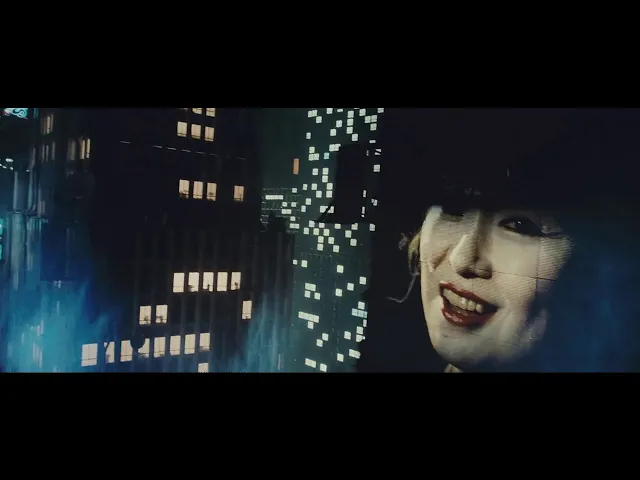
Why this video
This comparative study of Akira and Blade Runner analyzes how the "high-tech, low-life" aesthetic represents the realities of economic inequality. It shows how the lower classes live alongside advanced tech they can access, but can never use to escape their systemic poverty.
- Knowledge Checkpoint:
- Define "high-tech, low-life" and identify its visual markers in urban sci-fi environments.
- Compare how Akira and Blade Runner visually represent class division and economic inequality.
- Describe how bright corporate neon signs contrast with the decaying, polluted streets below them.
Module 5: Decoding the Socio-Political Subtext: Case Studies
In this final module, you will apply your analytical tools to key science fiction works. You will trace the influence of German Expressionism on class narratives, dissect the cold war anxieties built into retro-futurist nuclear satires, and analyze how speculative set design acts as a warning against real-world totalitarian regimes.
Recommended Videos

Why this video
This video explains the history of German Expressionism, a movement born during social and economic turmoil. It shows how distorted sets, jagged shapes, and high-contrast lighting were used to project characters' internal anxieties onto their environments, paving the way for classic sci-fi design.
- Knowledge Checkpoint:
- Identify the visual hallmarks of German Expressionism, including distorted sets, sharp angles, and dramatic shadows.
- Explain how the political anxieties of 1920s Weimar Germany shaped this movement's visual language.
- Connect expressionist set design directly to modern sci-fi cityscapes and horror environments.

Why this video
Focusing on Fritz Lang's Metropolis (1927), this lecture explores the film's critique of industrial capitalism and class division. It shows how the underground machinery and towering skyscrapers represent a society divided between exploited workers and the wealthy elites who live above.
- Knowledge Checkpoint:
- Explain how the machines in Metropolis are styled to represent both ancient, hungry gods and modern industrial factories.
- Describe how the vertical layout of Metropolis symbolizes class hierarchy.
- Critique the film's proposed solution to class conflict ("The mediator between the head and the hands must be the heart") using modern political analysis.

Why this video
This interview with the creators and cast of the Fallout adaptation explores how the franchise's unique "Bizarro America" retro-futurism works. It explains how freezing the world's culture in 1950s Atomic Age design allows the series to parody Cold War propaganda, corporate greenwashing, and nuclear anxieties.
- Knowledge Checkpoint:
- Explain the concept of alternative history in Fallout, where the cultural shift of the 1960s never occurred.
- Identify how cheerful mid-century corporate advertisements contrast with the harsh realities of a nuclear wasteland.
- Analyze how vault designs mimic suburban mid-century ideals to hide invasive corporate experiments.

Why this video
This video breaks down the class structures and spatial control mechanics of Oceania in George Orwell's 1984. It explains how the Inner Party, Outer Party, and Proles are kept divided, and how the state uses continuous war and constant surveillance to maintain absolute political control.
- Knowledge Checkpoint:
- Describe how Oceania's four ministries are designed to tower over the decaying urban landscape.
- Analyze how the telescreen serves as both a distribution channel for state propaganda and a direct tool for surveillance.
- Connect the permanent state of war in 1984 to the regime's control over materials, resources, and social progress.
Curriculum Gap Notice: While we study German Expressionist styling and its political messages here, the video pool does not contain direct behind-the-scenes footage of the building of Metropolis (1927).
To fully appreciate how these foundational sets were constructed, we recommend searching independently for:
- "Fritz Lang Metropolis Schüfftan process practical special effects"
- "German Expressionist set design and miniature building in silent cinema"
Course Map
This flowchart shows the required learning path, highlighting how the modules build on each other from foundational concepts to advanced case studies.
Key People Index
Learn more about the researchers, designers, and creators who shaped science fiction production design:
- Fritz Lang (1890–1976): Pioneering Austrian-German filmmaker who directed Metropolis (1927). His use of German Expressionism and vertical city planning set the standard for portraying class struggle and industrial dread in science fiction.
- Ridley Scott (1937–Present): British director whose films Alien (1979) and Blade Runner (1982) popularised "used future" and cyberpunk designs, which reject clean futures in favor of gritty, capitalist-dominated worlds.
- George Orwell (1903–1950): Author of Nineteen Eighty-Four. His descriptions of towering government buildings and constant surveillance screens (telescreens) established the visual style of modern totalitarian dystopias.
- Dami Lee: Modern architect, researcher, and educational creator. Her work analyzes how film set designs use real-world architectural principles to communicate power, class divides, and psychological isolation.
Final Self-Assessment
Review this checklist to assess your understanding of the concepts covered in this curriculum:
- Explain how a "lived-in" design style uses dirty surfaces, worn-out details, and functional props to build narrative credibility without exposition.
- Contrast how high-density, vertical city structures use height to signify class status compared to horizontal suburban layouts.
- Identify key architectural features of Brutalism and explain why filmmakers use them to represent authoritarian states.
- Connect the layout of high-security speculative spaces (such as the prison in Andor) to real-world theories of surveillance and spatial discipline.
- Define "Cassette Futurism" and list three of its key visual elements.
- Explain how Atomic Age retro-futurism (e.g., Fallout) parodies post-WWII American nuclear optimism and corporate greenwashing.
- Define "high-tech, low-life" and analyze how this contrast reflects real-world anxieties about wealth inequality and deregulation under late capitalism.
- Describe how German Expressionist design choices (such as distorted angles and high-contrast shadows) represent characters' internal anxieties.
- Analyze how Fritz Lang's Metropolis uses vertical design to symbolize the division between workers and the wealthy elite.
- Explain how constant surveillance tools, like the telescreens in 1984, function to strip away individuality and maintain total state control.