Berlin Conference: Scramble, Borders & Legacy
Learning Goal: Examine the geopolitical dynamics of the Berlin Conference (1884–1885) and how the resulting "Scramble for Africa" redrew continental borders, fueled colonial exploitation, and sparked indigenous resistance movements.
- Prerequisites: None (A basic understanding of world history and the Industrial Revolution is helpful).
- Estimated Total Study Time: 14 Hours
Module 1: Pre-Colonial Africa and the Roots of Imperialism
Module Overview
To comprehend the sudden and aggressive partition of Africa in the late 19th century, one must first dismantle the myth of a "dark continent" devoid of history. Before 1884, Africa was home to a diverse and sophisticated geopolitical landscape of powerful empires, decentralized societies, and vibrant trade networks. This module contrasts this pre-colonial reality with the economic imperatives of Europe’s Industrial Revolution, demonstrating how the European need for raw materials and geopolitical prestige fueled the initial roots of aggressive imperialist expansion.
Recommended Videos

Why this video
This video is essential for establishing the foundational geopolitical reality of Africa prior to European incursion. It highlights powerful pre-colonial empires, advanced urban systems, and complex agricultural and trade networks—such as the golden kingdoms of Ghana, Mali, and Songhai—proving that the continent possessed highly developed political systems long before the arrival of colonizers.
Knowledge Checkpoint
- Identify at least three major pre-colonial African kingdoms and describe their economic foundations.
- Explain how trade routes connected different regions of Africa internally and globally prior to 1884.
- Describe the complex political structures that existed in pre-colonial societies before the imposition of European administrative styles.
Why this video
This short but impactful documentary piece explains the economic transition point of the Industrial Revolution. It illustrates how Europe's massive industrial boom shifted its relationship with Africa from coastal trading to direct interior domination, driven by an insatiable hunger for raw materials like palm oil, rubber, cotton, and mineral deposits.
Knowledge Checkpoint
- Connect the European Industrial Revolution directly to the sudden demand for specific African raw materials (e.g., rubber, palm oil, and cotton).
- Explain how industrialization changed the military and logistics balance of power (e.g., steamships, quinine, rapid-fire weaponry) allowing deeper European penetration.
Why this video
An analysis of pre-colonial African governance is incomplete without understanding its diverse social and gender dynamics. This video explores the prominent role of female leadership and queens in various pre-colonial African states, directly challenging eurocentric assertions that African political systems were uniform, primitive, or disorganized.
Knowledge Checkpoint
- Describe the political influence of female rulers in pre-colonial African state-building and diplomacy.
- Contrast the complex, localized systems of pre-colonial authority with the rigid, centralized systems later imposed by European empires.
Module 2: The Berlin Conference of 1884–1885
Module Overview
By the early 1880s, escalating competition among European powers threatened to spark a continent-wide war in Europe over African territories. To resolve these tensions, German Chancellor Otto von Bismarck convened the Berlin Conference of 1884–1885. This module examines the strategic motivations of key players, the total exclusion of African leadership, and the establishment of the Principle of Effective Occupation—a legalistic trigger that mandated physical administrative presence on the ground, rapidly accelerating the Scramble for Africa.
Recommended Videos
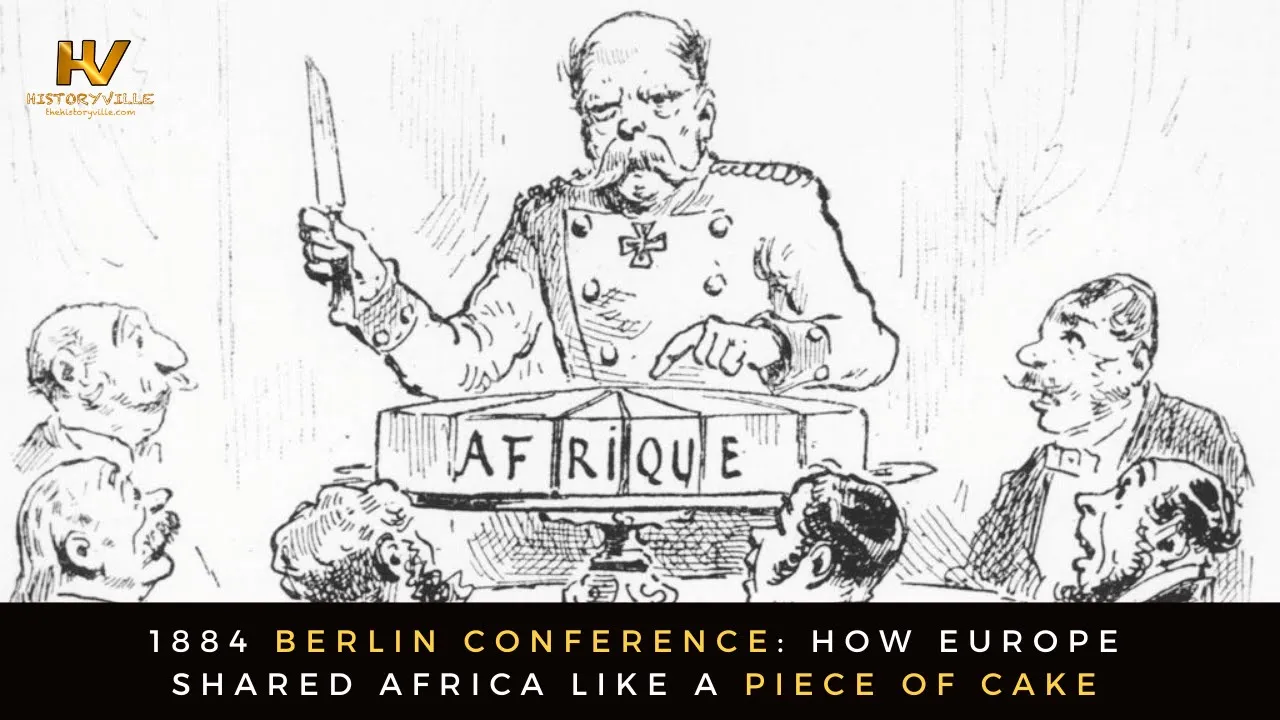
Why this video
This comprehensive documentary provides an exceptional deep-dive overview of the Berlin Conference. It traces how German Chancellor Otto von Bismarck convened 14 European nations to carve up the vast African continent, details the deliberate exclusion of African representatives, and shows how the conference transformed imperial competition into a systematized partition.
Knowledge Checkpoint
- Identify which European nations were the primary instigators and beneficiaries of the Berlin Conference.
- Detail the historical significance of the complete lack of African representation during the conference negotiations.
- Explain how Otto von Bismarck used the conference to position Germany as a central diplomatic broker in European affairs.

Why this video
This concise history explainer provides a punchy, clear breakdown of the core tenets of the Berlin Act. It focuses specifically on the "rules" of the partition, making it the perfect resource to study the legalistic frameworks devised by colonial powers to justify their land grabs.
Knowledge Checkpoint
- Define the Principle of Effective Occupation and explain how it legally forced European nations to build infrastructure and establish local authorities to secure their territorial claims.
- Describe how the Berlin Act established rules regarding freedom of navigation along major African river systems like the Congo and Niger.
Why this video
This video is a powerful short-form analysis of the geopolitical calculations behind Bismarck's move to convene the conference. It addresses how the Bismarckian system sought to divert French attention away from European revanchism (following the Franco-Prussian War) and into colonial ventures, using Africa as a strategic geopolitical chessboard.
Knowledge Checkpoint
- Explain the relationship between European balance-of-power politics (such as the Franco-Prussian War legacy) and the partitioning of Africa.
- Identify how the domestic political goals of European powers dictated their foreign policy actions in Berlin.
Module 3: Redrawing the Map: Artificial Borders & Geopolitics
Module Overview
Armed with rudimentary maps and absolute disregard for local realities, European diplomats at the Berlin Conference drew geometric lines across the African continent. This module investigates how these artificial boundaries sliced through existing linguistic, cultural, and political entities. It examines the immediate geopolitical consequences, such as forcing historically adversarial groups into single political dependencies while fragmenting unified ethnic communities across multiple colonial territories.
Curricular Note on Video Coverage Gaps: While the recommended videos below offer excellent conceptual overviews of artificial borders, the current video pool lacks a granular, map-based cartographic analysis of the boundary-drawing process. To fully master this topic, students are strongly encouraged to independently research:
- The specific division of ethnic groups like the Yoruba, Somali, and Ewe across modern borders.
- The role of geographical features (like the 49th parallel equivalent in Africa) versus negotiated barter lines.
- Recommended independent search term: "How Berlin Conference artificial borders divided African tribes"
Recommended Videos
Why this video
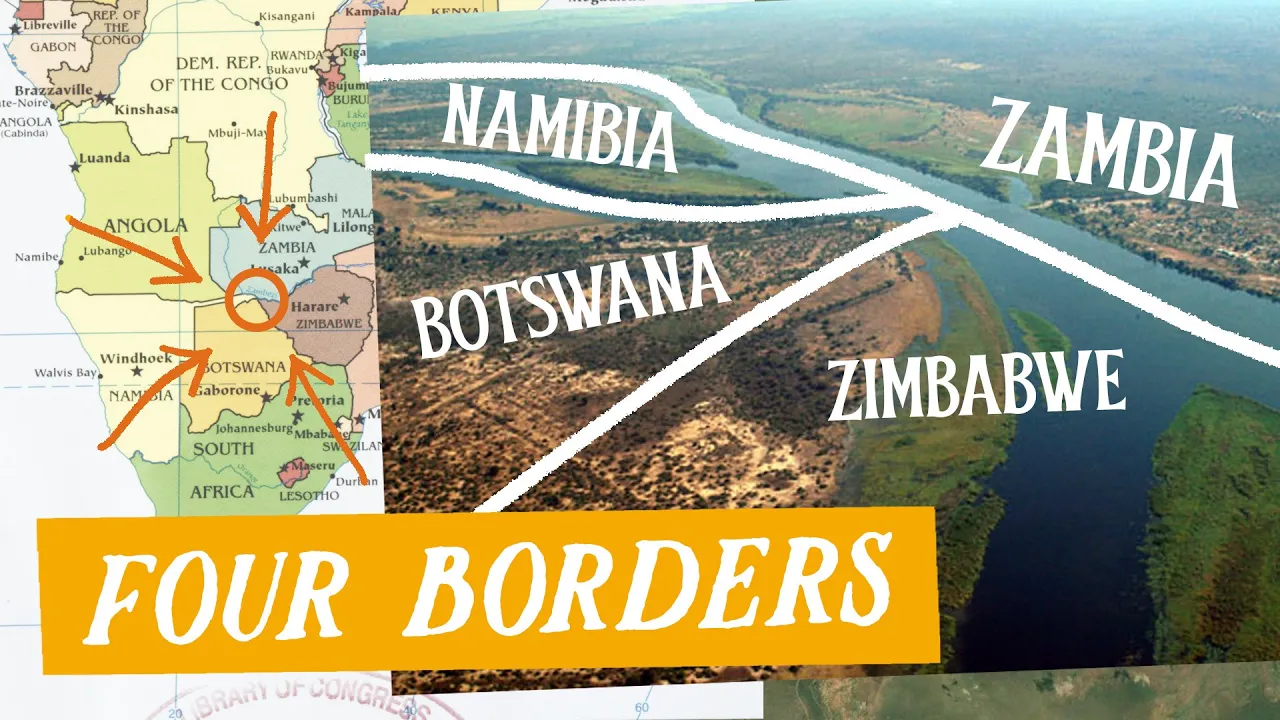
Through the fascinating case study of the African quadripoint (where Botswana, Namibia, Zambia, and Zimbabwe meet), this video provides a highly visual explanation of how European cartography carved up natural landscapes. It serves as a clear entry point into analyzing the geometry of colonial mapmaking.
Knowledge Checkpoint
- Explain how straight geometric lines drawn on 19th-century European maps translate to modern political borders and boundary disputes today.
- Describe the concept of a "quadripoint" and how it highlights the arbitrary, negotiated nature of colonial boundaries.

Why this video
This video connects the historical legacy of the Berlin Conference to modern diplomatic, territorial, and ethnic friction points in West Africa. It offers concrete examples of how borders drawn on a map in Berlin, without any physical visitation by the mapmakers, disrupted local socio-economic networks.
Knowledge Checkpoint
- Analyze how drawing borders without visiting the terrain impacted local West African communities.
- Detail how artificial boundaries continue to influence contemporary geopolitical disputes and cross-border relations in Africa.

Why this video
This short-form video examines how contemporary African nations are actively attempting to bypass or dismantle the dividing lines drawn in 1884. It illustrates the ongoing struggle to form borderless alliances and regional integration in southern Africa, highlighting the geopolitical longevity of the Scramble for Africa.
Knowledge Checkpoint
- Explain why artificial borders act as barriers to free trade and economic integration in modern Africa.
- Discuss the diplomatic initiatives currently being pursued by some African states to mitigate the division caused by colonial maps.
Module 4: Systems of Colonial Exploitation and Control
Module Overview
Once territorial claims were secure, European powers constructed administrative and economic systems designed for maximum resource extraction with minimal investment. This module examines the primary methodologies of colonial rule: the highly centralized direct rule model (favored by France) and the decentralized indirect rule model (favored by Great Britain). It also investigates the absolute extreme of colonial extraction: the private personal venture of King Leopold II of Belgium in the Congo Free State, analyzing the atrocities that defined this dark chapter of global history.
Recommended Videos
Why this video
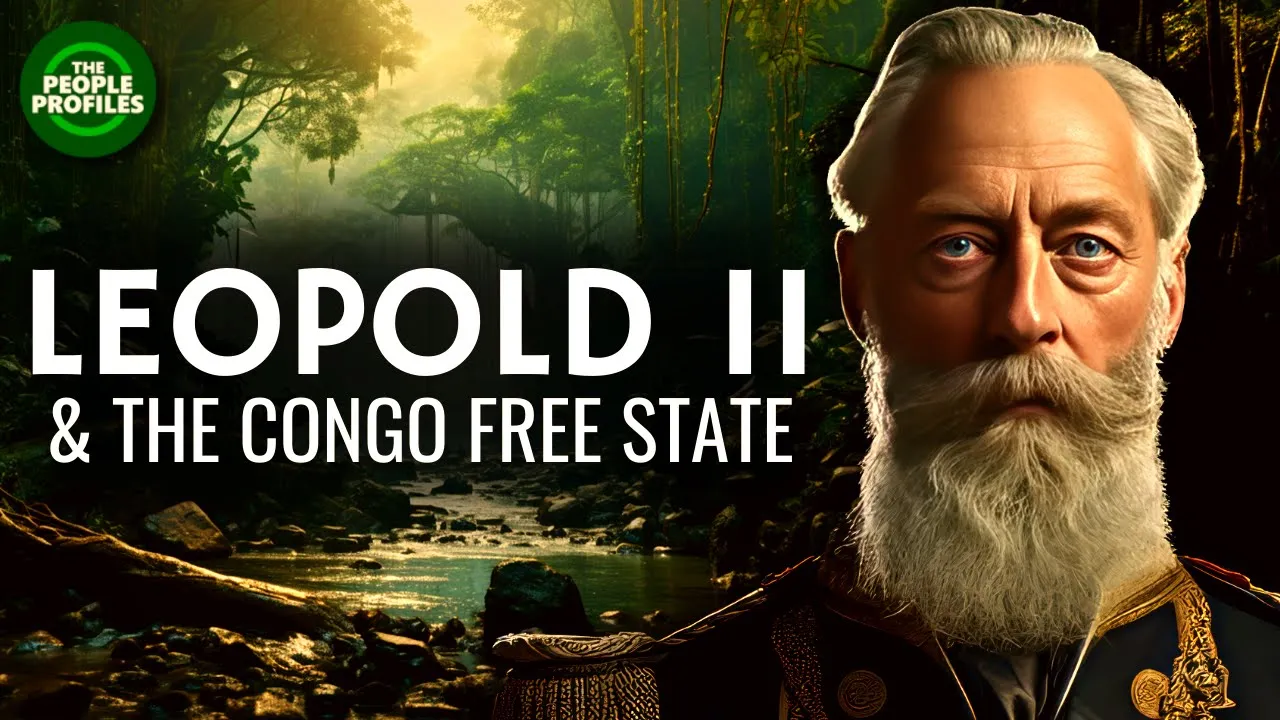
This extensive and highly detailed documentary offers an exhaustive, critical analysis of King Leopold II’s rule over the Congo Free State. It traces his manipulation of the Berlin Conference, the establishment of the Force Publique, and the systematic terror (mutilations, forced labor, and mass killings) used to extract rubber and ivory, which resulted in millions of deaths.
Knowledge Checkpoint
- Explain how King Leopold II used humanitarian rhetoric to acquire personal control of the Congo Basin at the Berlin Conference.
- Describe the administrative structure of the Congo Free State and the role of concessionary companies in resource extraction.
- Identify the primary commodities extracted from the Congo and explain the violent enforcement mechanisms used by the Force Publique.

Why this video
This conceptual explainer is perfect for distinguishing between the two dominant administrative models utilized by European colonial administrations. It compares French direct rule—aimed at cultural assimilation—with British indirect rule, which co-opted pre-existing indigenous power structures to enforce imperial policy.
Knowledge Checkpoint
- Compare and contrast French direct rule and British indirect rule in terms of administration, local autonomy, and cultural expectations.
- Explain how indirect rule altered the traditional legitimacy of local African chiefs by making them accountable to colonial governments rather than their citizens.

Why this video
Written and presented by the legendary Africanist historian Basil Davidson, this documentary excerpt provides a masterclass on colonial economics. It details how African economies were structurally modified to become raw-material monocultures (cocoa in Ghana, peanuts in Senegal, cotton in Sudan) designed entirely to feed the manufacturing engines of Europe.
Knowledge Checkpoint
- Define a "cash crop economy" and analyze its impact on food security and economic self-sufficiency in colonial Africa.
- Detail how taxation policies (such as hut and poll taxes) were used to force subsistence farmers into the colonial wage labor market.
Module 5: Indigenous Resistance and Geopolitical Legacy
Module Overview
European occupation was met with fierce, sophisticated resistance from the very beginning. This module explores the diverse ways African nations fought back—ranging from the military dominance of Ethiopia at the Battle of Adwa to the localized, pan-ethnic Maji Maji rebellion in German East Africa, and the persistent resistance of the Asante Empire in West Africa. Finally, the module evaluates the deep structural, political, and economic legacies of the Berlin Conference that continue to shape the African continent in the 21st century.
Recommended Videos
Why this video
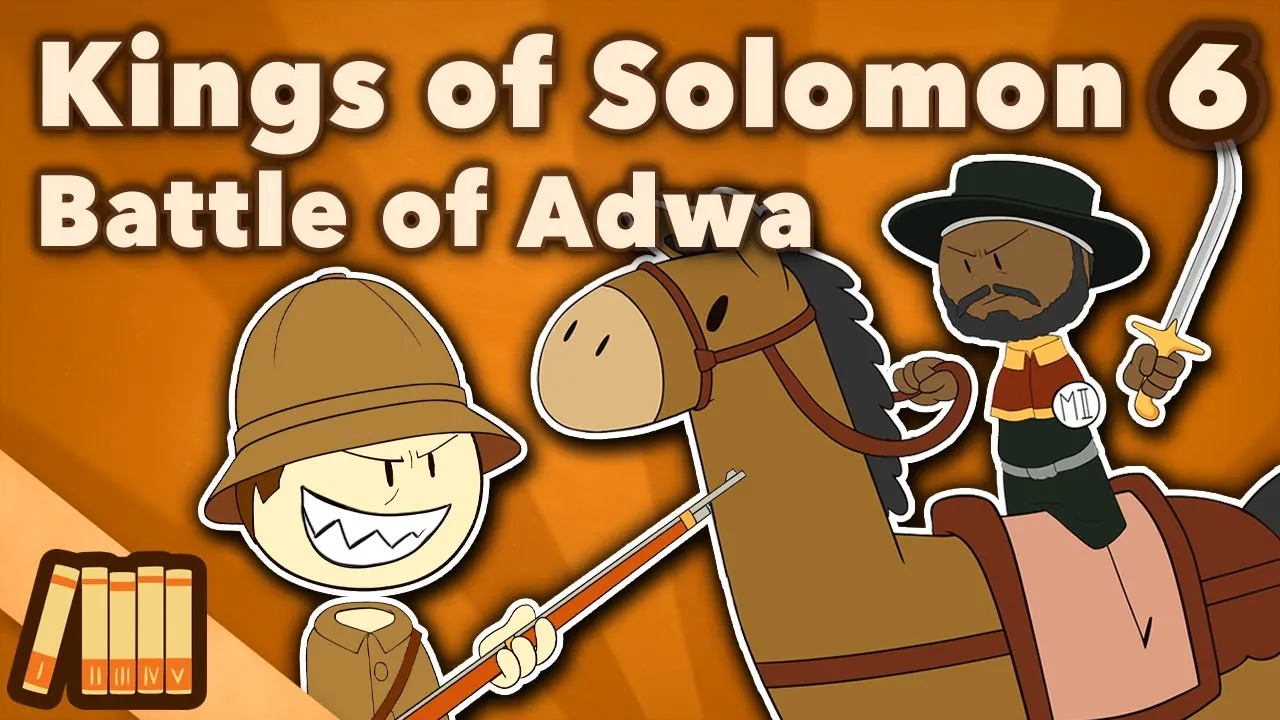
Through highly engaging animation, this video tells the story of the legendary Battle of Adwa (1896). It outlines the strategic brilliance of Emperor Menelik II and Empress Taitu, showing how Ethiopia successfully protected its sovereignty by militarily defeating an invading Italian army, serving as a beacon of African independence.
Knowledge Checkpoint
- Detail the diplomatic and linguistic deception in the Treaty of Wuchale that led to war between Italy and Ethiopia.
- Explain how Emperor Menelik II successfully modernized Ethiopia's military and played European powers against one another to acquire modern weaponry.
- Discuss the global geopolitical significance of Ethiopia’s victory at Adwa in 1896.

Why this video
This video profiles Yaa Asantewaa, the Queen Mother of the Asante Empire, who led the final military push against British encroachment in 1900. It highlights how West African political structures mobilized massive resistance to defend sacred symbols of sovereignty (such as the Golden Stool) against colonial humiliation.
Knowledge Checkpoint
- Describe the spiritual and political significance of the Golden Stool (Sika Dwa) to the Asante nation.
- Explain Yaa Asantewaa's role in organizing military resistance when male leadership hesitated.
- Evaluate the long-term impact of the Anglo-Asante wars on preserving Asante national consciousness despite British victory.
Why this video
Focusing on the Maji Maji Rebellion (1905-1907) in German East Africa, this video analyzes one of the earliest examples of pan-ethnic unity against colonial rule. It investigates how spiritual movements bypassed traditional tribal lines to launch a coordinated campaign against German cotton-plantation labor policies, and examines the brutal scorched-earth response by the German military.
Knowledge Checkpoint
- Explain how the Maji Maji movement bypassed ethnic divisions to forge a unified front against German colonial authorities.
- Analyze the tactics used by the German colonial military to suppress the rebellion, including forced famine and scorched-earth policies.

Why this video
To understand the legacy of 1884, one must look at modern economics. This video explores the CFA Franc system, arguing that the financial architecture established in the colonial era has kept Francophone African countries tethered to the French Central Bank, illustrating a form of neo-colonial economic control.
Knowledge Checkpoint
- Define "neo-colonialism" using the modern monetary frameworks (like the CFA Franc) as an illustrative case study.
- Explain how economic patterns established during the Scramble for Africa (exporting raw resources, importing manufactured goods) persist today.
Course Map
Below is the recommended sequence of modules. Each module builds chronologically and conceptually on the previous one to construct a comprehensive understanding of the Berlin Conference and its legacy.
Key People Index
This index provides historical context for key political and military leaders who shaped—or fought against—the events surrounding the Berlin Conference.
- German Chancellor Otto von Bismarck (1815–1898): The "Iron Chancellor" who unified Germany and convened the Berlin Conference of 1884-1885. He used the conference to avoid conflict between European states and to project German diplomatic power.
- King Leopold II of Belgium (1835–1909): Sovereign of the Congo Free State from 1885 to 1908. He successfully lobbied the Berlin Conference to recognize his private ownership of the Congo Basin, resulting in a brutal regime of forced labor and rubber extraction.
- Emperor Menelik II (1844–1913): Emperor of Ethiopia who led his country to victory against the Italian army at the Battle of Adwa in 1896, preserving Ethiopia’s sovereignty during the height of the Scramble for Africa.
- Yaa Asantewaa (c. 1840–1921): Queen Mother of Ejisu in the Asante Empire (modern Ghana). She led the Asante rebellion against British forces in 1900 in defense of the Golden Stool, the supreme symbol of Asante national sovereignty.
- Basil Davidson (1914–2010): A pioneering British historian and Africanist whose extensive documentary work and scholarship challenged colonial-era historiography by proving the depth and sophistication of pre-colonial African societies.
Final Self-Assessment
Complete this comprehensive self-assessment checklist to verify your mastery of the curriculum learning objectives:
- I can explain the socio-political complexity of pre-colonial Africa using specific examples of empires or kingdoms.
- I can explain how Europe's Industrial Revolution created a domestic economic demand for raw materials that drove the partitioning of Africa.
- I can list at least three European motivations for calling the Berlin Conference of 1884-1885.
- I can define the Principle of Effective Occupation and explain its role in turning the scramble into a militarized race for physical presence.
- I can describe the concept of artificial borders and explain how European mapmaking ignored indigenous ethnic, linguistic, and geographic realities.
- I can articulate the structural differences between French direct rule (assimilation) and British indirect rule (co-optation).
- I can analyze the administrative and labor practices used by King Leopold II to exploit the Congo Basin.
- I can explain how Emperor Menelik II utilized modern weaponry, intelligence, and diplomacy to defeat Italy at the Battle of Adwa.
- I can explain how spiritual movements like the Maji Maji Rebellion acted as unifying forces across ethnic divisions in the struggle against German colonization.
- I can evaluate how colonial economic patterns, such as the cash crop monoculture and monetary systems (e.g., the CFA Franc), continue to impact modern African geopolitics.