Addiction Neurobiology (Pathways & Control)
Learning Goal: Evaluate the neurobiological basis of addiction and reward, focusing on how addictive substances hijack the mesolimbic dopamine pathway, alter synaptic density in the nucleus accumbens, and impair prefrontal executive control.
- Prerequisites: High school-level biology (cellular structure) and basic chemistry.
- Estimated Total Study Time: 14 Hours
Module 1: Neurobiology Fundamentals: Neurons and Synapses
This module establishes the foundational cellular and chemical mechanisms of the nervous system. You will explore how neurons construct electrical signals (action potentials) and translate them into chemical messages at the synaptic cleft. Understanding these processes is a prerequisite to analyzing how exogenous substances manipulate native neural communication.
Recommended Videos
Video 1: Synaptic transmission I The Synapse I How Neurons Communicate
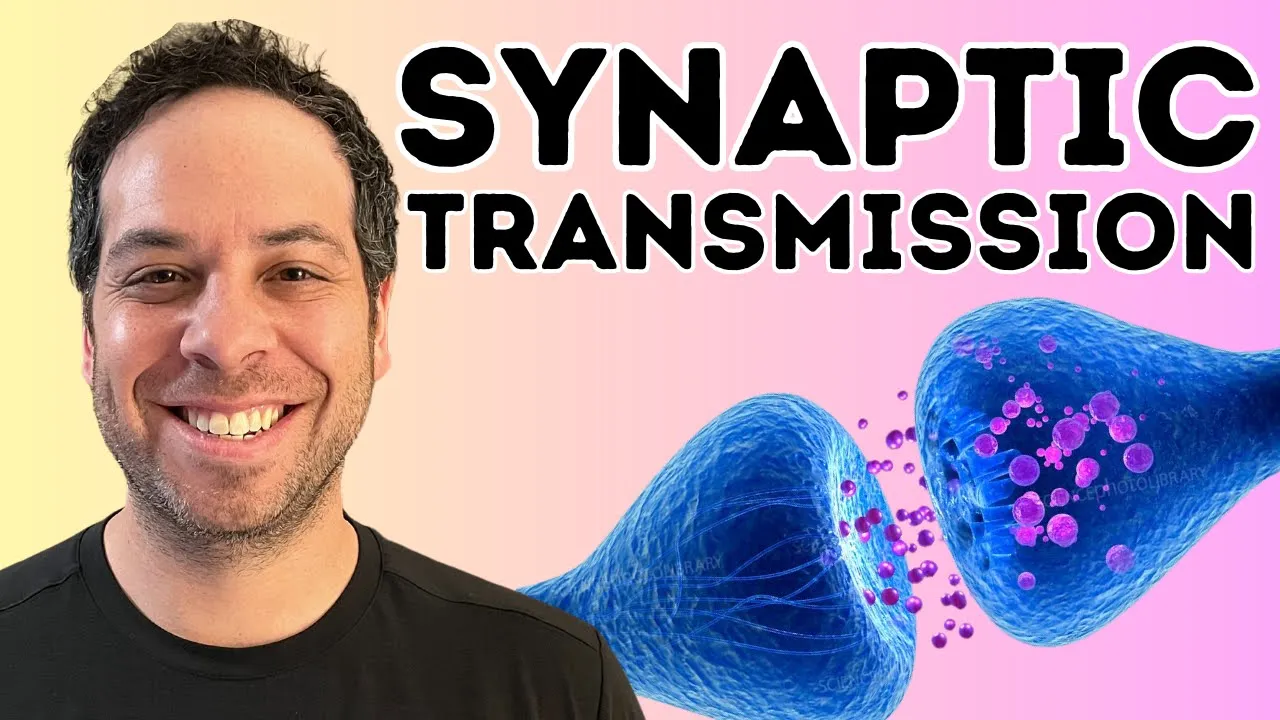
- Why this video is valuable: This video provides a comprehensive, visually clear, and structured guide to chemical synapses. It breaks down the mechanical sequence of neurotransmitter synthesis, vesicular packaging, calcium-mediated release, and receptor binding, which is essential to understanding how addictive drugs disrupt synaptic dynamics.
- Knowledge Checkpoint:
- Describe how an action potential arriving at the axon terminal triggers the opening of voltage-gated calcium () channels.
- Detail the physical mechanism of vesicle fusion (exocytosis) and how neurotransmitters are released into the synaptic cleft.
- Differentiate between postsynaptic ionotropic and metabotropic receptors.
Video 2: Synaptic Transmission | How Neurons Communicate
- Why this video is valuable: A concise, step-by-step micro-review that serves as an excellent mnemonic tool for the sequential physiology of synaptic transmission.
- Knowledge Checkpoint:
- Identify the five sequential keys of synaptic transmission in order.
- Explain the role of calcium ions as the direct trigger for vesicle migration.
Video 3: Action Potential in Neurons | Neurology | Dr Najeeb

- Why this video is valuable: Dr. Najeeb provides an authoritative explanation of the electrochemical shifts across the neuronal membrane. This video clarifies the concepts of depolarization, hyperpolarization, and the "all-or-nothing" threshold that drives signal propagation.
- Knowledge Checkpoint:
- Diagram the polarization states of a neuron (resting potential, depolarization phase, and repolarization phase).
- Define how the influx of sodium () ions alters the membrane potential during an action potential.
Module 2: The Reward Circuit and Mesolimbic Pathway
This module maps the brain's internal reinforcement machinery. You will trace the anatomical pathways of the mesolimbic reward system, centering on the projection of dopaminergic neurons from the Ventral Tegmental Area (VTA) to the Nucleus Accumbens (NAc). Additionally, this module explores how dopamine functions not as a simple "pleasure molecule," but as an essential encoder of reward prediction errors.
Recommended Videos
Video 1: Reward pathway in the brain | Processing the Environment | MCAT | Khan Academy

- Why this video is valuable: This MCAT-aligned lecture provides a rigorous anatomical and functional layout of the mesolimbic reward pathway. It connects the VTA and NAc with the amygdala (emotional encoding) and prefrontal cortex (cognitive evaluation).
- Knowledge Checkpoint:
- Trace the anatomical trajectory of the mesolimbic pathway from origin to termination.
- Describe the functional roles of the amygdala, hippocampus, and prefrontal cortex within this circuit during a rewarding experience.
- Contrast how dopamine and serotonin levels adjust reciprocally during reward processing.
Video 2: Unleash Your Brain Power and Growth Mindset - w/ Dr. Andrew Huberman

- Why this video is valuable: Dr. Andrew Huberman clarifies a vital, modern neurobiological concept: dopamine's role in motivation, anticipation, and Reward Prediction Error (RPE). This corrects the outdated "pleasure-only" model of dopamine.
- Knowledge Checkpoint:
- Explain how dopamine levels shift during the anticipation of a reward versus the actual consumption of it.
- Define "Reward Prediction Error" and explain how a reward that falls short of expectations suppresses baseline dopamine levels.
Video 3: 2-Minute Neuroscience: Striatum
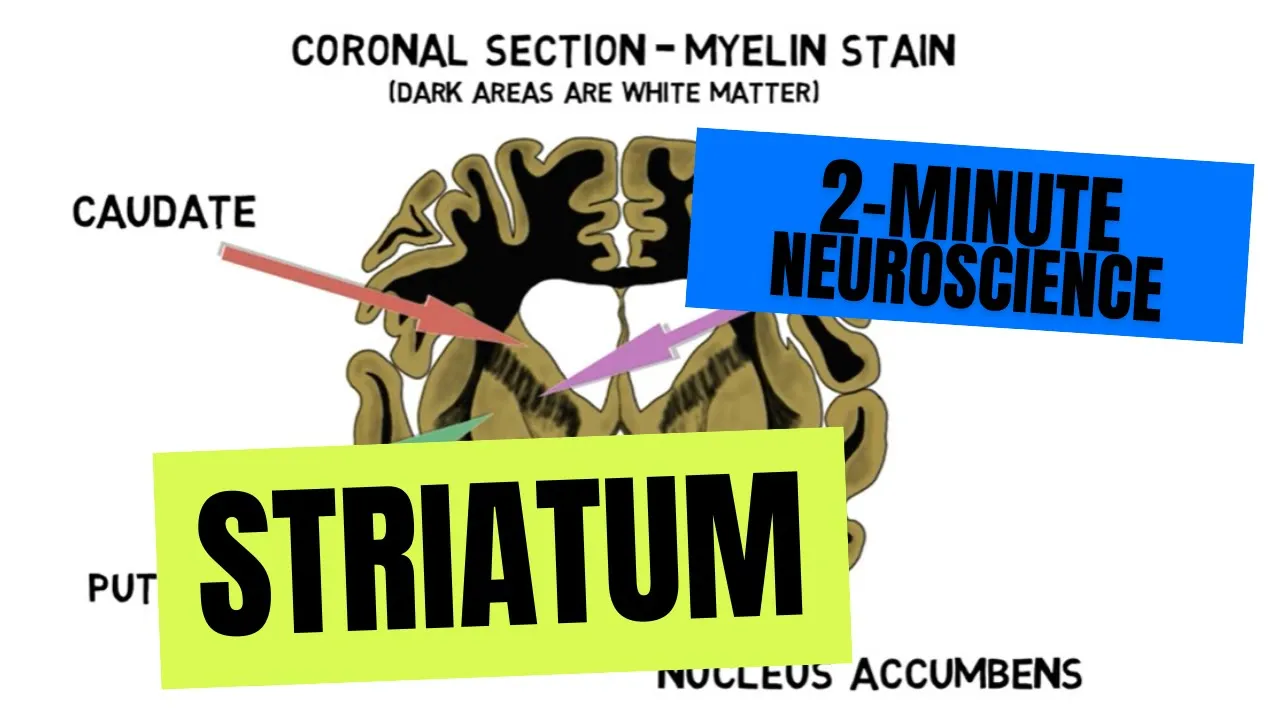
- Why this video is valuable: A precise visualization of the striatum's anatomy, illustrating where the ventral striatum (containing the Nucleus Accumbens) is located relative to dorsal motor structures.
- Knowledge Checkpoint:
- Pinpoint the location of the Nucleus Accumbens within the ventral striatum.
- Explain how the striatum acts as a bridge between motivation (mesolimbic input) and physical motor output.
Module 3: How Addictive Substances Hijack the Brain
Addictive substances bypass natural evolutionary survival triggers. This module focuses on the direct and indirect chemical mechanisms of different classes of drugs (stimulants, opioids, and depressants). You will analyze how they cause unprecedented, unnatural accumulations of dopamine in the synaptic cleft of the Nucleus Accumbens.
Recommended Videos
Video 1: U of Utah Mouse Party
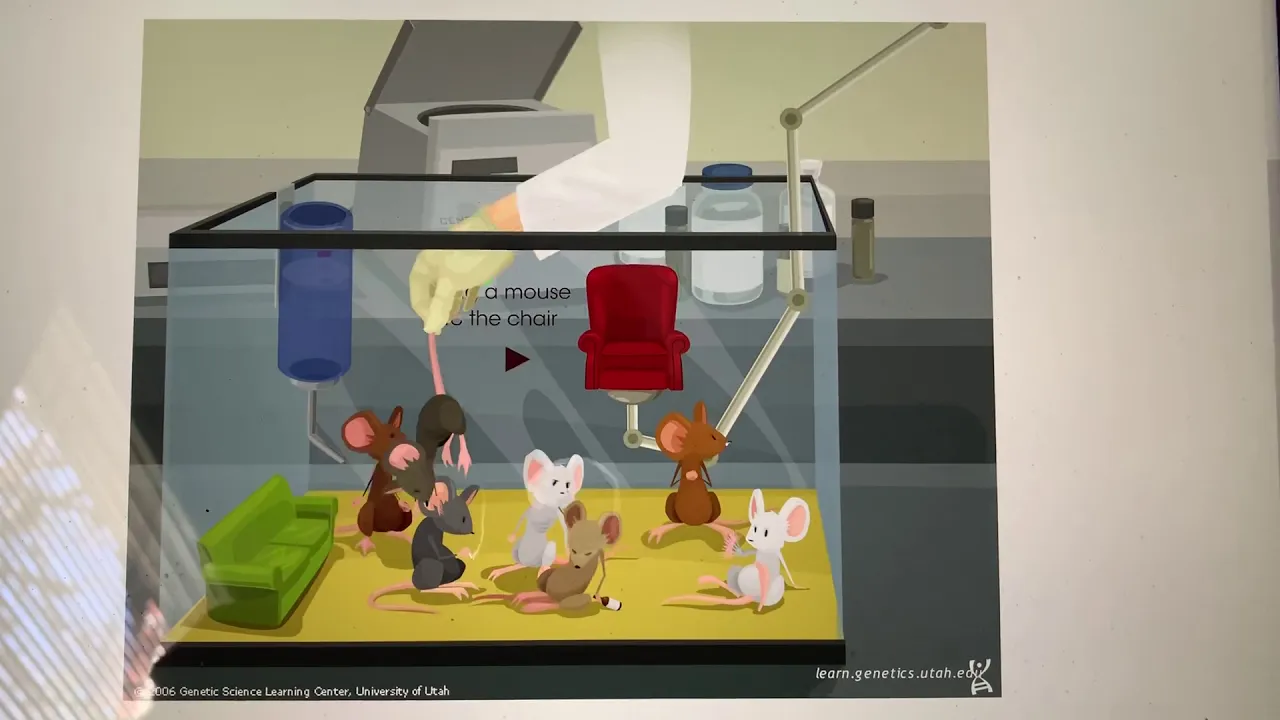
- Why this video is valuable: Based on the University of Utah's classic interactive educational resource, this video shows how different classes of drugs (cocaine, marijuana, alcohol, ecstasy, heroin) disrupt specific neurotransmitter systems at the synaptic level.
- Knowledge Checkpoint:
- Describe how cocaine blocks the dopamine transporter (DAT) to cause dopamine accumulation.
- Explain how THC/marijuana and heroin remove GABAergic inhibition in the VTA to disinhibit dopaminergic firing.
- Detail how methamphetamine reverses monoamine transporters to pump dopamine directly out of the cell.
Video 2: The Reward Circuit: How the Brain Responds to Cocaine
- Why this video is valuable: Produced by the National Institute on Drug Abuse (NIDA), this video provides a highly accurate, peer-reviewed visualization of synaptic cocaine action.
- Knowledge Checkpoint:
- Compare normal dopamine recycling via transporters with recycling under the influence of cocaine.
- Explain why the speed of drug delivery (e.g., smoking vs. ingesting) influences the degree of reward pathway hijacking.
Video 3: Why Fentanyl Is So Incredibly Dangerous

- Why this video is valuable: This video details the exact cellular mechanism of synthetic opioids. It explains how binding to Mu-opioid receptors on GABAergic interneurons in the VTA disinhibits dopamine neurons, leading to massive dopamine release.
- Knowledge Checkpoint:
- Define the role of GABA as an inhibitory neurotransmitter in the VTA under resting conditions.
- Outline how fentanyl binds to presynaptic opioid receptors to shut down GABA release, thereby disinhibiting dopamine neurons.
Module 4: Synaptic Plasticity and Remodeling in the Nucleus Accumbens
⚠️ Curriculum Gap Alert: There is a lack of high-quality, clinical animations detailing real-time dendritic spine remodeling or AMPA/NMDA ratio shifts in the Nucleus Accumbens (NAc). To master this, focus heavily on the molecular transcription lectures below, and supplement with the recommended self-directed search queries.
This module explores the transition from acute drug use to chronic, structural addiction. You will investigate the molecular pathways of long-term synaptic plasticity, focusing on the transcription factor , changes in dendritic spine density, and the alteration of Long-Term Potentiation (LTP) and Long-Term Depression (LTD) within medium spiny neurons of the NAc.
Recommended Videos
Video 1: Transcriptional Mechanisms of Drug Addiction
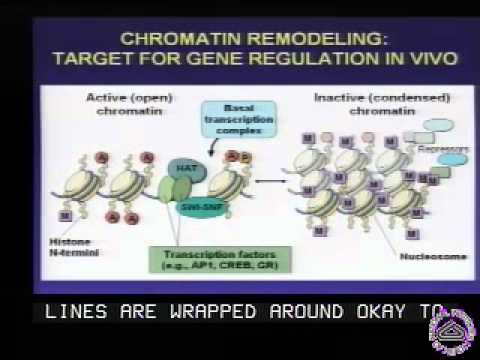
- Why this video is valuable: An advanced scientific lecture from the NIH detailing how repeated drug exposure alters gene expression. It focuses on how acts as a "molecular switch" in the Nucleus Accumbens due to its extreme stability and slow degradation rate.
- Knowledge Checkpoint:
- Explain why accumulates progressively during chronic drug use while other Fos family proteins degrade quickly.
- Describe how overexpression alters target genes, including those encoding AMPA receptor subunits (like GluA2).
- Define "drug-induced neuroplasticity" at the level of gene transcription.
Video 2: Adolescent Brain Meets Highspeed Internet Porn

- Why this video is valuable: Despite the title's focus on behavioral addiction, this video offers a clear, simplified scientific summary of how builds up in the reward pathway under conditions of overstimulation, driving physical changes in dendritic connections.
- Knowledge Checkpoint:
- State what structural changes occur in dendritic spines when is chronically overexpressed.
- Explain how these structural modifications lead to desensitization to natural rewards and sensitization to drug-associated cues.
Video 3: Lisdexamfetamine | Wikipedia audio article
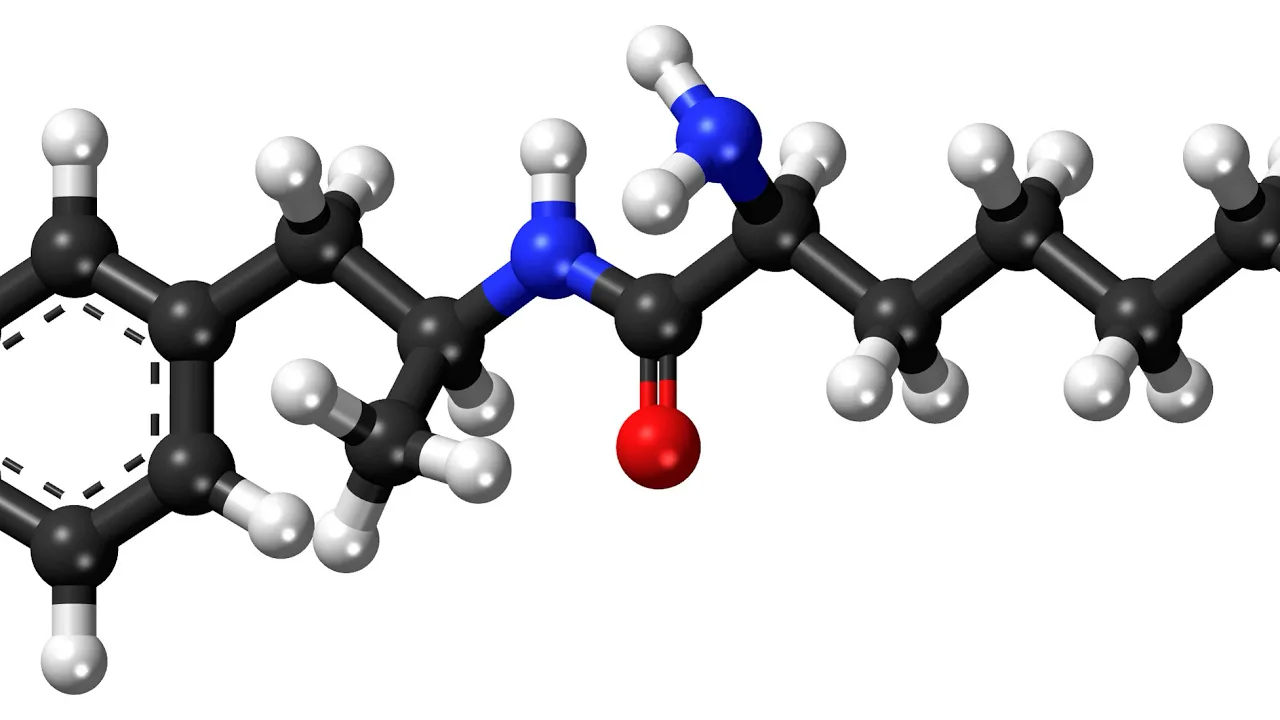
- Why this video is valuable: This video provides a precise biochemical breakdown of how acts in medium spiny neurons. It details the downstream signaling cascades (such as NF-kB and BDNF) that physically remodel synapses.
- Knowledge Checkpoint:
- Identify which specific cell types in the Nucleus Accumbens (e.g., D1-type medium spiny neurons) express during addiction.
- Connect activation to downstream neuroplastic changes, including altered dendritic spine density.
🔍 Self-Directed Study Challenge: To supplement the video material, read a review paper on PubMed using the query:
“dendritic spine density nucleus accumbens chronic drug use”or“AMPA NMDA ratio LTP LTD drug addiction”.Focus on:
- How chronic drug use alters the ratio of AMPA to NMDA glutamate receptors in the NAc.
- The physical differences between mushroom spines (stable, mature) and thin/stubby spines (transient, immature) during drug withdrawal versus cue-induced reinstatement.
Module 5: Impairment of Prefrontal Executive Control
This final module covers the cognitive and behavioral consequences of addiction. You will evaluate "hypofrontality"—the down-regulated, hypo-active state of the prefrontal cortex (PFC) caused by chronic drug use. This state impairs top-down inhibitory control, resulting in the characteristic transition from goal-directed action to compulsive, habitual drug-seeking behavior.
Recommended Videos
Video 1: 8. Hypofrontality in addiction

- Why this video is valuable: Dr. Kevin McCauley provides an exceptional explanation of hypofrontality. He explains how damage to the orbitofrontal cortex (OFC) and anterior cingulate cortex (ACC) prevents the prefrontal cortex from exercising top-down control over the midbrain's survival impulses.
- Knowledge Checkpoint:
- Define "hypofrontality" in the context of an addicted brain.
- Identify the roles of the Orbitofrontal Cortex (OFC) and the Anterior Cingulate Cortex (ACC) in managing impulse control and evaluating consequences.
- Explain how a hypoactive prefrontal cortex shifts drug-seeking from a choice to an involuntary survival drive.
Video 2: David Jentsch, PhD of Binghamton University at SUNY

- Why this video is valuable: A deep academic lecture that investigates the prefrontal-striatal circuits. Dr. Jentsch presents experimental evidence showing how decreased dopamine D2 receptor density in the striatum correlates with a loss of prefrontal inhibitory control.
- Knowledge Checkpoint:
- Detail how a down-regulation of dopamine D2 receptors impairs executive control circuits in the frontal lobe.
- Describe how scientists measure inhibitory control using reversal learning or stop-signal tasks.
Video 3: HBO The Science of Relapse

- Why this video is valuable: This video illustrates the functional disconnection between the limbic "go" system and the prefrontal "stop" system. It explains why drug-associated cues can trigger involuntary relapse even after long periods of sobriety.
- Knowledge Checkpoint:
- Contrast the "Go" system (amygdala, ventral striatum) with the "Stop" system (prefrontal cortex).
- Explain how stress or drug-associated cues can bypass the prefrontal "Stop" system to trigger compulsive drug-seeking.
Course Map
This flowchart maps the logical progression of the curriculum, from foundational cellular biology to system-level executive dysfunction.
Key People Index
- Dr. Andrew Huberman (Stanford University School of Medicine)
Context: Featured in Module 2. He is a prominent neurobiologist known for explaining how dopamine acts as an anticipatory neuromodulator, driving motivation and reward prediction error rather than simple pleasure. - Dr. Kevin McCauley (Co-founder of the Institute for Addiction Study)
Context: Featured in Module 5. A leading educator on the disease model of addiction, he developed clear frameworks for explaining "hypofrontality" and the breakdown of top-down inhibitory control. - Dr. David Jentsch (Binghamton University)
Context: Featured in Module 5. A behavioral geneticist and neuropharmacologist researching how genetic and drug-induced variations in prefrontal-striatal circuits influence impulsivity and the vulnerability to addiction.
Final Self-Assessment
Complete this comprehensive self-assessment to verify your mastery of the neurobiological basis of addiction.
- Electrochemical Transmission: Can you explain how an electrical action potential is converted into a graded chemical signal at the presynaptic terminal?
- Mesolimbic Anatomy: Can you trace the projection of dopaminergic axons from the VTA to the NAc without referencing outside materials?
- Reward Prediction Error: Can you write out the mathematical/conceptual definition of Reward Prediction Error and explain how dopamine levels reflect a "worse than expected" outcome?
- Drug Class Actions: Can you contrast the synaptic mechanism of cocaine (DAT blocker) with that of heroin/fentanyl (Mu-receptor agonist causing VTA disinhibition)?
- Accumulation: Can you explain why accumulates progressively in the NAc during chronic drug use, whereas other transcription factors degrade?
- Dendritic Spine Density: Can you describe how chronic transcriptional changes physically alter the ratio of thin to mushroom dendritic spines on medium spiny neurons?
- Hypofrontality Mechanism: Can you explain the cellular and metabolic changes in the prefrontal cortex (specifically the OFC and ACC) that lead to hypofrontality?
- Top-Down Control Disconnection: Can you explain how the functional disconnection between the prefrontal "Stop" system and the limbic "Go" system leads to compulsive drug-seeking behavior?