Understanding Populism: Roots, Elites & Norms
Learning Goal: Analyze the ideological and structural roots of populist political movements, evaluating how populist leaders mobilize grievance against elites to reshape party systems and democratic norms.
- Prerequisites: Introductory-level knowledge of democratic systems, political ideologies, and modern history.
- Estimated Total Study Time: 8 hours
Module 1: What is Populism? Definitions and Core Concepts
This module explores the foundational definitions of populism. Often misunderstood as a mere political style, populism is analytically defined by political scientists as a "thin-centered ideology." You will learn to identify its core binary division—"the pure people" versus "the corrupt elite"—and examine the differences between its left-wing and right-wing expressions.
Recommended Videos

- Why this video: Cas Mudde is one of the most prominent academic authorities on modern populism. In this lecture, he breaks down the widely accepted "thin-centered ideology" definition. He outlines how populism operates as a flexible framework that attaches itself to other "thick" ideologies (like socialism or nationalism) and explains the basic logic of the moral struggle between the "pure people" and the "corrupt elite."
- Knowledge Checkpoint:
- Define what makes an ideology "thin-centered" compared to "thick" ideologies like liberalism or socialism.
- Explain Mudde's concepts of the "pure people," the "corrupt elite," and the "general will."
- Describe how populism coexists with and adapts to both left-wing and right-wing political agendas.
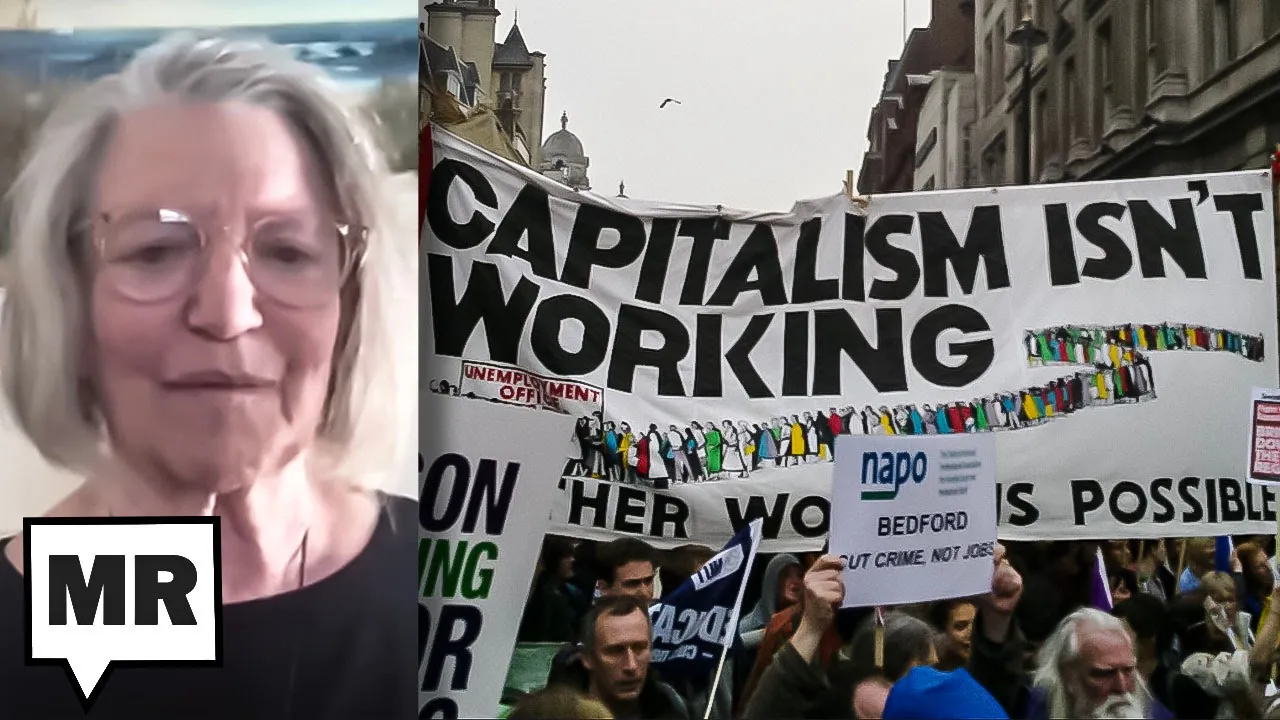
- Why this video: Addressing the feedback gap regarding left-wing populism, theorist Nancy Fraser provides an essential comparison between left and right variants. She illustrates how right-wing populism sets up a tripartite social map (the virtuous middle-class citizen squeezed between a corrupt elite above and marginalized groups below), whereas left-wing populism focuses on a binary clash between the vast majority ("the people") and the concentrated financial elite at the top.
- Knowledge Checkpoint:
- Contrast the "tripartite map" of right-wing populism with the "binary map" of left-wing populism.
- Explain how left-wing populism defines its societal "enemies" differently than right-wing populism.
- Identify the role of structural capitalism in left-wing populist critiques.
- Why this video: This brief interview clip offers a direct, real-world window into the ideological architecture of right-wing populist strategy. It contrasts the right-wing focus on deconstructing the administrative state and reducing government intervention with the left-wing approach, which demands expanded state programs to protect citizens from corporate forces.
- Knowledge Checkpoint:
- Explain how right-wing populists view the role of the "administrative state."
- Contrast the populist-right view of government authority with the populist-left view of state expansion.
Module 2: The Roots of Grievance: Economic and Cultural Drivers
Why is populism rising today? This module investigates the core structural causes of contemporary populist mobilization, focusing on the debate between economic anxiety (inequality, globalization, and deindustrialization) and cultural backlash (shifting values, demographic anxieties, and identity politics).
Recommended Videos

- Why this video: This comprehensive academic lecture by Pippa Norris details her influential "cultural backlash" thesis. Norris argues that the rise of authoritarian populism is primarily a reaction among older, more socially conservative demographics who feel displaced by rapid cultural shifts toward progressive, cosmopolitan, and post-materialist values.
- Knowledge Checkpoint:
- Explain the concept of "cultural backlash" as formulated by Pippa Norris.
- Describe the demographic profile of the voters most susceptible to cultural populist appeals.
- Identify the tipping point where traditionalists feel they have lost cultural dominance.
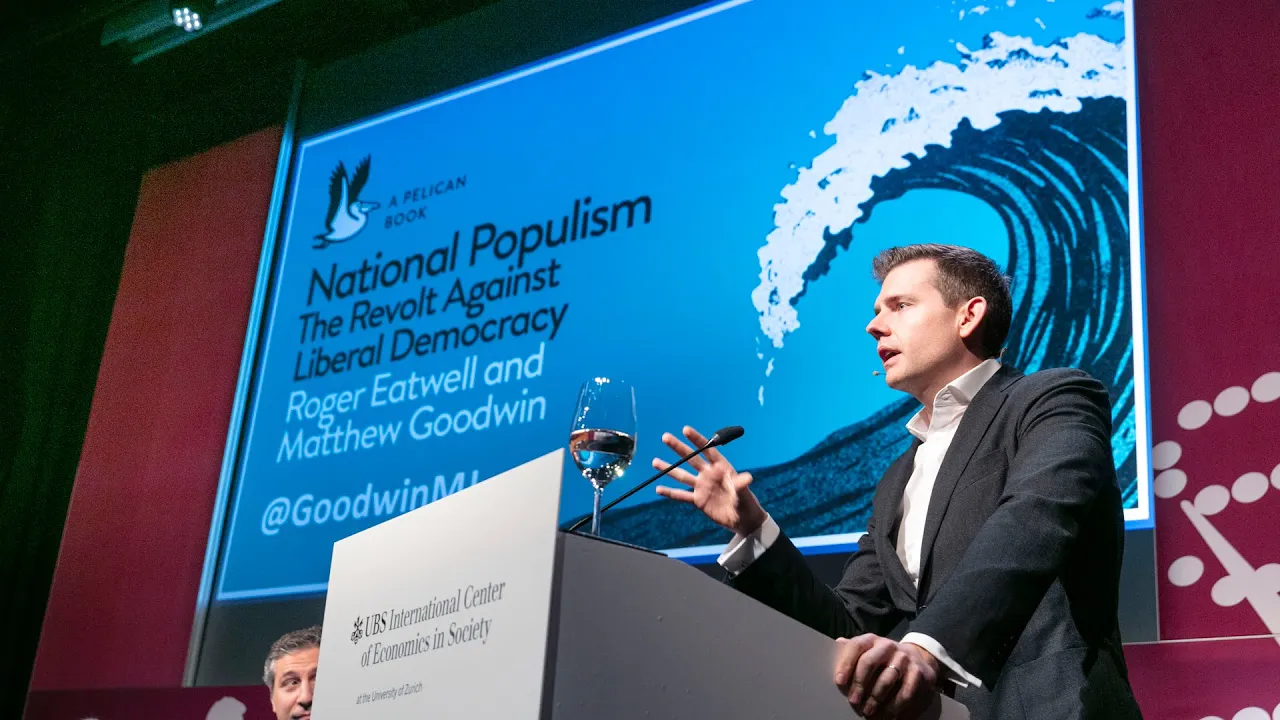
- Why this video: Political scientist Matthew Goodwin synthesizes the economic vs. cultural debate. He posits that while economic inequality acts as a powerful fuel, cultural concerns (such as national sovereignty, immigration, and rapid demographic changes) are often the primary drivers of populist votes.
- Knowledge Checkpoint:
- Explain Goodwin’s metaphor of cultural insecurity as the "driver" and economic insecurity as the "passenger."
- Summarize how globalization generates both economic losers and cultural anxieties.
- Discuss the interactions between immigration concerns and economic precarity.
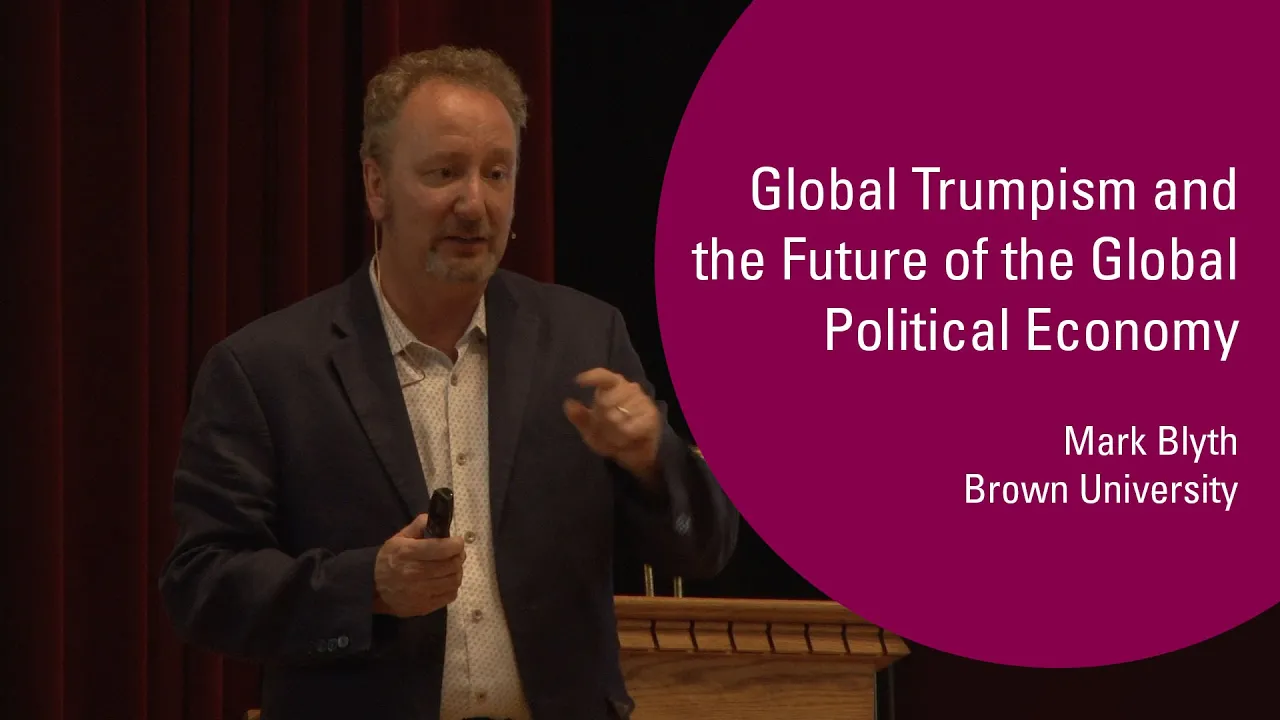
- Why this video: Economist Mark Blyth provides a macro-level structural explanation of "Global Trumpism." He argues that the neoliberal economic model established in the 1980s led to wage stagnation, rising inequality, and high debt burdens for the working classes, creating fertile ground for populist revolts across democratic countries.
- Knowledge Checkpoint:
- Define "Global Trumpism" and explain how neoliberal policies helped create it.
- Analyze how wage stagnation and the transition from a Keynesian to a neoliberal model fed political grievances.
- Describe the economic relationship between creditor and debtor classes as a driver of political instability.
Module 3: The Populist Playbook: Rhetoric, Media, and Mobilization
This module analyzes how populist leaders communicate, build authority, and mobilize their base. You will examine how they construct "us versus them" narratives, project charismatic authority, and leverage digital media to bypass traditional institutional gatekeepers.
Recommended Videos
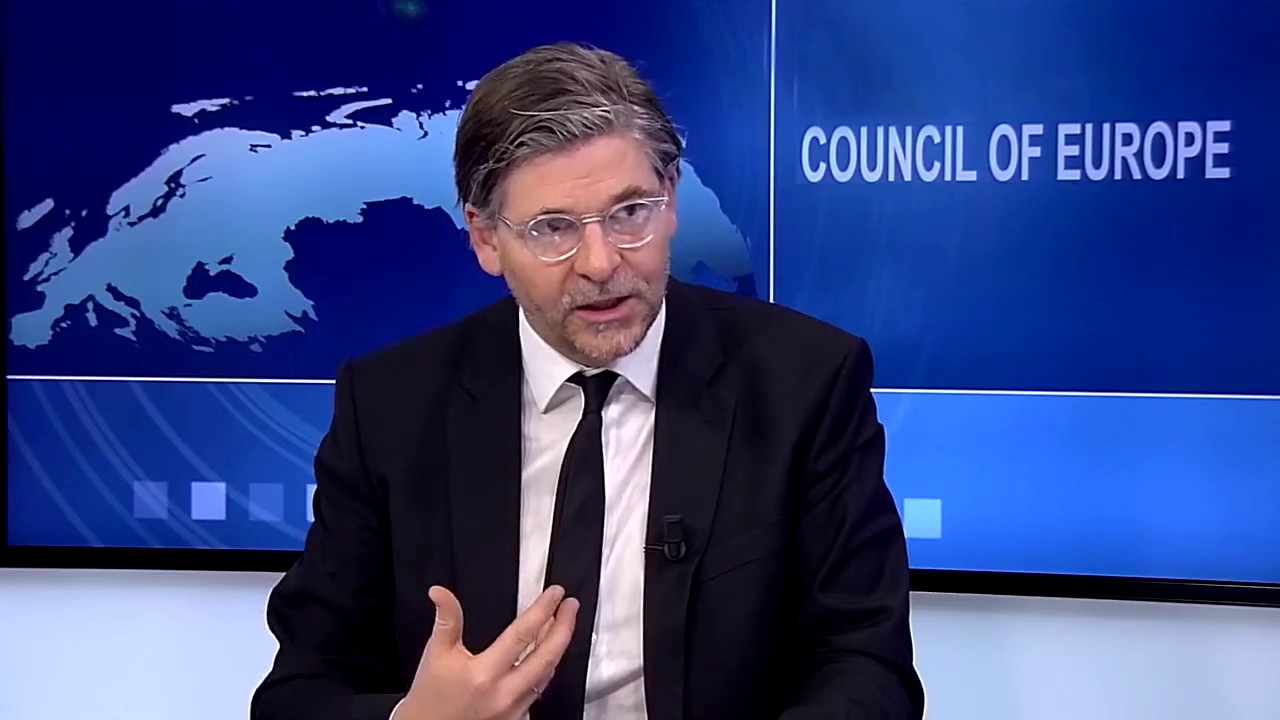
- Why this video: Political theorist Jan-Werner Müller addresses the core of the populist playbook: anti-pluralism. Müller explains that populists do not just criticize elites; they assert that they alone represent "the real, moral people." Consequently, they claim all political opponents are entirely illegitimate.
- Knowledge Checkpoint:
- Explain why Müller identifies "anti-pluralism" as the defining moral claim of populism.
- Describe how populists frame their political opponents and why this threatens democratic systems.
- Detail how the claim to represent the "silent majority" allows populists to dismiss electoral defeats.

- Why this video: This video offers a clear conceptual breakdown of populist rhetoric. It explains how populist leaders flatten complex policy debates into binary moral choices, presenting themselves as the direct voice of the people to bypass traditional democratic channels.
- Knowledge Checkpoint:
- Identify the primary rhetorical strategies used to create a hard division between "us" and "them."
- Explain how populist figures position themselves as "outsiders" even when they hold significant power.
- Contrast populist representation with traditional pluralist representation in democracies.
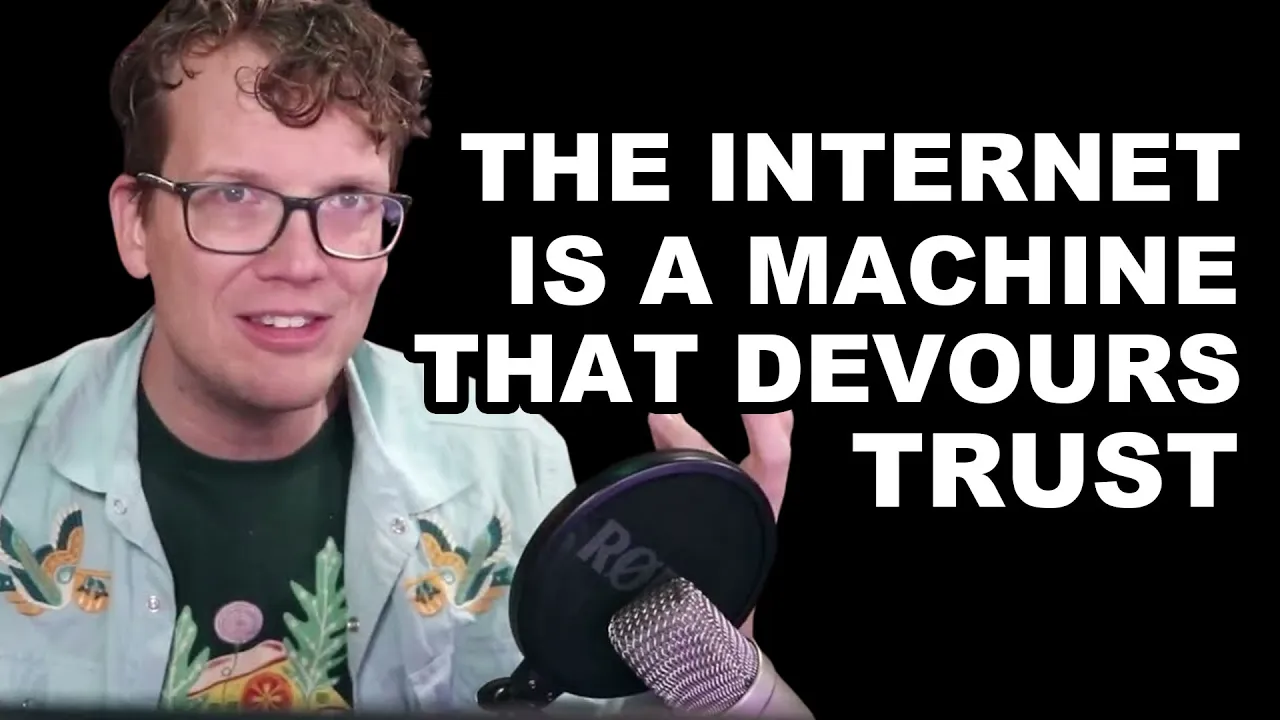
- Why this video: This video historicizes the link between new communication media and populist political waves. It connects past shifts (the printing press, radio) to the internet and social media, explaining how decentralized communications undermine established elites and traditional institutional authorities.
- Knowledge Checkpoint:
- Describe the historical relationship between media revolutions and political instability.
- Explain how modern social media platforms help populist figures bypass traditional media gatekeepers.
- Analyze the impact of algorithmic echo chambers on political polarization.
Module 4: Polarization and Party System Disruption
This module details how populist movements disrupt and restructure established party systems. You will study how populist mobilization triggers dealignment (voters abandoning established parties) and realignment, splits traditional party coalitions, and fuels severe political polarization.
⚠️ Curriculum Note: Due to the limitations of available video assets, the coverage of structural, non-US-centric party dealignment theory is modest. Students are encouraged to supplement this module by searching academic resources for terms like "Lipset-Rokkan party freezing hypothesis" and "Post-industrial party system realignment in Western Europe."
Recommended Videos
- Why this video: Although framed around US politics, this video introduces the mechanics of "political dealignment." It explains how voters detach from mainstream political establishments when they feel those parties prioritize elite economic interests or polarizing cultural views over the immediate needs of ordinary citizens.
- Knowledge Checkpoint:
- Define the process of political dealignment and list its primary causes.
- Explain why mainstream, establishment parties lose their core voter bases to populist alternatives.
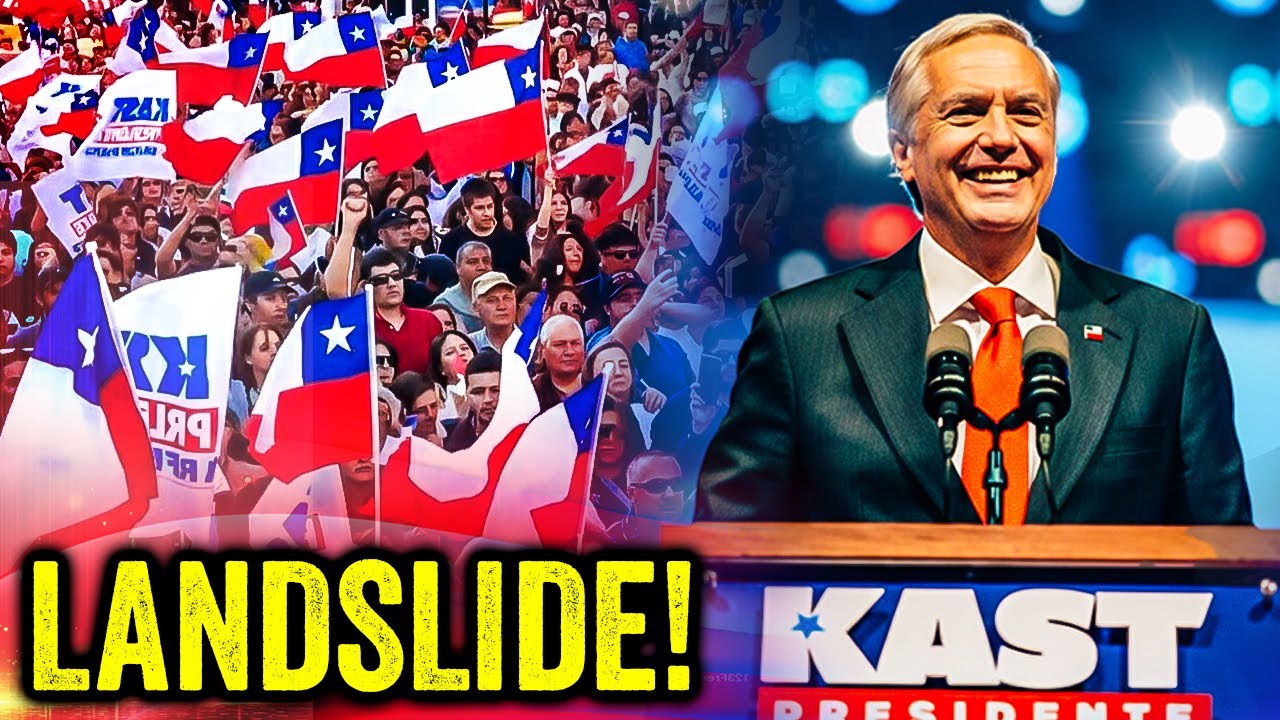
- Why this video: This case study addresses Latin America's political shifts. It shows how voters dealign from traditional left-wing populist or establishment parties and realign with right-wing populist alternatives, often driven by immediate concerns like economic insecurity and personal safety.
- Knowledge Checkpoint:
- Describe how voter coalitions shift during a realigning election.
- Identify key drivers, such as crime and economic stagnation, that disrupt established party hierarchies.

- Why this video: This segment offers a European case study focused on Nigel Farage's political movements in the UK. It highlights how populist challengers can pressure and destabilize traditional center-right and center-left parties, forcing them to adopt more populist rhetoric and policies to survive.
- Knowledge Checkpoint:
- Analyze how populist third parties disrupt traditional two-party systems in representative democracies.
- Explain the strategic dilemma mainstream parties face when challenged by populist insurgents.

- Why this video: This panel analyzes how binary party systems fuel political polarization. It explains how major parties are incentivized to demonize each other, treating their opponents as existential threats to mobilize their voter base, which reduces the space for political compromise.
- Knowledge Checkpoint:
- Explain how a binary two-party system can accelerate societal polarization.
- Define the process of "out-party hostility" and describe its impact on democratic stability.
Module 5: Populism in Power: Democratic Erosion and Illiberalism
What happens when populists win? This module analyzes populist governance, focusing on democratic backsliding and executive aggrandizement. You will study how populist leaders use legal, constitutional, and electoral mechanisms to weaken democratic checks and balances and build "illiberal democracies."
Recommended Videos
- Why this video: This video introduces the modern mechanisms of democratic backsliding. Drawing from the work of political scientists Steven Levitsky and Daniel Ziblatt (How Democracies Die), it explains that modern democracies rarely collapse through violent military coups. Instead, they are eroded slowly by elected leaders using legal means to weaken democratic guardrails.
- Knowledge Checkpoint:
- Explain the difference between classic democratic collapse (e.g., military coups) and modern democratic backsliding.
- Define the concept of "democratic guardrails," focusing on mutual toleration and institutional forbearance.
- Identify how populists use existing laws to gradually erode independent institutions.

- Why this video: This deep-dive case study analyzes Viktor Orbán's Fidesz administration in Hungary. It details how Orbán used a democratic supermajority to rewrite the constitution, manipulate electoral laws, and tilt the political playing field to secure long-term power.
- Knowledge Checkpoint:
- Trace how a democratically elected government can systematically dismantle constitutional checks and balances.
- Explain the techniques of gerrymandering and electoral rule manipulation used by Fidesz to consolidate power.
- Define "competitive authoritarianism" using Hungary as a concrete example.
- Why this video: Historian Heather Cox Richardson explains the theoretical model of Orbán's "illiberal democracy." She explores how this form of governance uses democratic elections to secure power while rejecting liberal values like institutional checks, minority rights, and equality under the law.
- Knowledge Checkpoint:
- Define "illiberal democracy" and identify its primary characteristics.
- Explain how illiberal regimes justify restricting individual rights in the name of the "general will" or traditional values.
- Why this video: This academic panel introduces "executive aggrandizement." This process occurs when a democratically elected executive branch systematically and legally dismantles the institutional checks of the legislative and judicial branches, centralizing authority within the presidency.
- Knowledge Checkpoint:
- Define "executive aggrandizement" and explain how it differs from sudden constitutional crises.
- Identify the institutional targets most vulnerable to executive overreach (such as civil service, judiciary, and regulatory agencies).
Course Map
Key People Index
- Cas Mudde: Political scientist at the University of Georgia. He is widely known for defining populism as a "thin-centered ideology" that divides society into the pure people versus the corrupt elite.
- Pippa Norris: Comparative political scientist at the Harvard Kennedy School. She is a pioneer of the "cultural backlash" theory, which argues that authoritarian populism is a conservative reaction to progressive cultural shifts.
- Jan-Werner Müller: Political theorist at Princeton University and author of What is Populism?. He argues that anti-pluralism and the claim to exclusive representation of the "real people" are the defining features of populist politics.
- Nancy Fraser: Critical theorist and professor at The New School. She analyses the structural economic dimensions of capitalism and contrasts left-wing and right-wing populist frameworks.
- Mark Blyth: Political economist at Brown University. He is known for his work on the economic origins of "Global Trumpism" and the failures of neoliberalism.
- Viktor Orbán: Prime Minister of Hungary. He is a key contemporary figure of populist governance who openly advocates for and implements "illiberal democracy."
Final Self-Assessment
Complete this comprehensive self-assessment to test your understanding of the entire curriculum:
- I can clearly define populism as a thin-centered ideology and explain why it requires attachment to other political ideologies.
- I can describe the core populist division between the "pure people" and the "corrupt elite."
- I can compare left-wing populism and right-wing populism, including how they define their political enemies and view the role of the state.
- I can explain the cultural backlash theory and list the demographic groups most likely to support it.
- I can outline the economic drivers of populism, explaining how globalization and neoliberal policies feed voter grievances.
- I can explain why anti-pluralism is a core element of populist rhetoric and describe how it threatens democratic norms.
- I can describe how modern social media and digital platforms help populist leaders bypass traditional media gatekeepers.
- I can define political dealignment and explain how populist movements disrupt established political party systems.
- I can explain the difference between a sudden military coup and the gradual process of democratic backsliding.
- I can define executive aggrandizement and list the institutional checks and balances it typically targets.
- I can explain the concept of "illiberal democracy" and identify how electoral and constitutional rules were used to construct it in Hungary.