Decoding Byzantine Mosaics: Theology & Space
Learning Goal: Analyze the iconographic programs, architectural integration, and theological functions of Byzantine mosaics from the age of Justinian through the Palaiologan Renaissance.
- Prerequisites: General familiarity with early medieval history and basic Christian theology (specifically the concepts of the Incarnation and the Trinity).
- Estimated Total Study Time: 14 Hours
Module 1: Foundations of Byzantine Art and Mosaic Craft
This module establishes the material and aesthetic groundwork of Byzantine art. You will explore the transition from Roman classical realism to the symbolic, transcendental style of Byzantium. Additionally, you will analyze the physical manufacturing process of gold and glass tesserae, studying how Byzantine craftsmen manipulated light, angle, and physical substrate to transform flat architectural surfaces into shimmering, interactive sacred spaces.
Recommended Videos
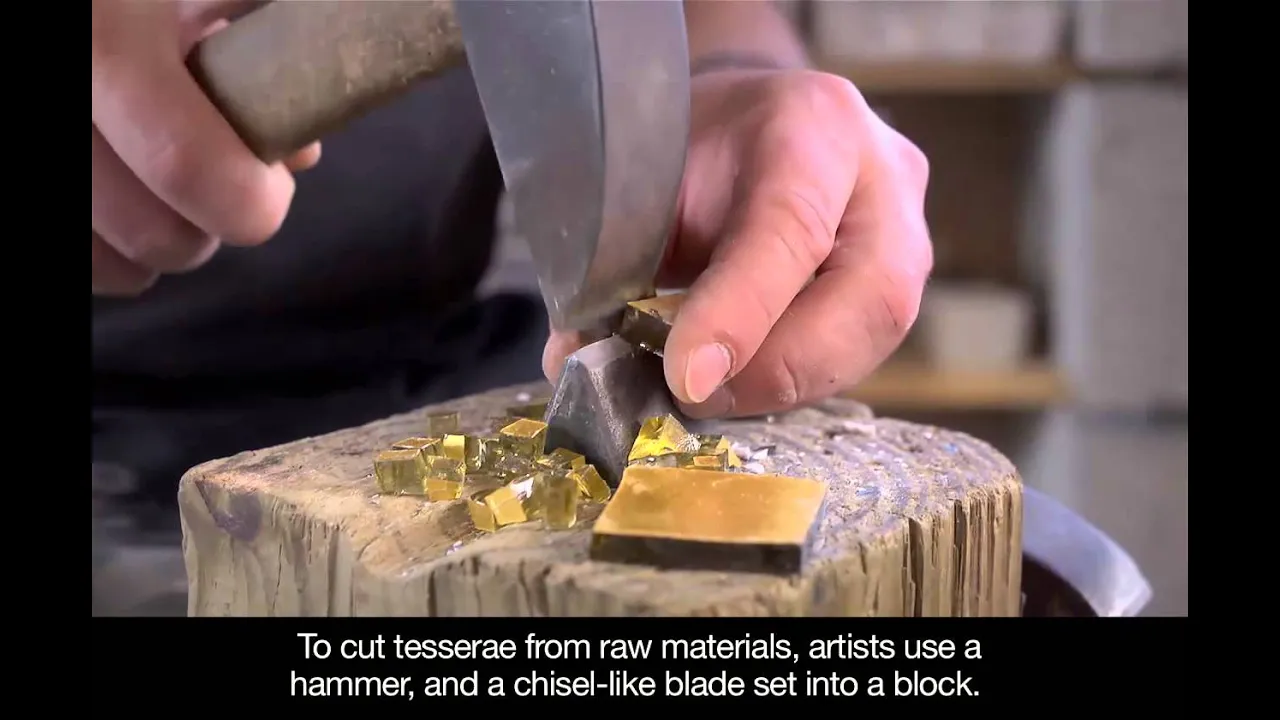
Why this video: This video provides a precise physical breakdown of the complex, multi-layered mortar foundations (statan, rudus, nucleus, and setting bed) required to secure heavy glass and stone mosaics to brick walls. It demonstrates how artists worked in sections on damp plaster, setting tesserae at uneven angles to maximize light refraction.

Why this video: This comprehensive lecture tracks the chronological shift from the Classical Greco-Roman tradition to the stylized, anti-naturalistic tenets of early Byzantine art. It explains the ideological reasons behind this transition, focusing on the drive to depict the spiritual, eternal realm rather than the temporal, physical world.

Why this video: This concise history tracks the critical transition of the mosaic medium as Christianity rose to state prominence. It explains how mosaics migrated from Roman domestic floors (primarily utilizing natural stone) to ecclesiastical walls and vaults, where colored glass and gold leaf captured and reflected light in dim, candlelit interiors.
Module 1 Knowledge Checkpoint
- Explain the structural roles of the statan, rudus, nucleus, and setting bed in supporting Byzantine wall mosaics.
- Describe the physical phenomenon of light reflection achieved by angling tesserae (especially gold-leaf glass) at 15 to 30 degrees within the plaster.
- Detail the theological and aesthetic reasons why Byzantine artists rejected classical linear perspective and volumetric shading in favor of flat, gold-ground representations.
Module 2: The Golden Age of Justinian: Ravenna and Hagia Sophia
This module focuses on the spectacular artistic outpouring of the 6th century under Emperor Justinian I. You will analyze the legendary mosaic programs of Ravenna—specifically the Basilica of San Vitale—to understand how imperial political authority was seamlessly integrated with divine liturgy. You will then examine Constantinople’s Hagia Sophia, evaluating how its revolutionary architecture worked in tandem with expansive, light-filled mosaic surfaces to manifest the "Holy Wisdom" of God on Earth.
Recommended Videos
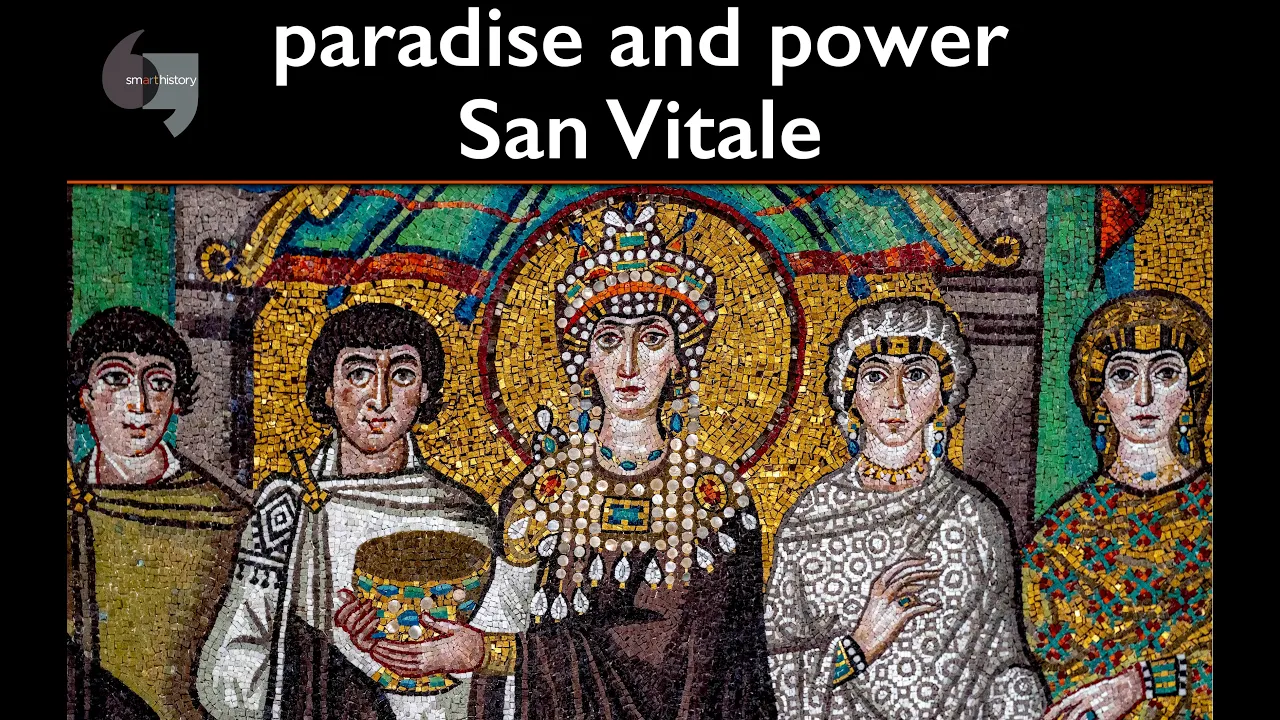
Why this video: A masterful, close-up art-historical analysis of the presbytery mosaics at San Vitale. It unpacks the complex theological themes of Old Testament prefigurations of the Eucharist (Abel, Melchizedek, Abraham) and how they culminate in the adjacent, iconic imperial panels of Justinian and Theodora.

Why this video: This extended webinar offers a deeper, conversational analysis of Ravenna’s unique historical positioning between the Western Roman, Ostrogothic, and Byzantine empires. It explains how the mosaics of San Vitale served as a powerful medium for re-establishing orthodox, imperial Byzantine control over a contested landscape.

Why this video: This video uses architectural rendering to explain the structural ingenuity of Hagia Sophia's main dome. It highlights how the architects pierced the dome's base with forty windows, flooding the golden vault with light and creating the optical illusion that the heavy masonry structure was suspended by a golden chain from heaven.
Module 2 Knowledge Checkpoint
- Analyze how the Justinian and Theodora panels at San Vitale visually assert the concept of caesaropapism (the fusion of imperial and ecclesiastical authority).
- Explain the theological connection between the Old Testament sacrifices of Abel, Melchizedek, and Abraham depicted in the San Vitale presbytery and the liturgical celebration of the Eucharist below.
- Describe the physical and spiritual impact of Hagia Sophia's architecture (specifically the pendentive-supported dome and its ring of windows) on the viewer's perception of the golden mosaics.
Module 3: Iconoclasm and the Middle Byzantine Decorative System
This module addresses the profound crisis of the Iconoclastic Controversy (726–843 CE) and its revolutionary aftermath. You will examine how the defense of holy images led to a sophisticated theological formulation of the icon, establishing a highly standardized, hierarchical system of church decoration. You will trace how this post-iconoclastic system mapped the celestial hierarchy onto the physical zones of the centralized, cross-in-square church (such as Christ Pantokrator in the dome and the Virgin Theotokos in the apse).
Recommended Videos

Why this video: This academic lecture directly covers the standardization of the Middle Byzantine church plan (the cross-in-square) and its corresponding tripartite mosaic decoration hierarchy. It systematically analyzes how the architecture is divided into the celestial zone (dome/vaults), the intermediate zone (squinches/upper walls for feast scenes), and the terrestrial zone (piers/lower walls for saints).

Why this video: This video analyzes the majestic 9th-century mosaic of the Virgin and Child (Theotokos) in the main apse of Hagia Sophia. It explains the historical and theological weight of this image, which was unveiled in 867 CE as the first major figural mosaic erected in the cathedral following the final defeat of Iconoclasm.

Why this video: This segment illustrates the stark aesthetic shift that occurred during the heights of Iconoclasm, focusing on the surviving aniconic program of Hagia Irene in Constantinople. You will observe how figural imagery was violently stripped away and systematically replaced with a singular, massive plain cross in the apse as a statement of pure, non-idolatrous Christian devotion.
Independent Research Note: The Sights of Daphni and Hosios Loukas
Coverage Gap: While the recommended videos offer excellent overviews of the Middle Byzantine system, the video pool lacks dedicated, deep art-historical walk-throughs of the foundational mosaic programs at Daphni Monastery and Hosios Loukas.
Actionable Search Guidance: To master this module, conduct independent research on Google or YouTube using these queries:
- "Daphni Monastery mosaics iconography Smarthistory"
- "Hosios Loukas mosaic program and architecture"
- Pay close attention to the visual geometry of the Christ Pantokrator in the dome of Daphni and how its stern, linear style reflects post-iconoclastic theological discipline.
Module 3 Knowledge Checkpoint
- Detail the theological argument presented by the Seventh Ecumenical Council (787 CE) that justified the portrayal of Christ in physical icons based on the doctrine of the Incarnation.
- Map the tripartite decorative hierarchy of a Middle Byzantine church, specifying which holy figures or scenes belong to the high, middle, and low registers.
- Contrast the visual ideology of the aniconic apse cross of Hagia Irene with the post-iconoclastic figural apse mosaic of the Theotokos in Hagia Sophia.
Module 4: The Palaiologan Renaissance: Narrative and Emotion
This module explores the final artistic flourish of the Byzantine Empire under the Palaiologos dynasty (1261–1453 CE). You will study how late Byzantine artists broke away from the rigid, monumental strictness of the Middle Byzantine period, embracing a new wave of humanism, dynamic narrative pacing, and emotional expression. Through close examination of the Chora Church (Kariye Camii) and the Deësis mosaic of Hagia Sophia, you will analyze how these late masterpieces synthesized classical motifs with profound theological reflection on salvation and human mortality.
Recommended Videos
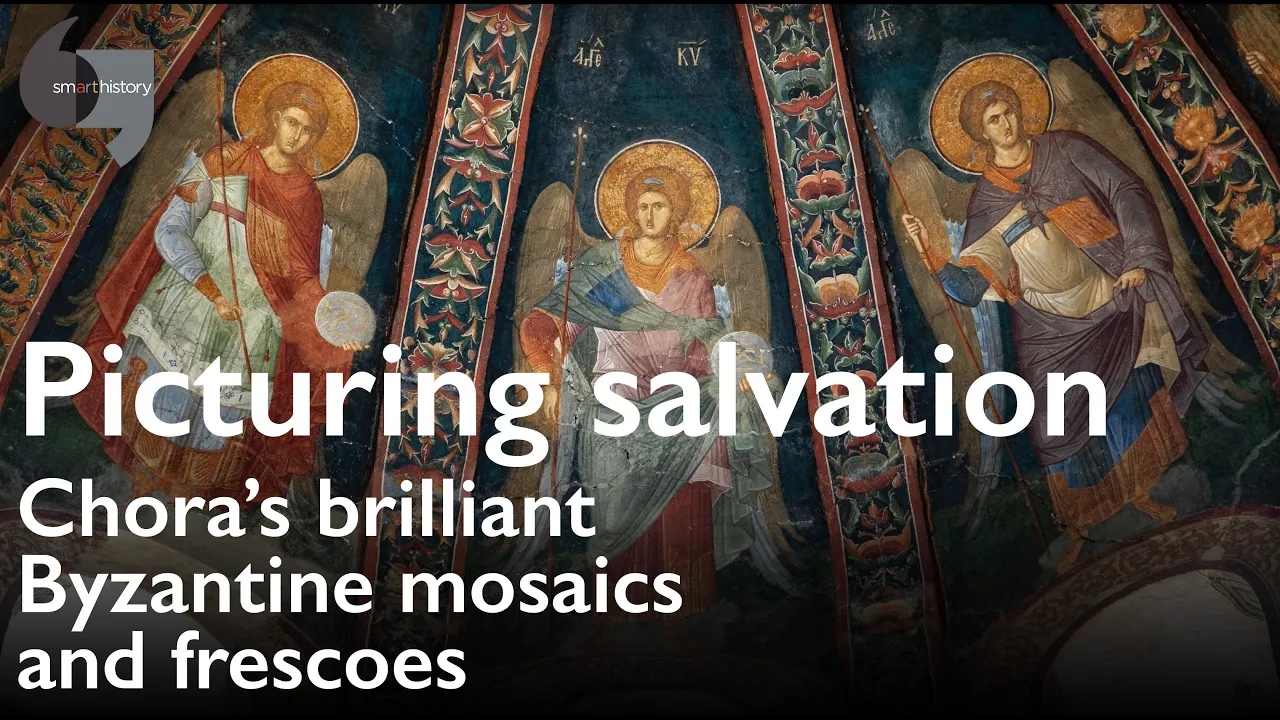
Why this video: An exceptional analysis of the Chora Church’s mosaic program, funded by the humanist scholar and patron Theodore Metochites. The video highlights the unique Palaiologan style: slender figures, complex spatial backdrops, dynamic movement, and a deeply emotional focus on the narratives of the Virgin Mary and Christ.

Why this video: A focused look at the pinnacle of Palaiologan mosaic artistry: the Deësis mosaic in Hagia Sophia. The video demonstrates how the incredibly fine, microscopic placement of tesserae allowed for unprecedented tonal modeling, emotional nuance in Christ's face, and a powerful sense of human intimacy.
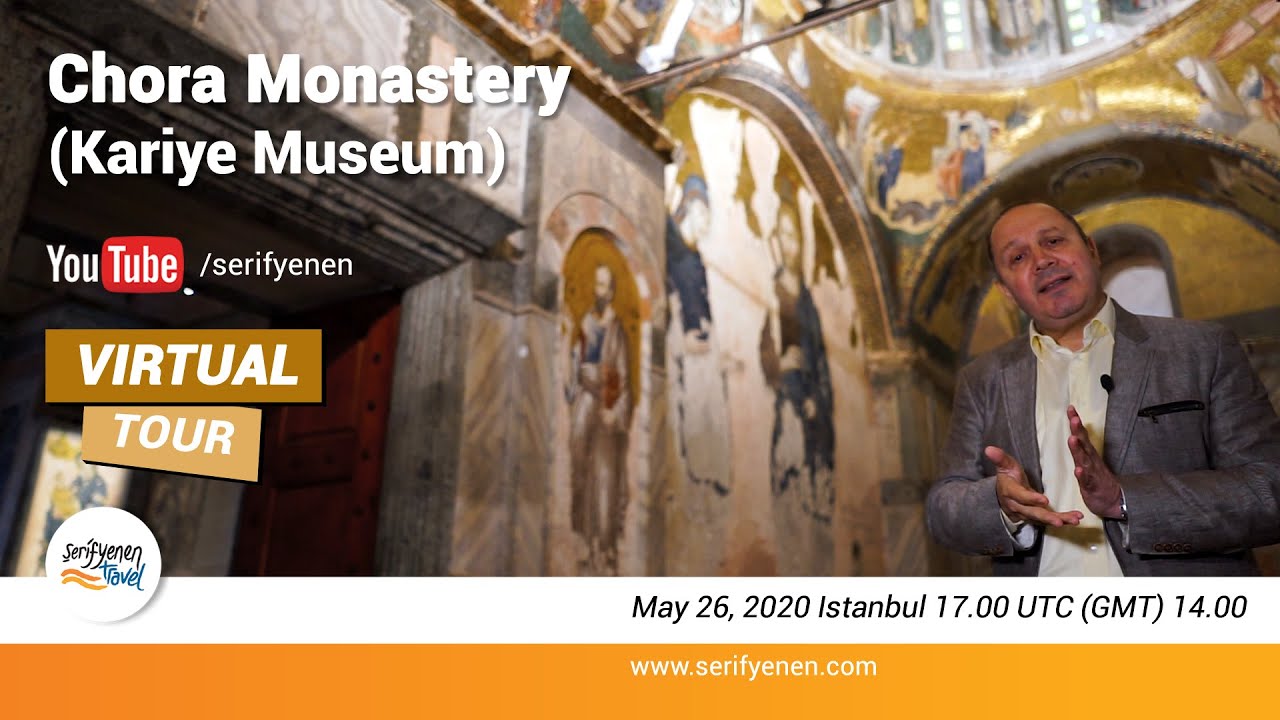
Why this video: This highly detailed virtual tour walks through the narthexes of the Chora Church, providing a comprehensive spatial context for the mosaics. It shows how the expansive narratives of Christ's genealogy, infancy, and miracles wrap around the physical architecture of vaults, lunettes, and arches.
Module 4 Knowledge Checkpoint
- Define the stylistic characteristics of the "Palaiologan Renaissance," comparing its treatment of human emotion and spatial depth to earlier Byzantine periods.
- Explain the theological and iconographic function of the Deësis motif (Christ flanked by the Virgin Mary and John the Baptist) as an intercessory prayer for humanity.
- Analyze the role of Theodore Metochites as an intellectual patron, explaining how his humanist sensibilities shaped the narrative program of the Chora Church.
Module 5: Liturgical Integration and Theological Function
In this final, synthesizing module, you will explore how Byzantine mosaics functioned not as passive, flat illustrations on a wall, but as active participants in the physical space of the church and the sensory flow of the Eastern Orthodox liturgy. Drawing on the spatial and phenomenological theories of art historians like Otto Demus, you will analyze how curved architectural surfaces (conches, domes, and squinches) projected divine presence directly into the three-dimensional space of the nave, bridging the gap between the earthly worshiper and the heavenly hierarchy.
Recommended Videos

Why this video: This unique academic presentation explores how light and acoustic resonance operated in tandem within Hagia Sophia. It documents how sunlight shifted across the gilded mosaics during the course of the day, showing how the physical environment was intentionally designed to create an immersive, ever-shifting heavenly liturgy.

Why this video: This video presents a deep theological investigation into the Eastern Orthodox understanding of sacred images. It explains how icons and mosaics are treated as "windows to heaven" and liturgical interfaces, directly manifesting the divine presence to the gathered congregation during the liturgy.
Why this video: Professor Agapitos explains how the three-dimensional structural architecture of the Byzantine church (cross-and-dome) functions as a coherent cosmic model. The lecture details how the spatial volume of the building acts as a physical bridge between the flat, transcendental mosaic surfaces and the liturgical actions of the clergy on the floor of the nave.
Academic Theory Note: Otto Demus's "Space as Medium"
Coverage Gap: The video pool does not contain direct references to the seminal work of art historian Otto Demus (specifically his landmark 1948 book Byzantine Mosaic Decoration).
The Core Concept: Demus proposed that the Byzantine church interior was designed as a single, unified "icon." Unlike Western Renaissance paintings, which treat the frame as a window into a separate, distant three-dimensional space, Byzantine wall mosaics utilize the real, physical space of the church as their medium.
When a mosaic of a saint is placed on a curved squinch or vault, the curved surface projects the image forward into the room. The gold ground does not represent a deep background, but rather an active wall of light that surrounds the viewer. The physical space between the mosaic and the viewer is filled with the scent of incense, the sound of chanting, and the flickering of candles, making the sacred figure a living, breathing participant in the liturgy.
Actionable Search Guidance: Search for "Byzantine mosaic space liturgy Otto Demus" on Google Scholar or JSTOR to read short articles or chapters on this crucial phenomenological concept.
Module 5 Knowledge Checkpoint
- Contrast the Western Renaissance concept of the "picture plane as a window" with Otto Demus's theory of the Byzantine "picture plane as an interactive medium."
- Explain how moving, non-static light sources (such as oil lamps and candles) physically interact with gold-ground mosaics to create an illusion of movement and divine presence.
- Analyze how the movement of priests and the laity during the Eastern Orthodox Divine Liturgy aligns with the visual arrangement of the mosaic registers.
Course Map
Key People Index
- Emperor Justinian I (482–565 CE): Eastern Roman Emperor whose vast territorial reconquests and ambitious state patronage initiated the first "Golden Age" of Byzantine art and architecture, funding monuments such as the Hagia Sophia and Ravenna's basilicas.
- Theodore Metochites (1270–1332 CE): Grand Logothete (prime minister) under Emperor Andronikos II Palaiologos. A brilliant intellectual, humanist scholar, and poet, he personally funded and designed the sophisticated, complex mosaic and fresco program of the Chora Church.
- Thomas Whittemore (1871–1950 CE): Renowned American scholar and archaeologist who founded the Byzantine Institute of America. He dedicated his life to uncovering, consolidating, and conserving the monumental, plaster-covered mosaics of Hagia Sophia in the 1930s.
- Otto Demus (1902–1990 CE): Pioneering Austrian art historian whose ground-breaking theoretical work formulated the concept of "monumental painting" in Byzantium, demonstrating how mosaics are structurally and phenomenologically integrated with medieval church architecture.
Final Self-Assessment
Complete this comprehensive self-assessment to verify your mastery of the historical, technical, and theological aspects of Byzantine mosaics:
- I can explain the physical process of creating tesserae from colored glass cakes (smalti) and applying them to multi-layered wet plaster.
- I can describe how the physical angling of gold tesserae creates a shimmering optical effect under shifting, candlelit lighting conditions.
- I can contrast the political, imperial iconography of the Justinian and Theodora panels at San Vitale with the purely sacred imagery of the church's presbytery vault.
- I can explain the structural and aesthetic impact of the 40 dome-base windows of Hagia Sophia on its interior gold-ground mosaics.
- I can analyze the iconoclastic crisis of the 8th and 9th centuries, explaining how the defense of icons relied on a specific theology of Christ’s Incarnation.
- I can map the entire three-dimensional decorative system of a Middle Byzantine cross-in-square church and justify the placement of the Christ Pantokrator at its apex.
- I can outline the stylistic developments of the "Palaiologan Renaissance," specifically citing how narrative pacing, human emotion, and architectural backgrounds evolved.
- I can detail the theological meaning of the Deësis mosaic and explain how its fine tesserae placement allowed for classical modeling of faces.
- I can articulate Otto Demus's phenomenological theory of Byzantine "space-as-medium" and explain why Byzantine mosaics do not use Western linear perspective.
- I can describe how the scent of incense, choral music, and liturgical processions work in harmony with the spatial placement of mosaics to create an immersive, sacred experience.