Tenebrism: Caravaggio & Baroque Dissemination
Learning Goal: Analyze the development of tenebrism and the dramatic Caravaggiesque style in 17th-century Europe, tracing its dissemination from Rome to Spain and the Netherlands.
- Prerequisites: None (a basic familiarity with the Italian Renaissance is helpful but not required).
- Estimated Total Study Time: 12 hours
Module 1: Foundations of Baroque Art and Light
This module introduces the profound shift from the balance, symmetry, and poise of the High Renaissance to the emotional, dynamic, and theatrical world of the Baroque period. You will master the formal distinction between Chiaroscuro (the gradual modeling of light and shadow to create 3D volume) and Tenebrism (the dramatic, high-contrast spotlighting against pitch-black backgrounds that defines the Counter-Reformation aesthetic).
Recommended Videos
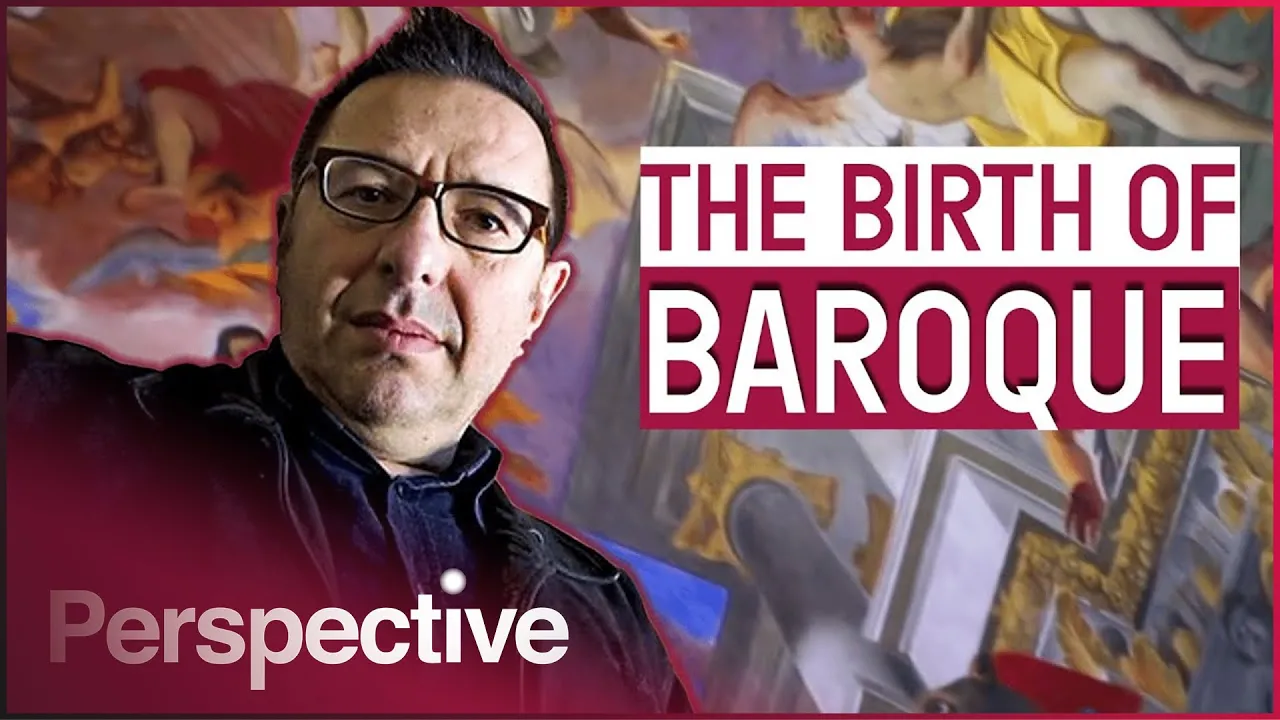
Why this video
This documentary, hosted by art critic Waldemar Januszczak, provides a deep, immersive analysis of 17th-century Rome as the crucible of the Baroque. It details how the Catholic Counter-Reformation weaponized art to evoke direct, overwhelming emotional reactions from viewers, setting the socio-political stage for Caravaggio's dramatic light experiments.
Knowledge Checkpoint
- Understand the role of the Council of Trent in promoting highly emotional, narrative-driven religious art.
- Explain how Roman artists rejected Mannerist artificiality in favor of immediate, visceral compositions.
- Identify key architectural and visual shifts that transformed Rome into a theatrical stage for spiritual renewal.

Why this video
This video offers a clear, side-by-side formal comparison between the Renaissance and Baroque movements. By contrasting works of sculpture and painting (such as Bernini's and Michelangelo's respective depictions of David), it highlights the fundamental structural shifts from stability to dynamic motion.
Knowledge Checkpoint
- Differentiate between the calm, self-contained "closed form" of Renaissance art and the dynamic, outward-reaching "open form" of Baroque art.
- Describe how diagonal compositions are used in Baroque painting to create a sense of ongoing action.
- Explain the concept of "co-extensive space," where the art actively breaches the boundary of the frame to engage the viewer.
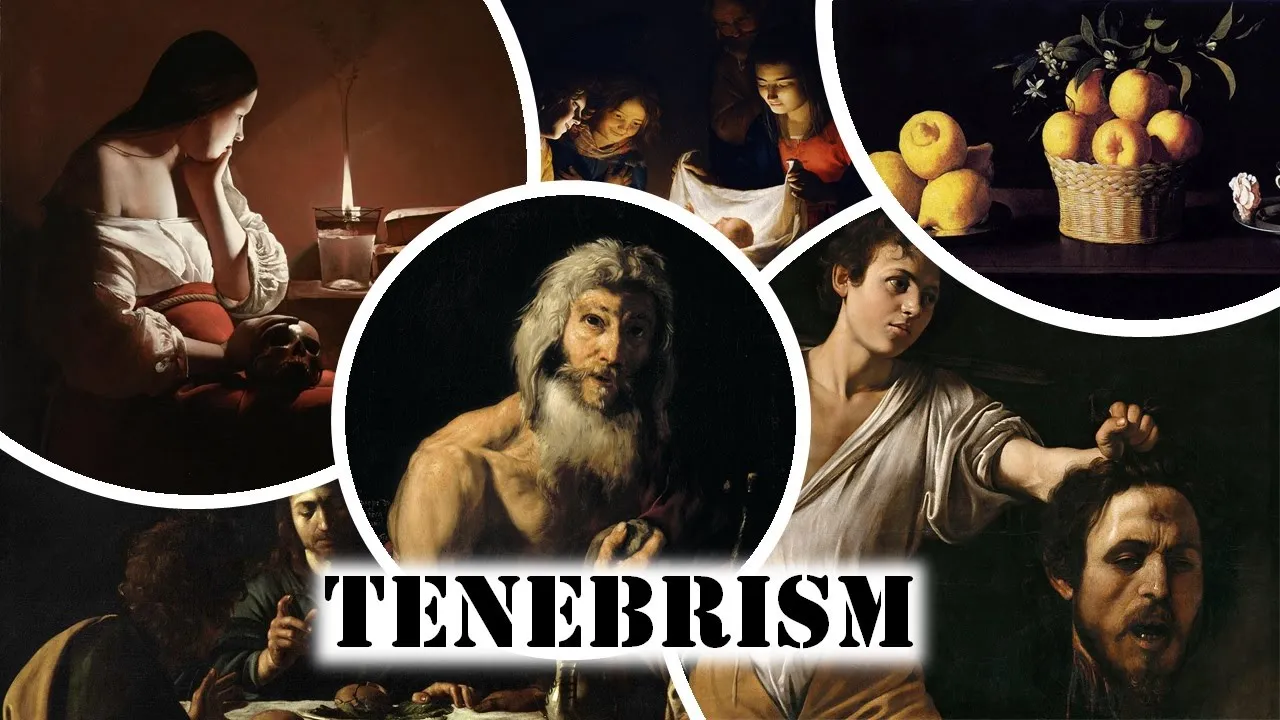
Why this video
This quick, precise explainer cuts through common terminology confusion by explicitly defining and contrasting Chiaroscuro (light-dark modeling) with Tenebrism (extreme, pitch-black shadowing).
Knowledge Checkpoint
- Define the linguistic roots of chiaro (clear/light) and oscuro (obscure/dark).
- Explain why tenebrism is sometimes called "pitch-black lighting" and how it differs from standard chiaroscuro modeling.
- Identify the psychological impact of a completely darkened background on a viewer's focus.
Module 2: Caravaggio: The Master of Shadow
Explore the turbulent life and revolutionary artistic practices of Michelangelo Merisi da Caravaggio. This module traces his arrival in Rome, his rejection of traditional academic underdrawings in favor of direct painting (alla prima), and his radical decision to cast street beggars, courtesans, and laborers as saints and holy figures.
Recommended Videos
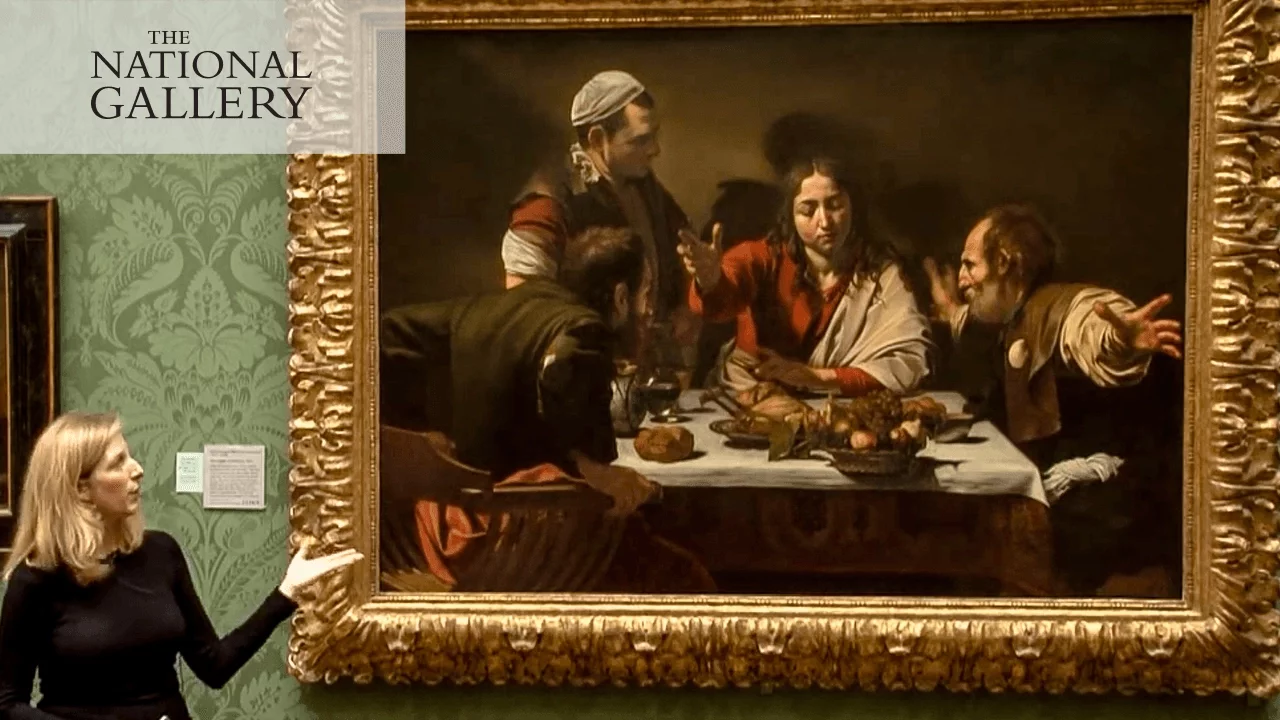
Why this video
This highly viewed lecture from the National Gallery explores Caravaggio’s evolution. It details how he shifted from painting soft, brightly lit allegorical figures and still-lifes to masterminding dark, high-contrast, deeply humanistic religious commissions that scandalized and captivated Rome.
Knowledge Checkpoint
- Trace Caravaggio’s career trajectory from a penniless assistant in Roman workshops to a highly sought-after painter of religious commissions.
- Explain why Caravaggio's gritty naturalism—such as painting dirty feet and realistic decay—was both praised and rejected by church patrons.
- Identify how Caravaggio used absolute blacks to frame and heighten the dramatic tension of a scene.
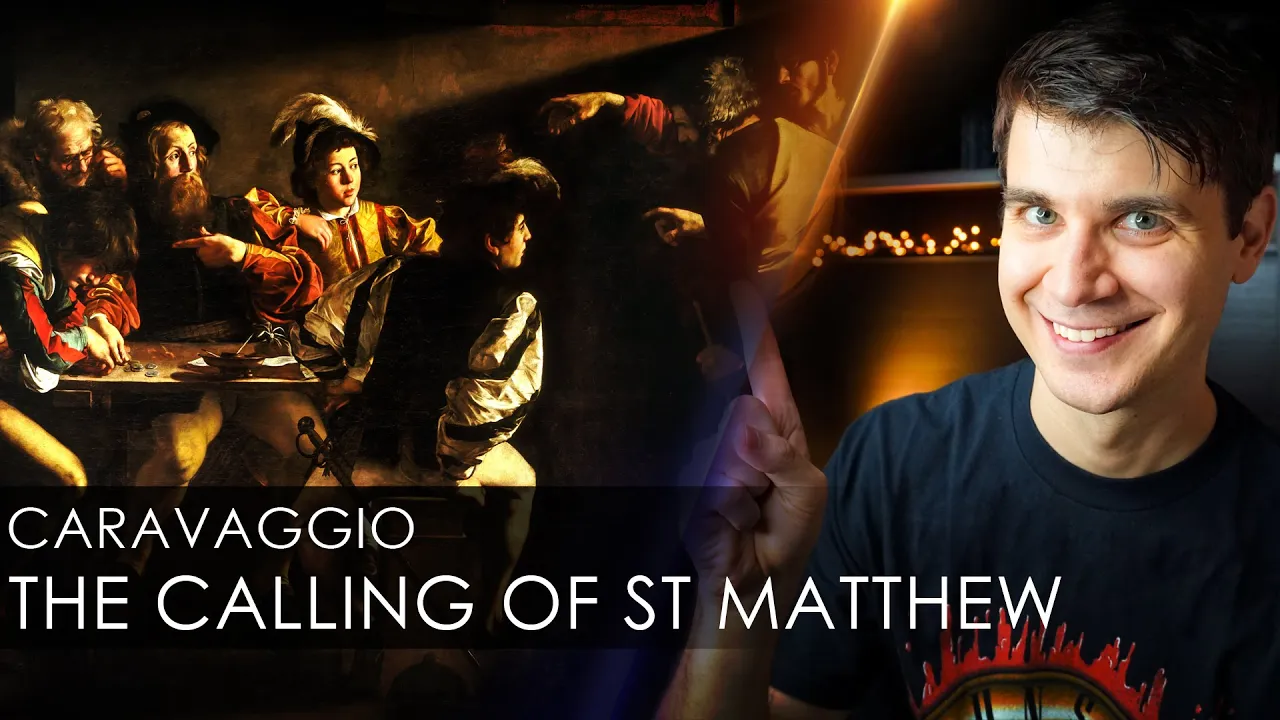
Why this video
This video provides an in-depth visual and structural breakdown of The Calling of Saint Matthew (Contarelli Chapel, Rome). It demonstrates how Caravaggio utilized a single, slanting beam of light to guide the viewer’s eye and symbolize divine intervention.
Knowledge Checkpoint
- Explain how the light source in The Calling of Saint Matthew mirrors the physical window structure of the Contarelli Chapel.
- Analyze the theological symbolism of the light striking Matthew's face, contrasting it with the shadowed figures ignoring Christ.
- Identify the visual reference Caravaggio makes to Michelangelo's Sistine Chapel in Christ's hand gesture.

Why this video
Using modern high-resolution imaging and technical art history, this video reveals how Caravaggio constructed his paintings. It details his use of dark undercoats, incisions made with his brush handle, and his lack of preparatory drawings.
Knowledge Checkpoint
- Explain the concept of a dark double-ground (using ochre, umber, and calcite) and how it allowed Caravaggio to paint from dark to light.
- Describe how Caravaggio used physical incisions in wet paint to map out compositions without drawing on the canvas.
- Discuss the physical advantages and challenges of painting alla prima (wet-on-wet) in a darkened studio environment.
Module 3: Spreading the Flame: The Italian Caravaggisti
As Caravaggio's fame grew, a wave of followers—the Caravaggisti—adopted his style. This module highlights the dissemination of Caravaggism within Italy, focusing heavily on Artemisia Gentileschi, the most accomplished female painter of the Baroque, who transformed tenebrism into a vehicle for unmatched psychological intensity and physical realism.
Recommended Videos

Why this video
Produced by Smarthistory, this concise and scholarly analysis of Artemisia Gentileschi’s Judith Slaying Holofernes demonstrates how she adapted Caravaggio's tenebrist framework. The analysis highlights her use of diagonal composition, foreshortening, and unflinching, realistic violence.
Knowledge Checkpoint
- Contrast Artemisia's depiction of Judith’s physical exertion and focus with Caravaggio’s earlier, more detached version of the same scene.
- Explain how the deep, impenetrable black background isolates and intensifies the central action.
- Describe the geometric configuration of the composition, particularly the use of intersecting diagonals to lock the figures together.

Why this video
This profile traces Artemisia Gentileschi’s international career, illuminating how she traveled between major art hubs—including Rome, Florence, Venice, Naples, and London—spreading and adapting the Caravaggiesque style to local tastes.
Knowledge Checkpoint
- Understand Artemisia's training under her father, Orazio Gentileschi, and how she departed from his softer, more lyrical interpretation of light.
- Discuss her historic achievement as the first woman admitted to the Accademia delle Arti del Disegno in Florence.
- Identify how she tailored her high-contrast style to depict legendary and biblical women possessing agency and psychological depth.
Why this video
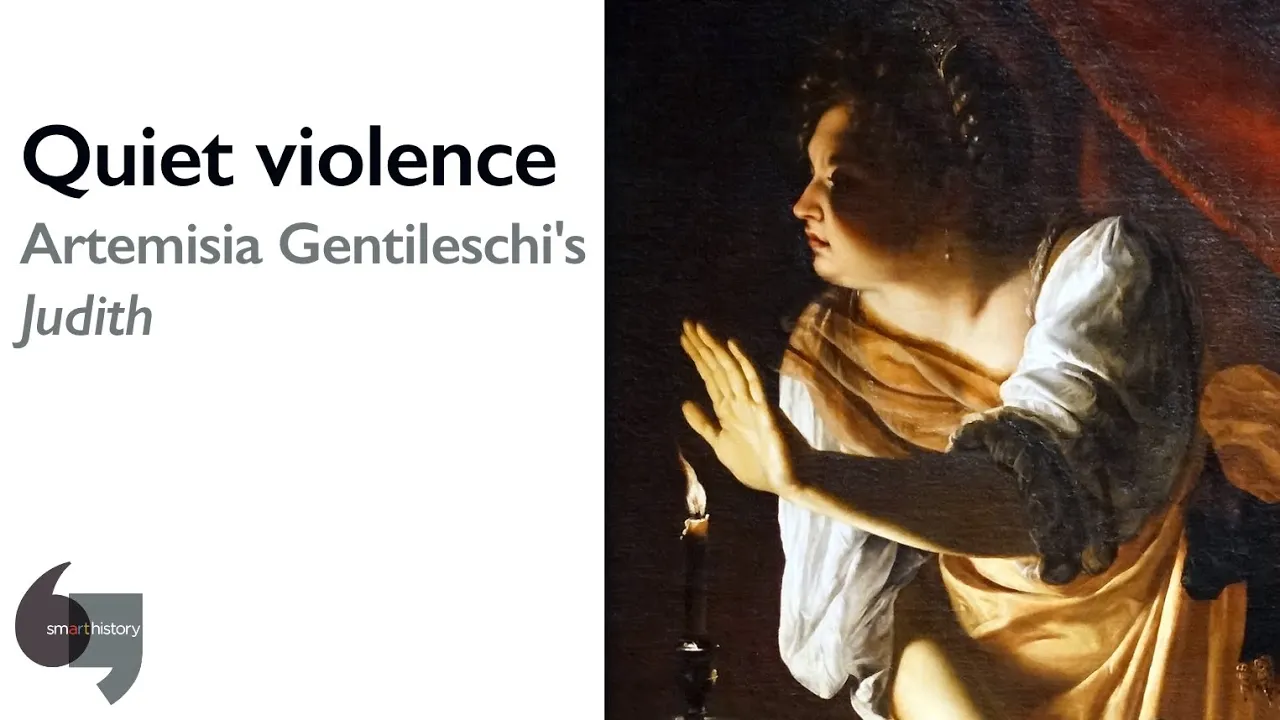
Analyzing Gentileschi’s later masterpiece, Judith and Her Maidservant with the Head of Holofernes (Detroit Institute of Arts), this video demonstrates how late-period Caravaggisti shifted from violent action to suspense, using candlelit tenebrism to freeze a moment in time.
Knowledge Checkpoint
- Explain how the single candlelight source, partially shielded by a hand, constructs a dramatic sense of psychological suspense and silence.
- Analyze the color palette shifts in Gentileschi's late work, showing how tenebrism accommodates rich golds, deep reds, and cold blues.
- Trace how the "quiet violence" of anticipation replaced the overt, kinetic violence of her earlier paintings.
Module 4: Spanish Tenebrism and the Golden Age
Tenebrism found incredibly fertile soil in Seville and Naples (then under Spanish rule). This module analyzes how Spanish painters integrated Caravaggio’s lessons into their own intensely Catholic culture, emphasizing ascetic self-denial and martyrly suffering. We trace this style from Jusepe de Ribera's visceral realism to Diego Velázquez's early Seville-period bodegones (tavern scenes).
Pedagogical Note on Video Coverage: Video analysis on early Spanish Golden Age tenebrism is historically moderate. To deepen your understanding of this module, we highly recommend researching Francisco de Zurbarán's Saint Serapion (1628) and early Diego Velázquez works such as The Waterseller of Seville (1618) to study how deep blacks were utilized to sculpt absolute isolation.
Recommended Videos
Why this video
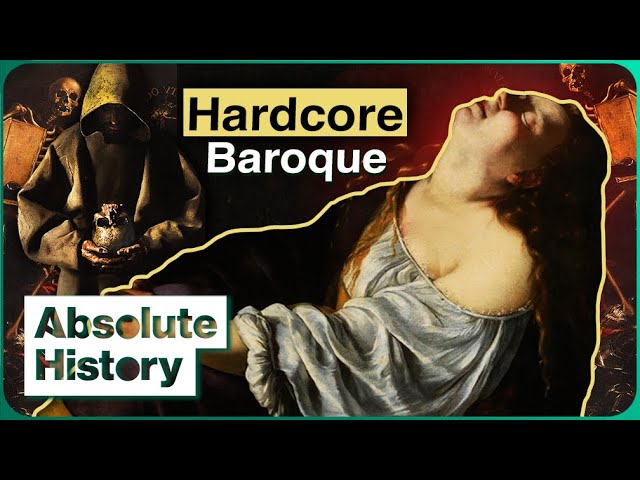
This documentary details the intense Catholic mysticism and extreme political pressures that shaped the Spanish Baroque. It explains why Spanish royalty and monastic orders embraced Caravaggism's unflinching realism to visually convey holy suffering and divine ecstasy.
Knowledge Checkpoint
- Explain the relationship between Spanish Catholic mysticism (e.g., Saint Teresa of Ávila) and the absolute realism of Spanish Baroque painting.
- Discuss how tenebrism was used to make physical martyrdom look immediate, tangible, and visually striking to ordinary worshipers.
- Understand the role of Seville as a commercial and artistic hub where painters initially encountered imported Italian Caravaggiesque styles.

Why this video
This video breaks down Jusepe de Ribera's (Lo Spagnoletto) mastery. Ribera was a Spanish-born painter who worked in Naples and became a central conduit of Italian tenebrism into Spain. The analysis demonstrates his synthesis of extreme, raw physical detail with Baroque composition.
Knowledge Checkpoint
- Explain how Ribera adapted tenebrism by combining heavy, dark shadows with bright, open Spanish skies.
- Describe how Ribera painted skin, muscle strain, and aging bodies with absolute, gritty physical realism.
- Trace how Ribera's works were collected by Spanish viceroys and shipped back to Spain, directly influencing the next generation of Spanish artists.

Why this video
Before becoming the official court painter in Madrid, Diego Velázquez worked in Seville, crafting heavily shadowed bodegones (tavern scenes) and genre paintings. This Smarthistory analysis of Los Borrachos (The Triumph of Bacchus) shows how he applied Caravaggiesque lighting and peasant naturalism to high mythological subjects.
Knowledge Checkpoint
- Define the bodegón genre in Spanish art and how it relates directly to Caravaggio’s early genre paintings.
- Analyze the contrast between the idealized, lit figure of Bacchus and the heavily shadowed, weathered faces of the Spanish peasants.
- Explain how Velázquez uses direct lighting to make three-dimensional, everyday objects—like clay jugs and wine bowls—pop out from dark grounds.
Module 5: Northern Caravaggism and the Dutch Golden Age
Our journey culminates in Northern Europe. This module traces how Dutch artists traveled to Rome, witnessed Caravaggio's work, and brought tenebrism back to the protestant Netherlands. You will explore how the Utrecht School (led by Gerrit van Honthorst) popularized secular, candlelit night scenes, and how Rembrandt van Rijn ultimately transformed these techniques into a vehicle for deep psychological exploration.
Pedagogical Note on Video Coverage: Video coverage on specific Utrecht Caravaggisti like ter Brugghen and Honthorst is historically limited. To supplement this module, independent searches for high-resolution gallery tours of Hendrick ter Brugghen’s The Calling of St. Matthew (1621) are recommended to see how the Dutch reformatted Roman compositions.
Recommended Videos
Why this video
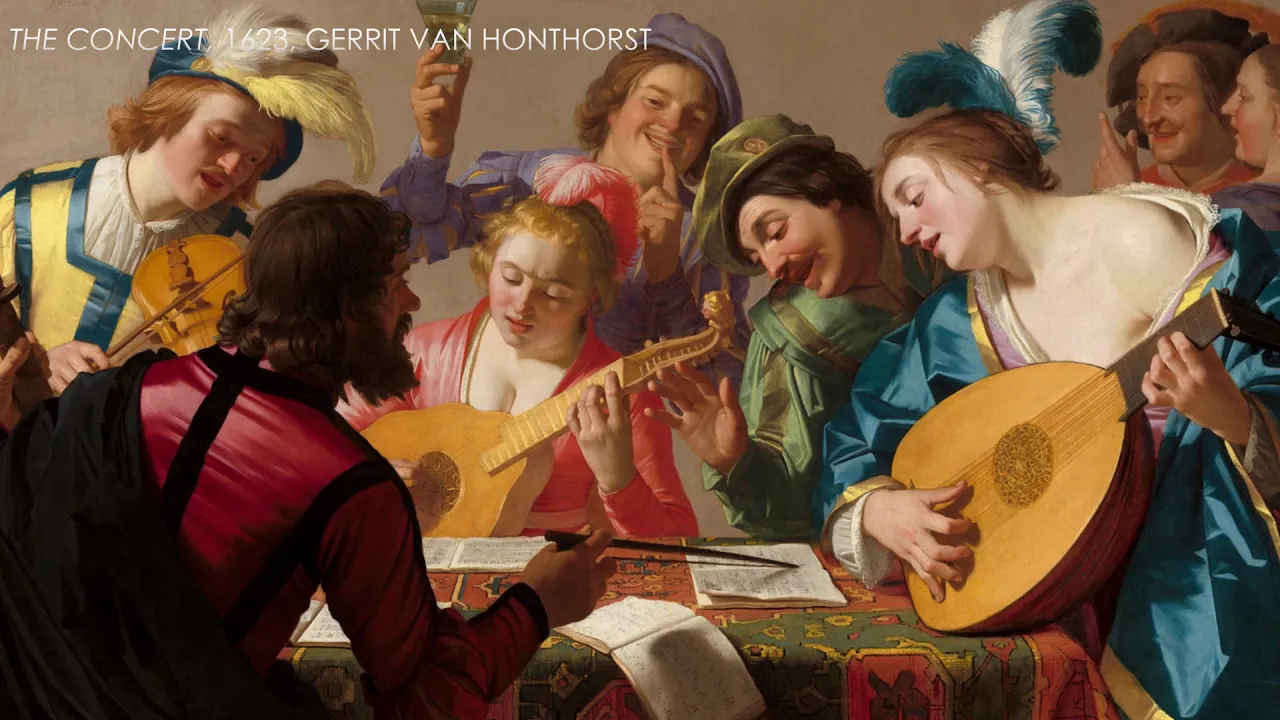
This academic presentation traces the lineage of Northern Caravaggism. It explains how Dutch painters from Utrecht (a heavily Catholic enclave in the Protestant Netherlands) spent years in Rome copying Caravaggio’s canvases before returning home to establish a distinct, localized Northern school.
Knowledge Checkpoint
- Identify Gerrit van Honthorst and Hendrick ter Brugghen and discuss their role in bringing Roman tenebrism to the North.
- Explain how Utrecht painters adapted Caravaggio's sacred themes into highly secular, merrymaking, and musical scenes (e.g., lute players and tavern goers).
- Describe the typical "Utrecht style" of hiding the light source (such as a candle hidden behind a hand or a glass) to produce dramatic silhouettes.

Why this video
This lecture from the Yale University Art Gallery details the transition from Late Northern Mannerism to early Caravaggism in Utrecht, focusing on the master painter Abraham Bloemaert and how his pupils (including Honthorst) brought back radical, slanting shadows from Italy.
Knowledge Checkpoint
- Understand the shift from Mannerist anatomical exaggeration to Caravaggiesque naturalism in Utrecht art.
- Identify how Caravaggio's strong, slanting light was utilized to paint ordinary working-class men with "seeming artlessness."
- Discuss the pedagogical influence of the Utrecht School on the wider Dutch Golden Age.

Why this video
In this classic presentation, the host demonstrates Rembrandt’s painting techniques. It provides historical context on how Rembrandt adapted the imported chiaroscuro tradition, substituting Caravaggio’s hard, dramatic spotlights with soft, golden, atmospheric warmth to construct deep psychological spaces.
Knowledge Checkpoint
- Describe the difference between Caravaggio’s sharp, theatrical "spotlight" and Rembrandt’s atmospheric, golden "glowing" shadows.
- Discuss how Northern Europe’s long winter nights and domestic candlelit environments naturally reinforced the demand for dark-scene paintings.
- Explain how Rembrandt utilized heavy dark grounds to pull deep psychological expressions out of the shadows.
Course Map
This flowchart maps your journey, showing the geographical and stylistic pathways through which Caravaggio's revolutionary use of shadow swept across Europe.
Key People Index
| Person | Context & Art Historical Significance |
|---|---|
| Michelangelo Merisi da Caravaggio | The revolutionary pioneer of Tenebrism; rejected academic drawing to paint alla prima directly from life, using street-level naturalism and intense shadows. |
| Artemisia Gentileschi | Preeminent Italian Caravaggisti painter; translated tenebrism into visceral narrative violence and psychological tension with a focus on powerful female agency. |
| Waldemar Januszczak | Prominent British art critic and host who details the cultural, structural, and political landscape of the Counter-Reformation Baroque. |
| Jusepe de Ribera | Known as Lo Spagnoletto; worked in Spanish-controlled Naples, merging Caravaggio’s dark grounds with gritty realism and Spanish devotional themes. |
| Diego Velázquez | Master of the Spanish Golden Age; began his career in Seville painting heavily shadowed bodegones (tavern scenes) using Caravaggiesque modeling. |
| Gerrit van Honthorst | Leading Utrecht Caravaggist; specialized in copying Caravaggio's light in Rome, returning to Holland to popularize nocturnal, candlelight-lit genre paintings. |
| Rembrandt van Rijn | The pinnacle of Dutch Golden Age chiaroscuro; softened high-contrast Italian tenebrism into deep, atmospheric, psychologically loaded golden shadows. |
Final Self-Assessment
Review the checklist below to verify your mastery of Caravaggiesque Tenebrism and its European dissemination:
- Can you explain the precise technical difference between Chiaroscuro (modeling volume) and Tenebrism (dramatic spotlighting against pitch-black backgrounds)?
- Do you understand the Counter-Reformation's motives in utilizing Caravaggio's theatrical, emotional, and grittily realistic style?
- Can you explain Caravaggio’s alla prima paint technique, including his dark double-grounds and his use of composition incisions instead of underdrawings?
- Can you identify 3 defining visual characteristics of The Calling of Saint Matthew in the Contarelli Chapel?
- How did Artemisia Gentileschi adapt Caravaggio's tenebrist templates to inject psychological depth into her works?
- What is the compositional significance of the single candlelight source in Gentileschi's later works (e.g., Judith and Her Maidservant)?
- How did Jusepe de Ribera modify Italian tenebrism to suit Spanish tastes for realistic, devotional martyrdom?
- What is a Spanish bodegón, and how does Diego Velázquez's early Seville work reflect Caravaggio's influence?
- How did the Utrecht Caravaggisti adapt Italian religious compositions into secular Dutch merrymaking and tavern scenes?
- Contrast Caravaggio's hard, theatrical spotlight with Rembrandt's warm, atmospheric, and psychological golden shadows.