Regenerative Braking (Supercapacitor DIY Model)
Learning Goal: Design and build a working regenerative braking system model for a small vehicle, optimizing energy recovery and storage using a supercapacitor circuit.
Prerequisites
- Basic high school physics (algebra-level electromagnetism and kinetic energy equations)
- Fundamental electronics familiarity (resistors, diodes, capacitors, and basic breadboarding)
- Standard hand tools and a digital multimeter (DMM)
Estimated Total Study Time: 16 Hours
Module 1: Foundations of Motors and Generators
This module establishes the core electromagnetism principles that make regenerative braking possible. You will learn the mechanical-to-electrical energy conversion process by studying how a DC motor operates, the physics of the Lorentz Force, Faraday's Law of Electromagnetic Induction, and the counteractive effects described by Lenz's Law.
Recommended Videos
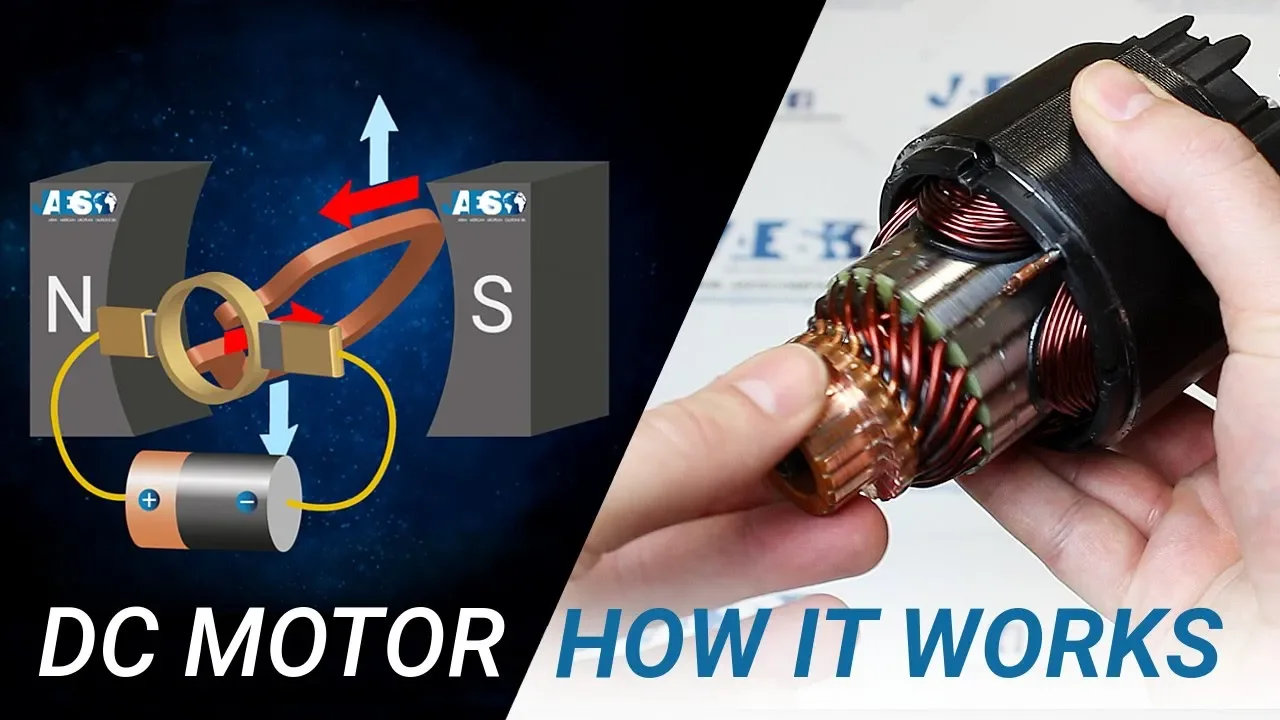
Why this video
This 3D animation provides a clear visual explanation of how a DC motor operates using the Lorentz Force principle. Seeing the electromagnetic field interact with the armature is crucial for conceptualizing what happens when we reverse this process to generate electricity.
Why this video
To harvest energy from motion, you must master the mathematical and physical laws of induction. This academic lecture breaks down Faraday's Law () and Lenz's Law, helping you calculate and anticipate how magnetic flux changes create electric potential.

Why this video
This video demonstrates the practical conversion of a standard DC motor into a generator. It shows that spinning the motor shaft mechanically produces measurable DC voltage, bridging the gap between theoretical physics and hands-on maker projects.
Knowledge Checkpoint
- Explain how a permanent magnet DC motor transitions from consuming electrical energy to generating it.
- State Faraday's Law and write out its primary formula, identifying each variable.
- Describe Lenz's Law and explain why the induced current opposes the change in magnetic flux (and how this produces a braking force).
- Demonstrate how to measure the open-circuit output voltage of a hand-spun DC motor using a multimeter.
Module 2: Supercapacitor Energy Storage
Before looking at vehicle physics, you must understand the storage medium. Supercapacitors (or Electric Double-Layer Capacitors - EDLCs) are uniquely suited for regenerative braking due to their high power density and rapid charge/discharge rates. This module covers supercapacitor physics, how they compare to chemical batteries, and how to safely charge them.
Recommended Videos
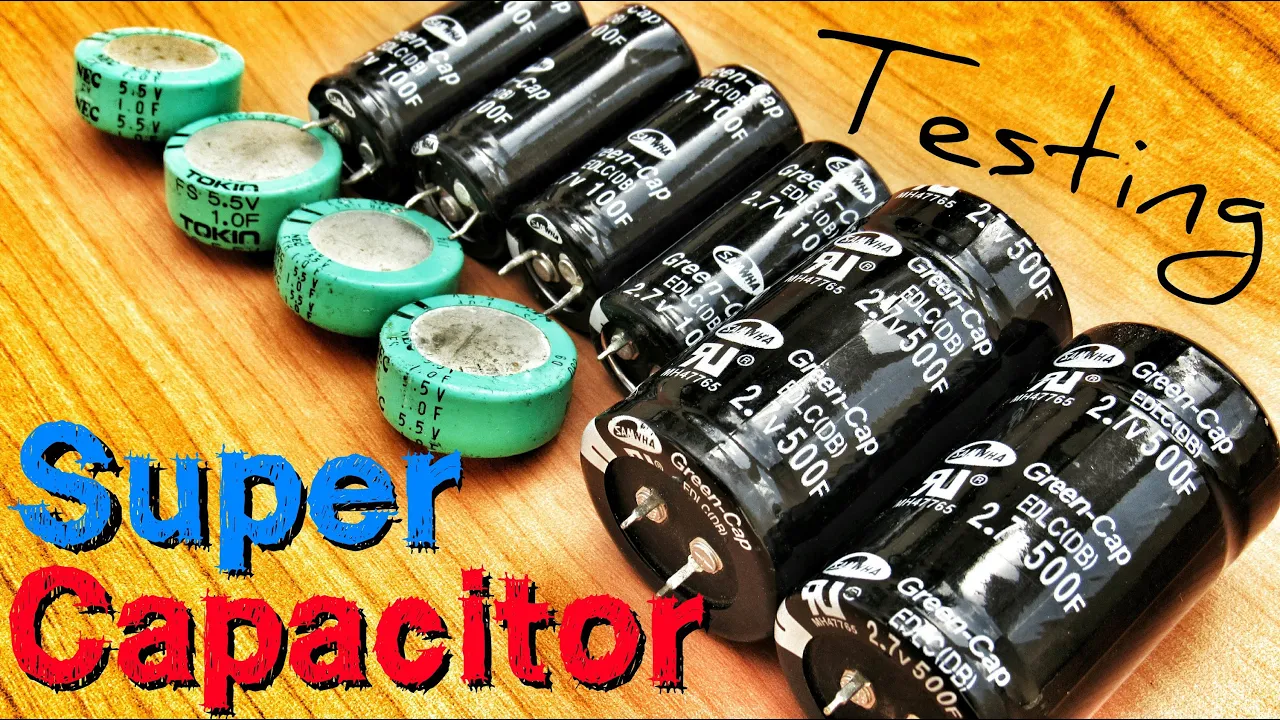
Why this video
This video details the differences between traditional chemical batteries and electrostatic supercapacitors. Understanding these trade-offs (energy density vs. power density, cycle life, charge times) is essential when designing an EV energy recovery circuit.

Why this video
Supercapacitors have incredibly low internal resistance, meaning they act as virtual short circuits when fully discharged. This tutorial teaches you how to safely manage inrush current and implement current-limiting strategies so you don't damage your power source or the capacitor itself.
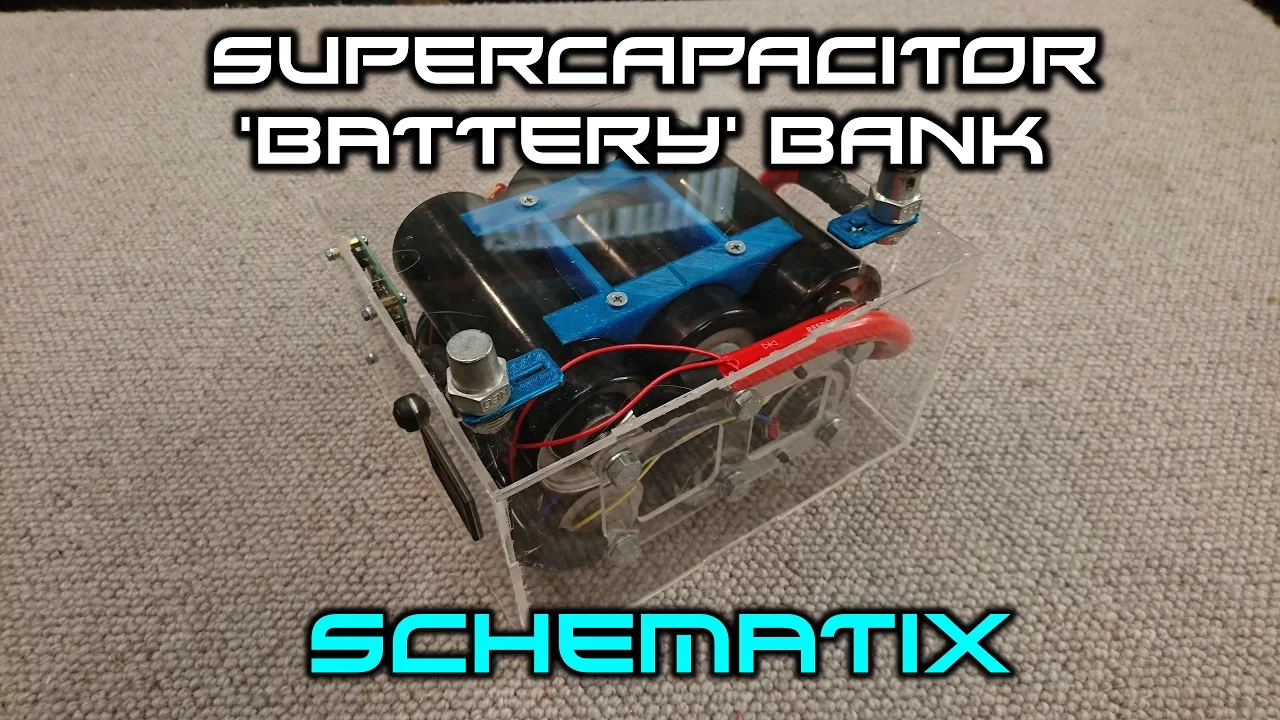
Why this video
Building your own storage array requires proper wiring configurations. This construction guide shows how to wire multiple individual supercapacitor cells in series and parallel, while highlighting safety issues like voltage balancing and over-voltage risks.
Knowledge Checkpoint
- Contrast how supercapacitors and batteries store energy (electrostatic vs. electrochemical).
- Explain why an uncharged supercapacitor behaves like a short circuit and why this requires current-limiting measures.
- Calculate the total capacitance () and maximum voltage rating of six , supercapacitors connected in series.
- List two methods for protecting a supercapacitor array from overvoltage during high-current charging cycles.
Module 3: Regenerative Braking Principles
Now that you understand induction and storage, this module connects the two. You will study how electric and hybrid vehicles divert kinetic energy back into storage, run through the math behind energy conversion, and analyze real-world efficiency losses.
Recommended Videos
Why this video
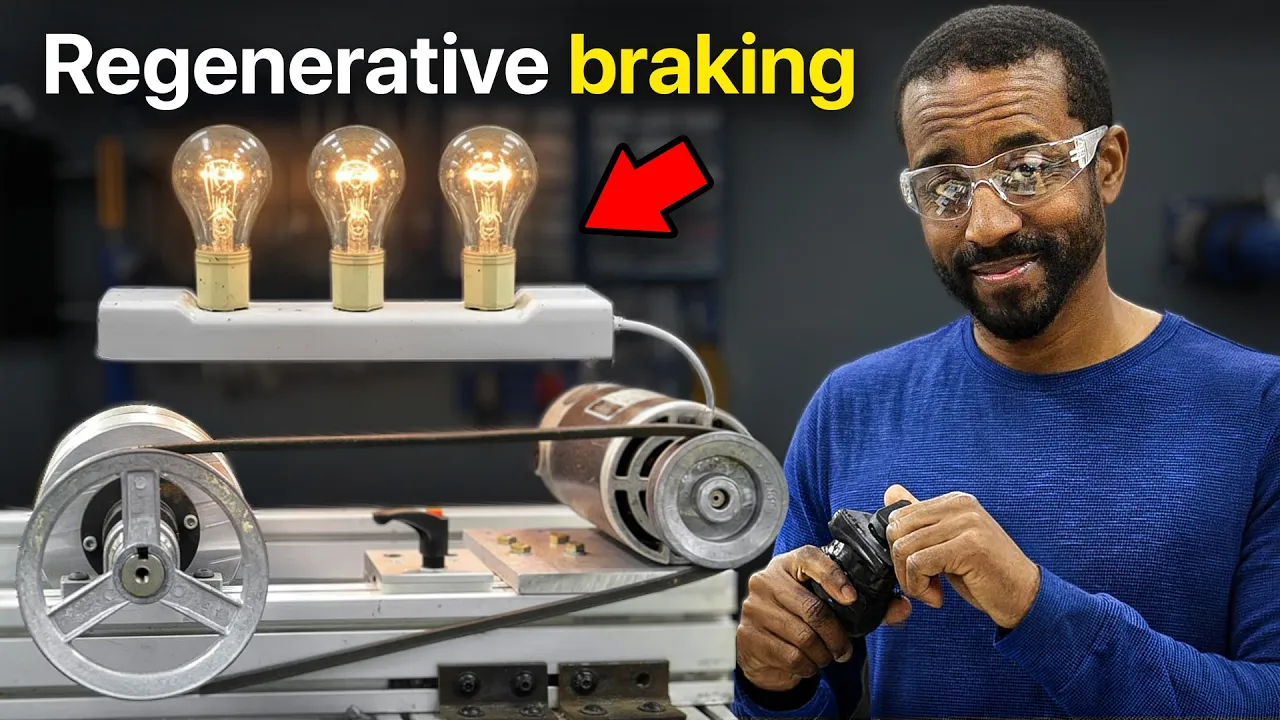
Jeremy Fielding provides an excellent, deep-dive demonstration of regenerative braking. Through physical builds and clear demonstrations, he shows how a motor generates power during deceleration and explains the mechanical forces that slow down the vehicle.
Why this video
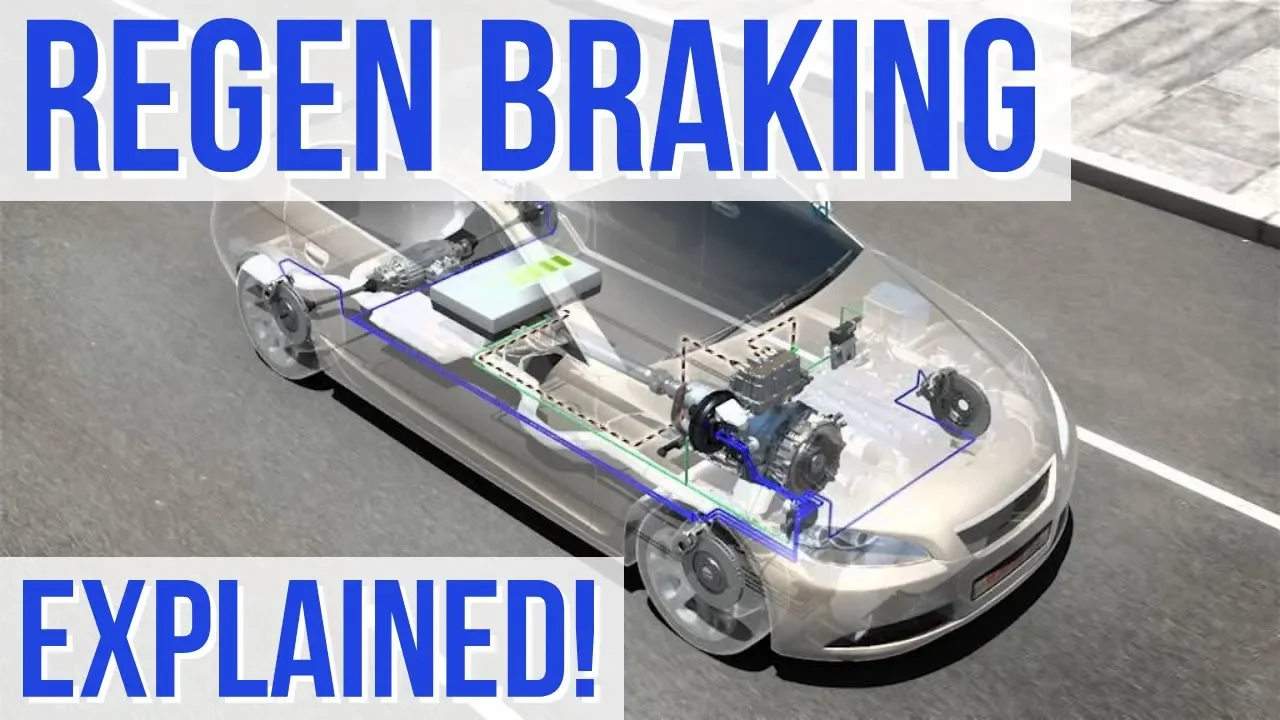
This video explains the transition between normal driving and regenerative braking in EVs. It details how releasing the accelerator changes the inverter’s switching frequency, turning the traction motor into a generator that feeds current back into the system.

Why this video
This short clip introduces the Kinetic Energy Recovery System (KERS) used in Formula 1. It offers real-world context on how high-performance systems harvest heat and kinetic energy under extreme braking conditions, then store it for rapid power boosts.
Knowledge Checkpoint
- Explain how a vehicle's kinetic energy () is mathematically related to the electrical energy captured in a supercapacitor ().
- Describe the flow of current during deceleration: from the wheels, through the motor/generator, and into the storage medium.
- Explain why regenerative braking efficiency is never 100%, and identify three primary sources of energy loss in the system.
- Describe the differences between hydraulic regenerative systems and electromagnetic ones (KERS).
Module 4: Power Electronics & Circuit Design
To capture energy from a spinning motor and charge a supercapacitor, you need precise circuit design. As the motor slows down, its output voltage drops. This module covers DC-DC converters, H-Bridge drivers, and diode isolation, showing you how to step up low-voltage outputs to match your storage requirements.
Recommended Videos
Why this video
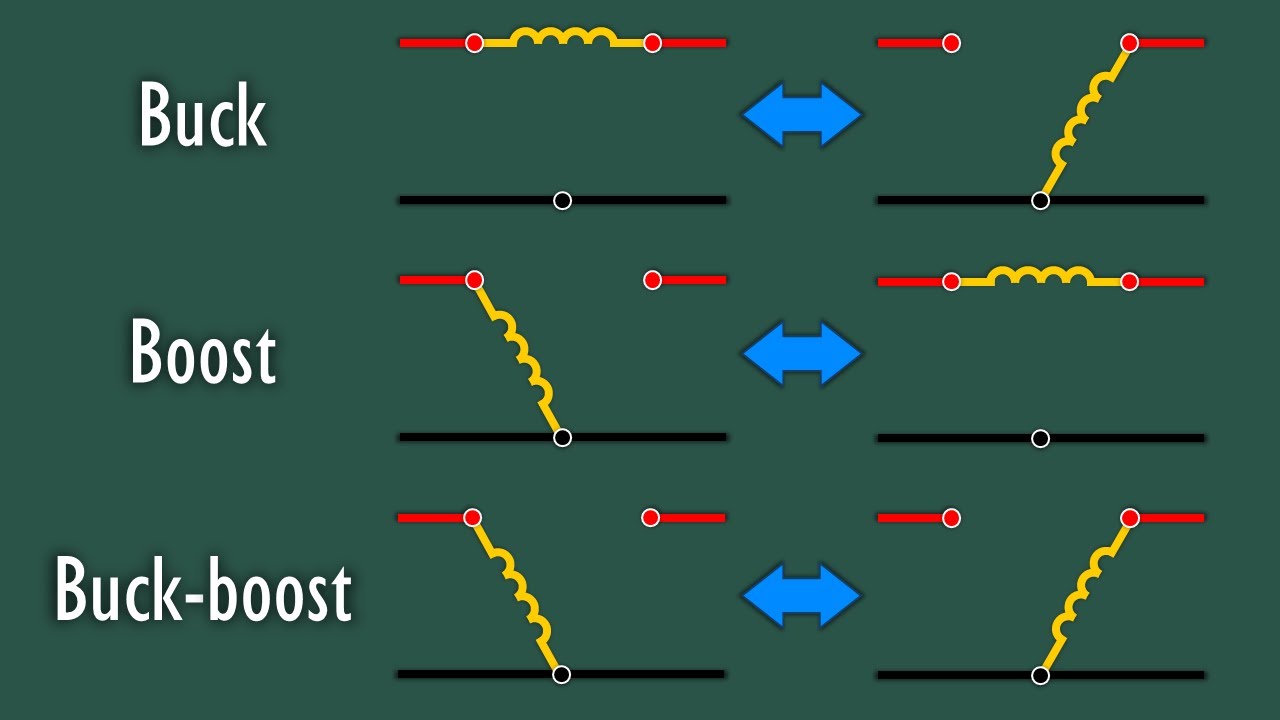
As your vehicle slows down, the generated voltage drops. A buck-boost converter can step up (boost) or step down (buck) this varying voltage, keeping it at a stable level to safely charge your supercapacitor.
Why this video
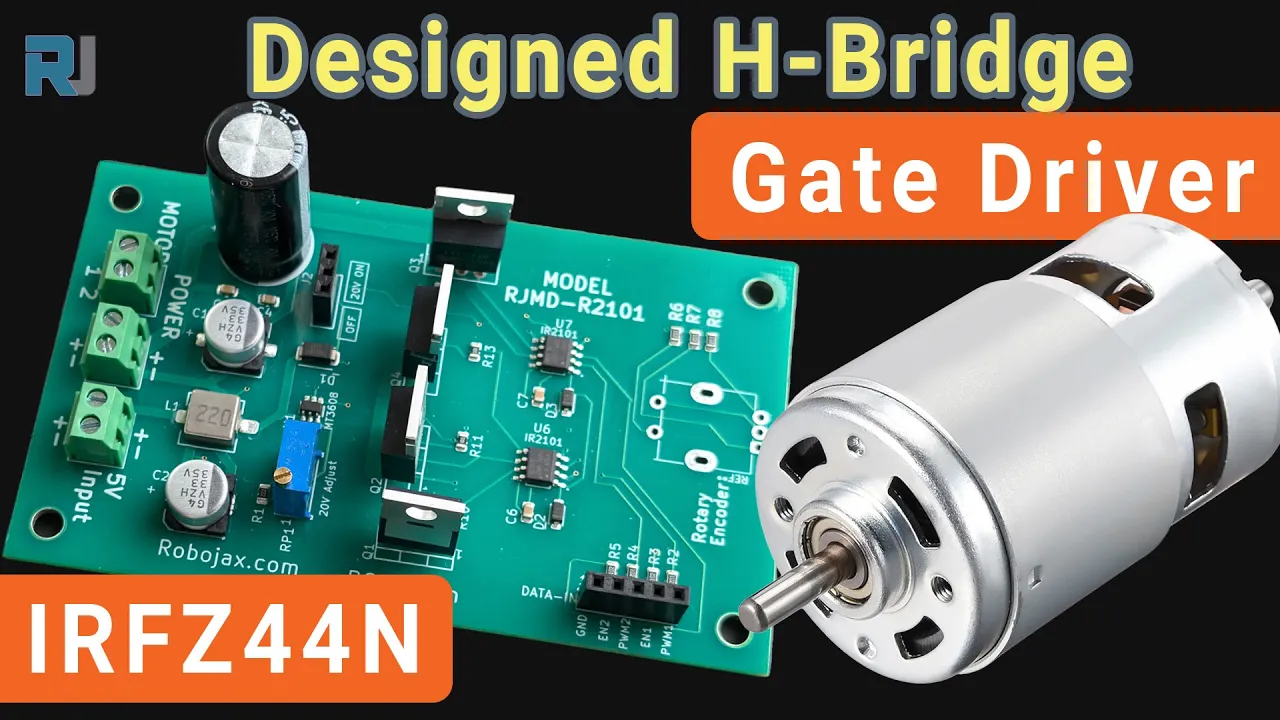
An H-Bridge driver controls the direction of your DC motor. This in-depth tutorial shows how to use MOSFET switches to control current flow, which is essential for switching your motor between driving mode and regeneration mode.

Why this video
This video explains the power electronics required for regenerative braking. It breaks down the role of chopper circuits, free-wheeling diodes, and power switches (like MOSFETs and IGBTs) in directing current back into the storage system.
Knowledge Checkpoint
- Sketch a basic schematic showing how a motor, a Schottky blocking diode, a boost converter, and a supercapacitor connect during regeneration.
- Explain the switching sequence of an H-bridge that lets you transition from driving a motor to harvesting energy from it.
- Describe how a boost converter uses an inductor and a high-frequency switch to step up low generator voltages.
- Explain the role of a blocking diode in this circuit and what happens if it is omitted.
Module 5: Model Integration and Performance Testing
In this final module, you will assemble your physical vehicle model, connect the electronics, and run performance tests. You will learn how to measure the system's efficiency using a multimeter, calculate the energy recovered, and troubleshoot any performance issues.
Note on Video Coverage: Video tutorials for small-scale, DIY regenerative braking models are quite rare. Most online guides focus on full-size electric bikes or scooters. To help you build your model, we have selected proxy videos that demonstrate construction, testing, and measurement techniques.
Recommended Videos

Why this video
Tom Stanton’s practical tests are incredibly helpful for this module. He demonstrates how to set up bench tests, run trials, measure recovery rates, and calculate the overall efficiency of a regenerative braking system.

Why this video
While this project focuses on a hydraulic system, the underlying mechanical principles are the same. It shows you how to design a small vehicle chassis, mount a recovery system to the wheels, and run systematic tests on a DIY model.

Why this video
To measure your system's efficiency, you need to know how to calculate energy storage using a multimeter. This video demonstrates how to run capacity and voltage tests, helping you accurately measure the energy recovered by your vehicle.
Step-by-Step Build & Test Guide (Independent Study)
Because there is no single video showing this exact build, use these steps to assemble and test your model:
- Chassis Assembly: Build a simple, lightweight 4-wheeled chassis. Mount your primary DC generator motor so it is geared directly to either the front or rear axle (a 3:1 or 5:1 gear ratio works best to keep motor RPMs high).
- Circuit Wiring: Connect the motor terminals to your breadboarded circuit. Run the positive output through a Schottky diode (to prevent back-powering the motor), into your boost converter's input, and connect the converter's output to your supercapacitor bank.
- Pre-test Calibration: Use a multimeter to measure and record the baseline voltage of the supercapacitor bank (). Ensure it is fully discharged or at a low, stable starting voltage.
- The Run Trial: Secure the vehicle on a treadmill or a sloped ramp. Accelerate the vehicle to its maximum speed, then switch the circuit to "Regen Mode" to bring the vehicle to a stop.
- Post-test Measurement: Immediately measure the new voltage across the supercapacitor ().
- Efficiency Calculation: Use the following formulas to calculate your system's efficiency:
Suggested search terms for further research: DIY regenerative braking model car tutorial, How to build regenerative braking science project supercapacitor, Measuring regenerative braking efficiency experiment.
Knowledge Checkpoint
- Safely mount a DC motor and gear it to a model vehicle's axle to ensure high generator RPMs.
- Connect the recovery circuit (diode, boost converter, and supercapacitor) to the vehicle's electrical system.
- Measure and of the supercapacitor during a braking test using a digital multimeter.
- Calculate the total Joules recovered and determine the system's efficiency compared to the vehicle's estimated kinetic energy.
Course Map
Key People Index
- Michael Faraday (Historical Context): Discovered electromagnetic induction in 1831, establishing the mathematical relationship between changing magnetic fields and induced EMF.
- Heinrich Lenz (Historical Context): Formulated Lenz's Law in 1834, which explains why induced currents oppose the change in magnetic flux that created them (the core principle behind electromagnetic braking).
- Jeremy Fielding (@Jeremy_Fielding): An engineer and educator known for his clear explanations of electric motors, generator design, and mechanical builds.
- Tom Stanton (@TomStantonEngineering): An aerospace and mechanical designer who creates highly detailed videos testing lightweight electric propulsion and energy recovery systems.
Final Self-Assessment
Complete this checklist to verify that you have mastered the course material:
- Explain the physics behind how a DC motor functions as a generator when spun mechanically.
- State Faraday's Law of Induction and Lenz's Law, and explain how they apply to regenerative braking.
- Contrast supercapacitors and chemical batteries, detailing the pros and cons of each for energy recovery.
- Safely assemble a series-connected supercapacitor bank without exceeding individual cell voltage limits.
- Design a current-limiting charging circuit to protect supercapacitors from excessive inrush currents.
- Explain how a vehicle's kinetic energy is converted into electrical energy, and trace the path of current through the system.
- Design a power electronics circuit that uses a buck-boost converter to harvest energy from a slowing generator motor.
- Explain the role of H-bridges and Schottky diodes in controlling and isolating current flow during regeneration.
- Build a working model vehicle that can harvest its own kinetic energy and store it in a supercapacitor.
- Measure the voltage change across a supercapacitor during braking, and use the formula to calculate the total energy recovered.
- Calculate the overall energy recovery efficiency of your model vehicle system.