Climate Control: History, Design & Demographics
Learning Goal: Analyze the historical development of indoor climate control—from Roman hypocausts and fireplace ventilation to modern air conditioning—and its impact on architectural design, global demographics in extreme climates, and energy consumption.
- Prerequisites: None (basic physics/geography concepts are helpful but not required).
- Estimated Total Study Time: 12 Hours
Module 1: Ancient Roots: From Roman Hypocausts to Passive Ventilation
This module covers how ancient civilizations engineered indoor climates without modern electricity. You will investigate Roman underfloor heating networks, Persian windcatchers designed for passive desert cooling, and the evolutionary physics of the chimney and fireplace drafts.
Recommended Videos

Why this video: This concise visual overview details the architecture of Roman baths and introduces the hypocaust system. It explains the Greek roots of the term (meaning "to burn under") and shows how hot air was channeled beneath floor tiles.
- Knowledge Checkpoint:
- Understand the definition and etymology of the "hypocaust" system.
- Identify how the Romans integrated furnace placement with underfloor structural support.

Why this video: This video focuses on the Persian windcatcher (badgir) in hot, dry environments. It illustrates how ancient builders harnessed wind direction, pressure differences, and thermodynamic principles to cycle air without moving parts.
- Knowledge Checkpoint:
- Explain how a windcatcher captures and funnels desert breezes down into living spaces.
- Identify the role of evaporative cooling when windcatchers interact with underground water channels (qanats).
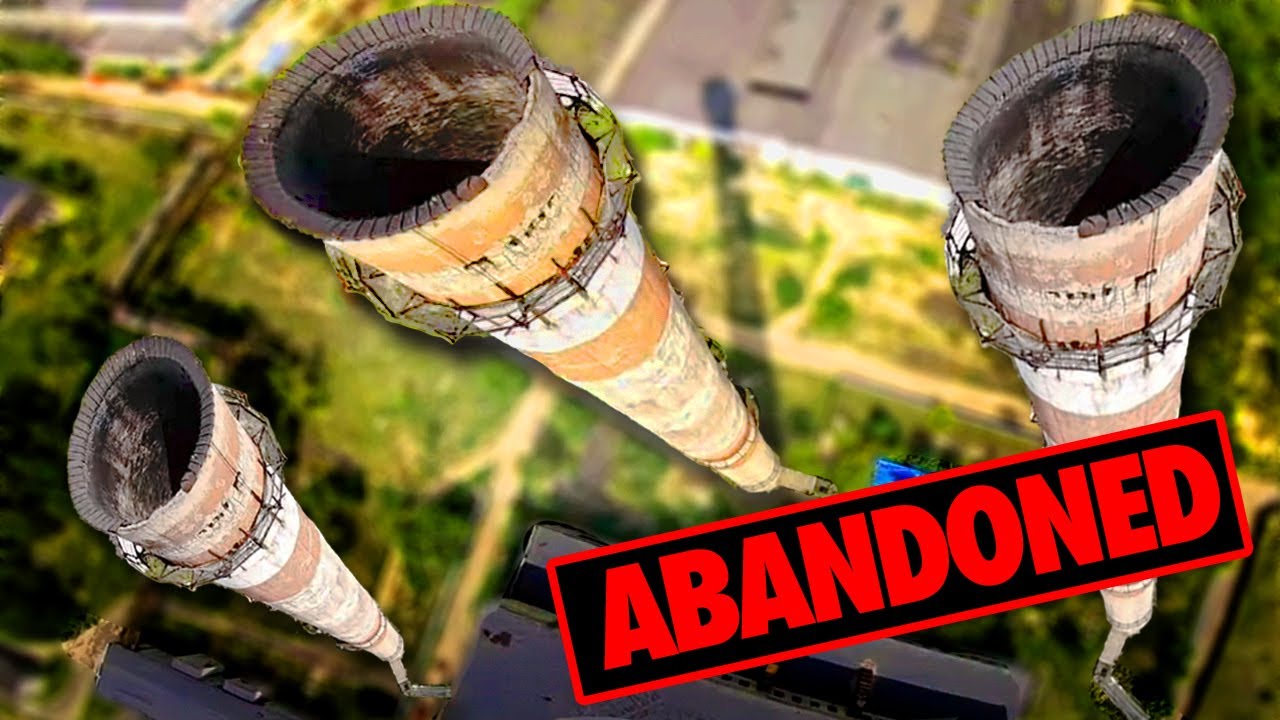
Why this video: This video traces the evolution of exhaust venting from Roman wall pipes through the development of the medieval chimney. It bridges the gap between ancient stone hearths and modern residential draft systems.
- Knowledge Checkpoint:
- Explain the structural shift from open, central fire pits to wall-integrated fireplaces with chimneys.
- Describe how pressure differentials within vertical chimney shafts (the stack effect) vent smoke outside.
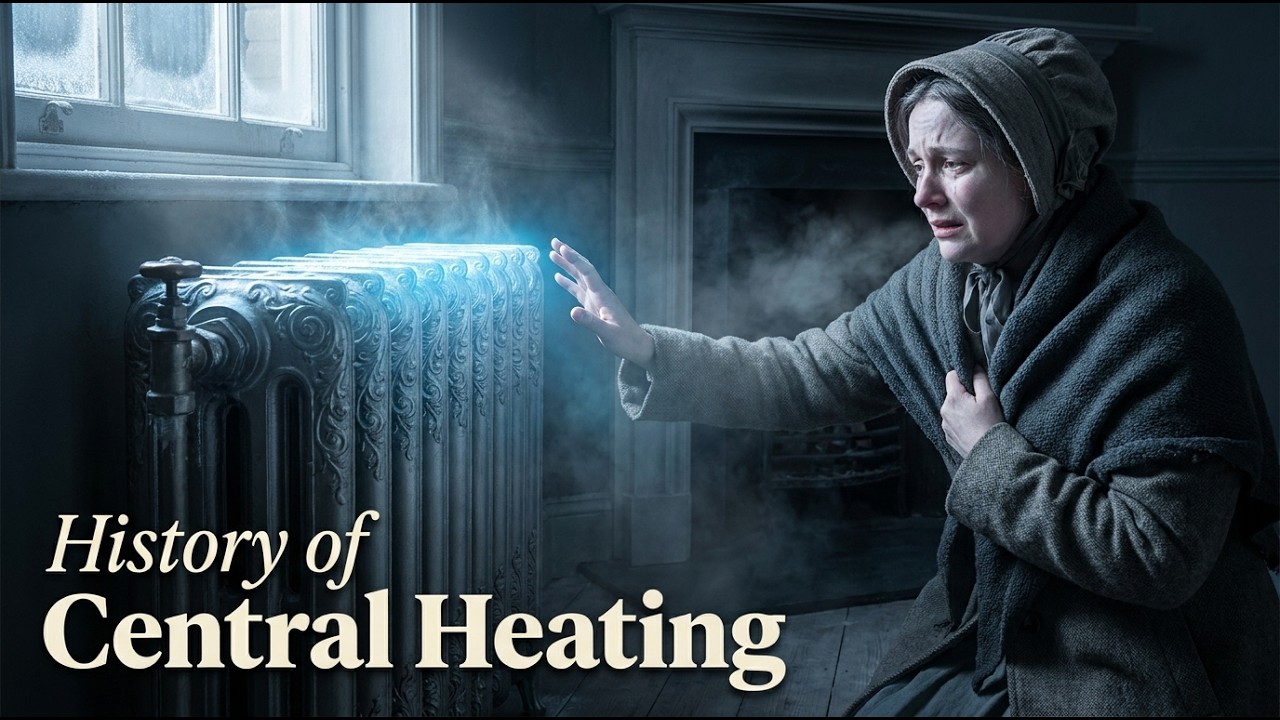
Why this video: This video highlights the historical flaws of traditional open fireplaces and introduces Count Rumford's late-18th-century redesign. It shows how shallower hearths and angled walls improved radiant heat transfer.
- Knowledge Checkpoint:
- Detail why traditional open fireplaces lose most of their heat up the chimney.
- Explain how Count Rumford's architectural improvements reduced draft loss and maximized indoor warmth.
Module 2: The Mechanical Revolution: Willis Carrier and Artificial Cold
This module covers the transition from natural ice shipping to mechanical thermodynamic cooling. You will study 19th-century ice harvesting, Willis Carrier's invention of the modern air conditioner, and the physics of the vapor-compression refrigeration cycle.
Recommended Videos
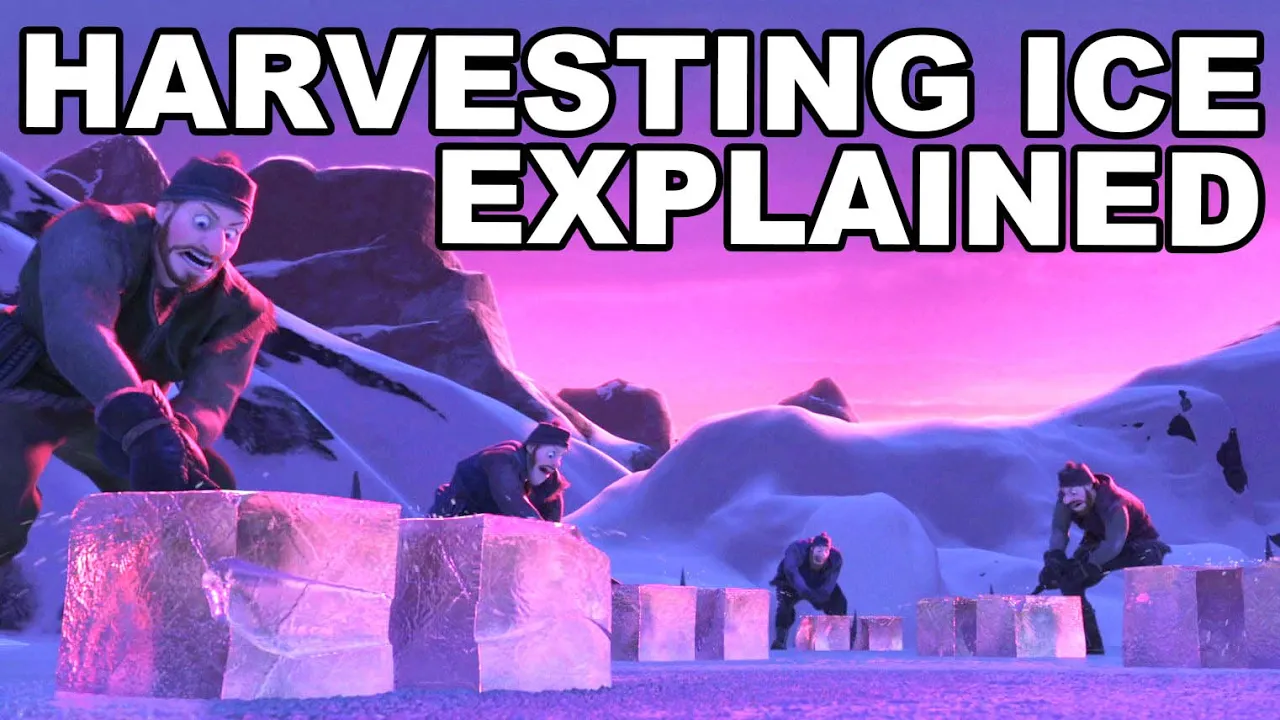
Why this video: This video explains the commercial ice trade pioneered by Frederic Tudor. It provides context on how natural ice was harvested, insulated, and shipped globally to cool buildings and preserve food before mechanical refrigeration.
- Knowledge Checkpoint:
- Explain how New England ponds became a global source of cooling during the 19th century.
- Identify the insulation techniques that allowed ice to survive sea voyages to tropical climates.
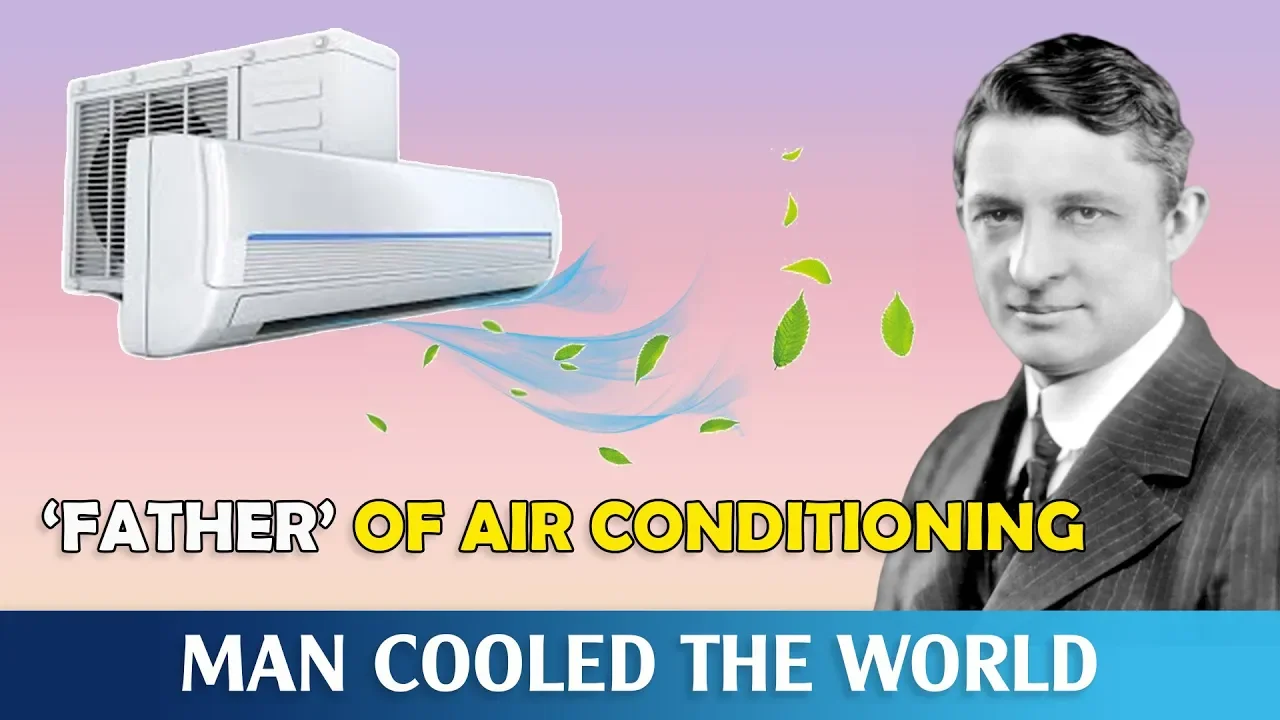
Why this video: This biographical video details Willis Carrier's work. It explains how his 1902 breakthrough at a Brooklyn printing house solved humidity issues by using temperature control to stabilize paper dimensions and ink alignment.
- Knowledge Checkpoint:
- State the industrial problem in the publishing sector that led to Carrier's invention of air conditioning.
- Explain how controlling dew point allowed Carrier to regulate both temperature and humidity.

Why this video: This video details the mechanical vapor-compression refrigeration cycle. It explains how a working fluid (refrigerant) absorbs and releases heat as it changes state, which is the foundational cycle for modern air conditioning.
- Knowledge Checkpoint:
- Diagram the four core components of the vapor-compression cycle: compressor, condenser, expansion valve, and evaporator.
- Describe where the refrigerant changes state (liquid vs. gas) and how pressure alterations drive heat transfer.
Module 3: Architectural Transformation: Enabling the Sealed Skyscraper
This module examines how modern HVAC systems reshaped building design. You will analyze the transition from deep courtyards and openable windows to sealed glass skyscrapers, comparing modern sealed envelopes with traditional vernacular architecture.
Recommended Videos

Why this video: This video explains how mechanical cooling freed architects from local climate constraints. It shows how high ceilings, cross-ventilating corridors, and natural light wells became obsolete once buildings could be mechanically cooled.
- Knowledge Checkpoint:
- Explain how mechanical cooling decoupled building form from local environmental conditions.
- Identify key structural features (such as ceiling heights and floor widths) that changed after the widespread adoption of AC.
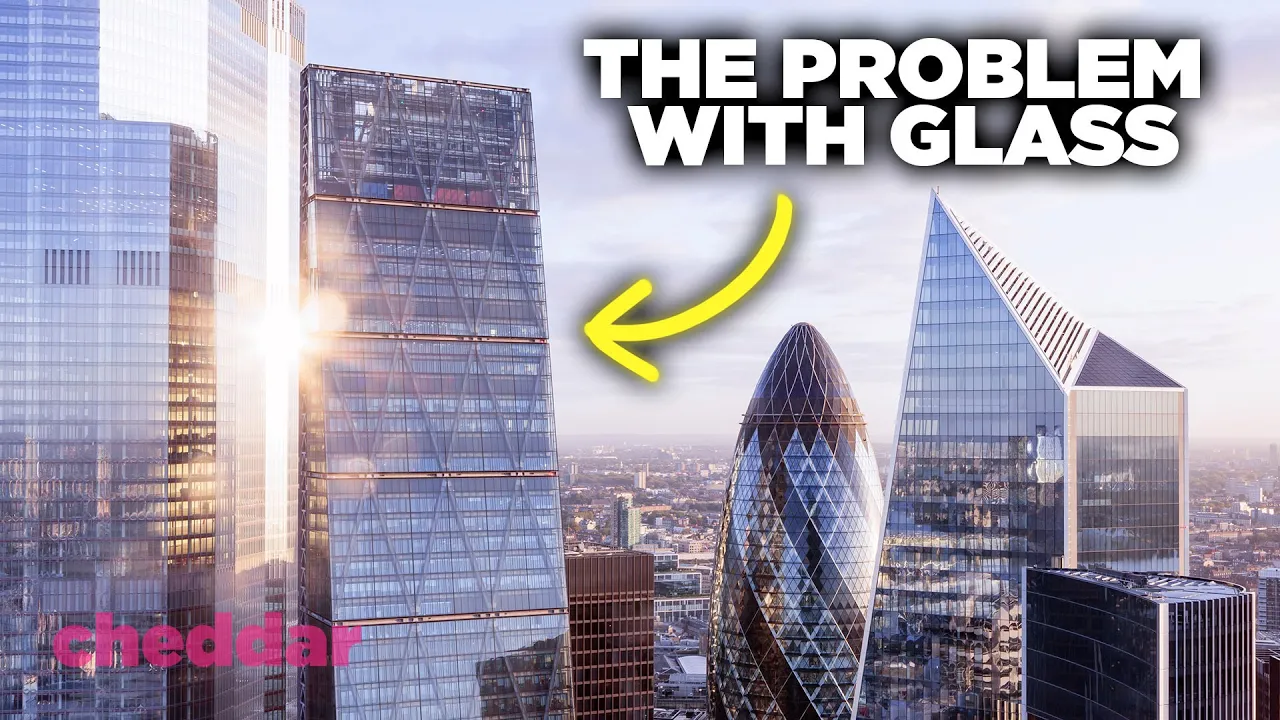
Why this video: This video reviews the glass skyscraper trend and the resulting "greenhouse trap." It explains how glass walls admit solar radiation while trapping heat, forcing buildings to rely on continuous mechanical cooling.
- Knowledge Checkpoint:
- Explain why glass towers require constant cooling even in cold exterior climates due to solar heat gain.
- Discuss the thermal and environmental trade-offs of using glass as a building envelope.

Why this video: This home tour illustrates how vernacular architecture naturally manages heat. It highlights traditional elements like central courtyards, sloping clay-tile roofs, and open layouts that promote passive air circulation.
- Knowledge Checkpoint:
- Describe how a central open courtyard acts as a thermal chimney in traditional tropical architecture.
- List vernacular design features that block solar heat gain while facilitating cross-ventilation.
Module 4: Demographic Shifts: Rewriting the Global Population Map
This module covers how mechanical cooling shifted global population centers. You will analyze the mid-20th-century migration to the US Sunbelt and study how air conditioning supported the economic and urban growth of tropical city-states like Singapore.
Recommended Videos
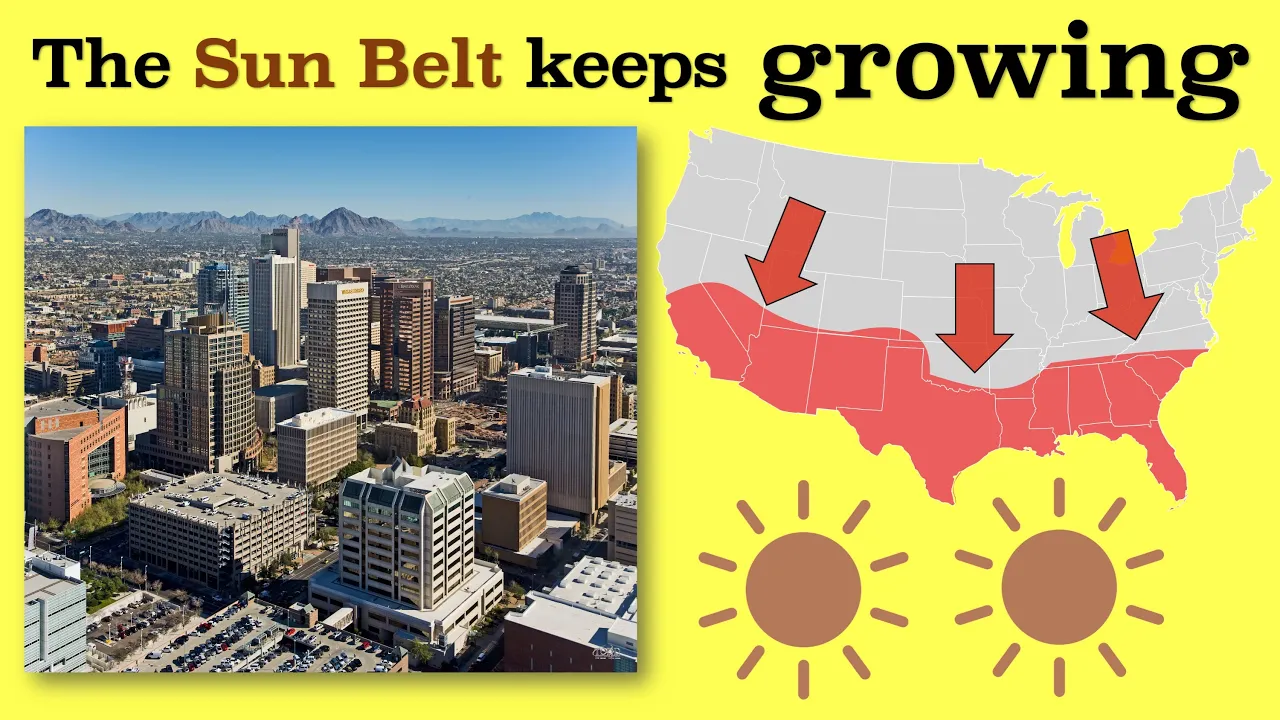
Why this video: This video covers the post-WWII migration to the US Sunbelt. It shows how affordable residential air conditioning made the hot, humid climates of states like Florida, Arizona, and Texas habitable year-round, triggering major economic and political shifts.
- Knowledge Checkpoint:
- Identify how the widespread adoption of residential AC altered US migration patterns after World War II.
- List the primary states in the Sunbelt that saw substantial demographic and political growth due to climate control.
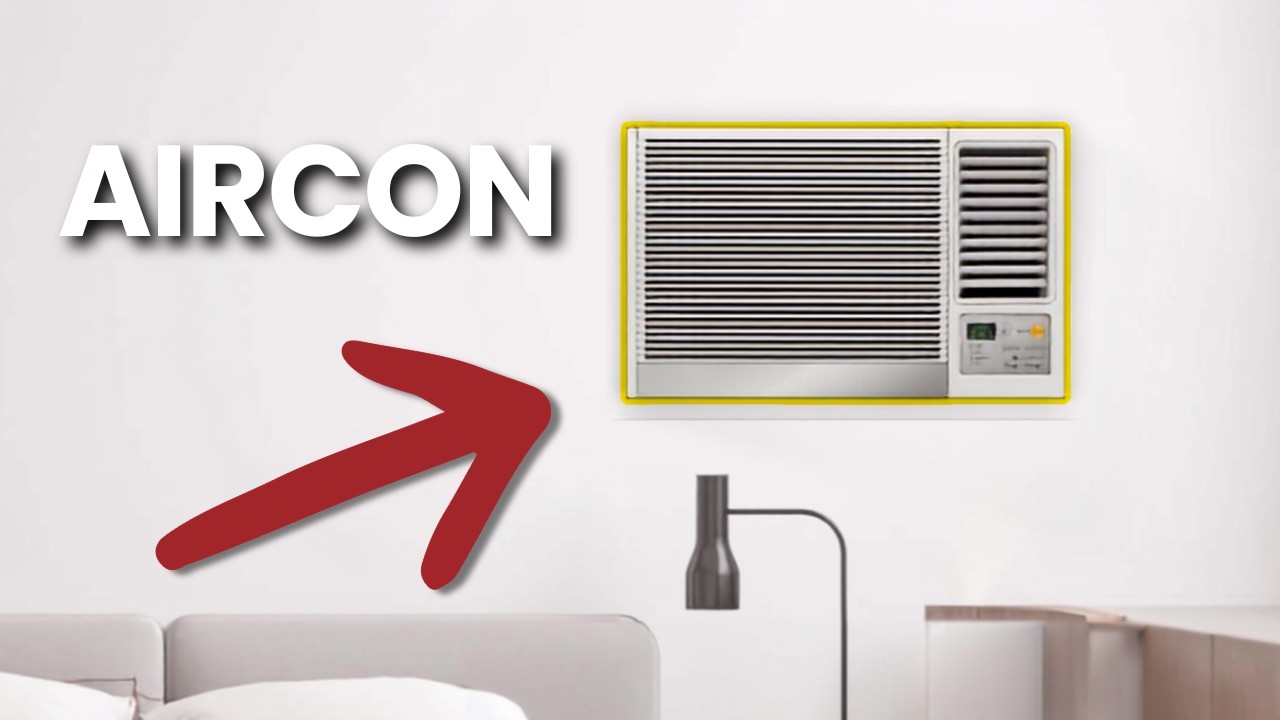
Why this video: This video focuses on Singapore's economic development, exploring Lee Kuan Yew's view of air conditioning as a key factor in public efficiency. It connects climate control with increased workforce productivity in the tropics.
- Knowledge Checkpoint:
- Explain why Singapore's founding leader Lee Kuan Yew called air conditioning "one of the signal inventions of history."
- Describe the relationship between indoor temperature regulation and office worker productivity in tropical climates.
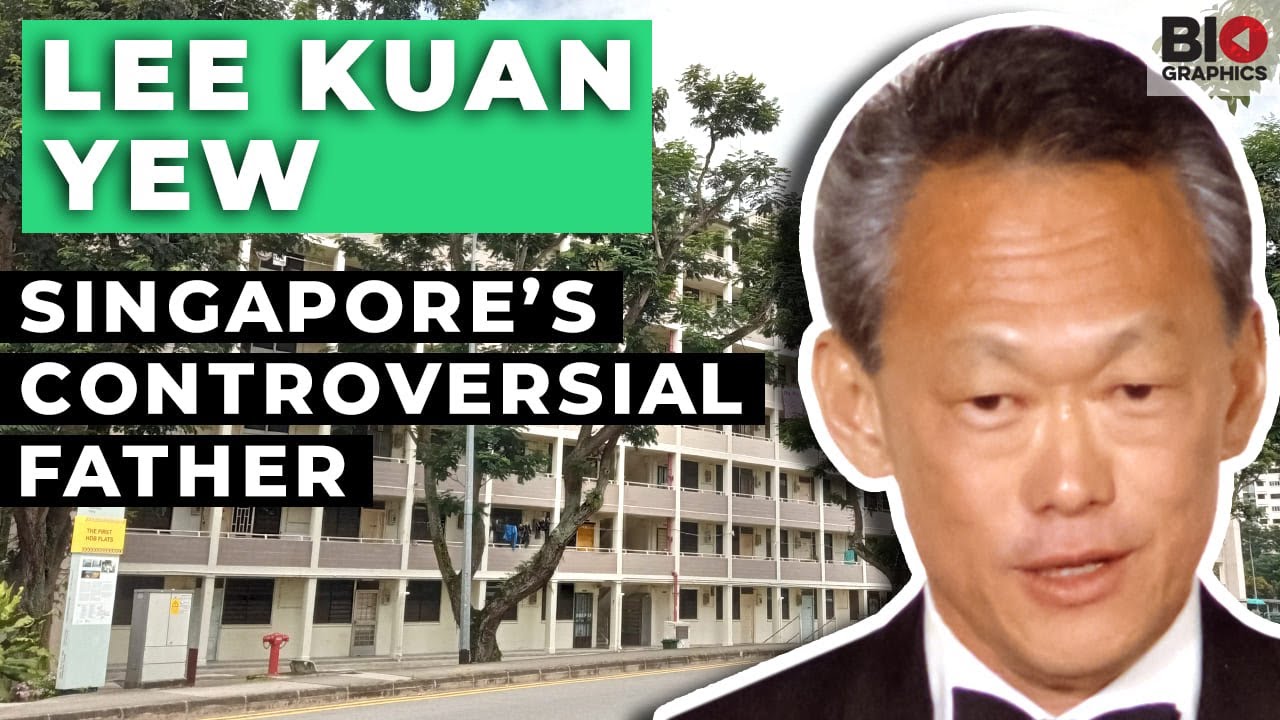
Why this video: This video provides historical context on Lee Kuan Yew's governance of Singapore. It outlines how his administration transformed a resource-scarce colonial port into a global economic center through strategic urban planning.
- Knowledge Checkpoint:
- Detail the geographic challenges Singapore faced upon gaining independence in the mid-20th century.
- Understand how state-led modernization and infrastructure development altered the country's landscape.
Module 5: The Energy Dilemma: Consumption, Warming, and Clean Alternatives
This module examines the environmental challenges of modern cooling, including rising electrical demand, heat island effects, and high-GWP refrigerants. You will also explore sustainable alternatives such as heat pumps and district cooling systems.
Recommended Videos
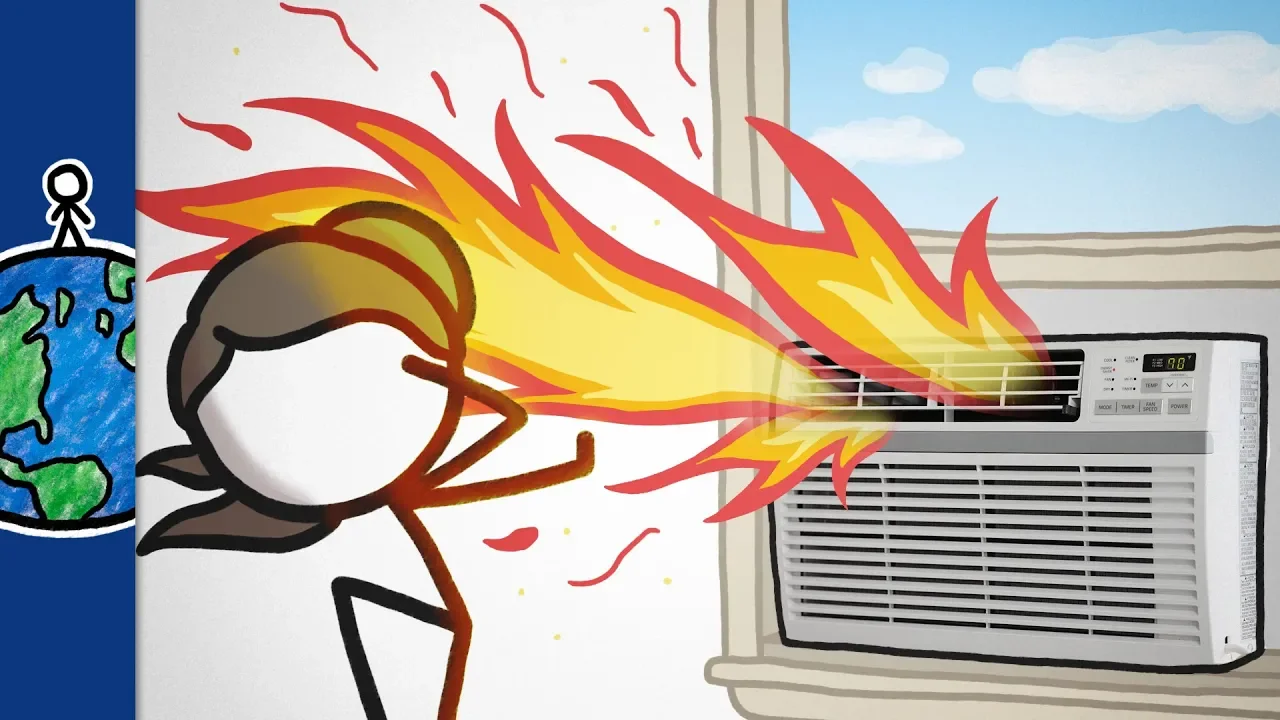
Why this video: This video explains the negative feedback loop of mechanical cooling: using energy to cool indoor spaces releases waste heat and greenhouse gases, raising outdoor temperatures and driving more demand for cooling.
- Knowledge Checkpoint:
- Explain the thermodynamic irony of using electricity to move heat from inside to outside.
- Describe how leaks of hydrofluorocarbon (HFC) refrigerants contribute to global warming.
Why this video: This video explains the mechanics and efficiency of heat pumps. It shows how these systems use a reversing valve to provide both heating and cooling by moving heat rather than generating it.
- Knowledge Checkpoint:
- Define the Coefficient of Performance (COP) and explain why heat pumps can exceed 100% efficiency.
- Explain how a reversing valve changes the flow of refrigerant to switch a system between heating and cooling modes.
Why this video: This video compares air-source and ground-source (geothermal) heat pumps. It explains how ground-source systems utilize stable subterranean temperatures to improve thermodynamic efficiency over air-source units in cold climates.
- Knowledge Checkpoint:
- Contrast the heat exchange mediums of air-source and ground-source heat pump systems.
- Explain why ground temperatures are a more stable and efficient thermal sink/source than ambient winter or summer air.
Course Map
Key People Index
- Willis Carrier (1876–1956): American engineer who designed the first modern electrical air conditioner in 1902. His system controlled both temperature and humidity to stabilize paper dimensions in a printing press, laying the groundwork for the modern HVAC industry.
- Count Rumford (Benjamin Thompson) (1753–1814): Physicist and inventor who redesigned the open fireplace in the late 1790s. By making the fireplace shallower and angling the inner walls, he improved radiant heat transfer and chimney draft efficiency.
- Frederic Tudor (1783–1864): Known as the "Ice King," he founded the natural ice trade in Boston, Massachusetts. He developed insulation methods to ship lake ice to warm climates worldwide, establishing early commercial supply chains for cooling.
- Lee Kuan Yew (1923–2015): The founding Prime Minister of Singapore. He recognized mechanical cooling as a driver of tropical economic development, famously calling air conditioning the single most important invention for Singapore's national efficiency.
Final Self-Assessment
Complete this comprehensive self-assessment to verify your understanding of the history, design, and demographics of climate control:
- Explain how a Roman hypocaust channels furnace exhaust to heat subfloor tile supports (pilae) without venting carbon monoxide into living quarters.
- Diagram the draft and pressure differences that drive passive ventilation in Persian windcatchers (badgirs) and traditional home chimneys.
- Describe the late-18th-century design improvements Count Rumford made to the fireplace and why they improved heating efficiency.
- Describe the 19th-century commercial ice trade and explain how natural ice was kept frozen during long-distance shipping.
- Identify the four stages of the vapor-compression refrigeration cycle and state where the refrigerant absorbs and releases latent heat.
- Analyze how the adoption of mechanical air conditioning allowed architects to transition from deep, cross-ventilated floor plates to deep, sealed glass skyscrapers.
- Compare the thermal performance of a glass curtain wall skyscraper with a traditional, courtyard-centered building in tropical climates.
- Detail the post-WWII demographic shift in the United States, focusing on how residential air conditioning drove migration to the Sunbelt.
- Explain Lee Kuan Yew's rationale for calling air conditioning the key to public efficiency and economic development in Singapore.
- Explain the feedback loop of modern air conditioning, showing how indoor heat removal contributes to the urban heat island effect and global warming.
- Explain how a heat pump uses a reversing valve to provide both heating and cooling, and contrast its efficiency with standard electrical heating.