Waste & Sanitation — History, Pandemics & Design
Learning Goal: Analyze the historical evolution of municipal waste management and sanitation systems—from ancient Roman sewers to modern waste-to-energy plants—and their critical role in preventing pandemics and shaping urban design.
- Prerequisites: None (Introductory to Intermediate level)
- Estimated Total Study Time: 10 Hours
Module 1: Ancient Beginnings: The Birth of Sanitation
This module explores how ancient civilizations conceptualized and engineered systems to manage human waste. By looking back to the highly sophisticated, grid-planned drainage systems of the Indus Valley Civilization and the massive, monumental masonry of Rome's Cloaca Maxima, you will trace the origins of civil sanitary engineering. You will learn how early urban planning was deeply intertwined with the physical routing of wastewater.
Recommended Videos
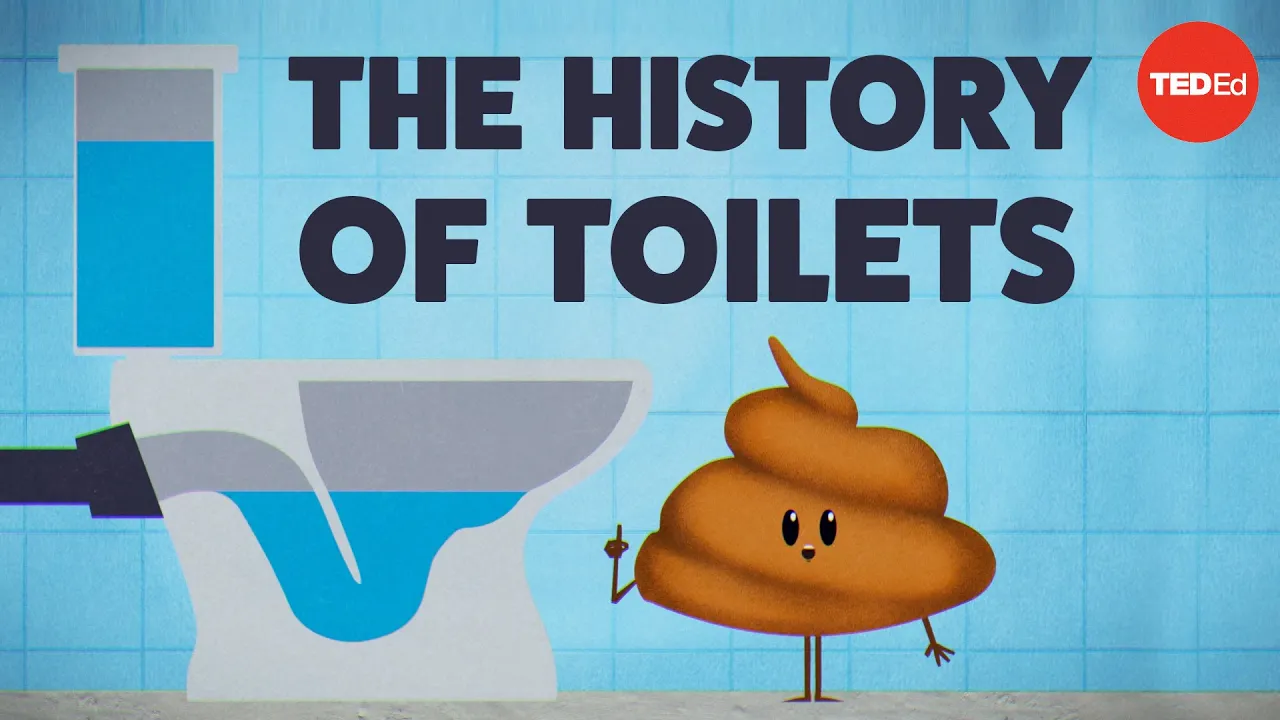
This animated lecture provides a comprehensive, chronological timeline of human toilet technology and early waste disposal methods. It highlights how ancient Mesopotamian clay pipes and early pit latrines eventually evolved into the water-flush systems of modern times, establishing the foundational link between waste isolation and public health.
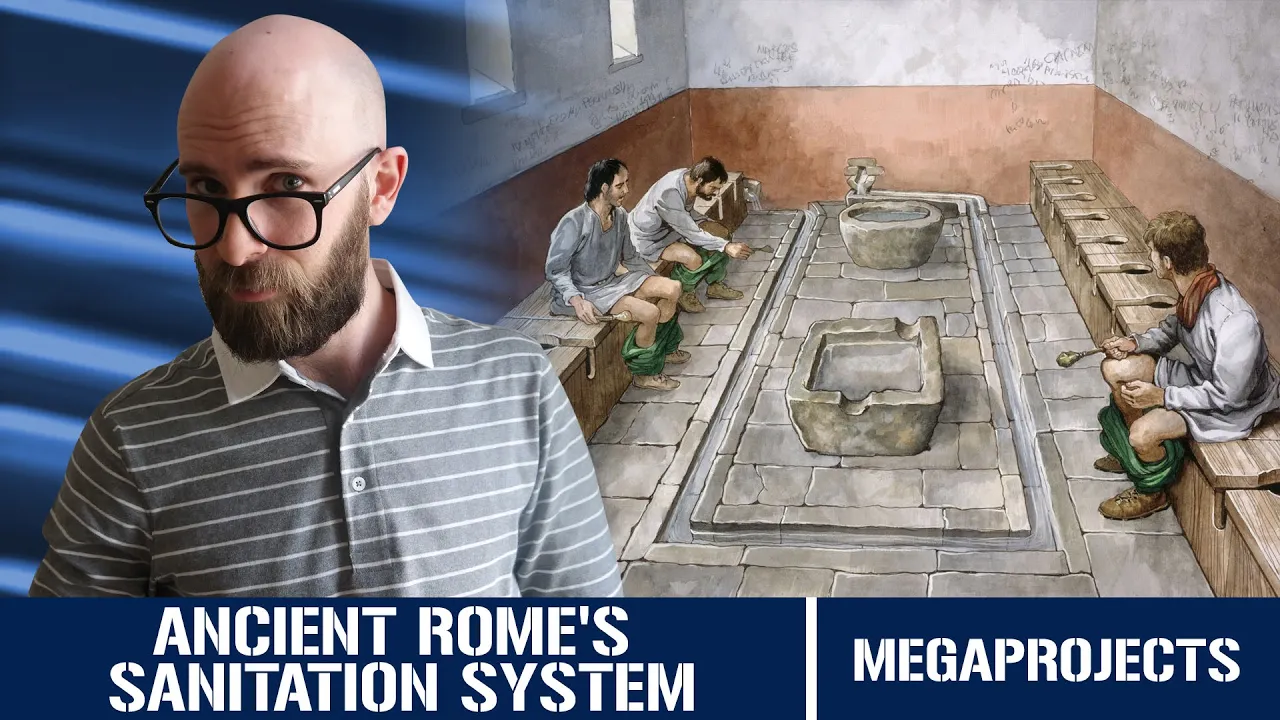
This detailed historical analysis focuses on the engineering, construction, and societal impact of ancient Rome's sanitation marvels. The video unpacks the design of the Cloaca Maxima—originally built to drain marshes and prevent flooding, but subsequently adapted to route waste away from the core of the ancient metropolis.
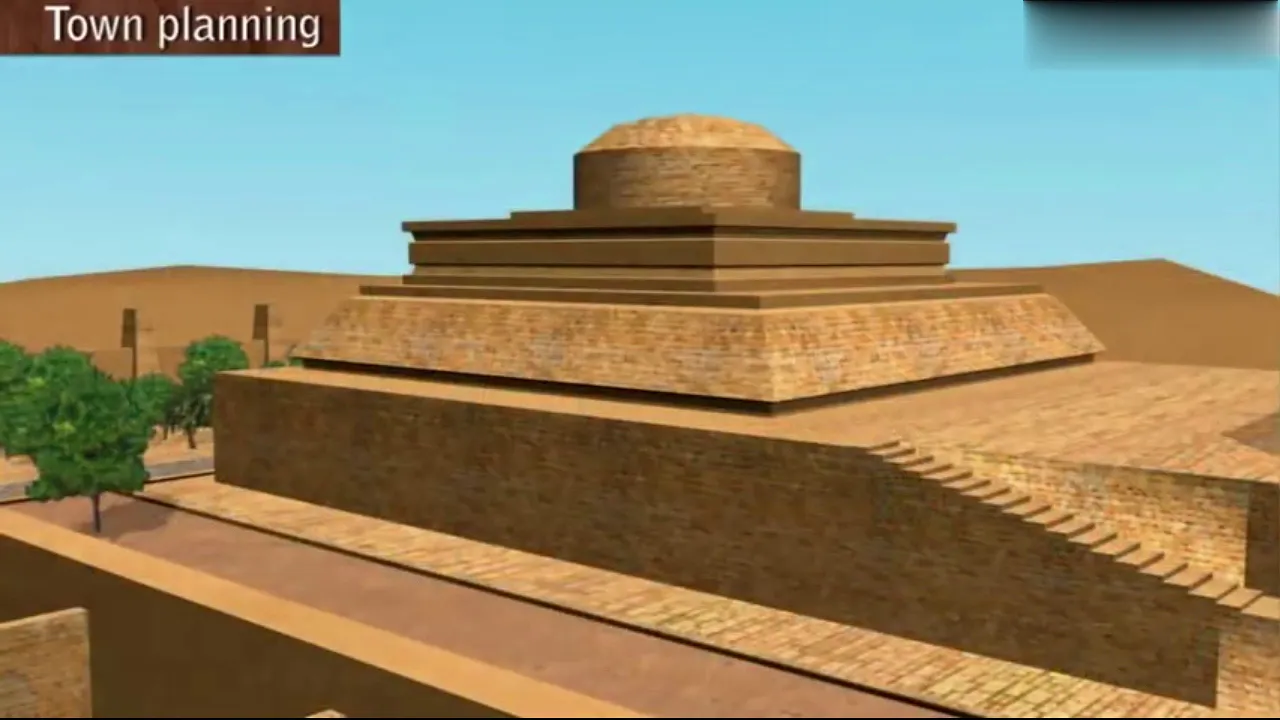
This educational segment investigates the urban planning of Mohenjo-daro and Harappa. You will study how these ancient cities integrated household waste chutes, brick-lined street drains, and dedicated inspection manholes around 2500 BCE, demonstrating an unmatched standard of civic hygiene that was lost for millennia after their decline.
Knowledge Checkpoint
- Explain how the primary function of Rome's Cloaca Maxima shifted from agricultural marsh drainage to municipal sewage disposal.
- Describe the key architectural differences in wastewater management between the decentralized household drains of the Indus Valley and the centralized public latrines of Rome.
- Identify the materials used by ancient Mesopotamian and Harappan engineers to construct durable, water-tight sewer conduits.
Module 2: The Great Stink: Cholera, Germ Theory, and Urban Redesign
In this module, you will study the public health crises of 19th-century industrializing cities. Focusing on London's historic "Great Stink" of 1858, you will trace the paradigm shift from the long-held "miasma" (bad air) theory of disease to modern germ theory. You will analyze how Dr. John Snow’s spatial epidemiology and Sir Joseph Bazalgette’s massive civil engineering works saved London from cholera and established the blueprint for modern municipal sewer networks.
Recommended Videos

This video provides an immersive look at the hot summer of 1858 when the River Thames, overloaded with untreated human waste, brought the British capital to a standstill. It explores the political and social urgency that forced parliamentarians to fund the construction of a comprehensive underground drainage network.

Focusing on the brilliant civil engineering calculations of Sir Joseph Bazalgette, this video breaks down how London's subterranean intercepting sewers were constructed. You will learn about the usage of gravity-fed mainlines, massive pumping stations, and portland cement to build a network that still handles the underpinnings of London's wastewater today.
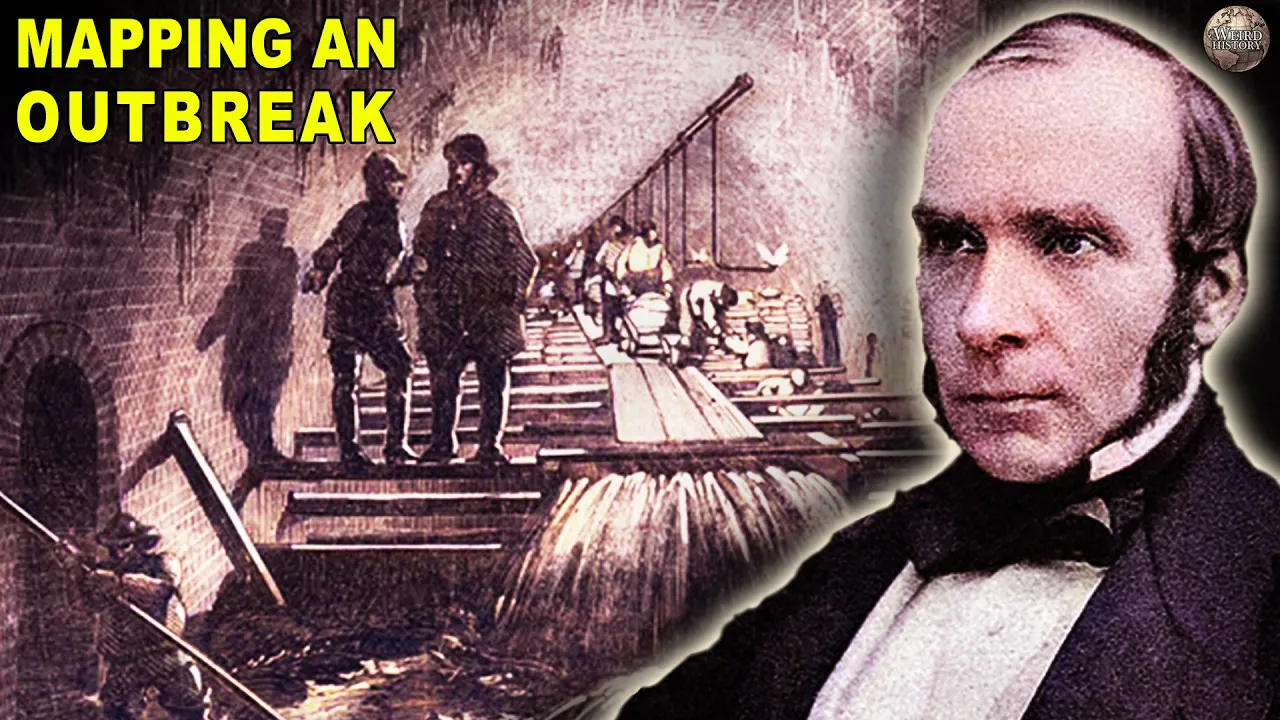
This video traces the legendary detective work of Dr. John Snow during the 1854 Broad Street cholera outbreak. It details how Snow used visual mapping data to trace the disease back to a contaminated water pump handle, proving that cholera was waterborne and laying the foundation for modern epidemiologic surveillance.
Knowledge Checkpoint
- Define "miasma theory" and explain why it delayed the development of effective water purification systems in early Victorian London.
- Describe the engineering principles Joseph Bazalgette used to design his intercepting sewer system (such as slope gradients, gravity-fed flow, and pump-driven lifting stations).
- Map out the methodological steps John Snow took to verify that the Broad Street pump was the source of contamination, explaining the role of spatial mapping.
Module 3: Modern Waste Logistics: From Curb to Landfill
This module transitions from liquid waste (sewerage) to municipal solid waste (MSW). You will explore the physical, mechanical, and logistical networks that keep modern cities clean. You will learn about the life cycle of residential trash, diving deep into the inner workings of Materials Recovery Facilities (MRFs) that use mechanical, magnetic, and optical sensors to sort recyclables, and modern sanitary landfills engineered to protect soil and groundwater.
Recommended Videos
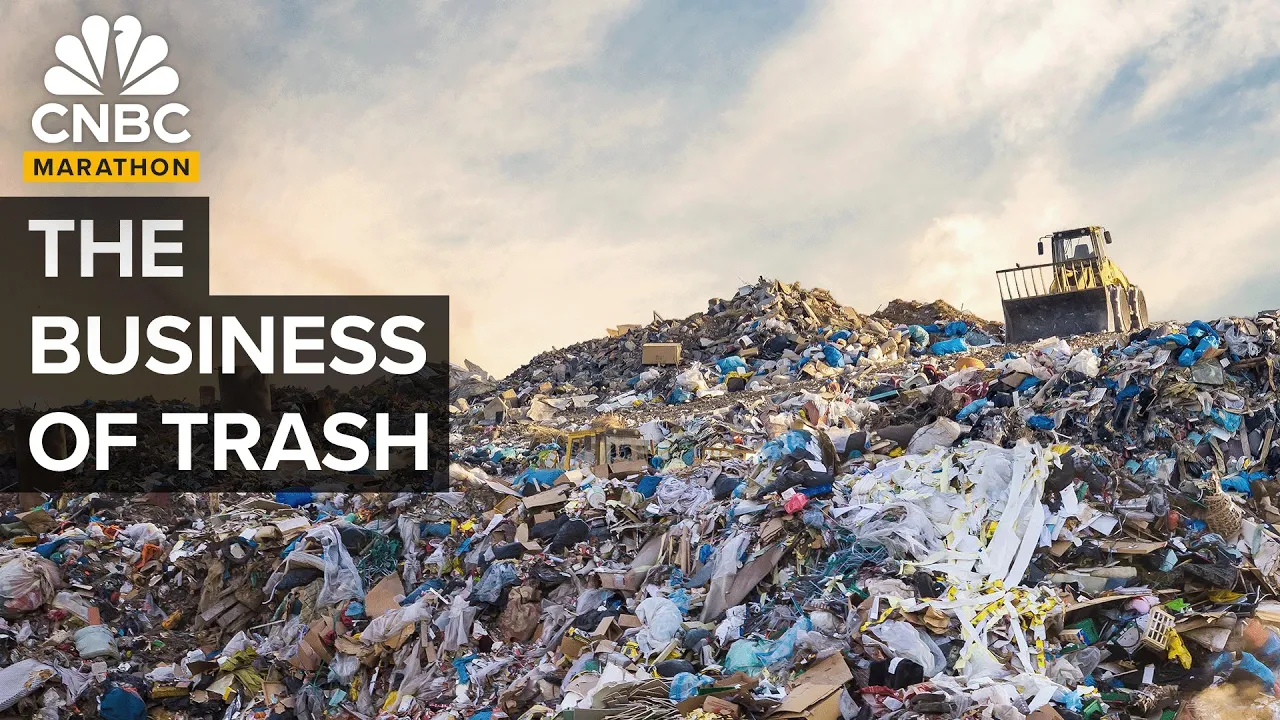
This long-form documentary unpacks the massive economic and industrial complex of waste collection. It offers detailed footage of sanitary landfills, explaining how modern cells are constructed with heavy-duty geotextile liners, clay layers, leachate collection systems, and methane capture wells to isolate trash from the biosphere.

Step inside a high-volume single-stream Materials Recovery Facility (MRF). This virtual tour systematically walks through the physical sorting machinery, showcasing the sequence of trommels, disc screens, eddy current separators, optical sorters, and manual picking lines that divide mixed waste into marketable raw commodities.

This video provides close-up views of the automated mechanisms that sort municipal recyclables. It details how ballistic separators differentiate flat items (paper/cardboard) from 3D items (bottles/cans), and how electromagnets and eddy currents isolate ferrous and non-ferrous metals.
⚠️ Curriculum Note (Coverage Gap): While the recommended video pool details the business of waste and general sorting processes, it lacks a dedicated mechanical blueprint of modern sanitary landfill cross-sections.
Independent Study Assignment: To round out your understanding of landfill engineering, search YouTube for "How sanitary landfills actually work Practical Engineering" or search academic databases to study:
- Composite Liner Systems: The layer order of Geosynthetic Clay Liners (GCLs) and High-Density Polyethylene (HDPE) geomembranes.
- Leachate Management: How perforated pipe networks collection and pump toxic runoff to treatment facilities.
- Gas Wells: The installation of vacuum-pressure wells to harvest fugitive methane () for local power generation.
Knowledge Checkpoint
- Draw or list the layers of a modern sanitary landfill from the bottom subgrade to the top daily cover, explaining the function of each layer.
- Explain the physical science behind how an eddy current separator repels non-magnetic aluminum cans off a conveyor belt.
- Distinguish between single-stream and dual-stream recycling, noting the trade-offs between residential compliance rates and material contamination levels at the MRF.
Module 4: Waste-to-Energy and the Circular Economy
This module explores the thermodynamic and biological technologies used to extract energy from the waste stream. Rather than burying municipal solid waste, modern urban hubs rely on advanced incinerators (Waste-to-Energy plants) and anaerobic digesters to convert organic byproducts into electricity, heat, and biogas, supporting a closed-loop circular economy.
Recommended Videos

This animation illustrates the step-by-step thermodynamic cycle of a waste-to-energy facility. It demonstrates how MSW is unloaded, incinerated at temperatures exceeding 850°C, and used to boil water, which produces superheated high-pressure steam that drives electricity-generating turbines.

This academic lecture breaks down the biochemical processes of anaerobic digestion. It details the four biological stages (hydrolysis, acidogenesis, acetogenesis, and methanogenesis) through which microbes digest organic biowaste in the absence of oxygen to yield nutrient-rich digestate and methane-rich biogas.

This advanced engineering lecture focuses on the physical reactor designs utilized for large-scale anaerobic municipal wastewater treatment. It explores microbial immobilization, high-rate biomass reactors, and how hydraulic retention time (HRT) differs from solids retention time (SRT).
⚠️ Curriculum Note (Coverage Gap): The pool videos showcase basic municipal incineration, but lack a deep dive into the strict chemical engineering involved in flue-gas cleaning systems and pyrolysis.
Independent Study Assignment: Search YouTube or engineering databases for "Modern waste to energy plant emissions scrubbing technology" or "Pyrolysis vs Gasification of waste" to learn about:
- Acid Gas Scrubbers: How lime slurries () are injected to neutralize sulfur dioxide () and hydrochloric acid ().
- Particulate Control: The usage of electrostatic precipitators and fabric baghouses to trap ultra-fine fly ash.
- Pyrolysis Thermodynamics: Endothermic decomposition of plastics into synthetic oil and syngas in oxygen-free reactors.
Knowledge Checkpoint
- Explain the four biological stages of anaerobic digestion, noting the substrate and product of each stage.
- Contrast incineration (combustion in excess oxygen) with pyrolysis (thermal degradation in the complete absence of oxygen).
- Why must flue-gases in a waste-to-energy plant be maintained at high temperatures (typically above 850°C to 1000°C) prior to chemical scrubbing? (Hint: Think about dioxins and furans).
Module 5: Epidemic Prevention and Future Urban Design
In this final module, you will look toward the cutting-edge frontier of sanitation. You will analyze how public health agencies use Wastewater-Based Epidemiology (WBE) to monitor pathogen loads (such as SARS-CoV-2 and Poliovirus) at a neighborhood scale before clinical symptoms appear. Finally, you will study how smart-city designs integrate closed-loop utility systems, pneumatic tube garbage networks, and green infrastructure to build disease-resilient cities.
Recommended Videos

This broadcast segment illustrates how municipal wastewater serves as an early-warning diagnostic tool. By taking automated composite samples of raw sewer water, laboratory technicians can measure viral shedding to detect viral load spikes days before clinical testing metrics reflect an outbreak.

This video introduces the university-led research efforts, particularly at UC San Diego, to scale up robotic wastewater auto-samplers. You will observe how these samplers are deployed directly into sewer manholes to identify exact buildings or dorms experiencing rising pathogen infections.

In this interview, urban planner Rogier Van Den Berg discusses how major historical epidemics (like cholera and tuberculosis) triggered the development of green spaces, wider avenues, and robust sewage grids. He links this history to how current pandemics are shifting modern master planning toward micro-mobility and decentralized resource loops.

This segment explores the futuristic infrastructure of Songdo International Business District (IBD) in South Korea. It highlights how the city has completely eliminated trash trucks by implementing a pneumatic waste network that sucks household garbage directly through underground vacuum tubes to centralized processing facilities.
⚠️ Curriculum Note (Coverage Gap): The mechanics of Wastewater-Based Epidemiology (WBE) assays (RT-qPCR, sequencing) are highly specialized and briefly touched upon in the video pool.
Independent Study Assignment: Search YouTube or scientific journals for "Wastewater epidemiology tracking disease in sewage" or "How Wastewater PCR works" to study:
- Concentration Methods: How scientists use PEG precipitation or electronegative membrane filtration to isolate viruses from high-volume wastewater samples.
- Shedding Dynamics: How viral load measurements () are mathematically normalized using population biomarkers (such as crAssphage or pepper mild mottle virus) to estimate the true number of infected individuals in a municipal sewer catchment basin.
Knowledge Checkpoint
- Explain why wastewater pathogen surveillance acts as a leading indicator of an epidemic compared to clinical diagnostic testing data.
- Describe the mechanical process of a pneumatic waste transportation network, like the one used in Songdo.
- How did historic infectious disease outbreaks influence the design of public parks (such as New York's Central Park) and building ventilation requirements?
Course Map
This map outlines the chronological progression and conceptual dependencies of the modules. Ensure you master the historical context of Modules 1 and 2 before tackling the technical logistics of modern and future sanitation.
Key People Index
| Person | Historical Context & Contribution | Related Module |
|---|---|---|
| Dr. John Snow <br>(1813–1858) | English physician who pioneered spatial epidemiology. His work mapping the 1854 Broad Street cholera outbreak disproved miasma theory, proving cholera was waterborne and laying the groundwork for germ theory. | Module 2 |
| Sir Joseph Bazalgette <br>(1819–1891) | English civil engineer who designed London's grand intercepting sewer system in response to the 1858 Great Stink. His use of Portland cement and underground masonry lines saved London from recurring cholera epidemics. | Module 2 |
| Francis de los Reyes | Environmental engineer and sanitation advocate who studies biological wastewater treatment, fecal sludge management, and toilet accessibility in developing nations. | Module 1 |
| Rogier Van Den Berg | Contemporary urban planning expert who studies how systemic shocks (including global pandemics) reshape municipal master planning, green spaces, and utility systems. | Module 5 |
Final Self-Assessment
Complete this comprehensive self-assessment to verify your mastery of municipal sanitation history, engineering, and epidemiology.
- I can describe the engineering achievements of the Indus Valley Civilizations (c. 2500 BCE) regarding sub-street brick drainage networks.
- I can explain the primary physical and geological purpose of Rome's Cloaca Maxima, and how it was later utilized as a sewer.
- I can trace the transition from Miasma Theory to Germ Theory, citing the specific contributions of Dr. John Snow.
- I can explain how Joseph Bazalgette used gravity flow, Portland cement, and pump stations to construct London's sewer system.
- I can sketch or list the complete layer sequence of a modern Sanitary Landfill, from clay subgrade to geotextile liner to protective soil.
- I can explain how a Material Recovery Facility (MRF) uses physical, magnetic, and optical technologies to separate single-stream recyclables.
- I can trace the thermodynamic path of a Waste-to-Energy (WTE) combustion plant from waste pit to turbine-generated electricity.
- I can describe the four biochemical phases of Anaerobic Digestion and how biogas is generated from biowaste.
- I can explain how Wastewater-Based Epidemiology (WBE) is used to detect pathogens at a neighborhood level before clinical symptoms present.
- I can explain how a pneumatic waste transport network functions under a smart city layout, removing the need for conventional trash collection trucks.