Classic Maya Collapse: Myths, Science & Causes
Learning Goal: Investigate the environmental, political, and societal factors that contributed to the Classic Maya Collapse (c. 750–900 CE), challenging traditional myths of disappearance through modern archaeological evidence.
- Prerequisites: Basic understanding of Mesoamerican geography and the general chronology of pre-Columbian civilizations.
- Estimated Total Study Time: 10 Hours
Module 1: Introduction to the Classic Maya Peak
This module establishes a foundational understanding of the Classic Maya civilization at its height (c. 250–750 CE). Students will explore the geography of the Maya lowlands and highlands, the decentralization of the political landscape into competing city-states, and the artistic, scientific, and architectural achievements that defined this golden age.
Recommended Videos
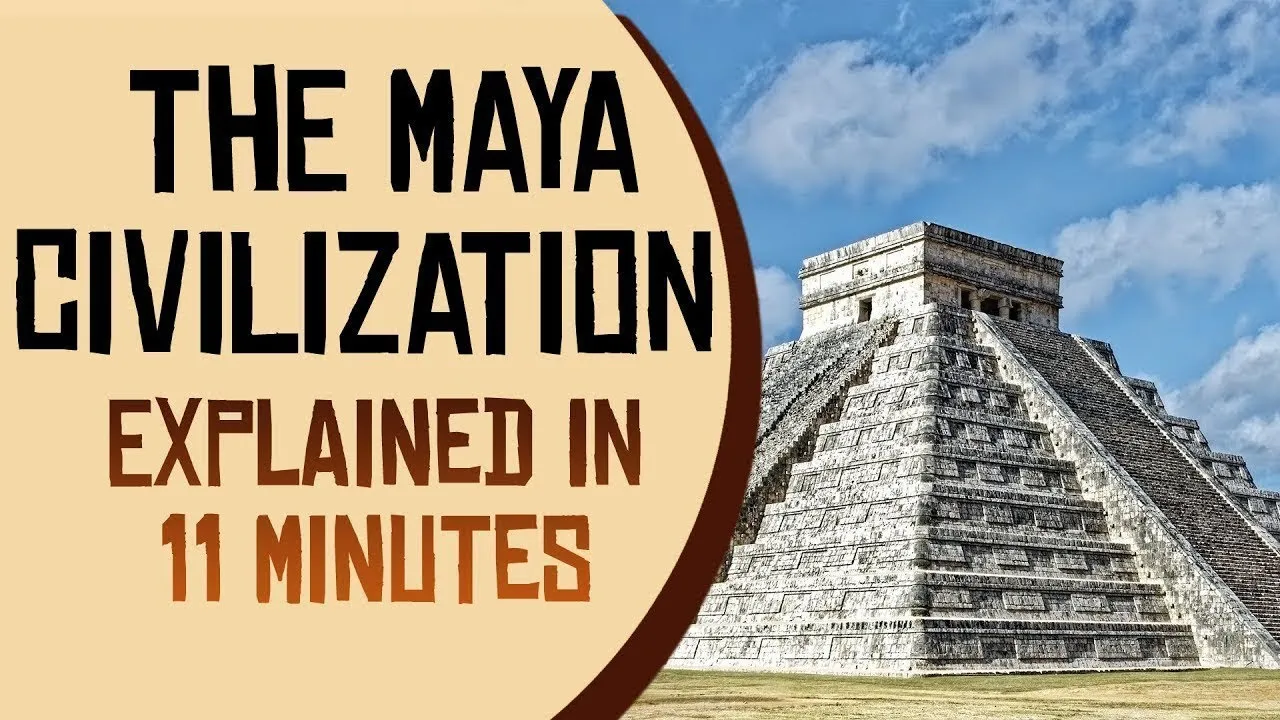
Why this video: This video offers a highly accessible, comprehensive chronological overview of the Maya civilization. It traces their development from early agricultural villages to the complex, urbanized city-states of the Classic Period, establishing the baseline cultural and architectural achievements of the civilization.

Why this video: This video focuses on the socio-political fragmentation of the Classic Maya. It details how political power was distributed across autonomous, competing city-states with shifting alliances, vassal networks, and royal dynasties, illustrating that the Maya were never unified under a single, centralized empire.
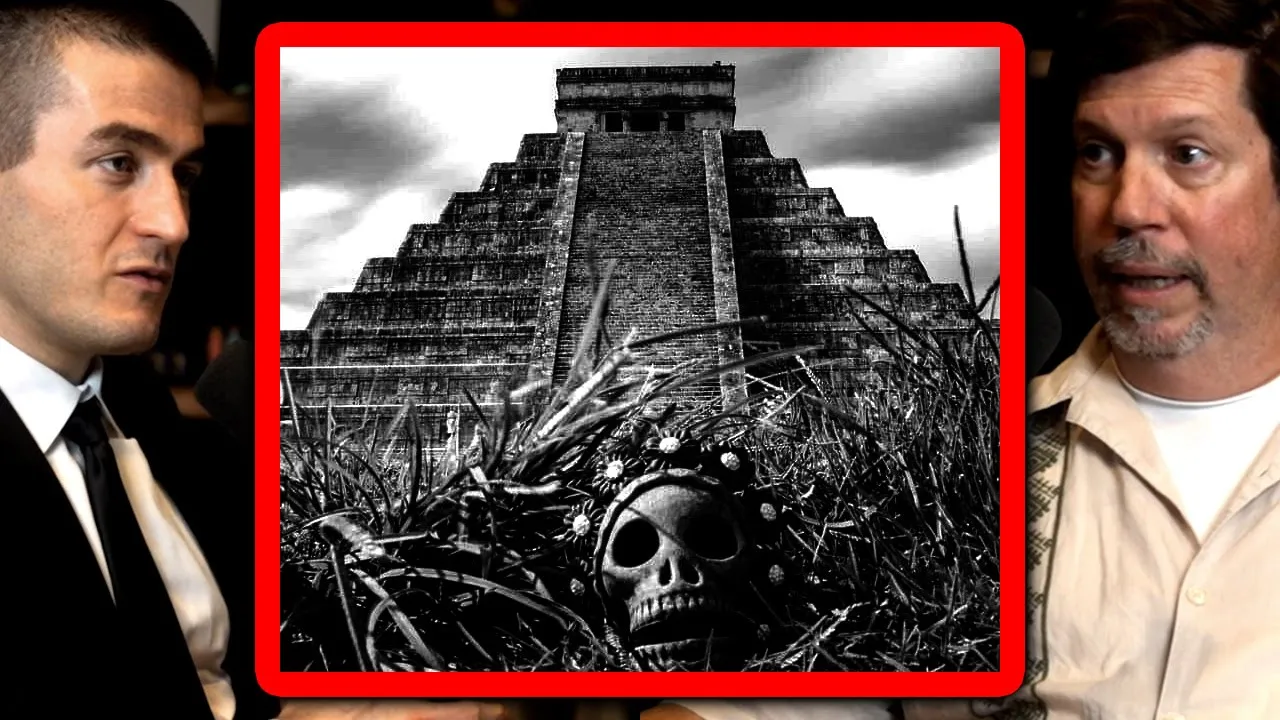
Why this video: Renowned archaeologist Dr. Ed Barnhart explains the "Age of Kings" that characterized the Classic Period. This brief interview introduces the vital concept of elite royal families claiming divine lineage, setting the stage for understanding how Maya political authority was constructed.
Knowledge Checkpoint
- Describe the geographic distribution of the Classic Maya civilization across modern-day Mexico and Central America.
- Explain how the political structure of the Classic Maya differed from a centralized empire (e.g., the Aztecs).
- Define the primary role of the elite royal families during the Classic Period "Age of Kings."
- Identify at least three key intellectual or architectural achievements of the Classic Maya.
Module 2: Debunking the 'Disappearance' Myth
This module addresses and deconstructs the persistent popular myth that the Maya people "suddenly disappeared." Students will examine the chronological timeline of the Classic Maya Collapse (c. 750–900 CE) and learn how populations actually migrated, adapted, and sustained their culture into the Post-Classic Period and up to the present day.
Recommended Videos

Why this video: This deep-dive video systematically dismantles the "disappearance" myth. It demonstrates that the events of 750–900 CE represented a localized political and urban collapse of the southern lowlands, followed by a major demographic shift and cultural transition to northern Post-Classic cities like Chichen Itza.
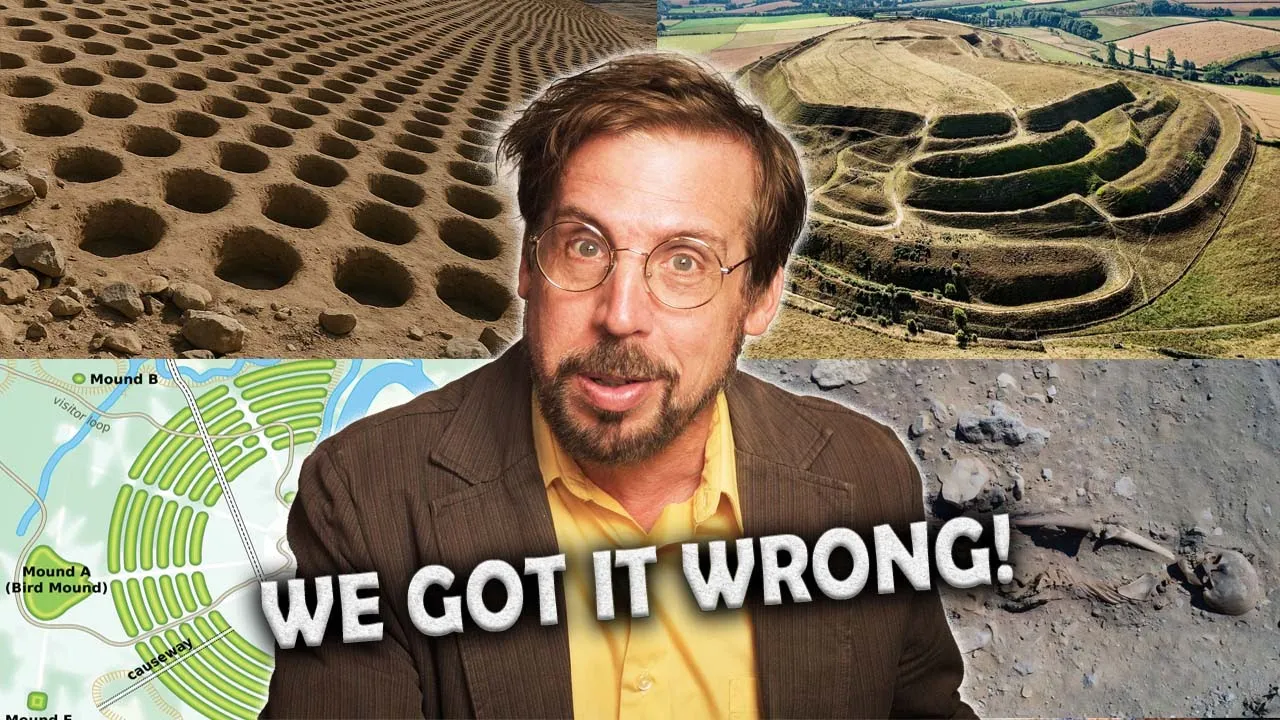
Why this video: This video addresses modern archaeological consensus, showcasing that different Maya communities experienced environmental and political transitions on vastly different timelines, busting the myth of a sudden, synchronized, and total collapse.
Why this video: A gentle but highly factual reminder of contemporary Maya presence. It highlights that over six million Maya people still reside in Central America today, keeping their ancestral languages, agricultural practices, and cultural traditions alive.
Knowledge Checkpoint
- Explain the difference between a "demographic and cultural disappearance" and a "political and urban collapse."
- Identify where the focus of Maya civilization shifted geographically after the collapse of the southern lowland city-states.
- Roughly how many Maya descendants live in Central America today?
- Why is the traditional date of 900 CE considered a transition period rather than an absolute end-point of Maya history?
Module 3: Environmental Factors: Megadroughts and Deforestation
This module examines paleoclimate proxy data and archaeological evidence showing how a series of catastrophic megadroughts intersected with human-driven environmental degradation. Students will analyze how intensive farming, deforestation, and soil erosion destabilized the highly sophisticated agricultural infrastructure of the Classic Maya.
Recommended Videos
Why this video: Featuring premier scholars (Fash, Kennett, Beach, Scarborough), this video provides direct insights into paleoclimatology. It explains how climate proxies (such as lake sediment cores and stalagmites) prove the occurrence of extreme megadroughts during the collapse era and contrasts regional environmental destruction with political responses.
Why this video: This video synthesizes the environmental, structural, and political causes of the collapse. It highlights how the Maya pushed their tropical environment to its ecological limit to support massive urban populations, creating a delicate system highly vulnerable to climate shifts.

Why this video: This segment details the physical remnants of Classic Maya agricultural infrastructure, such as terraces carved into hillsides, extensive canal networks, and reservoirs. It provides a visual understanding of how the Maya engineered their landscape to manage water and soil.
Why this video: This short clip details the anthropogenic (human-caused) aspects of the environmental crisis. It explains how farming on marginal hillside slopes forced the clearance of forests, triggering severe soil erosion and localized microclimate drying.

Why this video: This comprehensive lecture from the Library of Congress explains how the Maya managed wetlands and swamps, dragging organic muck onto raised agricultural fields. It demonstrates both the immense complexity and the high-maintenance fragility of Maya farming systems.
Knowledge Checkpoint
- What is a "megadrought," and what scientific proxies do researchers use to identify ancient paleoclimate patterns in Mesoamerica?
- How did extensive deforestation for agriculture and plaster production worsen the natural regional droughts?
- Describe the function and vulnerability of Maya agricultural terraces, reservoirs, and raised fields.
- Detail how soil erosion on sloped hillsides affected the sustainability of lowland lowland city-states.
Module 4: Political Instability and Warfare
This module bridges the gap between environmental failure and societal collapse. Rulers in the Classic Maya world held the title of K'uhul Ajaw (divine kings), claiming the power to intercede with the gods to secure seasonal rains. When severe droughts and agricultural failures persisted, the political legitimacy of these kings shattered. This breakdown of trust triggered internal revolts, the collapse of elite dynastic systems, and endemic warfare between desperate city-states.
Recommended Videos

Why this video: This scholarly presentation provides a deep dive into the concept of K'uhul Ajaw (holy/divine king). It explains how Maya kings operated as spiritual intermediaries between the cosmos and their people, showing how central this concept was to political stability.
Why this video: This video focuses on the religious-political contract of divine kingship. It explains how kings performed elaborate ritual bloodletting ceremonies to appease rain deities and ensure agricultural abundance—and how their inability to end droughts broke this sacred contract.
Why this video: This video provides an overview of the political breakdown. It details how the cessation of grand monumental construction projects, the abandonment of elite centers, and a spike in endemic, high-stakes warfare between rival city-states marked the collapse of the K'uhul Ajaw system.
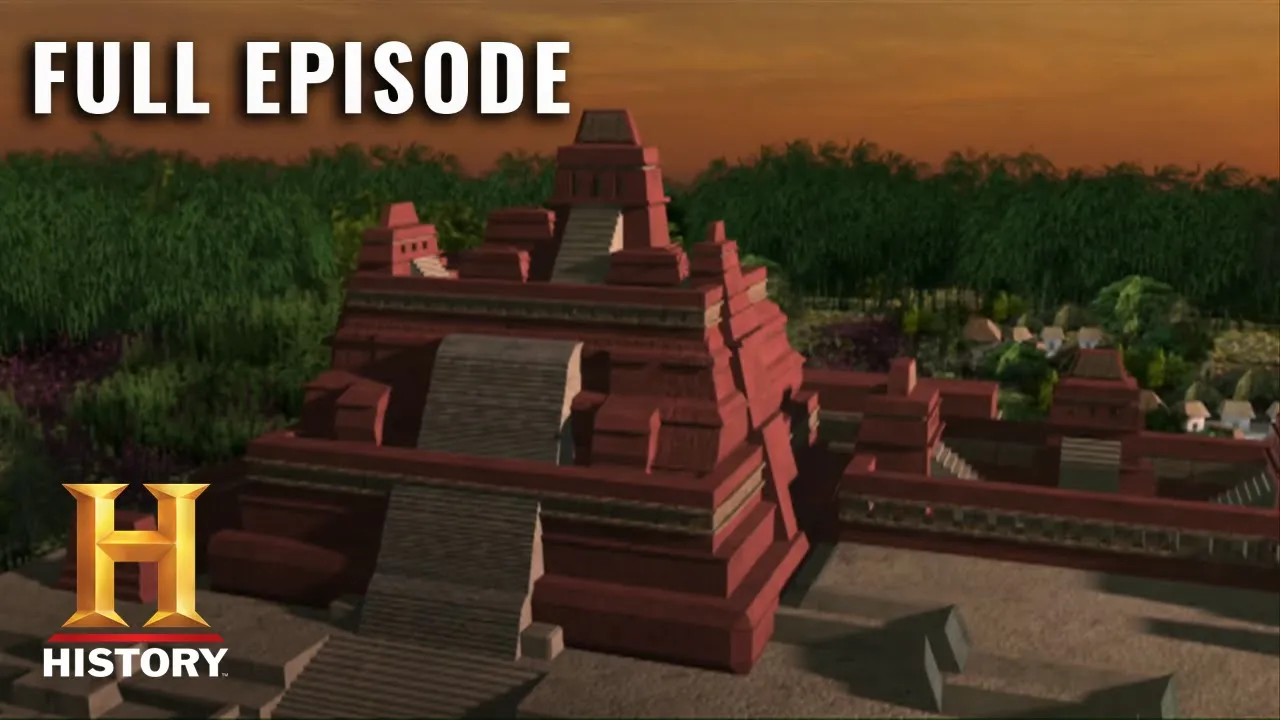
Why this video: This episode explores how, as the ecological-religious system began to fail, the elite class lost control of the masses. In response, rulers often escalated warfare and human sacrifices to manufacture external crises and maintain control, which ultimately accelerated societal disintegration.
Knowledge Checkpoint
- Define the term K'uhul Ajaw and explain the divine responsibilities expected of a Maya king.
- Connect Module 3 (Environmental Factors) to Module 4 (Political Factors): how did persistent droughts directly undermine a king's political legitimacy?
- What physical evidence (e.g., unfinished monuments, defensive walls) exists to show that the political authority of dynasties collapsed before cities were fully abandoned?
- Explain how elite competition and endemic warfare between city-states acted as a "feed-forward" loop that worsened agricultural collapse.
Module 5: Modern Archaeology and the LiDAR Revolution
This module highlights how remote sensing technology has completely transformed our understanding of Maya archaeology. Students will study Light Detection and Ranging (LiDAR) technology, learning how it penetrates thick jungle canopies to map hidden structures, revealing massive highway networks, agricultural infrastructure, and urban densities that challenge all older historical models.
Recommended Videos

Why this video: This direct, expert-led academic lecture by Dr. Francisco Estrada-Belli explains how massive LiDAR surveys in Guatemala have digitally stripped away the jungle canopy, revealing thousands of previously unknown archaeological features and reshaping our models of Maya urbanization.

Why this video: This clip showcases the sheer scale of the LiDAR discoveries, focusing on the mapping of tens of thousands of homes, defensive fortresses, and agricultural channels. This evidence proves that the population densities of Classic Maya lowlands were far higher than traditionally estimated.
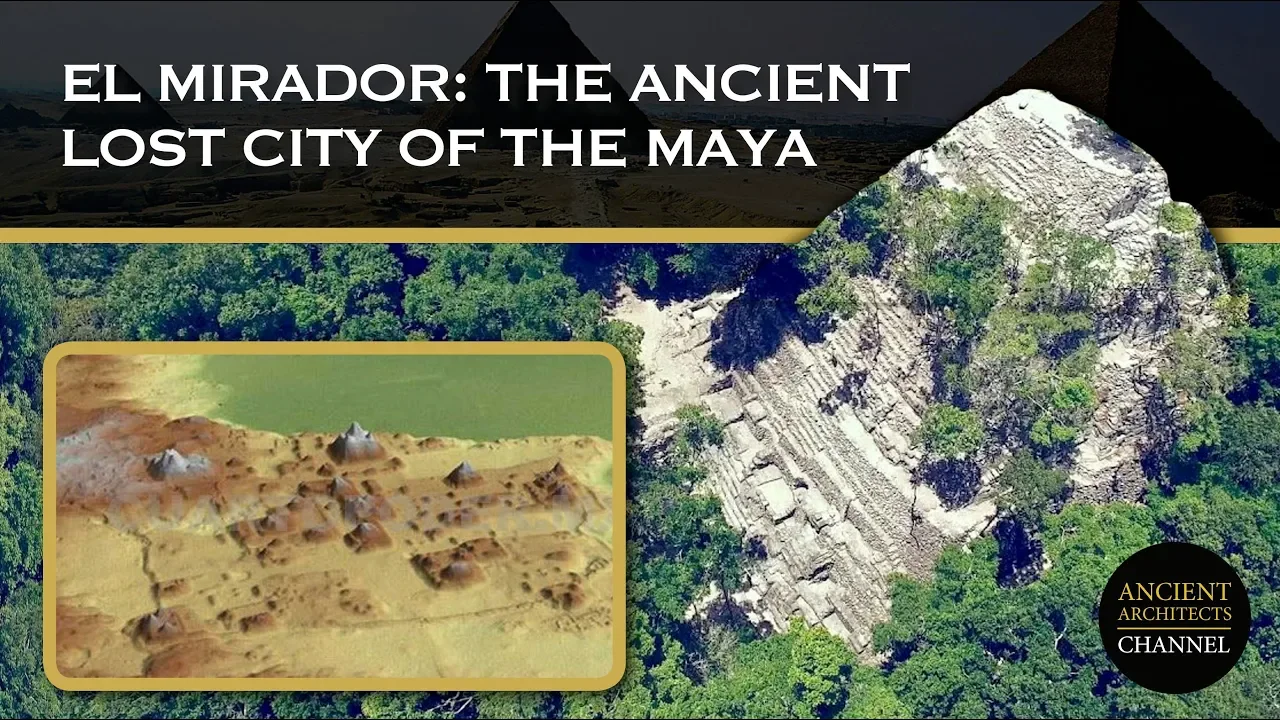
Why this video: Using the major site of El Mirador as a case study, this video explains how LiDAR mapped a massive, interconnected network of ancient highways (sacbeob), water management reservoirs, and defensive systems, proving that early Maya cities were highly connected hubs of regional trade.
Knowledge Checkpoint
- How does LiDAR technology work, and why is it uniquely suited for archaeological research in tropical rainforest environments?
- How did recent LiDAR discoveries alter previous scientific estimates of Classic Maya population density?
- What did LiDAR reveal about the connectivity between separate Maya city-states (e.g., roads, causeways)?
- In what ways does this high-density urban mapping change our understanding of why the environmental collapse of Module 3 was so devastating?
Course Map
Key People Index
-
Dr. William Fash Jr.
Archaeologist, Harvard University
A leading expert on the site of Copán, Honduras. His research centers on combining hieroglyphic decipherment with environmental evidence to understand the political and systemic collapse of Classic Maya dynasties. -
Dr. Douglas Kennett
Paleoclimatologist & Environmental Archaeologist
Specializes in reconstructing Mesoamerican climate systems. He pioneered the study of high-resolution oxygen-isotope proxy data from stalagmites to pin down the exact dates and severity of the historic megadroughts. -
Dr. Timothy Beach
Geoarchaeologist, University of Texas at Austin
An expert in soils and agricultural systems of the ancient Maya. His research on agricultural terraces, wetland canals, and soil profiles helped identify the extent of anthropogenic deforestation and soil erosion. -
Dr. Francisco Estrada-Belli
Archaeologist & Remote Sensing Specialist, Tulane University
A pioneer in applying airborne LiDAR technology to the study of Holmul and other lowland sites in northern Guatemala, rewriting historical frameworks on Maya settlement size and infrastructure. -
Dr. Ed Barnhart
Archaeologist & Director of the Maya Exploration Center
An active explorer who has mapped over a dozen ancient Maya cities, with research focusing on ancient engineering, astronomy, and the political rise of royal lineages during the Classic Period.
Final Self-Assessment
Test your mastery of the material by completing the following comprehensive self-assessment:
- I can describe the difference between the decentralized Maya "Age of Kings" and centralized imperial systems like Rome or the Aztecs.
- I can explain why saying "the Maya disappeared" is a myth, citing at least two modern Post-Classic transition sites (e.g., Chichen Itza, Mayapan) and modern descendant demographics.
- I can define a paleoclimate proxy and explain how scientists prove the occurrence of 9th-century megadroughts.
- I can describe how the Maya modified their environment using terraces, raised fields, and canals, and why these systems were vulnerable to long-term droughts.
- I can define the political role of the K'uhul Ajaw (holy king) as a divine intermediary.
- I can explain how environmental stress directly broke the political legitimacy of Maya rulers.
- I can identify archaeological evidence of defensive fortifications and unfinished monuments that demonstrate political fracturing.
- I can explain the physical principles of airborne LiDAR technology and why it is superior to traditional foot-surveys in tropical jungles.
- I can state how LiDAR discoveries changed estimates of Maya population density and regional connectivity (sacbeob).
- I can summarize the Classic Maya Collapse as a multi-causal, systemic feedback loop involving environmental, political, and societal pressures rather than a single "mysterious" event.