Haitian Revolution: Origins, Leaders & Legacy
Learning Goal: Master the history of the Haitian Revolution, exploring its origins in Saint-Domingue, key leadership under Toussaint Louverture, and its profound global impact on slavery and colonialism.
- Prerequisites: None (A basic understanding of the French Revolution and the transatlantic slave trade is helpful but not required).
- Estimated Total Study Time: 10 Hours
Module 1: Saint-Domingue and the Roots of Rebellion
Explore the social, economic, and brutal slave-labor dynamics of pre-revolutionary Saint-Domingue, which was the wealthiest French colony in the Caribbean and the "jewel" of the French empire.
Recommended Videos
Video 1: The Haitian Revolution - The Slave Society - Extra History - Part 1
Why this video: This animated explainer provides a highly accessible, visual breakdown of how the colony of Saint-Domingue (modern-day Haiti) was structured. It highlights how the entire economy was single-mindedly engineered around sugar production, establishing a brutal regime of agricultural labor that made it one of the wealthiest colonies on Earth while working enslaved Africans to death.
Knowledge Checkpoint:
- Understand how French settlers established agricultural communities on Hispaniola.
- Describe the centrality of sugar production to the economic wealth of Saint-Domingue.
- Explain the demographic imbalance between the small white ruling class and the vast enslaved population.
Video 2: Revolutions Podcast by Mike Duncan - S4: Haitian Revolution - Episode 1

Why this video: Acclaimed historian Mike Duncan delivers a masterclass on the social hierarchy of colonial Saint-Domingue. He details the specific class divides and overlapping grievances of the Grand Blancs (wealthy white planters), the Petit Blancs (poor white managers/artisans), the Gens de couleur libres (free people of color), and the hundreds of thousands of enslaved Africans.
Knowledge Checkpoint:
- Distinguish between the social motivations and anxieties of the Grand Blancs and the Petit Blancs.
- Identify the legal and social boundaries faced by free people of color (Gens de couleur libres).
- Explain how this highly stratified, multi-tiered caste system created a volatile powder keg.
Video 3: Haitian Revolution (Part 1) | World history | Khan Academy

Why this video: This academic overview places Saint-Domingue in a global geopolitical context. It explains how France's severe domestic financial crises during the late 18th century directly influenced colonial administration, laying bare the unsustainable reliance on enslaved labor to keep the French empire solvent.
Knowledge Checkpoint:
- Detail the scale of sugar and coffee production in Saint-Domingue relative to global trade.
- Explain how the domestic financial struggles of France trickled down to colonial governance.
- Articulate why the colony's social order was entirely dependent on absolute systemic terror and violence.
Module 2: The Spark of Revolution (1791–1793)
Analyze the immediate triggers of the Haitian Revolution, beginning with the foundational Vodou gathering at Bois Caïman, and examine how the idealistic rhetoric of the French Revolution was adapted by enslaved people.
Recommended Videos
Video 1: THE BOUKMAN REBELLION & HAITI'S REVOLUTION! | Chronicles of a Zoe
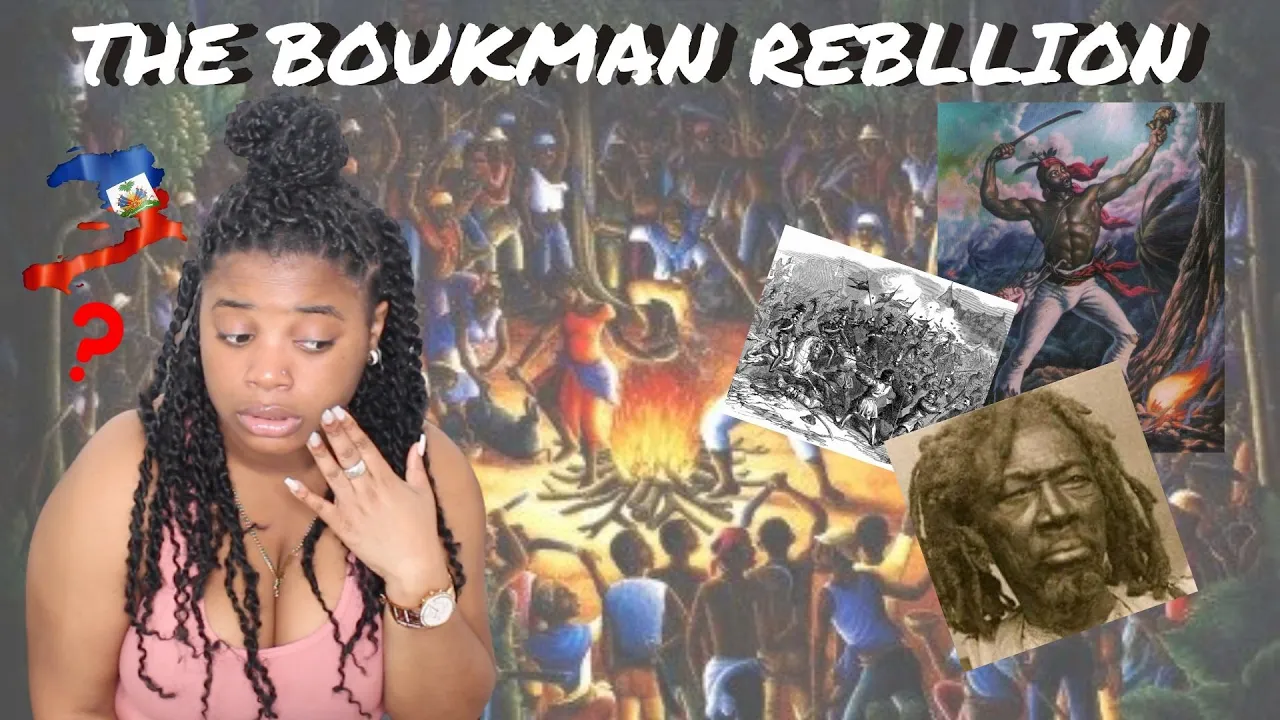
Why this video: This video focuses on the earliest stage of the rebellion and its first major leader, Dutty Boukman. It analyzes how Boukman, an educated and literate enslaved man, utilized his role as an overseer to organize, communicate, and coordinate a massive, synchronized rebellion that caught French colonizers completely off-guard.
Knowledge Checkpoint:
- Detail the background of Dutty Boukman and how his literacy aided his organizational capability.
- Explain the strategic planning that allowed the August 1791 rebellion to be launched simultaneously across multiple plantations.
- Identify the early military targets and objectives of the initial slave uprising.
Video 2: The Mysterious Slave Leader You Had Never Heard Of | Cecile Fatiman

Why this video: This historical biography sheds light on Cecile Fatiman, a Vodou priestess (mambo) who co-presided over the Bois Caïman ceremony. It provides critical context regarding how women and spiritual leaders were essential to the political mobilization, unity, and psychological resilience of the revolutionary forces.
Knowledge Checkpoint:
- Explain the role of Cecile Fatiman in the historic Bois Caïman ceremony of August 1791.
- Describe how Vodou served as a unified cultural and spiritual force for enslaved people of diverse African origins.
- Analyze how religious rituals provided both a mechanism for military secrecy and moral courage.
Video 3: Vodou: Haiti's African-Derived Religion

Why this video: To understand the revolution, one must understand Vodou's development. This academic look by Religion for Breakfast traces how enslaved West Africans—principally Fon, Yoruba, and Kongo peoples—re-engineered their spiritual practices in Saint-Domingue to forge a revolutionary identity that directly challenged Catholic colonial hegemony.
Knowledge Checkpoint:
- Explain the syncretic nature of Haitian Vodou and how it developed under French colonial oppression.
- Identify the specific African ethnic groups whose spiritual traditions coalesced into Haitian Vodou.
- Understand why colonial authorities viewed Vodou practices as an existential threat to their rule.
Module 3: The Rise of Toussaint Louverture
Examine the military mastermind and political strategist Toussaint Louverture, who rose from slavery to govern Saint-Domingue while navigating complex alliances and conflicts with France, Spain, and Great Britain.
Recommended Videos
Video 1: Toussaint Louverture - The Slave Who Rebelled Documentary
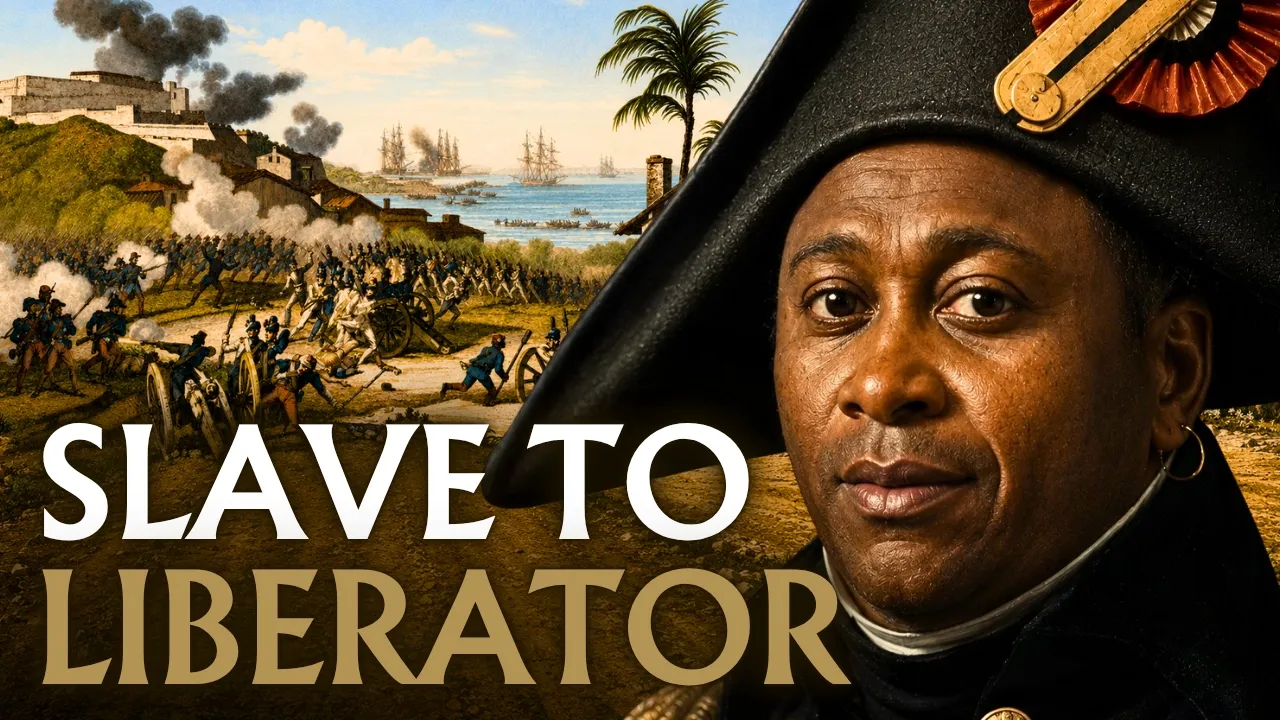
Why this video: This feature-length documentary offers an exhaustive, historically rich biography of Louverture. It tracks his early life of relative privilege on the Bréda plantation, his entrance into the revolution as a mature leader in his late 40s, his tactical brilliance on the battlefield, and his complex political vision for a free Saint-Domingue under French sovereignty.
Knowledge Checkpoint:
- Outline Louverture's life prior to the 1791 rebellion, including his education and freedom.
- Analyze how Louverture transformed a disorganized rebel force into a disciplined, professional army.
- Explain the strategic calculations Louverture made when switching alliances between Spain, Great Britain, and the French Republic.
Video 2: How Did This African Defeat Britain, France and Spain? | Sankofa Pan African Series

Why this video: This lecture highlights the extraordinary geopolitical scale of Louverture’s accomplishments. It details how he defended the colony and consolidated his power by outmaneuvering three of the world’s most powerful European militaries, using a combination of formal European tactics, local guerrilla warfare, and diplomatic manipulation.
Knowledge Checkpoint:
- Identify the foreign military forces that invaded Saint-Domingue during the chaos of the 1790s.
- Detail how Louverture leveraged European imperial rivalries to secure resources for his military.
- Discuss Louverture's efforts to rebuild Saint-Domingue's war-torn economy while maintaining the abolition of slavery.
Video 3: Grace and Tolerance in History: Toussaint – Dr. Roy | Museum of the Future: Lessons from the Past
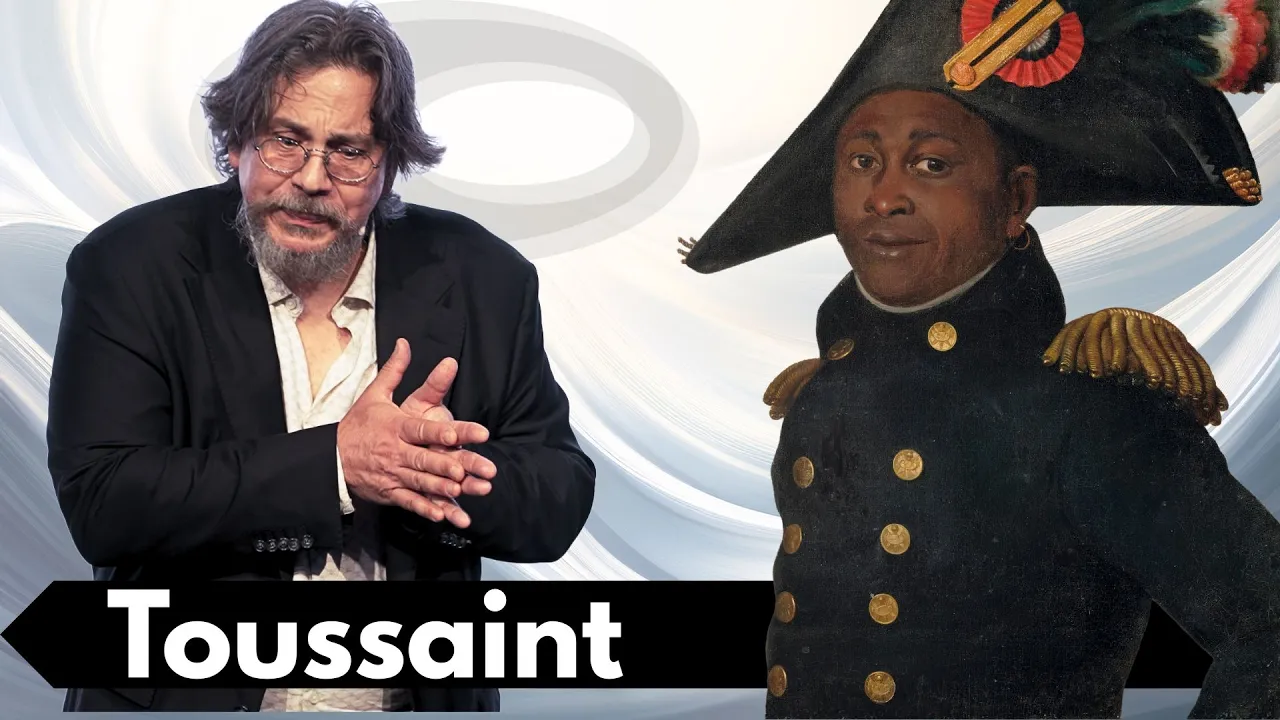
Why this video: Dr. Roy Casagranda provides an insightful lecture on Louverture's philosophy of leadership, focusing on his pragmatic and surprisingly tolerant approach to building a post-slavery society. The video addresses Louverture's recruitment of white and mixed-race administrators and his multi-perspective approach to governance.
Knowledge Checkpoint:
- Understand the concept of "multi-perspective thinking" as applied by Louverture to military and civilian administration.
- Describe the structural and economic dilemmas Louverture faced in trying to maintain productivity without resorting to slavery.
- Explain his political relationship with the metropole of France and Napoleon Bonaparte.
Module 4: The War of Independence and Liberty (1801–1804)
Curriculum Note: Review feedback highlighted a need for deep, targeted coverage of Jean-Jacques Dessalines and the Battle of Vertières. We have addressed this gap by curating dedicated primary and secondary accounts of these events, moving past general overviews to focus on the military campaigns that secured Haitian independence.
Examine Napoleon Bonaparte's attempt to restore slavery in Saint-Domingue, the arrest and tragic exile of Toussaint Louverture, and how his lieutenant, Jean-Jacques Dessalines, organized a total war of independence to completely expel French forces.
Recommended Videos
Video 1: The Battle of Vertières (1803) — November 18th
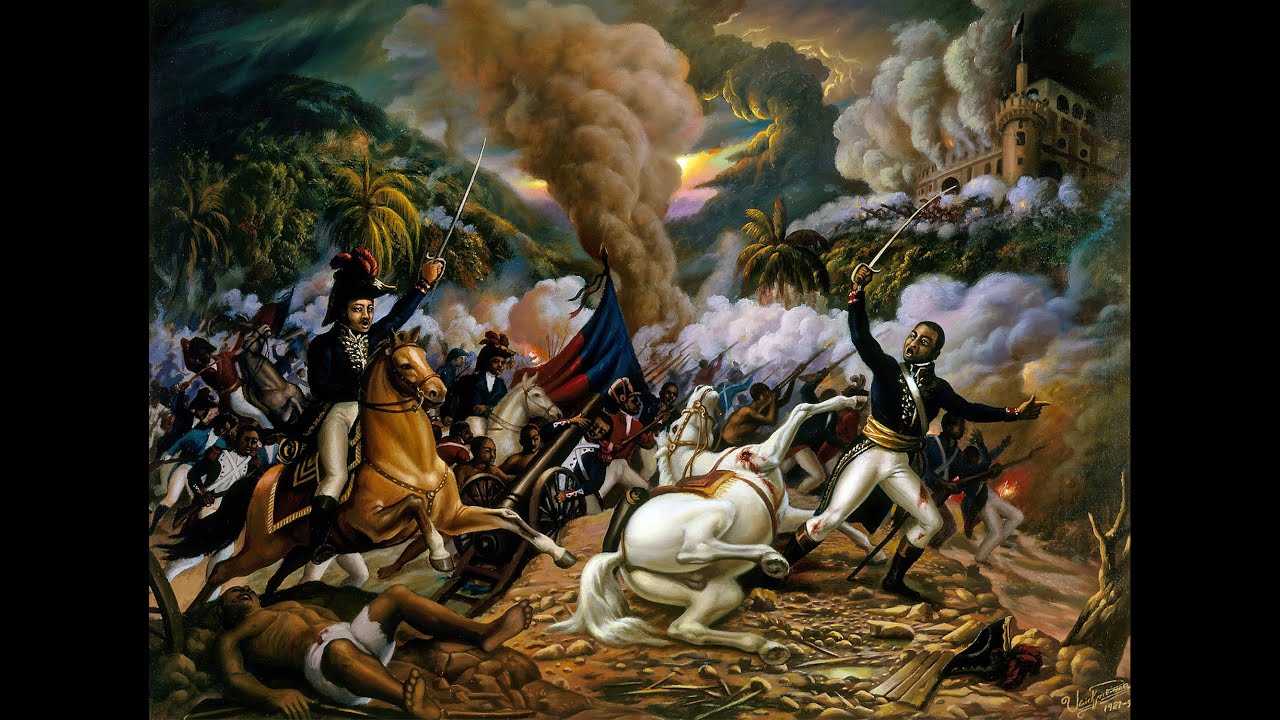
Why this video: Directly addressing the historical gap in standard Western curriculum, this video details the final, decisive military clash of the revolution: the Battle of Vertières. It highlights how the Indigenous Army (composed of formerly enslaved individuals) under the command of Jean-Jacques Dessalines defeated Napoleon's veteran elite troops, led by General Rochambeau.
Knowledge Checkpoint:
- Outline the tactical maneuvers and troop positions during the Battle of Vertières on November 18, 1803.
- Discuss the role of other revolutionary officers, such as François Capois, during this engagement.
- Analyze how this decisive victory made the declaration of Haitian independence inevitable.
Video 2: The man who defeated Napoleon
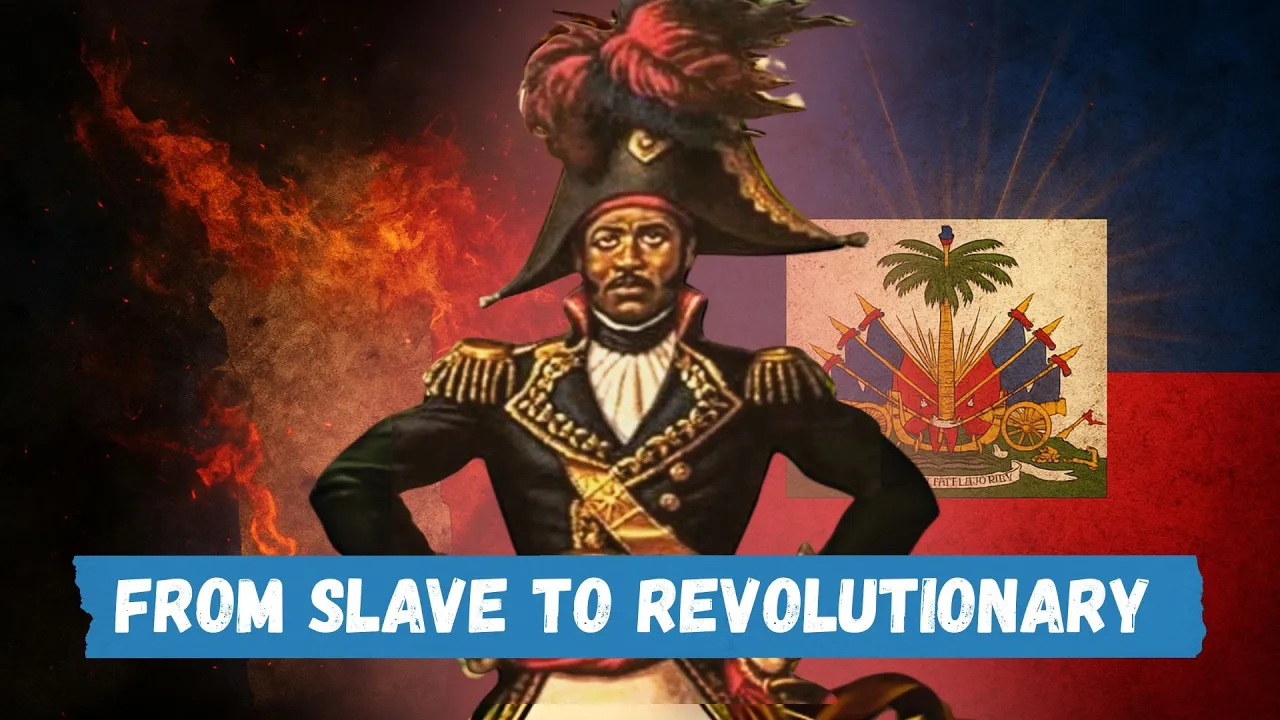
Why this video: This biography profiles Jean-Jacques Dessalines, the founding father of Haiti. It contrasts his uncompromising military philosophy of "Koupe tèt, boule kay" (Cut heads, burn houses) with Louverture's more conciliatory diplomacy, explaining why such absolute measures became necessary to guarantee permanent emancipation.
Knowledge Checkpoint:
- Identify Dessalines’ early life experiences and how they shaped his revolutionary outlook.
- Contrast the political and military philosophies of Toussaint Louverture and Jean-Jacques Dessalines.
- Understand how Dessalines unified the Black and mixed-race forces after Louverture's betrayal and arrest.
Video 3: The Haitian Revolution - Roots of Liberty - Extra History - Part 6
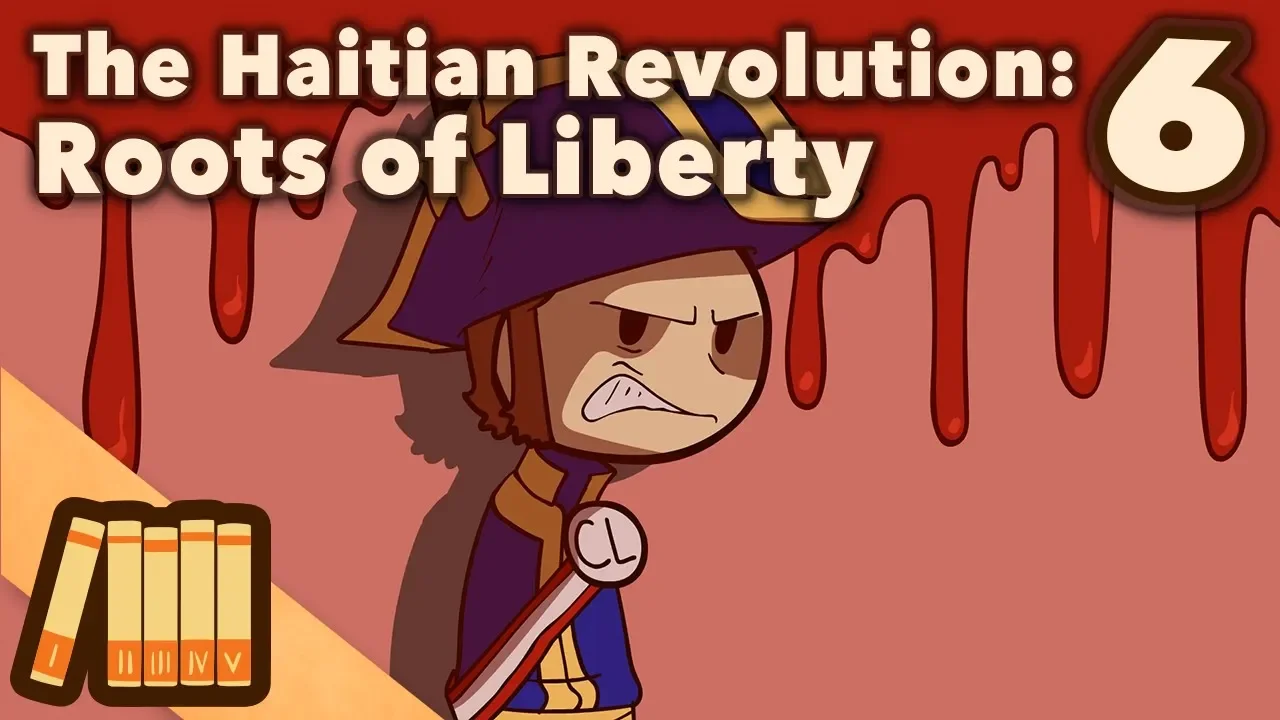
Why this video: This animated episode details the arrival of Napoleon’s massive 1802 expedition force commanded by General Charles Leclerc. It outlines Leclerc's secret instructions to strip Black officers of their ranks, disarm the population, capture Louverture, and restore the plantation system and slavery.
Knowledge Checkpoint:
- Explain Napoleon's motives for sending 20,000 French soldiers to Saint-Domingue in 1802.
- Detail the circumstances surrounding the capture, betrayal, and death of Toussaint Louverture.
- Describe how the French army was decimated by a combination of yellow fever and persistent guerrilla resistance.
Module 5: Global Impact and the Aftermath of Revolution
Curriculum Note: Review feedback indicated that typical accounts gloss over the financial mechanics of the 1825 "double debt." We address this gap using long-form investigative history to unpack the indemnity forced upon Haiti, showing how economic colonialism succeeded military defeat.
Investigate how the birth of the world's first free Black republic reshaped the global geography of slavery, forced Napoleon to sell Louisiana to the United States, and examines the crushing 1825 French indemnity that crippled Haiti's economic sovereignty for generations.
Recommended Videos
Video 1: Why Haiti is Dying & the DR is Booming

Why this video: This deep-dive investigation from RealLifeLore provides the exact economic breakdown missing from most educational resources. It details the financial mechanics of the 1825 indemnity, where France sent warships to Port-au-Prince to coerce President Jean-Pierre Boyer into paying 150 million francs (later reduced to 90 million) to compensate former slave owners. It unpacks the "double debt" structure: borrowing from French banks to pay the French state, trapping the young nation in a cycle of debt that took 122 years to clear.
Knowledge Checkpoint:
- Explain the geopolitical and military blackmail behind the 1825 French Indemnity.
- Define the term "double debt" and trace how it transferred Haiti's national wealth directly to French banks.
- Analyze how this debt prevention of infrastructure investment (education, roads, healthcare) led directly to modern economic instability.
Video 2: Why Napoleon Gave America Half a Continent Almost for Free

Why this video: This video tracks how the Haitian victory fundamentally transformed the geography of North America. It explains Napoleon's "Western Design"—his plan to use Louisiana to feed the sugar powerhouse of Saint-Domingue. When Saint-Domingue was lost to the revolution, his American empire lost its economic anchor, forcing him to sell the Louisiana Territory to Thomas Jefferson.
Knowledge Checkpoint:
- Explain the economic link between French-occupied Saint-Domingue and the Louisiana Territory.
- Detail why the defeat of Leclerc's army prompted Napoleon to abandon his plans for a Western empire.
- Analyze the massive territorial expansion of the United States as a direct consequence of Haitian military resistance.
Video 3: The Louisiana Rebellion of 1811: Crash Course Black American History #12

Why this video: This segment from Crash Course shows the ideological ripples of the Haitian Revolution. It examines the 1811 German Coast Uprising in Louisiana—the largest slave revolt in American history—demonstrating how enslaved people across the Americas were directly inspired by the Haitian model of armed self-emancipation.
Knowledge Checkpoint:
- Detail how information regarding the success of the Haitian Revolution spread to enslaved populations in North America.
- Describe the structure, goals, and leadership of the 1811 German Coast Uprising.
- Discuss the backlash and increased paranoia of white slaveholders in the United States in the wake of Haiti's independence.
Course Map
This flowchart outlines the conceptual progress and dependencies of your learning journey:
Key People Index
| Person | Context within the Haitian Revolution | Key Resource to Consult |
|---|---|---|
| Dutty Boukman | Early leader and houngan (Vodou priest) who initiated the August 1791 rebellion. | Chronicles of a Zoe (Module 2, Video 1) |
| Cecile Fatiman | Vodou priestess (mambo) who co-led the historic Bois Caïman spiritual ceremony. | Forgotten Lives (Module 2, Video 2) |
| Toussaint Louverture | The strategic mastermind, military general, and early governor of Saint-Domingue. | PeopleProfiles Documentary (Module 3, Video 1) |
| Jean-Jacques Dessalines | Louverture's lieutenant who led the final total-war campaign and declared Haiti independent in 1804. | Primary Source Media (Module 4, Video 2) |
| Dr. Roy Casagranda | Historian and political scientist lecturing on Louverture's multi-perspective strategic leadership. | Dr. Roy Casagranda Lecture (Module 3, Video 3) |
| Charles Leclerc | French General sent by Napoleon Bonaparte in 1802 with a secret mandate to restore slavery. | Extra History Part 6 (Module 4, Video 3) |
| Jean-Pierre Boyer | Haitian President who reluctantly signed the ruinous 1825 French Indemnity agreement. | RealLifeLore (Module 5, Video 1) |
Final Self-Assessment
Test your mastery of the Haitian Revolution. You should be able to confidently check off every point before concluding this course:
- Colonial Structures: Can you explain why pre-revolutionary Saint-Domingue was referred to as the "Pearl of the Antilles" and the human cost of its wealth?
- Social Castes: Can you detail the conflicts and ambitions of the Grand Blancs, Petit Blancs, Gens de couleur, and enslaved populations?
- Bois Caïman: Can you describe the events of August 1791 and explain the dual spiritual and political role Vodou played in initiating the revolution?
- Toussaint’s Strategy: Can you detail how Toussaint Louverture successfully fought and bargained with Spain, Great Britain, and France?
- Napoleon’s Ambitions: Can you explain why Napoleon Bonaparte sent General Leclerc to Saint-Domingue in 1802 and what his secret orders were?
- Dessalines’ Tactics: Can you explain how the military strategy of Jean-Jacques Dessalines differed from Louverture and why he chose "Liberty or Death" as his guiding motto?
- Battle of Vertières: Can you detail the tactical outcome of the November 18, 1803 battle and its historic significance as the defeat of Napoleon's elite troops?
- The Louisiana Purchase: Can you trace the direct cause-and-effect relationship between the loss of Saint-Domingue and Napoleon's decision to sell Louisiana to the United States?
- The 1825 Double Debt: Can you explain how the French indemnity was structured, what the "double debt" means, and how it affected Haiti's long-term economic development?
- Global Ideological Impact: Can you discuss how the creation of the world's first free Black republic sent shockwaves through other slaveholding nations (such as the US) and inspired subsequent slave uprisings?