Reconstruction: Amendments, Jim Crow & Legacy
Learning Goal: Investigate the successes and failures of the Reconstruction Era (1865–1877) in the United States, focusing on the passage of the Reconstruction Amendments, the rise of Jim Crow, and the struggle for African American civil rights.
- Prerequisites: None (A basic understanding of the American Civil War is helpful but not required).
- Estimated Total Study Time: 12 Hours
Module 1: Post-Civil War Foundations & Presidential Reconstruction
This module explores the immediate aftermath of the American Civil War, analyzing the immense physical, economic, and social devastation of the Southern states in 1865. Students will examine the critical struggle for control over the Reconstruction process, contrasting Abraham Lincoln’s and Andrew Johnson’s lenient "Presidential Reconstruction" plans with the vision of the Radical Republicans in Congress. Finally, we investigate the constitutional showdown that culminated in the impeachment of President Andrew Johnson.
Recommended Videos
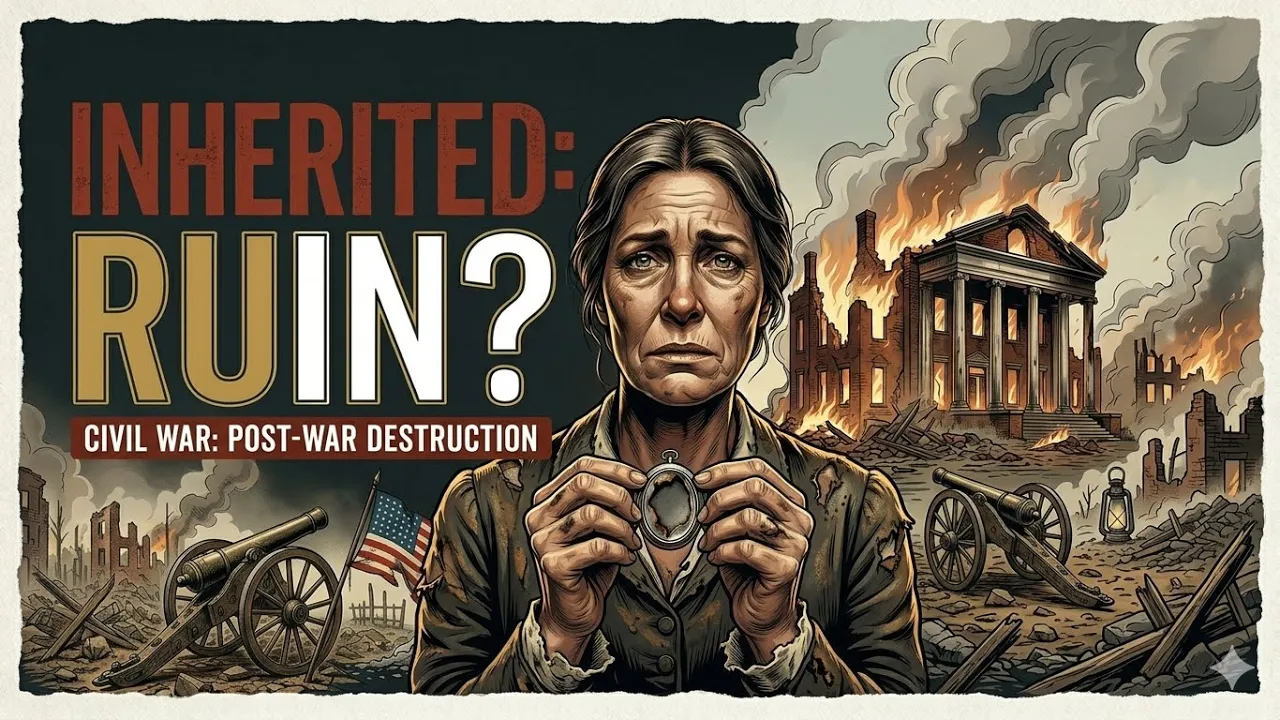
- Why this video: This short, highly visual guide provides critical spatial and economic context. It details the scale of physical destruction—ruined railroads, razed cities, and collapsed agrarian systems—that defined the South in 1865, helping learners comprehend the massive material challenge of rebuilding the region.
- Knowledge Checkpoint:
- Describe the state of the Southern infrastructure (railroads, agricultural lands, cities) immediately following the surrender in 1865.
- Explain how physical exhaustion and material depletion in the Confederacy accelerated the collapse of Southern resistance.

- Why this video: Part of Yale's renowned open history series, this lecture provides a comprehensive, rigorous academic breakdown of Presidential Reconstruction (1865–1867). It explains how Andrew Johnson's rapid pardons of wealthy planters allowed former Confederates to quickly reclaim political authority and establish early forms of racial control.
- Knowledge Checkpoint:
- Identify the core differences between Abraham Lincoln's 10% Plan and Andrew Johnson's approach to readmitting Southern states.
- Explain how Johnson's lenient pardon policy allowed the antebellum Southern elite to regain legislative power so rapidly.

- Why this video: This deep-dive lecture explores the ideological, constitutional, and personal conflict between President Johnson and the Radical Republicans in Congress. It highlights how Congress, led by figures like Thaddeus Stevens and Charles Sumner, eventually seized control of Reconstruction to enforce civil rights.
- Knowledge Checkpoint:
- Define the primary goals of the "Radical Republicans" and explain why they viewed Johnson's policies as a betrayal of Union victory.
- Describe the constitutional dispute regarding whether the Executive or Legislative branch held the authority to govern Reconstruction.
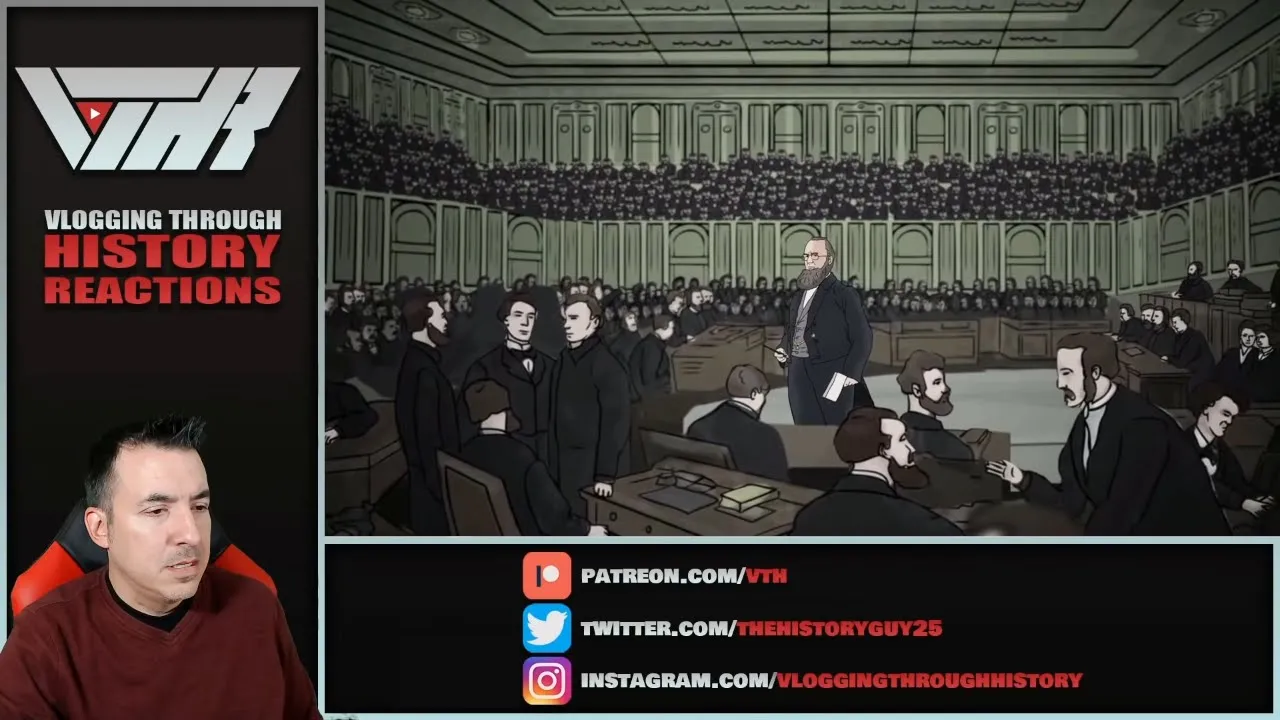
- Why this video: This video breaks down the political maneuvering that led to the first-ever presidential impeachment trial in American history. It analyzes the Tenure of Office Act, the firing of Edwin Stanton, and the narrow margin by which Johnson avoided removal from office.
- Knowledge Checkpoint:
- What was the Tenure of Office Act, and how did President Johnson violate it to trigger his impeachment?
- Discuss the historical significance of Johnson's acquittal by a single vote in the U.S. Senate.
Module 2: The Reconstruction Amendments & Legal Transformation
This module covers the constitutional revolution of the mid-to-late 1860s. We will analyze the historical passage, legal mechanics, and transformative significance of the 13th, 14th, and 15th Amendments. Students will investigate how these measures redefined the concept of American citizenship, expanded federal power to protect individual rights, and legally guaranteed voting rights for Black men.
Recommended Videos

- Why this video: A clear, concise foundational overview of the three Reconstruction Amendments. It serves as an excellent starting point for understanding how the U.S. Constitution was fundamentally rewritten in the wake of the Civil War.
- Knowledge Checkpoint:
- Name the specific legal protections established by each of the three Reconstruction Amendments (13th, 14th, and 15th).
- Discuss how these three amendments changed the balance of power between state governments and the federal government.
- Why this video: This video provides historical context for each amendment's ratification process, explaining the political and societal pressures of the late 1860s and early 1870s that drove these sweeping legal changes.
- Knowledge Checkpoint:
- What specific limitation did the 15th Amendment have regarding who was granted the right to vote?
- How did the 14th Amendment legally define citizenship, and what did the "equal protection" clause mean in practice?
- Why this video: Produced by the National Constitution Center, this high-yield walkthrough places the Reconstruction Amendments within the broader context of American constitutional history, labeling them as a "Second Founding."
- Knowledge Checkpoint:
- Explain why constitutional scholars frequently refer to the Reconstruction Amendments as America's "Second Founding."
- Describe how the 14th Amendment's Due Process and Equal Protection clauses laid the legal groundwork for the modern civil rights movement.
Module 3: African American Empowerment, Freedmen's Bureau & Community Progress
This module explores the rise of Black political participation, agency, and community-building. We will study the establishment, achievements, and structural challenges faced by the Freedmen's Bureau. In addition, we will examine the social and institutional foundations of the Black community—specifically the rapid growth of independent Black churches, public schools, and early Historically Black Colleges and Universities (HBCUs).
Recommended Videos
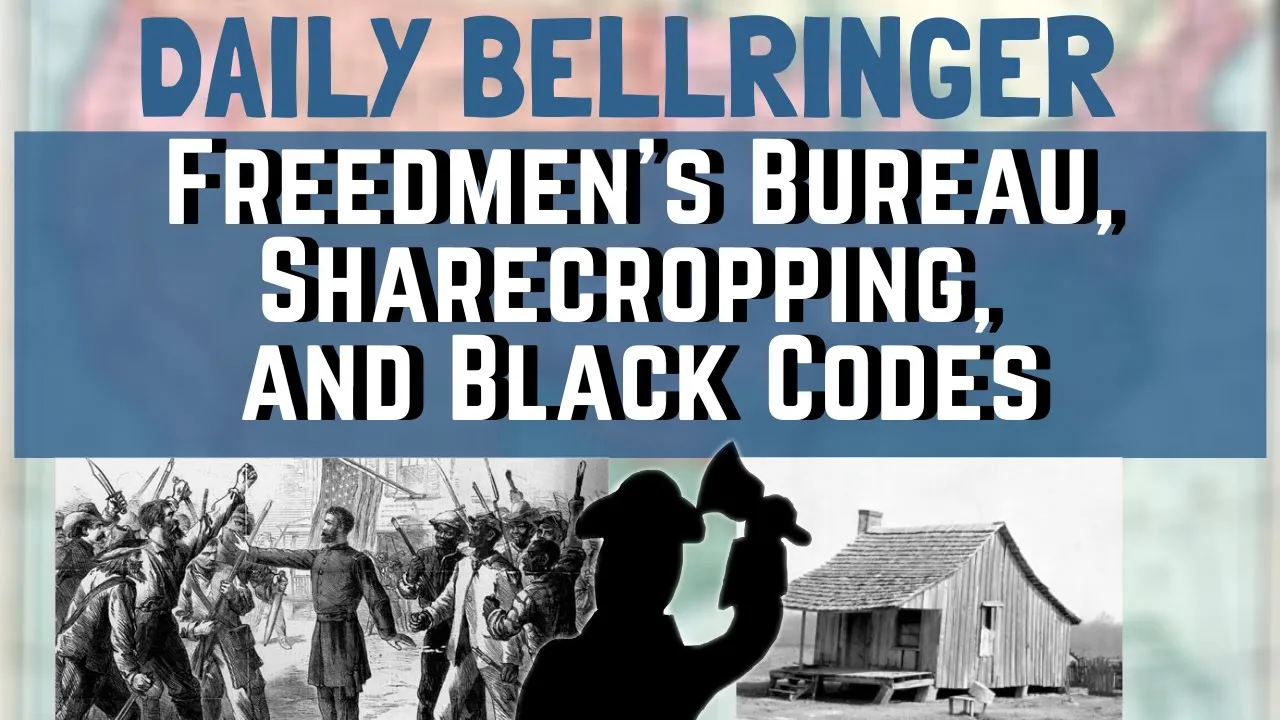
- Why this video: This video introduces the Freedmen's Bureau (established under the War Department in 1865). It outlines its core charges: distributing food and medical aid, building schools, and mediating labor disputes between freed people and Southern landowners.
- Knowledge Checkpoint:
- What was the official name of the Freedmen’s Bureau, and what were its primary duties in the post-war South?
- What structural and political challenges prevented the Bureau from fully executing land redistribution programs?

- Why this video: Using rare archival records and expert analysis, this clip details the fierce political and social resistance that white Southerners mounted against the Freedmen's Bureau, viewing it as federal overreach.
- Knowledge Checkpoint:
- How did white Southern planters resist the Bureau's efforts to regulate labor contracts?
- Analyze the long-term educational legacy of the Freedmen's Bureau in establishing public schools for formerly enslaved people.
- Why this video: This quick academic lecture segment outlines how the independent Black church emerged as the central social, political, and spiritual hub of post-emancipation Black communities.
- Knowledge Checkpoint:
- Why did the Black church become the primary institution for local political organizing and community leadership after 1865?
- Name at least two roles the Black church filled in local communities that extended beyond traditional religious worship.

- Why this video: This video uses the local history of Oscarville, Georgia, to showcase the agency, educational drive, and community resilience of Black families during this period, detailing their success in establishing self-determined towns, farms, and local schools.
- Knowledge Checkpoint:
- Describe how Black families constructed self-sustaining community networks, local economies, and schools during and immediately following Reconstruction.
- Why was physical and economic autonomy (such as land ownership) so critical to securing the civic and social rights of freed people?
Module 4: The Downfall of Reconstruction & The Compromise of 1877
This module focuses on the violent backlash and political negotiations that brought Reconstruction to an end. We will examine the rise of the Ku Klux Klan and other white supremacist paramilitary organizations that used systemic terror to suppress Black voters. We will also analyze the contested Presidential Election of 1876 and the subsequent backroom "Compromise of 1877" that pulled federal troops out of the South, effectively abandoning Black citizens to Southern "Redeemer" legislatures.
Recommended Videos
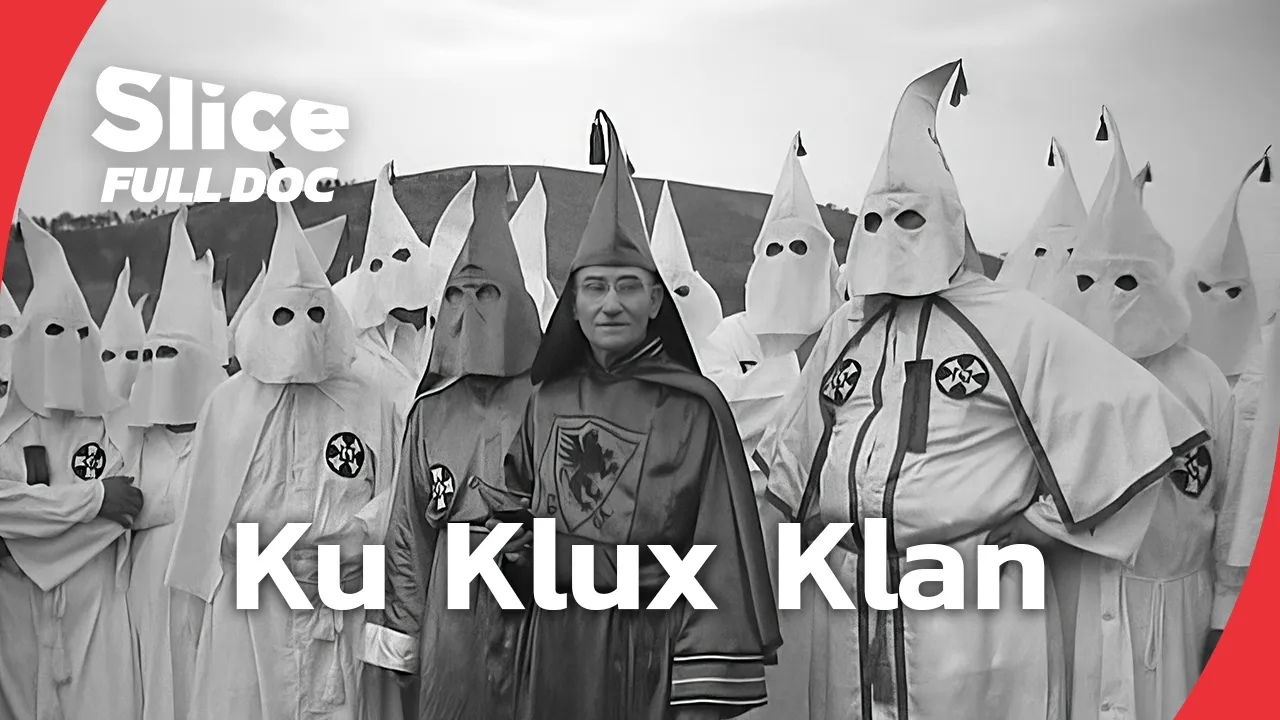
- Why this video: This segment from a larger documentary details the founding of the Ku Klux Klan in late 1865 in Pulaski, Tennessee. It documents the transition of the group from a social club of former Confederate soldiers to a coordinated, lethal insurgent army fighting to preserve white supremacy.
- Knowledge Checkpoint:
- When and where did the Ku Klux Klan originate, and what was its original makeup?
- How did white supremacist terror specifically target the political gains and voting rights guaranteed by the Reconstruction Amendments?

- Why this video: This video highlights Black agency and armed self-defense. It outlines how Black militiamen and Union veterans organized state-sanctioned armed defensive units to actively protect their communities and push back against early KKK violence.
- Knowledge Checkpoint:
- Explain the role of authorized Black state militia companies in defending local communities from white supremacist violence.
- Describe the federal government's policy response (such as the Enforcement Acts) in suppressing insurgent groups.

- Why this video: This video breaks down the highly complex, chaotic, and heavily disputed presidential race of 1876 between Rutherford B. Hayes and Samuel J. Tilden, explaining how voter suppression, fraud, and split electoral votes created a constitutional crisis.
- Knowledge Checkpoint:
- Why did the 1876 presidential election result in a complete electoral deadlock despite a clear popular vote winner?
- Explain the role of the special 15-member Electoral Commission in determining the outcome of the election.

- Why this video: A clear legal and political overview of the informal, unwritten deal that resolved the 1876 election deadlock, effectively drawing the curtain on federal enforcement of civil rights in the South.
- Knowledge Checkpoint:
- What did Northern Republicans and Southern Democrats agree to in the Compromise of 1877?
- What were the immediate consequences of withdrawing federal troops from the South for the civil rights and physical safety of Black citizens?
Module 5: The Rise of Jim Crow, Sharecropping, and Legal Segregation
This final module covers the long-term aftermath of Reconstruction's abandonment. Students will analyze how Southern state governments systematically bypassed the Reconstruction Amendments through the implementation of "Black Codes," disenfranchisement tactics (such as literacy tests and poll taxes), and the sharecropping system, which trapped millions in a cycle of debt and forced labor. Finally, we will examine the landmark Supreme Court decision in Plessy v. Ferguson (1896) and the codification of the "separate but equal" doctrine.
Recommended Videos

- Why this video: This video uses primary accounts and deep narrative framing to illustrate how the sharecropping system functioned as an economic replacement for slavery, trapping families through debt-peonage contracts and high-interest credit systems.
- Knowledge Checkpoint:
- Explain how the sharecropping system functioned and why it made economic autonomy nearly impossible for formerly enslaved laborers.
- Contrast the promise of "40 acres and a mule" with the physical reality of debt peonage under sharecropping.
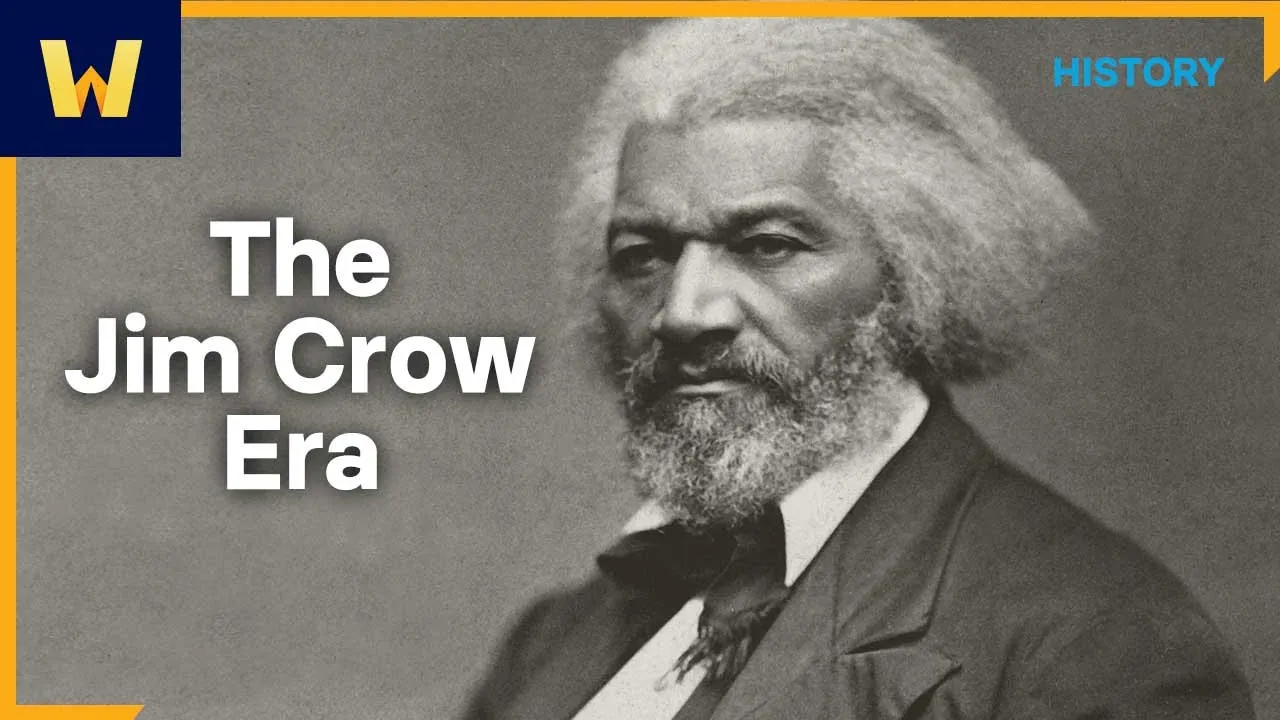
- Why this video: A comprehensive, historically rigorous lecture that outlines the systematic construction of "Jim Crow" segregation, disenfranchisement, and structural inequality following the collapse of Republican state governments in the South.
- Knowledge Checkpoint:
- Define "Black Codes" and explain how they were used to control the movement, wages, and legal rights of African Americans.
- What legal and administrative mechanisms (e.g., poll taxes, grandfather clauses) did Southern states use to circumvent the 15th Amendment?
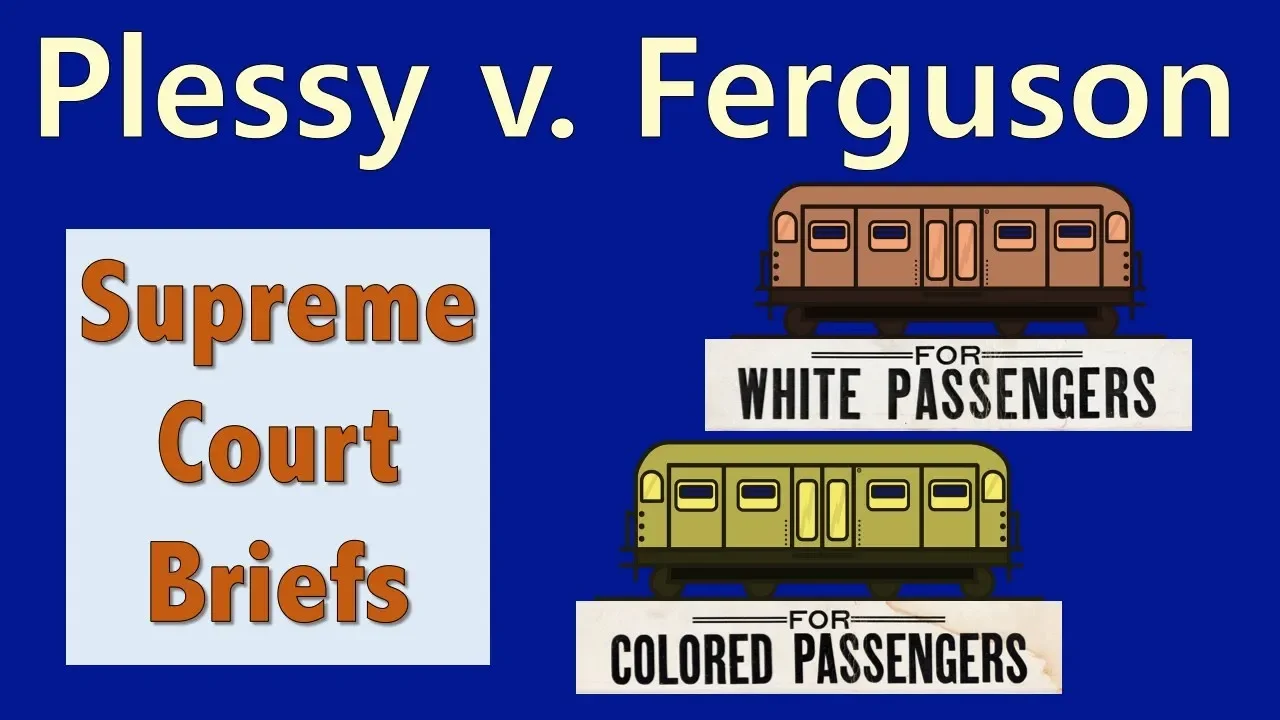
- Why this video: This legal deep-dive examines the Plessy v. Ferguson (1896) Supreme Court case. It explains Homer Plessy's deliberate legal challenge to Louisiana's Separate Car Act and details the Supreme Court’s catastrophic ruling that legalized racial segregation for the next half-century.
- Knowledge Checkpoint:
- What was the constitutional argument made by Homer Plessy’s legal team regarding Louisiana's Separate Car Act?
- Explain the "separate but equal" doctrine and discuss how the Supreme Court justified segregation under the 14th Amendment.
Course Map
Below is the recommended chronological learning path through the curriculum, highlighting the dependencies between modules:
Key People Index
- Andrew Johnson (1808–1875): The 17th President of the United States. He assumed office after Abraham Lincoln's assassination and pursued a highly lenient "Presidential Reconstruction" policy, putting him in direct conflict with Congress and leading to his impeachment.
- Rutherford B. Hayes (1822–1893): The 19th President of the United States. His disputed election in 1876 was settled by the Compromise of 1877, which awarded him the presidency in exchange for withdrawing federal troops from the South.
- Samuel J. Tilden (1814–1886): Democratic presidential candidate in the election of 1876. He won the popular vote but lost the presidency after the Electoral Commission awarded disputed votes to Hayes.
- Homer Plessy (1862–1925): An American civil rights activist of mixed race who intentionally violated Louisiana's 1890 Separate Car Act to challenge segregation laws in court, resulting in the Plessy v. Ferguson case.
- W.E.B. Du Bois (1868–1963): Historian, sociologist, and civil rights leader whose landmark 1935 work, Black Reconstruction in America, overturned mainstream, white supremacist historical narratives of the Reconstruction Era.
Final Self-Assessment
Complete this comprehensive self-assessment checklist after reviewing all materials to evaluate your mastery of the Reconstruction Era:
- Explain the core ideological and constitutional differences between Presidential Reconstruction (under Lincoln and Johnson) and Radical Reconstruction (under Congress).
- Identify the primary legal catalysts for President Andrew Johnson's 1868 impeachment trial and explain the political outcome.
- Define the specific protections granted by the 13th, 14th, and 15th Amendments, describing how they transformed the definition of American citizenship.
- List at least three major accomplishments and three structural challenges of the Freedmen's Bureau during its operational years.
- Describe the primary social functions of independent Black churches, public schools, and early HBCUs in building post-emancipation civic life.
- Analyze the methods, motivations, and impact of early white supremacist organizations (such as the KKK) on African American political participation during Reconstruction.
- Detail the political elements of the Compromise of 1877 and explain how it directly led to the collapse of federal protection for Southern Black citizens.
- Describe how the sharecropping system functioned as an economic trap of debt peonage for formerly enslaved people.
- Outline the constitutional arguments and the eventual Supreme Court ruling in Plessy v. Ferguson (1896) that codified the "separate but equal" doctrine.