Afrofuturism: Sci-Fi, History & Black Futures
Learning Goal: Deconstruct the thematic elements and cultural significance of Afrofuturism in speculative fiction, analyzing how Black authors combine science fiction, fantasy, and historical narratives to critique systemic racism and imagine alternative futures.
- Prerequisites: None (An open mind and basic familiarity with science fiction tropes are recommended)
- Estimated Total Study Time: 12 Hours
Module 1: Introduction to Afrofuturism: Origins and Aesthetics
This module establishes the foundational definitions, historical roots, and visual/auditory aesthetics of Afrofuturism. You will explore how cultural critic Mark Dery coined the term in 1994, trace the movement’s development from early sonic pioneers like Sun Ra to modern visual artists, and learn how speculative aesthetics serve as tools for Black liberation and creative reclamation.
Recommended Videos
1. TEDxFortGreeneSalon - Ingrid LaFleur - Visual Aesthetics of Afrofuturism
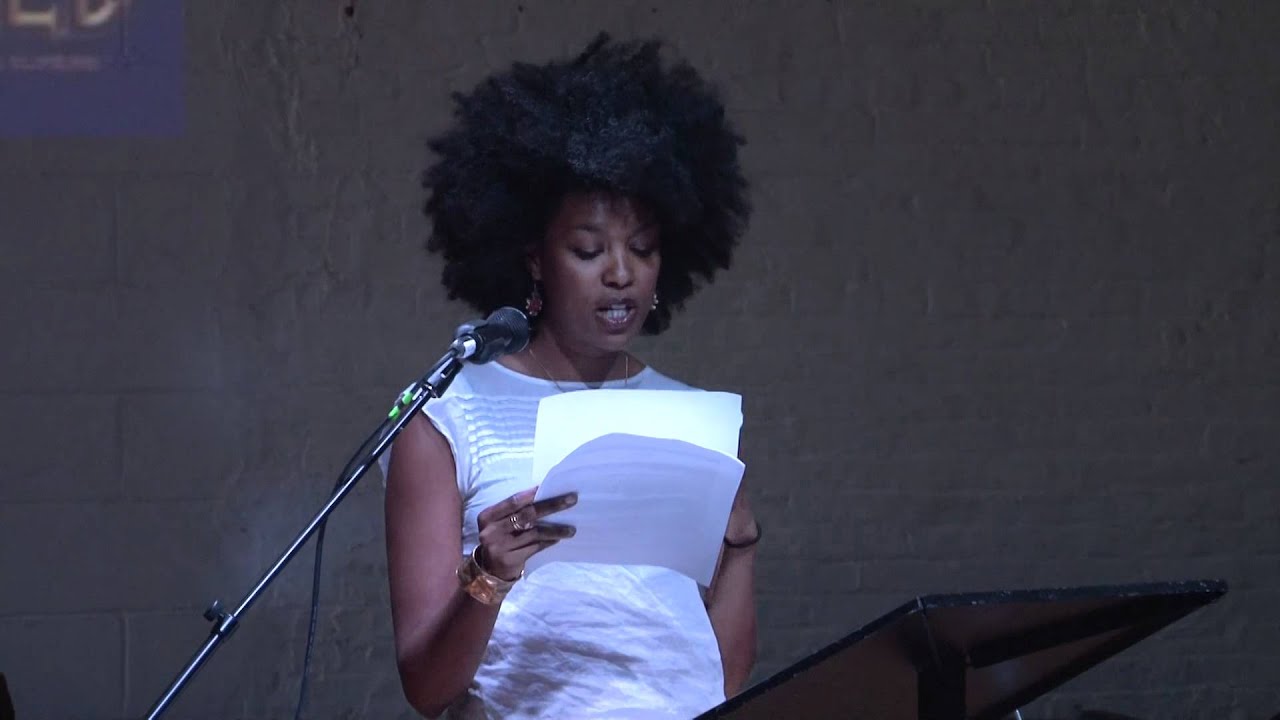
Why this video: Ingrid LaFleur delivers an indispensable primer on the origins of the term "Afrofuturism" and how it has expanded from a niche literary label into a full-scale creative and political ideology. She breaks down the aesthetic parameters of the movement, highlighting how speculative art and design are actively deployed to project Black bodies into spaces of agency, technological mastery, and visual liberation.
- Knowledge Checkpoint:
- Explain how and why Mark Dery coined the term "Afrofuturism" in 1994.
- Identify at least three visual markers of Afrofuturist design and art.
- Explain the relationship between speculating about the future and achieving political/social liberation in the present.
2. Afrofuturism mixes sci-fi and social justice. Here’s how it works.

Why this video: This concise, high-production explainer highlights the critical lack of Black representation in mainstream Western science fiction and demonstrates how Afrofuturism acts as a correction. It bridges the gap between creative imagination and social justice, showing how speculative narratives directly confront real-world systemic inequalities.
- Knowledge Checkpoint:
- State the historical percentage of Black representation in top-grossing science fiction media as noted in the video.
- Articulate the core intersection between sci-fi tropes (like space travel) and real-world civil rights movements.
3. The Last Angel of History (1996) | Full Film | Afrofuturism, Sci-Fi, Music & Culture

Why this video: John Akomfrah’s seminal 1996 documentary is a cornerstone text of Afrofuturist studies. It tracks the figure of the "Data Thief" across a non-linear journey, analyzing how electronic music (especially dub, techno, and Parliament-Funkadelic's space-funk) and speculative literature act as repositories for historical memory and ancestral knowledge in the African diaspora.
- Knowledge Checkpoint:
- Explain the metaphor of the "Data Thief" and its relevance to historical reclamation.
- Discuss how musical pioneers like Sun Ra used cosmic imagery to construct alternative, liberated identities.
- Define how electronic music production mirrors the fragmentation and reconstruction of diasporic history.
4. What Missy Elliott did for Afrofuturism
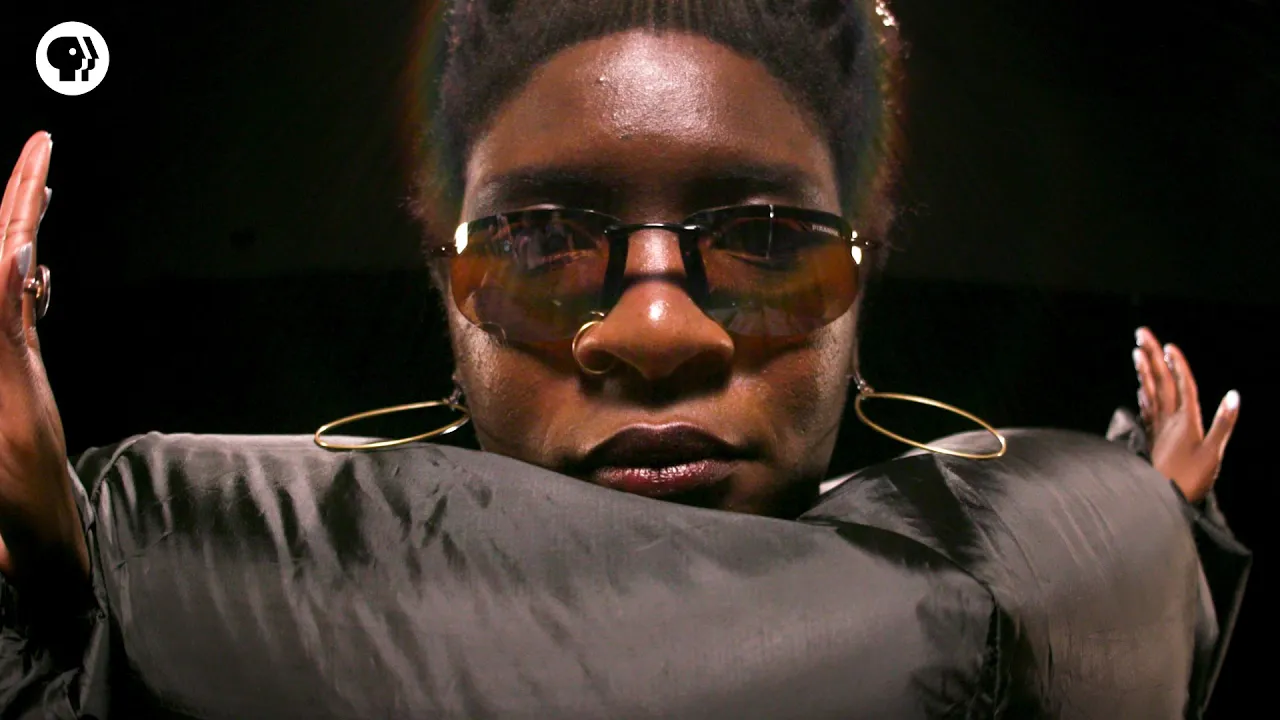
Why this video: This video explores the musical and visual dimensions of modern Afrofuturism. By focusing on hip-hop icon Missy Elliott, it highlights how visual technologies, avant-garde fashion, and digital manipulation are used to break free from traditional, limiting portrayals of Black women in pop culture.
- Knowledge Checkpoint:
- Describe how Missy Elliott's music videos deploy the "Y2K aesthetic" to redefine Black female agency.
- Connect the use of prosthetic imagery, space suits, and distorted camera angles to Afrofuturist theory.
Module 2: Reclaiming History and Memory
This module explores how Afrofuturist creators reject colonial, linear models of time. By examining the Ghanaian concept of Sankofa ("to go back and retrieve what was left behind") and temporal experimentation, you will learn how Black artists collapse past, present, and future to rewrite historical narratives of the African diaspora and heal generational trauma.
Recommended Videos
1. Amaro Freitas - Sankofa (Full Album Stream)

Why this video: This musical work utilizes the symbol of the Sankofa—a backward-looking bird from the Akan Adinkra tradition of Ghana—to anchor contemporary artistic expression in ancestral memory. Listening to and analyzing the conceptual framework of this album shows how artists translate complex, non-linear philosophies of time into modern soundscapes.
- Knowledge Checkpoint:
- Translate the literal and philosophical meaning of the Akan Adinkra symbol "Sankofa."
- Explain how reclaiming pre-colonial African heritages serves as a starting point for constructing futuristic identities.
2. The African diaspora is coming back by the thousands, look what happened
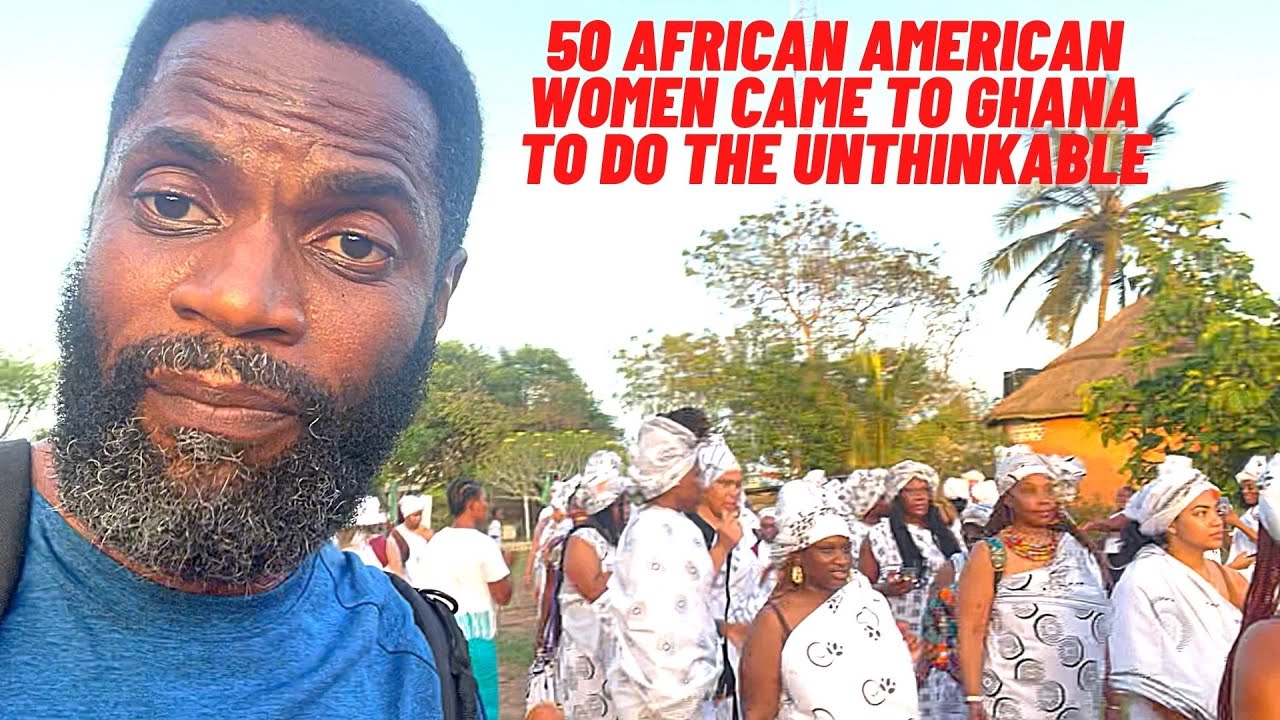
Why this video: This piece bridges theoretical philosophy with modern geographical movements, examining how members of the African diaspora apply the concept of Sankofa practically by returning to their ancestral roots. It outlines the spiritual and cultural importance of reconnecting with histories that were disrupted by the transatlantic slave trade.
- Knowledge Checkpoint:
- Explain how physical and geographical "returns" to the African continent mirror the conceptual framework of Sankofa.
- Describe how reconnecting with ancestry helps repair the identity disruptions caused by historic enslavement.
3. Before Yesterday We Could Fly: An Afrofuturist Period Room Virtual Opening | Met Exhibitions

Why this video: The Metropolitan Museum of Art’s "Afrofuturist Period Room" is a brilliant physical and spatial manifestation of collapsed time. This virtual opening video shows how designers combined historical artifacts from Seneca Village (a 19th-century Black community destroyed to build Central Park) with speculative future domestic technologies, illustrating how Afrofuturism collapses time to generate alternative historical outcomes.
- Knowledge Checkpoint:
- Detail how the Met's period room uses interior design to link the history of Seneca Village with an imagined future.
- Define the term "collapsing of time" in the context of Afrofuturist physical spaces.
Curriculum Note & Independent Search
Independent Study Suggestion: While general reclamation and artistic interpretations of Sankofa are documented above, video essays on formal temporal mechanics in Afrofuturism are rare on YouTube. To deepen your academic study, we highly recommend searching library databases for the paper "Sankofa: Mapping the Afrofuturist Ancestral Topology" or reading Kodwo Eshun's scholarly text "Further Considerations on Afrofuturism" (2003) to explore non-linear temporal mathematics.
Module 3: Literary Pioneers: Butler and Early Speculative Foundations
This module focuses on the literary foundations of Black science fiction. It analyzes how pioneering authors, most notably Octavia Butler, laid the narrative groundwork for modern Afrofuturism. You will study Butler's Kindred and the prophetic Parable of the Sower, and examine how early pioneers used speculative structures to challenge the historically white-dominated genre of science fiction.
Recommended Videos
1. Parable of the Sower by Octavia Butler: Dystopian Literature Analysis
Why this video: This episode of Crash Course provides a brilliant literary analysis of Parable of the Sower (1993). It unpacks how Butler uses the speculative genre to construct a prophetic warning about environmental collapse, extreme wealth inequality, and political instability, while grounding her protagonist, Lauren Olamina, in a philosophy of adaptive resilience ("God is Change").
- Knowledge Checkpoint:
- Describe the core theological and philosophical tenant of "Earthseed" in Butler's novel.
- Explain how Butler's 1993 portrayal of a 2020s corporate-run dystopia mirrors modern socio-economic anxieties.
- Define "hyperempathy" and explain how it functions as both a vulnerability and a survival mechanism.
2. Kindred by Octavia Butler | Summary & Analysis

Why this video: Course Hero's breakdown of Kindred (1979) focuses on the book's time-travel mechanics. Rather than relying on technological hand-waving, Butler uses biological, unexplained time-slips to force her modern protagonist, Dana, back to an antebellum Maryland plantation. This narrative choice collapses historical distance, making the daily brutalities of slavery immediate and unavoidable for both the protagonist and the reader.
- Knowledge Checkpoint:
- Analyze the power dynamic between Dana (the modern Black woman) and Rufus (her white, slave-owning ancestor).
- Explain why Butler chooses to focus on the human and psychological trauma of slavery rather than explaining the technical mechanics of time travel.
3. Science Fiction, Lecture 11, New Wave SF Continued, ENG 2420, Prof. Jason Ellis, Spring 2020
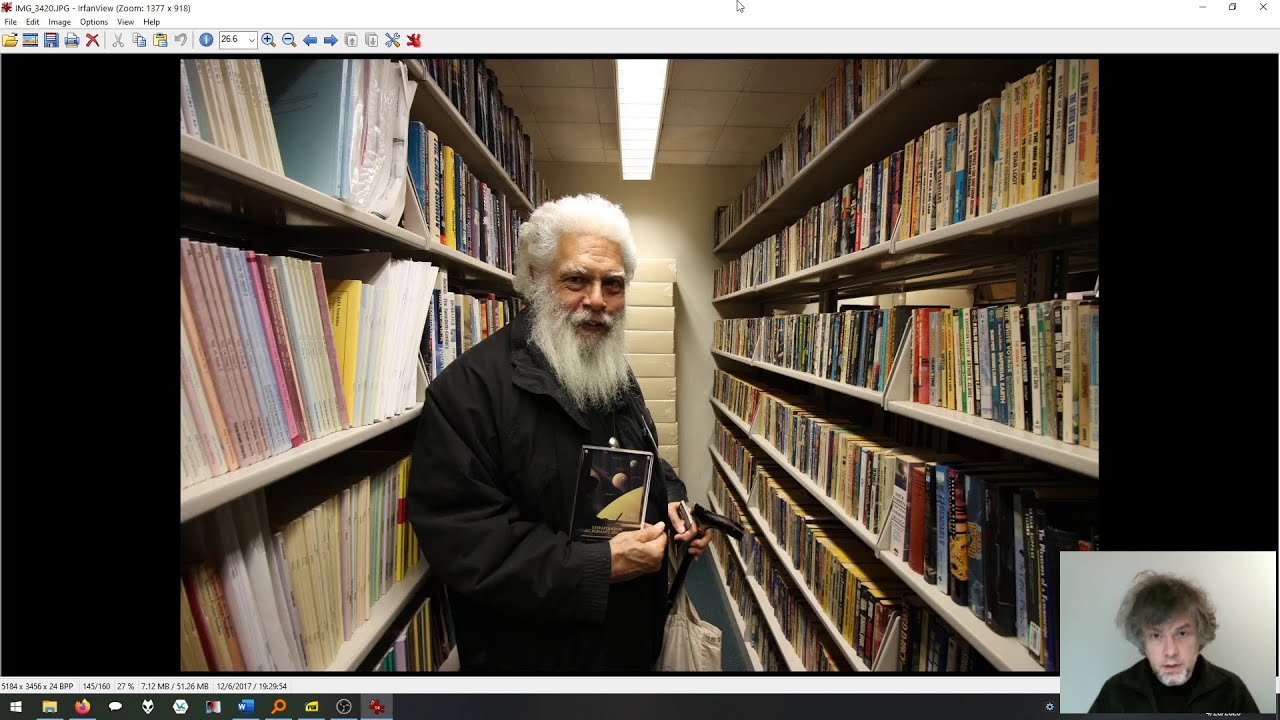
Why this video: This academic lecture bridges the gap left by the general lack of standalone videos on Samuel R. Delany. Professor Jason Ellis contextualizes Delany's massive impact as a queer, African-American writer pioneering the "New Wave" of science fiction. He discusses how Delany introduced linguistic complexity, sexual politics, and experimental structures to sci-fi through seminal works like Babel-17 and Dhalgren.
- Knowledge Checkpoint:
- Outline how Samuel R. Delany's work challenged the traditional themes of Golden Age (pulp) Science Fiction.
- Define "New Wave Science Fiction" and explain how Delany’s linguistic focus influenced the subgenre.
Module 4: Critiquing Systemic Racism through Speculative Metaphor
This module focuses on how Black authors deconstruct systemic oppression by subverting classic science fiction tropes. You will analyze how genres like space opera, alien abduction stories, and body horror are used as direct metaphors for the historical trauma of the Middle Passage, the institutional violence of white supremacy, and chattel slavery.
Recommended Videos
1. clipping. - The Deep
Why this video: This Hugo Award-nominated track by the experimental rap group clipping. (fronted by Daveed Diggs) is a brilliant modern adaptation of a mythos originally created by the electronic duo Drexciya. The song envisions an underwater civilization founded by the viable children of pregnant African women thrown overboard during the Middle Passage, transforming historical trauma into a sci-fi epic of resilience and survival.
- Knowledge Checkpoint:
- Explain how "The Deep" reclaims and re-envisions the tragic loss of life during the transatlantic slave trade.
- Discuss how the song uses auditory elements and lyrics to build its deep-sea, high-tech speculative world.
2. The Controversial History of Alien Abductions

Why this video: This video examines the cultural history of alien abduction narratives, highlighting how these stories reflect real-world racial anxieties and trauma. Drawing on historical research, it connects the fear of being abducted, studied, and stripped of agency to the real, historical horrors of chattel slavery.
- Knowledge Checkpoint:
- Summarize the argument that early alien abduction narratives reflect systemic anxieties about chattel slavery.
- Detail how physical examination tropes in UFO lore mirror the commodification and medical exploitation of Black bodies.
3. BLACK PEOPLE LEFT THE EARTH ON SPACESHIPS - MINI MOVIE
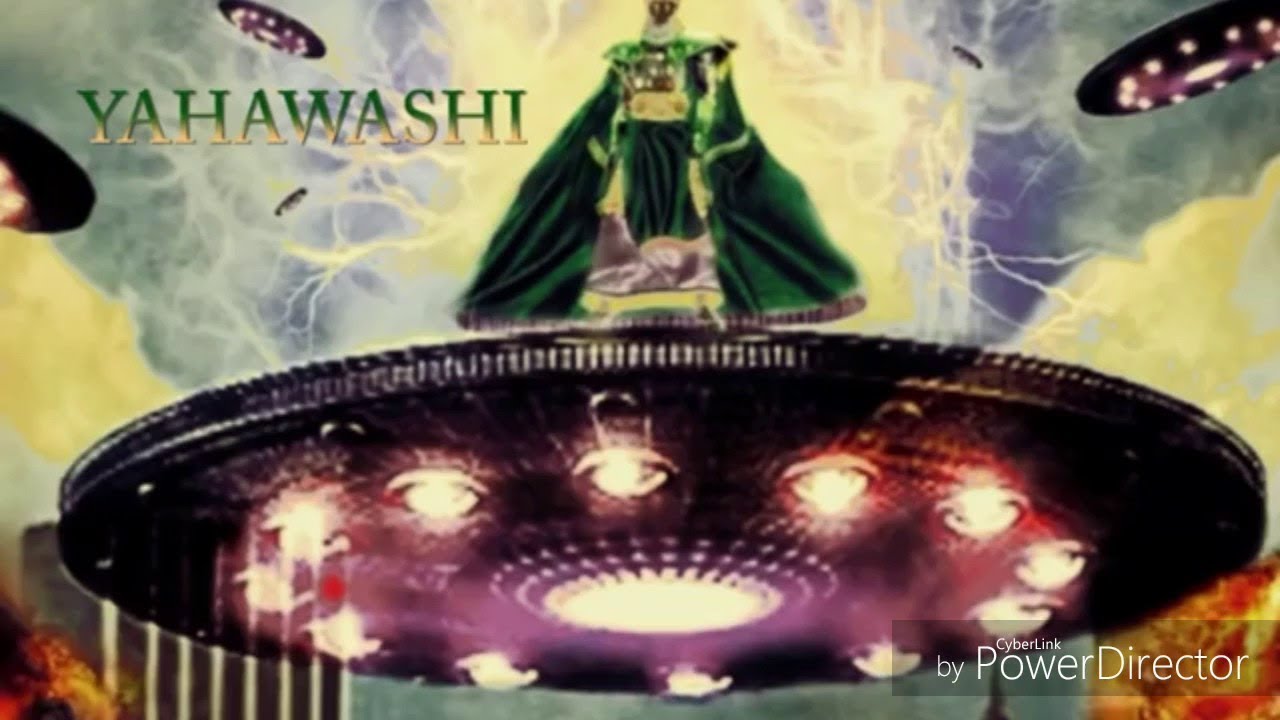
Why this video: Based on Derrick Bell's classic sci-fi allegory The Space Traders, this satirical film explores a scenario where extraterrestrials offer to solve America's economic and environmental crises in exchange for the custody of all Black citizens. It is a powerful critique of systemic racism, showing how easily civil rights can be compromised under the guise of democratic compromise.
- Knowledge Checkpoint:
- Explain the central critique of American constitutional law and racial progress outlined in this narrative.
- Describe how the sci-fi premise of "trading" human beings acts as a modern metaphor for historical slave markets.
4. Dr Umar Johnson - Lecture In Las Vegas (14.05.2021) Part 1
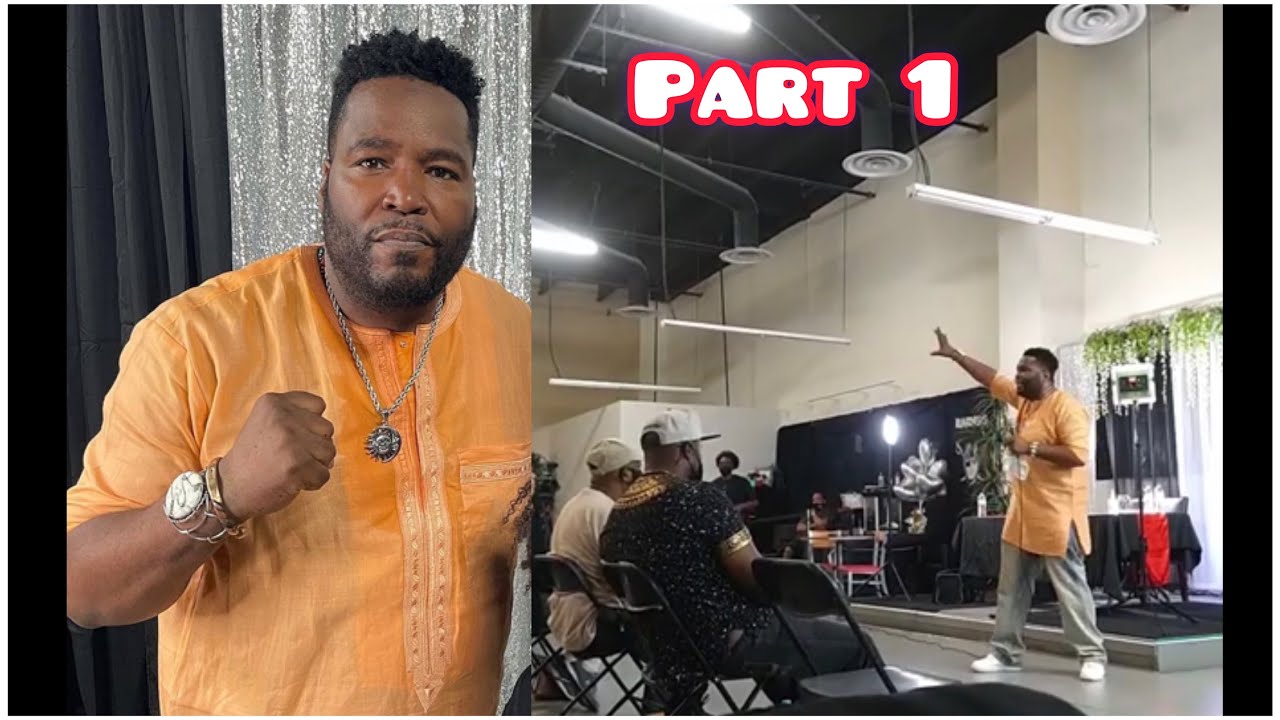
Why this video: Though brief, this clip highlights a key critical approach within Afrofuturism: reading mainstream Hollywood science fiction through a systemic lens. It argues that the movie Alien can be understood as a metaphor for the aggressive nature of institutional white supremacy, illustrating how speculative fiction can be read against the grain to critique power dynamics.
- Knowledge Checkpoint:
- Explain the comparison made between the hostile alien entity in sci-fi horror and systemic power structures.
- Discuss how pop culture sci-fi movies can be reinterpreted to expose racial power imbalances.
Module 5: Modern Manifestations: From Africanfuturism to Pop Culture
This module looks at modern developments in Black speculative fiction. You will distinguish between Western-born Afrofuturism and Nnedi Okorafor's African-centered Africanfuturism, while analyzing how blockbuster hits like Marvel’s Black Panther brought these speculative frameworks into mainstream global popular culture.
Recommended Videos
1. Ideas From Africa: Astonishing African Futures

Why this video: This long-form, deep-dive interview provides a thorough explanation of Africanfuturism. It highlights how the subgenre, pioneered by writers like Nnedi Okorafor, differs fundamentally from Afrofuturism by centering its narratives directly on the African continent, its diverse cultures, mythologies, and local realities, rather than focusing primarily on the Western-centric experiences of the African diaspora.
- Knowledge Checkpoint:
- Differentiate between "Afrofuturism" and Nnedi Okorafor's "Africanfuturism" across thematic, political, and geographic lines.
- Explain why centering technology on the African continent changes the default assumptions of traditional Western science fiction.
2. Nnedi Okorafor: Sci-fi stories that imagine a future Africa | TED
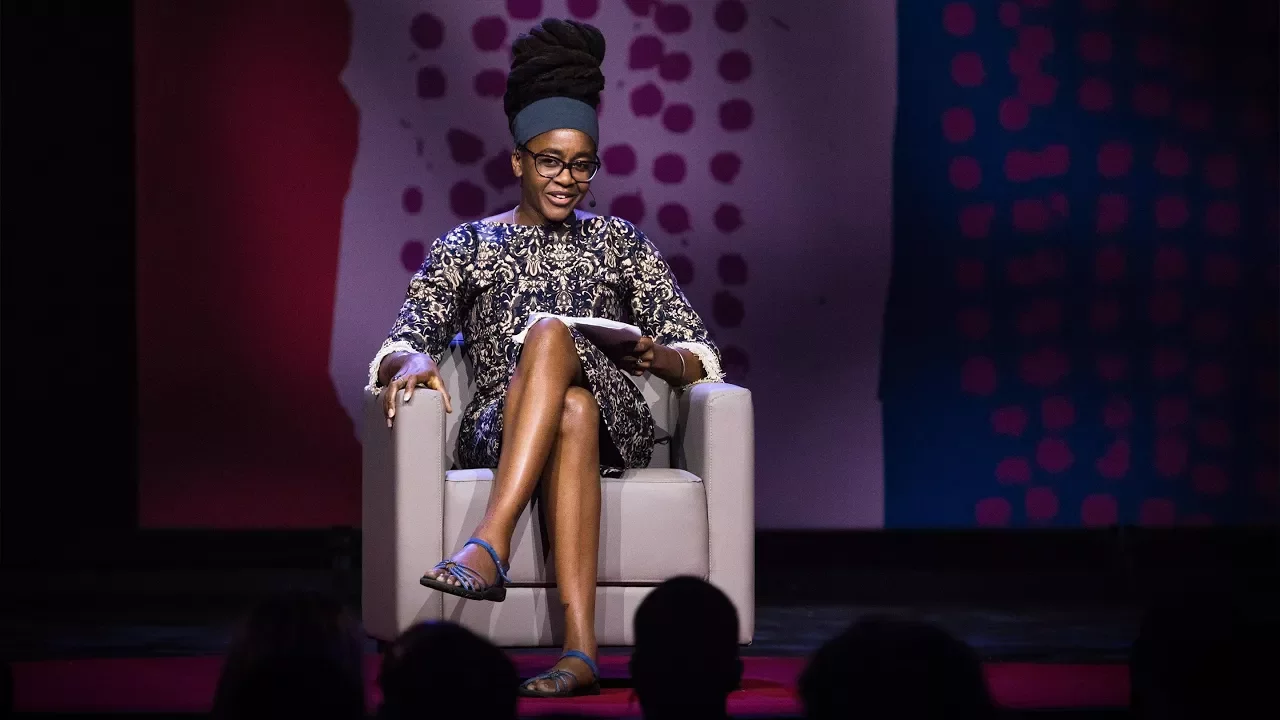
Why this video: This video offers a direct, primary-source statement from author Nnedi Okorafor on how her science fiction is rooted in the cultures and perspectives of the African continent. She outlines her creative mission: writing narratives where African people are active creators and drivers of future technologies.
- Knowledge Checkpoint:
- Define the primary "What If" question that Okorafor seeks to answer in her literary works.
- Explain why she rejects classic Western sci-fi paradigms when constructing futures set in Nigeria and across Africa.
3. How “Black Panther” Is Bringing Afrofuturism Into The Mainstream
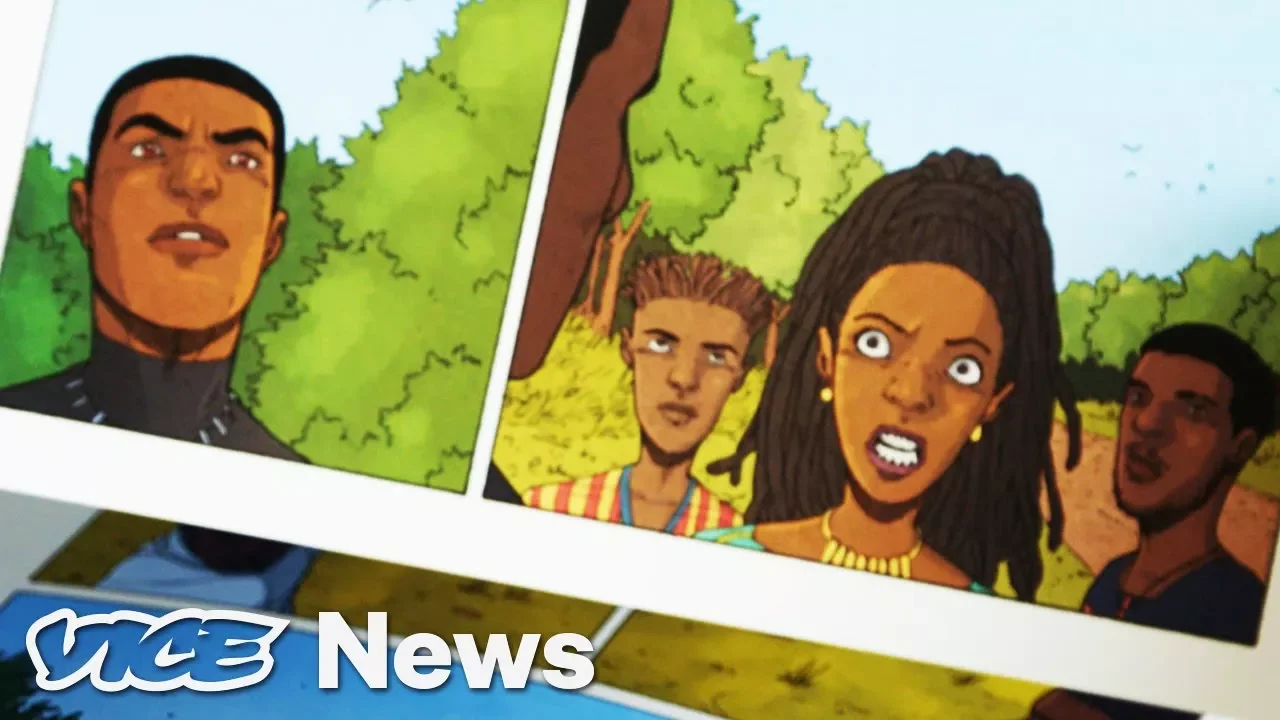
Why this video: This news feature looks at the massive cultural impact of Marvel's Black Panther (2018). It explains how Ryan Coogler's film brought Afrofuturist design, costuming, and philosophy into the mainstream global box office, turning the fictional, uncolonized nation of Wakanda into a powerful symbol of self-determined Black excellence.
- Knowledge Checkpoint:
- Discuss how the representation of Wakanda challenges historical media portrayals of the African continent.
- Identify key visual or technical design elements in the movie that merge traditional African cultures with high-tech futurism.
4. Black Panther: Symbolism Explained

Why this video: This video digs into the thematic conflicts at the heart of Black Panther. It analyzes the ideological clash between T'Challa (representing isolationist, preserved African sovereignty) and Erik Killmonger (representing the generational trauma and anger of the displaced African diaspora), showing how the film addresses the painful history of colonization and systemic oppression.
- Knowledge Checkpoint:
- Analyze Erik Killmonger as a symbol of the displaced African diaspora and how his ideology contrasts with Wakanda's isolationism.
- Explain how Black Panther uses speculative superhero tropes to examine the legacy of colonialism and foreign intervention.
Course Map
Key People Index
- Mark Dery: The white cultural critic who first coined the term "Afrofuturism" in his 1994 essay "Black to the Future".
- Ingrid LaFleur: An art curator, academic, and political activist who expanded the visual, creative, and political framework of Afrofuturism.
- Sun Ra (Herman Poole Blount): An avant-garde jazz keyboardist and pioneer whose cosmic mythology, space-age philosophy, and music laid the foundations of the movement.
- Octavia Butler: One of the most influential figures in science fiction. Her iconic novels (Kindred, Parable of the Sower) introduced deep psychological realism, environmental warnings, and intersectional identity to the genre.
- Samuel R. Delany: A groundbreaking writer who introduced linguistic experimentation, gender theory, and complex social issues to New Wave science fiction.
- Nnedi Okorafor: The Hugo and Nebula award-winning author who defined Africanfuturism to center speculative fiction directly on African cultures and perspectives.
Final Self-Assessment
Test your understanding of the entire curriculum by completing this comprehensive assessment:
- Define Afrofuturism including its origins, historical roots, and how it differs from traditional Western science fiction.
- Identify the cultural critic who coined the term in 1994 and describe the intellectual context of its creation.
- Explain the West African philosophy of Sankofa and how it functions as a non-linear temporal framework in speculative art.
- Contrast Octavia Butler's narrative use of time travel in Kindred with classic, tech-centered science fiction tropes.
- Deconstruct Lauren Olamina's "Earthseed" philosophy from Parable of the Sower and explain its core principles.
- Describe how Samuel R. Delany changed the science fiction landscape during the "New Wave" movement.
- Analyze how the Hugo-nominated track "The Deep" turns the historic trauma of the Middle Passage into a speculative future myth.
- Connect historical alien abduction lore to systemic anxieties surrounding chattel slavery and bodily exploitation.
- Summarize the core premise of Derrick Bell's The Space Traders and its critique of systemic racial politics.
- Differentiate between Afrofuturism and Africanfuturism based on their geographical focus and political goals.
- Explain how the film Black Panther represents Wakanda as a visual symbol of self-determination and uncolonized technology.
- Analyze the ideological conflict in Black Panther between T'Challa and Erik Killmonger as a reflection of historical and diasporic realities.