Mastering Polytonality and Bitonal Chords: Utilizing Dual Key Centers and Polychords to Compose Tense, Avant-Garde Suspense Music
Learning Goal: Master the theoretical foundations and practical applications of polytonality and polychords. By the end of this curriculum, you will understand how to construct dual-key harmonies, manage harsh dissonance through voice leading, and apply these avant-garde techniques to score tense, cinematic, and suspenseful music cues.
- Prerequisites: None. This curriculum starts with absolute music theory basics and builds sequentially to advanced film scoring techniques.
- Estimated Study Time: 18 Hours
Module 1: Music Theory Foundations: Scales, Keys, and Triads
To successfully write polytonal music (playing in multiple keys simultaneously), you must first master writing in a single key. This module establishes a rock-solid foundation in scale construction, key signatures, and building three-note chords (triads).
Recommended Videos
- Why this video: This comprehensive, animated guide acts as your primary textbook. It provides a visual, intuitive explanation of the musical alphabet, the chromatic scale, and the fundamental patterns used to build major and minor scales.
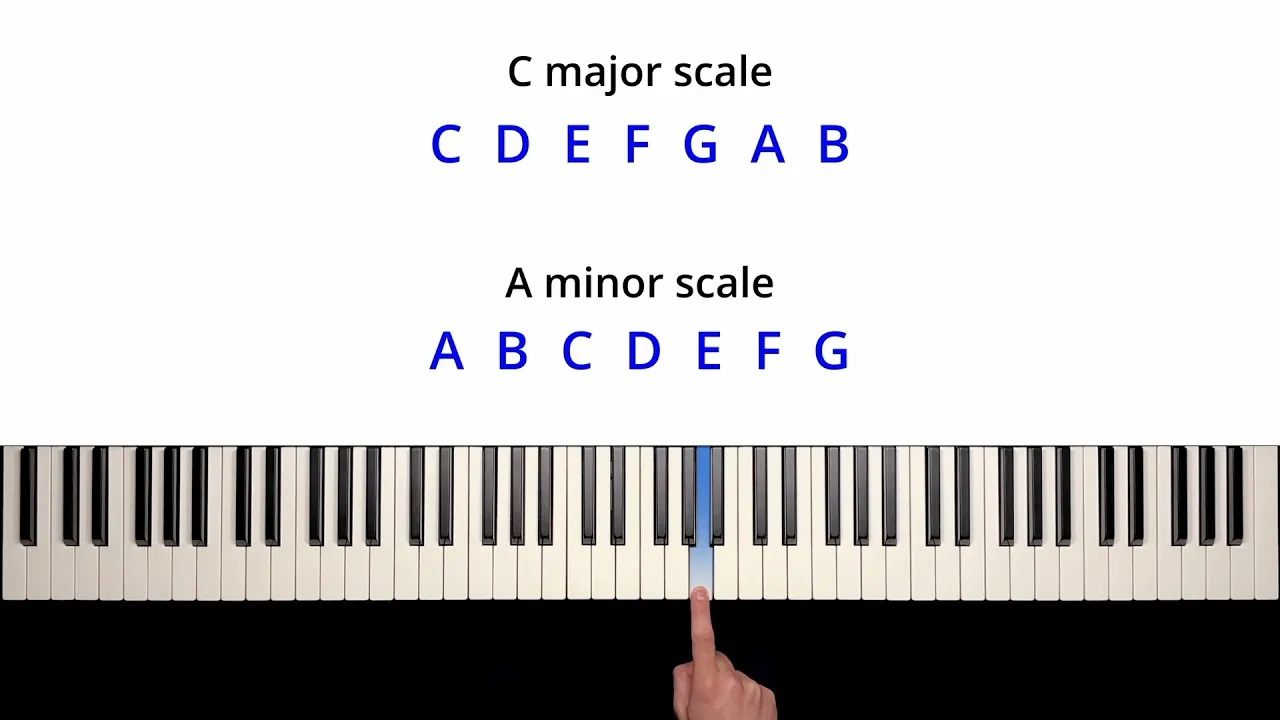
- Why this video: A deeper dive specifically focused on the interval differences between major and minor scales. Understanding these specific step-wise formulas (whole steps vs. half steps) is essential for recognizing how different tonalities project unique emotional qualities.
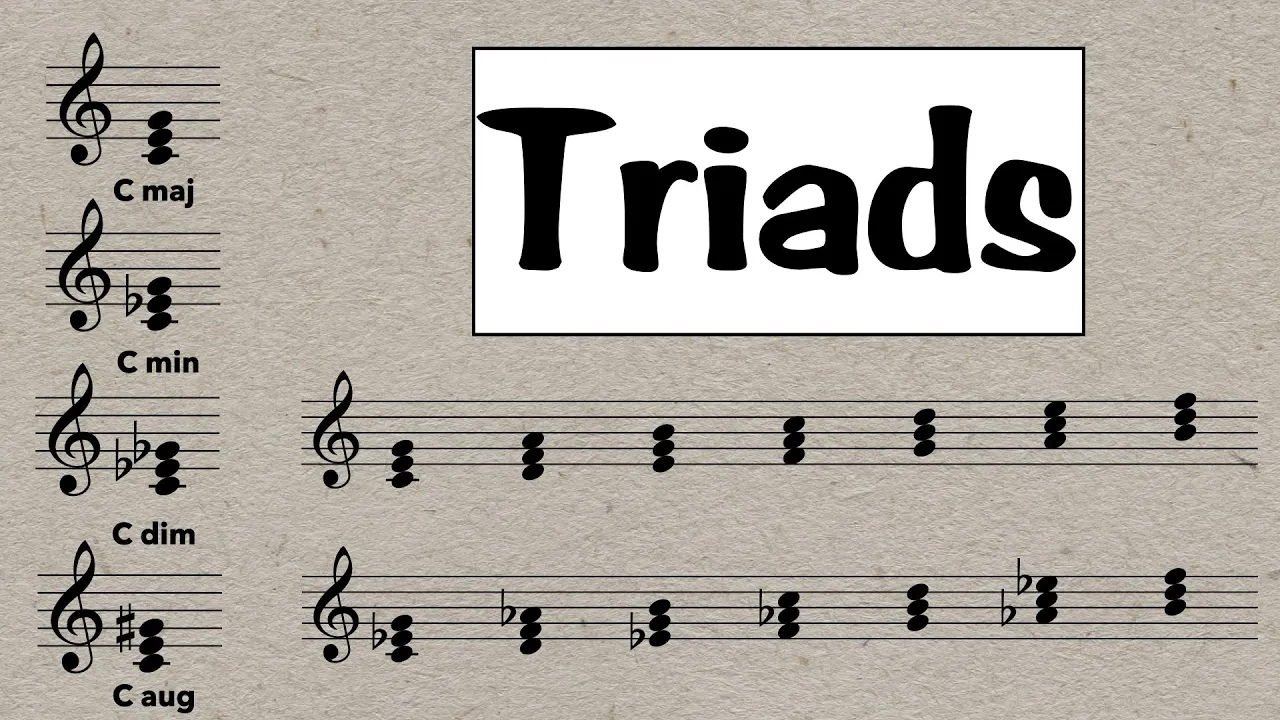
- Why this video: Triads are the building blocks of both classical harmony and advanced polychords. This video teaches you how to stack intervals of a third to create the four fundamental triad qualities: major, minor, diminished, and augmented.
Module 1 Knowledge Checkpoint
- Memorize the musical alphabet and understand how the 12-pitch chromatic scale is mapped.
- Write out the step-wise formulas for both major (W-W-H-W-W-W-H) and natural minor (W-H-W-W-H-W-W) scales.
- Build a major, minor, diminished, and augmented triad starting from any root note.
- Understand how to identify the notes of a scale degree to create diatonic triads in any key.
Module 2: Intermediate Harmony: Extensions, Roman Numerals, and Modes
Before overlaying multiple key signatures, you must understand how to extend single-key chords beyond basic triads and trace how chords relate to one another functionally. This module introduces 7th chords, Roman numeral analysis, and modal scales.
Recommended Videos
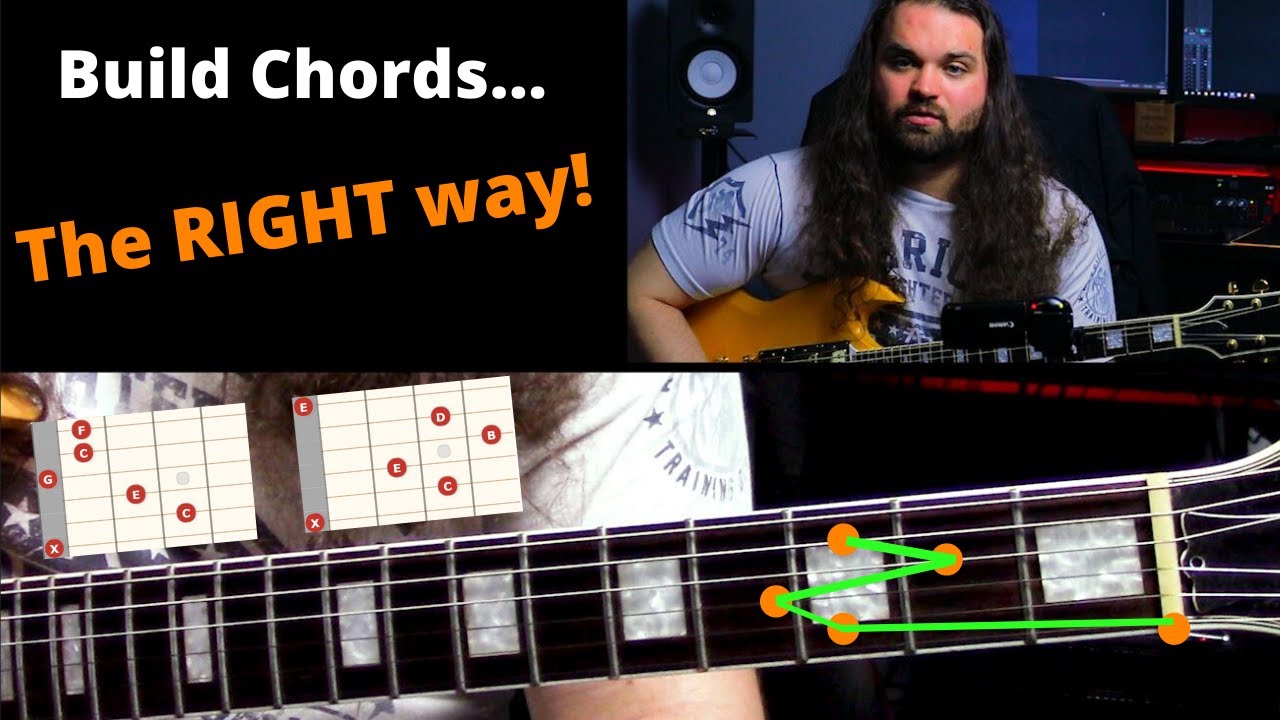
- Why this video: Teaches you how to expand three-note triads into four-note 7th chords and complex extended chords (9ths, 11ths, and 13ths) by continuing to stack intervals of thirds.
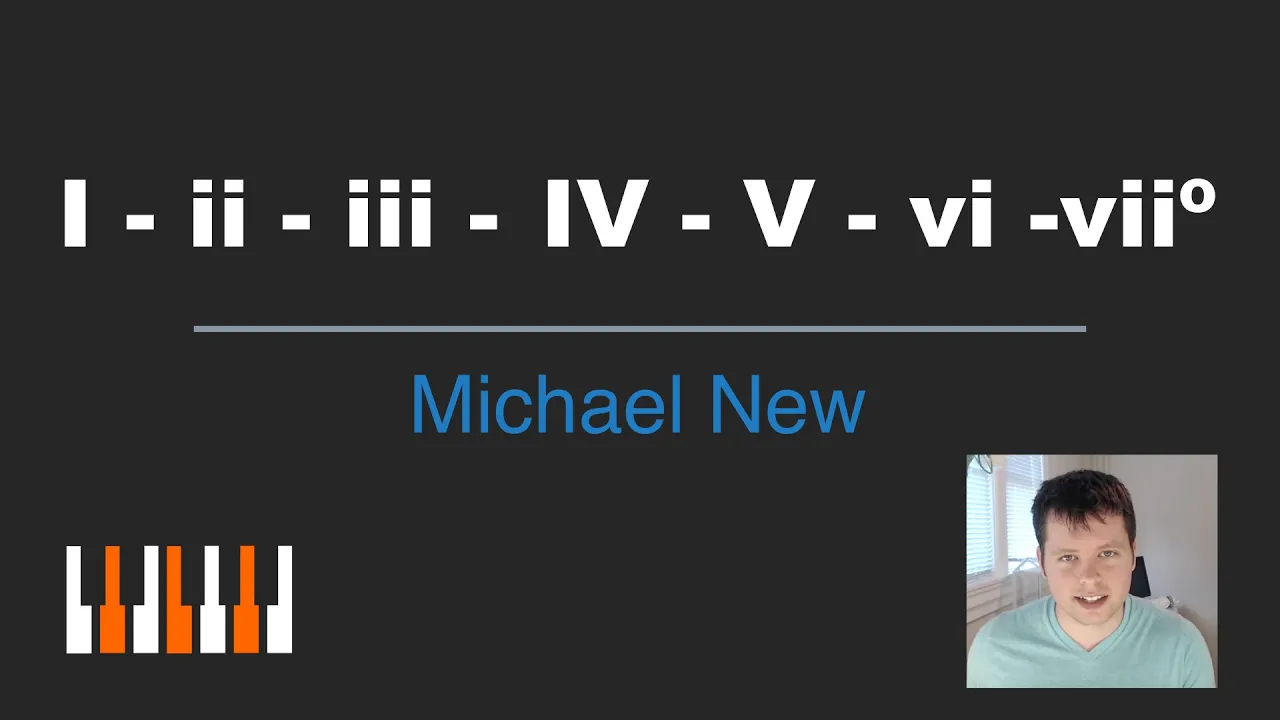
- Why this video: Explains the Roman numeral system, a universal language used by composers to analyze progressions and understand harmonic relationships. It clarifies how capital and lowercase letters indicate chord quality (major vs. minor) relative to a home key.
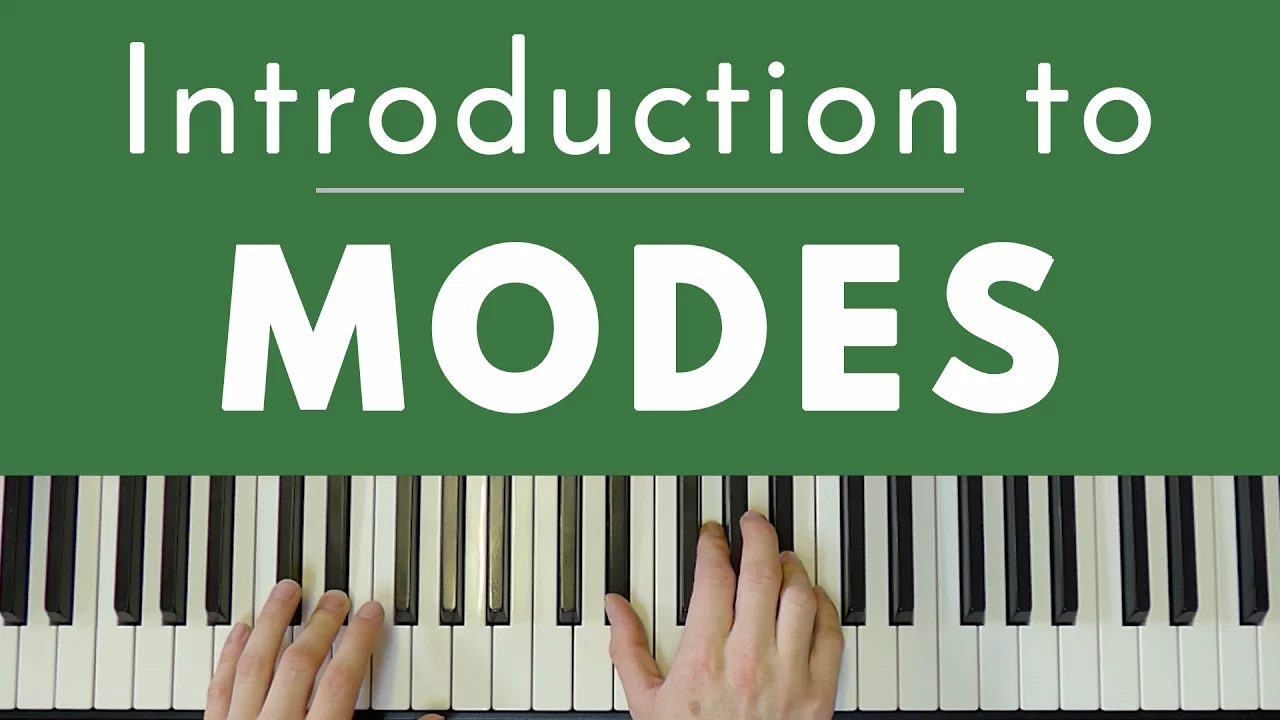
- Why this video: Explores the seven church modes (Ionian, Dorian, Phrygian, Lydian, Mixolydian, Aeolian, and Locrian) derived from the major scale. Modes are vital for creating specific emotional atmospheres, particularly in cinematic and suspense composition.
Module 2 Knowledge Checkpoint
- Construct major 7th, dominant 7th, and minor 7th chords from any given root.
- Analyze a basic chord progression using Roman numerals in both major and minor keys (e.g., I - vi - IV - V).
- Identify the defining characteristic interval of the Lydian mode (raised 4th) and the Phrygian mode (flat 2nd).
- Explain how modes are derived by starting a parent scale on different scale degrees.
Module 3: Introduction to Polytonality and Polychords
Now that you have mastered diatonic harmony, it is time to break the boundaries of single-key composition. This module introduces polytonality—the simultaneous use of two or more distinct key centers—and polychords, which are complex harmonies built by stacking unrelated chords on top of each other.
Recommended Videos
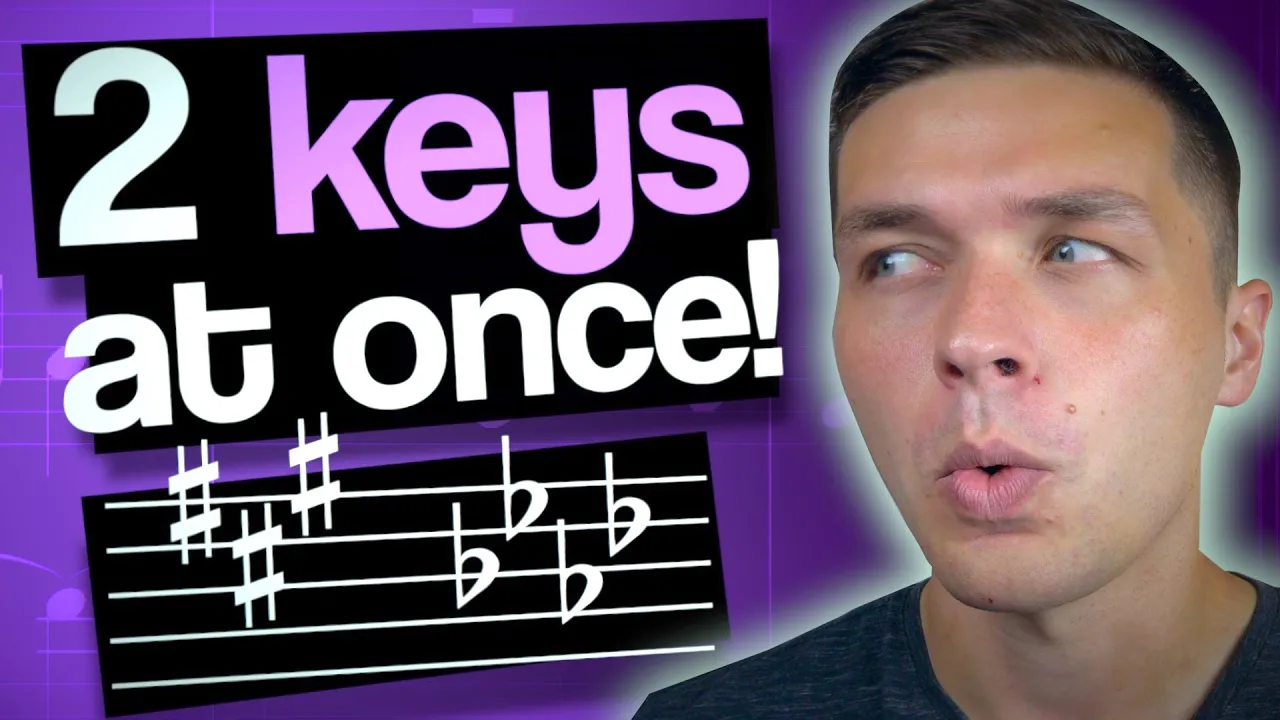
- Why this video: Adam Neely provides a deep-dive, highly engaging explanation of what polytonality is, its history, and how the "spice level" of polytonal music can be measured using the spatial relationships of the circle of fifths.
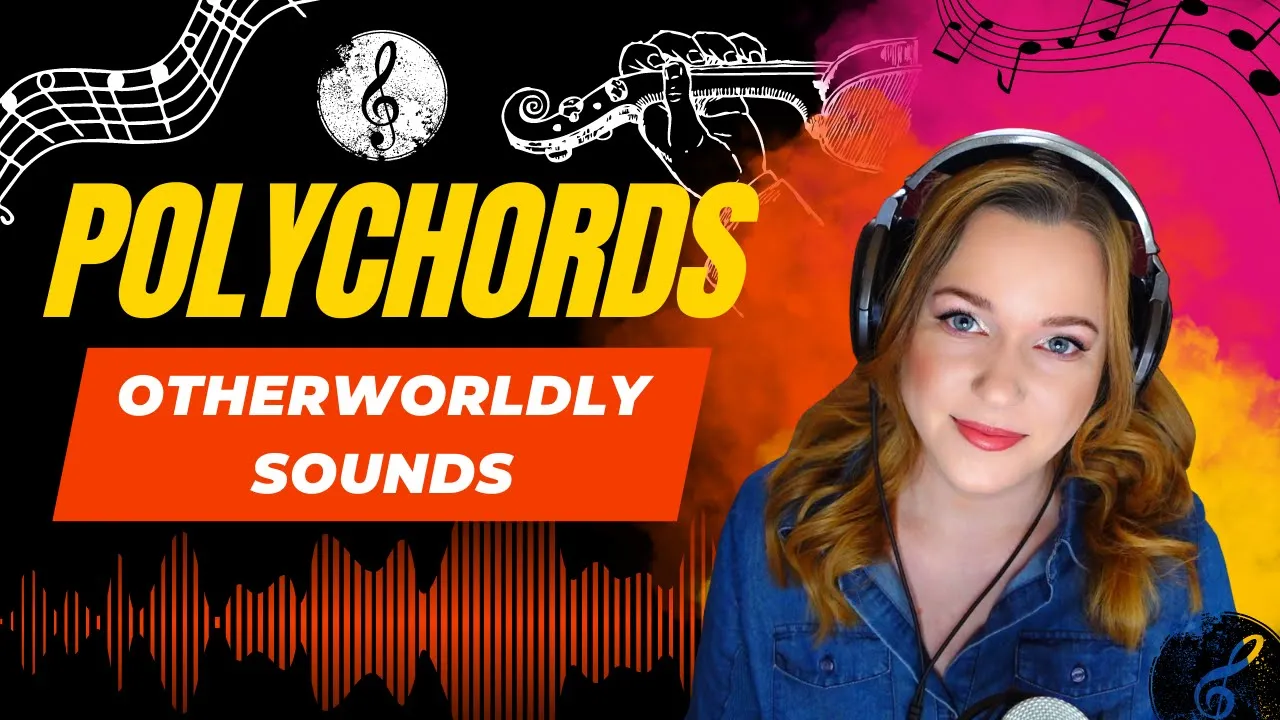
- Why this video: Professional film composer Anne-Kathrin Dern offers an invaluable tutorial on constructing polychords, explaining how they are notated (using a horizontal dividing line) and how they can be used to generate immediate tension in a film score.
- Why this video: Rick Beato demonstrates sophisticated keyboard and guitar voicings of polychords. He breaks down how to overlay suspended and major structures to construct massive, complex harmonic environments.
Module 3 Knowledge Checkpoint
- Define the difference between a standard extended chord (like a C13) and a polychord (such as D major stacked over C major).
- Read and write standard polychord notation, understanding that the top chord is written above the horizontal line and the bottom chord below it.
- Determine the "dissonance level" of a polychord based on how close its two root keys are on the circle of fifths.
- Construct a basic polychord at the keyboard (e.g., play an F# major triad in your right hand over a C major triad in your left hand).
Module 4: Managing Dissonance and Voice Leading
Stacking multiple keys can easily devolve into a muddy, chaotic mess if not controlled carefully. This module teaches you how to tame dissonance and connect polychords smoothly using voice-leading principles, ensuring your music sounds intentional and sophisticated rather than accidental.
Recommended Videos
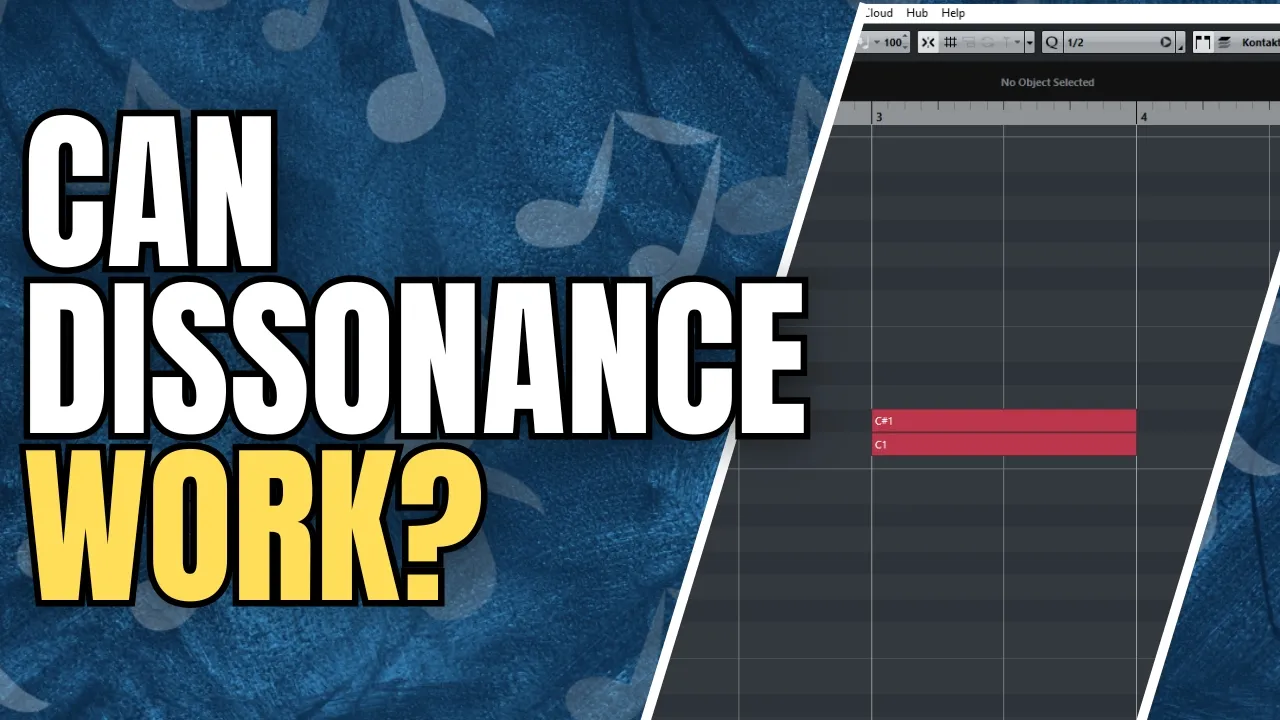
- Why this video: Explains vital orchestration techniques to handle dissonance. You will learn how to use volume control, octave displacement (separating conflicting notes into different registers), and articulation adjustments to keep complex chords sounding clear.
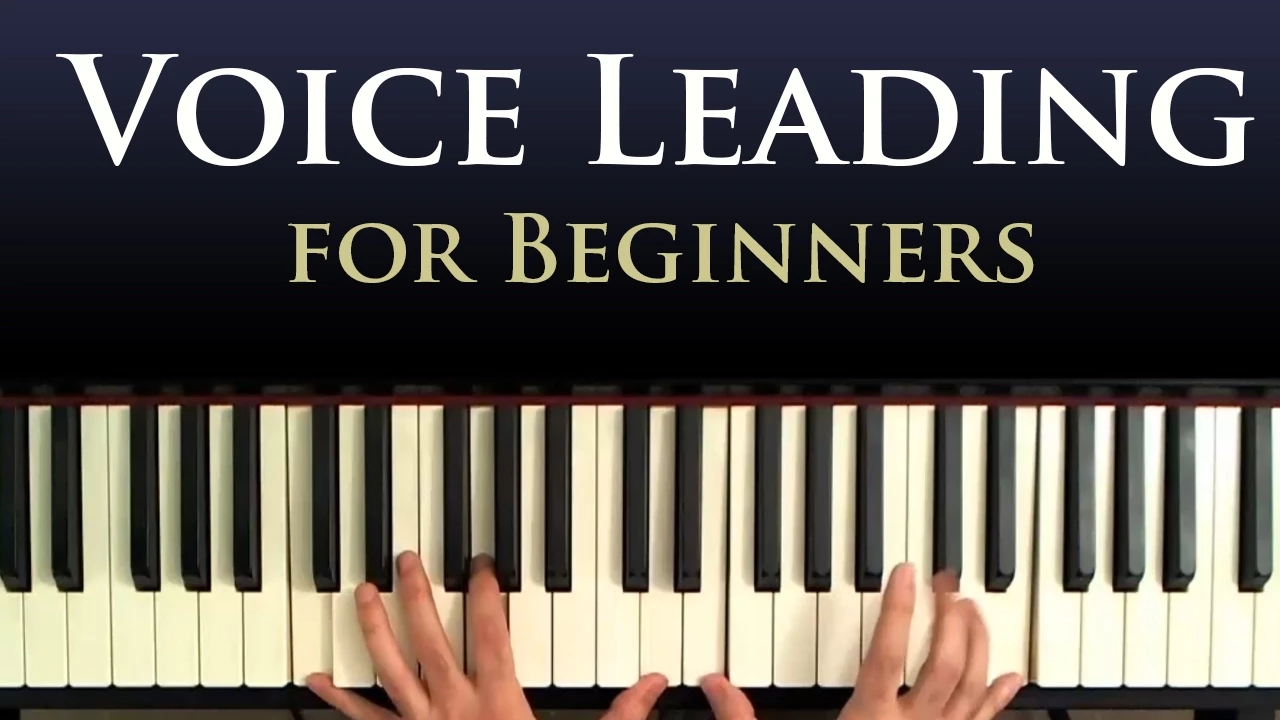
- Why this video: Introduces the fundamental classical concept of voice leading. You will learn how to transition between chords by keeping common tones stationary and moving other voices by the smallest step-wise intervals possible.
- Why this video: An excellent case study showing voice-leading exercises with highly complex chords. It demonstrates how moving voices smoothly can make exotic polychords resolve beautifully, mimicking the harmonic journeys found in professional Hollywood scores.
⚠️ Curriculum Note on Voice-Leading Polychords: While the videos above introduce essential voice-leading concepts, step-by-step video tutorials focusing exclusively on voice leading between multi-tonal structures are rare. To deepen your mastery, we highly recommend researching the following search queries independently:
"voice leading polychords piano tutorial""smooth voice leading bitonal structures chord progressions"
Module 4 Knowledge Checkpoint
- Explain how octave displacement can make a highly dissonant polychord (such as C major over Db major) sound clear and evocative rather than muddy.
- Smoothly resolve a progression of two chords using proper voice-leading principles (keeping common tones in the same voice and moving other notes by step).
- Set up distinct registral spacing between your low key center and high key center to prevent frequency masking.
- Describe how adjusting volume and instrument timbre can soften the perceived harshness of a polytonal passage.
Module 5: Composing Suspense and Avant-Garde Music
In this final module, you will apply your knowledge of polytonality and voice leading to compose cinematic suspense, thriller, and horror music. You will analyze legendary classical examples, explore minimalist suspense writing, and see how these tools are integrated into modern digital audio workstation (DAW) workflows.
Recommended Videos

- Why this video: A focused analysis of Igor Stravinsky’s "Augurs of Spring" chord from The Rite of Spring—the most famous polychord in music history. This lesson breaks down how Stravinsky stacked an Eb dominant 7th chord over an E major triad to change classical music forever.

- Why this video: A deeper aesthetic look at Stravinsky's masterpiece. It explains the psychological concept of "repetition legitimizes"—how repeating an extremely harsh, dissonant polytonal chord makes it sound hypnotic and intentional, a critical trick for building tension in horror scores.

- Why this video: Focuses on minimalist suspense writing. It teaches how to weave dramatic tension using just two minor chords positioned a half-step apart, highlighting how chromatic displacement triggers panic and unease in the listener.
![How To Visual Novel BGM #2: Suspense Theme [FL Studio 20 Tutorial]](https://i.ytimg.com/vi_webp/mt3dN05XxrU/maxresdefault.webp)
- Why this video: A practical, step-by-step production walkthrough inside a DAW. This tutorial shows how to layer intimate, detuned piano melodies with eerie synth textures to create a haunting visual novel or video game suspense theme.
⚠️ Curriculum Note on Suspense Composers: To complement this module, we highly recommend researching the iconic works of Bernard Herrmann (particularly his score for Alfred Hitchcock's Psycho, which famously relied entirely on string instruments to maximize sharp, screeching dissonance) using the search query:
"bernard herrmann music theory analysis suspense".
Module 5 Knowledge Checkpoint
- Recreate and analyze the "Augurs of Spring" polychord (Eb7 stacked over E major).
- Explain how repeating a highly dissonant, polytonal pattern affects a listener's psychology over time ("repetition legitimizes").
- Compose a 16-bar tension cue using two minor chords separated by a half-step (e.g., E minor and F minor) as a harmonic foundation.
- Demonstrate how to select and manipulate software instruments (like detuned pianos or strings) in a DAW to enhance the uncomfortable feel of a polytonal layout.
Course Map
This flowchart maps your journey from diatonic harmony basics to advanced polytonal film scoring.
Key People Index
Learn about the key figures mentioned in this curriculum who have pushed the boundaries of musical tension:
- Igor Stravinsky (1882–1971): One of the most influential 20th-century composers. His ballet The Rite of Spring caused a riot at its 1913 Paris premiere due to its violent rhythms and revolutionary use of polytonality, notably the legendary "Augurs of Spring" polychord.
- Bernard Herrmann (1911–1975): An iconic American composer who revolutionized Hollywood film scoring. Best known for his collaborations with Alfred Hitchcock (Psycho, Vertigo), Herrmann pioneered using highly dissonant, restricted orchestral palettes (such as strings-only) to craft psychological suspense.
- Adam Neely: A prominent contemporary jazz bassist, composer, and music theorist. His YouTube channel is renowned for breaking down complex, avant-garde music theory concepts into accessible, engaging visual lessons.
- Anne-Kathrin Dern: A highly active professional film composer and orchestrator. Her educational tutorials demystify modern Hollywood scoring, orchestration, and advanced harmonic tools like polychords.
Final Self-Assessment
Review this comprehensive list to evaluate your mastery of polytonality and suspense composition:
- I can construct major, minor, diminished, and augmented triads from memory.
- I can easily build and identify the notes of any major or minor scale.
- I can write out 7th chords and their extensions (9ths, 11ths, 13ths) for any root note.
- I understand how to use the Roman numeral system to analyze diatonic progressions.
- I can explain the defining characteristics of the seven musical modes.
- I can explain the difference between a standard extended chord and a polychord.
- I can construct a polychord and represent it correctly in horizontal-line musical notation.
- I understand how the circle of fifths is used to measure the dissonance level of dual-key systems.
- I can apply octave displacement and registral separation to keep dense polychords from sounding muddy.
- I can apply smooth voice-leading techniques to resolve a transition between two polychords.
- I can analyze and construct Stravinsky’s legendary "Augurs of Spring" chord.
- I can compose a tense, 1-minute cinematic cue using polytonality and dual key centers in my DAW.