Electoral Systems: FPTP, PR & Party Dynamics
Learning Goal: Evaluate how different electoral systems, such as proportional representation versus first-past-the-post, shape political party dynamics, coalition governance, and voter representation.
- Prerequisites: Basic understanding of democratic institutions and legislative bodies.
- Estimated Total Study Time: 6 Hours
Module 1: Foundations of Electoral Systems
This module introduces the core definition of an electoral system, detailing the mechanisms that translate votes cast by citizens into legislative seats. You will explore the basic terminology of comparative politics and establish the foundational contrast between majoritarian systems (winner-take-all) and proportional representation systems.

- Why this video: This academic lecture is highly valuable for comparative politics students. It systematically breaks down the core structural differences between majoritarian and proportional systems, laying the groundwork for how structural design shapes executive-legislative relations and party competition.
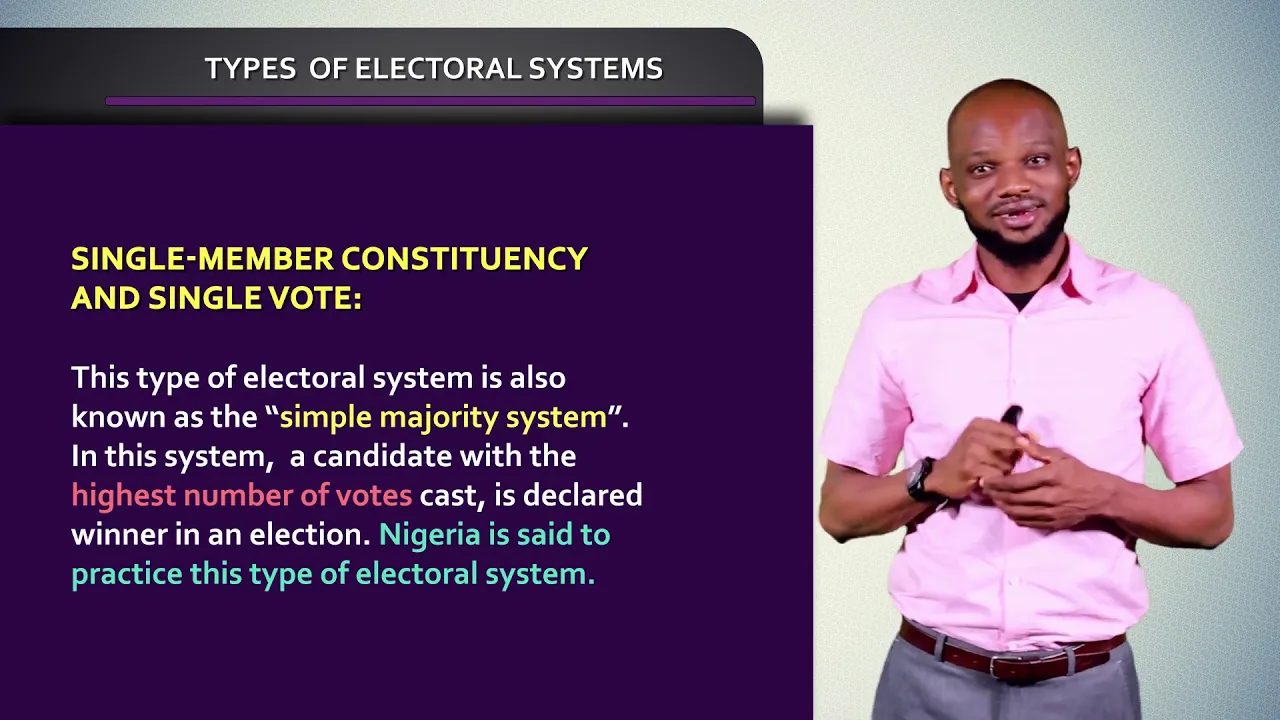
- Why this video: This video introduces critical institutional definitions, such as the roles of electoral commissions, universal suffrage, periodic scheduling, and candidate eligibility, which are prerequisites to understanding vote-translation formulas.

- Why this video: This short video reviews the essential elements of electoral systems, focusing specifically on the structural rules governing candidate nomination, ballot styles, and the three main categories of vote-to-seat translation.
Knowledge Checkpoint
- Define what an electoral system is and list its core components (ballot structure, constituency magnitude, and seat allocation formula).
- Explain the fundamental conceptual difference between a majoritarian system and a proportional representation (PR) system.
- Describe the primary function of an independent electoral commission in maintaining democratic legitimacy.
Module 2: Plurality and Majority Systems (FPTP)
This module focuses on winner-take-all systems, primarily First-Past-The-Post (FPTP) and single-member district plurality systems. You will learn the mechanical and psychological drivers behind Duverger's Law, study how these systems lead to two-party polarization, and analyze the systemic "spoiler effect" that marginalizes third parties.
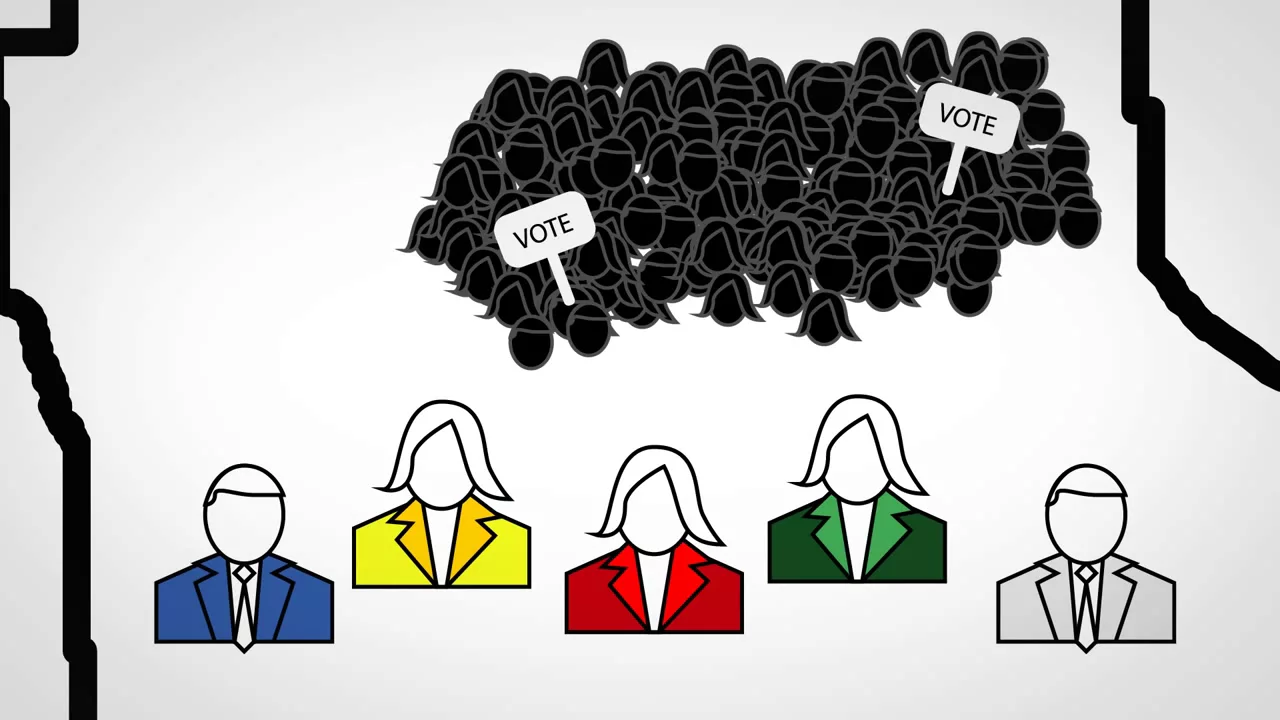
- Why this video: This animation provides a quick, clear look at the mechanics of FPTP, showing how single-member districts and plurality voting rules function in practice.

- Why this video: In this comprehensive discussion, the hosts analyze real-world case studies (such as the UK general elections) where FPTP creates a democratic tension by delivering a strong parliamentary majority (51% of seats) to a party with only a minority of the popular vote (37%).

- Why this video: This short video explains Duverger's Law, demonstrating how winner-take-all systems discourage voters from backing minor parties due to the psychological fear of "wasting" their vote on unviable candidates.

- Why this video: Part of a prominent Yale University lecture series, this segment details Duverger's Law from an academic standpoint, explaining how single-member plurality (SMP) designs structurally consolidate competition into two dominant parties.
Knowledge Checkpoint
- Explain how a candidate can win a seat under FPTP rules without securing an absolute majority of the votes cast.
- Define Duverger's Law and explain both its mechanical effect (how seat math disadvantages small parties) and its psychological effect (strategic voting).
- Detail the "spoiler effect" and explain how the introduction of a third-party candidate can inadvertently help the candidate furthest from their own ideology.
Module 3: Proportional Representation (PR) Systems
In this module, you will study electoral designs structured around proportional representation, including the Single Transferable Vote (STV) and Mixed-Member Proportional (MMP) systems. You will learn the mathematics of multi-member districts, quotas, and preference redistribution, analyzing how these systems yield more diverse legislatures.

- Why this video: This highly viewed and widely acclaimed animation explains the Single Transferable Vote (STV) system, demonstrating how ranking candidates in multi-member districts prevents wasted votes and mirrors the electorate's true ideological makeup.
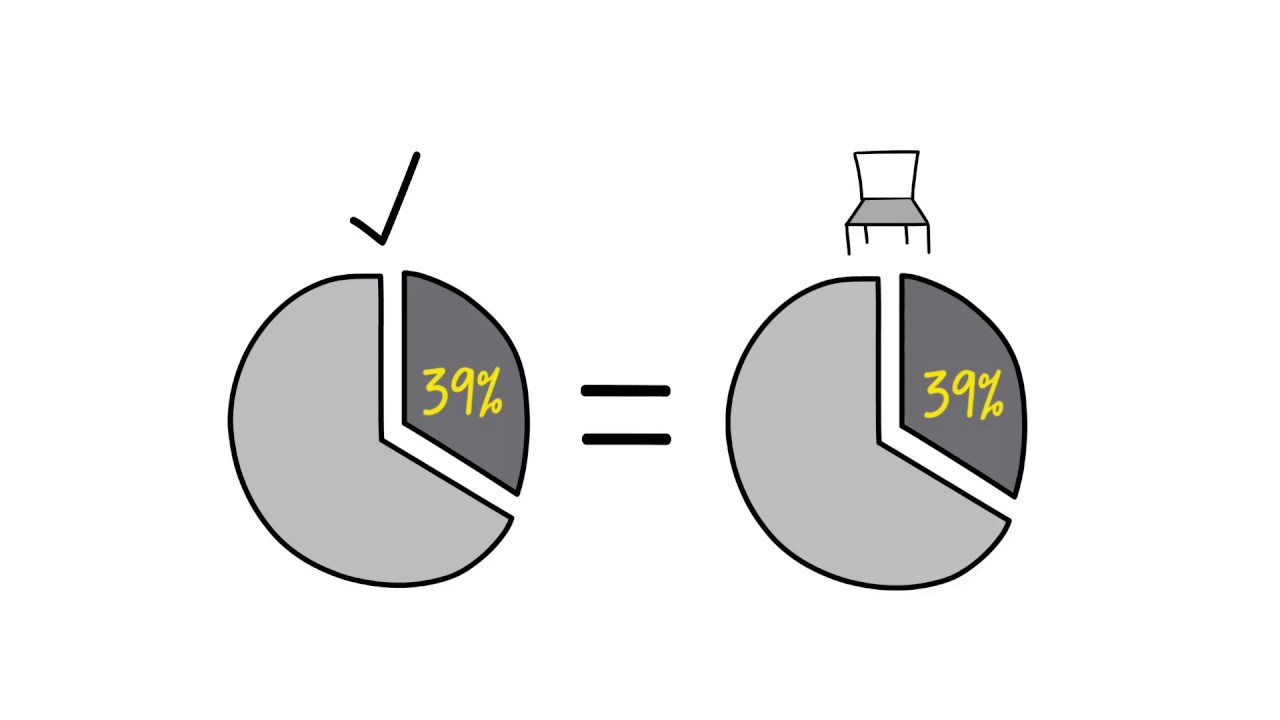
- Why this video: This video explains Mixed-Member Proportional (MMP) representation, detailing how combining local geographic representatives with a compensatory party list ensures the final seat count reflects the popular vote.

- Why this video: Produced by New Zealand's official electoral management body, this video explains the "two-vote" ballot sheet, illustrating how voters choose both a local electorate MP and a political party to achieve proportional results.
Knowledge Checkpoint
- Describe the structural mechanics of the Single Transferable Vote (STV) and explain how surplus votes are mathematically calculated and transferred.
- Explain how Mixed-Member Proportional (MMP) systems use "compensatory" party list seats to balance out disproportionalities caused by single-member district contests.
- Contrast a closed-list PR system with an open-list PR system, focusing on the power dynamic between political party elites and individual voters.
Module 4: Party Dynamics and Coalition Governance
This module shifts the focus to how electoral systems impact executive power. Under proportional representation, no single party typically wins an outright majority, making coalition governments the norm. You will study how coalitions are negotiated, how minority governments function, and how small "kingmaker" parties can wield significant leverage in legislative deal-making.

- Why this video: This short video clip explains the basic definition and formation of a coalition government, detailing how multiple parties join forces to cross the minimum majority threshold required to form a government.

- Why this video: This live news segment captures real-time political friction during the UK's 2010 hung parliament negotiations. It illustrates how major parties must compromise on their platforms to secure coalition partners.
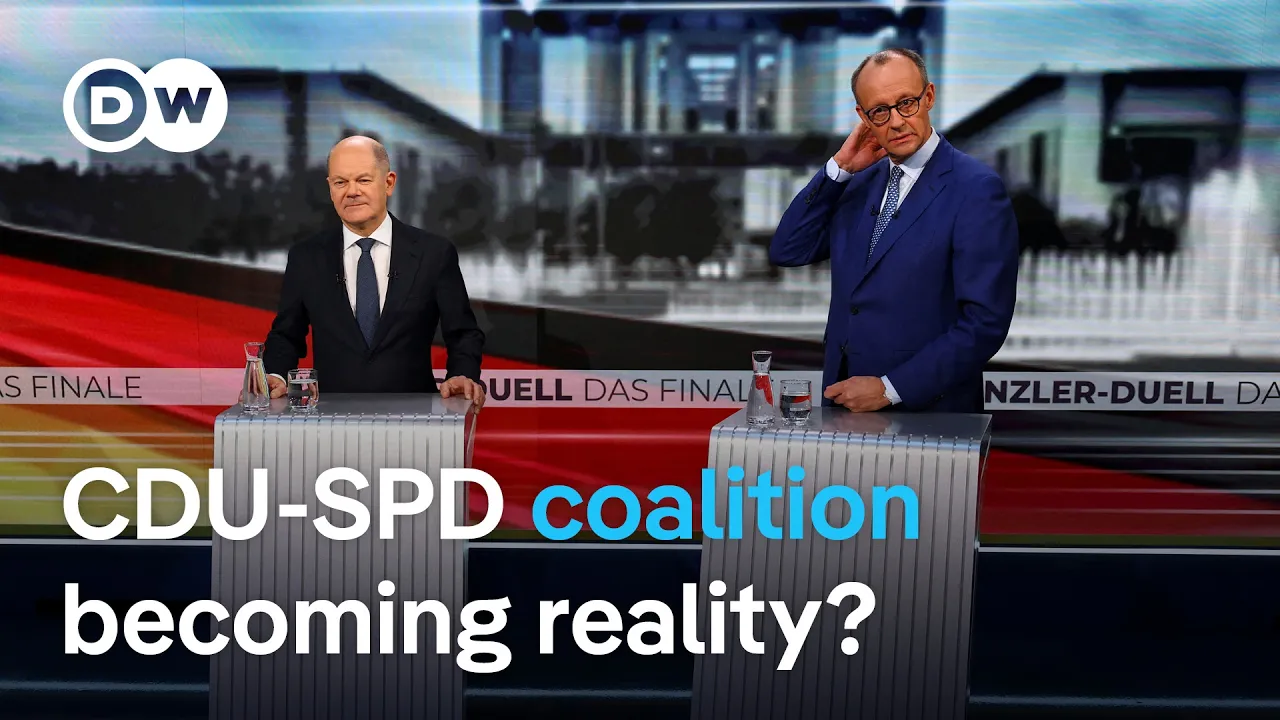
- Why this video: This report outlines Germany’s formal "exploratory talks" process following federal elections, demonstrating how the country’s proportional electoral system requires highly structured negotiations over policy compromises to establish a stable government.
Knowledge Checkpoint
- Define a "hung parliament" and describe the options available to political parties when no single party secures a majority of seats.
- Explain how a minor party in a coalition government can act as a "kingmaker," and discuss the democratic legitimacy of this disproportionate leverage.
- Contrast a formal majority coalition government with a "minority government" supported by a confidence and supply agreement.
Module 5: Voter Representation, Turnout, and Democratic Health
In this final module, you will evaluate how electoral system designs shape the health of a democracy. You will study how proportional systems encourage voter turnout by eliminating safe seats, examine how single-member systems remain vulnerable to partisan gerrymandering, and analyze how electoral structures affect polarization and the representation of women and minority groups.
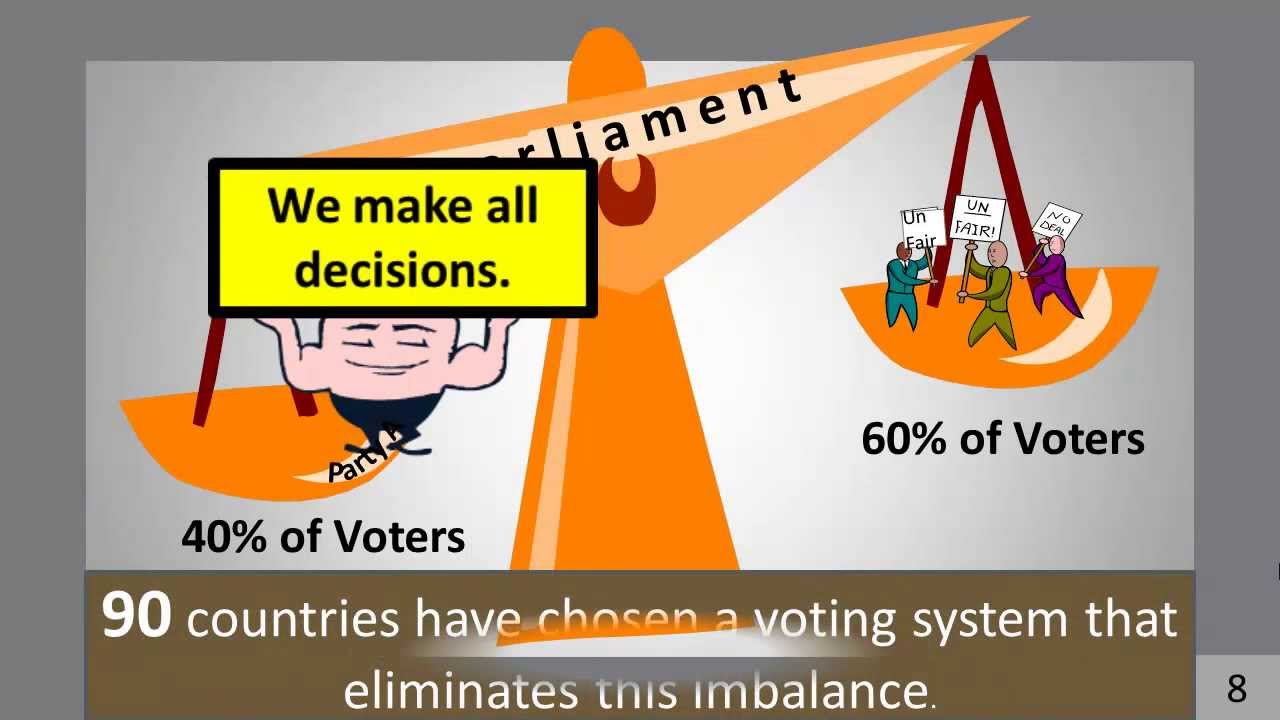
- Why this video: This video argues that PR systems foster healthier democracies by increasing voter turnout (since every vote contributes directly to the legislative seat share) and rendering partisan gerrymandering mathematically ineffective.

- Why this video: Using a political simulation game, this video models how shifting from majoritarian to proportional rules changes voting incentives. It highlights how PR encourages voter turnout, particularly among moderate and minor parties, by reducing the prevalence of wasted votes.
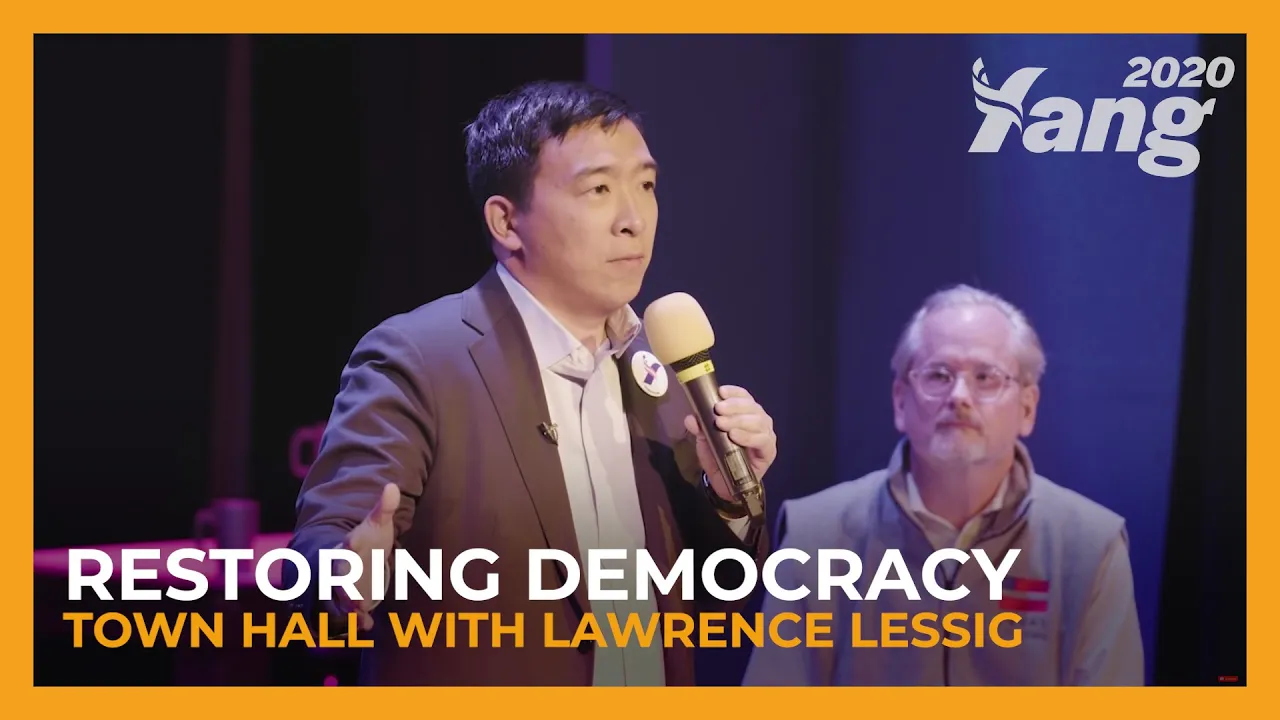
- Why this video: Featuring constitutional law expert Lawrence Lessig, this video shows how single-member district lines are gerrymandered to create "safe seats." This dynamic insulates incumbents from general election competition and drives polarization by forcing politicians to cater primarily to partisan primary voters.
Knowledge Checkpoint
- Explain why voter turnout is historically higher in nations with proportional representation compared to those with winner-take-all majoritarian systems.
- Describe the practice of gerrymandering, and explain why proportional representation systems are naturally more resilient to electoral district boundary manipulation.
- Discuss the mechanism by which majoritarian "safe seats" encourage political polarization and legislative gridlock.
Course Map
This flowchart outlines the module sequence, showing how early lessons build the foundation for analyzing more advanced governance and democratic health outcomes.
Key People Index
- Dr. Patrick Theiner: A comparative politics lecturer who specializes in explaining the structural mechanics of electoral systems and executive-legislative configurations.
- Maurice Duverger: The French sociologist and political scientist whose work formalizing Duverger’s Law established the link between single-member plurality voting and two-party consolidation.
- Lawrence Lessig: A Harvard Law professor and prominent advocate for democratic reform, known for his work on electoral integrity, campaign finance, and how redistricting rules drive polarization.
- Alastair Campbell: A British political strategist and communicator who was closely involved in navigating the 2010 UK general election negotiations, which resulted in a rare Conservative-Liberal Democrat coalition government.
Final Self-Assessment
Complete this comprehensive self-assessment to verify your mastery of the learning goal:
- I can explain the mechanics of how votes are cast, counted, and converted to legislative seats under First-Past-The-Post (FPTP) voting rules.
- I can describe the mathematical and psychological components of Duverger's Law and explain how it shapes party dynamics.
- I can detail the strategic calculation behind the "spoiler effect" and explain how it shapes voter and party choices in majoritarian systems.
- I can outline the core mechanics of the Single Transferable Vote (STV) and explain how preferences are redistributed using voter-defined rankings.
- I can explain how Mixed-Member Proportional (MMP) systems combine localized geographic representation with national or regional party-list proportionality.
- I can analyze how proportional representation systems shape political party platforms, encouraging coalition-building rather than adversarial, single-party dominance.
- I can define "kingmaker" parties and explain why they can exert disproportionate policy influence during coalition negotiations.
- I can compare how majority coalitions and minority governments manage legislative stability and executive control.
- I can identify the institutional causes of partisan gerrymandering and explain why proportional systems are generally immune to it.
- I can explain why proportional representation systems tend to see higher voter turnout compared to winner-take-all arrangements.
- I can evaluate how electoral system design affects descriptive representation (including the representation of women and marginalized minorities) and overall public trust in democratic systems.