Psychotherapy (Theory, Mechanisms & Efficacy)
Learning Goal: Compare the theoretical mechanisms of change across major psychotherapeutic modalities—specifically psychoanalytic, cognitive-behavioral, and humanistic therapies—and evaluate their efficacy for treating mood disorders.
- Prerequisites: Introduction to General Psychology (highly recommended but not mandatory)
- Estimated Total Study Time: 12 hours
Module 1: Introduction to Mood Disorders and Psychotherapy
Module Overview
To understand how psychotherapy acts as a biological and psychological mechanism of change, we must first define the clinical pathology it targets. This module provides a foundational clinical understanding of mood disorders—primarily Major Depressive Disorder (MDD) and Bipolar Disorder—and introduces the historical and systemic architecture of talk therapy. Learners will examine how prolonged emotional dysregulation impacts cognitive structures and how the patient-therapist relationship serves as the baseline for all subsequent clinical interventions.
Recommended Videos

Why this video
This video provides a concise clinical baseline, clearly separating mood disorders into unipolar depression and bipolar spectrums. It outlines how these disorders manifest as emotional extremes and affect daily functioning.
Knowledge Checkpoint
- Define the clinical distinction between Major Depressive Disorder and Bipolar Disorder.
- Understand the impact of prolonged hopelessness on a patient's behavioral baseline.
Why this video
This video is a premier primer on the development of modern therapeutic approaches. It places the major schools of thought—psychodynamic, humanistic, and cognitive-behavioral—into historical context, making it easier to visualize how they branched off from one another.
Knowledge Checkpoint
- Name the four major historical schools of psychotherapy.
- Describe how modern talk therapy differs from early psychiatric containment methods.

Why this video
This comprehensive lecture explores the clinical realities of therapy. It details the 12 core structural elements of psychotherapy, including informed consent, clinical boundaries, goal setting, and building a therapeutic alliance.
Knowledge Checkpoint
- List at least 5 of the 12 core elements of a clinical psychotherapy framework.
- Explain the ethical importance of informed consent and objective goal setting.
Module 2: Psychoanalytic Therapy and the Unconscious Mind
Module Overview
Rooted in the pioneering work of Sigmund Freud, psychoanalytic and psychodynamic psychotherapies focus on the unconscious mind as the primary driver of psychological distress. This module explores the structural model of personality (Id, Ego, Superego) and investigates how the mind uses defense mechanisms to cope with unresolved internal conflicts. Learners will analyze the core mechanism of change in this modality: bringing repressed, unconscious material into conscious awareness to foster insight, resolve developmental blockages, and re-integrate the self.
Recommended Videos

Why this video
To understand psychodynamic conflict, one must grasp Freud's structural model of the mind. This video provides an illustrative and academic breakdown of the Id (pleasure principle), Ego (reality principle), and Superego (morality principle), showcasing how conflict between these three structures generates psychological distress.
Knowledge Checkpoint
- Explain the operational principles governing the Id, Ego, and Superego.
- Describe how an imbalance or conflict among these three structures leads to anxiety.

Why this video
This academic lecture provides a deep dive into the psychological defenses used by the Ego to avoid processing painful or traumatic experiences. It explains how unprocessed unconscious conflicts manifest as physical and psychological symptoms.
Knowledge Checkpoint
- Identify at least three defense mechanisms (e.g., repression, denial, projection) and explain their psychological purpose.
- Describe how unresolved unconscious conflicts can morph into somatic symptoms.

Why this video
This masterclass explains how psychoanalytic concepts are translated into actual clinical practices. It outlines free association, dream analysis, interpretation, and working through resistance to reveal deep childhood patterns.
Knowledge Checkpoint
- Explain the mechanism of "free association" and how it bypasses conscious censorship.
- Define "resistance" in a therapeutic context and understand its diagnostic value.
Module 3: Cognitive Behavioral Therapy (CBT) and Restructuring
Module Overview
Cognitive Behavioral Therapy (CBT), founded by Aaron Beck, represents a paradigm shift from insight-oriented depth therapy to structured, goal-oriented, present-focused intervention. CBT operates on a simple premise: our thoughts, feelings, and behaviors are inextricably linked. This module teaches the cognitive triad, how to identify and classify cognitive distortions (such as catastrophic thinking and black-and-white reasoning), and how to dismantle deeply ingrained maladaptive core beliefs. Learners will study the mechanism of cognitive restructuring and the behavioral strategies (like behavioral activation) used to treat depressive mood states.
Recommended Videos

Why this video
This video serves as a highly clear and authoritative introduction to the operational structure of CBT. It maps out the reciprocal relationship between thoughts, feelings, and behaviors, demonstrating why intervening at the cognitive level alters emotional states.
Knowledge Checkpoint
- Draw and explain the CBT triangle (Thoughts, Feelings, Behaviors).
- Contrast CBT's short-term, present-focused model with psychoanalysis's long-term, historical focus.

Why this video
This presentation focuses on "automatic thoughts"—the rapid, subconscious judgments we make throughout the day. It details how these thoughts are often distorted and how they feed depressive symptoms.
Knowledge Checkpoint
- Define "automatic thoughts" and explain how they differ from core beliefs.
- Explain how a negative automatic thought can lead directly to depressive behaviors.

Why this video
This clinical interview details how deep-seated "core beliefs" develop, usually during childhood, and act as a lens through which we view all of reality. It explains how clinicians uncover these core assumptions to help patients rebuild healthier cognitive foundations.
Knowledge Checkpoint
- Explain the relationship between early childhood experiences, core beliefs, and situational automatic thoughts.
- Describe the "downward arrow technique" used by clinicians to identify a patient's core belief.
Module 4: Humanistic Therapy and Person-Centered Growth
Module Overview
Reacting against the perceived determinism of psychoanalysis and the mechanics of early behaviorism, Carl Rogers championed humanistic psychology—often called the "third force" in psychology. Rogers’ Person-Centered Therapy operates on the belief that individuals possess an innate drive toward self-actualization. This module details the three "core conditions" that Rogers identified as necessary and sufficient for therapeutic growth: congruence (genuineness), accurate empathy, and unconditional positive regard. Rather than acting as an expert interpreter, the humanistic therapist acts as a warm, authentic mirror, cultivating a psychological climate that allows the client's self-healing mechanisms to activate.
Recommended Videos
Why this video
This video breaks down the theoretical mechanics of the three core conditions: congruence, accurate empathy, and unconditional positive regard. It offers a clear, academic explanation of how these conditions allow clients to drop their defenses and re-evaluate their self-worth.
Knowledge Checkpoint
- Define the three core therapeutic conditions of Person-Centered Therapy.
- Explain why "unconditional positive regard" is vital for clients who experience deep shame or depression.

Why this video
In 1957, Carl Rogers published his seminal work outlining six necessary and sufficient conditions for therapeutic personality change. This video explores the lesser-known, "hidden" conditions that complete the therapeutic relationship.
Knowledge Checkpoint
- Name the six conditions Carl Rogers deemed necessary and sufficient for therapeutic change.
- Understand the role of "psychological contact" in initiating therapy.

Why this video
This historic archival interview features Carl Rogers explaining his therapeutic philosophy in his own words. It highlights his views on why the therapeutic relationship itself—rather than technical interventions—drives real psychological change.
Knowledge Checkpoint
- Describe Rogers' view on the therapist's role as a facilitator rather than an expert.
- Summarize how a client's inner locus of evaluation shifts during successful humanistic therapy.
Module 5: Comparing Modalities and Evaluating Efficacy
Module Overview
This final module integrates your learning through a comparative analysis of psychoanalytic, cognitive-behavioral, and humanistic therapies, specifically targeting their clinical efficacy for treating mood disorders. We will examine empirical data from randomized controlled trials (RCTs) and discuss the famous "Dodo Bird Verdict"—the assertion that all established psychotherapies produce roughly equivalent outcomes due to shared "common factors." Finally, we will explore contemporary therapy integration, evaluating how customized, multi-modal treatment plans serve patients better than rigid allegiance to a single theoretical model.
Recommended Videos
Why this video
This video provides a direct, side-by-side comparative analysis of CBT and Psychodynamic therapy. It contrasts their underlying theories and mechanisms of change, and evaluates empirical evidence on short-term symptom relief versus long-term psychological resilience.
Knowledge Checkpoint
- Contrast the core mechanisms of change in CBT (cognitive restructuring) with Psychodynamic therapy (insight and processing the unconscious).
- Analyze the difference between short-term outcomes and long-term symptom remission in both modalities.
Why this video
This video features a clinical psychologist explaining the "Dodo Bird Verdict." It shows how non-specific common factors, such as the therapeutic alliance, empathy, and positive expectations, often explain why different therapeutic modalities yield similar success rates.
Knowledge Checkpoint
- Define the "Dodo Bird Verdict" and identify its origin in psychotherapy research.
- Define "common factors" and explain how they contribute to therapeutic success across different modalities.
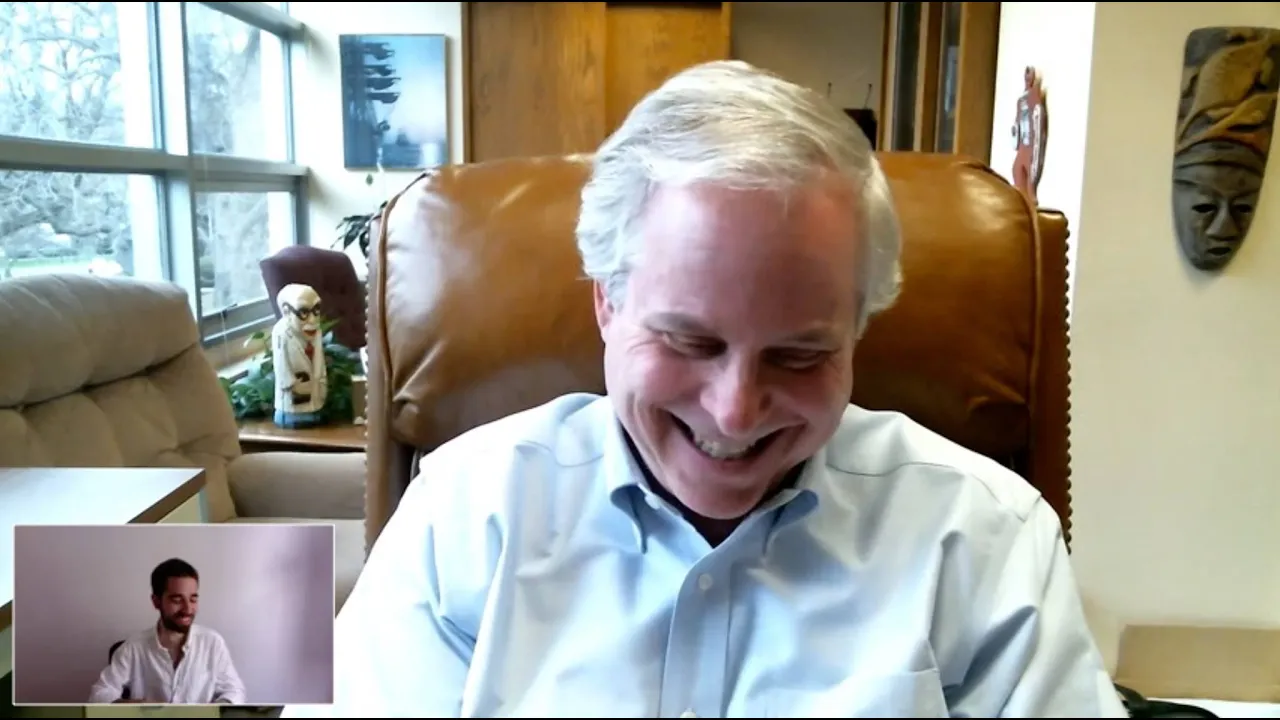
Why this video
Dr. John Norcross, a pioneer in psychotherapy integration, explains that while the Dodo Bird Verdict may apply when comparing therapies across broad diagnostic categories, it falls short when tailoring treatments to unique individuals. He argues for matching specific therapeutic techniques to a patient's personality, preferences, and coping style.
Knowledge Checkpoint
- Explain the difference between diagnostic-level equivalence and individual-level tailoring in therapy.
- Define the primary goal of the psychotherapy integration movement.

Why this video
This video outlines the findings of the IMPACT trial, a major randomized controlled trial evaluating the efficacy of CBT, short-term psychodynamic therapy, and brief psychosocial interventions for adolescent depression. The empirical results serve as a real-world test of the Dodo Bird Verdict.
Knowledge Checkpoint
- Describe the clinical trial design and findings of the IMPACT trial for depression.
- Discuss how empirical trials challenge or support claims of superiority made by different therapeutic schools.
Course Map
Key People Index
Sigmund Freud (1856–1939)
The father of psychoanalysis. Freud developed the structural model of the mind (Id, Ego, Superego) and argued that human behavior is driven by unconscious conflicts, repressed desires, and early childhood experiences.
Carl Rogers (1902–1987)
A pioneer of humanistic psychology and the founder of client-centered (later person-centered) therapy. Rogers argued that psychological growth occurs naturally when a therapist provides three core conditions: congruence, accurate empathy, and unconditional positive regard.
Aaron T. Beck (1921–2021)
The father of Cognitive Therapy (which evolved into CBT). Beck transformed the treatment of depression by showing that emotional suffering is driven by systematic cognitive distortions, negative automatic thoughts, and dysfunctional core beliefs.
John Norcross (b. 1957)
A leading clinical psychologist and researcher who champions psychotherapy integration. Norcross's work focus on tailoring psychotherapy to the individual patient's characteristics, coping style, and preferences rather than relying on a single theoretical model.
Final Self-Assessment
- Explain the clinical and symptomatic differences between Major Depressive Disorder (MDD) and Bipolar Disorder.
- Describe Freud's structural model of the mind and show how conflict between the Id, Ego, and Superego generates psychodynamic tension.
- Explain how defense mechanisms (such as projection, repression, and displacement) protect the Ego from conscious distress.
- Map the CBT cognitive triad and show how thoughts, feelings, and behaviors reinforce one another in a depressive cycle.
- Identify at least three common cognitive distortions (e.g., overgeneralization, catastrophizing, mind-reading) and explain how cognitive restructuring targets them.
- Detail the downward arrow technique and explain how it helps identify a patient's core beliefs.
- Define Carl Rogers' three core conditions: congruence, accurate empathy, and unconditional positive regard.
- Explain the six necessary and sufficient conditions for therapeutic personality change as outlined by Rogers.
- Define the "Dodo Bird Verdict" and evaluate the role of common factors (like the therapeutic alliance) in driving therapeutic outcomes.
- Discuss the findings of the IMPACT trial and explain what they reveal about the relative efficacy of CBT, psychodynamic therapy, and brief interventions for depression.
- Explain the clinical rationale behind psychotherapy integration and describe how a clinician might combine techniques from different modalities to treat a client with a mood disorder.