Foodways: Culture, Politics & Global Trade
Learning Goal: Deconstruct the cultural, economic, and political significance of foodways by analyzing how food cultivation, preparation, and consumption rituals shape social hierarchies and global trade networks.
- Prerequisites: None (Introductory to Advanced)
- Estimated Total Study Time: 12 Hours
Module 1: Introduction to Foodways & Food Anthropology
This module establishes the foundational definitions of "foodways" and introduces food anthropology. You will explore how food acts as a cultural signifier, an environmental adapter, and a mediator of human identity. We will also address the structural gap between the biological necessity of eating and the cultural construction of taste.
Recommended Videos

Why this video: This concise clip provides the exact academic definition of "foodways." Dr. Teresa Mares explains how foodways represent eating patterns across specific periods, geographies, and cultures, and notes how migration challenges and reshapes these traditional practices. It serves as an ideal baseline definition for the entire course.
Knowledge Checkpoint:
- Define the term "foodways" using academic parameters of time, space, and geography.
- Explain how human migration disrupts, translates, and adapts traditional foodways to new cultural contexts.
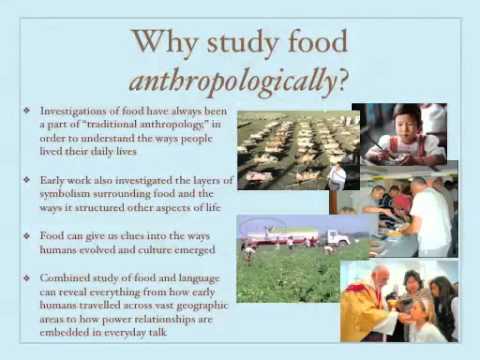
Why this video: This video provides a deep-dive explanation of why food is a critical site of anthropological inquiry. It details how food engages all five senses and is inextricably linked to cultural experiences, highlighting the tension between the biological requirement of consumption and the highly varied social constructs of what and how we choose to eat. (Note: While Part 1 is missing from our video index, the conceptual framework here stands perfectly on its own. For further independent study, search query "Introduction to Anthropology of Food part 1" is recommended).
Knowledge Checkpoint:
- Articulate why food is unique among cultural artifacts regarding sensory engagement.
- Differentiate between biological eating (nutrition) and cultural eating (taste, preparation, rules).

Why this video: To analyze foodways through an anthropological lens, one must understand the discipline of anthropology itself. This comprehensive introduction lays out the four-field approach (cultural, biological, linguistic, and archaeological). It equips you with the fundamental tools of cultural relativism and ethnographic observation required to study human dietary behaviors objectively.
Knowledge Checkpoint:
- List the four major subfields of anthropology and explain how foodways intersect with each.
- Define cultural relativism and describe its importance when evaluating foreign or unfamiliar food practices.
Why this video: Chef Selassie Atadika delivers a brilliant case study illustrating how geography, environment, and culture synthesize to create regional African foodways. The video demonstrates how local biomes dictate ingredient availability and explains the evolutionary biology of digestion (such as regional variations in lactose tolerance) alongside modern culinary innovation.
Knowledge Checkpoint:
- Analyze how environmental biomes directly shape the flavor profiles and preservation methods of regional cuisines.
- Explain how biological traits, like lactose intolerance, correlate with historical agricultural practices in specific populations.
Module 2: Agriculture, Cultivation, and Social Stratification
This module examines humanity's transition from foraging to sedentary farming (the Neolithic Revolution). You will investigate how agricultural surpluses paved the way for private property, systemic class divisions, centralized political states, and gendered divisions of labor.
Recommended Videos

Why this video: A quick but effective primer on the transition that occurred 12,000 years ago. This video highlights the shift from nomadic hunting-and-gathering to settled agrarian lifestyles, serving as a clean historical entry point for understanding the physical restructuring of early human societies.
Knowledge Checkpoint:
- Identify the approximate timeline and environmental triggers of the Neolithic Revolution.
- Contrast the mobility patterns of hunter-gatherers with those of early agricultural societies.

Why this video: Addressing a key gap in sociological resource materials, this video uses empirical research from Harvard and UCLA to explain how the introduction of the plow and intensive agriculture systematically decreased female participation in politics and the labor force. It shows how the transition from egalitarian foraging communities to plow agriculture forged rigid gender roles and patriarchal social hierarchies.
Knowledge Checkpoint:
- Explain the link between plow-based agriculture and the historical decline of female political and economic autonomy.
- Contrast gender divisions of labor in pre-agricultural societies with those in post-agricultural societies.

Why this video: Despite its sensationalist title, this video covers critical genetic and archaeological evidence demonstrating how the advent of farming (4,000 to 8,000 years ago) triggered severe genetic inequality. By consolidating agricultural land and resources in the hands of a small group of males, agriculture created the concept of private property and dynastic inheritance.
Knowledge Checkpoint:
- Describe how agricultural surpluses led to the creation of private property and wealth inheritance.
- Discuss the genetic evidence that points to an increase in social and resource inequality after the agricultural transition.
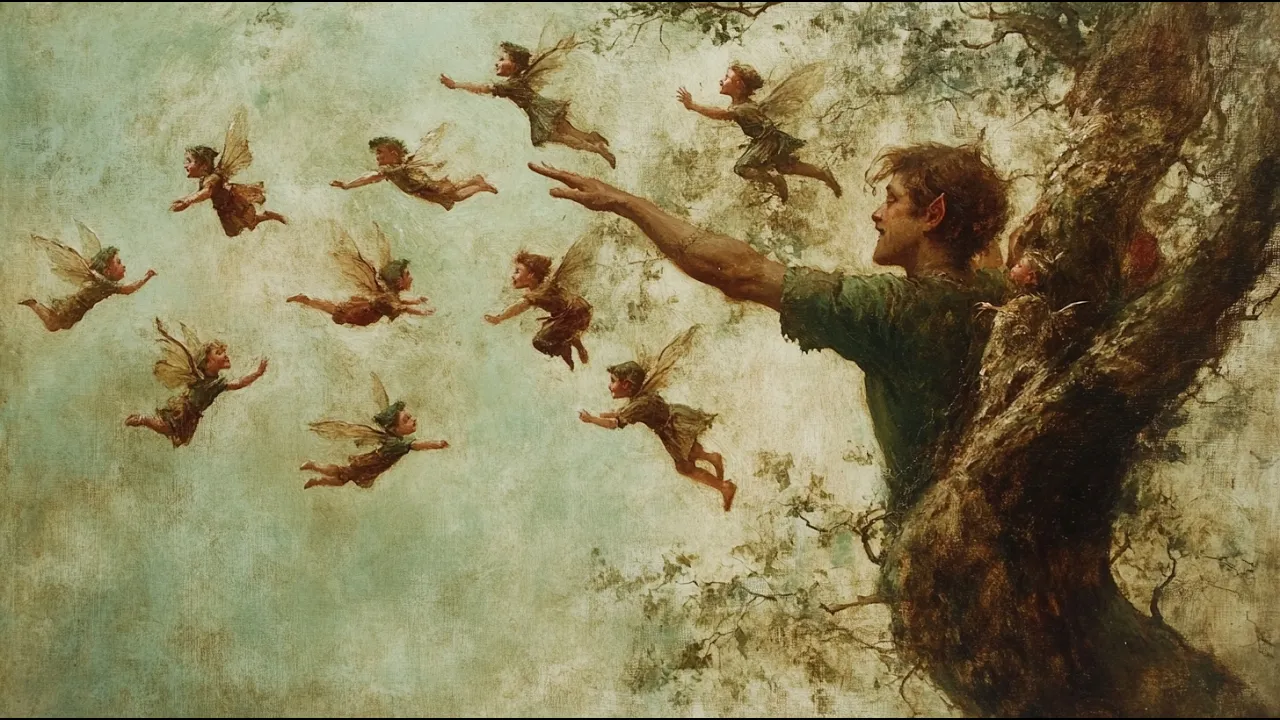
Why this video: This segment explores the psychological and defensive shifts that accompanied agricultural surpluses. Early farmers had to abandon nomadism to develop grain storage systems, which required defending accumulated food reserves from outside groups. This necessity catalyzed the development of professional militaries, fortified cities, and centralized states.
Knowledge Checkpoint:
- Explain the connection between storable crop surpluses (like grains) and the development of military defense systems.
- How did the shift from immediate consumption (foraging) to delayed consumption (farming/storage) change early human political organization?
Module 3: Culinary Rituals, Taboos, and Class Distinction
This module analyzes how what we eat, how we prepare it, and how we behave while eating serve as battlegrounds for social class and group identity. We will explore how religious taboos, dining etiquette, and aesthetic tastes establish social boundaries, with a focus on Pierre Bourdieu’s sociological theories of capital and distinction.
Recommended Videos

Why this video: An outstanding anthropological investigation into food taboos. It moves beyond simplistic "religious rule" explanations to explore the ecological, economic, and practical constraints that shaped famous food taboos, such as the Jewish and Islamic prohibitions on pork and the Hindu sanctification of cattle.
Knowledge Checkpoint:
- Explain Marvin Harris's cultural materialism theory regarding the ecological and economic impracticality of pig farming in the ancient Middle East.
- Describe how a dietary prohibition can transform from a practical ecological adaptation into a sacred moral identity marker.
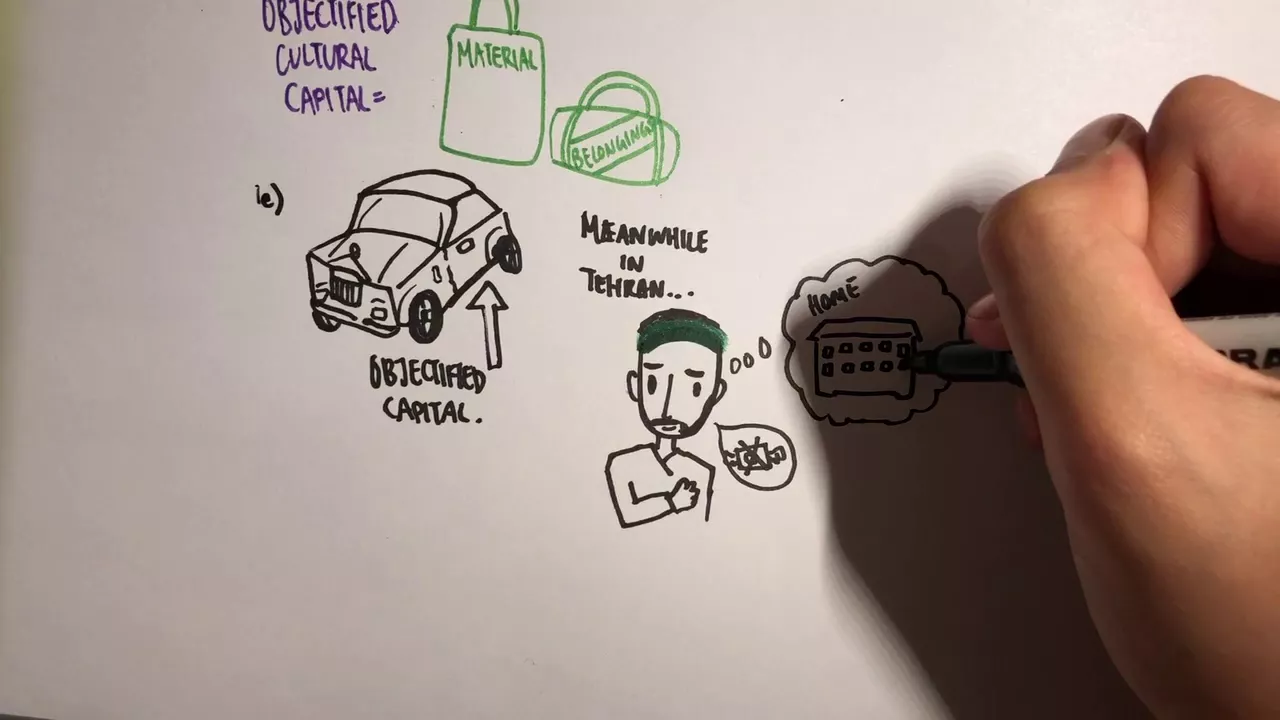
Why this video: To grasp how food reinforces class structures, one must understand French sociologist Pierre Bourdieu's core theories. This video breaks down his concepts of economic, social, symbolic, and cultural capital. It explains how "embodied cultural capital" (such as table manners and food knowledge) is learned in youth and signals one's class position.
Knowledge Checkpoint:
- Define "cultural capital" and distinguish between its embodied, objectified, and institutionalized forms.
- Explain how displaying specific food preferences acts as a form of symbolic capital that reinforces class boundaries.
Why this video: This short application of Bourdieu's theory of distinction explores how modern dietary choices reflect class standing. It references studies on urban poor populations in the United States, showing how meat consumption vs. plant-based diets are highly stratified by class, and how food preferences are used to construct and maintain social identity.
Knowledge Checkpoint:
- How does Bourdieu’s concept of "distinction" explain the social divide between consumers of ultra-processed foods and consumers of organic or plant-based foods?
- Why is "taste" not purely an individual preference, but a structured social mechanism?

Why this video: This excerpt provides a clear, practical demonstration of how dining etiquette functions as a class filter. Through the training of a young protagonist, it illustrates how fine motor skills (such as holding a spoon delicately or bringing food to the mouth rather than leaning down) are scrutinized to verify high-class status and weed out imposters.
Knowledge Checkpoint:
- Analyze how dining etiquette acts as a gatekeeping mechanism in elite spaces.
- Why are bodily postures and movements during eating (what Bourdieu calls habitus) so difficult for individuals from lower socio-economic classes to fake?
Module 4: Empires of Food: Colonialism and Global Trade
This module tracks the historical rise of early global capitalism, European colonialism, and the transatlantic slave trade through the lens of sought-after food commodities like sugar, spices, and tea.
Recommended Videos
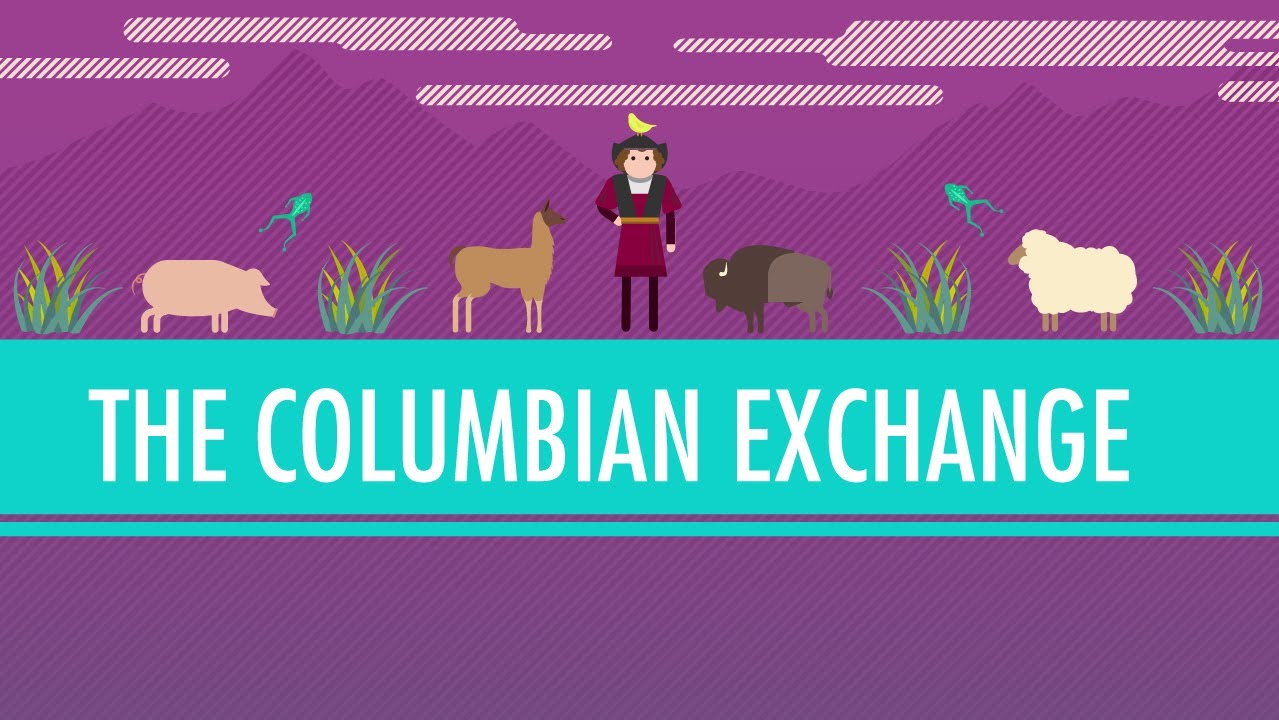
Why this video: John Green presents an essential overview of the biological and culinary exchange between the Afro-Eurasian and American hemispheres after 1492. This video explains how New World crops (potatoes, maize, cassava) revolutionized European and Asian demographics, while Old World animals and diseases fundamentally altered the Americas.
Knowledge Checkpoint:
- Detail the global population shifts caused by the introduction of American caloric crops (potatoes and maize) to Afro-Eurasia.
- Explain the ecological and human devastation that Old World pathogens and domesticated animals caused to Native American civilizations.
Why this video: A stark and powerful documentary short detailing the triangle trade. It demonstrates how European capital, African labor, and American soil combined to produce sugar. This cash-crop production drove early globalization, fueled European industrialization, and established a system of racialized chattel slavery.
Knowledge Checkpoint:
- Map the "Triangular Trade" network and identify the role sugar played in connecting African human labor, American crop cultivation, and European capital.
- Why is sugar considered one of the primary drivers of modern global capitalism?
Why this video: This video provides a deep historical analysis of sugar's transformation from an elite medicine and luxury in medieval Europe to a cheap calorie source for the working class during the Industrial Revolution. It explains how this massive increase in demand fueled the transatlantic slave trade and shaped modern global diets.
Knowledge Checkpoint:
- Explain how sugar transitioned from an exclusive luxury status symbol of the wealthy to an everyday staple of the industrial working class.
- Analyze the connection between European working-class calorie needs during industrialization and the expansion of Caribbean slave plantations.

Why this video: This Library of Congress presentation features scholar Alisha Knight discussing how early colonial cookbooks documented the "creolization" of American foodways. It highlights how the critical contributions of enslaved African chefs and laborers were systematically erased or made invisible in early written histories, even as their techniques built American cuisine.
Knowledge Checkpoint:
- Define the term "creolization" in the context of food history and foodways.
- How did early American cookbooks simultaneously reflect and erase the culinary expertise of enslaved African cooks?
Module 5: Modern Food Systems, Globalization, and Sovereignty
This module assesses our modern, industrialized food supply chains. You will evaluate the rise of fast-food globalization, the nutrition transition in developing countries, and the political struggles between industrial food security and local food sovereignty movements.
Recommended Videos

Why this video: An excellent structural breakdown of the modern, hyper-specialized global food supply chain. This video traces the journey of food across five key stages: production, processing, distribution, retail, and consumption, showing how agribusiness has distanced the modern consumer from agricultural realities.
Knowledge Checkpoint:
- Identify and define the five primary stages of the modern global food supply chain.
- Explain how industrialization and globalization have complicated food logistics and increased vulnerability to supply disruptions.

Why this video: This highly detailed academic panel discussion is a perfect fit for our learning goals. It contrasts the concept of "food security" (ensuring everyone has enough calories, often via global food imports) with "food sovereignty" (the democratic right of local communities to control their own food production and agricultural policies).
Knowledge Checkpoint:
- Contrast "food security" with "food sovereignty," highlighting the geopolitical implications of each.
- Describe how international trade agreements can undermine a local community's agricultural independence and self-reliance.

Why this video: This investigative documentary explores the expansion of Western fast-food conglomerates into developing markets such as India and Brazil. It shows how low-cost marketing and modified distribution systems have triggered a global "nutrition transition," replacing traditional whole-food diets with ultra-processed imports and causing a spike in metabolic health issues.
Knowledge Checkpoint:
- Explain the concept of the "nutrition transition" and its public health impacts on developing nations.
- Describe the economic strategies multinational fast-food companies use to penetrate and capture traditional food markets.

Why this video: This historical overview traces how fast food adapted to a saturated US market by expanding globally. It looks at iconic milestones—like McDonald's opening in post-Perestroika Moscow and its integration into South Africa's post-apartheid food landscape—to show how fast food became a primary agent of globalization.
Knowledge Checkpoint:
- Discuss fast food's rise as a symbol of Western cultural modernization and geopolitical influence in the late 20th century.
- How do fast-food chains alter their menus to fit local cultural and religious standards while keeping their industrial production models identical?
Course Map
This map outlines the recommended progression of study, showing the conceptual and prerequisite links between modules.
Key People Index
- Dr. Teresa Mares (Associate Professor of Anthropology at UVM): Specializes in food studies, agrarian migration, and food security/sovereignty among migrant farmworkers.
- Pierre Bourdieu (French Sociologist, 1930–2002): Developed theories of distinction, cultural capital, and habitus, showing how taste in food serves as a marker of social class.
- Marija Gimbutas (Archaeologist, 1921–1994): Known for her research on early European Neolithic societies, which sparked debate on how the transition to plow agriculture affected egalitarian social structures.
- Chef Selassie Atadika (Pioneering Ghanaian Chef & Food Scholar): Founder of Midunu; advocates for preserving regional African culinary heritages, biodiversity, and sustainable foodways.
- Marvin Harris (Anthropologist, 1927–2001): Pioneer of cultural materialism; argued that dietary taboos (like the avoidance of pork) stem from practical ecological and economic pressures.
- Dr. Alisha Knight (Associate Professor of English and Black Studies): Analyzes how colonial and post-colonial texts, including early cookbooks, record the development and erasure of African-American foodways.
Final Self-Assessment
Review your understanding of the course material by checking off each core learning objective:
- Define "Foodways": Can you explain foodways using academic concepts of space, time, social identity, and human migration?
- Egalitarian to Hierarchical: Can you outline how transitioning from hunting-and-gathering to settled farming generated crop surpluses, which then led to private property and rigid social classes?
- The Plow and Gender Roles: Can you explain the sociological link between plow agriculture and the historical decline of female labor and political participation?
- Materialist Taboos: Can you explain Marvin Harris's cultural materialism arguments regarding why certain cultures developed taboos against pork and beef?
- Bourdieu's Distinction: Can you use the terms cultural capital, habitus, and distinction to explain why food preferences are socially learned and reinforce class hierarchies?
- The Columbian Exchange: Can you list three New World crops and three Old World commodities, explaining how their exchange altered global population sizes and ecological systems?
- The Sugar-Slavery Link: Can you explain how European industrialization, Caribbean sugar plantations, and the transatlantic slave trade combined to launch global capitalist networks?
- Erasure in Cookbooks: Can you describe how early colonial cookbooks documented the integration of African ingredients while erasing the contributions of enslaved Black chefs?
- Supply Chain Vulnerability: Can you list the five primary stages of the modern global food supply chain and identify key points where global trade blockages can cause food shortages?
- Security vs. Sovereignty: Can you contrast "food security" with "food sovereignty," explaining how relying on global trade imports can jeopardize a country's control over its food systems?
- The Nutrition Transition: Can you analyze how the global expansion of multinational fast-food companies affects both dietary habits and public health in developing nations?