Ritual & Belief: Rites of Passage & Liminality
Learning Goal: Deconstruct the social functions of ritual, magic, and belief systems by analyzing rites of passage, liminality, and modern secular rituals.
- Prerequisites: None (Introductory level anthropology/sociology)
- Estimated Total Study Time: 12 Hours
Module 1: Introduction to Ritual, Magic, and Belief Systems
This module introduces the foundational academic definitions of ritual, magic, and religion. You will explore how early social theorists and modern anthropologists define these terms and how they have historically distinguished them from scientific systems of thought.
Recommended Videos
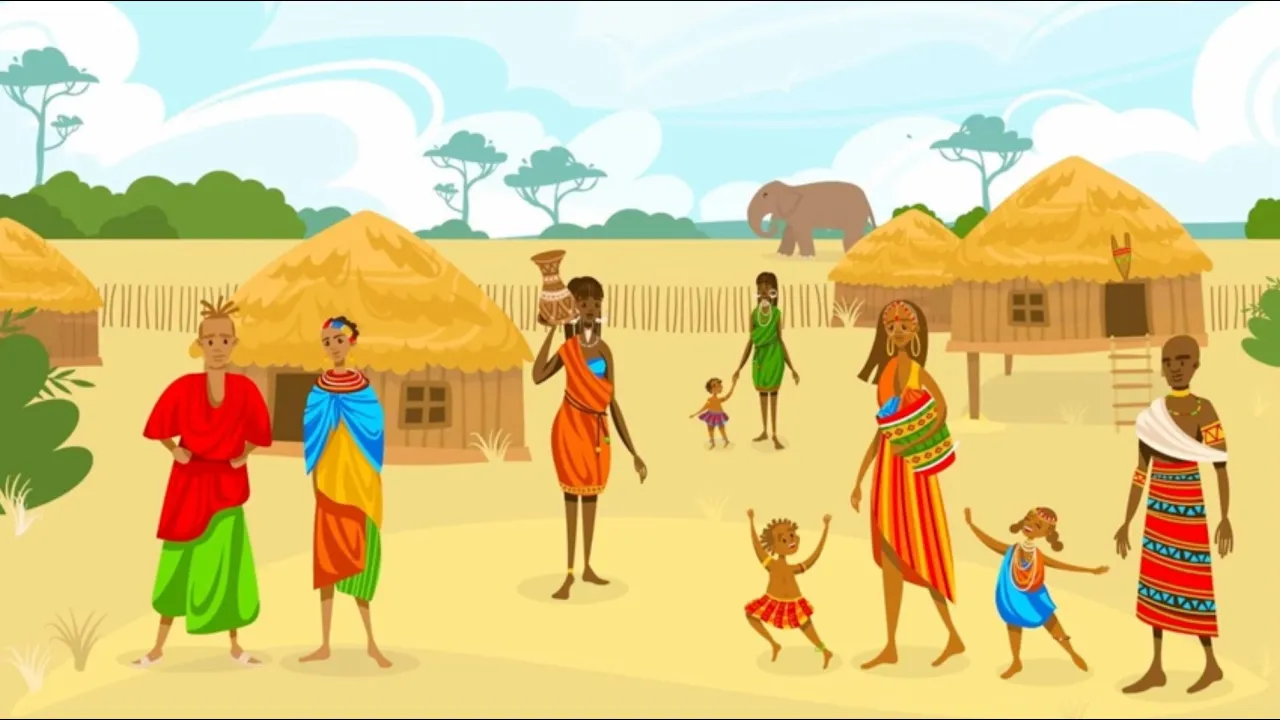
- Why this video: This video provides an essential baseline definition of anthropology, outlining its four subfields. It grounds your studies by explaining how cultural anthropologists conduct fieldwork to analyze the invisible structures of belief and ritual that bind human societies across time.
- Knowledge Checkpoint:
- Define the four subfields of anthropology (Biological, Cultural, Linguistic, Archaeology).
- Understand the primary methodology cultural anthropologists use to study rituals (ethnographic participant observation).

- Why this video: Delivered by UCLA, this lecture clip establishes the core intellectual boundaries between science, magic, and religion. It explains how science focuses on naturalistic manipulation, religion centers on ultimate transcendent authorities, and magic acts as a foundational, instrumental subset.
- Knowledge Checkpoint:
- Contrast how science and religion establish authority (naturalistic manipulation vs. supernatural transcendence).
- Explain why early academics viewed magic as a "broken science" or a distinct system of human-centered action.

- Why this video: This lecture clarifies the definition of "ritual." It highlights that rituals are standardized, highly structured, repetitive behaviors full of symbolic meaning, and can exist in both religious and secular spheres to bind communities together.
- Knowledge Checkpoint:
- List the five core characteristics of a ritual (symbolic, standardized, repetitive, structured, meaningful).
- Distinguish between religious rituals and everyday secular routines.

- Why this video: This deep-dive lecture synthesizes the anthropology of religion, analyzing belief systems as functional institutions that provide psychological control, societal legitimization, and social cohesion.
- Knowledge Checkpoint:
- Explain how religion functions as a cultural mechanism for preserving tradition.
- Describe how anthropologists classify different types of belief systems (e.g., monotheistic, polytheistic, animist).
Module 2: Functionalist Theories of Ritual: Durkheim & Malinowski
Note: Per curriculum corrections, this module has been placed before the specific structure of rites of passage to establish the evolutionary, social, and psychological "why" behind rituals.
This module examines how rituals serve vital personal and societal needs. Through Émile Durkheim, you will analyze how group assemblies generate "collective effervescence" to maintain social order. Through Bronisław Malinowski, you will learn how ritual and magic act as psychological mechanisms to mitigate anxiety in high-risk, unpredictable environments.
Recommended Videos

- Why this video: This video introduces structural functionalism, drawing biological analogies to explain how institutions like religion and ritual maintain equilibrium, reinforce shared values, and preserve social order.
- Knowledge Checkpoint:
- Explain the functionalist "biological analogy" of society.
- Describe how shared norms and values are reinforced through regular group rituals.
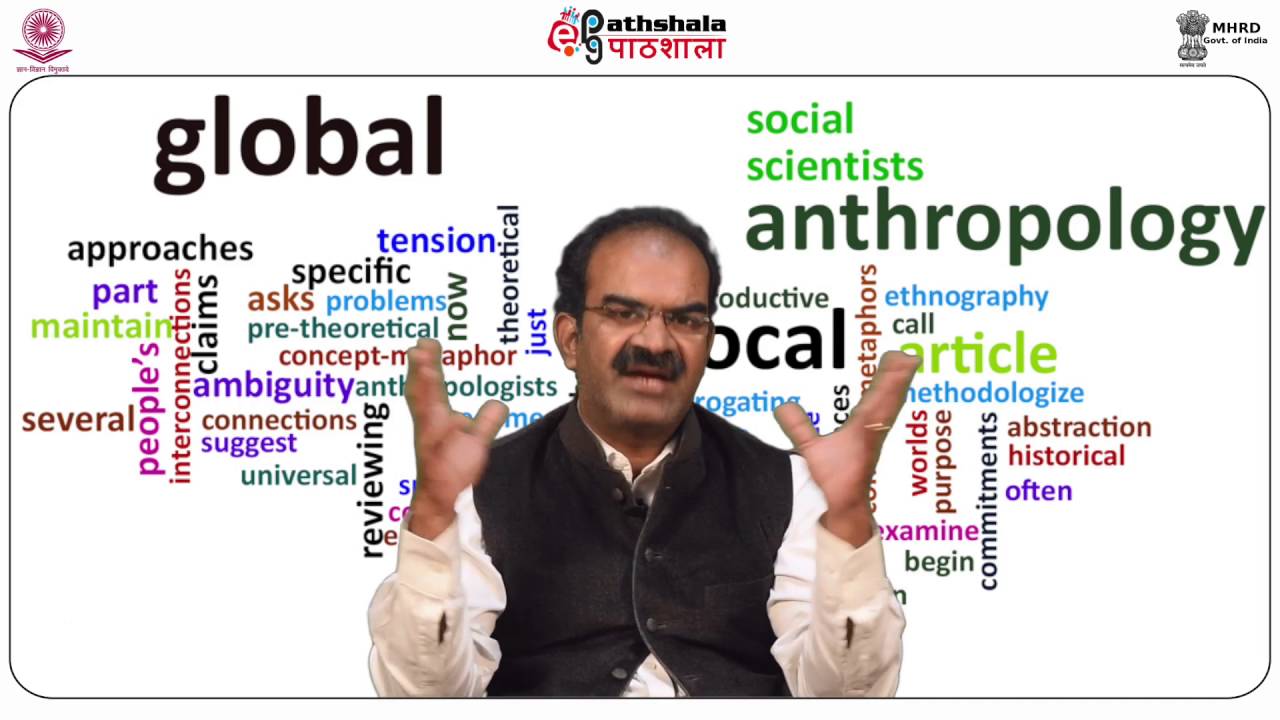
- Why this video: A comprehensive academic breakdown of Bronisław Malinowski’s specific brand of functionalism. It contrasts his psychological functionalism (how cultural institutions satisfy individual physiological and psychological needs) with structural functionalism.
- Knowledge Checkpoint:
- Define Malinowski's theory of functionalism.
- Explain how cultural practices satisfy basic and derived human needs.

- Why this video: This video bridges classical theory with contemporary behavior by detailing George Gmelch’s application of Malinowski’s "uncertainty theory" to professional baseball players. It clearly illustrates how humans rely on ritualistic and magical thinking when facing high-risk, low-control scenarios (e.g., pitching/batting vs. outfielding).
- Knowledge Checkpoint:
- Describe Malinowski's original observations of the Trobriand Islanders' lagoon vs. open-sea fishing.
- Apply the "uncertainty hypothesis" to modern high-anxiety activities.
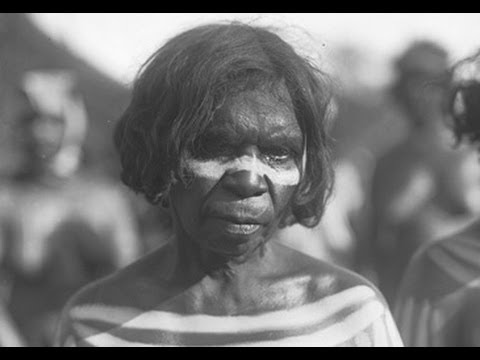
- Why this video: This concise theoretical video explains Émile Durkheim’s core concepts of totemism and "collective effervescence," showing how groups project their shared identity onto sacred objects and experiences.
- Knowledge Checkpoint:
- Define "collective effervescence" in a Durkheimian context.
- Explain how a totem represents both the deity and the community itself.

- Why this video: A highly engaging, pop-culture application of Durkheim’s theory. Ryan Reynolds discusses how sports fandom generates a profound sense of shared identity and collective joy, demonstrating how modern communities experience collective effervescence.
- Knowledge Checkpoint:
- Identify the physiological and emotional markers of collective effervescence in crowd settings.
- Discuss how sports teams act as modern "totems" for local communities.
Module 3: Rites of Passage: Van Gennep's Three Stages
This module deconstructs Arnold van Gennep’s classic 1909 tripartite framework for rites of passage: Separation (pre-liminal), Transition (liminal), and Incorporation (post-liminal). You will examine how cultures structurally transition individuals from one social status to another.
Recommended Videos
- Why this video: This video resolves a critical theoretical gap highlighted in the curriculum review. It provides a comprehensive, rigorous academic walkthrough of Arnold van Gennep's seminal book The Rites of Passage, clearly mapping out his three-stage model.
- Knowledge Checkpoint:
- Define Van Gennep’s three distinct phases of transition.
- Explain the difference between pre-liminal, liminal, and post-liminal states.
- Why this video: This clever short film applies Van Gennep’s three stages to a familiar, localized secular ritual: childhood sleepover games. It acts as an accessible bridge for recognizing how separation, transition, and incorporation manifest in daily play.
- Knowledge Checkpoint:
- Identify the moment of "separation" in a sleepover context.
- Explain how sleepover games create a temporary "liminal" ruleset before participants are incorporated back into daily life.

- Why this video: An immersive ethnographic examination of the Mursi Tribe’s coming-of-age ceremonies. This video provides a vivid, real-world case study of how physical ordeals (scarification, testing) mark the boundary between childhood and adulthood.
- Knowledge Checkpoint:
- Analyze how bodily alterations (scarification, piercings) serve as permanent markers of post-liminal incorporation.
- Describe the communal significance of painful physical trials in tribal societies.

- Why this video: This detailed documentary follows a Kombai youth's initiation, illustrating how separation from the maternal home and physical isolation in the forest are used to transition boys into manhood.
- Knowledge Checkpoint:
- Point out how "spatial separation" (moving to a sacred forest/house) mirrors the symbolic psychological separation from childhood.
- Explain how elders transmit sacred, secret knowledge to the initiate during the transitional phase.
Module 4: Liminality and Communitas
Building on Van Gennep's transitional stage, this module explores Victor Turner's expansion of the liminal state. You will examine the concept of "anti-structure" (the subversion of social classes and hierarchies) and how these in-between states generate communitas—intense, unstructured community solidarity.
Recommended Videos

- Why this video: This academic lecture is the definitive theoretical cornerstone for Victor Turner’s work on symbolic anthropology. It details how the liminal phase strips initiates of status, rank, and property, leveling everyone into a state of egalitarian unity.
- Knowledge Checkpoint:
- Define "anti-structure" and "normative communitas."
- Describe how liminal individuals (liminals) are stripped of normal social roles and statuses.

- Why this video: This video connects Turner’s theories to modern digital phenomena. It explains how virtual environments evoke feelings of liminality by placing players in spaces of isolation and transience that are "between" distinct states.
- Knowledge Checkpoint:
- Explain the psychological characteristics of a physical or digital "liminal space."
- Discuss why environments like empty schools, abandoned malls, or hollow digital maps evoke discomfort.
- Why this video: Investigates "The Backrooms," a popular internet mythos built entirely around the concept of infinite, unsettling transitional spaces. It traces how a classic anthropological theory transformed into a widely recognized digital horror aesthetic.
- Knowledge Checkpoint:
- Explain how internet culture adapted the anthropological definition of "liminality."
- Describe how the absence of normal societal functions turns a transitional space into an uncanny horror landscape.

- Why this video: This clip offers a practical application of the liminal state, framing it as a period of profound discomfort that is ultimately necessary for learning and personal development.
- Knowledge Checkpoint:
- Why does being "betwixt and between" identities trigger personal anxiety?
- How can the destabilization of personal identity foster growth?
Module 5: Modern Secular Rituals and Contemporary Magic
This module applies the theories of Durkheim, Malinowski, Van Gennep, and Turner to our modern, secularized world. You will analyze how sports fandom, consumer capitalism, academic graduations, and non-religious gatherings serve the exact same social and psychological functions as classical religious rites.
Recommended Videos

- Why this video: This video connects Victor and Edith Turner's research on pilgrimage to modern pop-culture conventions and fandoms. It demonstrates how traveling to a comic convention or music festival acts as a modern pilgrimage, complete with liminal states and communitas.
- Knowledge Checkpoint:
- Identify the parallels between historical religious pilgrimages and modern fan conventions.
- Explain how dressing up (cosplaying) mirrors the role-reversal and identity-stripping of classical liminality.
- Why this video: This documentary looks at modern athletic spectacles, specifically the Super Bowl, as secular religious systems. It highlights the use of sacred spaces (stadiums), shared iconography, and structured liturgies.
- Knowledge Checkpoint:
- Discuss how professional sports stadiums serve as modern "sacred spaces."
- Analyze the shared ritualistic behaviors of sports fans through a religious studies lens.

- Why this video: This video explores the emergence of secular churches, demonstrating how non-religious individuals still seek out structured, periodic gatherings and communal song to experience shared joy and solidarity.
- Knowledge Checkpoint:
- Why do secular communities replicate religious meeting structures (sermons, singing, assemblies)?
- Explain how secular churches generate collective solidarity without a deity.

- Why this video: This book vlog explores how modern literature analyzes consumer capitalism as a new mythological system, with commercial spaces acting as temples and celebrity figures serving as modern saints.
- Knowledge Checkpoint:
- Describe the ideological narrative of consumer capitalism as a mythic belief system.
- Discuss how shopping and buying products function as modern comfort-seeking rituals.
Course Map
Key People Index
- Arnold van Gennep (1873–1957): A French ethnographer and folklorist who is best known for his landmark book The Rites of Passage (1909). He established that all life-cycle transitions across different human cultures share a universal, three-stage structure.
- Victor Turner (1920–1983): A British symbolic anthropologist who expanded on Van Gennep's transitional phase to develop the concepts of liminality, anti-structure, and communitas during his fieldwork with the Ndembu of Zambia.
- Émile Durkheim (1858–1917): A pioneering French sociologist who established functionalism. He argued that religious rituals create collective effervescence, a shared energy that bonds individuals together and reinforces social solidarity.
- Bronisław Malinowski (1884–1942): An Austro-Hungarian anthropologist and the father of ethnographic fieldwork. Through his studies of the Trobriand Islanders, he developed the psychological functionalist theory that humans use magic and ritual to reduce anxiety in unpredictable environments.
Final Self-Assessment
Deconstruct the social and psychological functions of ritual by checking off the following core learning outcomes:
- I can define the differences between science, magic, and religion according to classic anthropological theory.
- I can explain Durkheim's concept of collective effervescence and identify its manifestations in both religious and secular settings (such as music concerts and sporting events).
- I can describe how Bronisław Malinowski’s uncertainty theory explains why Trobriand Islanders—and modern athletes—use magical thinking and ritual behavior in high-risk environments.
- I can name and detail the three distinct phases of Arnold van Gennep’s model for rites of passage: separation, transition, and incorporation.
- I can analyze how physical marks, geographic isolation, or bodily alterations serve as symbolic markers in coming-of-age rituals.
- I can define Victor Turner’s concepts of liminality, anti-structure, and communitas, explaining how the stripping away of social hierarchy generates strong bonds of equality.
- I can explain how modern internet trends (such as "The Backrooms" or "Minecraft's Empty Worlds") draw on the psychological discomfort of liminal spaces.
- I can identify how modern secular events (such as Comic-Cons, graduation ceremonies, and sports tournaments) serve the same social and psychological functions as traditional religious rituals.