Feminist Art: 1970s Performance & Installation
Learning Goal: Trace the evolution of Feminist Art in the 1970s, analyzing how pioneering artists used performance, installation, and craft mediums to challenge traditional art historical canons.
- Prerequisites: None (a basic familiarity with post-war modernism and conceptual art is helpful but not required).
- Estimated Total Study Time: 10 Hours
Module 1: Foundations: Challenging the Canon
This module establishes the core intellectual and socio-political foundations of the Feminist Art Movement. You will explore Linda Nochlin’s ground-breaking deconstruction of institutional biases in art history, Griselda Pollock's foundational feminist theories on social relations, and Laura Mulvey’s seminal formulation of the "male gaze." Together, these resources demonstrate how 1970s feminist theory sought to systematically dismantle the myth of the "great male genius."
Recommended Videos

-
Why this video: This video offers a thorough, deep-dive examination of Linda Nochlin’s historic 1971 essay. It explains how institutional, educational, and social barriers—rather than a lack of biological talent—historically barred women from achieving recognized artistic "greatness."
-
Knowledge Checkpoint:
- Understand why Nochlin rejects the premise of seeking a female equivalent to Michelangelo.
- Identify the historical institutional exclusions (e.g., life drawing classes) that prevented women's advancement.
- Articulate the concept of the "myth of the genius" as a gendered construct.

-
Why this video: Renowned theorist Griselda Pollock unpacks how feminist art history is not just about adding women to existing lists, but about pluralizing art histories to analyze how art actively produces gender, class, and race-based social relations.
-
Knowledge Checkpoint:
- Define how feminist interventions alter the structural model of art history instead of just appending names to it.
- Explain Pollock's perspective on the relationship between visual culture and the production of social differences.
-
Why this video: This concise, high-impact segment explains Laura Mulvey's 1975 theory of "the male gaze" from Visual Pleasure and Narrative Cinema. It illustrates how visual media positions women as passive objects of desire for a heterosexual male spectator.
-
Knowledge Checkpoint:
- Define the term "male gaze" as coined by Laura Mulvey in 1975.
- Explain how visual composition reinforces female passivity and male agency.
-
Why this video: This extended academic lecture traces the broader socio-political evolution of the Feminist Art Movement in the 1970s. It places the artwork within the context of second-wave feminism and the civil rights movement, contrasting it with first-wave political battles.
-
Knowledge Checkpoint:
- Contrast the objectives of first-wave and second-wave feminism.
- Analyze how 1970s women artists systematically rejected being treated as passive "objects" in art history, demanding status as creative "subjects."
Module 2: Reclaiming Craft: Femmage and Installation
This module investigates how 1970s feminist artists subverted historical hierarchies of media. For centuries, "high art" was restricted to painting and sculpture, while textiles, embroidery, and ceramics were denigrated as decorative "domestic crafts" or "women's work." You will explore how Judy Chicago, Miriam Schapiro, and their students elevated these materials to a monumental scale in key installations, establishing the medium of "femmage" (feminist collage).
Recommended Videos

-
Why this video: This historic documentary showcases the ground-breaking 1972 collaborative installation Womanhouse in Los Angeles. Spearheaded by Judy Chicago and Miriam Schapiro, the work involved transforming an abandoned mansion into an environmental art space that interrogated domesticity, labor, and female identity.
-
Knowledge Checkpoint:
- Describe the collaborative process behind Womanhouse (1972).
- Analyze how domestic spaces (like the kitchen or bedroom) were transformed into political critiques of confinement.
-
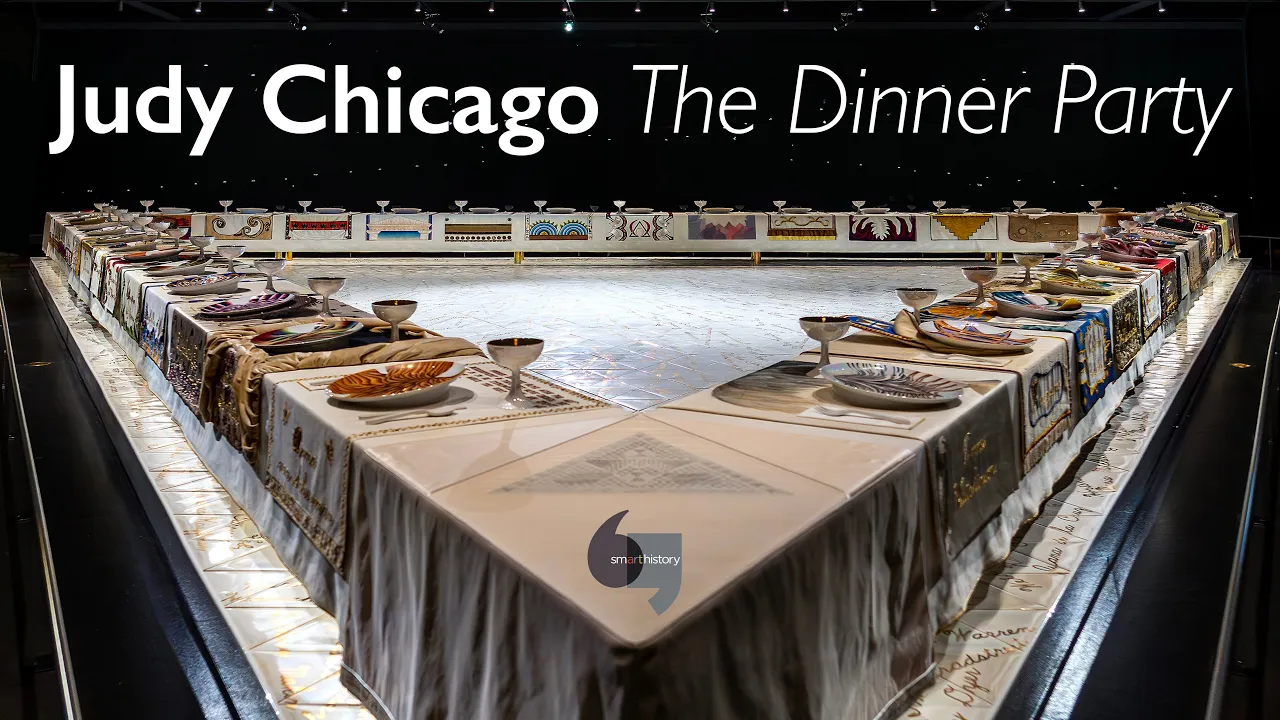
Why this video: A premier analysis from SmartHistory focusing on Judy Chicago's monumental installation The Dinner Party (1974-1979). The video breaks down the triangular structure, the embroidered runners, and the vulvar porcelain plates honoring 39 key historical women, alongside 999 names inscribed on the Heritage Floor.
-
Knowledge Checkpoint:
- Identify the symbolic significance of the triangular configuration of The Dinner Party.
- Explain how Chicago integrated marginalized mediums (china painting and needlework) to elevate women's history.
- Discuss the aesthetic controversy surrounding the vulvar-shaped plate designs.

-
Why this video: Curator Nandini Makrandi explains Miriam Schapiro's concept of "femmage"—a portmanteau of feminine and collage. This video highlights how Schapiro deliberately utilized fabric and sewing fragments to connect her work directly to traditional domestic textile practices.
-
Knowledge Checkpoint:
- Define the term "femmage" and list its key physical components.
- Explain how Schapiro's use of patterns and fabric challenged the male-dominated norms of Abstract Expressionism.
Module 3: The Body as Canvas: Performance Art
In the 1970s, feminist artists began utilizing their own bodies as raw artistic materials. This strategy bypassed traditional institutional commercialism and re-contextualized the female body—historically objectified by the male gaze—into an active site of political protest, ecological connection, and ritual exploration. This module centers on Carolee Schneemann's visceral kinetic theater and Ana Mendieta’s earth-body Silueta series.
Recommended Videos

-
Why this video: This introductory survey explains how Schneemann revolutionized performance art. It highlights her practice of expanding the painterly gesture into spatial kinetic theater, using her body to challenge societal taboos surrounding sex, gender, and agency.
-
Knowledge Checkpoint:
- Explain how Schneemann transitioned from traditional painting to bodily performances like Meat Joy.
- Articulate how she used her own body to challenge censorship and societal shame.
-
Why this video: This comprehensive, feature-length artist talk features Schneemann reflecting directly on her career. It provides crucial archival context on her seminal, highly controversial performance Interior Scroll (1975), where she extracted a text scroll from her vagina to critique the denigration of female intellect.
-
Knowledge Checkpoint:
- Analyze the concept of "vulvic space" in Schneemann's work.
- Discuss how Interior Scroll served as a direct conceptual critique of the patriarchal biases in minimalist and conceptual art.

-
Why this video: This video explores the life and practice of Cuban-American artist Ana Mendieta. It focuses heavily on her Silueta Series (1973-1981), demonstrating how Mendieta merged body art, land art, and spiritual ritual to explore exile, identity, and the female connection to the earth.
-
Knowledge Checkpoint:
- Describe the medium and conceptual intent of Mendieta's Silueta Series.
- Connect Mendieta’s artistic themes to her personal biography of displacement and exile from Cuba.
- Differentiate Mendieta's intimate "earth-body" art from the monumental, male-dominated "land art" of her contemporaries.
Module 4: Media, Video, and Identity Deconstruction
As portable video cameras and accessible photographic media emerged in the 1970s, feminist artists seized upon these formats. Video and photography allowed artists to directly deconstruct domestic labor, mass-media imagery, and archetypes of female behavior. This module spotlights Martha Rosler’s satirical parodies of home economics and Cindy Sherman’s iconic self-portraiture investigating cinematic tropes.
Recommended Videos

-
Why this video: This features the actual 1975 video art performance Semiotics of the Kitchen by Martha Rosler. This parodic cooking show features Rosler demonstrating domestic utensils in alphabetical order, transforming mundane culinary tools into instruments of aggression and frustration.
-
Knowledge Checkpoint:
- Identify how Rosler subverts the structure of the "cooking show" television format.
- Analyze the transformation of domestic utensils from symbols of labor to gestures of rebellion.
- Explain how Rosler uses language (semiotics) to deconstruct traditional female roles.
-
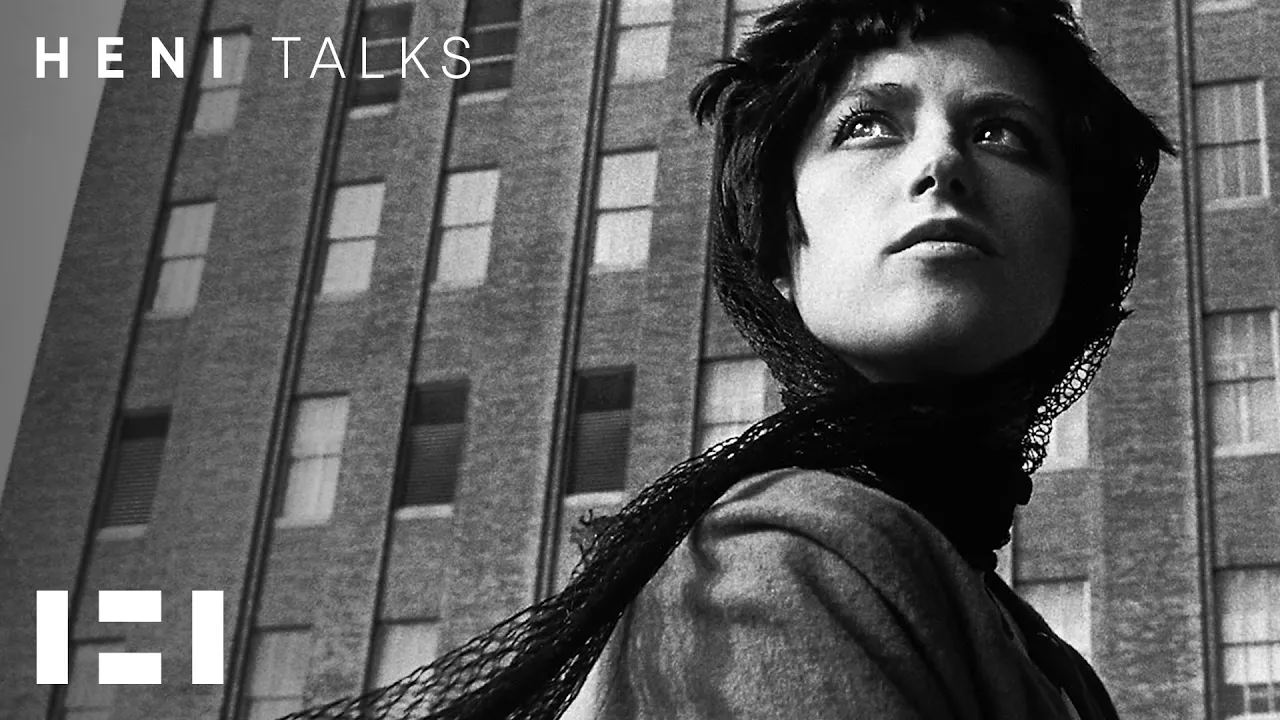
Why this video: Renowned art historian Hal Foster examines Cindy Sherman’s seminal Untitled Film Stills series (1977-1980). This video illustrates how Sherman used self-portraiture to dismantle the gaze, positioning herself as both the director, model, and archetype to expose how female identity is constructed by cinema.
-
Knowledge Checkpoint:
- Explain how Sherman’s self-portraits avoid depicting her actual, personal "identity."
- Identify the 1950s and 60s cinematic tropes (e.g., the femme fatale, the vulnerable girl next door) that Sherman parodies.
- Discuss how Sherman's work acts as a visual manifestation of Laura Mulvey's theory of the male gaze.

-
Why this video: A focused, high-resolution visual analysis of a single photograph: Untitled Film Still #21. SmartHistory scholars dissect Sherman's framing, costume, and psychological expression, explaining how the image evokes a narrative path without offering a specific storyline.
-
Knowledge Checkpoint:
- Analyze the formal elements (framing, focus, lighting) that give Untitled Film Still #21 its cinematic quality.
- Define how Sherman leaves the narrative open-ended to invite viewer projection.
-
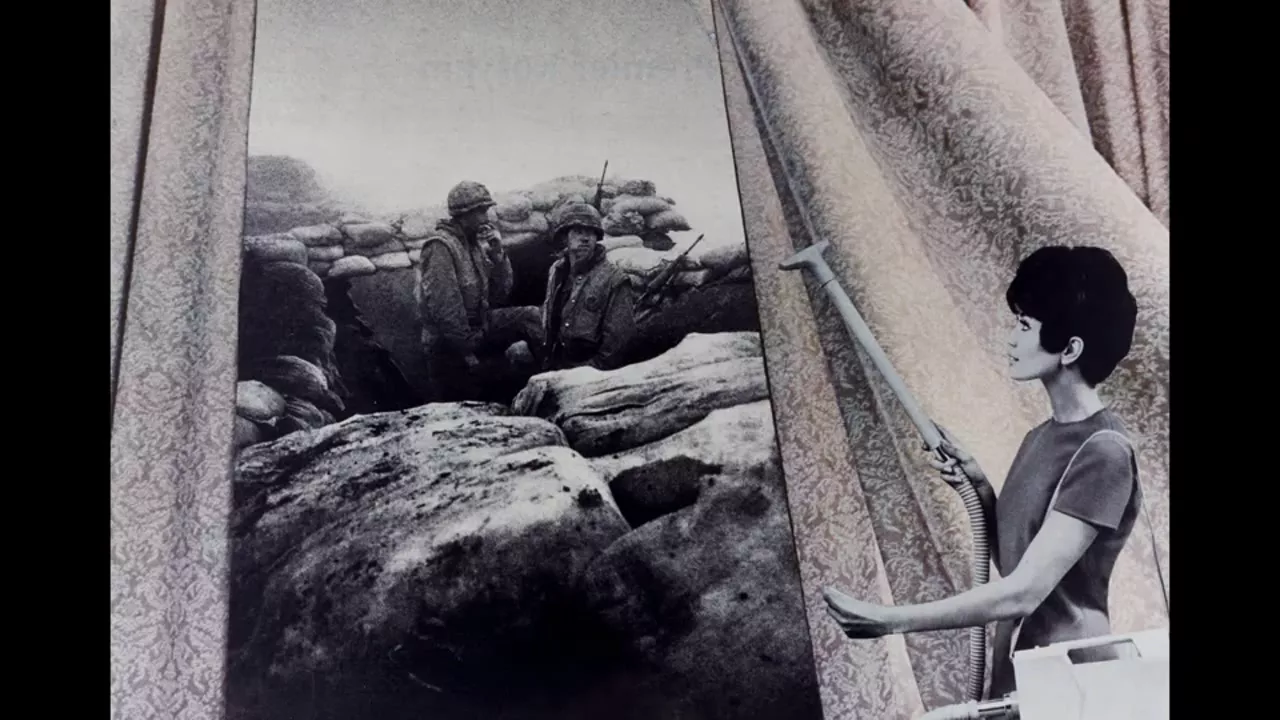
Why this video: This interview features Martha Rosler explaining her series House Beautiful: Bringing War Home. Through photomontage, Rosler contrasted idealized domestic interiors from popular home-design magazines with raw battlefield images from the Vietnam War, uniting geopolitical and gender-based critique.
-
Knowledge Checkpoint:
- Describe the collage technique Rosler used to synthesize war photography and domestic spaces.
- Discuss how this series connects the oppression of women in the domestic sphere to broader geopolitical violence.
Module 5: Intersectional Perspectives and Legacy
This final module addresses the crucial critiques leveled against mainstream 1970s feminist art, which was frequently dominated by white, middle-class perspectives. You will examine the works of pioneering artists of color, specifically Faith Ringgold and Howardena Pindell, who forced an intersectional reckoning within the art world. Additionally, you will trace the enduring legacy of 1970s feminist interventions on contemporary, postmodern art practices.
Recommended Videos
-
Why this video: This concise lecture clip details Howardena Pindell’s monumental 1980 video work Free, White and 21. It discusses how Pindell used her body and face (donning white-face makeup and a blonde wig) to directly criticize both systemic racism in America and the racial exclusionary practices of white-dominated feminist movements.
-
Knowledge Checkpoint:
- Explain the narrative strategy of Free, White and 21.
- Describe how Pindell juxtaposes her own experiences of racism with the gaslighting reactions of a fictionalized white feminist.
-
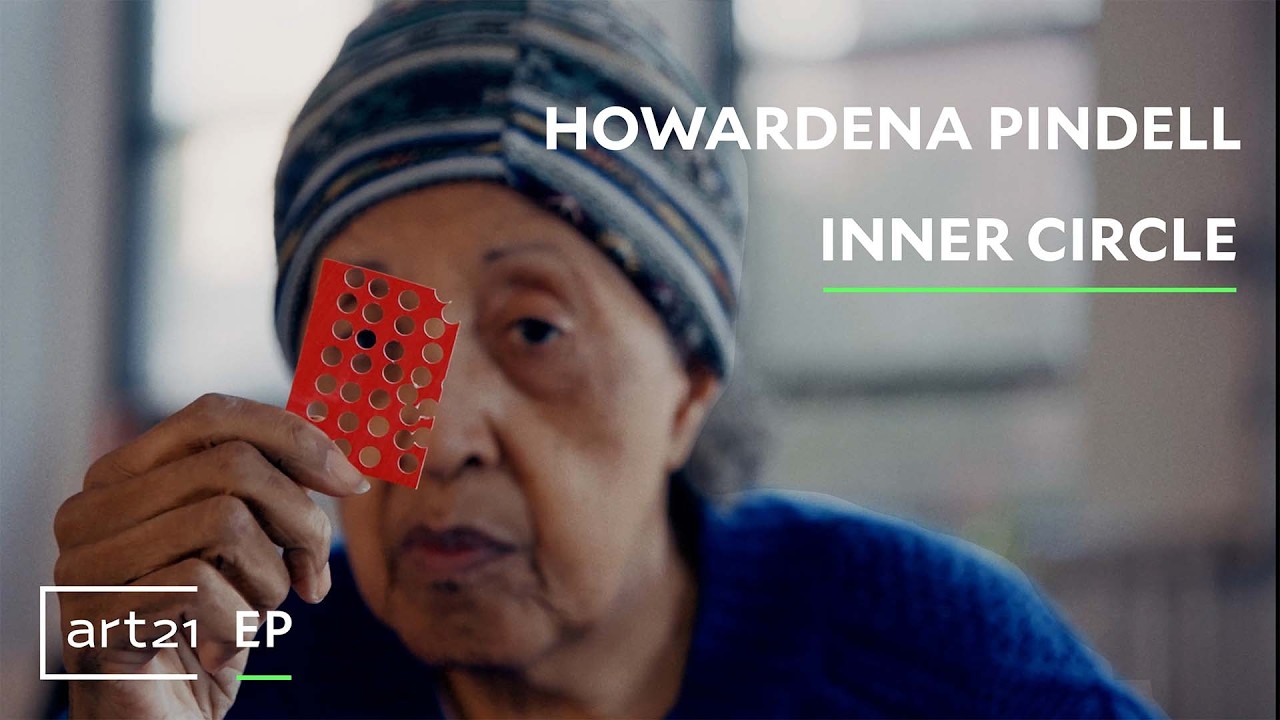
Why this video: An elegant Art21 profile that explores Pindell's broader artistic development. It highlights her struggle to navigate both racial segregation and gender barriers as an abstract painter and museum curator, illustrating her innovative use of hole punches, stencils, and sprayed paint.
-
Knowledge Checkpoint:
- Analyze how Pindell's physical, tactile painting techniques (punching paper, sewing canvases) relate to her conceptual politics.
- Discuss her dual role as a pioneering Black female artist and one of MoMA's first Black curators.

-
Why this video: This video profiles Faith Ringgold, exploring how she combined traditional painting with quilting to challenge the exclusion of Black women from institutional art history. It tracks her transition from political activism in 1970s New York to her development of the "story quilt."
-
Knowledge Checkpoint:
- Explain how Ringgold fused African textile traditions with European painting methodologies.
- Describe her activist initiatives (e.g., protesting at the Whitney Museum) to demand racial and gender parity in exhibitions.
-
Why this video: This synthesized chronological segment explains how the Feminist Art Movement of the 1970s forever changed the course of late 20th-century and contemporary art. It highlights how feminist interventions laid the groundwork for postmodern concepts of identity, institutional critique, and performance art.
-
Knowledge Checkpoint:
- Trace the path from 1970s feminist activism to 1980s Postmodernism.
- Identify how contemporary artists continue to use the strategies of performance and craft pioneered in the 1970s.
Course Map
Key People Index
- Linda Nochlin (1931–2017): Pioneering art historian whose 1971 essay "Why Have There Been No Great Women Artists?" systematically criticized the structural, institutional exclusions that prevented women from achieving artistic canonical status.
- Griselda Pollock (b. 1947): Influential visual theorist and art historian who argued that feminist art history must dismantle and rebuild the structures of art historical study to analyze how visual representations produce gender power dynamics.
- Laura Mulvey (b. 1943): British feminist film theorist who defined the concept of "the male gaze" in 1975, theorizing how visual culture positions women as objects of passive desire.
- Judy Chicago (b. 1939): Monumental American installation artist and educator, co-founder of the Feminist Art Program at CalArts, and creator of the landmark installations Womanhouse (1972) and The Dinner Party (1979).
- Miriam Schapiro (1923–2015): Painter, sculptor, and pioneer of the feminist craft revival who co-founded Womanhouse and developed the concept of "femmage" to integrate traditional female textile craft into high-art canvas paintings.
- Carolee Schneemann (1939–2019): Multi-disciplinary performance artist who used her own body to challenge social taboos surrounding female sexuality and the physical reality of the female form.
- Ana Mendieta (1948–1985): Cuban-American artist who pioneered "earth-body" art, blending performance, sculpture, and photography in her famous Silueta Series to explore themes of exile and nature.
- Martha Rosler (b. 1943): Conceptual artist who used video, photography, and photomontage (Semiotics of the Kitchen, Bringing War Home) to satirize domesticity, media tropes, and geopolitics.
- Cindy Sherman (b. 1954): Pictures Generation photographer whose conceptual self-portraits (Untitled Film Stills) deconstructed standard cinematic representations of femininity.
- Howardena Pindell (b. 1943): Painter, video artist, and curator who produced Free, White and 21 (1980) to challenge institutional racism in the art world and within white-dominated second-wave feminism.
- Faith Ringgold (1930–2024): Activist, painter, and author celebrated for pioneering narrative "story quilts" that combined African fabric traditions with painted canvases to depict Black American history.
Final Self-Assessment
Complete this comprehensive self-assessment to demonstrate your mastery of the 1970s Feminist Art Movement:
- Explain how Linda Nochlin's deconstruction of "greatness" shifts the blame of female underrepresentation from individual talent to systemic, institutional barriers.
- Define Laura Mulvey's concept of the "male gaze" and provide a visual example of how it operates in traditional painting or cinema.
- Contrast the collaborative, anti-hierarchical nature of Womanhouse (1972) with the standard solitary "male artist genius" archetype.
- Describe the conceptual goal of Miriam Schapiro's "femmage" aesthetic and identify two physical materials typically incorporated into it.
- Identify three historical figures honored in Judy Chicago's The Dinner Party and explain how their corresponding settings utilize symbolic iconography.
- Analyze how Carolee Schneemann's Interior Scroll (1975) served as a direct critique of the "detached, analytical" male conceptualism of the 1970s.
- Define "earth-body art" as practiced by Ana Mendieta in her Silueta Series, and explain how it differs conceptually from monumental, machine-driven Earthworks/Land Art.
- Describe the structural parody at play in Martha Rosler's Semiotics of the Kitchen (1975), and how she uses the alphabet to highlight domestic confinement.
- Detail how Cindy Sherman's Untitled Film Stills series uses self-portraiture to deconstruct mass-media identity rather than to express her personal, authentic self.
- Explain the intersectional critique put forth by Howardena Pindell in her performance video Free, White and 21 (1980).
- Define Faith Ringgold's "story quilt" medium and explain how it merges African American cultural heritage with Western fine-art painting.