Icy Moons: Geology, Oceans & Astrobiology
Learning Goal: Investigating the geology, subsurface oceans, and biosignature detection strategies for astrobiological exploration on icy moons like Europa, Enceladus, and Titan.
This curriculum is designed to guide planetary science students, astrobiologists, and space enthusiasts through the physical, chemical, and biological dimensions of outer solar system exploration. By studying the icy shells, hydrothermal systems, prebiotic atmospheres, and future robotic mission payloads of Europa, Enceladus, and Titan, you will understand how modern science searches for life beyond Earth's traditional habitable zone.
Prerequisites
- Basic high-school chemistry (understanding of ions, solvents, and organic vs. inorganic molecules).
- Basic physics (Newtonian gravitation and thermodynamics).
Estimated Total Study Time
- Total Video Hours: ~3.2 hours
- Independent Study & Practical Exercises: ~12 hours
- Total Recommended Course Commitment: 15 Hours
Module 1: Foundations of Planetary Astrobiology
This module introduces you to the core tenets of planetary habitability. Rather than looking solely at the circumstellar "Goldilocks" zone, planetary scientists now evaluate habitability based on the local presence of a liquid solvent (water), essential biogenic elements (Carbon, Hydrogen, Nitrogen, Oxygen, Phosphorus, Sulfur—CHNOPS), and thermodynamic energy sources.

Why this video
This ESA lecture provides an elegant, academic baseline for how astrobiology evolved from a speculative field to a rigorous, interdisciplinary science. It explains how biogenic elements form in stars and disperse through the cosmos, setting the stage for prebiotic synthesis.

Why this video
Amy Williams outlines the strict biochemical requirements of terrestrial biology. She details why liquid water operates as a universal solvent, why carbon is irreplaceable for structural molecule complexing, and how life exploits redox reactions for cellular energy.

Why this video
To avoid "Earth-centric" bias, astrobiologists utilize "agnostic biosignatures." This panel discussion introduces the concept of looking for physical or chemical systems that generate order, multiply, and utilize thermodynamic gradients without assuming they are carbon-based.
Knowledge Checkpoint
- Define the acronym CHNOPS and explain the primary biological role of phosphorus and carbon.
- Describe why liquid water is considered an optimal solvent compared to liquid ammonia or liquid methane.
- Contrast "Earth-like biosignatures" with "agnostic biosignatures" in context of outer solar system exploration.
Module 2: Geology and Tidal Heating of Icy Worlds
Icy moons reside far outside our Sun's liquid-water habitable zone. Yet, moons like Europa and Enceladus maintain liquid oceans under miles of ice. This module explores the physical mechanisms—specifically tidal flexing, orbital resonances, and ice tectonics—that generate internal planetary heat.

Why this video
This video explains the fundamental physics behind tidal forces. It explains how orbital eccentricity and varying gravitational pull create physical friction inside orbiting moons, converting orbital energy into thermal energy.

Why this video
A precise visual explanation of the famous Laplace orbital resonance. It demonstrates how Io, Europa, and Ganymede maintain their eccentric orbits in a 4:2:1 ratio, which continuously fuels tidal heating over billions of years.
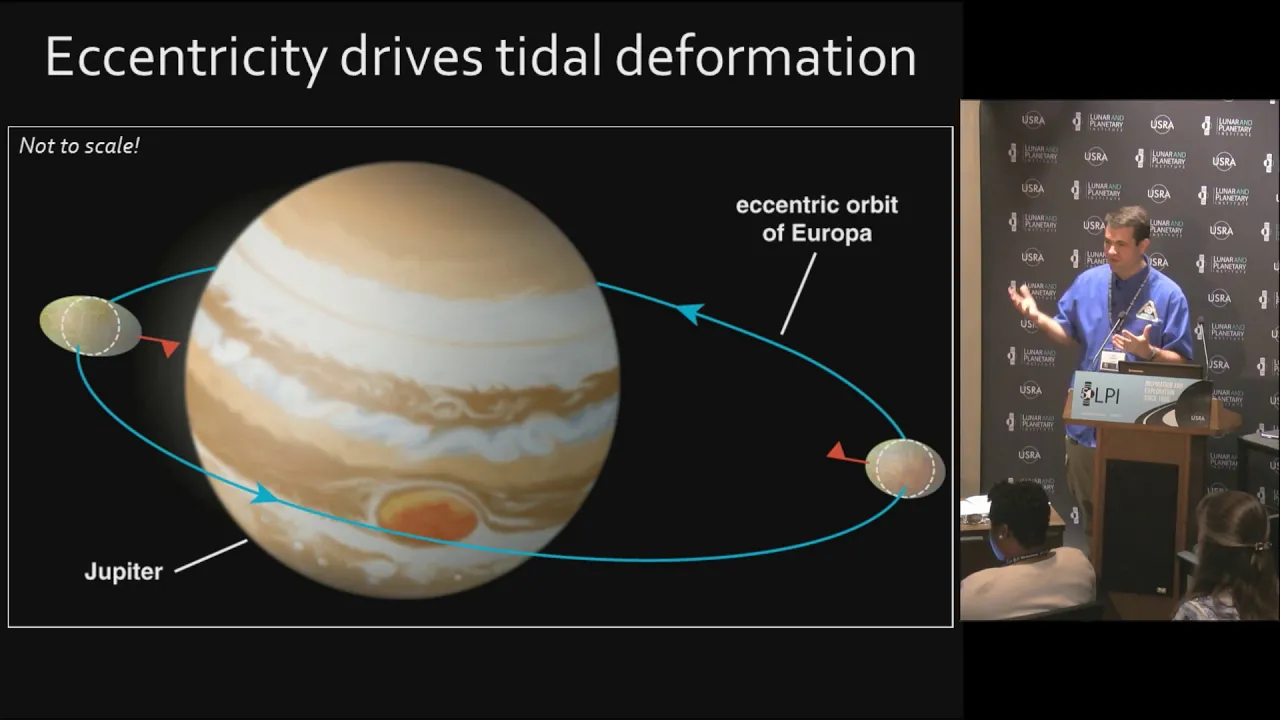
Why this video
This academic lecture provides a technical dive into ice tectonics and cryovolcanism. You will learn how cyclic tidal stresses fracture the solid ice shells of Europa and Enceladus, acting as conduits that transport liquid water and volatiles from the interior to the surface.

Why this video
Using real-time physical simulation, this video provides a highly visual demonstration of the orbital dynamics that trigger extreme tidal flexing, illustrating the impact on a moon’s internal heat signature.
Knowledge Checkpoint
- Explain how the 4:2:1 Laplace resonance prevents Europa's orbit from circularizing.
- Draw a simple diagram illustrating how tidal flexing produces internal friction inside an icy moon.
- Define cryovolcanism and identify the primary substances that act as "cryomagma."
Module 3: Subsurface Oceans and Hydrothermal Vent Chemistry
Beneath the frozen shells of Europa and Enceladus lie global subsurface oceans in direct contact with silicate rocky seafloors. This module explores the hydrothermal reactions that occur at these boundaries, focusing on serpentinization, pH dynamics, and the chemosynthetic pathways that can sustain life without sunlight.
Why this video
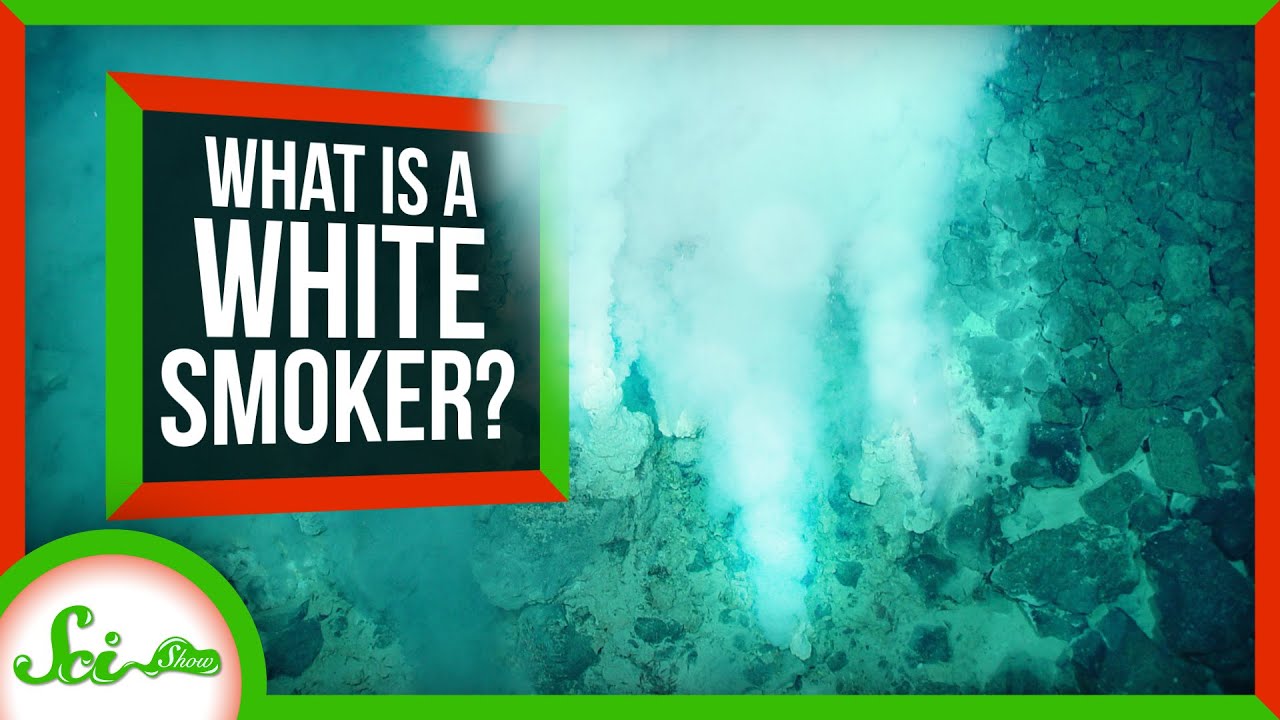
This is a superb introduction to serpentinization. It explains how olivine rock reacts with seawater at the ocean floor, producing serpentinite minerals, magnetite, hydrogen gas (), and methane (), while pushing ocean pH to basic levels.

Why this video
Focuses on alkaline hydrothermal vents. It breaks down how the chemical gradients generated at alkaline vent chimneys (rich in hydrogen gas, methane, and acetate) mirror the energetic processes used by the earliest cells on Earth.
Why this video
This historic press conference reviews the detection of (molecular hydrogen) in the plumes of Enceladus by the Cassini spacecraft. It acts as direct, observational evidence of active, deep-sea hydrothermal systems operating in an alien ocean.
Knowledge Checkpoint
- Write down the basic mineral reactants and products involved in serpentinization (e.g., Olivine + Water Serpentinite + Magnetite + Hydrogen).
- Why is molecular hydrogen () in a moon’s water plume considered "food" for chemosynthetic life?
- Compare the hydrothermal environment of Earth's "Lost City" to the predicted seafloor conditions of Enceladus.
Module 4: Titan: Hydrocarbon Lakes and Prebiotic Chemistry
Titan, Saturn’s largest moon, is a world wrapped in a dense, orange nitrogen-methane atmosphere. It is the only place in our solar system, other than Earth, with standing bodies of liquid on its surface. However, this liquid is not water, but liquid methane and ethane, creating a unique laboratory for prebiotic organic chemistry.
Why this video
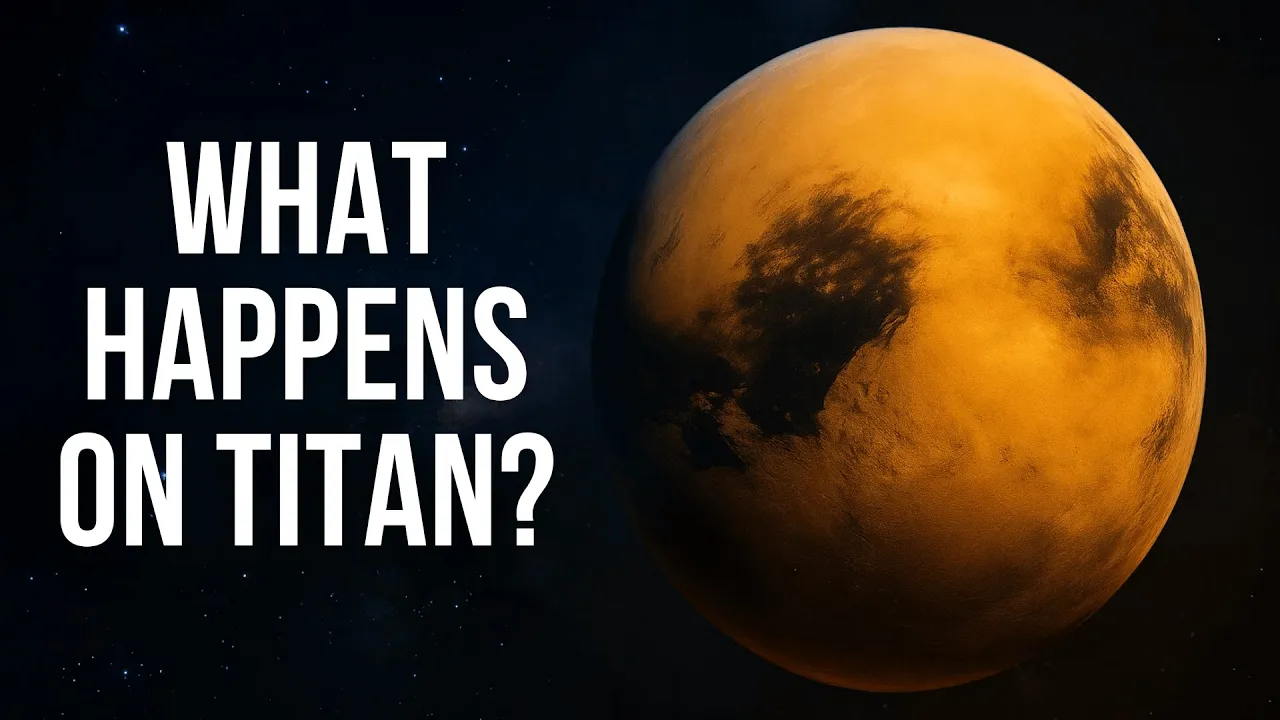
This video explains why Titan's extreme surface conditions, including surface atmospheric pressures 60% higher than Earth's and temperatures around -179°C, allow complex hydrocarbons to behave like terrestrial water.

Why this video
Provides an excellent, accessible walkthrough of Titan’s atmosphere and the methane-based hydrological cycle (evaporation, clouds, precipitation, and accumulation in polar lakes like Ligeia Mare).

Why this video
A short, information-dense overview of how laboratory experiments simulate Titan's atmospheric conditions. It explains how ionizing radiation from ultraviolet light transforms simple methane () and nitrogen () into complex, heavy organic solids (tholins).
Knowledge Checkpoint
- Describe Titan's hydrological cycle, noting how it differs chemically from Earth's.
- What are "tholins," and how do they form in Titan’s upper atmosphere?
- Explain how life on Titan might utilize a liquid hydrocarbon solvent (like methane) instead of liquid water.
Module 5: Biosignature Detection and Future Exploration Missions
We have found the oceans, the chemistry, and the heat. Now, how do we find the life? This final module focuses on the engineering and scientific payloads of upcoming spacecraft: NASA's Europa Clipper and the Dragonfly rotorcraft. We will explore how mass spectrometry and gas chromatography allow us to sample alien environments from afar.
Why this video
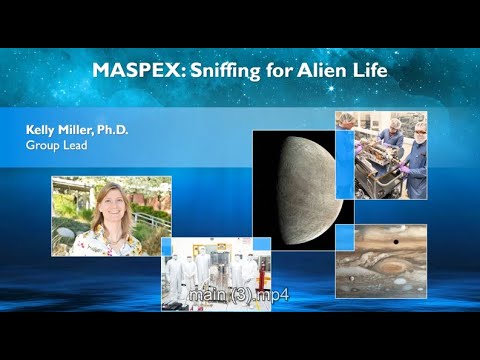
An in-depth presentation on the MASPEX (Mass Spectrometer for Planetary Exploration) instrument designed for Europa Clipper. This video explains the physics of high-resolution mass spectrometry, showing how scientists can differentiate between volatile compounds that share almost identical molecular weights.

Why this video
This segment visualizes the exact ionization mechanics that occur inside Europa Clipper's atmospheric analyzers. You will learn how incoming plume gases are bombarded with streams of electrons to create ionized molecules for mass evaluation.
Why this video
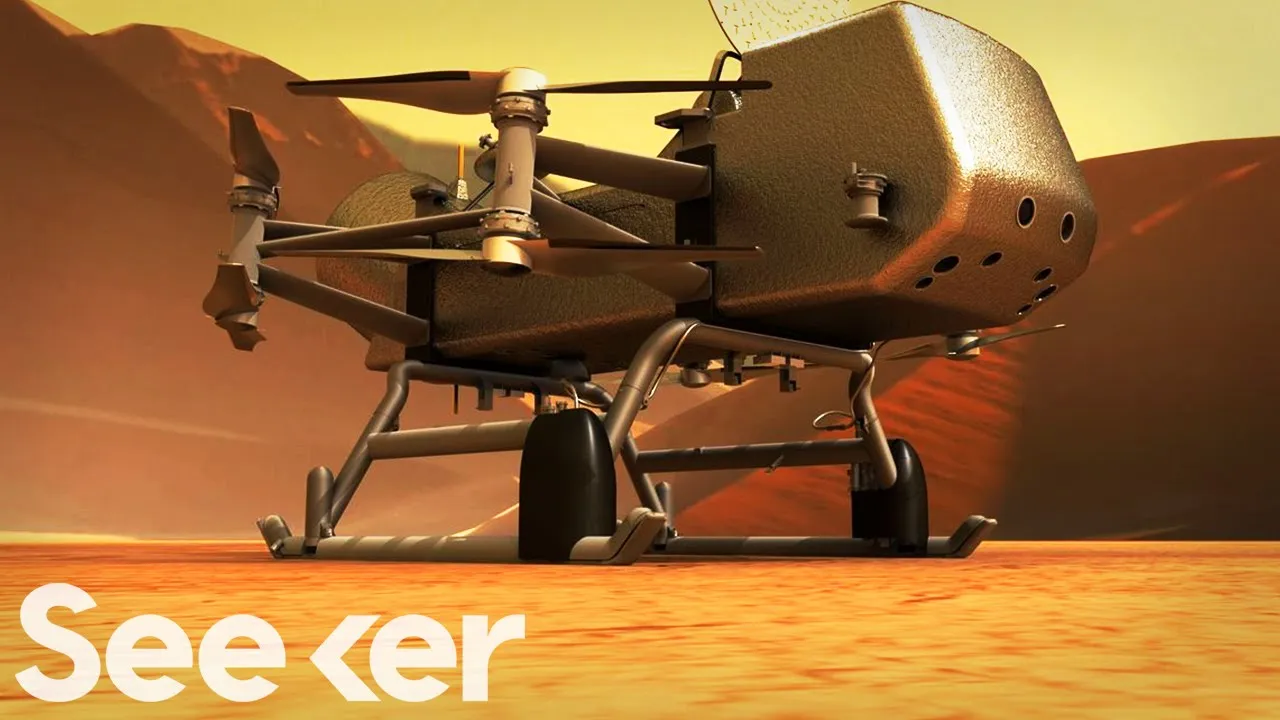
An engineering profile of the Dragonfly mission—a car-sized, nuclear-powered octocopter. This video breaks down how Dragonfly will navigate Titan's low gravity and ultra-dense atmosphere to perform direct surface analysis of complex prebiotic molecules.
Why this video
Dr. Becky details the complete 10-instrument payload of Europa Clipper. It covers how ice-penetrating radar, infrared thermal mappers, and magnetometers work in tandem to map ice shell thickness and ocean salinity during its multiple flyby trajectories.
Knowledge Checkpoint
- Explain how a mass spectrometer identifies unknown chemical compounds using mass-to-charge () ratios.
- Why does Europa Clipper perform multiple flybys of Europa rather than entering a permanent orbit around the moon?
- What engineering advantages does Titan's thick atmosphere and low gravity offer to the Dragonfly rotorcraft design?
Course Map
Key People Index
- Dr. Amy Williams (Astrobiologist, University of Florida / NASA): Featured in Module 1, where she defines the chemical criteria of planetary habitability.
- Dr. David Grinspoon (Senior Scientist, Planetary Science Institute): Featured in Module 1, advocating for agnostic biosignature definitions.
- Dr. Erin Leonard (Planetary Geologist, NASA Jet Propulsion Laboratory): Featured in Module 2, pioneer of the global geologic mapping of Europa.
- Dr. Frank Postberg (Professor of Planetary Sciences, Freie Universität Berlin): Highlighted in Module 3 for his work analyzing cosmic dust data from Cassini to confirm salty ocean compositions and phosphorus presence on Enceladus.
- Dr. Brad Dalton (Planetary Scientist, NASA JPL): Discussed in biological surface spectroscopy, famous for comparative studies of Earth extremophile infrared signatures with Europa's non-ice surface staining.
- Dr. Jim Green (Former NASA Chief Scientist): Highlighted in the synthesis of ocean world exploration planning and early methane plume discoveries on Enceladus.
Final Self-Assessment
Test your mastery of outer solar system astrobiology by verifying that you can complete each of the following tasks:
- Explain the "triple threat" of habitability: detail the roles of liquid water (solvent), organic elements (carbon/nitrogen), and redox energy gradients.
- Calculate or explain conceptually how a 4:2:1 orbital resonance (Io-Europa-Ganymede) prevents orbital circularization, keeping Europa’s interior hot.
- Differentiate between subduction on Earth (silicate-plate driven) and cryo-tectonics on Europa (ice-plate sliding).
- Describe the chemical process of serpentinization, identifying the key minerals involved and explaining why it increases ocean pH.
- Identify the gas detected in the Enceladus plumes that serves as direct evidence of seafloor hydrothermal reactions.
- Explain why liquid water and liquid methane/ethane require fundamentally different biochemical designs for cell membranes (e.g., standard lipid bilayers vs. azotosomes).
- Outline the chemical pathways where ultraviolet radiation photolyzes methane to produce the complex organic polymers known as tholins.
- Describe the mechanics of the MASPEX instrument and how its high mass resolution distinguishes between Nitrogen () and Carbon Monoxide ().
- Detail the main scientific goal of the Dragonfly mission and how its chemical payload will analyze the transition from prebiotic organics to biological systems.